
Ski Bindings · FAQ
Questions about Telemark Bindings
Straight answers on fit, specs, and when this type makes sense — each topic has its own page with links back to the buying guide.
Open Telemark Bindings guide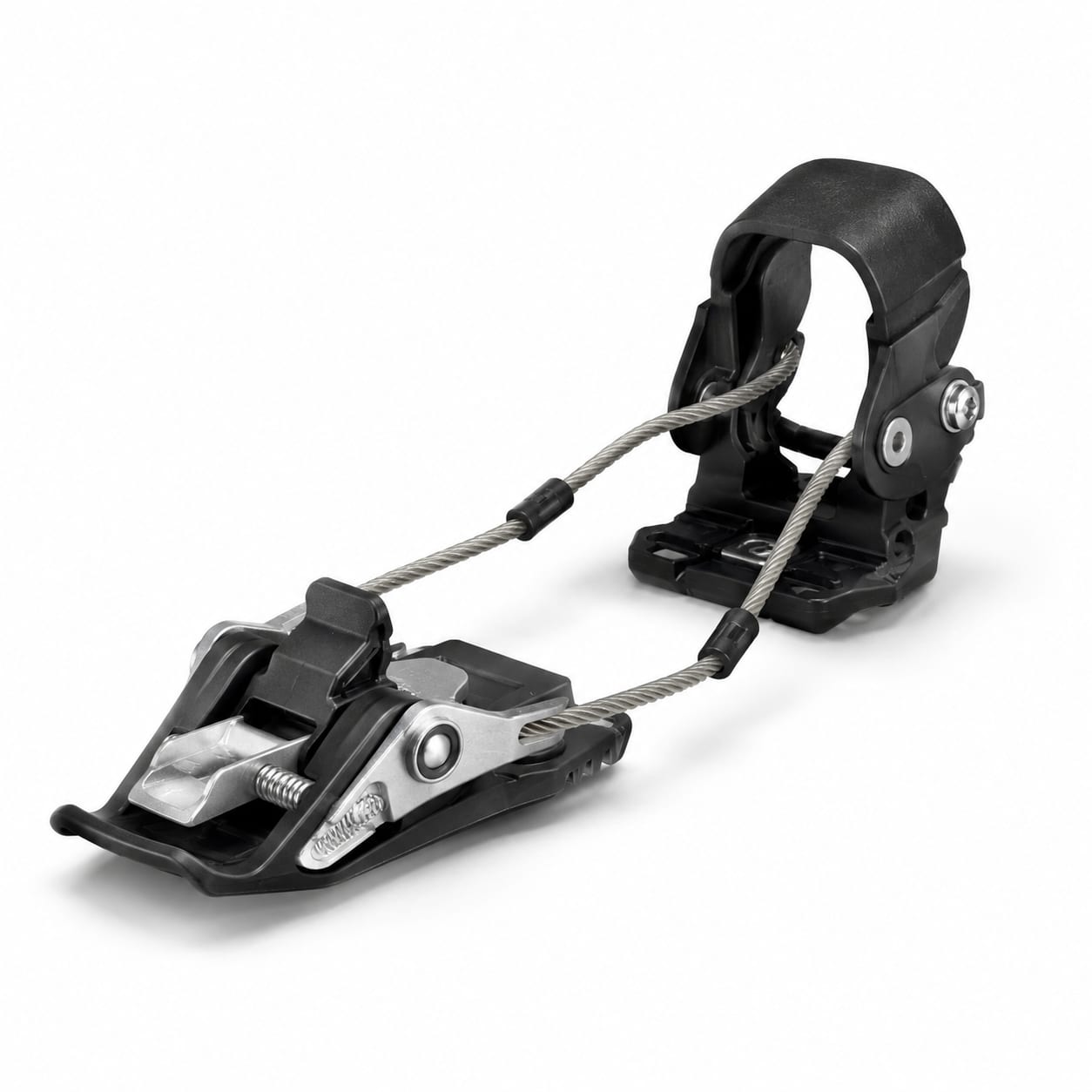
6 topics
Pick a question
Every answer links to the full subcategory guide and related gear types when it helps you decide.
Should I choose 75mm or NTN telemark bindings?
For most skiers, NTN is the better choice because it offers releasable safety, better lateral control, and superior downhill performance. Choose 75mm if you prioritize minimum weight for backcountry touring, prefer the simplicity and tradition of cable bindings, or are on a tighter budget. The safety advantage of NTN's releasable design is significant and should be the deciding factor for anyone skiing aggressive terrain or avalanche-prone areas.
Read answer →02Can I use telemark bindings with alpine boots?
No. Telemark bindings require telemark-specific boots with either a 75mm duckbill toe or NTN-compatible sole. Alpine boots (ISO 5355) are completely incompatible. You must invest in dedicated telemark boots, which are designed with the flex patterns and sole geometry required for free-heel skiing.
Read answer →03Are non-releasable 75mm telemark bindings safe?
Non-releasable 75mm bindings are a legitimate safety concern. In a fall, the binding will not release, meaning your leg absorbs all forces. This increases the risk of knee and lower-leg injuries. If you choose 75mm, consider a releasable model like the Rottefella 7TM, or accept the risk and ski conservatively. Many experienced telemark skiers on 75mm bindings mitigate risk through careful terrain selection and controlled skiing.
Read answer →04Do I need climbing aids or heel risers with telemark bindings?
Most telemark bindings do not need climbing aids because the heel is always free—this is one of telemark's advantages. However, some NTN bindings have active heel pieces that create resistance on the uphill. These models may include a touring mode or heel riser to reduce that resistance. For 75mm bindings, no climbing aid is needed or available; the free heel provides natural stride efficiency.
Read answer →05How long does it take to learn telemark skiing?
Expect 10-20 days on snow to develop basic telemark turn competency if you already have alpine skiing experience. Linking turns with consistent rhythm on blue runs typically takes a full season. Becoming comfortable on black runs and in variable conditions often takes 2-3 seasons. The learning curve is steeper than alpine skiing, but most telemark skiers find the process rewarding and the resulting experience worth the investment.
Read answer →06Can I ski telemark at resorts that require brakes?
Most resorts require some form of runaway prevention—either brakes or leashes. Many 75mm telemark bindings use leashes instead of brakes, which some resorts accept and others do not. NTN bindings typically include integrated brakes like alpine bindings. Check your local resort's policy before skiing 75mm bindings with leashes. If brakes are required, some 75mm models offer brake adapters, or you may need to switch to an NTN system.
Read answer →