Kitvore.com

Kitvore.com

Specs that matter. Gear that fits.

Ski Bindings · Subcategory

Telemark Bindings

Free-heel bindings that secure only the toe, enabling the signature telemark turn with a lunging, dropped-knee style.

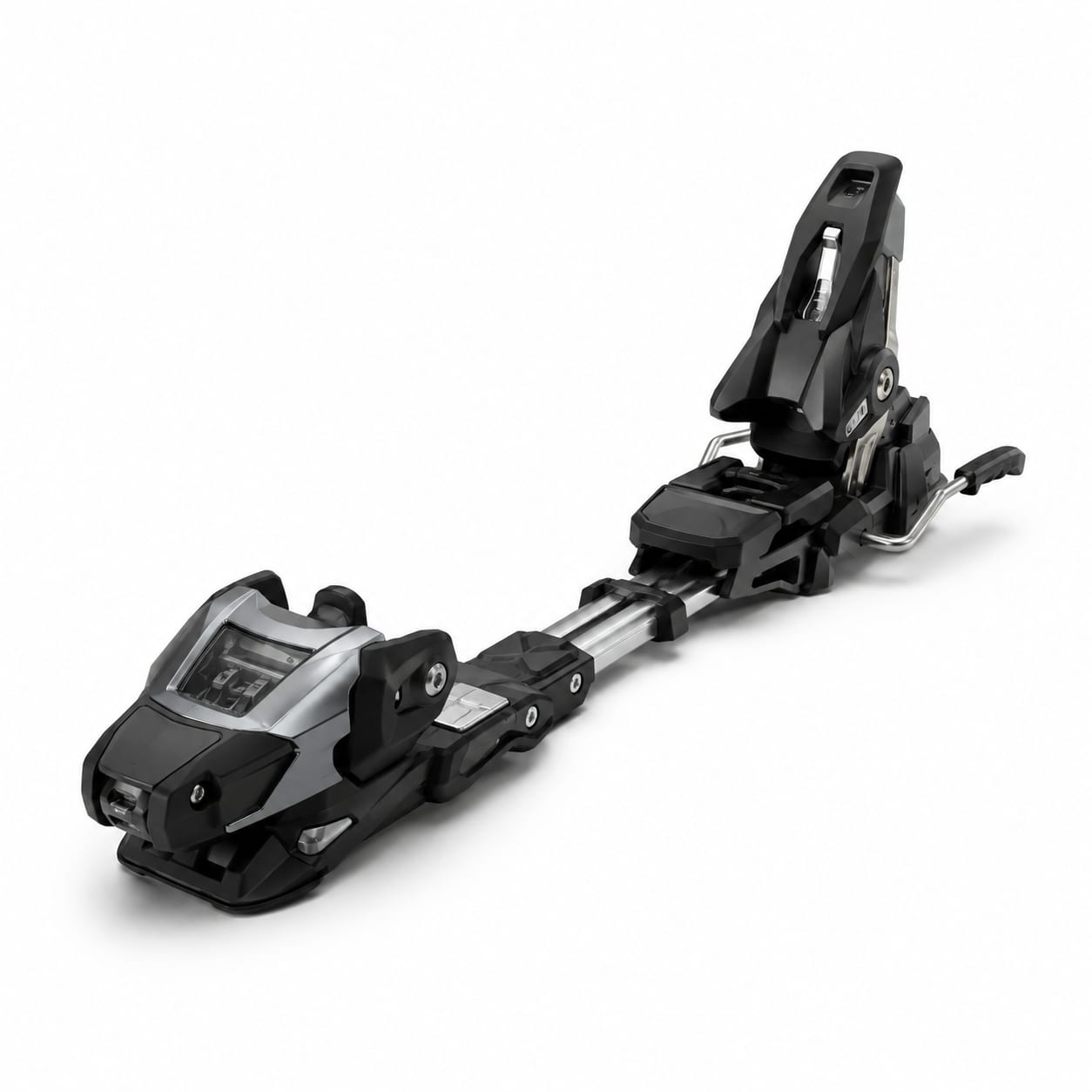
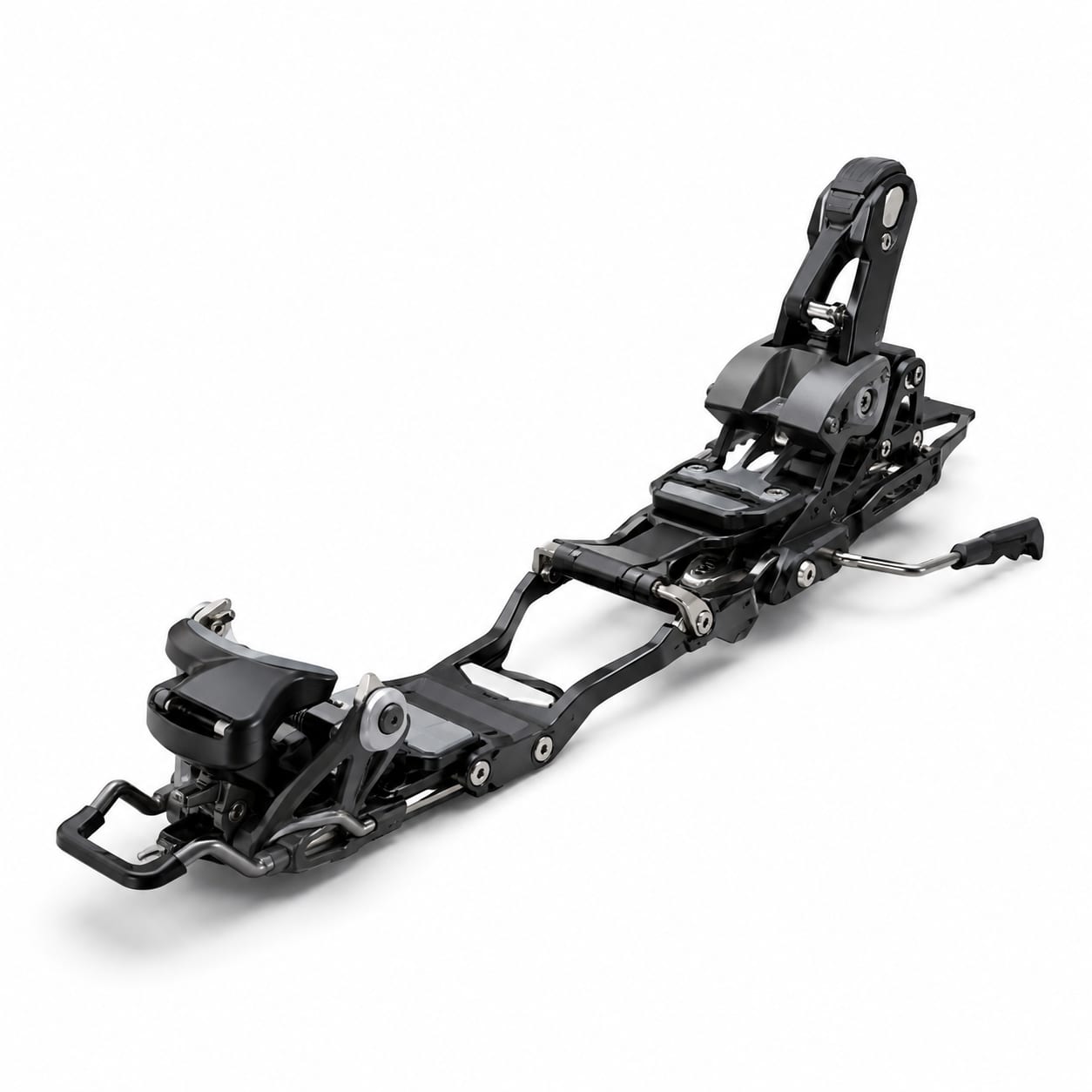
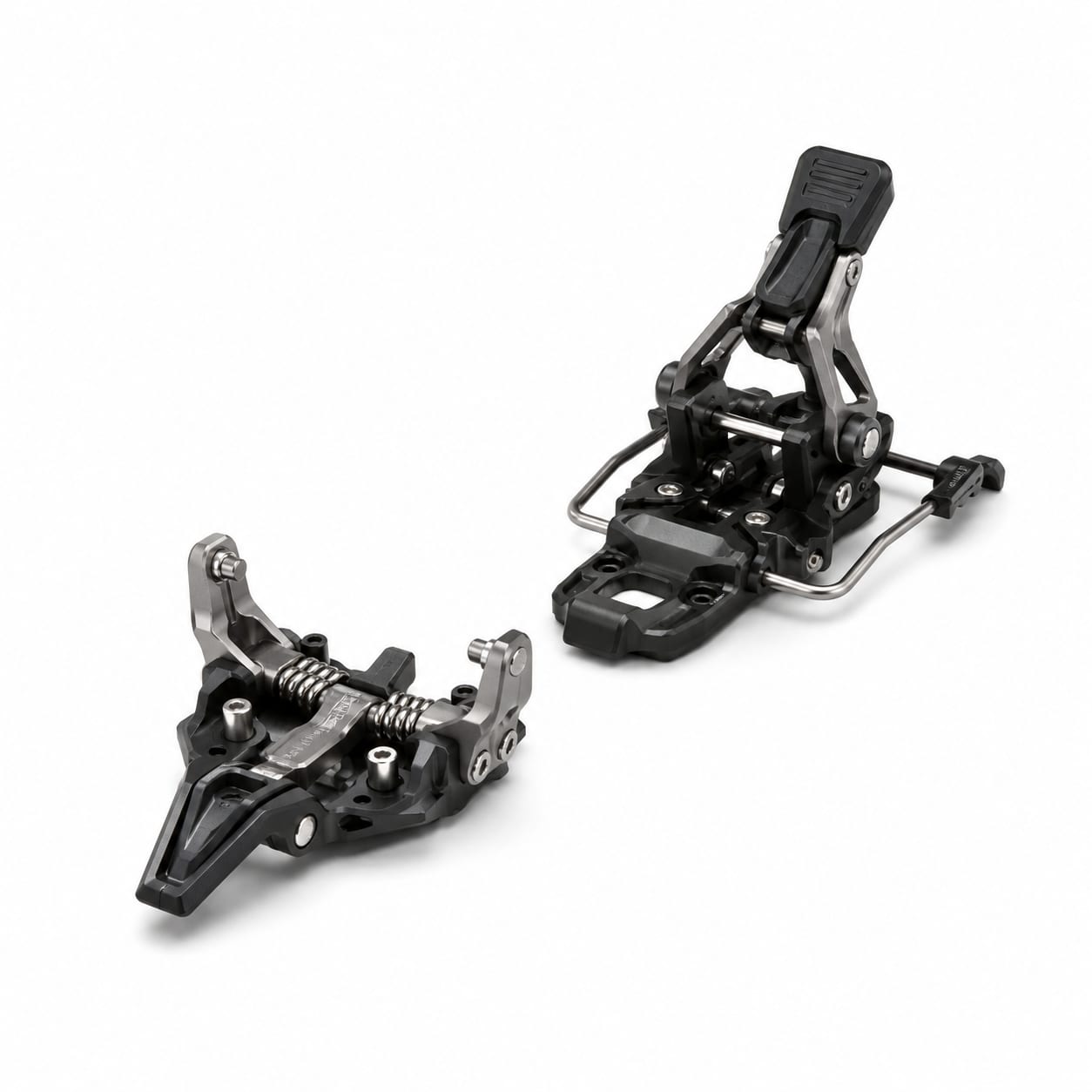
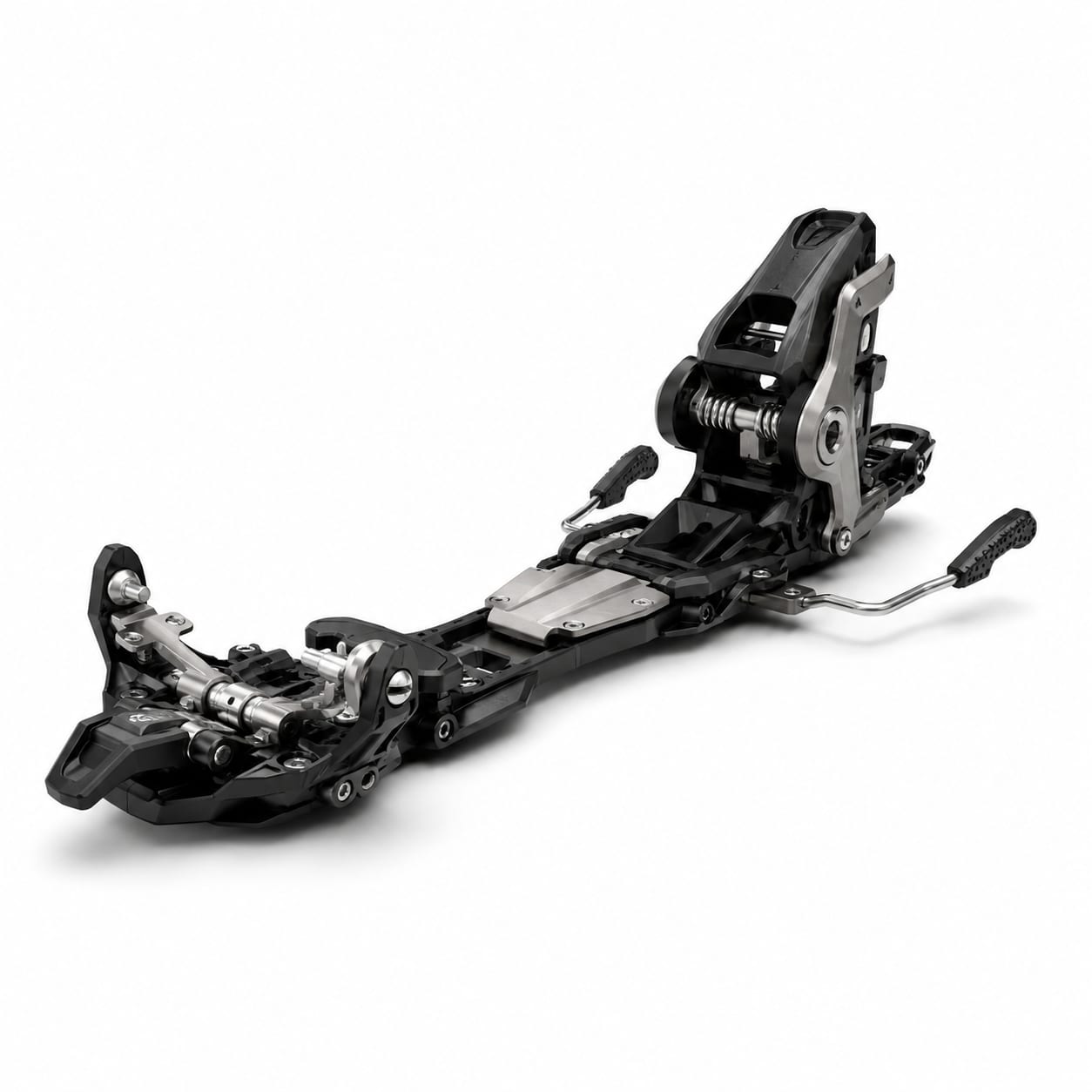
Telemark bindings are the defining component of telemark skiing, locking the boot at the toe while leaving the heel free to lift. Available in traditional 75mm duckbill and modern NTN (New Telemark Norm) interfaces, these bindings unlock a uniquely fluid, rhythmic turn style that blends elements of alpine and Nordic technique. While they demand dedicated boots and a steeper learning curve, telemark bindings reward practitioners with unmatched versatility—from in-bounds carving to backcountry touring without needing a separate walk mode.

$150 – $550mid tierintermediateadvancedexpert

Best known for

Enabling the free-heel telemark turn with dropped-knee styleNatural touring capability without walk-mode mechanismsA uniquely fluid and rhythmic skiing experienceNTN interface providing lateral rigidity and releasable safety
Telemark Bindings

Guide

Detailed overview

Telemark bindings secure only the toe of the boot, allowing the heel to rise freely during turns. This design is fundamental to telemark skiing, where the skier lunges forward with one knee dropped, creating the distinctive telemark turn. Two primary interface standards exist: the traditional 75mm (often called Nordic Norm or duckbill) and the newer NTN (New Telemark Norm). The 75mm standard uses a toe piece that clamps over a duckbill-shaped toe fitting on the boot, often paired with a cable that wraps around the heel for retention and power. NTN eliminates the duckbill in favor of a broader toe interface with side-mounted pins and a heel piece that provides lateral control and a releasable safety mechanism—something most 75mm bindings lack. Telemark bindings range from simple, lightweight cable designs for backcountry use to robust NTN systems that approach alpine binding performance on the descent. The free-heel design means telemark bindings naturally excel at uphill travel without requiring climbing aids or walk modes, making them inherently versatile for touring. However, they require dedicated telemark boots and the commitment to learn a technically demanding turn style.

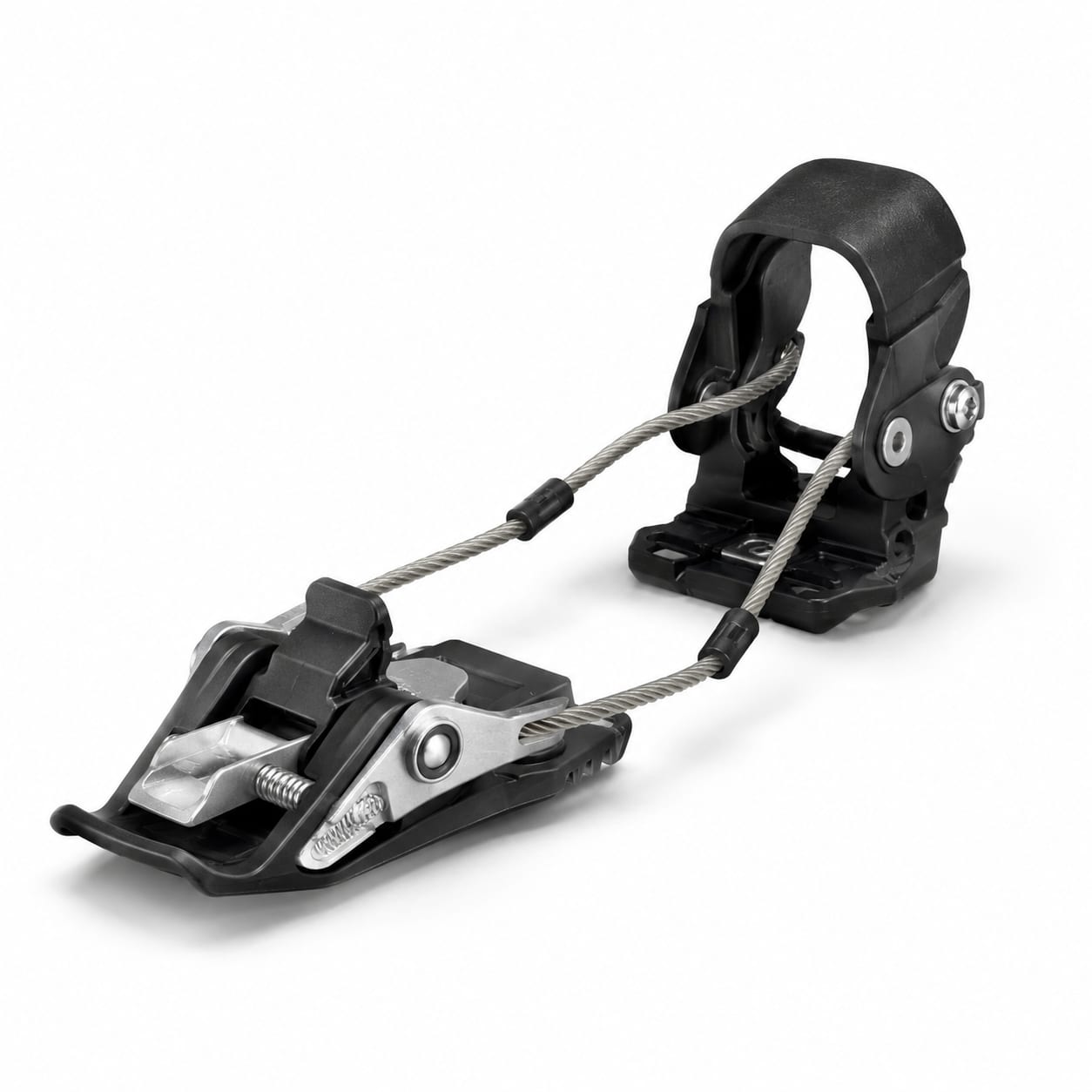
Telemark skiing occupies a unique space in the skiing world—part alpine, part Nordic, and entirely its own discipline. The binding is the heart of the telemark experience, and understanding the two dominant interface standards is essential for anyone entering this world. The 75mm standard, sometimes called Nordic Norm, has been the backbone of telemark for decades. Boots feature a duckbill-shaped toe that inserts into the binding toe box, with cables wrapping behind the heel to provide retention and driving force. These systems are simple, relatively light, and have a devoted following among backcountry purists. However, most 75mm bindings are non-releasable, meaning they do not release in a fall—a significant safety consideration. Some models, like the Rottefella 7TM, offer release capability, but they are the exception rather than the rule.

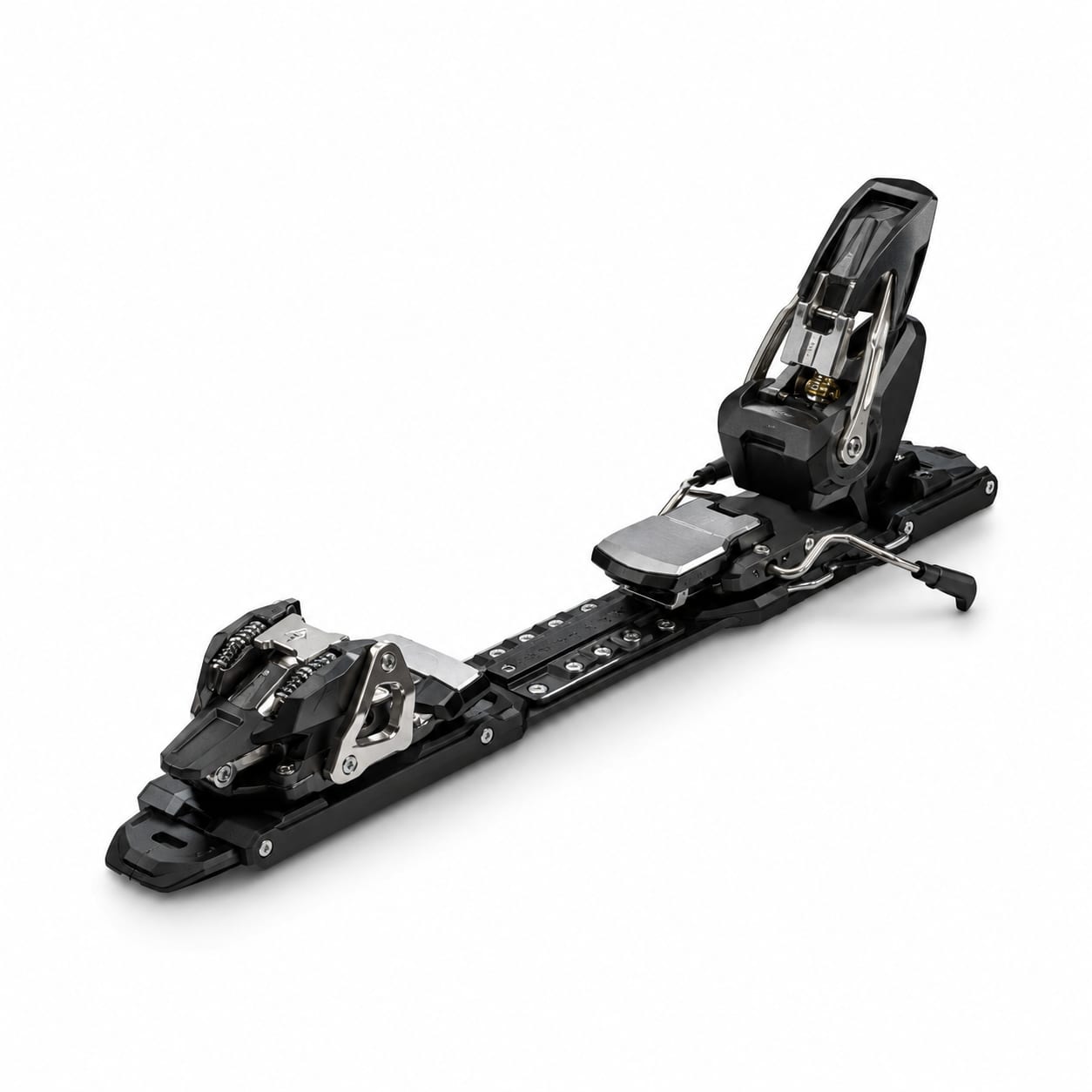
The NTN (New Telemark Norm) standard, introduced by Rottefella and adopted by several brands, represents the modern evolution of telemark. NTN bindings use a broader toe interface with spring-loaded side pins and an active heel piece that provides lateral control comparable to alpine bindings. Critically, NTN bindings are fully releasable, addressing the primary safety concern of 75mm systems. The heel piece also provides active engagement that powers the turn, reducing the fatigue associated with cable bindings. The trade-off is weight—NTN systems are heavier than most 75mm setups—and cost. NTN boots are also typically stiffer and more expensive than their 75mm counterparts.

One of the most compelling advantages of telemark bindings is their inherent touring capability. Because the heel is always free, there is no need for a walk mode, climbing aids, or heel risers—the skier simply skins uphill as they would with any touring setup. This makes telemark an elegant one-binding solution for skiers who tour and descend in free-heel style. Some NTN bindings, like the Rottefella Freedom, include a free-touring mode that reduces resistance on the uphill, further enhancing their versatility. For skiers who want the purest backcountry experience with the lightest possible setup, 75mm cable bindings paired with lightweight telemark boots remain popular despite the safety trade-offs.

Choosing between 75mm and NTN comes down to priorities. If safety, lateral control, and downhill performance are paramount, NTN is the clear choice. If weight savings, simplicity, and tradition matter more—and you accept the non-releasable risk—75mm still has merit. It is also worth noting that the telemark market is smaller than alpine, meaning fewer options and less frequent updates. Boot selection is more limited, and finding demo opportunities can be challenging. However, the community is passionate and supportive, and the experience of linking telemark turns on a powder day is, for many, worth every compromise.

Quick facts

Primary purpose
Enable free-heel telemark skiing with controlled turns and touring capability
Popular brands
22 DesignsG3RottefellaCrispiBlack Diamond
Typical terrain
resortbackcountrygroomed runsall-mountain

What makes it different

Heel is always free; 75mm uses a duckbill toe and cable around the heel; NTN uses a different boot sole with lateral engagement and optional release; telemark boots flex at the ball of the foot; inherently touring-capable without mode switching

Recommended ranges

How this type usually specs out

Each spec is explained in plain language, then we show what buyers usually look for on this type.

DIN / Release Value Range

DIN Range

What it means

The range of release force settings the binding supports. DIN (Deutsches Institut für Normung) values indicate the force required to release the boot. Must accommodate the skier's calculated release value based on weight, ability, and boot sole length.

Typical for this type

4-14 depending on binding model and skier ability

Most common pick: 5-12

In practice

Telemark bindings typically offer DIN ranges from 4-10 for 75mm models and 5-12 for NTN models. Some heavy-duty NTN bindings extend to 14. The DIN setting on telemark bindings controls the release force at the toe, though release behavior differs from alpine bindings due to the free-heel design.

Compared to other types

Telemark DIN ranges are generally narrower and lower than alpine bindings. Alpine bindings commonly reach DIN 16-18 for race models, while telemark bindings top out around 12-14. This reflects the different force profiles of telemark versus alpine skiing.

Why it matters: Proper DIN setting is critical for safety, especially on releasable NTN bindings. Because telemark skiers exert different forces on the binding during turns (including significant fore-aft loading), the release characteristics must accommodate the telemark motion while still protecting in a fall.

Brake Pad Width

Brake Width

What it means

The width of the brake arms when deployed. Brakes must be wide enough to clear the ski waist but not so wide they drag or catch. The brake prevents runaway skis after release.

Typical for this type

Match Ski Waist + 10-15mm Clearance

Most common pick: 95mm

In practice

Telemark bindings, particularly NTN models, come with brakes in various widths from 85mm to 130mm. 75mm cable bindings often use climbing wires or leashes instead of brakes, though some models offer brake options. NTN bindings almost always include integrated brakes.

Compared to other types

Similar brake width considerations apply as with alpine bindings. However, 75mm telemark bindings more commonly use leashes instead of brakes, which is rare in alpine skiing. NTN bindings use standard brake designs comparable to alpine bindings.

Why it matters: As with all bindings, brakes must clear the ski waist to deploy properly. Telemark skis tend to be mid-fat to wide (90-110mm waist is common), so 95-110mm brakes are typical. Using leashes instead of brakes is common on 75mm setups but creates a different safety profile.

Binding Type / Category

Binding Type

What it means

The fundamental design category of the binding, determining its intended use, mechanism, and compatibility with boot soles.

Typical for this type

N/A (This Is The Defining Type)

Most common pick: Telemark

In practice

Telemark bindings are their own binding type category, defined by toe-only retention that allows the heel to lift freely. Within telemark, there are two sub-interfaces: 75mm (duckbill) and NTN (New Telemark Norm).

Compared to other types

Unlike alpine bindings that lock heel and toe, or touring bindings that switch between locked and free modes, telemark bindings are always free-heel. This eliminates the need for walk mode mechanisms but requires a completely different skiing technique.

Why it matters: The binding type determines boot compatibility, release behavior, and the fundamental skiing experience. Choosing telemark means committing to free-heel technique and dedicated telemark boots. You cannot use alpine or touring boots in telemark bindings.

Boot Sole Type Compatibility

Boot Sole Compatibility

What it means

The types of ski boot soles the binding is designed to work with. Mismatched boot-sole combinations compromise release safety and may not engage properly.

Typical for this type

Must Match Binding Interface Exactly

Most common pick: 75mm duckbill or NTN

In practice

Telemark bindings require telemark-specific boots with either a 75mm duckbill toe fitting or an NTN-compatible sole. These are completely incompatible with alpine (ISO 5355) or touring (ISO 9523) boot soles. NTN boots have a flat, broad toe with side engagement surfaces and no duckbill.

Compared to other types

Alpine bindings use ISO 5355 soles, touring bindings use ISO 9523 with tech fittings, and telemark uses either 75mm or NTN. There is zero cross-compatibility between telemark and alpine/touring boot-sole standards. Some telemark boots have rockered soles for walking comfort, but the interface standard is unique to telemark.

Why it matters: Boot-binding compatibility is absolute in telemark. A 75mm boot will not work in an NTN binding and vice versa. This is the first and most critical decision when building a telemark setup, as it determines your entire equipment ecosystem.

Stand Height / Stack Height

Stand Height

What it means

The distance from the ski surface to the bottom of the boot sole when mounted. Higher stand heights increase leverage and edge power but reduce snow feel and stability.

Typical for this type

15-28mm

Most common pick: 18-25mm

In practice

Telemark binding stand heights vary by model. 75mm cable bindings tend to be lower (15-20mm) due to their simpler design. NTN bindings sit higher (20-28mm) because of the more complex toe and heel mechanisms. Some NTN models include riser plates.

Compared to other types

Telemark binding stand heights are comparable to all-mountain alpine bindings but generally lower than race bindings with lifters. The free-heel nature of telemark means stand height affects balance differently than in alpine skiing, as the skier's center of gravity shifts more fore-aft during turns.

Why it matters: Stand height affects leverage and edge control, which matters for telemark turns where the skier's weight is distributed differently than in alpine skiing. Lower stand heights provide better snow feel, which many telemark skiers prefer for the nuanced pressure control the turn requires.

Weight (Pair)

Weight Per Pair

What it means

Total weight of both bindings including brakes. Critical for touring setups where every gram matters on the ascent. Less important for resort skiing.

Typical for this type

700-2200g depending on 75mm vs NTN and intended use

Most common pick: 1000-1800g

In practice

75mm cable bindings are the lightest telemark options, ranging from 700-1100g per pair. NTN bindings are significantly heavier at 1400-2200g per pair due to their more complex heel pieces and release mechanisms. The weight difference is a major factor in the 75mm vs NTN decision.

Compared to other types

Telemark bindings are generally lighter than alpine freeride bindings (1600-2200g) but heavier than pin-tech touring bindings (300-900g). 75mm bindings approach the weight of frame touring bindings. NTN bindings are comparable to mid-weight alpine bindings.

Why it matters: Weight matters for touring, and many telemark skiers are drawn to the discipline partly for backcountry access. The weight penalty of NTN bindings is noticeable on long ascents. However, NTN's superior downhill performance may justify the weight for skiers who prioritize descent quality.

Elastic Travel / Retention Travel

Elastic Travel

What it means

The distance the binding can flex elastically before releasing. Greater elastic travel allows the binding to absorb shocks and momentary forces without releasing, reducing inadvertent releases while maintaining safety.

Typical for this type

Low For 75mm, Standard For NTN

Most common pick: Low to Standard

In practice

75mm cable bindings have minimal elastic travel—the cables provide some give but nothing comparable to alpine binding elasticity. NTN bindings offer moderate elastic travel, better than 75mm but generally less than high-end alpine bindings. The Rottefella Freedom and Outlaw models have improved elastic travel over earlier NTN designs.

Compared to other types

Telemark bindings have less elastic travel than alpine bindings, which typically offer standard to high elastic travel. This is most pronounced in 75mm bindings, which essentially have no calibrated elastic travel. NTN bindings approach standard alpine levels but do not match the high elastic travel of race or premium freeride alpine bindings.

Why it matters: Elastic travel affects both retention (preventing inadvertent release) and safety (allowing release when needed). The limited elastic travel in 75mm bindings contributes to their non-releasable nature—there is no calibrated release mechanism. NTN bindings with better elastic travel provide more reliable retention through rough snow while still releasing in a fall.

AFD (Anti-Friction Device) Type

AFD Type

What it means

The mechanism under the toe of the binding that reduces friction during lateral release. AFD design affects release consistency across different boot sole types and snow conditions.

Typical for this type

N/A

Most common pick: None (75mm) Or NTN-Specific Mechanism

In practice

Traditional 75mm telemark bindings do not use an AFD in any conventional sense. The toe box clamps over the duckbill, and release is not part of the design. NTN bindings use a proprietary toe interface with spring-loaded side pins rather than a traditional AFD. The NTN system provides lateral release capability without a sliding or fixed AFD platform.

Compared to other types

Alpine bindings rely on AFDs (sliding, fixed, or rotating) for consistent lateral release. Telemark bindings either lack this entirely (75mm) or use a completely different mechanism (NTN). This is one of the most significant structural differences between telemark and alpine binding design.

Why it matters: The absence of a traditional AFD in telemark bindings reflects their fundamentally different design philosophy. For 75mm bindings, this means no calibrated lateral release at all. For NTN, the release mechanism is integrated into the pin-and-heel system rather than using a separate AFD component.

Mounting System / Interface

Mounting System

What it means

How the binding attaches to the ski. Affects adjustability, remount options, and whether the binding can be moved without drilling new holes.

Typical for this type

Flat Mount Is Standard; Some NTN Use Track Adjustment

Most common pick: Flat Mount (Drilled)

In practice

Most telemark bindings use flat mount drilled installation, identical to alpine bindings. Some NTN models offer limited fore-aft adjustment via a track or sliding heel piece, which accommodates different boot sole lengths without remounting. This is more common on NTN than 75mm bindings.

Compared to other types

Mounting systems are similar to alpine bindings—flat mount is standard. The key difference is that telemark skiers are more likely to experiment with mount position, making adjustable systems or quiver-killer inserts more appealing for this subcategory.

Why it matters: Proper mounting is critical for telemark bindings because the mount position affects the skier's stance and the balance point during telemark turns. Some telemark skiers experiment with mount position (typically -1 to -3cm from recommended) to fine-tune turn initiation. Adjustable heel pieces on some NTN bindings make this easier.

Ramp Angle / Delta Angle

Ramp Angle

What it means

The angle created by the height difference between the toe piece and heel piece. Affects stance, forward lean, and how the skier is positioned over the ski.

Typical for this type

2-6 degrees

Most common pick: 2-5 degrees

In practice

Telemark binding ramp angles vary by model. 75mm cable bindings often have lower ramp angles (2-4 degrees) because the heel is free and the cable provides the primary retention. NTN bindings may have slightly higher ramp angles (3-5 degrees) due to the heel piece design. Ramp angle interacts with boot forward lean to determine the skier's stance.

Compared to other types

Telemark binding ramp angles are comparable to all-mountain alpine bindings but tend toward the lower end of the range. This reflects the different stance requirements of telemark skiing, where the skier needs to be able to drop the knee and weight both skis through the turn arc.

Why it matters: Ramp angle affects the telemark stance, which is already different from alpine stance due to the lunging motion. Too much ramp angle combined with stiff boots can push the skier too far forward, making it difficult to weight the rear ski properly in the telemark position. Telemark skiers often prefer a more neutral stance than alpine skiers.

Recommended Ability Level

Recommended Ability Level

What it means

The skier ability level the binding is designed and DIN-ranged for. Helps match binding performance and safety characteristics to skier needs.

Typical for this type

Intermediate Through Expert

Most common pick: Intermediate to Expert

In practice

Telemark skiing inherently requires more skill than alpine skiing, so telemark bindings are designed for intermediate to expert skiers. Beginners can learn telemark, but the learning curve is steep and the equipment is not designed with first-time skiers in mind. NTN bindings with their higher DIN ranges and robust construction are particularly suited to advanced and expert skiers.

Compared to other types

Alpine bindings span the full range from beginner to expert with dedicated models at each level. Telemark bindings have fewer entry-level options because the discipline itself requires a minimum skill threshold. There is no true 'beginner' telemark binding—only more forgiving models within the intermediate range.

Why it matters: Choosing a binding that matches your ability ensures appropriate release values and performance characteristics. A beginner telemark skier on a high-DIN NTN binding may struggle with release settings and the binding's performance demands. Conversely, an expert on a soft 75mm binding may overpower it in aggressive terrain.

Recommended Ski Type

Ski Type Compatibility

What it means

The type of skiing and ski the binding is optimized for. Ensures the binding's performance characteristics match the intended use.

Typical for this type

All-Mountain And Touring Most Common; Freeride For Aggressive NTN Setups

Most common pick: All-Mountain, Freeride, Touring

In practice

Telemark bindings are most commonly paired with all-mountain skis (waist 85-105mm) that provide versatility for both resort and backcountry use. Touring setups with lighter skis and 75mm bindings are popular for backcountry-focused skiers. Freeride telemark setups with NTN bindings on wider skis are used by aggressive skiers charging steep lines. Telemark is rarely used with dedicated race or park skis.

Compared to other types

Alpine bindings cover all ski types including race and park. Telemark bindings are rarely used with race or park skis, as those disciplines are overwhelmingly alpine. Telemark's strength is in all-mountain and touring applications where the free-heel advantage is most apparent.

Why it matters: Matching the binding to the ski type ensures the setup performs as a cohesive system. A heavy NTN binding on a lightweight touring ski creates an unbalanced setup, while a 75mm cable binding on a wide freeride ski may lack the lateral rigidity needed for aggressive skiing in variable snow.

Climbing Aid / Heel Riser

Climbing Aid / Riser

What it means

Adjustable heel lifters on touring bindings that reduce calf strain during steep ascents. Not present on pure alpine bindings.

Typical for this type

None For Most; Some NTN Models Offer Heel Risers

Most common pick: None

In practice

Most telemark bindings do not have climbing aids because the heel is already free—the fundamental design eliminates the need for a walk mode or heel riser. However, some NTN bindings (like the Rottefella Freedom) include a free-touring mode that reduces spring tension on the heel piece for easier uphill travel. A few newer NTN designs have added optional heel risers for steep skinning.

Compared to other types

Alpine bindings have no climbing aids (no walk mode). Touring bindings have dedicated climbing aids with multiple positions. Telemark bindings occupy a unique middle ground: 75mm bindings need no climbing aid (heel is always free), while NTN bindings may benefit from a touring mode to reduce heel resistance on uphills.

Why it matters: The absence of climbing aids is actually a feature for telemark—the free-heel design means you can tour naturally without engaging any mechanisms. For NTN bindings with active heel pieces, a touring mode or reduced resistance setting is important for efficient uphill travel, as the heel engagement that helps on the descent creates drag on the ascent.

Toe Release Direction

Toe Piece Release Direction

What it means

The directions in which the toe piece allows the boot to release. Affects the types of falls the binding protects against.

Typical for this type

NTN Recommended For Releasable Safety

Most common pick: Lateral Only (75mm) Or Lateral And Upward (NTN)

In practice

75mm telemark bindings typically do not release at all—they are non-releasable designs where the toe box clamps the duckbill and cables wrap the heel. The few releasable 75mm models (like Rottefella 7TM) offer lateral release only. NTN bindings provide both lateral and upward release at the toe, similar to alpine bindings, through their spring-loaded pin mechanism.

Compared to other types

Modern alpine bindings offer lateral + upward or multi-directional release as standard. Pin-tech touring bindings offer lateral release via pins. Telemark is unique in that the most traditional and still popular option (75mm) offers no release at all, while the modern NTN standard approaches alpine-level release capability.

Why it matters: Release capability is a critical safety consideration. Non-releasable 75mm bindings mean the skier's leg is the release mechanism in a fall, which increases injury risk. NTN bindings with multi-directional release provide significantly better protection. This is the strongest safety argument for NTN over 75mm.

Primary Construction Material

Construction Material

What it means

The main material used in the binding body and key structural components. Affects weight, durability, and vibration damping.

Typical for this type

Mixed Or Aluminum For Durability; Composite For Weight Savings

Most common pick: Mixed

In practice

Telemark bindings use a mix of materials. 75mm cable bindings often use stainless steel cables with aluminum or composite toe boxes. NTN bindings typically use aluminum for the heel piece and structural components with composite or polymer elements for the toe interface. The mix optimizes the strength-to-weight ratio while maintaining the durability needed for the unique forces of telemark skiing.

Compared to other types

Material choices are similar to alpine and touring bindings. The main difference is the prominence of steel cables in 75mm telemark bindings, which have no equivalent in other binding types. NTN bindings use materials comparable to mid-range alpine bindings.

Why it matters: Material choice affects both weight and durability. For touring-focused telemark skiers, composite toe pieces save valuable grams. For aggressive NTN skiers, aluminum and steel heel pieces provide the durability needed for high-force turns. Cable quality in 75mm bindings is particularly important, as cable failure can be dangerous.

ISO Safety Certification

ISO Certification

What it means

The international safety standards the binding meets or exceeds. Certified bindings have been tested for consistent release values and durability.

Typical for this type

Look For ISO 9462 On Releasable Models; 75mm Bindings Generally Lack Certification

Most common pick: Varies; NTN Bindings May Meet ISO 9462

In practice

NTN releasable bindings may meet ISO 9462 (alpine binding standard) or have telemark-specific testing certification. 75mm non-releasable bindings do not fall under ISO 9462 because the standard requires calibrated release, which they lack. Some 75mm releasable models have been tested to modified standards. Certification is less standardized in telemark than in alpine skiing.

Compared to other types

Alpine bindings universally meet ISO 9462. Touring bindings meet ISO 13992. Telemark bindings are the least standardized category, with many popular models lacking any ISO certification. This is a meaningful safety difference that buyers should weigh carefully.

Why it matters: ISO certification provides assurance that a binding will release consistently and safely. The lack of certification for most 75mm bindings is a significant safety consideration. NTN bindings that meet ISO 9462 offer the same level of tested safety as alpine bindings. Always verify certification claims for telemark bindings, as the market has less regulatory oversight.

Evaluation

Strengths and trade-offs

Pros

What this type does best

Inherent touring capability

Critical

The free-heel design means no walk mode, climbing aids, or mode switching is needed for uphill travel. Simply attach skins and go. This makes telemark the most elegant solution for skiers who tour and descend in free-heel style.

Unique and rewarding turn experience

High

The telemark turn is unlike anything in alpine skiing—a fluid, rhythmic, lunging motion that many find more satisfying and engaging than alpine turns. The free-heel connection to the ski provides a distinctive snow feel.

NTN provides releasable safety

Critical

Modern NTN bindings offer calibrated lateral and upward release comparable to alpine bindings, addressing the primary safety concern that has long plagued telemark skiing with non-releasable 75mm setups.

Versatile resort and backcountry performance

High

A single telemark setup can handle resort days and backcountry tours without the compromises inherent in hybrid alpine/touring bindings. There is no mode to forget to switch or mechanism to fail.

Lighter than most hybrid touring bindings

Medium

75mm cable bindings are significantly lighter than frame or hybrid alpine touring bindings while providing genuine touring capability. Even NTN bindings are competitive with hybrid bindings on weight.

Strong community and culture

Medium

Telemark skiing has a passionate, supportive community. Free-heel festivals, group tours, and online forums provide camaraderie and resources that make the learning journey more enjoyable.

Cons

Trade-offs to be aware of

Steep learning curve

Significant

Telemark turns require significantly more technique, strength, and coordination than alpine turns. Expect to spend at least a full season developing basic competency, and years to become proficient in variable conditions.

Limited boot and binding options

Moderate

The telemark market is small, meaning fewer boot models, fewer binding choices, and less frequent product updates. Finding the right fit can be challenging, and demo opportunities are rare compared to alpine equipment.

75mm bindings are non-releasable

Significant

Most 75mm cable bindings do not release in a fall, meaning the skier's leg absorbs all forces. This is a significant safety concern, especially in avalanche terrain or when skiing aggressive lines. NTN addresses this but at higher weight and cost.

No cross-compatibility with alpine equipment

Moderate

Telemark boots only work in telemark bindings and vice versa. You cannot share boots or bindings between alpine and telemark setups. This means a full separate equipment investment if you also want to ski alpine.

Higher fatigue in challenging conditions

Moderate

Telemark turns are physically more demanding than alpine turns, particularly in heavy snow, steep terrain, and variable conditions. The lunging motion taxes the quads and knees more than alpine skiing.

Reduced edge-to-edge power versus alpine

Minor

Even with NTN, the free-heel design provides less immediate edge-to-edge power transfer than a locked alpine heel. On firm snow and at high speeds, telemark setups cannot match alpine carving performance.

Best for

Terrain

All-mountain resort terrainBackcountry touring routesGladed and tree skiingSoft snow and powderRolling groomed runs for practicing turns

Snow conditions

Soft snow and powderSpring corn snowVariable backcountry conditionsGroomed runs for practice

Skill level

Intermediate skiers willing to learn a new techniqueAdvanced skiers seeking a new challengeExpert skiers who want free-heel versatility

Riding style

Free-heel telemark turnsBackcountry touring with free-heel descentsFlowy, rhythmic turn linkingNordic-inspired skiing

Rider profile

Skiers drawn to the art and style of telemark turnsBackcountry tourers who want inherent uphill capabilitySkiers seeking a more connected, nuanced snow feelNordic skiers transitioning to downhillSkiers who value tradition and simplicity (75mm)Skiers who prioritize safety and modern performance (NTN)

Not ideal for

Reasons

The free-heel design cannot match the edge power and stability of a locked alpine heel on firm snowTelemark technique requires dedicated learning time that casual skiers may not want to investNon-releasable 75mm bindings pose safety risks in high-consequence terrainLimited boot options make finding a proper fit harder, especially for unusual sizes

Terrain

Steep, firm couloirs requiring maximum edge gripTerrain parks and halfpipesIce-coated groomers

Skill level

Complete beginners who have never skied beforeSkiers unwilling to invest time in learning new technique

Riding style

High-speed alpine carvingFreestyle and park ridingRace training

Compare

How it stacks up

This page

Telemark Bindings

Inherent touring capability without walk-mode mechanisms; unique and rewarding turn style; lighter than many alpine setups; more connected snow feel through the free-heel design

Alternative

Alpine Bindings

Superior edge grip and power transmission; calibrated release safety on all models; vastly more boot and binding options; better performance on firm snow and at high speeds; easier technique for most skiers

Bottom line

Choose telemark if you value touring versatility, the free-heel experience, and are willing to invest in learning the technique. Choose alpine if you prioritize maximum downhill performance, safety certification, and equipment choice.

This page

Telemark Bindings

No mode switching between uphill and downhill; simpler operation; more natural stride on the uphill; distinctive turn style that many find more engaging than alpine turns in the backcountry

Alternative

Alpine Touring (Pin/Tech) Bindings

Lighter weight for the same downhill performance; ISO 13992 certified release; vastly more model options; compatible with a wider range of boots; better elastic travel and retention on descents

Bottom line

Choose telemark if the free-heel turn is central to your skiing identity and you want simplicity. Choose pin-tech if you prioritize weight savings, certified release safety, and want to ski alpine style in the backcountry.

This page

Telemark Bindings

No mode switching required; simpler mechanism with fewer failure points; lighter than most hybrids (75mm); the telemark experience itself is the draw

Alternative

Hybrid / Shift-style Bindings

Alpine-level downhill performance when locked; certified release safety; compatible with GripWalk and alpine boots; more versatile for skiers who want both alpine and touring capability from one binding

Bottom line

Choose telemark if you are committed to free-heel skiing and want the purest experience. Choose hybrid if you want alpine performance on the descent with touring capability on the ascent, and are not interested in learning telemark technique.

This page

Telemark Bindings

Lighter weight (especially 75mm); no frame pivot mechanism to maintain; more natural and efficient stride on the uphill; less heel lift resistance when touring

Alternative

Frame Touring Bindings

Works with standard alpine boots; certified release safety; familiar alpine feel on the descent; no need to buy dedicated telemark boots

Bottom line

Choose telemark if you are investing in a dedicated free-heel setup. Choose frame touring only if you want occasional touring capability with your existing alpine boots and are not interested in telemark technique. Note that frame bindings are declining in popularity as hybrids improve.

Shopping

Buying tips

  • 1

    Decide between 75mm and NTN first—this determines your entire boot and binding ecosystem. NTN is recommended for most skiers due to releasable safety and better downhill performance, but 75mm remains relevant for weight-conscious backcountry skiers who accept the non-releasable trade-off.

  • 2

    If choosing NTN, verify boot compatibility before purchasing. Not all NTN boots work with all NTN bindings—check manufacturer compatibility charts. The Meidjo and Bishop bindings have specific boot requirements beyond the NTN standard.

  • 3

    Size your brake width to your ski waist plus 10-15mm. Telemark skis tend to run wider than average, so 95-110mm brakes are most common. If using 75mm bindings with leashes instead of brakes, check resort requirements—some areas require brakes.

  • 4

    Consider your DIN needs honestly. Telemark bindings have narrower DIN ranges than alpine bindings. If you are an aggressive, heavy skier who needs DIN 10+, make sure the binding you choose can accommodate that without maxing out.

  • 5

    Try before you buy if possible. Telemark equipment is highly personal, and the feel of different binding systems varies significantly. Look for telemark festivals or demo days where you can try both 75mm and NTN setups.

  • 6

    Budget for dedicated telemark boots, which are a separate purchase from alpine boots. Telemark boots range from $400-800 and are essential to the system. Do not attempt to modify alpine boots for telemark use.

  • 7

    If you are new to telemark, consider starting with a used or affordable 75mm setup to learn the basics before investing in a full NTN system. The technique is the same regardless of binding interface.

Care

Maintenance notes

  • Inspect 75mm binding cables regularly for fraying, kinks, or corrosion. Cable failure while skiing is dangerous. Replace cables at the first sign of wear—do not wait for a break.
  • Clean and lubricate NTN toe pin mechanisms periodically to ensure smooth engagement and release. Use a dry lubricant recommended by the manufacturer—avoid WD-40 or oils that attract dirt.
  • Check NTN heel piece spring tension and release function at the start of each season. Have a certified technician verify DIN settings if you suspect any drift or inconsistency.
  • Tighten all mounting screws at the start of each season. Telemark bindings experience different force profiles than alpine bindings, and the lunging motion can loosen screws over time. Use a torque driver if possible.
  • Store bindings with cables relaxed (75mm) or heel pieces disengaged (NTN) during the off-season to prevent spring fatigue.
  • Replace any binding that has been involved in a significant crash or shows signs of structural damage. Telemark bindings are not as standardized as alpine bindings for post-crash inspection, so err on the side of replacement.

Progression

Skill development path

Telemark skiing follows a distinct progression from alpine skiing. Most new telemark skiers already have alpine experience, which provides a foundation but must be partially unlearned. The progression typically moves through: (1) learning the basic telemark stance and single turns on gentle groomers, (2) linking turns on blue runs with consistent rhythm, (3) refining edge control and pressure distribution for cleaner carves, (4) tackling variable snow and steeper terrain, and (5) applying telemark technique in the backcountry. Expect 10-20 days on snow to develop basic competency, and a full season or more to feel comfortable on black runs. The transition from 75mm to NTN can also require adaptation, as NTN's active heel engagement changes the feel and timing of the turn. Many telemark skiers report that the discipline becomes more rewarding the more proficient they become—the learning curve is steep but the payoff is a uniquely satisfying skiing experience.

FAQ

Common questions

Each question has a dedicated page with a full answer and links to the buying guide.

Should I choose 75mm or NTN telemark bindings?

For most skiers, NTN is the better choice because it offers releasable safety, better lateral control, and superior downhill performance. Choose 75mm if you prioritize minimum weight for backcountry touring, prefer the simplicity and tradition of cable bindings, or are on a tighter budget. The safety advantage of NTN's releasable design is significant and should be the deciding factor for anyone skiing aggressive terrain or avalanche-prone areas.

Can I use telemark bindings with alpine boots?

No. Telemark bindings require telemark-specific boots with either a 75mm duckbill toe or NTN-compatible sole. Alpine boots (ISO 5355) are completely incompatible. You must invest in dedicated telemark boots, which are designed with the flex patterns and sole geometry required for free-heel skiing.

Are non-releasable 75mm telemark bindings safe?

Non-releasable 75mm bindings are a legitimate safety concern. In a fall, the binding will not release, meaning your leg absorbs all forces. This increases the risk of knee and lower-leg injuries. If you choose 75mm, consider a releasable model like the Rottefella 7TM, or accept the risk and ski conservatively. Many experienced telemark skiers on 75mm bindings mitigate risk through careful terrain selection and controlled skiing.

Do I need climbing aids or heel risers with telemark bindings?

Most telemark bindings do not need climbing aids because the heel is always free—this is one of telemark's advantages. However, some NTN bindings have active heel pieces that create resistance on the uphill. These models may include a touring mode or heel riser to reduce that resistance. For 75mm bindings, no climbing aid is needed or available; the free heel provides natural stride efficiency.