
Ski Boots · FAQ
Questions about Junior / Kids Ski Boots
Straight answers on fit, specs, and when this type makes sense — each topic has its own page with links back to the buying guide.
Open Junior / Kids Ski Boots guide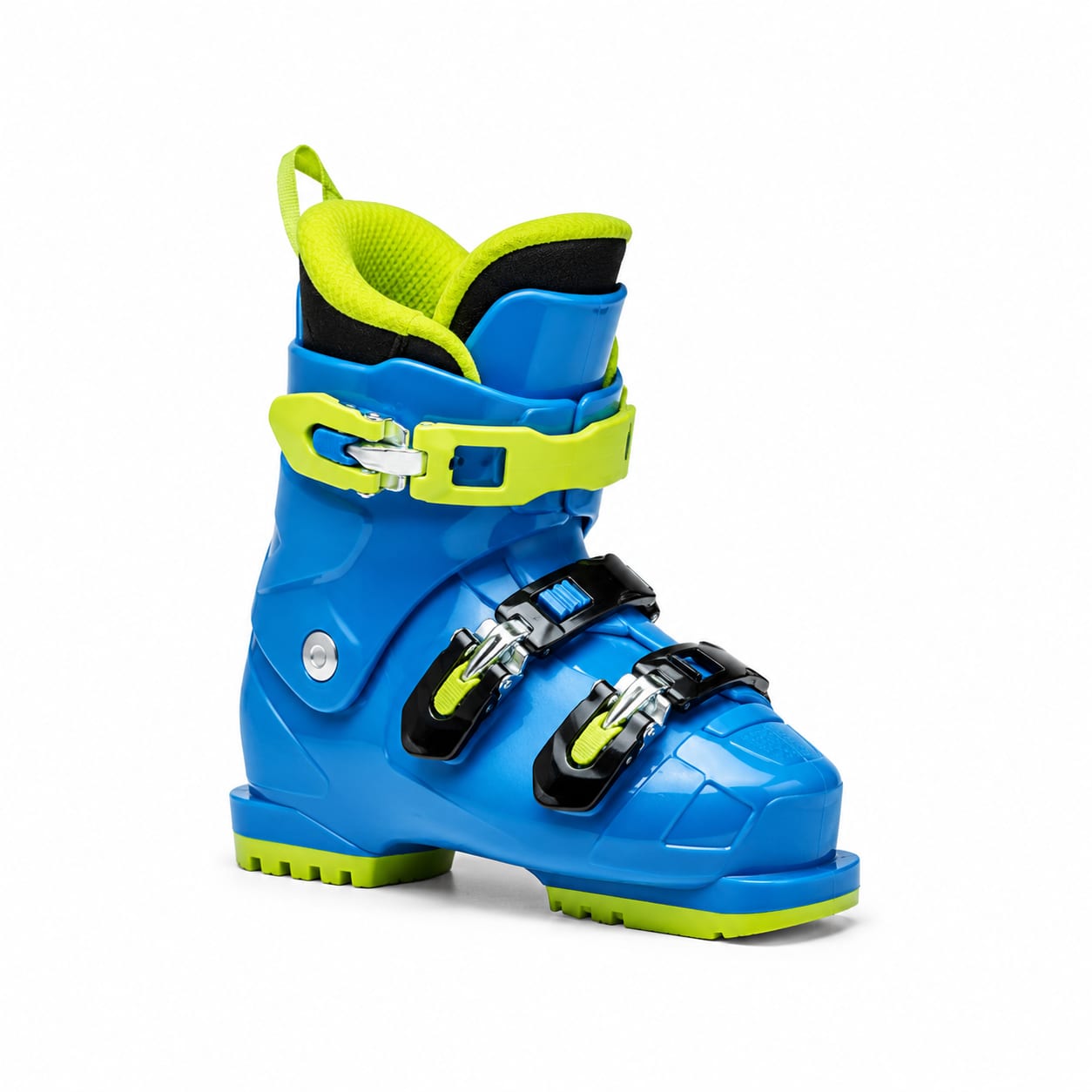
6 topics
Pick a question
Every answer links to the full subcategory guide and related gear types when it helps you decide.
How do I know when my child needs a new ski boot size?
Check fit at the start of every season by removing the liner and having the child stand on it. If their toes extend past the front of the liner by more than a half inch, or if their heel lifts noticeably inside the buckled boot, it's time for a new size. Also watch for complaints of toe pain (too small) or difficulty controlling skis (too big). Children's feet can grow a full size or more in a single growth season, so never assume last year's boots still fit.
Read answer →02Should I buy junior boots a size big so my child can grow into them?
This is the most common and damaging mistake parents make. An oversized boot prevents the child from controlling their skis, leading to frustration, poor technique, and often a dislike of skiing. The child will likely give up before growing into the boot. Instead, buy the correct size and plan to replace boots when the child outgrows them. Shop trade-in programs and the strong used junior boot market can help manage costs.
Read answer →03When should my child transition from junior to adult ski boots?
Most children transition when they reach approximately mondo size 22.0-23.0, which is where junior sizing ends and adult sizing begins. However, the transition should also consider the child's weight and skiing ability. A small, light 13-year-old in a mondo 23.0 junior boot may be better served staying in junior boots for the softer flex, while a heavy, aggressive 11-year-old in the same size might benefit from the performance of an adult boot. When transitioning, start with a soft-flex adult boot (70-80 flex) rather than jumping to a stiff model.
Read answer →04Are junior race boots worth the extra cost for my child?
Only if your child is in an organized race program and skiing 30+ days per season. Junior race boots offer stiffer flex, tighter fit, and better power transfer, but they are less comfortable, less forgiving, and more expensive than standard junior boots. For recreational skiing, the performance difference is negligible and the comfort trade-off is not worth it. Save the investment for when the child is committed to racing and has the technique to benefit from the enhanced performance.
Read answer →05Can I use junior ski boots with any bindings?
Most junior boots with alpine standard (DIN) soles are compatible with any alpine binding adjusted to the correct boot sole length. However, you must verify compatibility for GripWalk junior boots—these require GripWalk-compatible bindings (look for the GW symbol). Also check that your bindings can adjust to the shorter boot sole lengths of smaller junior boots, as some adult bindings have minimum BSL requirements. Children's bindings (junior DIN) are designed specifically for lighter release values and shorter sole lengths.
Read answer →06How can I make junior boots last longer as my child grows?
Look for models with removable rear spoilers—taking out the spoiler can gain a half size of room. Use a quality ski sock of appropriate thickness rather than multiple socks to fine-tune fit. Some brands offer adjustable cuffs that can be repositioned as the child grows. However, don't compromise fit for longevity—a boot that's too big is worse for your child's skiing than buying a new boot mid-season. Consider shop trade-in programs that credit you for outgrown boots toward the next size.
Read answer →