Kitvore.com

Kitvore.com

Specs that matter. Gear that fits.

Ski Equipment

Ski Boots

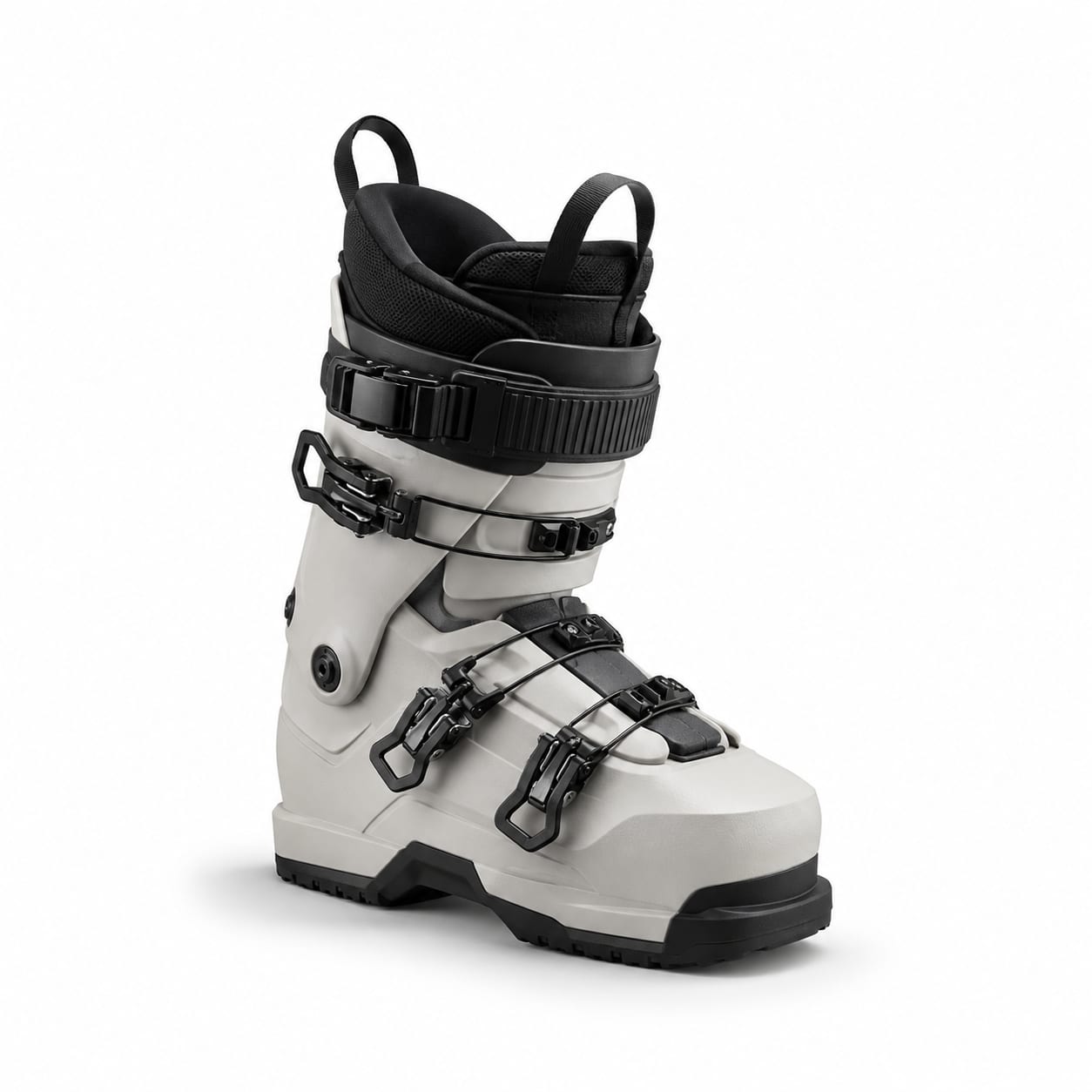
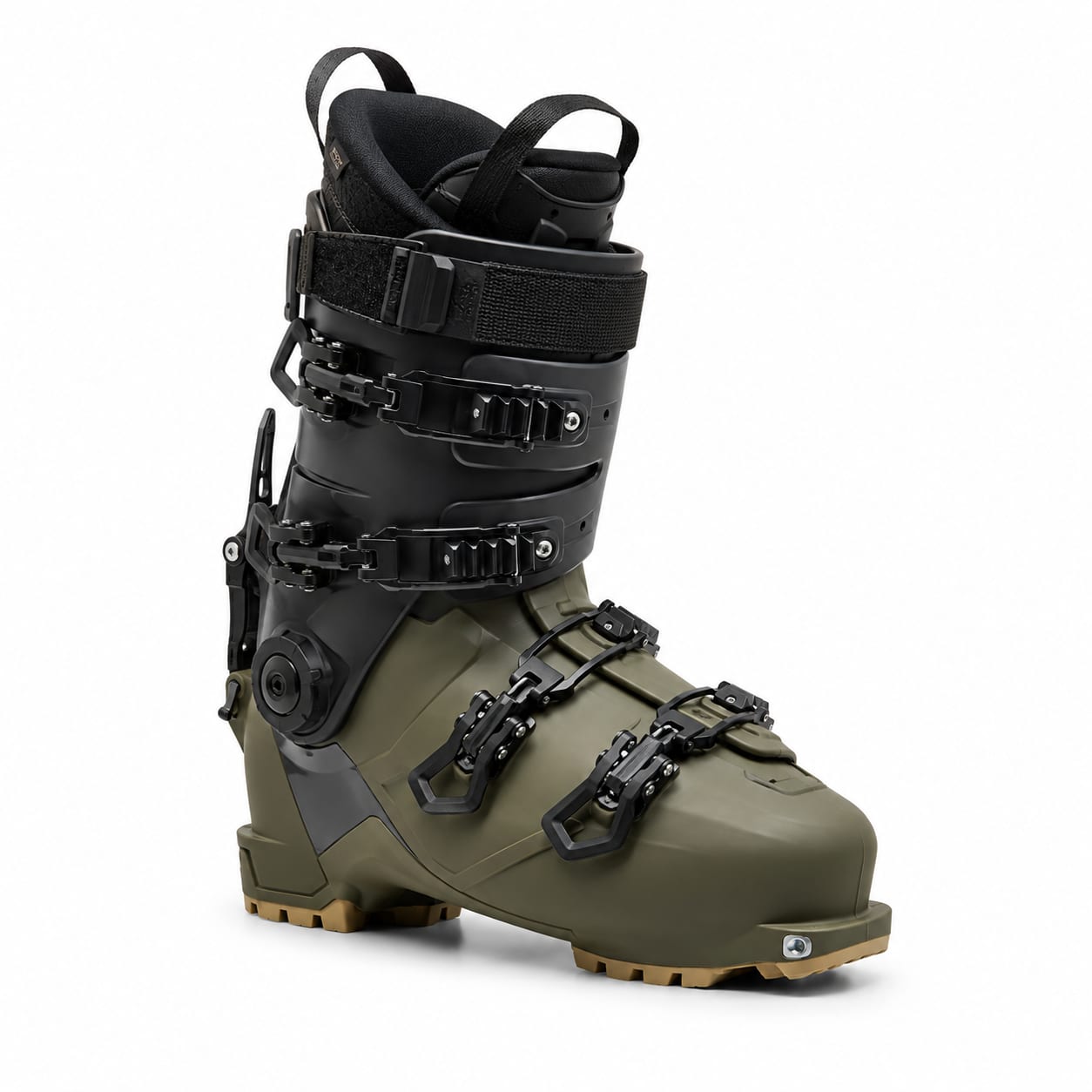
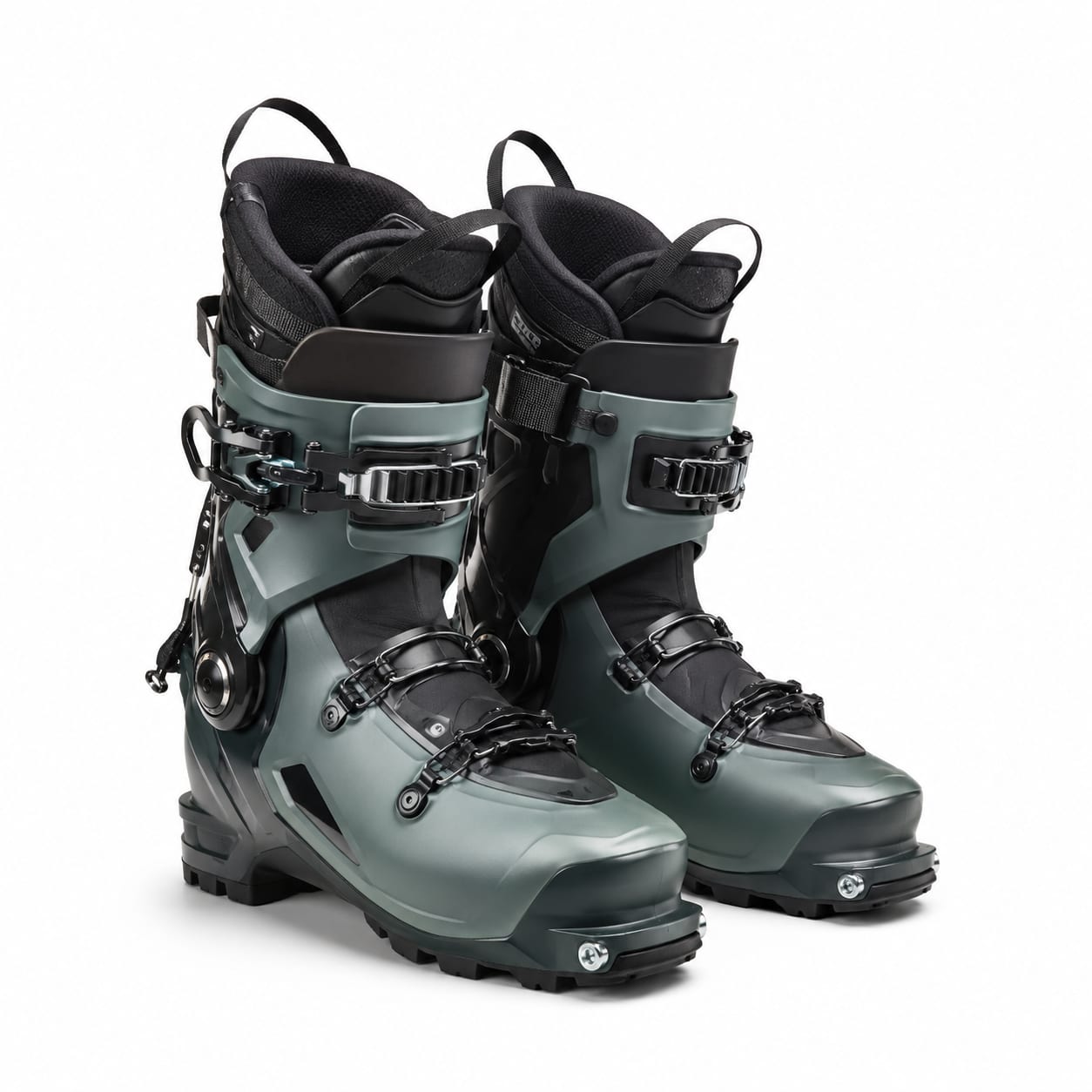
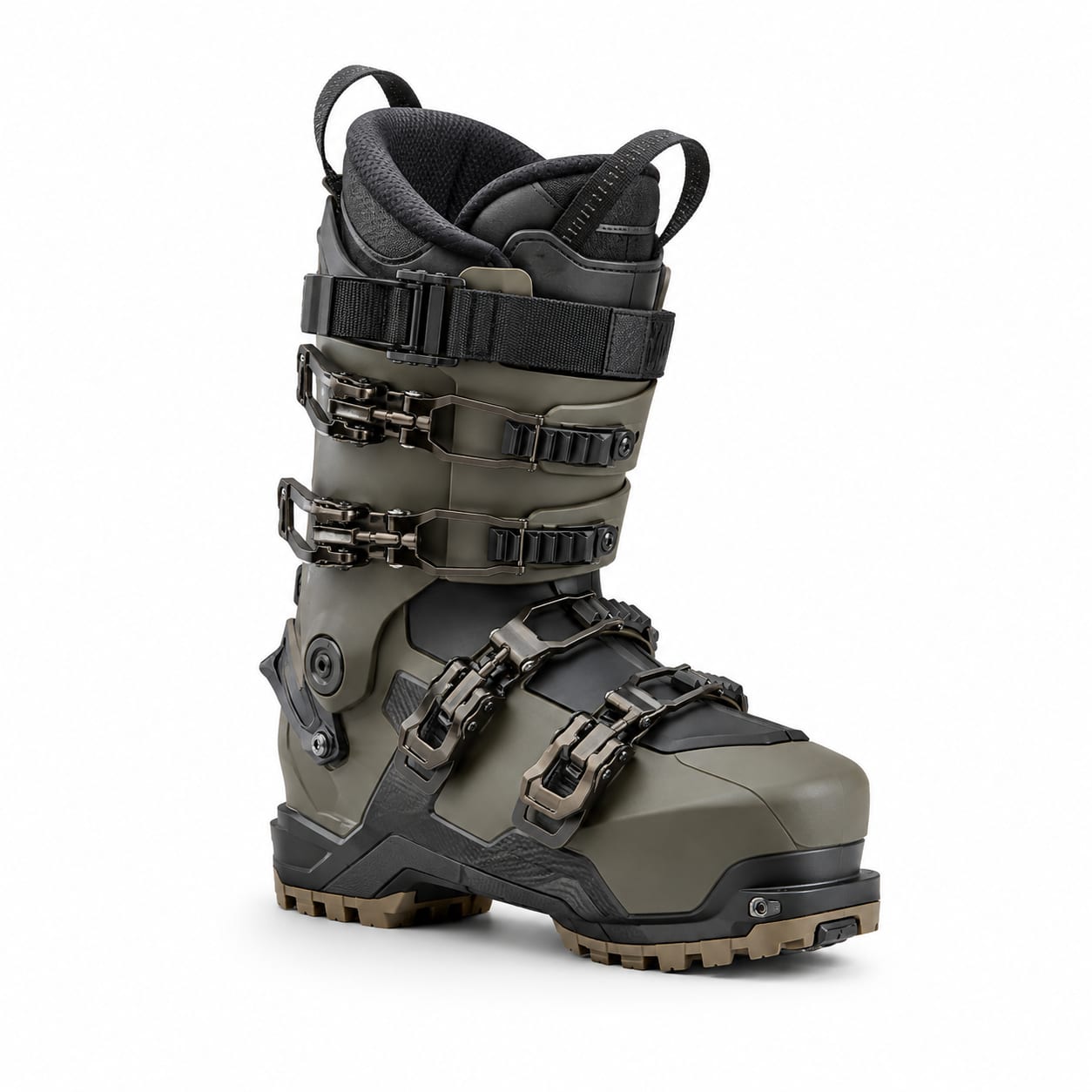
Rigid footwear designed to transfer precise movements from the skier's legs to the ski, providing support, control, and comfort for downhill or backcountry skiing.

Recregressive skiers seeking comfort-oriented all-mountain bootsAdvanced to expert skiers needing high-performance responsive bootsBackcountry skiers requiring walk-mode and lightweight touring bootsFreestyle skiers wanting softer flex and shock absorption

17

Key specs

10

Subcategories

6

Related gear topics

Ski Boots

Overview

What this equipment is for

Ski boots are the critical interface between skier and ski. Proper fit and appropriate flex directly impact control, comfort, and performance more than any other piece of equipment. Boots are categorized by discipline (alpine, touring, freestyle), flex stiffness, and last width to match skier ability, foot shape, and intended terrain.

Related equipment

SkisSki BindingsSki PolesSki HelmetsCustom FootbedsSki Socks

Buying specs

Specs worth understanding before you buy

Each spec explains how it affects performance, fit, and whether a product suits your style and use case.

Fit & Sizing

Dimensions that determine how the boot fits your foot, which is the most critical factor for both comfort and performance.

Last Width (Forefoot Width)

Last Width

Importance

The width of the boot shell at the widest point (forefoot/ball area), measured in millimeters. This is the single most important fit dimension for comfort and control.

Typical range: 92–106 mm

Measure your foot width professionally. Narrow feet: 92-97mm, medium feet: 98-100mm, wide feet: 101-104mm, extra-wide feet: 105mm+. A boot that's too wide causes slop and loss of control; too narrow causes pain and numbness. Performance-oriented skiers should size down snugly as liners pack out 5-10% over time.
Volume / Instep Height

Volume / Instep Height

Importance

The overall internal volume and height of the boot through the instep and midfoot area. Categorized as low, medium, or high volume, this affects both comfort and heel hold.

Low Volume

Tight instep and minimal internal space. Designed for feet with low arches and thin insteps. Provides maximum heel lock and responsiveness.

Medium Volume

Moderate instep height and internal volume. Suits the majority of foot shapes.

High Volume

Generous instep height and overall internal space. Designed for feet with high arches, thick insteps, or those needing maximum comfort.

If you have a high instep or thick foot, prioritize high-volume boots to avoid pressure on top of foot. Low-volume boots enhance performance for low-profile feet. Many brands use a combination of last width and volume to describe fit (e.g., 98mm low volume, 102mm high volume).

Boot Sole Length (BSL)

Boot Sole Length

Importance

The length of the boot sole in millimeters, critical for binding setup and adjustment. Different from mondo point size; the same size boot can have different BSL across brands.

Typical range: 263–340 mm

BSL is essential information for binding mounting and adjustment. When changing boots, your bindings may need to be re-adjusted to the new BSL. Always record your BSL when getting bindings mounted. This is not a dimension you choose—it's determined by your size—but you must know it for binding compatibility.

Performance & Stiffness

Dimensions that define how the boot performs on snow, including responsiveness, power transfer, and intended use.

Boot Type / Discipline

Boot Type

Importance

The primary intended use category of the ski boot, which determines overall construction, features, and performance characteristics.

All-Mountain

Versatile boots designed for groomed runs, moguls, and light off-piste. The most common type for recreational to advanced skiers.

Frontside / Piste

Stiff, precise boots optimized for groomed run performance and high-speed carving.

Freeride

Boots built for off-piste and deep snow with features like walk mode and grippy soles, while maintaining downhill performance.

Touring / AT

Lightweight boots with long cuff rotation for uphill travel, compatible with tech bindings.

Choose boot type based on where you spend 70%+ of your time skiing. All-mountain suits most skiers. Touring is essential if you skin uphill regularly. Race boots are only for competitive racers.

Flex Rating (Stiffness)

Flex Rating

Importance

A numerical index indicating how resistant the boot cuff is to forward bending. Higher numbers mean stiffer boots that resist flex more, providing more precise power transfer but requiring more strength and technique to drive.

Typical range: 60–150 flex index

Flex ratings vary between manufacturers and are not standardized. As a general guide: 60-80 (beginner/intermediate), 85-100 (intermediate/advanced), 105-120 (advanced/expert), 130+ (expert/race). Heavier or more aggressive skiers should go stiffer. Women's flex scales are typically 10-20 points lower for equivalent performance. When in doubt, go slightly softer for comfort rather than too stiff.

Recommended Skill Level

Recommended Skill Level

Importance

The skier ability level the boot is designed and optimized for, which correlates with flex, features, and overall construction philosophy.

Beginner

Soft flex (60-80), comfort-oriented fit, easy entry, forgiving performance. For skiers learning basics on green and blue runs.

Intermediate

Medium flex (80-100), balance of comfort and performance. For skiers comfortable on blues and exploring blacks.

Advanced

Stiff flex (100-120), performance-oriented fit, responsive. For skiers confident on all resort terrain including moguls and off-piste.

Expert

Very stiff flex (120+), race-inspired construction, maximum power transfer. For expert skiers and racers.

Be honest about your ability. Buying boots above your skill level leads to fatigue, poor technique, and discomfort. It's better to size performance slightly below your ability and grow into them than to struggle with boots that are too demanding. A boot that's too stiff is the most common mistake.

Forward Lean Angle

Forward Lean

Importance

The angle of the cuff relative to vertical, positioning the skier's body forward over the skis. Affects stance, balance, and the ability to drive the ski tips.

Typical range: 12–20 degrees

Most boots are 14-17° and many offer adjustable forward lean. More forward lean (17-20°) suits aggressive racers and carvers. Less lean (12-14°) is more comfortable and natural for recreational skiers. Adjustable lean is a valuable feature if you're unsure of your preference or ski multiple disciplines.

Construction & Materials

Physical build and material choices that affect weight, durability, and performance characteristics.

Shell Material

Shell Material

Importance

The primary plastic or composite material used in the boot shell and cuff, which affects weight, stiffness, cold-weather performance, and ease of entry.

Polyurethane (PU)

Traditional and most common shell material. Consistent flex across temperatures, durable, and provides excellent energy transmission.

Polyamide / Grilamid (PA)

Lighter weight plastic often used in touring and lightweight boots. Can stiffen in extreme cold.

Pebax

High-performance elastomer offering excellent flex consistency and lightweight properties. Premium material used in high-end boots.

Composite / Mixed

Boots using different materials in different zones (e.g., PU lower shell for power, Grilamid cuff for weight savings).

For pure resort performance, PU is the gold standard. For touring, Grilamid or Pebax save critical weight. Composite boots offer the best of both worlds at a premium price. If you ski in extreme cold (below -15°C), PU maintains flex better than polyamide.

Liner Type

Liner Type

Importance

The type of inner boot/liner that provides insulation, cushioning, and customizable fit around the foot and ankle.

Intuition / Heat-Moldable Foam

Aftermarket-quality heat-moldable foam liners that conform to foot shape when heated. Excellent comfort and customization.

Thermo-Formable (Stock)

Basic heat-moldable liners included with most mid-range boots. Can be heated and molded once or twice at a shop.

Custom Foam Injected

Liners where foam is injected into the liner while on the foot for a precise custom fit. Found in high-end boots or as aftermarket upgrades.

Non-Moldable / Standard

Basic foam liners that conform to the foot through use but cannot be heat-molded. Found on entry-level boots.

Heat-moldable liners (Intuition or thermo-formable) are strongly recommended for most skiers. They dramatically improve comfort and fit with a quick shop visit. Custom foam is excellent but expensive. Budget non-moldable liners can be replaced with aftermarket options later.

Weight Per Pair (grams)

Weight Per Pair

Importance

The total weight of both boots in grams. Weight significantly affects touring efficiency and all-day fatigue, with lighter boots being easier on the uphill but sometimes sacrificing downhill performance.

Typical range: 1800–5000 g

Alpine resort boots typically weigh 3500-4500g/pair. Freeride boots with walk mode: 3200-4000g. Touring boots: 1800-3200g. For touring, every 100g saved per boot reduces fatigue on long ascents. For resort skiing, weight matters less than performance and comfort. Ultra-light touring boots sacrifice downhill power.

Closure & Adjustment

Features that control how the boot closes, tightens, and can be fine-tuned to your leg and foot.

Number of Buckles

Buckle Count

Importance

The number of closure buckles on each boot. More buckles provide finer adjustment and more even closure pressure, while fewer buckles save weight and simplify entry.

2 Buckles

Minimal closure system found on some touring boots. Quick entry/exit, weight savings, but less precise closure.

3 Buckles

Common on touring and some freeride boots. Good balance of closure power and weight savings.

4 Buckles

Standard for most alpine boots. Provides precise, adjustable closure across the foot and lower leg.

4 buckles are standard and recommended for all resort skiing. 3 buckles are fine for touring where weight matters. 2 buckles are only for weight-obsessed ski mountaineers. Don't sacrifice buckles for resort performance.

Micro-Adjustable Buckles

Micro-Adjustable Buckles

Importance

Whether the buckles can be fine-tuned with a screw mechanism for precise tension adjustment beyond the standard catch positions.

Micro-adjustable buckles are highly recommended for performance-oriented skiers. They allow fine-tuning of closure tension throughout the day as feet swell or conditions change. Found on most mid-range and above boots. A small but meaningful feature that improves comfort and control.

Power Strap Type

Power Strap

Importance

The velcro or mechanical strap at the top of the cuff that provides additional closure power and fine-tuning of upper cuff tension.

Standard Velcro Strap

Basic hook-and-loop strap, typically 30-35mm wide. Provides adequate closure for most skiers.

Wide Velcro Strap (40mm+)

Wider strap providing more surface area and stronger closure. Better power transfer to the cuff.

Buckle / Mechanical Strap

Ratchet or mechanical closure strap instead of velcro. Most precise and powerful closure option.

Power strap type is a minor consideration for most skiers. Wide velcro is a nice upgrade over standard. Mechanical/buckle straps are for racers and experts who want maximum precision. Aftermarket power straps can be added to most boots.

Cuff Alignment / Cant Adjustment

Cuff Alignment Adjustment

Importance

The ability to adjust the lateral angle of the cuff relative to the lower shell, accommodating bowlegged or knock-kneed stances for proper edge engagement.

Important for skiers with significant natural alignment issues (bowlegged or knock-kneed). If you find it difficult to hold an edge on one side or your knees don't track over your toes, cuff alignment can help. Most performance boots offer this feature. A bootfitter can assess whether you need adjustment.

Touring & Walking

Features related to walking, hiking, and backcountry travel capability.

Walk Mode / Hike Mechanism

Walk Mode

Importance

A mechanism that unlocks the cuff from the lower shell, allowing a greater range of forward motion for walking, hiking, or skinning.

Essential for any backcountry or sidecountry skiing. Increasingly common on all-mountain and freeride boots even for resort skiers who value the walking convenience in parking lots and lodges. If you never leave the resort and don't mind clunky walking, it's not necessary but is a nice convenience feature.

Walk Range of Motion (Degrees)

Walk Range of Motion

Importance

The total range of forward cuff rotation when in walk mode, measured in degrees. Greater range makes walking, skinning, and hiking easier and more natural.

Typical range: 15–70 degrees

For dedicated touring, 50°+ is ideal for efficient skinning. Freeride boots with walk mode typically offer 25-40°. Resort-only boots with walk mode may only have 15-25°. If you spend significant time skinning, prioritize higher range of motion.

GripWalk Sole Compatibility

GripWalk Compatible

Importance

Whether the boot features a GripWalk sole profile (rockered, rubberized) that requires GripWalk-compatible bindings for safe use.

Alpine Standard (DIN) Sole

Traditional flat, hard plastic sole compatible with all standard alpine bindings. Lacks traction for walking on ice or hard surfaces.

GripWalk Sole

Rockered rubber sole profile for better walking traction and comfort. Requires GripWalk-compatible bindings (marked with GW or GripWalk icon).

WTR / Walk Sole

Walk-to-Ride and similar rockered sole standards. Some are backwards-compatible with certain alpine bindings; check specific compatibility.

Tech / Touring Sole

Sole with tech fittings for pin-style touring bindings. May also have GripWalk compatibility in hybrid designs.

GripWalk soles are increasingly standard on new boots and greatly improve walking comfort. CRITICAL: You MUST verify your bindings are GripWalk-compatible before using GripWalk boots. Using GripWalk boots in non-compatible bindings is dangerous. Check for the GW symbol on your bindings.

Specs FAQ

Common questions about these buying specs

Plain-English answers for each spec and option — tap through for the full explanation.

I ski mostly at the resort but like to mix up groomers, moguls, and occasional off-piste. Are all-mountain boots the right choice, or should I get something more specialized?

All-mountain boots are exactly what you need for that mix. They're designed to handle groomed runs, moguls, and light off-piste terrain without excelling at any one thing—but that's the point. Think of them as the Swiss Army knife of ski boots: comfortable enough for a full day on the hill, responsive enough for advanced skiing, and forgiving enough that you won't be fighting your equipment. The trade-off is that they lack the extreme specialization of other boot types. They won't give you the razor-sharp edge control of a frontside boot for high-speed carving, or the walk mode and uphill capability of a freeride boot for deeper backcountry missions. But for most resort skiers who explore different terrain, that versatility is a feature, not a flaw. A good rule of thumb: if you spend 70% or more of your time skiing inbounds at the resort and dabble in different terrain, all-mountain boots are your best bet. Only consider a specialized boot if you're consistently spending the majority of your time in one specific discipline.

I mostly ski groomed runs and love carving fast turns — are frontside/piste boots the right choice for me?

Frontside/piste boots are built exactly for what you're describing. They're the stiffest, most precise boots outside of race models, designed to maximize edge control and power transfer when carving groomed runs at speed. If you spend most of your time on piste and want that responsive, locked-in feel, they're a great match. The trade-off is that this stiffness makes them less forgiving and less versatile. They're noticeably less comfortable than all-mountain boots and don't perform well in powder, moguls, or variable off-piste snow. You'll feel every bump and rut more, which can be fatiguing on anything but smooth groomers. Choose frontside boots if you're an advanced or expert skier who prioritizes on-piste performance above all else. If you regularly venture off-piste or prefer a more relaxed ride, all-mountain boots give you better versatility without sacrificing too much carving power.

What are freeride ski boots, and do I need them if I want to ski off-piste and powder?

Freeride boots are built for skiers who spend most of their time off groomed runs—in deep powder, trees, or accessing backcountry terrain via gates. They combine solid downhill performance with features that help you get there, like a walk mode for easier hiking and grippy soles for traction on rocks and ice. The key difference from pure resort boots is versatility. Freeride boots give you enough stiffness and support to charge downhill confidently, but they're not as razor-precise as frontside or race boots on hardpack. Compared to touring boots, they're heavier but offer much better power transfer when skiing down. Freeride boots make the most sense if you regularly duck into sidecountry gates, hike for fresh lines, or ski deep snow at resorts. If you're purely resort skiing on groomed runs, an all-mountain boot is a better match. But if your typical day involves earning some turns or chasing powder, freeride boots strike the right balance.

Do I need touring boots if I want to try backcountry skiing, or can I just use my regular resort boots?

If you're planning to skin uphill regularly, touring boots (also called AT boots) are worth the investment. They're significantly lighter than resort boots and have a walk mode that lets your ankle move freely for long uphill climbs. They also feature tech-compatible toe and heel fittings that work with touring-specific bindings—something regular alpine boots lack. The trade-off is that touring boots sacrifice some downhill performance. They're softer and less rigid than alpine boots, so you won't get the same edge-to-edge responsiveness and power transfer on steep descents. For short sidecountry laps near the resort, you might get away with a freeride boot with a walk mode. But for full backcountry days with lots of vertical, touring boots will save your energy on the up and still ski well enough on the way down. Avoid buying touring boots if you only ski inbounds—you'd be giving up downhill performance for features you won't use.

View all 40 spec questions about Ski Boots

+36 more on the specs FAQ hub

Subcategories

Different styles, different picks

Each sub-type has its own guide with typical specs, trade-offs, and buying advice.

All-Mountain Ski Boots

All-Mountain Ski Boots

$300 – $850

dominant

Versatile ski boots designed to handle the widest range of terrain and conditions at a resort.

Balanced flex patternMedium last width (97-104mm)GripWalk-compatible soles
Frontside / Piste Ski Boots

Frontside / Piste Ski Boots

$350 – $950

common

High-performance boots optimized for groomed run skiing with precise edge control and power transmission.

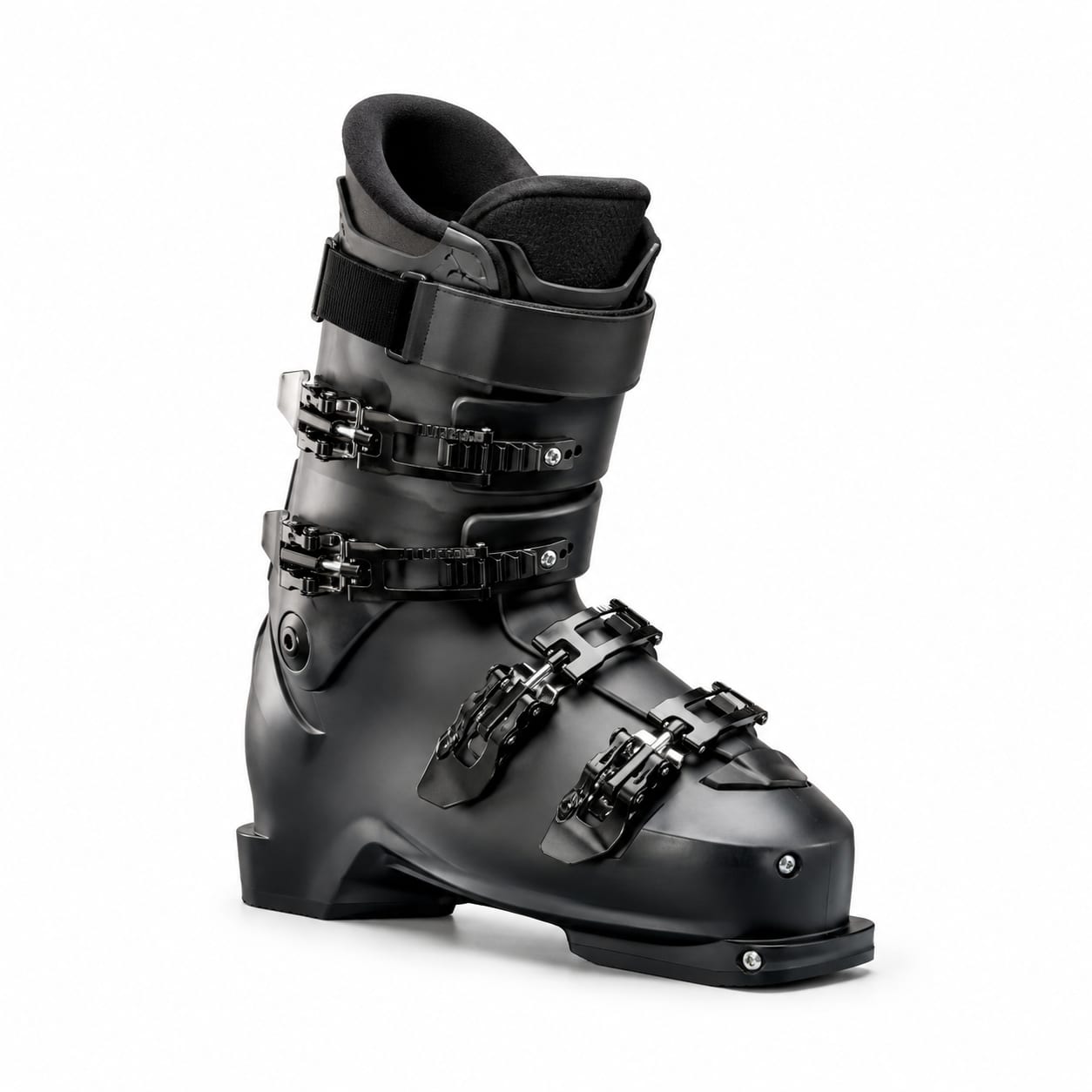
Narrow last (93-98mm)Stiff flex (110-150)Aggressive forward lean (14-18°)
Freestyle / Park Ski Boots

Freestyle / Park Ski Boots

$250 – $600

niche

Softer, cushioned boots designed for terrain park features, jumps, rails, and aerial tricks.

Softer flex (70-110)Enhanced shock absorptionWider last (100-106mm)
Freeride / Big Mountain Ski Boots

Freeride / Big Mountain Ski Boots

$450 – $1100

common

Powerful boots built for aggressive off-piste skiing in deep snow and steep, technical terrain.

Stiff flex (120-150)Wider last (98-104mm)Often includes walk mode
Alpine Touring (AT) / Backcountry Ski Boots

Alpine Touring (AT) / Backcountry Ski Boots

$400 – $1300

common

Lightweight boots with walk mode and tech-compatible soles designed for uphill skinning and downhill skiing in the backcountry.

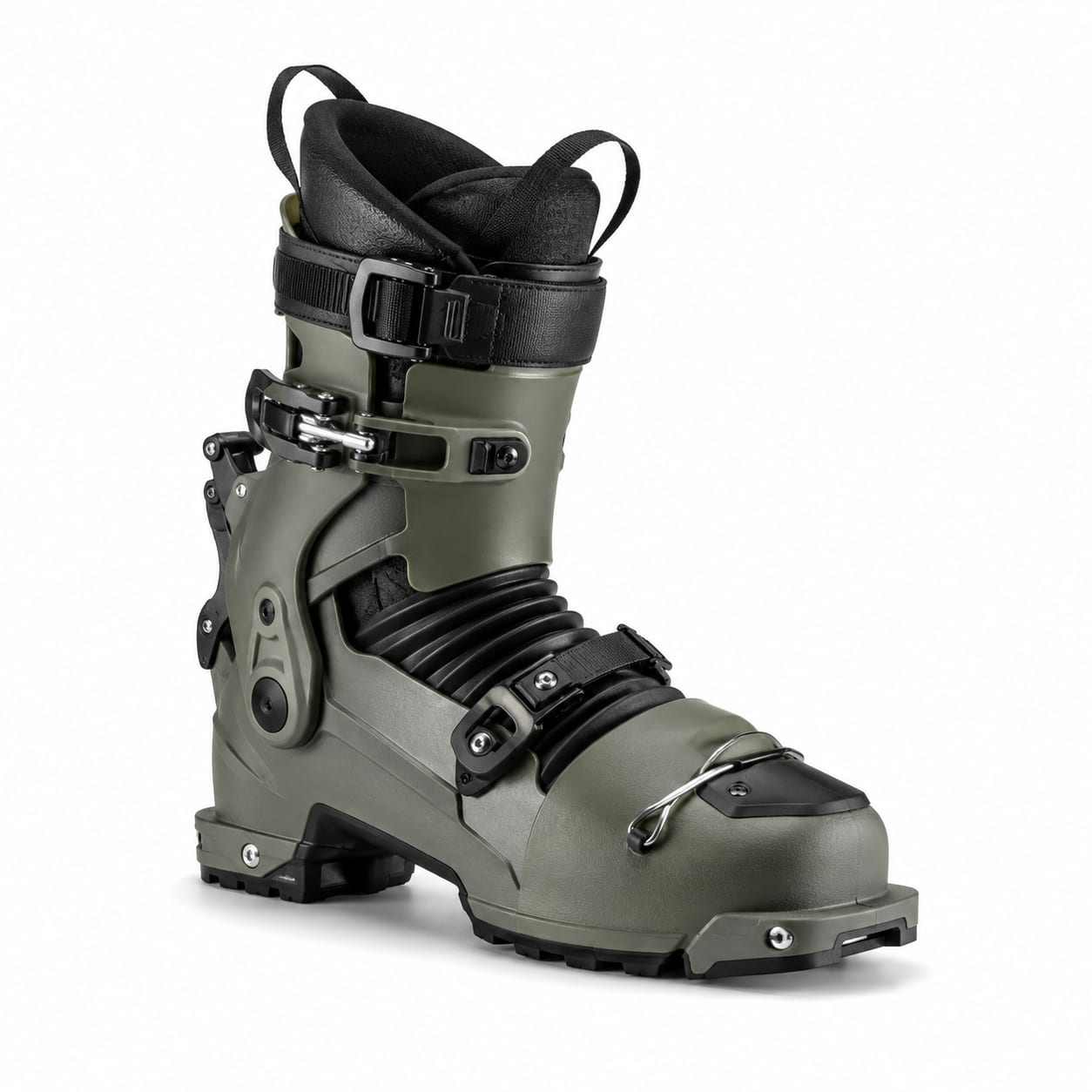
Walk mode with 50-70° range of motionTech binding compatibilityLightweight construction (1.2-1.8kg per boot)
Hike & Ride / Walk-Mode Resort Boots

Hike & Ride / Walk-Mode Resort Boots

$350 – $850

common

Resort-oriented boots with integrated walk mode for easy hiking to sidecountry terrain and resort exploration.

Walk mode (40-55° range)Near-resort stiffness (100-130 flex)GripWalk soles
Race Ski Boots

Race Ski Boots

$500 – $1600

niche

Ultra-stiff, precision-fit boots built for competitive ski racing at the highest levels.

Very stiff flex (130-170+)Narrow last (92-96mm)Aggressive forward lean (15-18°)
Junior / Kids Ski Boots

Junior / Kids Ski Boots

$80 – $450

common

Sized and flex-tuned boots for children and young teens learning to ski and progressing their skills.

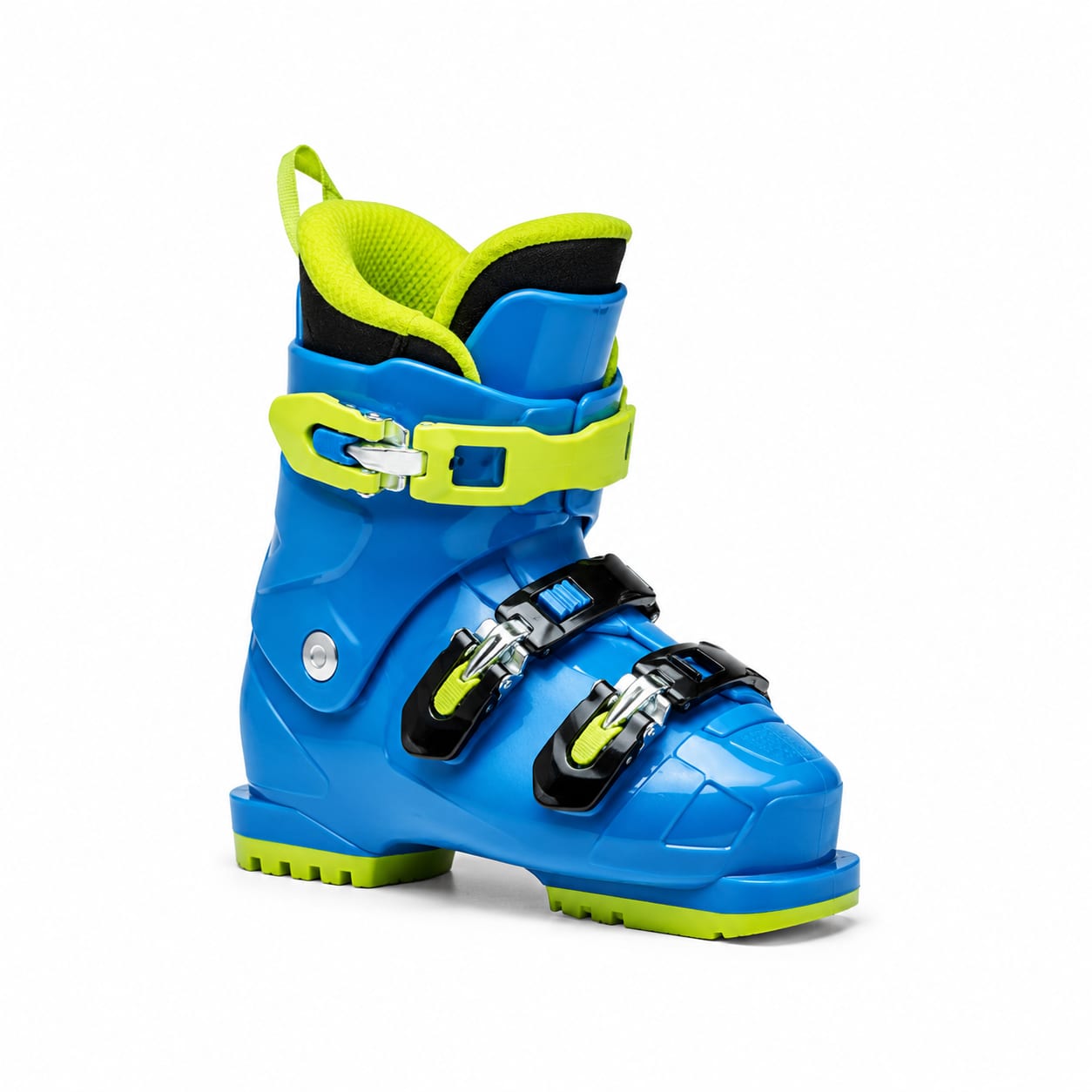
Soft flex scaled to body weight (30-90)Smaller size range (Mondo 15.0-25.5)Easy entry systems
Nordic / Cross-Country Ski Boots

Nordic / Cross-Country Ski Boots

$80 – $500

niche

Lightweight, flexible boots for cross-country skiing in classic, skate, and touring disciplines.

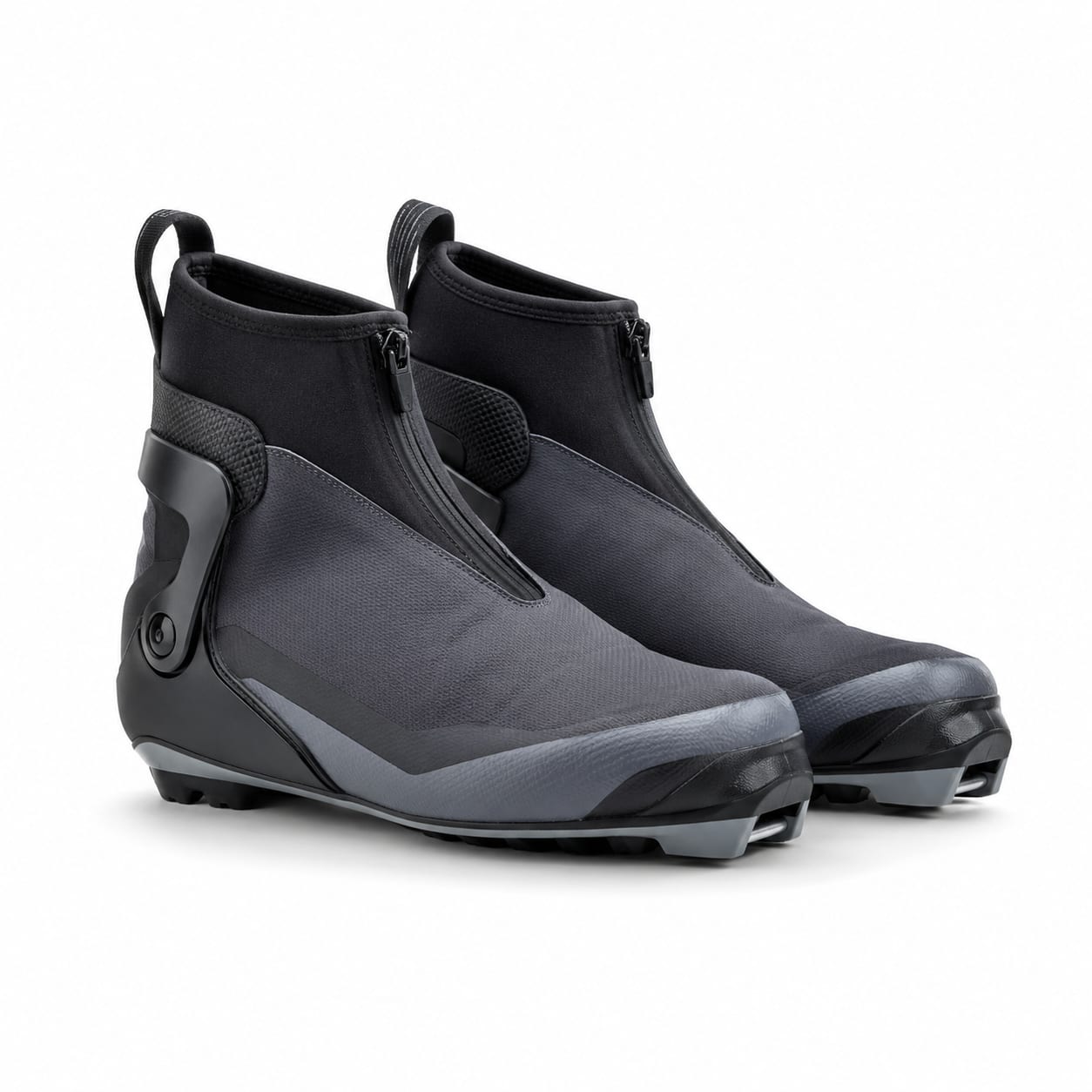
Flexible sole for foot articulationToe-only binding attachmentLow to mid cuff height
Telemark Ski Boots

Telemark Ski Boots

$300 – $750

specialty

Boots designed for free-heel telemark skiing with flexible bellows and 75mm or NTN binding compatibility.

Flexible bellows under ball of foot75mm duckbill or NTN sole compatibilityHigher cuff for support