
Ski Goggles · FAQ
Questions about Junior / Youth Ski Goggles
Straight answers on fit, specs, and when this type makes sense — each topic has its own page with links back to the buying guide.
Open Junior / Youth Ski Goggles guide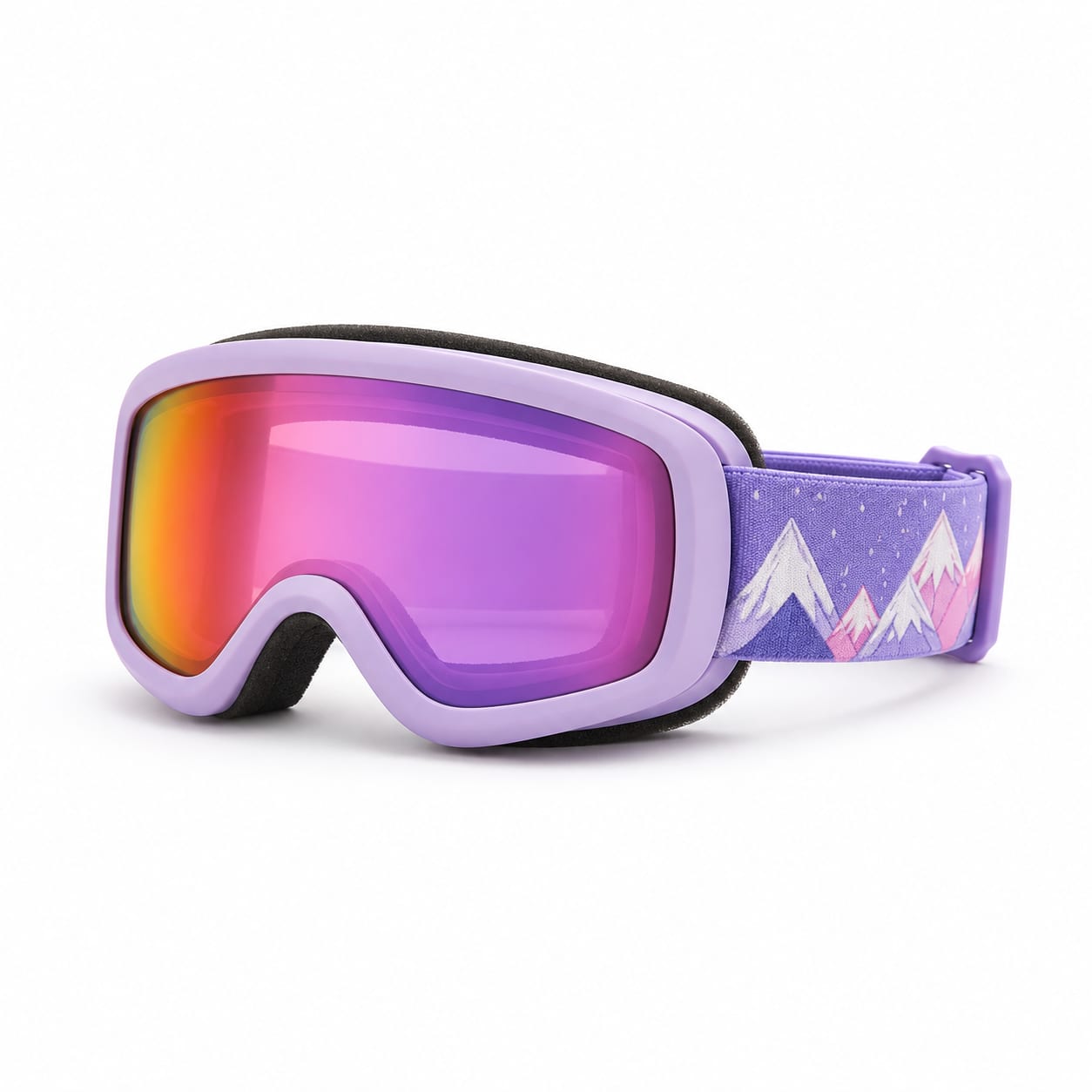
6 topics
Pick a question
Every answer links to the full subcategory guide and related gear types when it helps you decide.
At what age should my child switch from youth to adult goggles?
There is no fixed age—it depends on face size. Most children transition between 12 and 15 years old. The key indicator is fit: if a youth goggle feels tight, pinches at the temples, or the foam doesn't create a full seal, it's time to try adult small or medium frames. Conversely, if an adult goggle leaves gaps at the nose bridge or cheeks, stay with youth sizing. Always prioritize proper fit over age categories.
Read answer →02Can my child use my old adult goggles to save money?
This is not recommended. Adult goggles on a child's face will not seal properly, causing fogging, cold air intrusion, and discomfort that will make the child resist wearing them. A poorly fitting goggle that the child takes off provides zero protection. An affordable, properly fitting youth goggle ($25–$50) is far better than a premium adult goggle that doesn't fit. Think of it as safety equipment, not a hand-me-down.
Read answer →03What VLT lens should I get for my child's first goggle?
Choose a lens with 25–45% VLT in a rose, copper, or amber tint. This mid-range VLT handles the widest variety of conditions from partly cloudy to bright sun, and the warm tint enhances contrast in the flat light common during kids' morning and afternoon lesson times. Avoid dark, low-VLT lenses (under 18%) for children—they create visibility problems in flat light and are unnecessary since kids are less sensitive to glare than adults.
Read answer →04My child wears glasses. What are the best goggle options?
You have three main options: (1) Youth OTG goggles designed to fit over glasses—look for deep frame channels and notched temples, but be aware of double fog risk; (2) Rx insert-compatible youth goggles—these clip a prescription lens behind the goggle lens, eliminating fog issues but requiring an optometrist visit; (3) Contact lenses for older children who can manage them. For children under 10, OTG goggles are usually the most practical solution. For older youth, Rx inserts offer the best combination of vision and fog management.
Read answer →05Are expensive youth goggles worth it given how fast kids grow?
It depends on how often your child skis. For occasional ski trips (1–5 days per season), a mid-range youth goggle ($40–$60) with dual lenses, anti-fog coating, and UV400 protection is sufficient. For children in weekly programs or race training, investing in a premium youth goggle ($60–$100) with better anti-fog performance, more durable construction, and superior comfort is worthwhile because the goggle will be worn for many hours and must perform reliably. The cheapest goggles ($15–$25) often lack proper anti-fog coating and may fog so badly that the child refuses to wear them—making them a waste of any money.
Read answer →06How can I prevent my child's goggles from fogging?
Start with dual-lens goggles that have anti-fog coating—this is the foundation. Teach your child never to touch or wipe the inner lens, as this destroys the coating. Ensure the goggle fits properly with no gaps that allow moisture in. Never let them put goggles on a sweaty forehead or hat—this transfers moisture directly to the foam and lens. Make sure helmet and goggle integration doesn't block the ventilation ports. Air dry completely after each use. If fogging is chronic despite these measures, consider upgrading to a model with enhanced passive ventilation or a premium anti-fog coating.
Read answer →