Kitvore.com

Kitvore.com

Specs that matter. Gear that fits.

Ski Goggles · Subcategory

Junior / Youth Ski Goggles

Sized-down ski goggles engineered for children and teens, delivering proper facial seal, comfort, and vision protection on the mountain.

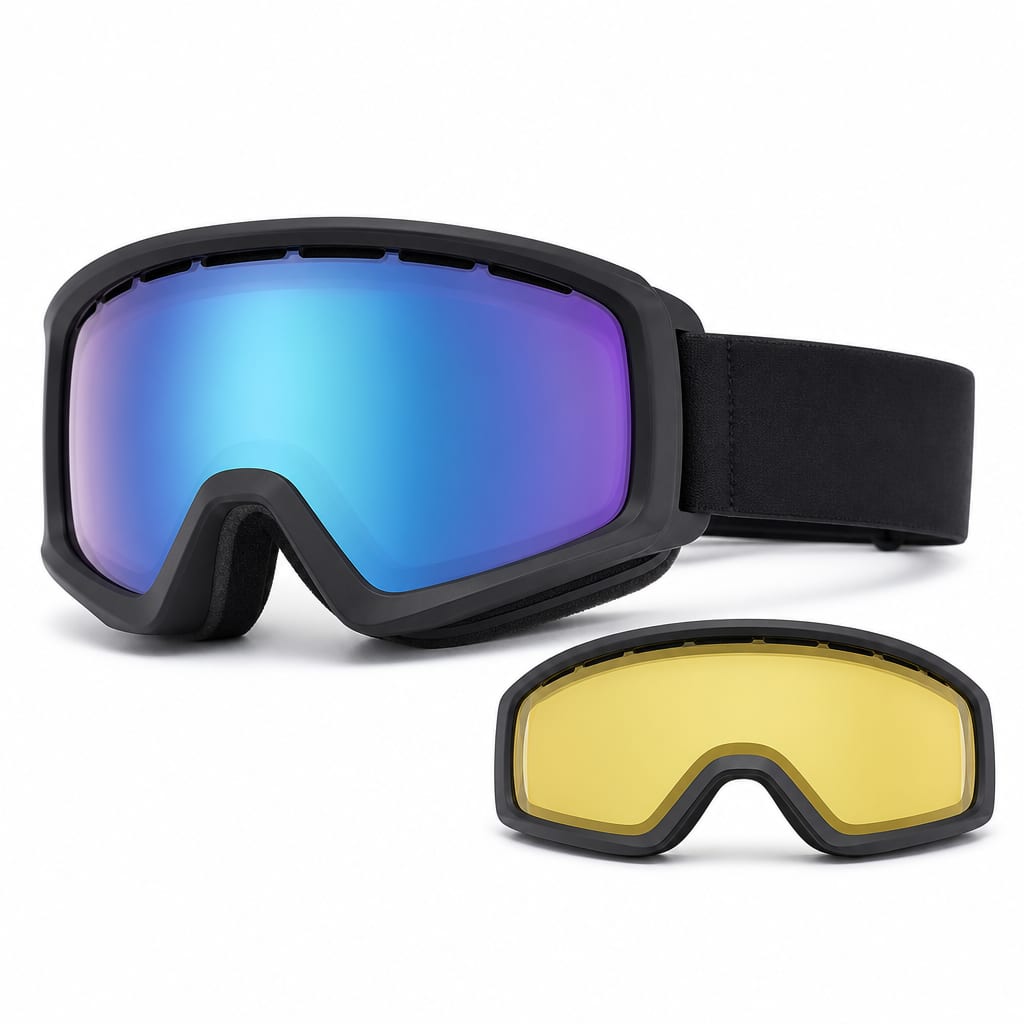
Junior and youth ski goggles are purpose-built for smaller faces, ensuring a gap-free seal that prevents fogging and cold air intrusion—problems that occur when kids wear adult-sized goggles. With scaled-down frames, softer foam densities for delicate skin, and kid-friendly designs, these goggles provide the same critical eye protection (UV400, impact resistance, anti-fog) as adult models while fitting properly under youth helmets. They are essential safety equipment, not just accessories, for young skiers and snowboarders.

$25 – $120budget tierbeginnerintermediate

Best known for

Proper fit on smaller faces preventing gaper gap and foggingScaled-down frame dimensions matched to youth helmetsDurable construction to withstand rough handling by kidsFun colors and patterns that encourage kids to actually wear themAffordable pricing recognizing rapid growth out of sizes
Junior / Youth Ski Goggles

Guide

Detailed overview

Junior and youth ski goggles are specifically designed for children approximately ages 4–14 whose facial dimensions are too small for adult goggles. The critical difference is not cosmetic—it is functional. An adult goggle on a child's face leaves gaps at the nose bridge, cheeks, and forehead, allowing cold air, wind, and snow to penetrate while letting warm moist air escape inconsistently, causing chronic fogging. Youth goggles feature narrower frame widths (typically 150–170mm vs. 180–200mm+ for adults), shallower foam profiles, and adjusted nose bridges to create a proper seal. Most youth goggles use cylindrical lenses to keep weight and cost down, though premium models offer spherical options for improved peripheral vision. Anti-fog performance is especially important for children who are less likely to manage fogging by adjusting ventilation or removing goggles carefully. UV400 protection is non-negotiable, as children's eyes are more susceptible to UV damage and receive more cumulative exposure over their lifetimes.

Choosing the right ski goggles for a child is one of the most impactful equipment decisions a parent can make for young skiers and snowboarders. Ill-fitting goggles are the number one reason kids resist wearing eye protection on the mountain, leaving their developing eyes exposed to harmful UV radiation, biting wind, and blowing snow. Children's eyes are particularly vulnerable because their lenses allow more UV transmission than adult eyes, and the cumulative UV exposure at altitude adds up over a lifetime of skiing. A properly fitting youth goggle with UV400 protection is essential safety equipment, not an optional accessory.

The most common mistake parents make is buying adult-sized goggles thinking their child will 'grow into them.' This approach fails because oversized goggles cannot create a proper facial seal, leading to constant fogging, cold air intrusion, and pressure points that make the goggles uncomfortable within minutes. Children quickly learn to hate wearing goggles that fog up or feel loose, and they will push them up onto their helmets or remove them entirely—defeating the purpose entirely. A youth-specific goggle that fits properly today is always the better investment than an adult goggle that might fit someday.

Durability is a key consideration unique to youth goggles. Kids are harder on equipment—they drop goggles in the parking lot, stuff them into backpacks without cases, wipe lenses with whatever is handy, and generally subject gear to abuse that would make adults cringe. Look for flexible TPU frames that won't crack in cold weather, dual-lens construction that resists fogging even when treatment is less than ideal, and robust strap systems that survive being pulled on and off repeatedly. Mirror coatings, while popular for their cool factor, are the most fragile part of any lens and may not be worth the premium for young children who are unlikely to care for them properly.

Lens selection for youth goggles should prioritize versatility over specialization. Most young skiers benefit from a single rose, copper, or amber-tinted lens with a VLT in the 25–45% range, which handles the widest variety of conditions adequately. Photochromic lenses are an excellent but pricier option for youth, as they adapt automatically to changing conditions and eliminate the need for lens swaps—a task that is impractical for most children. If your child skis regularly in very bright or very dark conditions, consider owning two pairs of affordable youth goggles rather than one expensive interchangeable system, as the total cost may be similar and the simplicity is worth it.

Helmet compatibility deserves special attention with youth goggles because children's helmets vary more in shape and size than adult models, and the consequences of poor integration—gaper gap, strap slip, and fogging—are amplified by smaller faces. Whenever possible, purchase the goggle and helmet together and test the fit on the child. Many youth goggle-helmet combos are sold as sets specifically to ensure proper integration. Silicone-backed straps are particularly important for youth goggles, as kids are more active and less careful about keeping their equipment properly positioned.

Quick facts

Primary purpose
Provide proper-fitting eye protection for young skiers with smaller facial dimensions
Popular brands
OakleySmithGiroUVEXBollé
Typical terrain
ski school areasgroomed runsterrain parksfamily slopes

What makes it different

Proportionally scaled for youth facial anatomy; Emphasis on visual appeal alongside functional protection

Recommended ranges

How this type usually specs out

Each spec is explained in plain language, then we show what buyers usually look for on this type.

Lens Shape

Lens Shape

What it means

The curvature profile of the goggle lens, affecting optical clarity, distortion, and field of view.

Typical for this type

Cylindrical For Budget And Durability; Spherical For Advanced Youth Racers Or Teens Wanting Premium Optics

In practice

The majority of junior/youth goggles use cylindrical lenses because they are lighter, less expensive, and sufficiently adequate for the central vision that matters most to young skiers. Spherical lenses appear in premium youth models and offer wider peripheral vision and less edge distortion, which benefits older youth racing or skiing challenging terrain.

Compared to other types

Youth goggles use cylindrical lenses more frequently than adult premium goggles, where spherical is standard. The performance gap matters less for most children who ski at lower speeds and don't need extreme peripheral vision.

Why it matters: Cylindrical lenses keep youth goggles affordable and lightweight—critical since heavy goggles cause neck fatigue and kids resist wearing them. Spherical lenses are a worthwhile upgrade for competitive youth skiers who need maximum peripheral awareness.

VLT (%)

Visible Light Transmission

What it means

The percentage of visible light that passes through the lens, determining brightness and suitability for different weather conditions.

Typical for this type

25–45% for a single versatile lens; a second lens at 60–80% for overcast/night if needed

Most common pick: 30%

In practice

Youth goggles are typically sold with one mid-range VLT lens that handles the broadest range of conditions. A VLT around 25–45% works adequately in partly cloudy to bright conditions—the most common scenarios for family ski trips. Very low VLT lenses (under 18%) are rarely needed by children who are less sensitive to glare, and very high VLT lenses are only necessary for night skiing programs.

Compared to other types

Adult goggles more frequently offer specialized low-VLT or high-VLT options, and adult riders are more likely to own multiple lenses. Youth goggles prioritize one-lens versatility because lens swapping is impractical for most children.

Why it matters: Most children own one goggle with one lens, so that lens must handle the widest possible range of conditions. Mid-range VLT is the best compromise. Parents should avoid buying dark low-VLT lenses for kids, as they create dangerous visibility issues in the flat light conditions common during morning kids' lessons.

Lens Tint/Color

Lens Tint

What it means

The color tint of the lens, which filters light differently to enhance contrast and definition in specific conditions.

Typical for this type

Rose/Copper/Amber As Primary; Yellow/Gold As Secondary For Low-Light Lessons Or Night Skiing

Most common pick: Rose Copper

In practice

Rose, copper, and amber tints dominate youth goggles because they enhance contrast in the flat light conditions that children struggle with most. These warm tints help young skiers see terrain features, ice patches, and snow texture—visual cues that are critical for developing technique and staying safe. The contrast boost is especially valuable during morning and afternoon kids' programs when light is often flat.

Compared to other types

Youth goggles almost universally default to contrast-enhancing tints, whereas adult goggles offer wider tint variety including gray and dark options for bright-day specialists. Photochromic lenses are less common in youth models due to cost but are an excellent upgrade for convenience.

Why it matters: Children are still developing their ability to read snow conditions and terrain. Contrast-enhancing tints give them visual information they need to ski safely and build confidence. A dark gray lens that looks cool may leave a child unable to see bumps and ice in flat light.

Frame Size

Frame Size

What it means

The overall size of the goggle frame and lens, determining field of view and face fit compatibility.

Typical for this type

Small/Youth for ages 4–10; Medium for ages 11–14 depending on face size; Asian/Low Bridge for children with lower nose bridges

Most common pick: Small

In practice

By definition, junior/youth goggles fall into the small frame size category, with frame widths typically 150–170mm. Some models are further subdivided into 'little kid' (ages 4–7) and 'big kid/youth' (ages 8–14) sizes. As children approach their teen years, some may fit better into adult small or medium frames, but the transition depends on individual face shape.

Compared to other types

Youth goggles are exclusively small-framed, whereas adult goggles span small through large. The key difference is that youth small frames have adjusted nose bridges, shallower foam profiles, and shorter straps designed for smaller heads and youth helmets.

Why it matters: Proper frame size is even more critical for children than adults because an ill-fitting goggle will be rejected entirely. Gaps from oversized frames cause fogging and cold, while undersized frames pinch and restrict vision. Children cannot articulate fit problems clearly—they simply refuse to wear uncomfortable goggles.

Anti-Fog System

Anti-Fog System

What it means

The technology and design features preventing lens fogging, including dual-layer construction, coatings, and ventilation.

Typical for this type

Dual Lens + Standard Anti-Fog Coating Minimum; Dual Lens + Premium Coating For Regular Skiers

Most common pick: Dual Lens Standard Coating

In practice

Most youth goggles feature dual-lens construction with a standard anti-fog coating. This provides adequate fog resistance for typical resort skiing. Premium anti-fog coatings are worth seeking for children who ski regularly, as kids are less likely to manage fogging proactively by adjusting ventilation or removing goggles carefully. Single-lens goggles should be avoided entirely for children.

Compared to other types

Youth goggles less commonly offer premium anti-fog coatings compared to high-end adult goggles, but the need is arguably greater. Budget youth goggles with dual-lens-only construction (no coating) are a false economy, as they will fog and children will refuse to wear them.

Why it matters: Children are more prone to fogging issues because they generate heat and moisture during activity but lack the awareness to manage goggle ventilation. They also tend to pull goggles up onto sweaty foreheads when fogged, making the problem worse. A robust anti-fog system compensates for these behavioral factors.

Lens Interchangeability

Lens Interchangeability

What it means

The system and ease with which lenses can be swapped to adapt to changing light conditions.

Typical for this type

Fixed Lens For Simplicity And Durability; Magnetic Quick-Swap For Teens Who Ski Varied Conditions And Can Manage Lens Changes

Most common pick: Fixed

In practice

Most youth goggles have fixed lenses because children cannot reliably swap lenses without damaging them, and the cost of interchangeable systems is hard to justify given how quickly kids outgrow equipment. Magnetic quick-swap systems are appearing in premium youth models and make sense for teenagers who ski frequently in variable conditions and can handle lens changes responsibly.

Compared to other types

Adult goggles widely offer magnetic and mechanical quick-swap systems, while youth goggles remain predominantly fixed. The trade-off is acceptable because children need less condition-specific optimization and benefit more from simplicity.

Why it matters: For most children, a fixed lens with a versatile tint is the most practical choice. Interchangeable systems add cost, complexity, and the risk of lost or damaged lenses. If lens adaptability is needed, consider owning two complete youth goggles with different VLT lenses—it may cost less than one interchangeable system and is far simpler for a child to manage.

UV Protection

UV Protection

What it means

The level of ultraviolet radiation blocking provided by the lens, critical for eye health at altitude.

Typical for this type

UV400 (100% UVA/UVB) Is Non-Negotiable For All Youth Goggles

Most common pick: Uv400

In practice

UV400 protection should be an absolute requirement for any youth goggle. Children's eyes are more susceptible to UV damage because their crystalline lenses transmit more UV radiation to the retina than adult eyes. At altitude, UV intensity increases approximately 10–12% per 1,000 meters, and snow reflects up to 80% of UV radiation, creating intense exposure from all angles.

Compared to other types

UV400 is equally important across all goggle subcategories, but the consequences of inadequate protection are more severe for children due to their greater UV sensitivity and longer remaining lifetime of exposure. Some ultra-budget youth goggles skimp on UV protection—this is unacceptable.

Why it matters: This is a health and safety issue, not a performance preference. A child who skis without UV400 protection is receiving dangerous levels of UV exposure that accumulates over a lifetime. Budget goggles that cut corners on UV protection should be rejected entirely for children.

Over-the-Glasses (OTG) Compatible

Over-the-Glasses (OTG) Compatible

What it means

Whether the goggle is designed to accommodate prescription eyeglasses underneath without discomfort or fogging.

Typical for this type

OTG Compatible If The Child Wears Glasses; Otherwise Not Necessary

Most common pick: False

In practice

Most youth goggles are not OTG compatible because the smaller frame volume leaves insufficient space for glasses underneath. However, for children who wear prescription glasses, OTG youth models exist and are essential. The challenge is that glasses inside youth goggles create a double fog risk that is harder for children to manage, making Rx inserts a potentially better solution for glasses-wearing kids.

Compared to other types

OTG compatibility is less common in youth goggles than adult models due to the smaller internal volume. When OTG is needed, the options are more limited, and parents may need to seek out specific youth OTG models rather than assuming any goggle will work.

Why it matters: A child who needs vision correction but cannot wear contacts must have either OTG goggles or a prescription insert solution. Forcing a child to ski without correction is dangerous, and wearing non-OTG goggles over glasses causes discomfort, fogging, and pressure points that will lead to the child removing the goggles.

Field of View

Field of View

What it means

The peripheral vision range provided by the goggle, measured in degrees of horizontal and vertical visibility.

Typical for this type

145–170 degrees horizontal; wider is better for safety but secondary to Proper Fit

Most common pick: 150 degrees horizontal

In practice

Youth goggles typically offer 145–170 degrees of horizontal field of view, narrower than adult goggles (170–200+ degrees) due to the smaller lens surface. This reduced peripheral vision is an acceptable trade-off for proper fit, as a wider adult goggle that doesn't seal properly is worse than a narrower youth goggle that fits correctly.

Compared to other types

Youth goggles have inherently narrower fields of view than adult goggles due to smaller lens areas. This is a necessary compromise. The difference matters less for children who ski at lower speeds and in more controlled environments like ski school groups.

Why it matters: While peripheral vision helps with spatial awareness and safety, it cannot come at the expense of proper fit. A well-fitting youth goggle with 150-degree FOV is superior to an oversized adult goggle with 180-degree FOV that fogs and gaps. Spherical youth lenses can improve FOV within the smaller frame size.

Polarized

Polarized Lens

What it means

Whether the lens includes polarization to reduce glare from reflective snow surfaces.

Typical for this type

Non-Polarized Recommended For Youth; Polarization Is Rarely Needed And Can Reduce Ability to See Ice

Most common pick: False

In practice

Polarization is uncommon in youth goggles and generally unnecessary for children. The glare reduction benefit is less critical for young skiers, and the downside—reduced ability to distinguish icy patches from soft snow—is a safety concern for developing skiers who are still learning to read terrain. Non-polarized contrast-enhancing lenses are more appropriate.

Compared to other types

Polarized lenses are more common and sometimes preferred in adult goggles for bright-day comfort, but they are rarely offered or recommended in youth models. The safety trade-off of reduced ice visibility outweighs the comfort benefit for children.

Why it matters: Children are still building their terrain-reading skills. Polarization can make ice patches harder to see, which is dangerous for young skiers who may not yet have the experience to identify subtle surface cues. The glare reduction benefit is minimal for kids who are less sensitive to bright light than adults.

Mirror Coating

Mirror Coating

What it means

Reflective coating on the outer lens surface that bounces additional light away, reducing glare and VLT.

Typical for this type

No Mirror Or Partial/Flash Mirror For Durability; Full Mirror Only If The Child Is Responsible Enough to Care For It

Most common pick: No Mirror

In practice

Youth goggles frequently skip mirror coatings to reduce cost and improve durability. Mirror coatings are the most scratch-prone part of any lens, and children are particularly hard on this finish—wiping lenses with gloves, setting goggles lens-down on tables, and stuffing them into pockets. When mirror coatings are included, they are typically partial/flash mirrors that are more scratch-tolerant.

Compared to other types

Adult goggles frequently feature full mirror coatings for both function and style, while youth goggles more often omit them or use subtler partial mirrors. The durability concern is the primary driver, as replacing a scratched youth goggle every season is wasteful.

Why it matters: A scratched mirror coating looks terrible and can create distracting visual artifacts. Children will quickly destroy a full mirror coating through normal rough handling. If a child wants the 'cool look' of a mirror, a partial/flash mirror is a more durable compromise. Teach proper lens care from the start.

Ventilation Design

Ventilation Design

What it means

The airflow system built into the goggle frame to manage moisture and prevent fogging during activity.

Typical for this type

Standard Passive Ventilation Minimum; Enhanced Passive For Regular Youth Skiers

Most common pick: Standard Passive

In practice

Most youth goggles use standard passive ventilation with basic frame cutouts. This is adequate for typical resort skiing where children take frequent breaks and don't generate the sustained high-output heat of adult backcountry touring. Enhanced passive ventilation is worth seeking for children who ski hard, run hot, or are prone to fogging.

Compared to other types

Active (powered) ventilation is essentially nonexistent in youth goggles, and enhanced passive ventilation is less common than in adult models. The ventilation needs are generally lower because children ski at lower intensities, but the inability to self-manage fogging means the baseline system needs to work well.

Why it matters: Children are less likely to notice early fogging and take corrective action, so adequate baseline ventilation is important. However, overly large vents can allow cold wind and blowing snow into the goggle—uncomfortable for smaller faces. The balance is different than for adults because children's lower face velocity at slower skiing speeds generates less natural airflow through vents.

Face Foam

Face Foam

What it means

The multi-layer foam padding that creates a seal against the face, affecting comfort, fit, and moisture management.

Typical for this type

Dual Layer Minimum; Triple Layer Standard For Regular Skiers; Softer Top-Layer Foam Is Especially Important For Children'S Sensitive Skin

Most common pick: Dual Layer

In practice

Youth goggles commonly use dual-layer foam as a cost and weight saving measure, though premium youth models offer triple-layer construction. The top foam layer in youth goggles should be softer than adult versions because children's skin is more sensitive to pressure and abrasion. Some youth-specific models feature hypoallergenic foam or fleece-facing layers for comfort against delicate skin.

Compared to other types

Youth goggles use softer foam densities and sometimes hypoallergenic materials compared to adult models. Triple-layer moisture-wicking foam is less common in youth goggles due to cost, but the comfort benefit is arguably more important for children who are quick to reject uncomfortable equipment.

Why it matters: Children have more sensitive facial skin and lower tolerance for pressure points and itchiness. A goggle with rough or overly firm foam will be rejected quickly. The foam must also maintain a consistent seal on smaller, less pronounced facial features—cheekbones and nose bridges that are still developing.

Helmet Compatibility

Helmet Compatibility

What it means

How well the goggle integrates with ski helmets in terms of fit, strap grip, and gap-free interface.

Typical for this type

Universal Compatible Minimum; Seamless Integration If Buying Goggle And Helmet Together From The Same Brand

Most common pick: Universal Compatible

In practice

Most youth goggles are designed for universal helmet compatibility, with adjustable straps and standard proportions that fit the majority of youth helmets. Because children's helmets vary significantly in shape across brands and sizes, testing the specific goggle-helmet combination is especially important. Some brands offer youth goggle-helmet sets that guarantee seamless integration.

Compared to other types

Youth goggle-helmet compatibility is more challenging than adult because children's head shapes change rapidly with growth, and youth helmets have more variation in brim shape and goggle strap placement. Brand-matched youth sets are particularly valuable for ensuring proper integration.

Why it matters: Gaper gap is even more problematic for children than adults because their smaller foreheads have less surface area to insulate against cold, and the gap allows cold air directly onto the face and into the goggle, causing fogging. A child with a cold forehead and foggy goggles will have a miserable experience and may resist future ski trips.

Frame Material

Frame Material

What it means

The primary material used in the goggle frame, affecting flexibility, cold-weather performance, and durability.

Typical for this type

TPU Flexible Is Standard And Recommended; Avoid Rigid Plastic In Any Youth Goggle

Most common pick: Tpu Flexible

In practice

Quality youth goggles use TPU (thermoplastic polyurethane) frames that remain flexible in extreme cold, which is important because children's goggles are more likely to be subjected to impact (falls, being dropped) and rough handling. TPU's flexibility also allows the frame to conform to developing facial features for a better seal. Rigid plastic frames should be avoided as they become brittle in cold and can crack or cause injury.

Compared to other types

TPU frames are equally standard across youth and adult quality goggles. The difference is that budget youth goggles sometimes use rigid plastic to hit lower price points—this is a more dangerous compromise for children because brittle frames can break and cause injury.

Why it matters: Children drop their goggles, fall on them, stuff them into pockets, and generally subject them to more physical stress than adult gear. A flexible TPU frame survives this abuse; a rigid plastic frame cracks. TPU's cold-weather flexibility also prevents the frame from becoming stiff and uncomfortable on the coldest days.

Prescription Lens Compatible

Prescription Ready

What it means

Whether the goggle supports prescription vision correction through inserts or Rx-able lens options.

Typical for this type

Not Rx Compatible Is Most Common; Seek Rx Insert Compatible Models For Children Who Wear Glasses

Most common pick: Not Rx Compatible

In practice

The vast majority of youth goggles are not Rx compatible. For children who need vision correction, the options are limited but important to seek out. Some youth OTG models accommodate glasses, and a few brands offer Rx insert-compatible youth goggles. Contact lenses are a viable option for older children who can manage them, but younger children may need OTG goggles or Rx inserts.

Compared to other types

Rx options are significantly more limited in youth goggles compared to adult models, where Rx inserts and direct Rx lenses are widely available. This scarcity makes it even more important for parents of glasses-wearing children to research and seek out appropriate youth Rx solutions before the ski season.

Why it matters: A child who needs vision correction must be able to see clearly on the mountain—this is a safety issue. Skiing without correction impairs depth perception, terrain reading, and awareness of other skiers. Parents of glasses-wearing children should prioritize finding appropriate vision solutions rather than hoping their child can manage without correction.

Evaluation

Strengths and trade-offs

Pros

What this type does best

Proper Facial Seal for Smaller Faces

Critical

Youth goggles create a gap-free seal on children's faces, preventing the cold air intrusion, wind, and fogging that occur when kids wear oversized adult goggles. This proper fit is the single most important benefit and the reason youth-specific goggles exist.

Lighter Weight Reduces Neck Fatigue

High

Smaller frames and lenses mean less weight, which is important for children whose neck muscles are still developing. Heavy adult goggles can cause neck strain and discomfort that leads kids to push goggles up or remove them entirely.

Affordable Price Points

High

Youth goggles are significantly less expensive than adult models, typically ranging from $25–$80 versus $80–$300+ for adults. This lower cost acknowledges that children outgrow equipment quickly and makes replacing lost or damaged goggles less painful for parents.

Kid-Friendly Designs Encourage Use

Medium

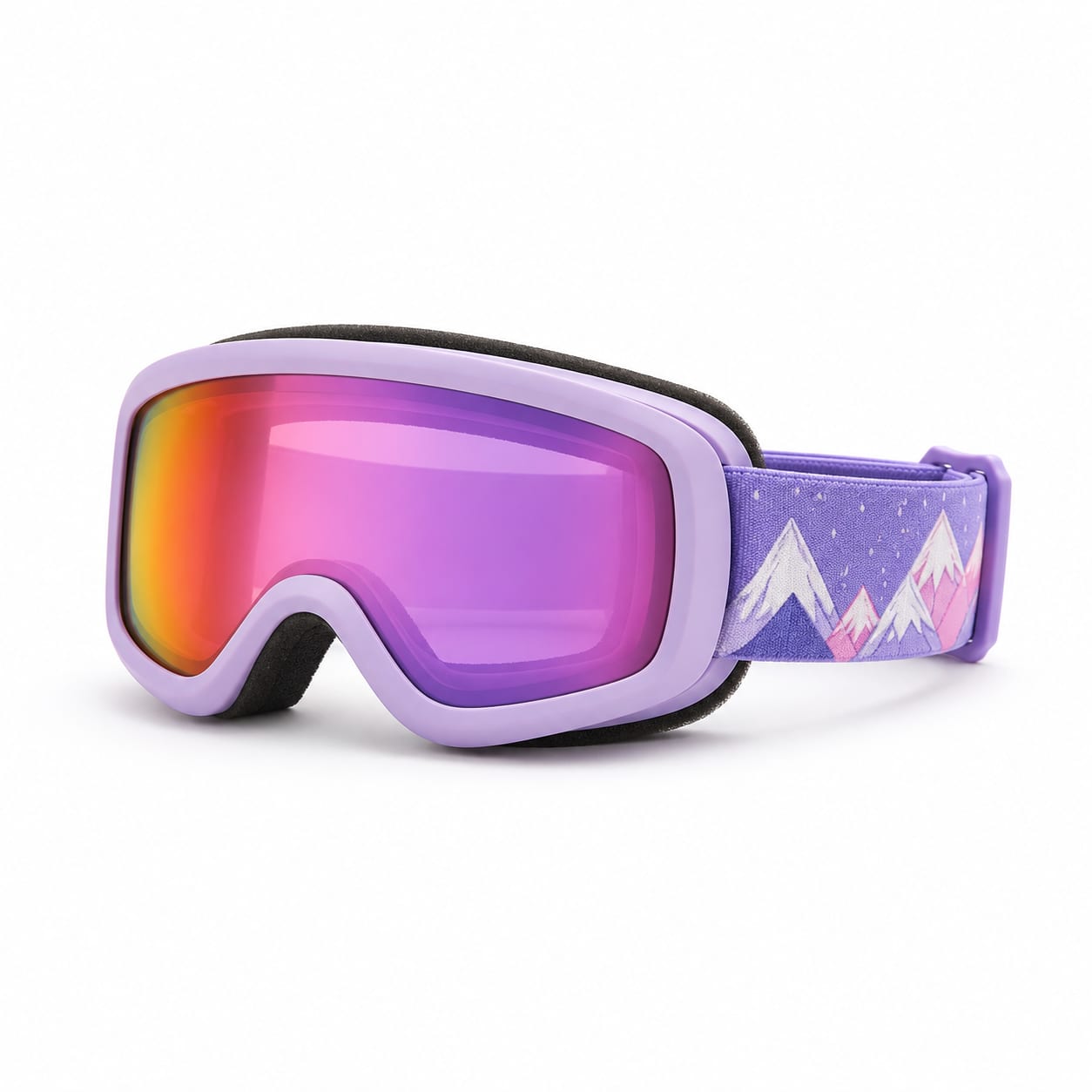
Fun colors, patterns, and character-themed designs make kids actually want to wear their goggles. A child who loves their goggle design is more likely to keep it on properly, providing the eye protection they need.

Softer Foam for Sensitive Skin

Medium

Youth-specific foam densities and hypoallergenic materials are gentler on children's more sensitive facial skin, reducing the irritation and pressure points that cause kids to reject wearing goggles.

Simplified Operation

Medium

Fixed lenses, simple straps, and minimal adjustments mean less that can go wrong. Children can put on and adjust youth goggles independently without needing to manage interchangeable lenses or complex strap systems.

Yououth Helmet Integration

High

Strap lengths and frame proportions are designed to work with youth helmets, ensuring proper goggle-helmet integration without the gaper gap that occurs when adult goggles are paired with children's helmets.

Cons

Trade-offs to be aware of

Rapidly Outgrown

Moderate

Children grow quickly, and a properly fitting youth goggle may become too small within one or two seasons. This makes it hard to justify investing in premium youth models and creates recurring replacement costs for parents.

Limited Feature Options

Moderate

Youth goggles have fewer choices for lens tints, interchangeable systems, premium anti-fog coatings, and other advanced features. The selection is much narrower than adult goggles, limiting the ability to optimize for specific conditions or needs.

Narrower Field of View

Minor

The smaller lens surface of youth goggles provides less peripheral vision than adult models. While this is a necessary trade-off for proper fit, it means children have less spatial awareness of other skiers and terrain features at their periphery.

Fewer Prescription Options

Significant

Rx insert and direct Rx lens options are scarce in youth goggles compared to adult models. Glasses-wearing children have limited choices and may need to rely on OTG compatibility, which introduces double fog risk and comfort issues.

Lower Build Quality in Budget Models

Moderate

The budget segment of youth goggles includes models with single lenses, rigid plastic frames, and minimal foam that provide poor fog resistance, comfort, and durability. These false economies result in goggles that fail and need replacement anyway.

Mirror Coatings Are Impractical

Minor

Kids are rough on lenses, and mirror coatings—the most fragile part of any lens—scratch easily under the handling typical of children. The cool look of mirrored lenses rarely survives a full season of youth use, making them a poor investment.

Best for

Terrain

Groomed resort runsSki school areasFamily-friendly green and blue trailsTerrain parks for youthMogul fields for advanced youth skiers

Snow conditions

Typical resort conditionsVariable light during kids' lesson times (morning/afternoon)Overcast and flat light (with contrast-enhancing lens)Moderate cold with proper sealSpring skiing with appropriate VLT

Skill level

First-time beginnersDeveloping novicesIntermediate youth skiersAdvanced youth racers (with premium models)

Riding style

Ski school instructionFamily recreational skiingYouth race programsAll-mountain youth explorationPark and freestyle for teens

Rider profile

Children ages 4–10 needing small framesPre-teens ages 11–14 with smaller facesKids in ski school programsYouth race program participantsChildren who wear glasses (with OTG or Rx models)Family ski trip participants

Not ideal for

Reasons

Youth goggles lack the advanced features, optical quality, and field of view needed for expert-level skiingTeenagers with adult-sized faces need adult goggles for proper fitYouth goggles are not designed for the sustained high-output exertion of backcountry touringThe limited lens options cannot cover the full range of conditions encountered by expert skiers

Terrain

Backcountry touring (children should not be in backcountry)Extreme steep and deep requiring maximum peripheral vision

Skill level

Adult skiers (even small-faced adults should consider adult small frames)Advanced teens who have outgrown youth sizing

Riding style

High-speed racing at adult levelsBackcountry freerideProfessional-level competition

Compare

How it stacks up

This page

Junior / Youth Ski Goggles

Youth goggles have adjusted nose bridges, softer foam densities, and shorter straps specifically designed for children's facial proportions—not just smaller versions of adult frames. They also cost significantly less and often feature kid-friendly designs that encourage wear.

Alternative

Adult Small-Frame Goggles

Adult small-frame goggles offer more advanced features like magnetic lens swaps, premium anti-fog coatings, spherical lenses, and wider lens tint selections. They may fit older youth (12+) better than youth-specific models and can be used into adulthood.

Bottom line

Choose youth goggles for children under 12 for the best fit and value. Consider adult small frames for teens 12+ who have outgrown youth sizing or need advanced features for competitive skiing. Always prioritize proper fit over features.

This page

Junior / Youth Ski Goggles

Youth goggles fit properly on children's faces, which is the foundation of comfort and fog prevention. Even youth OTG models maintain proper proportions for smaller faces while accommodating glasses.

Alternative

Adult OTG Goggles

Adult OTG goggles have more internal volume for glasses, better ventilation systems, and more Rx insert options. They may work for older teens with glasses who cannot find youth OTG models that fit.

Bottom line

For glasses-wearing children under 12, seek out youth OTG models first. If none fit well, consider youth goggles with Rx inserts. Only consider adult OTG goggles for older teens whose faces can accommodate adult sizing.

This page

Junior / Youth Ski Goggles

Most youth ski goggles work equally well for snowboarding—the design requirements are nearly identical. Youth ski goggles tend to have more color and pattern options that appeal to a broader range of children.

Alternative

Junior-Specific Snowboard Goggles

Youth snowboard-specific goggles may feature different aesthetic styling, slightly different strap designs, and brand alignment with snowboard culture that matters to some kids. The functional differences are minimal.

Bottom line

Choose based on fit, features, and the child's preference—there is no meaningful functional difference between youth ski and snowboard goggles. Let the child pick the design they like best, as they are more likely to wear it.

This page

Junior / Youth Ski Goggles

Youth goggles are designed from the ground up for smaller faces, with adjusted nose bridges, proportionate foam, and appropriate strap lengths. Even inexpensive youth goggles fit better than budget adult goggles on a child's face.

Alternative

Budget Adult Goggles (Sized Down)

Budget adult goggles may appear to offer more features per dollar and can seem like a better value. Some parents assume their child will grow into them, avoiding the need to purchase again.

Bottom line

Always choose a youth-specific goggle that fits properly now over an adult goggle the child might fit later. An ill-fitting goggle that fogs and causes discomfort will be rejected by the child, wasting the entire investment regardless of features or future fit potential.

Shopping

Buying tips

  • 1

    Measure your child's face before shopping—frame width should match face width closely. A goggle that extends beyond the temples is too wide and will not seal properly.

  • 2

    Always bring your child's helmet when trying on goggles, or buy goggle-helmet sets from the same brand. The goggle-helmet interface is critical for preventing gaper gap and ensuring the strap stays in place.

  • 3

    Prioritize UV400 protection, dual-lens construction with anti-fog coating, and a contrast-enhancing lens tint (rose, copper, or amber). These three features are non-negotiable for children's eye safety and comfort.

  • 4

    Choose a mid-range VLT (25–45%) for the single lens that comes with most youth goggles. This handles the widest range of conditions and avoids the dangerous situation of a child unable to see in flat light.

  • 5

    Skip mirror coatings for young children (under 10) who will scratch them quickly. The cost premium isn't worth it for kids who set goggles down on tables and wipe lenses with their gloves.

  • 6

    Consider buying two affordable youth goggles with different VLT lenses rather than one expensive interchangeable system. The total cost is often similar, and having two complete goggles is simpler and more practical for children.

  • 7

    If your child wears glasses, explore Rx insert options before defaulting to OTG goggles. Inserts eliminate the double fog risk and are more comfortable, though they require a visit to the optometrist.

  • 8

    Replace youth goggles when the foam compresses and no longer seals properly—typically every 1–2 seasons with regular use. Compressed foam causes fogging and cold air intrusion that no anti-fog coating can overcome.

  • 9

    Let your child choose the color or pattern they like from properly fitting options. A child who loves their goggle design is far more likely to wear it correctly and take reasonable care of it.

  • 10

    For ski school programs, label goggles with your child's name. Youth goggles look similar, and mix-ups in crowded lodges are common. A small name label inside the strap prevents confusion.

Care

Maintenance notes

  • Never let children wipe the inner lens—even with soft cloth. The anti-fog coating is extremely fragile and once damaged, cannot be restored. Teach kids to gently shake out snow and let fog clear naturally.
  • Air dry goggles completely after each use before storing. Storing damp goggles in cases promotes mold growth and degrades the anti-fog coating. Prop them open in a dry, room-temperature area.
  • Store goggles in a soft microfiber bag or hard case, never loose in a backpack. Children's goggles take more abuse in transport than on the mountain. A dedicated case extends lens life significantly.
  • Avoid leaving goggles in hot cars or near heaters. Heat degrades foam, anti-fog coatings, and frame materials. The car ride home is when most goggle damage occurs.
  • Clean outer lenses only with mild soap and water or dedicated goggle cleaner, using a microfiber cloth with gentle pressure. Never use paper towels, tissues, or shirt sleeves—all contain fibers that scratch lens coatings.
  • Inspect the strap elasticity and silicone grip regularly. Youth goggles are pulled on and off frequently, and a stretched strap that won't stay on the helmet is a safety issue that warrants replacement.
  • If the foam becomes compressed or develops permanent indentations, the goggle should be replaced regardless of lens condition. Compressed foam cannot maintain a proper seal, leading to fogging and cold air intrusion.
  • Teach children the proper way to remove goggles—by lifting the strap over the back of the helmet, not by pulling the frame away from the face. This prevents stretching the strap and stressing the frame.

Progression

Skill development path

Youth goggles support the entire development arc from first-time beginner through advanced youth skier. For first-timers (ages 4–7), the priority is a goggle that fits well and the child wants to wear—fun designs and comfortable foam are key. As children progress to intermediate levels (ages 7–10), contrast-enhancing lenses become more important for reading terrain, and better anti-fog systems help during longer ski days. Advanced youth skiers and racers (ages 10–14) benefit from spherical lenses for wider peripheral vision, premium anti-fog coatings for high-output skiing, and potentially interchangeable lenses for variable competition conditions. The transition from youth to adult goggles typically occurs between ages 12–15 depending on face size and should be based on fit testing rather than age alone. A teenager who has outgrown youth sizing should move to adult small or medium frames with the features that match their skiing intensity.

FAQ

Common questions

Each question has a dedicated page with a full answer and links to the buying guide.

At what age should my child switch from youth to adult goggles?

There is no fixed age—it depends on face size. Most children transition between 12 and 15 years old. The key indicator is fit: if a youth goggle feels tight, pinches at the temples, or the foam doesn't create a full seal, it's time to try adult small or medium frames. Conversely, if an adult goggle leaves gaps at the nose bridge or cheeks, stay with youth sizing. Always prioritize proper fit over age categories.

Can my child use my old adult goggles to save money?

This is not recommended. Adult goggles on a child's face will not seal properly, causing fogging, cold air intrusion, and discomfort that will make the child resist wearing them. A poorly fitting goggle that the child takes off provides zero protection. An affordable, properly fitting youth goggle ($25–$50) is far better than a premium adult goggle that doesn't fit. Think of it as safety equipment, not a hand-me-down.

What VLT lens should I get for my child's first goggle?

Choose a lens with 25–45% VLT in a rose, copper, or amber tint. This mid-range VLT handles the widest variety of conditions from partly cloudy to bright sun, and the warm tint enhances contrast in the flat light common during kids' morning and afternoon lesson times. Avoid dark, low-VLT lenses (under 18%) for children—they create visibility problems in flat light and are unnecessary since kids are less sensitive to glare than adults.

My child wears glasses. What are the best goggle options?

You have three main options: (1) Youth OTG goggles designed to fit over glasses—look for deep frame channels and notched temples, but be aware of double fog risk; (2) Rx insert-compatible youth goggles—these clip a prescription lens behind the goggle lens, eliminating fog issues but requiring an optometrist visit; (3) Contact lenses for older children who can manage them. For children under 10, OTG goggles are usually the most practical solution. For older youth, Rx inserts offer the best combination of vision and fog management.