Kitvore.com

Kitvore.com

Specs that matter. Gear that fits.

Ski & Snowboard Equipment

Ski Goggles

Protective eyewear designed for alpine sports, providing vision clarity, UV protection, and weather shielding in snow conditions.

Alpine skiersSnowboardersBackcountry ridersNordic skiers

16

Key specs

11

Subcategories

7

Related gear topics

Ski Goggles

Overview

What this equipment is for

Ski goggles are essential equipment for snow sports, protecting eyes from wind, snow, ice, and harmful UV radiation while enhancing contrast and visibility across varying light conditions. Modern goggles feature advanced lens technologies, anti-fog systems, and helmet-compatible designs. Lens choice significantly impacts depth perception and terrain readability, making goggle selection critical for both safety and performance.

Related equipment

Ski helmetsSki sunglassesReplacement goggle lensesGoggle casesAnti-fog spraysSki face masksSki helmets with integrated visors

Buying specs

Specs worth understanding before you buy

Each spec explains how it affects performance, fit, and whether a product suits your style and use case.

Lens Optics

Core optical properties that determine what and how you see through the goggle lens.

Lens Shape

Lens Shape

Importance

The curvature profile of the goggle lens, affecting optical clarity, distortion, and field of view.

Spherical

Curved both horizontally and vertically, mimicking the eye's natural shape for minimal distortion and superior peripheral vision.

Cylindrical

Curved horizontally but flat vertically, creating a traditional goggle profile at a lower price point.

Toric

Asymmetric lens shape combining cylindrical and spherical curves for a unique field of view and style.

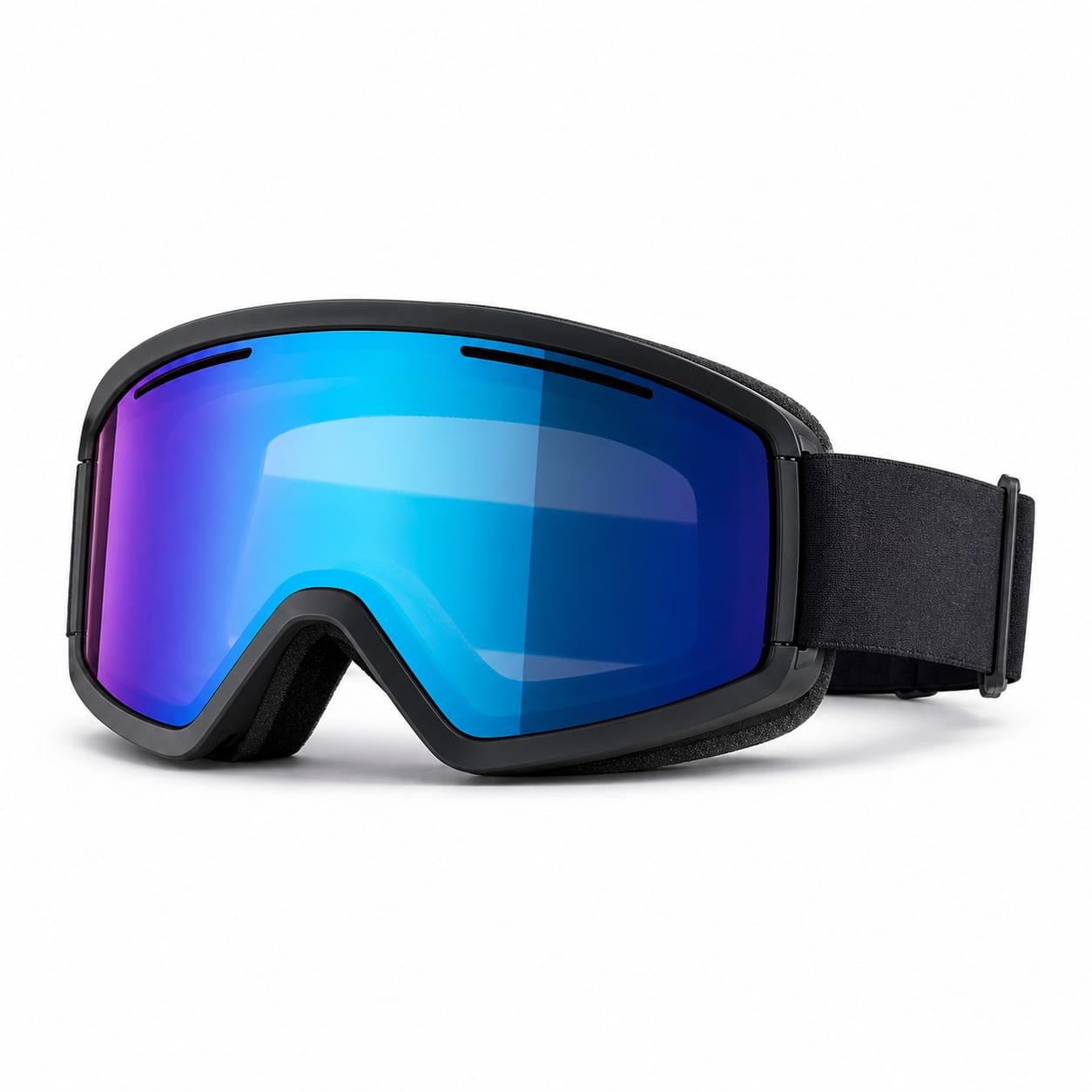
Spherical lenses offer the best optical performance and are worth the investment for serious riders. Cylindrical lenses are fine for casual use and budget constraints. Toric lenses provide a middle ground with style appeal.
VLT (%)

Visible Light Transmission

Importance

The percentage of visible light that passes through the lens, determining brightness and suitability for different weather conditions.

Typical range: 3–90 %

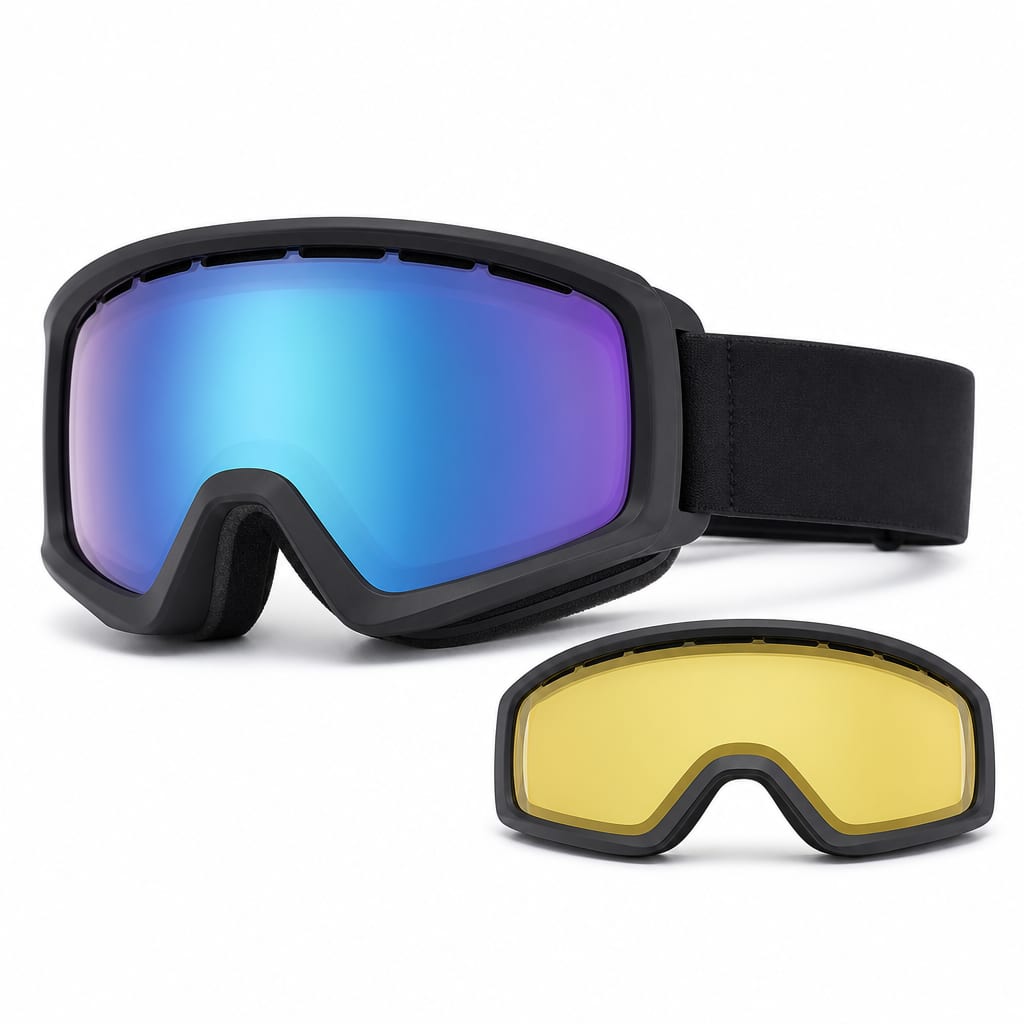
VLT is the most important lens spec for matching goggles to conditions. Low VLT (3-18%) for bright sunny days, medium VLT (19-45%) for variable/partly cloudy, high VLT (46-90%) for overcast, snowy, or night skiing. Many riders own multiple lenses or goggles for different conditions.

Lens Tint/Color

Lens Tint

Importance

The color tint of the lens, which filters light differently to enhance contrast and definition in specific conditions.

Rose/Copper/Amber

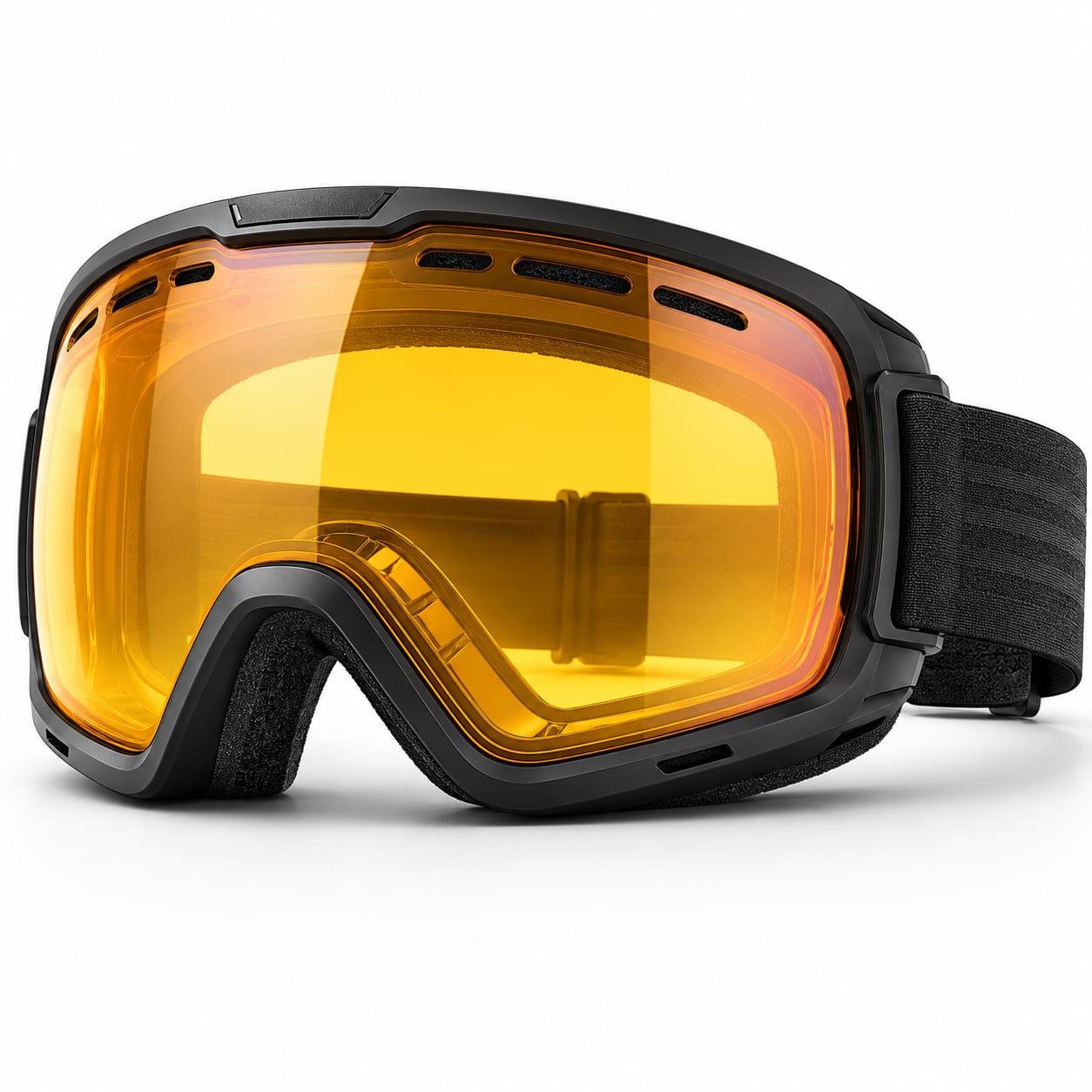
Warm-tinted lenses that dramatically enhance contrast and depth perception in flat light and variable conditions.

Gray/Black/Dark Smoke

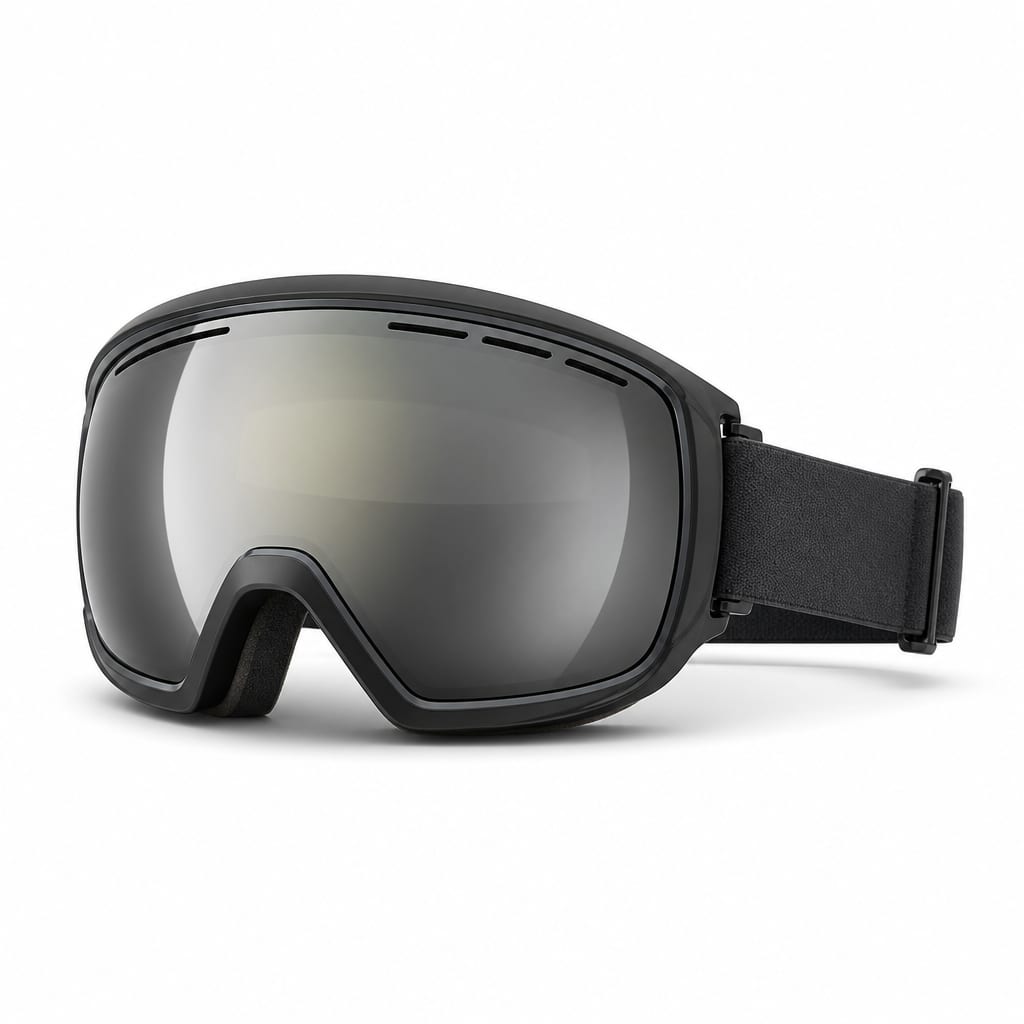
Neutral tint that reduces overall brightness without altering color perception significantly.

Yellow/Gold

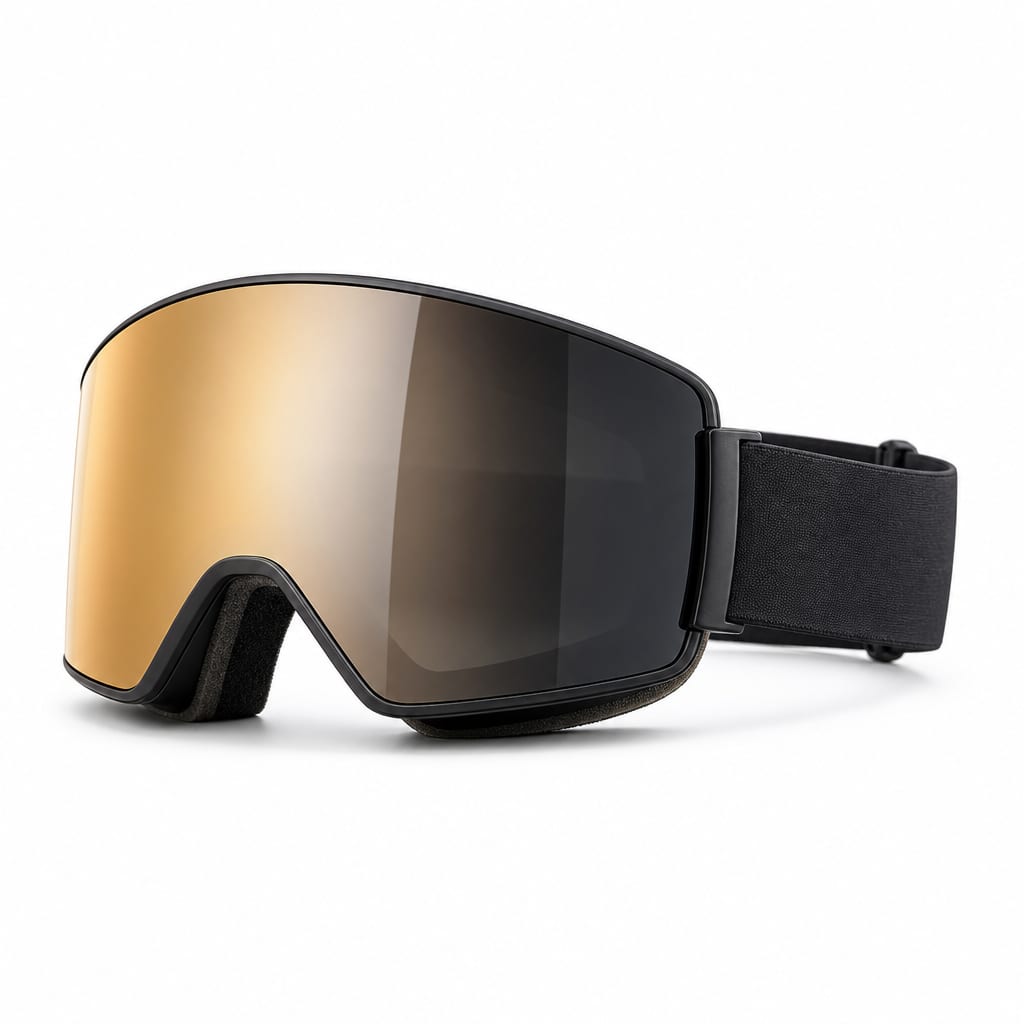
High-contrast tint that brightens the visual field and sharpens definition in low light.

Blue/Green/Mirror

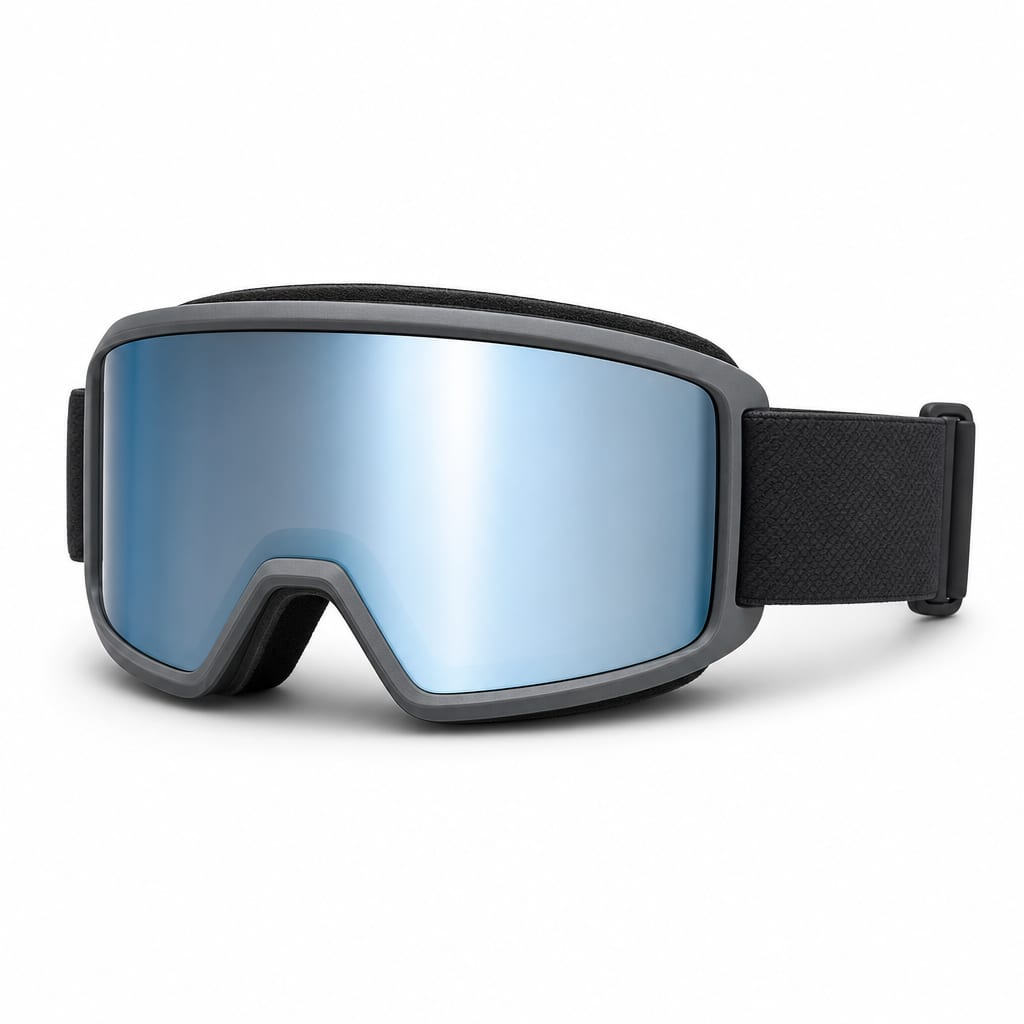
Cool-tinted lenses often with mirror coatings for bright conditions with some contrast enhancement.

Rose/copper tints are the most versatile for most skiers who encounter variable conditions. If buying one goggle, choose a contrast-enhancing tint. Add a dark/mirror lens for sunny days. Photochromic lenses are excellent for convenience but come at a premium price.

Polarized

Polarized Lens

Importance

Whether the lens includes polarization to reduce glare from reflective snow surfaces.

Polarization reduces glare from snow and ice but can make it harder to distinguish ice patches from snow. Some skiers love polarization; others avoid it. Consider your typical conditions and whether ice detection matters. Photochromic or contrast-enhancing non-polarized lenses may be more versatile.

Mirror Coating

Mirror Coating

Importance

Reflective coating on the outer lens surface that bounces additional light away, reducing glare and VLT.

Full Mirror

Highly reflective outer coating that significantly reduces incoming light and hides the wearer's eyes.

Partial/Flash Mirror

Lighter reflective coating providing subtle glare reduction and a hint of mirror effect.

No Mirror

Plain lens surface without reflective coating. Eyes may be visible from outside.

Mirror coatings are functional, not just cosmetic—they reduce additional light and glare. Choose full mirror for sunny days, no mirror for low light. Be aware that mirror coatings are the most scratch-prone part of the lens and require careful cleaning.

UV Protection

UV Protection

Importance

The level of ultraviolet radiation blocking provided by the lens, critical for eye health at altitude.

UV400 (100% UVA/UVB)

Blocks 100% of UVA and UVB radiation up to 400nm wavelength. Industry standard for quality ski goggles.

UV380 (99-100% UVB, 95%+ UVA)

Blocks most UV radiation but may allow some UVA transmission near 380-400nm range.

Basic UV Coating

Some UV protection applied as coating rather than built into lens material. May degrade over time.

UV400 protection should be non-negotiable for any ski goggle purchase. UV exposure increases dramatically with altitude and snow reflection. Never assume dark tint equals UV protection—clear UV400 lenses protect better than dark non-UV lenses.

Fog Management

Systems and technologies that prevent lens fogging in varying conditions and exertion levels.

Anti-Fog System

Anti-Fog System

Importance

The technology and design features preventing lens fogging, including dual-layer construction, coatings, and ventilation.

Dual Lens + Premium Anti-Fog Coating

Double-pane lens construction with thermal barrier and factory-applied hydrophilic coating for maximum fog resistance.

Dual Lens + Standard Anti-Fog Coating

Double-pane construction with basic anti-fog treatment. Standard on most mid-range goggles.

Dual Lens Only

Double-pane thermal barrier without additional anti-fog coating. Found in budget goggles.

Single Lens

No dual-pane construction, minimal fog resistance. Rare in modern quality goggles.

Dual-lens construction with anti-fog coating is the minimum acceptable standard. Premium coatings significantly extend fog-free performance. Never touch or wipe the inner lens coating. For backcountry touring or warm storm days, prioritize the best anti-fog system available.

Ventilation Design

Ventilation Design

Importance

The airflow system built into the goggle frame to manage moisture and prevent fogging during activity.

Active Ventilation (Battery/Powered)

Built-in fan or powered ventilation system that actively circulates air through the goggle.

Enhanced Passive Ventilation

Larger or more numerous frame vents with optimized airflow channels for superior natural air circulation.

Standard Passive Ventilation

Basic frame cutouts allowing natural airflow. Common on mid-range goggles.

Minimal Ventilation

Small or few vents, prioritizing wind protection and seal over airflow. Budget or fashion-oriented goggles.

Enhanced passive ventilation is the sweet spot for most riders. Active ventilation is excellent for chronic fog sufferers or glasses wearers but adds complexity. Avoid minimal ventilation if you ski hard or in wet conditions. Never block vents with helmet or goggle strap.

Fit & Comfort

Dimensions affecting how the goggle fits your face, helmet, and comfort during extended wear.

Frame Size

Frame Size

Importance

The overall size of the goggle frame and lens, determining field of view and face fit compatibility.

Small / Youth

Compact frame designed for smaller faces, youth, and some women's fits. Narrower lens surface.

Medium

Standard frame size fitting the majority of adult faces with balanced field of view and comfort.

Large / Oversized

Maximum lens surface and frame for the widest field of view and larger face shapes.

Asian Fit / Low Bridge Fit

Frame with adjusted nose bridge and foam to fit lower nose bridges and higher cheekbones without gaps.

Proper frame size is essential for comfort, seal, and fog prevention. Goggles that are too large leave gaps; too small restricts vision and pinches. Try on with your helmet. Asian/Low Bridge fits solve a common issue for many riders and should be considered if you experience nose-bridge gaps.

Over-the-Glasses (OTG) Compatible

OTG Compatible

Importance

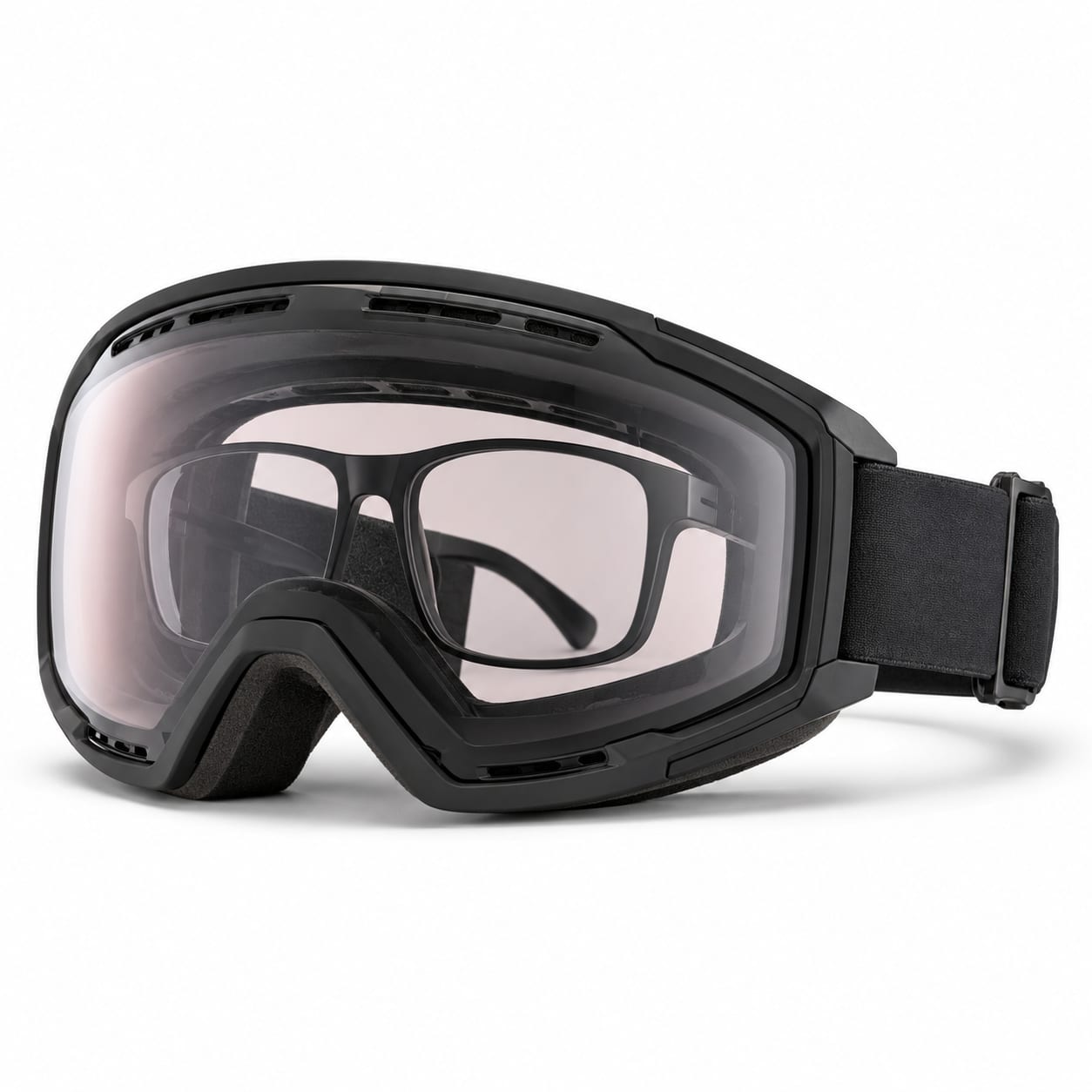
Whether the goggle is designed to accommodate prescription eyeglasses underneath without discomfort or fogging.

If you wear prescription glasses, OTG compatibility is essential. Look for deep frame channels, notched temples, and adequate ventilation. Consider prescription goggle inserts as an alternative for better comfort and fog management.

Face Foam

Face Foam

Importance

The multi-layer foam padding that creates a seal against the face, affecting comfort, fit, and moisture management.

Triple Layer + Moisture Wicking

Three-density foam with moisture-wicking top layer, medium mid-layer, and firm base for maximum comfort and sweat management.

Triple Layer Standard

Three-density foam without specialized moisture-wicking treatment. Good comfort and seal.

Dual Layer

Two-density foam construction balancing comfort and cost. Common on mid-range goggles.

Single Layer

Single-density foam. Found on budget goggles. Less comfortable and durable.

Face foam quality directly impacts all-day comfort and goggle seal. Triple-layer foam with moisture wicking is worth the upgrade for regular skiers. Foam degrades over seasons—replace goggles when foam loses shape or causes pressure points.

Helmet Compatibility

Helmet Compatibility

Importance

How well the goggle integrates with ski helmets in terms of fit, strap grip, and gap-free interface.

Seamless Integration (Brand-Matched)

Designed to pair with specific helmet models from the same brand for perfect gap-free fit and strap alignment.

Universal Compatible

Designed with standard proportions and adjustable strap to fit most helmet brands and models well.

Limited Compatibility

Unusual shape or strap design that may not integrate well with certain helmet styles or brands.

Always test goggle-helmet compatibility before purchasing. Gaper gap (space between goggle and helmet) causes cold foreheads and fogging. Silicone-backed straps help grip helmet surfaces. Brand-matched sets guarantee fit but limit options.

Adaptability

Features that allow the goggle to adapt to changing conditions or vision needs.

Lens Interchangeability

Lens Interchangeability

Importance

The system and ease with which lenses can be swapped to adapt to changing light conditions.

Magnetic Quick-Swap

Lens attaches via magnets allowing tool-free swaps in seconds, even with gloves on.

Mechanical Quick-Swap (Slider/Clip)

Lens secured by clips, sliders, or levers that allow tool-free swaps without magnets.

Traditional Frame Swap

Lens is flexed into and out of the frame, requiring more effort and care to avoid damage.

Fixed/Non-Interchangeable

Lens is permanently attached and not designed to be removed or swapped by the user.

Magnetic quick-swap systems have revolutionized goggle adaptability and are worth the investment if you ski in variable conditions. If budget is limited, buy a goggle with the best single lens for your most common conditions rather than a poor interchangeable system.

Prescription Lens Compatible

Prescription Ready

Importance

Whether the goggle supports prescription vision correction through inserts or Rx-able lens options.

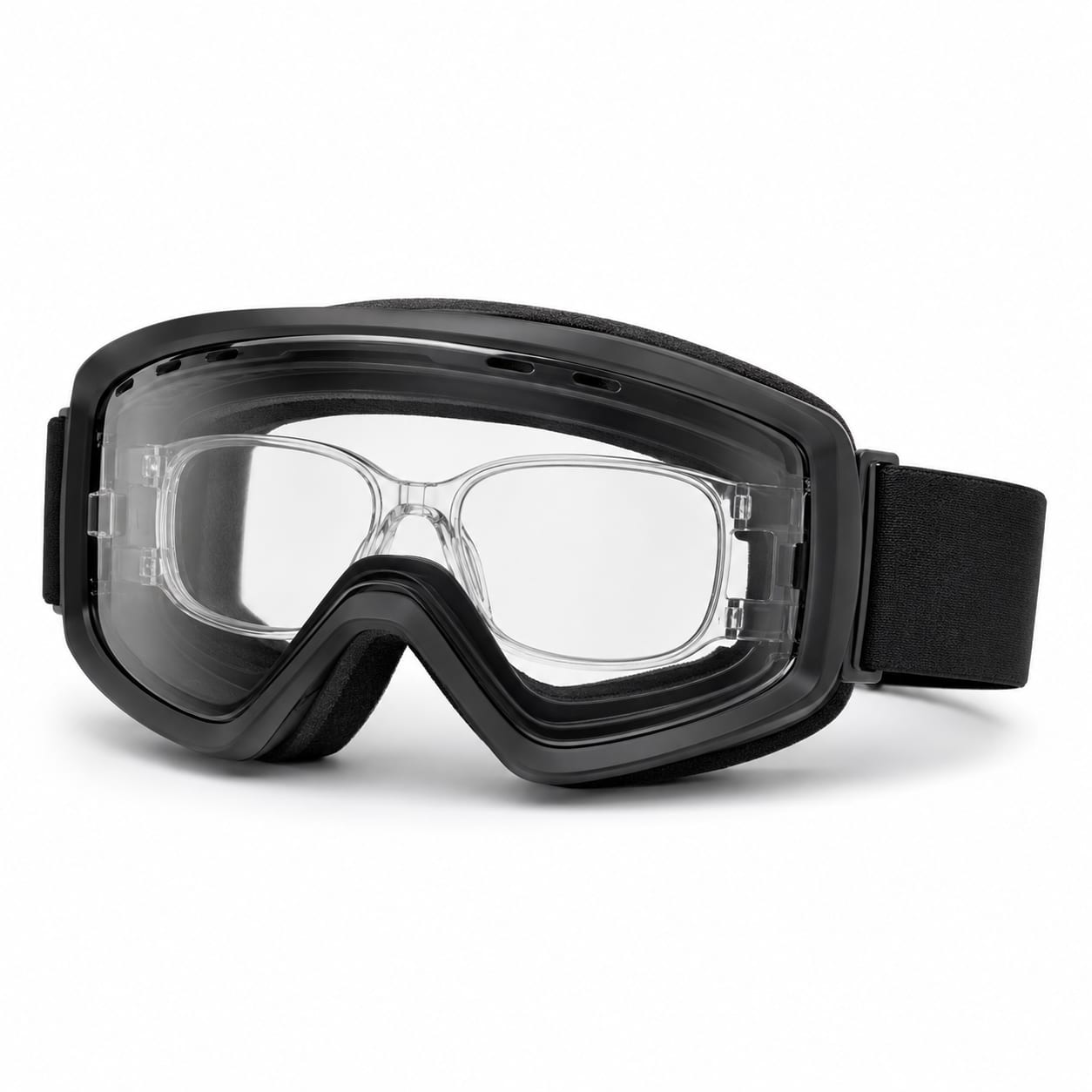
Rx Insert Included

Comes with a prescription lens insert that sits behind the goggle lens. Take to optometrist for custom Rx.

Rx Insert Compatible (Sold Separately)

Designed to accept a prescription insert accessory available for separate purchase.

Direct Rx Lens Available

The goggle lens itself can be made with prescription correction by the manufacturer or partner lab.

Not Rx Compatible

No prescription solution offered. OTG use is the only option for glasses wearers.

If you wear glasses, Rx inserts solve both vision and fog issues simultaneously. Direct Rx lenses offer the cleanest solution but at premium cost. Contact lenses under standard goggles remain the simplest approach for many.

Performance

Attributes that directly impact on-snow performance and visual capability.

Field of View

Field of View

Importance

The peripheral vision range provided by the goggle, measured in degrees of horizontal and vertical visibility.

Typical range: 140–210 degrees horizontal

Wider field of view improves peripheral awareness of other skiers, terrain features, and obstacles. Spherical and oversized lenses typically offer the widest views. Racers and freeriders benefit most from maximum peripheral vision. Casual skiers may not notice moderate differences.

Construction

Physical build and material properties of the goggle frame and structure.

Frame Material

Frame Material

Importance

The primary material used in the goggle frame, affecting flexibility, cold-weather performance, and durability.

TPU (Thermoplastic Polyurethane)

Flexible, cold-resistant frame material that remains pliable in extreme cold. Industry standard for quality goggles.

TPE Compound

Thermoplastic elastomer blend offering flexibility and cost efficiency. Common in mid-range goggles.

Rigid Plastic

Hard frame material that doesn't flex. Found in budget goggles. Can become brittle in extreme cold.

TPU frames are standard in quality goggles and should be the minimum choice. Rigid plastic frames should be avoided as they become brittle and uncomfortable in cold. Frame material is rarely a differentiator among quality brands.

Specs FAQ

Common questions about these buying specs

Plain-English answers for each spec and option — tap through for the full explanation.

What's the benefit of spherical lenses on ski goggles, and are they worth the extra cost?

Spherical lenses curve both horizontally and vertically, mimicking the natural shape of your eye. This design minimizes optical distortion—especially at the edges of your vision—so what you see looks more natural and true. It also gives you the widest possible field of view and better peripheral awareness, which is a real advantage when you're navigating trees, merging onto busy trails, or charging steep terrain. These lenses also reduce glare better than flatter lens shapes, since the curved surface deflects sunlight at angles that don't hit your eyes directly. For all-mountain skiers, freeriders, racers, or anyone who prioritizes optical clarity, spherical lenses are absolutely worth the investment. That said, if you're a casual skier who sticks to groomers on fair-weather days and is watching the budget, a cylindrical lens will serve you just fine. Spherical lenses shine most in variable conditions and high-performance situations where every visual detail counts.

Are cylindrical lens goggles good enough, or do I really need to spend more for spherical?

Cylindrical lenses curve horizontally but are flat vertically, giving you that classic goggle look at a lower price. They're a solid choice if you're skiing mostly in good conditions or just getting out a few times a season. You'll get clear vision straight ahead, which is where you're looking most of the time anyway. The trade-off is slight distortion around the edges and more glare compared to spherical lenses. For park riders and casual skiers, this rarely matters much. But if you're charging steep, varied terrain or skiing in flat light often, that peripheral distortion can affect depth perception when you need it most. If budget is a concern or you're not pushing hard all over the mountain, cylindrical goggles are perfectly fine. Save the money for lift tickets and upgrade later if you find yourself wanting better edge-to-edge clarity.

I keep seeing toric lenses on goggles—what exactly are they, and are they worth considering over spherical or cylindrical?

Toric lenses are a newer shape that blends cylindrical and spherical curves into one lens. They curve horizontally like a cylindrical lens but also have some vertical curvature like a spherical lens, creating an asymmetric profile. This design gives you a wider horizontal field of view than a standard cylindrical lens while keeping edge distortion lower. The big draw for toric lenses is that you get much of the optical performance of a spherical lens but with a distinctive, modern look that stands out from traditional goggle shapes. They're a great middle ground if you want better peripheral vision than cylindrical offers but don't want to pay top dollar for full spherical lenses. Toric lenses make the most sense if you're an all-mountain or freeride rider who values both performance and style. If you mostly stick to the park or ski just a few days a year, cylindrical will still serve you fine for less money.

What does VLT mean on ski goggles, and how do I pick the right one?

VLT stands for Visible Light Transmission — it's the percentage of light that actually passes through the lens. A lower VLT means a darker lens that blocks more light, while a higher VLT lets more light in. This is the single most important spec for matching your goggles to the conditions you'll be skiing or riding in. For bright, sunny days, go with a low VLT (3–18%) to cut glare and protect your eyes. For variable or partly cloudy weather, a medium VLT (19–45%) gives you solid versatility. If you're riding in overcast skies, heavy snow, or at night, you'll want a high VLT (46–90%) so you can read the terrain and see moguls or ice patches before you hit them. The biggest mistake is assuming one lens handles every condition. If you ski in changing weather, look for goggles with swappable lenses — or own two pairs — so you're never stuck squinting or skiing blind.

Subcategories

Different styles, different picks

Each sub-type has its own guide with typical specs, trade-offs, and buying advice.

All-Mountain Ski Goggles

All-Mountain Ski Goggles

$50 – $250

dominant

Versatile goggles designed for general use across varied terrain and light conditions.

versatile lens tintshelmet-compatible framesmoderate VLT range
Spherical Lens Ski Goggles

Spherical Lens Ski Goggles

$100 – $350

common

Goggles featuring horizontally and vertically curved lenses for superior optics and reduced glare.

dual-axis curved lenswider field of viewreduced peripheral distortion
Cylindrical Lens Ski Goggles

Cylindrical Lens Ski Goggles

$40 – $200

common

Goggles with horizontally curved flat lenses offering a classic look at accessible price points.

single-axis horizontal curveflat vertical profilelower price point
Frameless Ski Goggles

Frameless Ski Goggles

$80 – $300

common

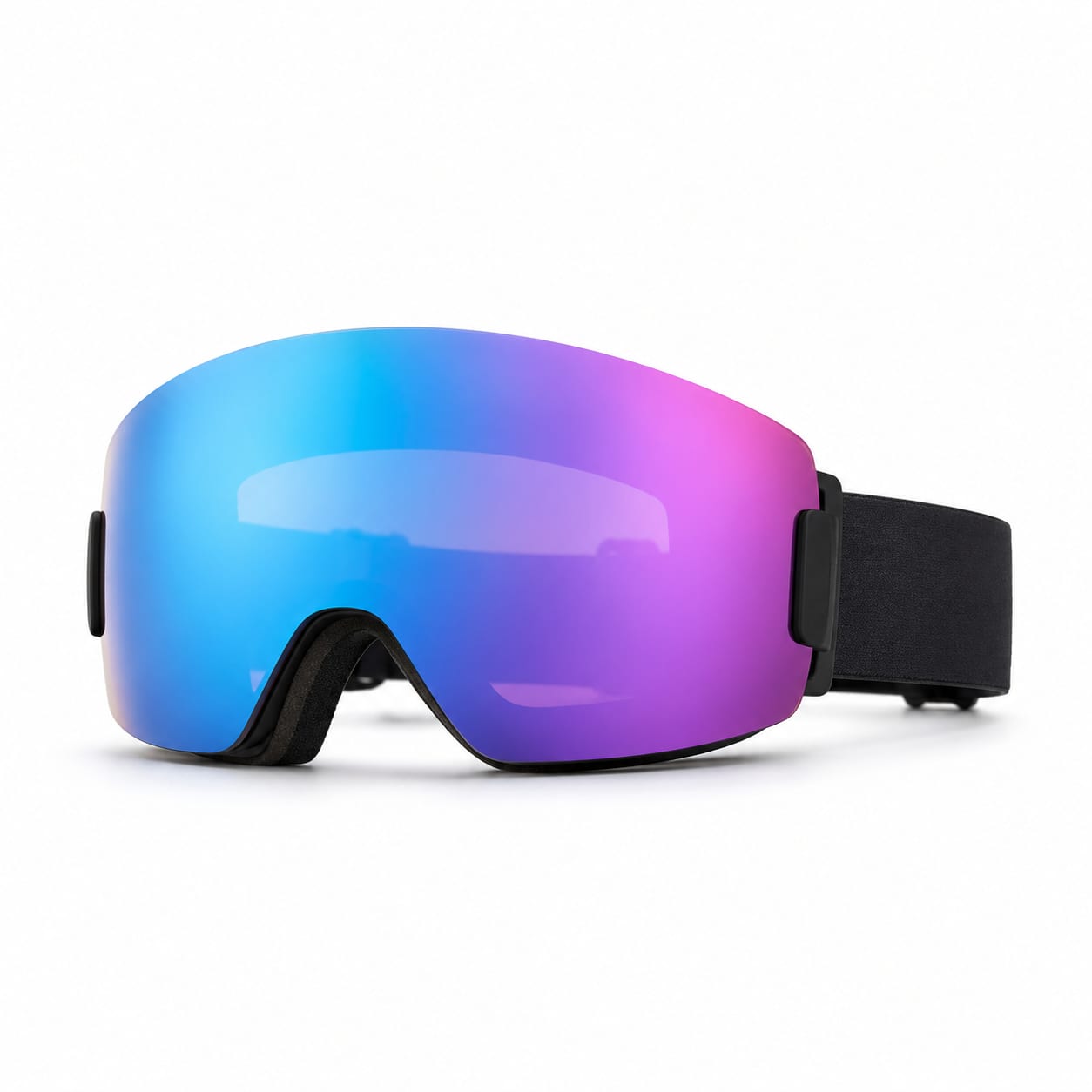
Goggles with minimal or no frame structure maximizing field of view and modern aesthetics.

minimal frame visibilitymaximum peripheral visionmagnetic lens attachment
OTG (Over-the-Glasses) Ski Goggles

OTG (Over-the-Glasses) Ski Goggles

$40 – $180

common

Extra-deep goggles designed to fit comfortably over prescription eyeglasses.

extra-deep frame chambertemple arm notchesanti-fog ventilation for dual-lens systems
Photochromic Ski Goggles

Photochromic Ski Goggles

$120 – $350

niche

Goggles with light-reactive lenses that automatically adjust tint to changing conditions.

auto-darkening lenseswide VLT rangeUV-reactive technology
Low-Light / Storm Ski Goggles

Low-Light / Storm Ski Goggles

$60 – $250

niche

Goggles optimized for flat light, overcast skies, and storm conditions with high-VLT lenses.

high VLT lenses (60-90%)contrast-enhancing tintsyellow/amber/rose lens colors
Night Skiing Goggles

Night Skiing Goggles

$30 – $150

specialty

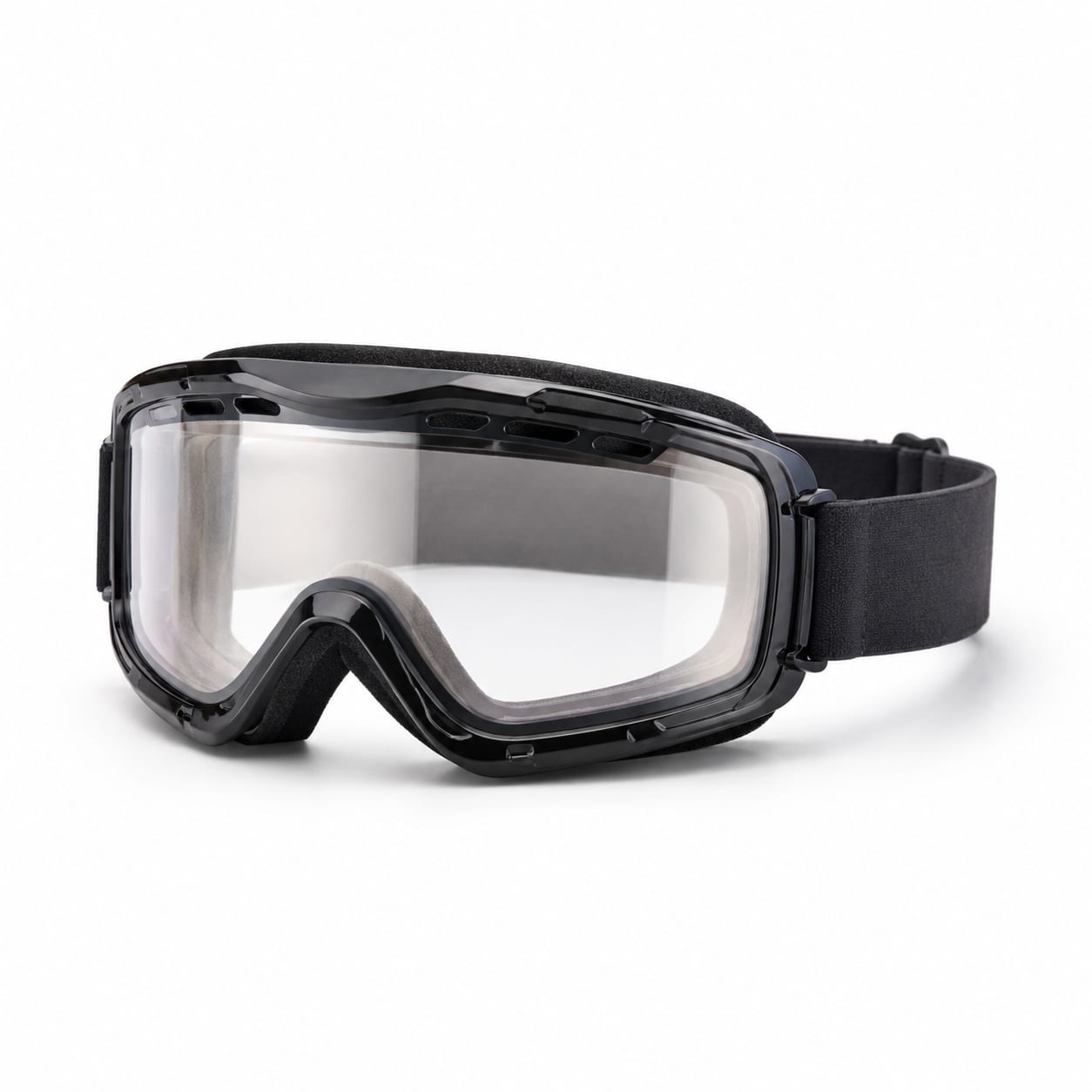
Goggles with clear or lightly tinted lenses designed specifically for artificial light skiing.

clear or near-clear lensesVLT 80-95%anti-reflective coatings
Prescription / Rx Insert Ski Goggles

Prescription / Rx Insert Ski Goggles

$150 – $400

specialty

Goggles with integrated prescription lens inserts for vision correction without separate glasses.

internal Rx insertcustom prescription lensesanti-fog spacing
Junior / Youth Ski Goggles

Junior / Youth Ski Goggles

$25 – $120

common

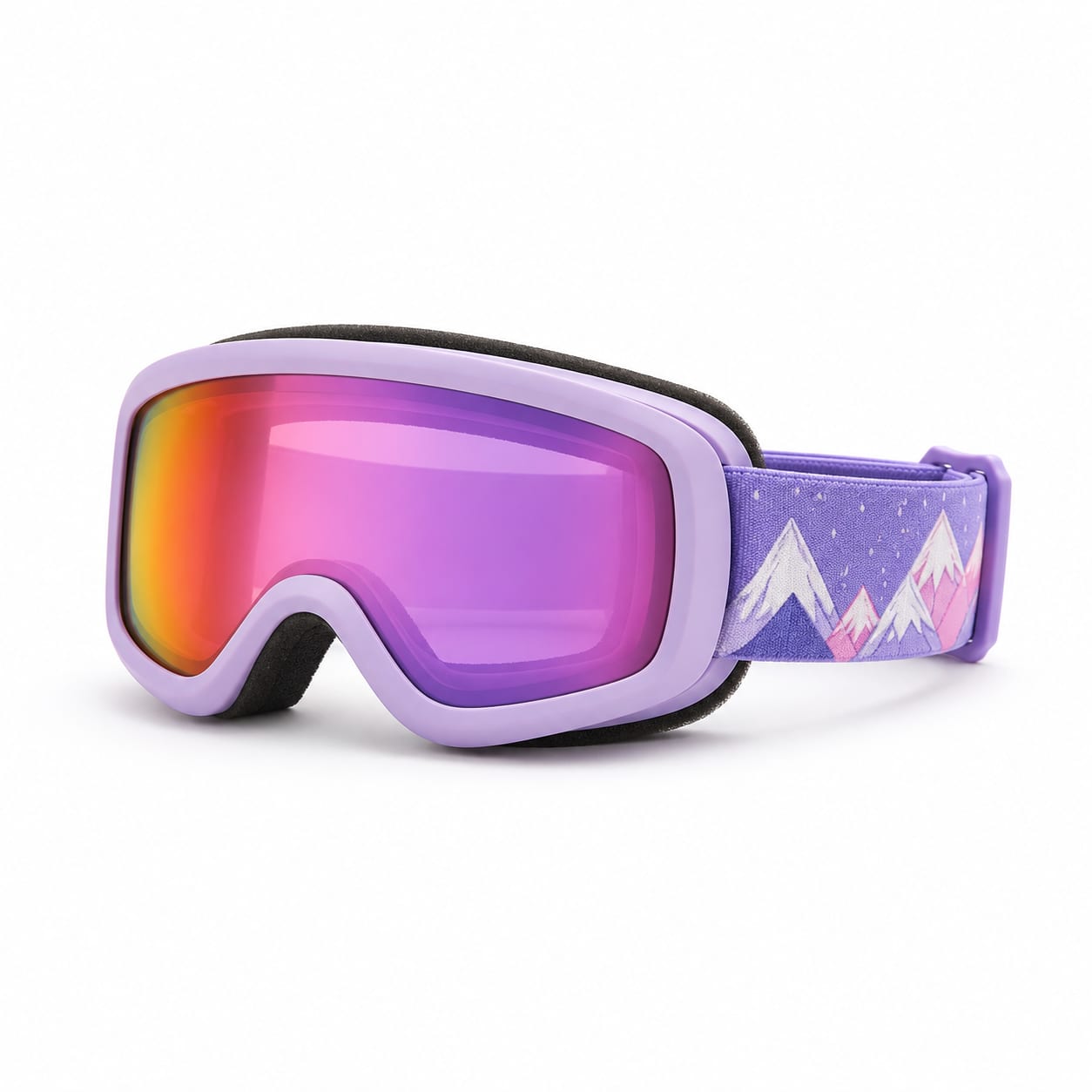
Sized-down goggles engineered for children and teen facial dimensions with kid-friendly features.

smaller frame dimensionssofter foam densityyouth helmet compatible
Smart / Electronic Ski Goggles

Smart / Electronic Ski Goggles

$250 – $600

specialty

High-tech goggles with integrated displays, sensors, or electronic lens tint control.

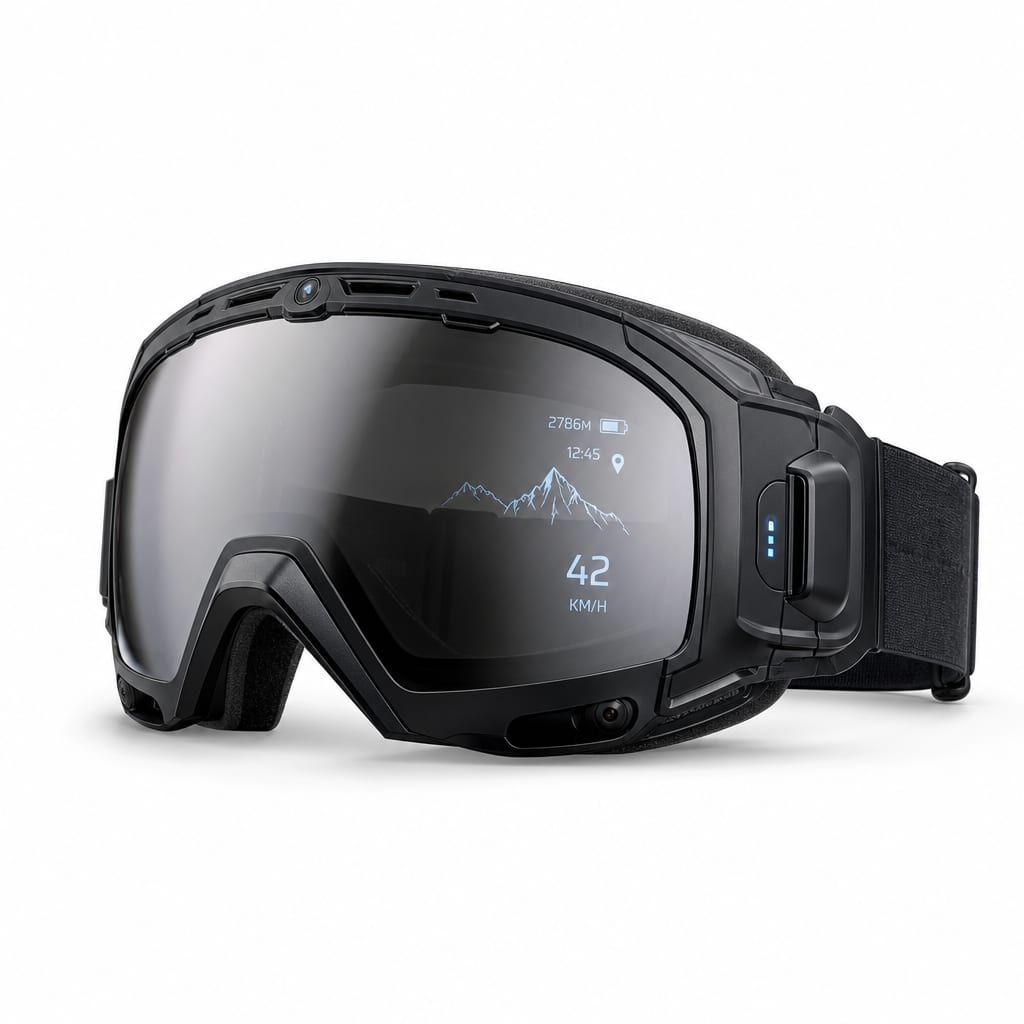
heads-up displayelectrochromic lens controlBluetooth connectivity