
Ski Handwear · FAQ
Questions about Insulated Ski Gloves
Straight answers on fit, specs, and when this type makes sense — each topic has its own page with links back to the buying guide.
Open Insulated Ski Gloves guide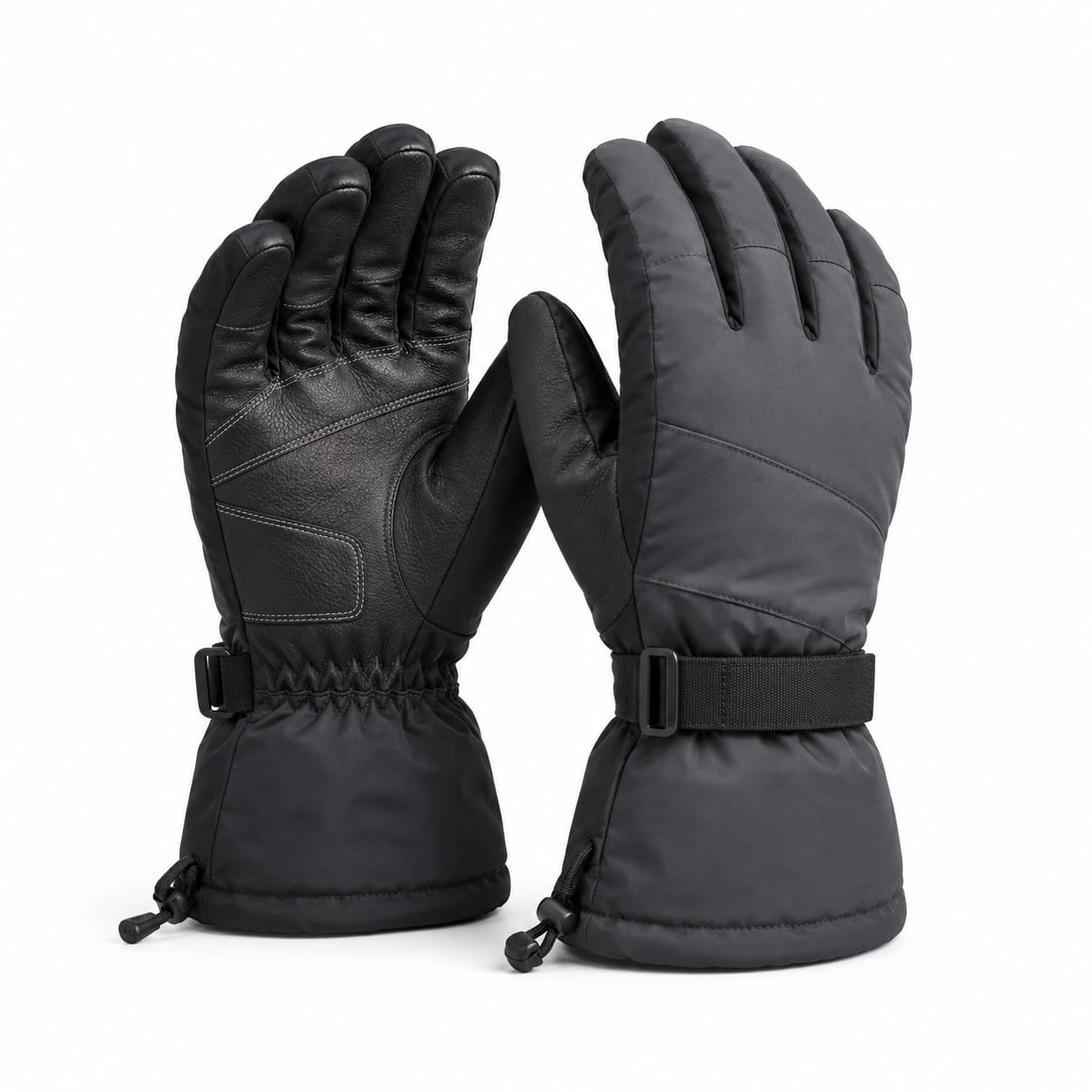
6 topics
Pick a question
Every answer links to the full subcategory guide and related gear types when it helps you decide.
How warm are insulated ski gloves compared to mittens?
Insulated ski gloves are noticeably less warm than mittens with equivalent insulation because individual finger compartments prevent fingers from sharing body heat. In practice, a glove with 200g insulation feels roughly equivalent in warmth to a mitten with 100-150g insulation. If your fingers get cold in gloves even with heavyweight insulation, switching to mittens or 3-finger designs will provide a significant warmth improvement.
Read answer →02What insulation weight do I need for my typical skiing conditions?
For most resort skiing in typical winter conditions (15-32°F / -9 to 0°C), midweight insulation (100-200g synthetic) is ideal. Choose heavyweight (200g+) for temperatures consistently below 15°F, long cold chairlift rides, or if your hands run cold. Choose lightweight (40-100g) for spring skiing above freezing, high-output touring, or if your hands run warm. If you ski in highly variable conditions, consider a midweight glove with a removable liner for adjustable warmth.
Read answer →03Should I choose leather or synthetic palm material?
Leather (goatskin, Pittards) offers the best grip, tactile feel, and durability, and it molds to your hand over time for a custom fit. However, it requires periodic waterproofing treatment and costs more. Synthetic suede (Clarino, Amara) provides similar feel with easier maintenance and lower cost, but it is less durable over time. Choose leather if you prioritize grip and longevity and don't mind maintenance. Choose synthetic suede for lower maintenance and good all-around performance at a lower price point.
Read answer →04Do I need a gauntlet cuff or under-cuff design?
Choose gauntlet cuffs if you ski in powder, cold conditions, or backcountry where snow ingress is a concern—they seal over your jacket sleeve and provide superior warmth and snow protection. Choose under-cuff if you primarily ski groomed runs in mild conditions, prefer a streamlined look, or your jacket has integrated inner cuffs that work better with under-cuff gloves. If you encounter both conditions, hybrid/adjustable cuffs offer the most versatility.
Read answer →05How should insulated ski gloves fit?
Insulated ski gloves should fit snugly without restricting circulation or compressing insulation. Your fingertips should lightly touch the end of the glove with a small air gap—this air space is part of the insulation system. If gloves are too tight, circulation is restricted and insulation is compressed, both causing cold hands. If too loose, dexterity suffers and cold air circulates inside. Always try on with any liner you plan to wear, and when between sizes, size up slightly.
Read answer →06Are expensive insulated ski gloves worth the investment?
Premium insulated gloves ($100-200) typically offer better construction, more durable materials, superior waterproofing, and longer lifespan than budget options ($30-60). If you ski 20+ days per season, the investment usually pays off in comfort, performance, and longevity—a quality glove that lasts 3-5 seasons costs less per season than replacing budget gloves annually. Key upgrades in premium models include genuine leather palms, Gore-Tex membranes, better insulation, and reinforcement panels in high-wear areas. However, if you ski fewer than 10 days per season, a mid-range glove ($60-100) provides adequate performance.
Read answer →