Kitvore.com

Kitvore.com

Specs that matter. Gear that fits.

Ski Handwear · Subcategory

Insulated Ski Gloves

Fully insulated gloves with individual finger compartments, balancing warmth and dexterity for all-mountain skiing.

Insulated ski gloves are the most versatile handwear choice for skiers, offering dedicated finger compartments for pole grip and dexterity while providing substantial warmth through synthetic or natural insulation. They are the go-to option for the majority of resort and all-mountain skiers who need functional pole handling, goggle adjustments, and boot buckle operation without sacrificing cold-weather comfort.

$40 – $220mid tierbeginnerintermediateadvanced

Best known for

Best balance of warmth and dexterity among ski handwearIndividual finger compartments for precise pole grip and controlVersatility across a wide range of conditions and terrainAbility to operate gear, adjust goggles, and handle buckles without removal
Insulated Ski Gloves

Guide

Detailed overview

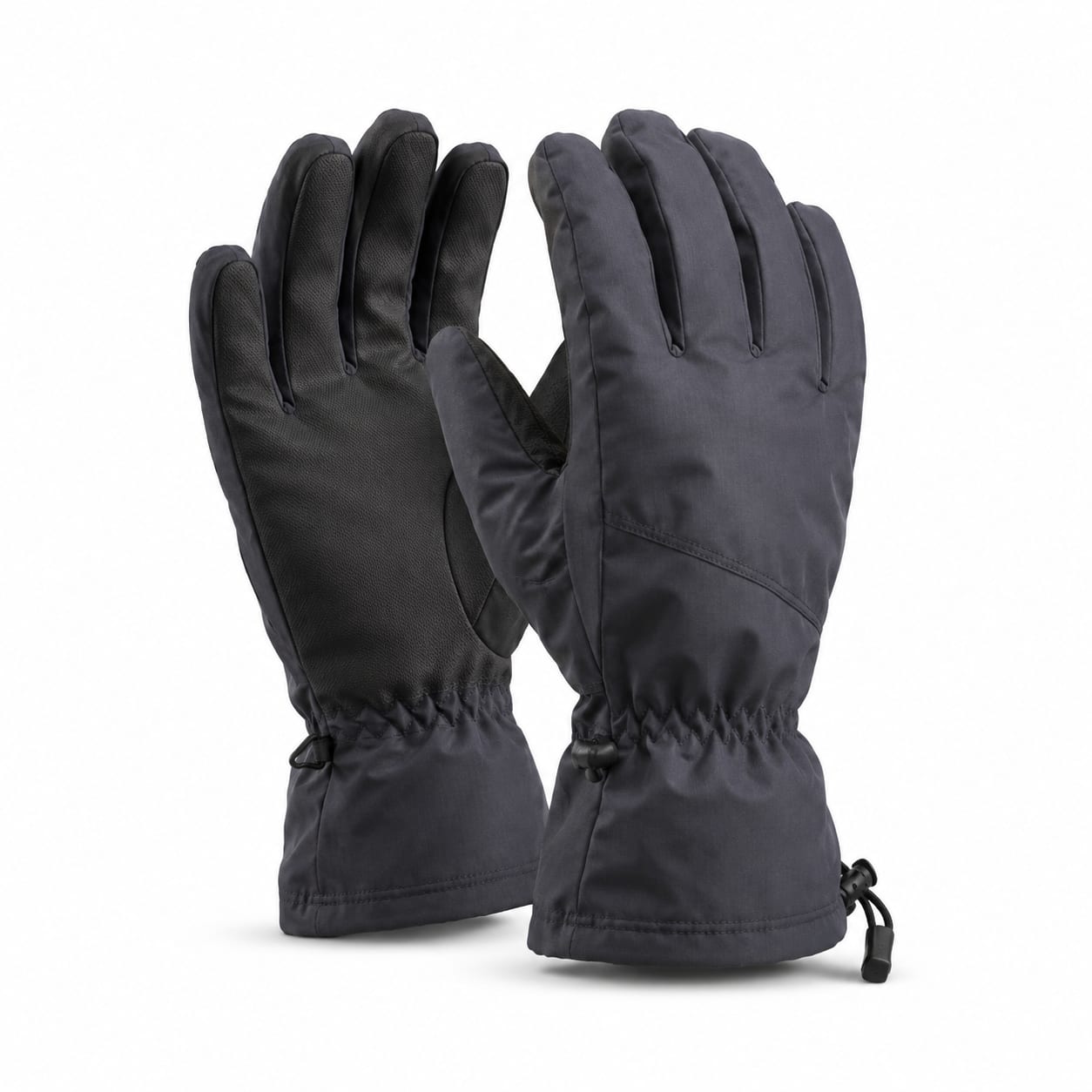
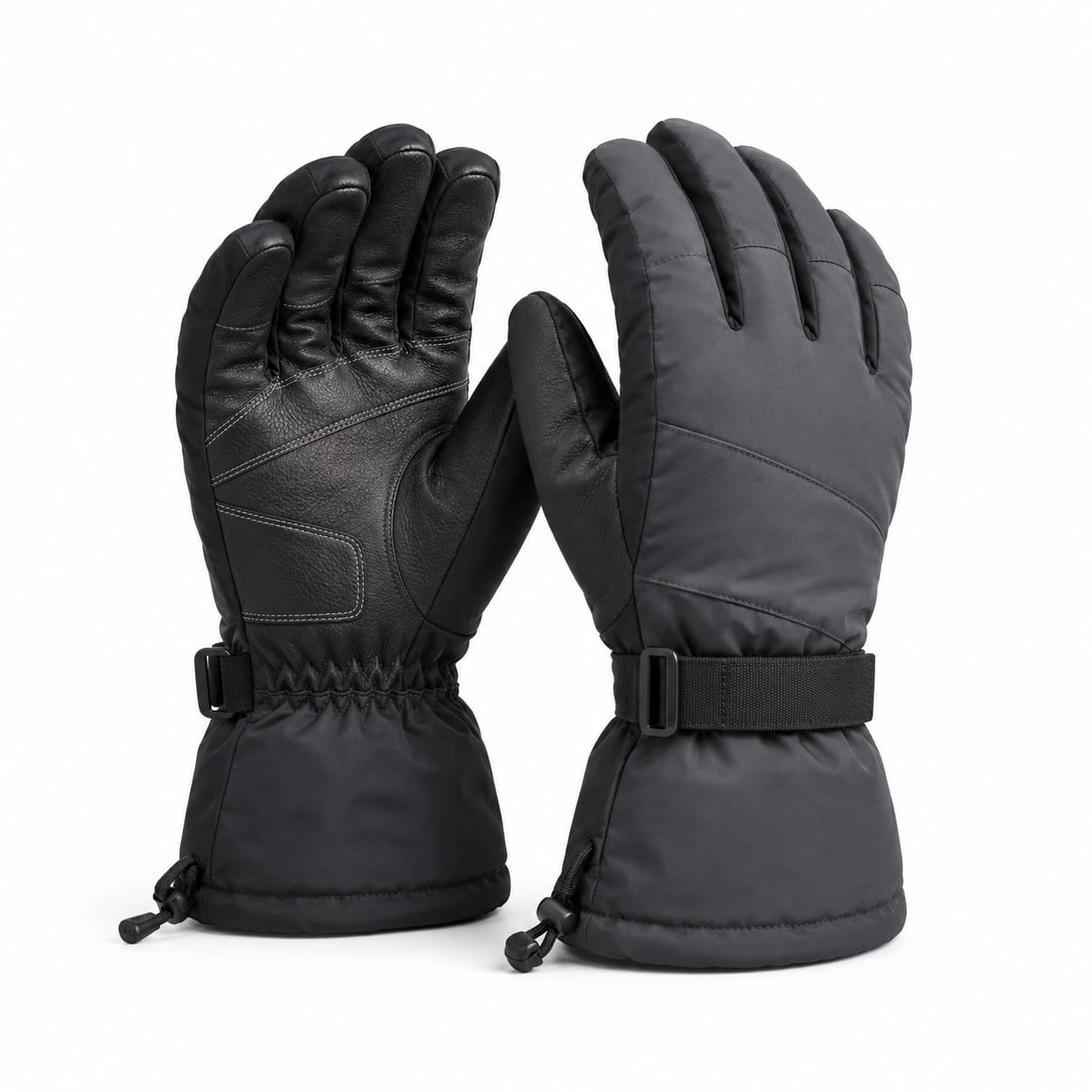
Insulated ski gloves are the workhorse of ski handwear, featuring individual finger compartments combined with built-in insulation for reliable cold-weather protection. Unlike mittens, which maximize warmth by grouping fingers together, insulated gloves maintain finger separation to preserve dexterity, pole grip, and the ability to perform fine motor tasks like adjusting goggles, operating smartphone touchscreens, and manipulating boot buckles. They are the most popular handwear choice for skiers worldwide because they handle the broadest range of conditions and use cases competently. Insulation typically ranges from 100g to 200g of synthetic fill like PrimaLoft or Thinsulate, though premium options may use down for exceptional warmth-to-weight ratio in dry conditions. Most insulated ski gloves incorporate a waterproof-breathable membrane (Gore-Tex or proprietary equivalents) to keep hands dry from both external moisture and internal perspiration. Shell materials range from durable nylon and polyester to premium leather, with palm materials chosen for grip and abrasion resistance. The combination of insulation, waterproofing, and individual finger design makes these gloves the default recommendation for most skiers, from intermediates to experts, who prioritize functional performance across varied conditions.

Insulated ski gloves occupy the sweet spot in the handwear spectrum, offering enough warmth for the majority of winter skiing conditions while preserving the dexterity that makes gloves fundamentally more functional than mittens for most skiers. The individual finger compartments allow for natural pole grip, which is critical for skiers who rely on pole plants for timing, balance, and propulsion. This finger separation also enables riders to adjust goggles, operate zippers, handle ski passes, and manipulate boot buckles without removing their handwear—a significant advantage in cold conditions where bare skin exposure leads to discomfort and potential frostbite risk.

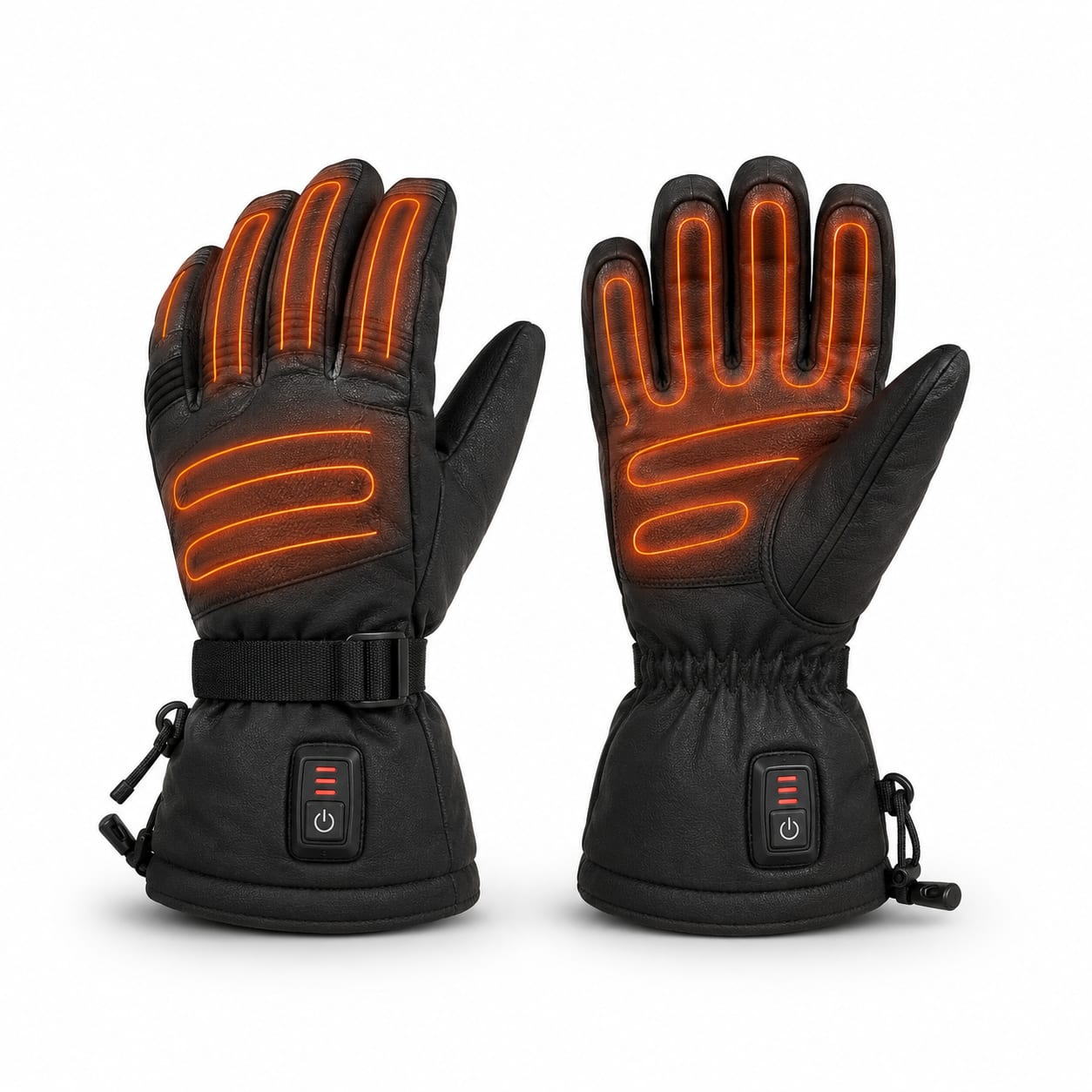
The insulation landscape in modern ski gloves has evolved considerably. Synthetic insulations like PrimaLoft Gold and 3M Thinsulate dominate the market due to their ability to retain warmth when damp—a common occurrence as hands perspire inside waterproof shells. These synthetic fills offer reliable, consistent performance across wet and dry conditions, making them the safest all-around choice. Down insulation, while offering superior warmth-to-weight ratio, remains a niche choice for ski gloves because it loses insulating ability when wet, a significant drawback in the moist environment inside a glove. Heated gloves, which integrate rechargeable battery-powered heating elements, have emerged as a transformative option for riders with chronically cold hands or those facing extreme conditions, though they add cost, weight, and the discipline of battery management.

Waterproofing is non-negotiable in quality insulated ski gloves. Even in dry, cold climates, snow melts against body heat and glove friction, creating wet conditions that compromise insulation and comfort. Gore-Tex remains the gold standard membrane, offering proven waterproof-breathable performance, though many proprietary membranes from reputable brands deliver comparable real-world results at lower price points. The interaction between waterproofing, breathability, and insulation weight must be considered holistically—over-insulated gloves with poor breathability create a cold-wet-cold cycle where sweaty hands saturate insulation, negating its effectiveness. Proper fit is equally critical: gloves that are too tight restrict circulation and cause cold hands despite adequate insulation, while gloves that are too loose sacrifice dexterity and allow cold air infiltration.

Construction details separate premium insulated gloves from budget options. Palm material choice affects grip, durability, and tactile feel—leather offers the best overall performance but requires maintenance, while synthetic suede provides a low-maintenance alternative with slightly less longevity. Reinforcement panels at the thumb crotch and palm extend glove life significantly in these high-wear zones. Cuff style (gauntlet versus under-cuff) should match typical snow conditions and jacket design, with gauntlets providing superior snow seal for powder skiing. Features like nose wipe panels, wrist leashes, and touchscreen-compatible fingertips add quality-of-life improvements that become increasingly appreciated over a full season of use. For most skiers, a midweight insulated glove with a waterproof membrane, durable palm, and gauntlet cuff represents the optimal all-around choice.

Quick facts

Primary purpose
All-around hand protection and warmth for resort skiing with maintained finger dexterity
Popular brands
HestraBlack DiamondDakineOutdoor ResearchMarmotThe North Face
Typical terrain
Groomed runsAll-mountainMogulsMixed conditions

What makes it different

Full finger separation balances warmth with the ability to grip poles, adjust bindings, and handle gear without removing handwear

Recommended ranges

How this type usually specs out

Each spec is explained in plain language, then we show what buyers usually look for on this type.

Type

Handwear Type

What it means

The fundamental construction style of the handwear, determining finger separation and overall warmth-to-dexterity ratio.

Typical for this type

Glove

In practice

Insulated ski gloves by definition use the glove construction with individual finger compartments, distinguishing them from insulated mittens and hybrid designs.

Compared to other types

Gloves offer significantly better dexterity and pole control than mittens, 3-finger, or trigger mitten designs, but sacrifice warmth because fingers are isolated and cannot share body heat.

Why it matters: The glove type provides maximum dexterity and pole grip among handwear options, which is the primary reason skiers choose gloves over warmer but less dexterous mittens.

Insulation

Insulation Type

What it means

The primary insulating material used inside the handwear, affecting warmth, packability, moisture resistance, and weight.

Typical for this type

Synthetic (Most Versatile), Down (Dry Extreme Cold), Heated (Chronic Cold Hands)

In practice

Synthetic insulation (PrimaLoft, Thinsulate) is the most common in insulated ski gloves due to its ability to retain warmth when damp and its ease of care. Down is available in premium models for dry, extreme cold. Heated options exist for riders with poor circulation.

Compared to other types

Insulated ski gloves offer the full range of insulation types. Uninsulated shell gloves have no insulation by definition. Heated gloves are a specialized subcategory within insulated gloves, adding active warmth but at significantly higher cost.

Why it matters: Insulation type determines how the glove performs when damp from perspiration or external moisture—synthetic retains warmth when wet, while down loses insulating ability. This directly affects real-world warmth reliability.

Insulation Weight

Insulation Weight

What it means

The thickness or gram weight of insulation, directly correlating with warmth level. Often described as lightweight, midweight, or heavyweight.

Typical for this type

Midweight (100-200g) For All-Around Use; Heavyweight (200g+) For Extreme Cold; Lightweight (40-100g) For Spring Or High-Output Touring

In practice

Midweight insulation (100-200g) is the most common in insulated ski gloves, providing sufficient warmth for typical winter resort conditions while maintaining reasonable dexterity. The insulation is usually concentrated on the back of the hand with less on the palm to preserve grip feel.

Compared to other types

Insulated ski gloves span all insulation weights. Compared to uninsulated shells, even lightweight insulated gloves provide noticeably more warmth. Mittens often use heavier insulation because dexterity is already sacrificed for warmth.

Why it matters: Insulation weight directly determines the warmth-to-dexterity tradeoff. Too little insulation leads to cold hands; too much reduces dexterity and can cause overheating and sweating, which ultimately makes hands colder when the moisture cools.

Waterproofing

Waterproof Rating

What it means

The water column rating (mm) of the waterproof membrane or treatment, indicating resistance to water penetration under pressure.

Typical for this type

10, 000mm for most skiing; 20, 000mm+ for coastal/wet climates, Deep Powder, Or Professional Use; 5, 000mm acceptable for dry interior climates

Most common pick: 10000mm

In practice

The majority of quality insulated ski gloves feature a 10,000mm waterproof rating, providing reliable protection against snow melt, powder contact, and typical precipitation. Higher ratings are found in premium models designed for extreme conditions.

Compared to other types

Insulated ski gloves typically have higher waterproof ratings than uninsulated shell gloves (which may forgo membranes for breathability) and comparable ratings to insulated mittens. Water-resistant-only gloves are less common in the insulated category because the insulation investment warrants proper moisture protection.

Why it matters: Waterproofing prevents external moisture from reaching insulation, which is critical because damp insulation loses effectiveness regardless of type. Even dry snow melts against body heat, making waterproofing essential for consistent warmth.

Membrane

Waterproof Membrane

What it means

The specific waterproof-breathable membrane technology used in the handwear construction.

Typical for this type

Gore-Tex For Proven Reliability; Proprietary Membranes For Good Value; Gore-Tex Infinium For High-Output Touring In Dry Conditions

Most common pick: Gore Tex

In practice

Gore-Tex is the most common membrane in premium insulated ski gloves, offering trusted waterproof-breathable performance. Many mid-range options use brand-proprietary membranes that deliver adequate performance at lower cost. The membrane is typically inserted between the shell and insulation as a separate layer.

Compared to other types

Insulated ski gloves almost always include a waterproof membrane, unlike uninsulated shells which may omit them for maximum breathability. The membrane is particularly important in insulated gloves because trapped moisture compromises insulation effectiveness.

Why it matters: The membrane prevents water penetration while allowing moisture vapor (perspiration) to escape. Without a breathable membrane, hands sweat inside waterproof gloves, creating dampness that compromises insulation and comfort.

Shell Material

Shell Material

What it means

The outer face fabric of the handwear, affecting durability, weather resistance, dexterity, and feel.

Typical for this type

Nylon For Durability And All-Around Performance; Leather For Premium Grip And Feel; Softshell For Touring And Active Use

Most common pick: Nylon

In practice

Nylon is the most common shell material in insulated ski gloves due to its excellent abrasion resistance, durability, and compatibility with waterproof membranes. Leather is popular in premium models for its superior grip, dexterity, and ability to mold to the hand over time. Polyester appears in budget options.

Compared to other types

Insulated ski gloves use the same shell materials as other handwear subcategories, but the shell must work in concert with the insulation layer—too thin a shell compromises durability, while too thick a shell with heavy insulation creates excessive bulk that reduces dexterity.

Why it matters: Shell material affects durability, grip, dexterity, and weather resistance. Nylon and leather withstand the abrasion of pole grips and rope tows. Leather provides the best tactile feel but requires waterproofing treatment to maintain performance.

Palm Material

Palm Material

What it means

The material on the palm and fingers that contacts ski poles and surfaces, affecting grip, durability, and feel.

Typical for this type

Leather For Best Grip And Durability; Synthetic Suede For Low-Maintenance Alternative; Rubberized For Wet Conditions

Most common pick: Leather

In practice

Leather (goatskin, Pittards) is the most common palm material in quality insulated ski gloves, offering superior grip, tactile feel, and durability. Synthetic suede (Clarino, Amara) provides similar feel with easier maintenance at slightly lower durability. The palm typically has less insulation than the back of hand to maintain grip sensitivity.

Compared to other types

Insulated ski gloves prioritize palm grip more than mittens because glove wearers are more likely to rely on precise pole technique. The palm-insulation balance is unique to gloves—maintaining grip feel while providing adequate warmth requires strategic insulation placement.

Why it matters: Palm material directly affects pole grip security, tactile feel for gear adjustments, and durability in the highest-wear area. A slippery or worn palm compromises pole control and confidence.

Cuff Style

Cuff Style

What it means

The design of the glove opening and how it interfaces with jacket sleeves, affecting snow seal, warmth, and ease of use.

Typical for this type

Gauntlet For Powder And Cold Conditions; Under-Cuff For Resort Mild Conditions And Low-Profile Preference; Hybrid For Versatility

Most common pick: Gauntlet

In practice

Gauntlet cuffs are the most common style in insulated ski gloves, providing the best snow seal and warmth retention. Under-cuff designs appear in models targeting resort skiers who prefer a streamlined look. The choice should align with typical snow conditions and jacket sleeve design.

Compared to other types

Insulated ski gloves offer both cuff styles, while many insulated mittens default to gauntlet cuffs because mitten users typically prioritize maximum warmth. Under-cuff insulated gloves are popular among park riders and resort skiers who value style and low bulk.

Why it matters: Cuff style determines how effectively snow and cold air are sealed out at the wrist—a critical junction where gaps allow heat loss and snow ingress. Gauntlets provide superior protection in powder and cold; under-cuff offers a cleaner look for mild conditions.

Closure

Closure Type

What it means

The mechanism used to secure the glove at the wrist, affecting fit adjustment, ease of use, and snow seal.

Typical for this type

Velcro Strap For Most Use; Drawcord For Gauntlet Gloves In Powder; Elastic For Casual/Spring Use

Most common pick: Velcro Strap

In practice

Velcro straps are the dominant closure type in insulated ski gloves, offering easy one-handed adjustment and a secure fit. Gauntlet models often combine a velcro wrist strap with a drawcord at the cuff opening for dual sealing. Elastic slip-on designs appear in casual and spring-weight models.

Compared to other types

Insulated ski gloves use the same closure types as other handwear, but the closure must accommodate the insulation bulk—thicker gloves require more robust closures to maintain a secure seal around the wrist.

Why it matters: Closure type affects how well the glove seals at the wrist, ease of donning and doffing (especially with cold or wet hands), and the ability to adjust fit during the day. A secure closure prevents cold air and snow from entering.

Liner

Liner Type

What it means

The inner lining or removable liner of the handwear, affecting comfort, moisture management, warmth, and drying capability.

Typical for this type

Fixed Fleece For Simplicity And Everyday Use; Removable Fleece For Multi-Day Trips And Quick Drying; Removable Wool For Extended Backcountry Use

Most common pick: Fixed Fleece

In practice

Fixed fleece liners are the most common in insulated ski gloves, providing soft comfort and moisture wicking in a simple, reliable design. Removable liners appear in premium models, offering faster drying and the option to wear the liner alone in mild conditions. The liner should not bunch or shift inside the glove during use.

Compared to other types

Insulated ski gloves typically include integrated liners, unlike uninsulated shell gloves which require separate liner gloves. The liner works with the insulation to create a complete warmth system—its quality and fit significantly affect overall comfort.

Why it matters: Liner type affects drying speed (critical for multi-day trips), comfort against the skin, and versatility. Fixed liners are simpler but dry slowly; removable liners can be dried separately or worn independently, adding flexibility.

Heated

Heated

What it means

Whether the handwear includes battery-powered heating elements for active warmth generation.

Typical for this type

Non-Heated For Most Skiers; Heated For Chronic Cold Hands, Extreme Conditions, Or Medical Needs

Most common pick: False

In practice

The vast majority of insulated ski gloves are non-heated, relying on passive insulation for warmth. Heated models are a growing subcategory within insulated gloves, integrating rechargeable battery-powered heating elements in the fingers and back of hand. They cost 2-3x more than equivalent non-heated gloves.

Compared to other types

Heated technology is more commonly integrated into gloves than mittens because gloves need more help staying warm due to finger isolation. A heated glove can approach mitten-level warmth while maintaining full dexterity.

Why it matters: Heated gloves provide adjustable, on-demand warmth that can transform the experience for riders with poor circulation or those facing extreme cold. However, they add weight, require battery management, and represent a significant cost increase.

Touchscreen

Touchscreen Compatible

What it means

Whether the glove includes conductive material on fingertips allowing smartphone and touchscreen use without removing gloves.

Typical for this type

Touchscreen Compatible Recommended For Riders Who Use Phones, GPS, Or Cameras On The Mountain

Most common pick: True

In practice

Most modern insulated ski gloves include touchscreen-compatible fingertips (typically index finger and thumb) with conductive threads or pads. This feature has become increasingly standard as smartphone use on the mountain has grown for navigation, photography, and resort apps.

Compared to other types

Touchscreen compatibility is more practical in gloves than mittens because individual finger control enables precise screen interaction. Mittens with touchscreen pads exist but offer less precise control.

Why it matters: Touchscreen compatibility allows device use without removing gloves and exposing hands to cold. It is particularly valuable for using phone cameras, GPS apps, and scanning lift passes on smartphones.

Nose Wipe

Nose Wipe Panel

What it means

A soft fabric panel on the thumb or back of hand designed for wiping the nose and face without irritating skin.

Typical for this type

Has Nose Wipe Recommended For Regular Cold-Weather Skiing

Most common pick: True

In practice

Most quality insulated ski gloves include a soft fleece or chamois nose wipe panel on the thumb, providing a comfortable surface for wiping runny noses and faces in cold weather. This small feature has a disproportionate impact on daily comfort during cold-weather skiing.

Compared to other types

Nose wipe panels are common across all ski handwear subcategories but are particularly valued in insulated gloves, which are the most commonly used handwear for full-day resort skiing where cold-weather exposure is prolonged.

Why it matters: Cold-induced rhinorrhea (runny nose) is nearly universal among skiers. Without a soft nose wipe panel, riders must use abrasive shell fabric or remove gloves, both of which are uncomfortable and can cause skin irritation over a full day.

Wrist Leash

Wrist Leash

What it means

A loop or cord attached to the glove that goes around the wrist, preventing gloves from falling off or being lost when removed.

Typical for this type

Has Wrist Leash Recommended For Resort Skiing And Any Deep Snow Conditions

Most common pick: True

In practice

Most insulated ski gloves include wrist leashes—elastic loops that go around the wrist to prevent glove loss when removed on chairlifts or in windy conditions. This simple feature prevents costly losses and allows quick removal for tasks without setting gloves down.

Compared to other types

Wrist leashes are equally valuable across all handwear types but are particularly important for gloves, which are more frequently removed for fine motor tasks than mittens.

Why it matters: Dropping a glove from a chairlift means it is gone for the day, and replacing a quality insulated glove costs $50-200. Wrist leashes prevent this loss and allow quick removal for goggle adjustments, phone use, or boot buckle operation without the risk of losing the glove.

Reinforcements

Reinforcement Areas

What it means

Additional material layers in high-wear areas to improve durability where gloves typically wear out first.

Typical for this type

Palm And Thumb Crotch Reinforcements For All Riders; Add Fingertip Reinforcement For Racers And Heavy Users; Add Knuckle Protection For Freestyle And Racing

Most common pick: Palm, Thumb Crotch

In practice

Quality insulated ski gloves typically reinforce the palm and thumb crotch—the two highest-wear areas where gloves most commonly fail. Palm reinforcement withstands pole grip abrasion and rope tows. Thumb crotch reinforcement prevents blowouts at this stress point. Additional reinforcements may appear on fingertips and knuckles in specialized models.

Compared to other types

Insulated ski gloves benefit more from palm reinforcement than mittens because glove wearers typically grip poles more precisely and frequently, creating concentrated wear points between the fingers.

Why it matters: Reinforcements significantly extend glove life in high-wear areas. Without palm reinforcement, gloves can wear through in a single season of heavy use. Thumb crotch blowouts are the most common glove failure mode.

Size

Size / Fit

What it means

The sizing and overall fit profile of the handwear, critical for warmth, dexterity, and comfort. Proper fit ensures insulation works effectively.

Typical for this type

Measure Hand Circumference And Consult Brand-Specific Size Charts; When Between Sizes, Size Up Slightly to Maintain Circulation And Insulation Loft

Most common pick: Varies By Individual

In practice

Insulated ski gloves require precise fit to function properly—too tight restricts circulation (causing cold hands) and compresses insulation (reducing warmth), while too loose sacrifices dexterity and allows cold air infiltration. There should be a small air gap at the fingertips for optimal insulation. Sizing varies significantly between brands.

Compared to other types

Fit is more critical in gloves than mittens because gloves require precise finger placement for dexterity and pole grip. Mittens are more forgiving of slight sizing variations because finger position is less critical.

Why it matters: Proper fit is arguably the most important factor in glove warmth and performance. Even the most expensive insulated glove will perform poorly if it does not fit correctly—restricted circulation from tight fit causes cold hands regardless of insulation quality.

Gender

Gender Target

What it means

The intended gender fit of the handwear, affecting palm width, finger length, and overall proportions.

Typical for this type

Choose Gender-Specific Fit For Best Performance; Women'S Gloves Account For Narrower Palms And Different Finger Proportions

Most common pick: Varies

In practice

Insulated ski gloves are available in men's, women's, unisex, and youth fits. Women's-specific models feature narrower palms, proportionally different finger lengths, and sometimes smaller wrist closures. Proper gender-specific fit ensures optimal dexterity, warmth, and comfort.

Compared to other types

Gender-specific fitting is equally important across all handwear types, but the dexterity demands of gloves make proper proportions more critical than in mittens, where finger position is less precise.

Why it matters: Hand proportions differ between genders, and gloves designed for the correct proportions fit better, perform better, and keep hands warmer. Ill-fitting gloves—regardless of insulation quality—lead to cold hands and poor dexterity.

Evaluation

Strengths and trade-offs

Pros

What this type does best

Best dexterity among insulated handwear

Critical

Individual finger compartments allow natural pole grip, goggle adjustments, boot buckle operation, and fine motor tasks without removing gloves. This is the fundamental advantage over mittens and hybrid designs.

Precise pole control and grip

Critical

Finger separation enables secure, nuanced pole grip for planting, turning, and propulsion. Skiers who rely on pole technique for timing and balance benefit significantly from glove dexterity.

Versatile across conditions and terrain

High

Insulated ski gloves handle the broadest range of conditions competently—from midwinter resort days to spring skiing with appropriate insulation weight. They are the most versatile handwear choice for all-mountain skiing.

Gear operation without removal

High

The ability to adjust goggles, operate zippers, handle ski passes, adjust boot buckles, and use touchscreens without removing gloves keeps hands warmer and more comfortable throughout the day.

Widest selection of models and features

Medium

As the most popular handwear category, insulated ski gloves offer the broadest range of brands, price points, insulation types, features, and designs. This makes it easier to find the perfect glove for specific needs and budgets.

Touchscreen compatibility practical

Medium

Individual finger control makes touchscreen features actually usable for precise screen interaction, unlike mittens where touchscreen pads exist but offer limited control.

Better ventilation options

Medium

Some insulated gloves feature zip vents or breathable panels that allow heat regulation during high-output activities, preventing the sweat-freeze cycle that plagues over-insulated hands.

Cons

Trade-offs to be aware of

Less warm than mittens

Significant

Individual finger compartments prevent fingers from sharing body heat, making gloves inherently less warm than mittens with equivalent insulation. In extreme cold, even heavily insulated gloves may not keep cold-sensitive hands warm.

Cold fingers in extreme conditions

Significant

Fingertips are the first to get cold in gloves because they have high surface-area-to-volume ratio and are isolated from other fingers. This is the most common complaint among glove users in deep cold.

Insulation reduces dexterity

Moderate

While gloves offer better dexterity than mittens, adding insulation inevitably reduces tactile feel and finger mobility compared to uninsulated gloves. Heavier insulation creates more bulk and less sensitivity.

More seams mean more potential failure points

Moderate

Individual finger compartments require more seams than mitten construction, creating more potential points for water ingress, seam failure, and insulation migration. Quality construction mitigates but does not eliminate this.

Drying time longer than mittens

Minor

The finger compartments and additional seams create more surface area and internal structure that retains moisture, making insulated gloves slower to dry overnight than equivalent mittens.

Best for

Terrain

All-mountainGroomed runsMogulsPark and pipeBackcountry touring

Snow conditions

Typical winter conditions (15-32°F / -9 to 0°C)Spring skiing with lighter insulationModerate cold with active ridingVariable conditions

Skill level

BeginnerIntermediateAdvancedExpert

Riding style

Pole-dependent skiingAll-mountain freerideCarvingMogul skiingBackcountry touringPark and freestyle

Rider profile

Skiers who rely on pole techniqueRiders who frequently adjust gear on the mountainPhotographers and content creators needing device accessSkiers who run warm and find mittens too hotAll-mountain skiers who encounter varied conditionsInstructors and guides who need dexterity for demonstrations

Not ideal for

Reasons

Riders with chronically cold hands who cannot stay warm in gloves even with heavy insulationExtreme sub-zero conditions where mitten warmth is essential for safetyRiders who never use poles and have no dexterity requirementsVery wet coastal climates where mittens with superior waterproofing may perform better

Riding style

Extreme cold-weather expeditions where mittens are mandatory

Compare

How it stacks up

This page

Insulated Ski Gloves

Superior dexterity, pole grip, and ability to perform fine motor tasks without removal. More natural hand position for pole-dependent skiing. Touchscreen features are actually practical.

Alternative

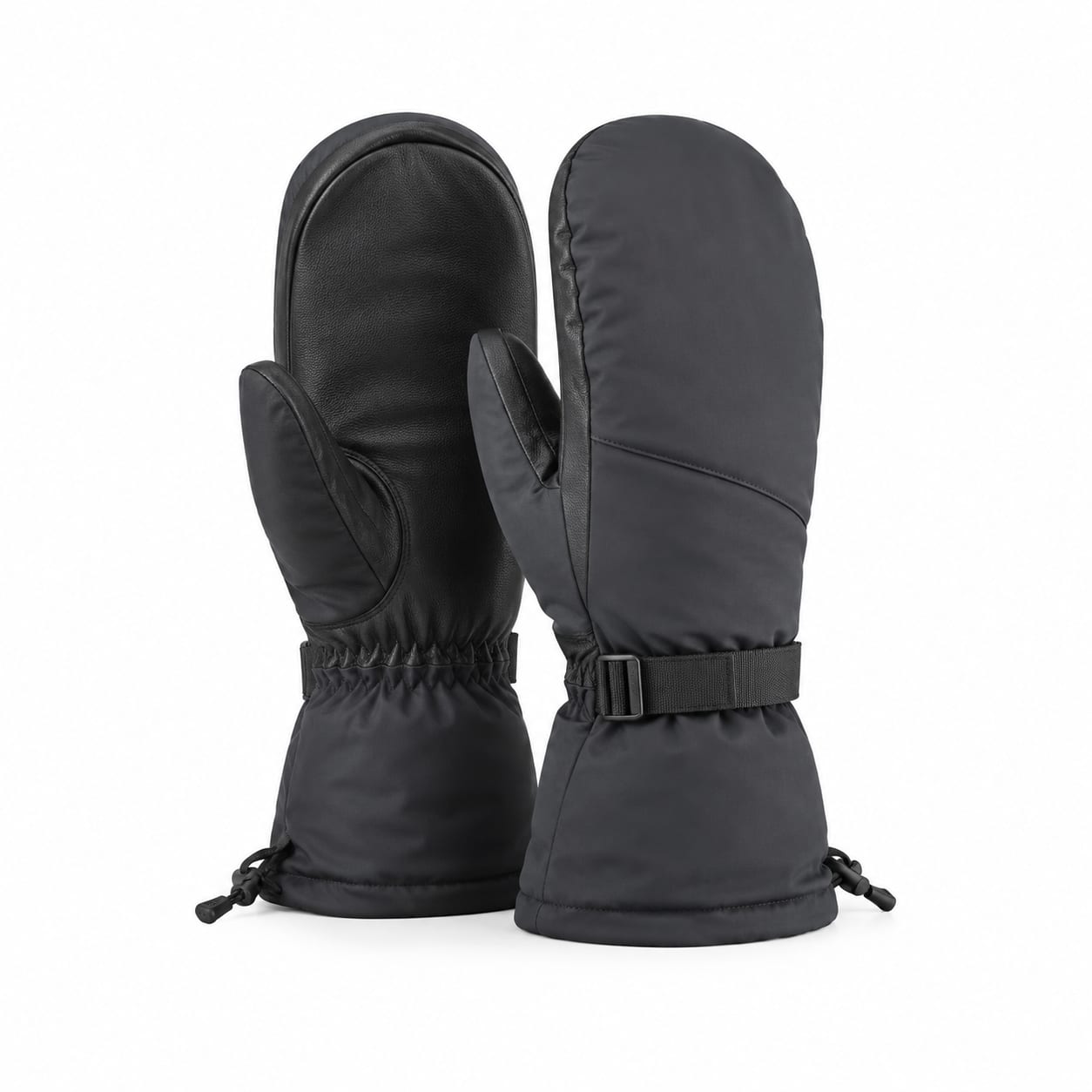
Ski Mittens

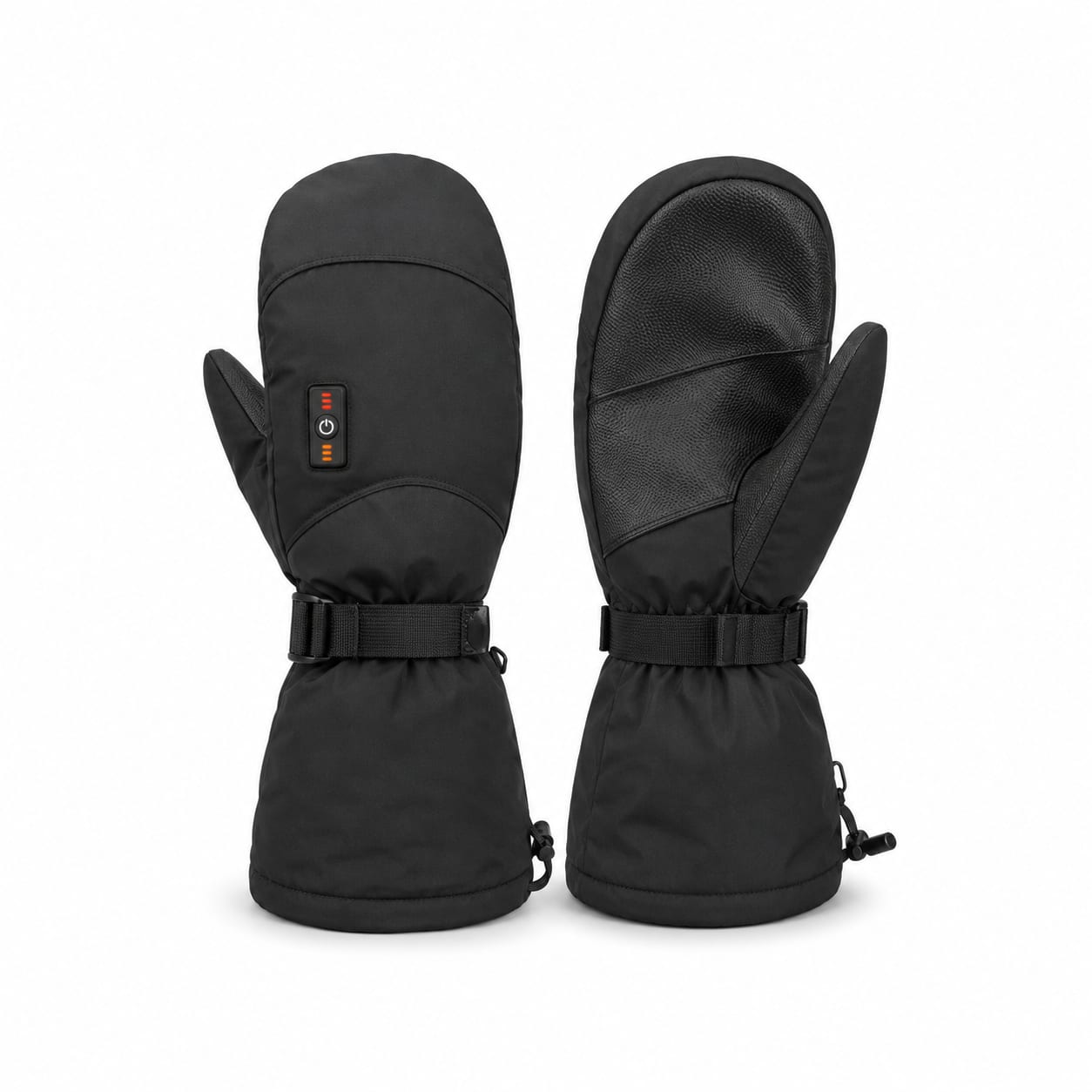
Significantly warmer because fingers share body heat in a single compartment. Fewer seams mean fewer failure points and better waterproofing reliability. Simpler construction often means greater durability.

Bottom line

Choose insulated gloves if you value dexterity, pole grip, and gear operation. Choose mittens if warmth is your top priority, you have chronically cold hands, or you ski in extreme cold. If you need both, consider a glove-mitten combination system.

This page

Insulated Ski Gloves

Full individual finger control for maximum dexterity and precise pole grip. More natural feel for gear adjustments and touchscreen use. Greater range of motion for all fingers.

Alternative

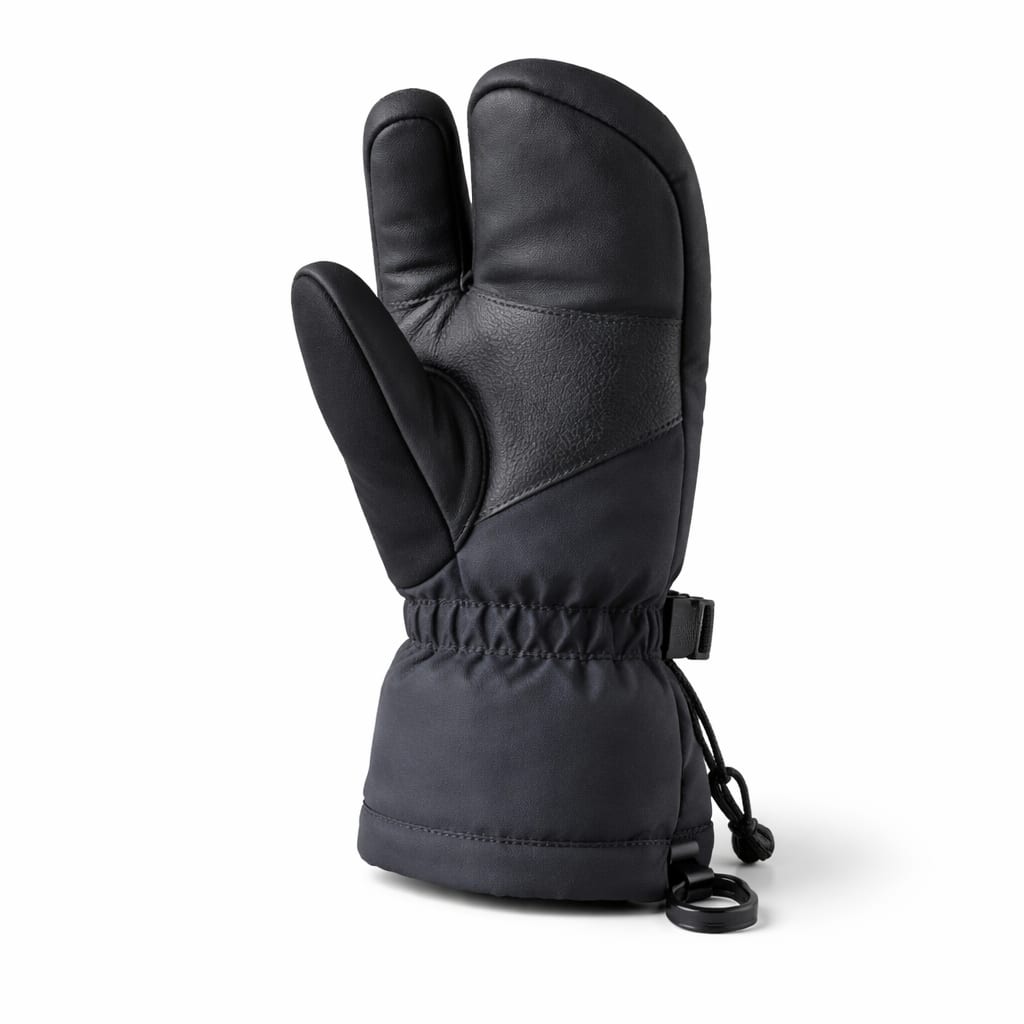
3-Finger / Lobster Gloves

Warmer than gloves because three fingers share a compartment while maintaining pole grip via the separated index finger. Better balance of warmth and function for cold conditions.

Bottom line

Choose insulated gloves if you need full dexterity and your hands stay warm enough. Choose 3-finger designs if standard gloves leave your fingers cold but you still need functional pole grip and some dexterity.

This page

Insulated Ski Gloves

Built-in warmth without the need for separate liners. Simpler system with fewer components to manage. Ready to wear out of the box for cold conditions.

Alternative

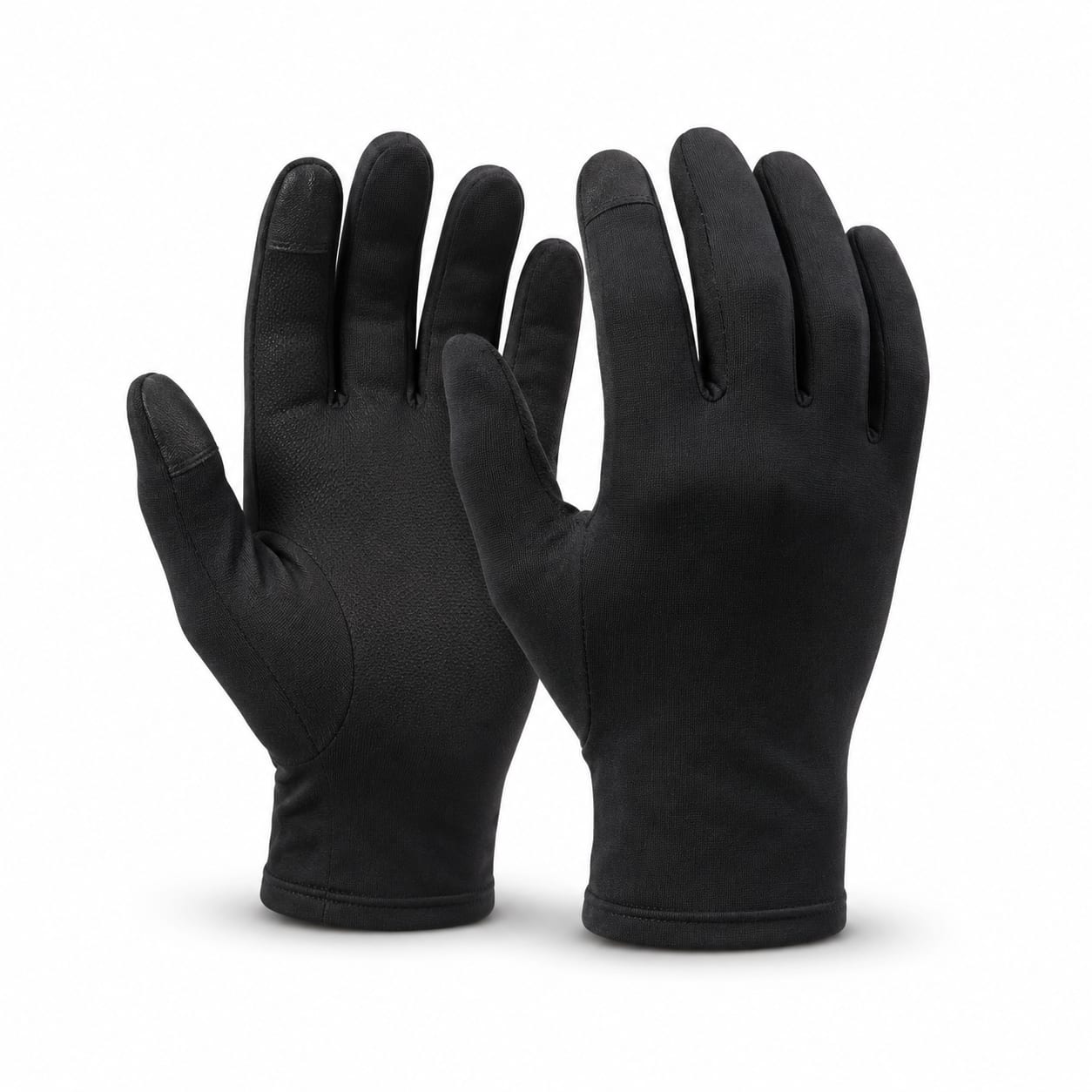
Uninsulated Shell Gloves

Maximum versatility through layering—adjust warmth by changing liner weight. More breathable for high-output activities. Easier to dry shell and liner separately. Lighter weight for touring.

Bottom line

Choose insulated gloves for resort skiing and convenience. Choose uninsulated shells with separate liners if you tour extensively, encounter highly variable conditions, or prioritize the layering versatility and faster drying of a two-piece system.

This page

Insulated Ski Gloves

Lower cost (typically $50-150 vs $200-400 for heated). No battery management or charging required. Lighter weight. No electronic components that can fail. Simpler and more reliable.

Alternative

Heated Ski Gloves

Adjustable, on-demand warmth that can overcome any cold condition. Transformative for riders with poor circulation or Raynaud's syndrome. Can extend riding in extreme cold where passive insulation is insufficient.

Bottom line

Choose standard insulated gloves if your hands stay warm with passive insulation. Choose heated gloves only if you have chronically cold hands that cannot be kept warm with conventional insulation, or if you regularly ski in extreme cold below 0°F / -18°C.

Shopping

Buying tips

  • 1

    Measure your hand circumference at the widest point of the palm (excluding thumb) and consult brand-specific size charts before ordering. Sizing varies significantly between brands, and proper fit is the single most important factor in glove performance.

  • 2

    If your hands run cold, consider sizing up slightly rather than sizing down. A small air gap at the fingertips improves insulation performance, while tight gloves restrict circulation and cause cold hands regardless of insulation quality.

  • 3

    Prioritize palm material and construction quality over insulation weight. A well-built glove with moderate insulation will outperform and outlast a poorly constructed glove with heavy insulation.

  • 4

    For all-around resort skiing, look for midweight insulation (100-200g synthetic), a waterproof membrane, gauntlet cuffs, and leather or synthetic suede palms. This combination handles the widest range of conditions competently.

  • 5

    If you ski in wet coastal climates, prioritize waterproof rating (10,000mm minimum, 20,000mm preferred) and synthetic insulation that retains warmth when damp. Avoid down insulation in wet climates.

  • 6

    Try gloves on with any liner you plan to wear underneath. Removable liner systems require enough room for both layers without restricting circulation.

  • 7

    Check for reinforcement panels at the thumb crotch and palm—these high-wear areas determine how long your gloves will last. Gloves without these reinforcements may wear through in a single season of heavy use.

  • 8

    Consider a two-glove system for variable conditions: a midweight insulated glove for typical days and a lightweight insulated or shell glove for warm spring days. This is more effective than one heavy glove used year-round.

  • 9

    Leather palms provide the best grip and feel but require waterproofing treatment (Nikwax, Sno-Seal) before first use and periodically thereafter. Factor this maintenance into your decision.

  • 10

    Wrist leashes are worth having even if you find them slightly annoying—they prevent costly glove loss on chairlifts. Most leashes can be tucked inside the cuff if not wanted.

Care

Maintenance notes

  • Dry gloves thoroughly after each use by removing removable liners and opening all closures. Never place gloves on radiators or direct heat sources—air dry at room temperature to preserve insulation loft and membrane performance.
  • Treat leather palms and shells with waterproofing wax or paste (Nikwax, Sno-Seal, Nikwax Waterproofing Wax for Leather) before first use and reapply every 10-15 ski days or when water stops beading on the surface.
  • Wash insulated gloves only when necessary (odor or visible soiling) using a specialized technical wash like Nikwax Tech Wash. Machine wash on gentle cycle in cold water, then air dry. Never use fabric softeners or bleach.
  • For gloves with removable liners, wash the liner separately and more frequently than the shell. This extends shell life and maintains waterproofing performance.
  • Store gloves in a dry, well-ventilated area during the off-season. Avoid compressing insulation in tight spaces. Consider using a breathable storage bag to prevent moisture buildup and mildew.
  • Inspect seams and reinforcement areas regularly for wear. Small seam separations can be repaired with seam grip or specialized adhesive before they become major failures.
  • For heated gloves, follow manufacturer charging guidelines—do not overcharge or fully deplete batteries. Store batteries at approximately 50% charge during off-season. Remove batteries during long-term storage.
  • Reapply DWR (Durable Water Repellent) treatment to synthetic shell gloves when water stops beading on the surface. Use spray-on or wash-in DWR products designed for technical outerwear.

Progression

Skill development path

Insulated ski gloves are appropriate for all skill levels, but the ideal glove evolves with your skiing. Beginners benefit from midweight insulated gloves with gauntlet cuffs and simple velcro closures—warmth and snow protection matter most while developing technique. Intermediate skiers who are refining pole technique should prioritize palm grip and dexterity, making leather-palm models particularly valuable. Advanced and expert skiers often develop specific preferences based on their primary discipline—freeriders may prefer durable leather gloves with minimal insulation for mobility, while mogul skiers need maximum pole feel and often choose lighter insulation with superior palm grip. Backcountry tourists typically shift toward lighter insulation or shell-plus-liner systems for better moisture management during climbs. The most common progression mistake is experienced skiers continuing to use over-insulated gloves that cause sweaty hands during aggressive skiing, leading to the cold-wet-cold cycle. As you ski more aggressively and generate more body heat, you may actually need less insulation, not more.

FAQ

Common questions

Each question has a dedicated page with a full answer and links to the buying guide.

How warm are insulated ski gloves compared to mittens?

Insulated ski gloves are noticeably less warm than mittens with equivalent insulation because individual finger compartments prevent fingers from sharing body heat. In practice, a glove with 200g insulation feels roughly equivalent in warmth to a mitten with 100-150g insulation. If your fingers get cold in gloves even with heavyweight insulation, switching to mittens or 3-finger designs will provide a significant warmth improvement.

What insulation weight do I need for my typical skiing conditions?

For most resort skiing in typical winter conditions (15-32°F / -9 to 0°C), midweight insulation (100-200g synthetic) is ideal. Choose heavyweight (200g+) for temperatures consistently below 15°F, long cold chairlift rides, or if your hands run cold. Choose lightweight (40-100g) for spring skiing above freezing, high-output touring, or if your hands run warm. If you ski in highly variable conditions, consider a midweight glove with a removable liner for adjustable warmth.

Should I choose leather or synthetic palm material?

Leather (goatskin, Pittards) offers the best grip, tactile feel, and durability, and it molds to your hand over time for a custom fit. However, it requires periodic waterproofing treatment and costs more. Synthetic suede (Clarino, Amara) provides similar feel with easier maintenance and lower cost, but it is less durable over time. Choose leather if you prioritize grip and longevity and don't mind maintenance. Choose synthetic suede for lower maintenance and good all-around performance at a lower price point.

Do I need a gauntlet cuff or under-cuff design?

Choose gauntlet cuffs if you ski in powder, cold conditions, or backcountry where snow ingress is a concern—they seal over your jacket sleeve and provide superior warmth and snow protection. Choose under-cuff if you primarily ski groomed runs in mild conditions, prefer a streamlined look, or your jacket has integrated inner cuffs that work better with under-cuff gloves. If you encounter both conditions, hybrid/adjustable cuffs offer the most versatility.