
Ski Handwear · FAQ
Questions about Ski Racing Gloves
Straight answers on fit, specs, and when this type makes sense — each topic has its own page with links back to the buying guide.
Open Ski Racing Gloves guide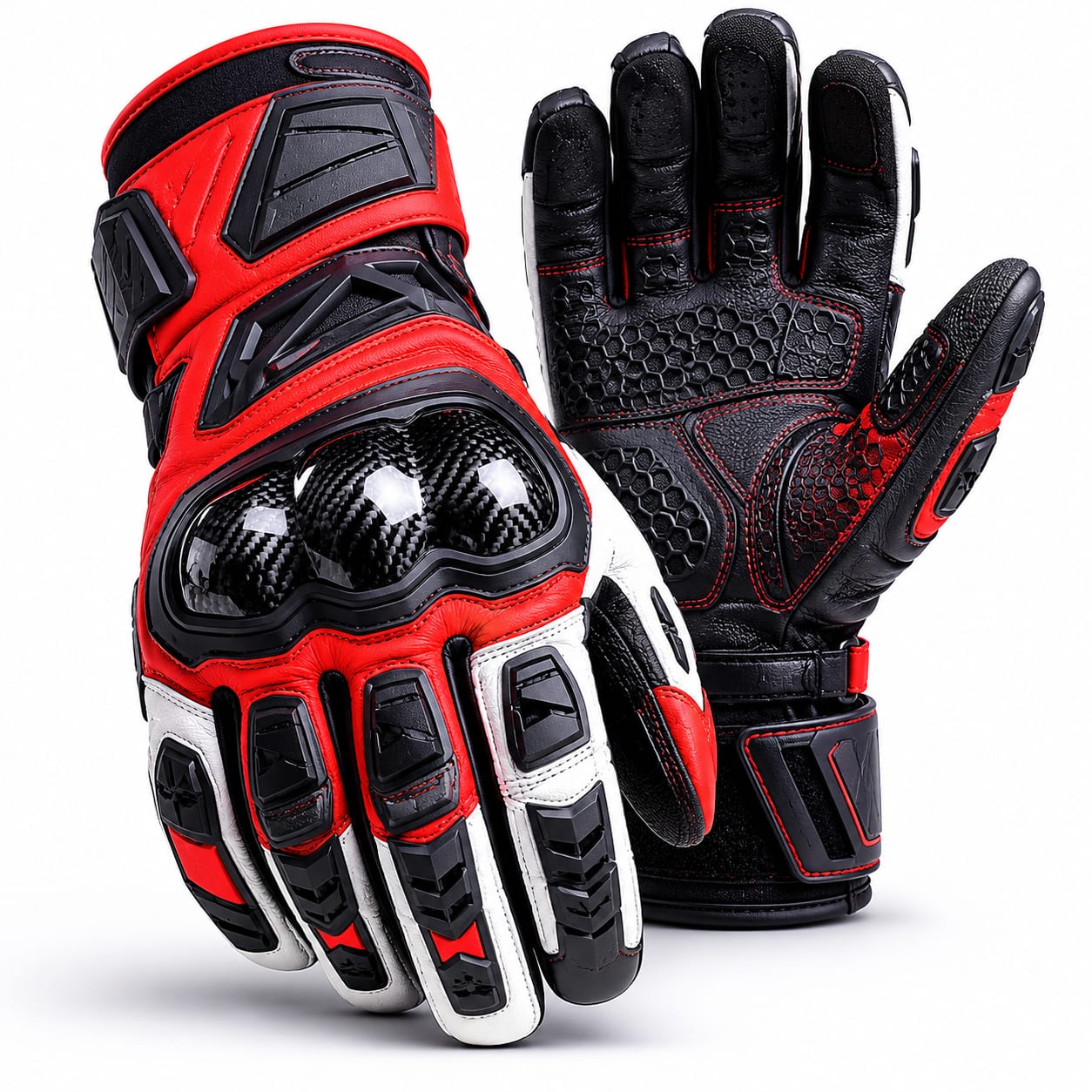
6 topics
Pick a question
Every answer links to the full subcategory guide and related gear types when it helps you decide.
Do I really need hard knuckle protection for gate training?
Yes, absolutely. Even in entry-level gate training, you will make contact with gates, and plastic gate poles hurt on bare knuckles. Repeated impacts cause bruising that compounds over a training session and can affect your grip and timing. Hard knuckle protection is not optional for gate training — it is essential safety equipment, just like a helmet.
Read answer →02Can I use racing gloves for regular recreational skiing?
You can, but it's not ideal. Racing gloves are deliberately minimal in insulation, which makes them cold for casual skiing and long chairlift rides. The tight fit and hard knuckle guards are also less comfortable for all-day wear. If you race and also free-ski, consider having separate gloves for each purpose — your racing gloves will last longer, and your hands will be warmer and more comfortable during recreational skiing.
Read answer →03How tight should racing gloves fit?
Racing gloves should fit noticeably tighter than recreational gloves — like a second skin. There should be no excess material at the fingertips (no more than 2-3mm of air space) and no slack in the palm. When you grip a pole, you should feel the pole directly through the glove with no material bunching between hand and grip. If between sizes, size down for racing. Your fingers should touch the ends of the glove fingertips.
Read answer →04Why are racing gloves so expensive compared to regular ski gloves?
The cost reflects the specialized materials and construction required. Hard knuckle guards (especially carbon fiber), high-friction palm materials, reinforced stitching at high-stress points, and pre-curved finger construction all add manufacturing complexity and cost. The relatively small market for racing gloves also means less economy of scale compared to mass-produced recreational gloves. Consider it an investment in safety and performance.
Read answer →05How long should racing gloves last?
It depends on training volume. A serious racer training 4-5 days per week may wear through a pair in one season, particularly at the palm and fingertips. Recreational racers training 1-2 days per week can expect 1-2 seasons. Inspect your gloves regularly and replace them when palm material wears thin, fingertips blow out, or knuckle guards crack. Training with worn-out gloves compromises both protection and grip.
Read answer →06My hands get really cold in racing gloves. What should I do?
This is a common problem because racing gloves prioritize feel over warmth. Options include: (1) wearing a thin merino liner glove underneath for added warmth without much bulk, (2) choosing a 'cold weather' racing glove model that adds slightly more insulation while maintaining essential racing features, (3) using hand warmers in your pockets during chairlift rides, or (4) switching to slightly warmer gloves for warm-up runs and saving your racing gloves for course work where feel matters most.
Read answer →