What it means
The fundamental construction style of the handwear, determining finger separation and overall warmth-to-dexterity ratio.
Typical for this type
Glove
In practice
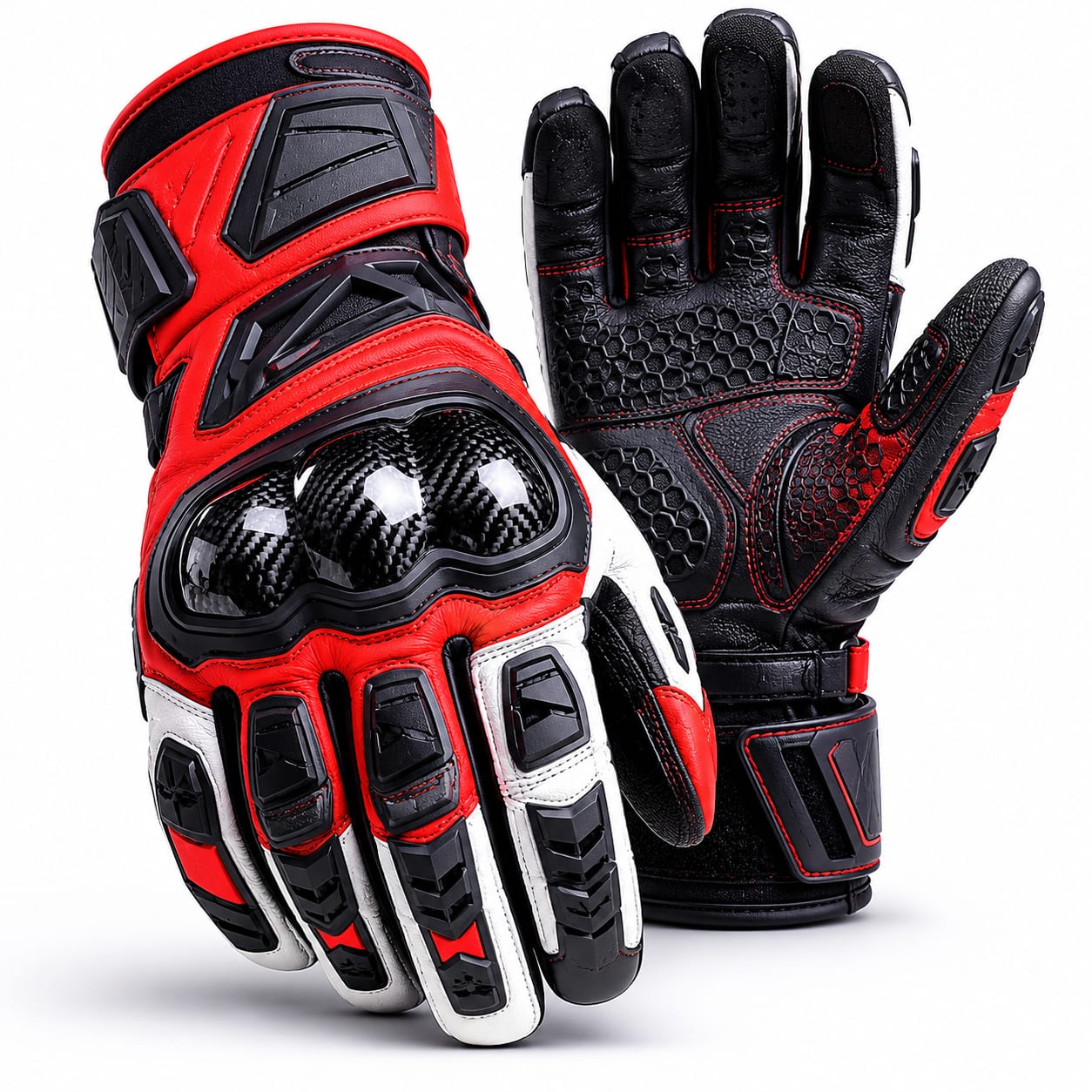
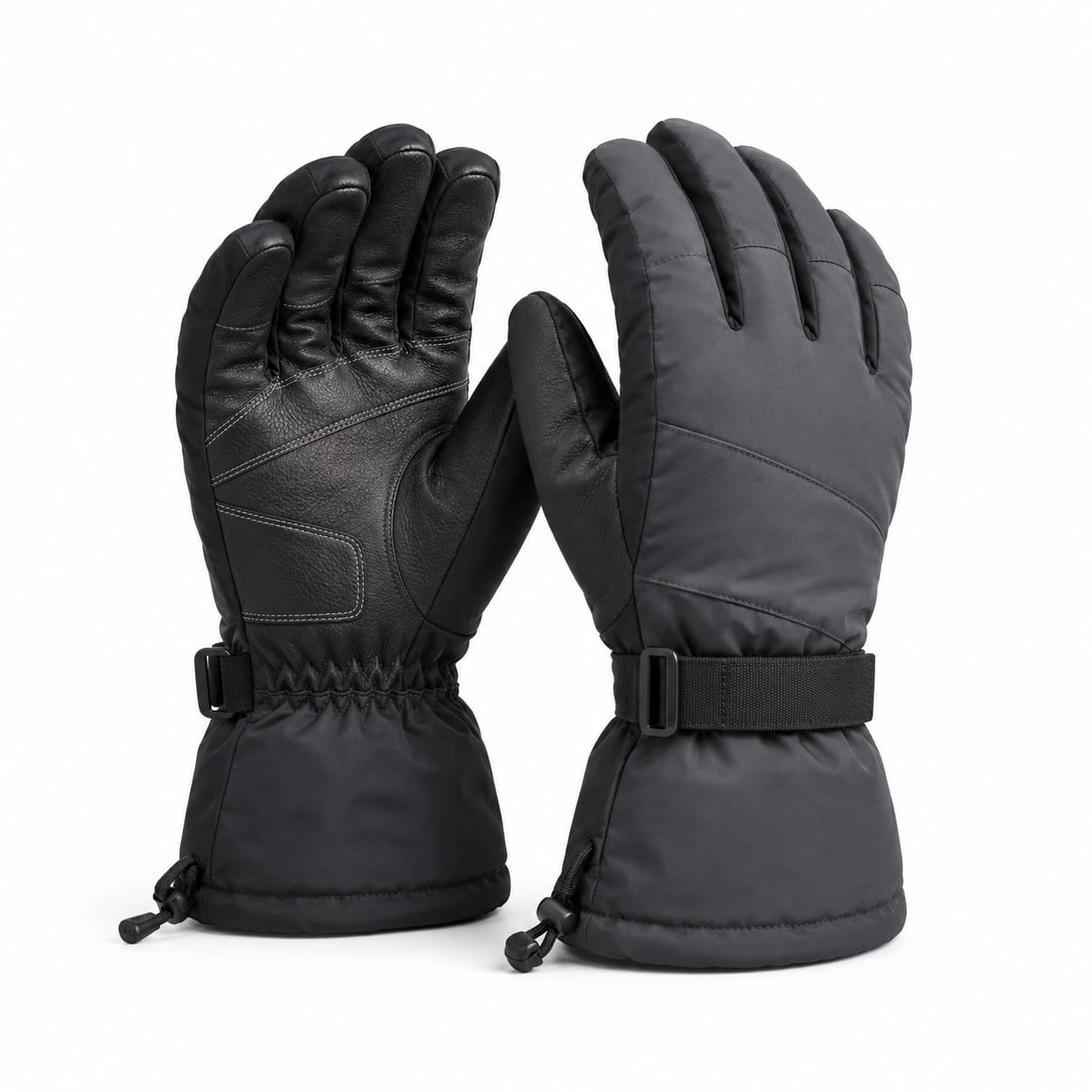
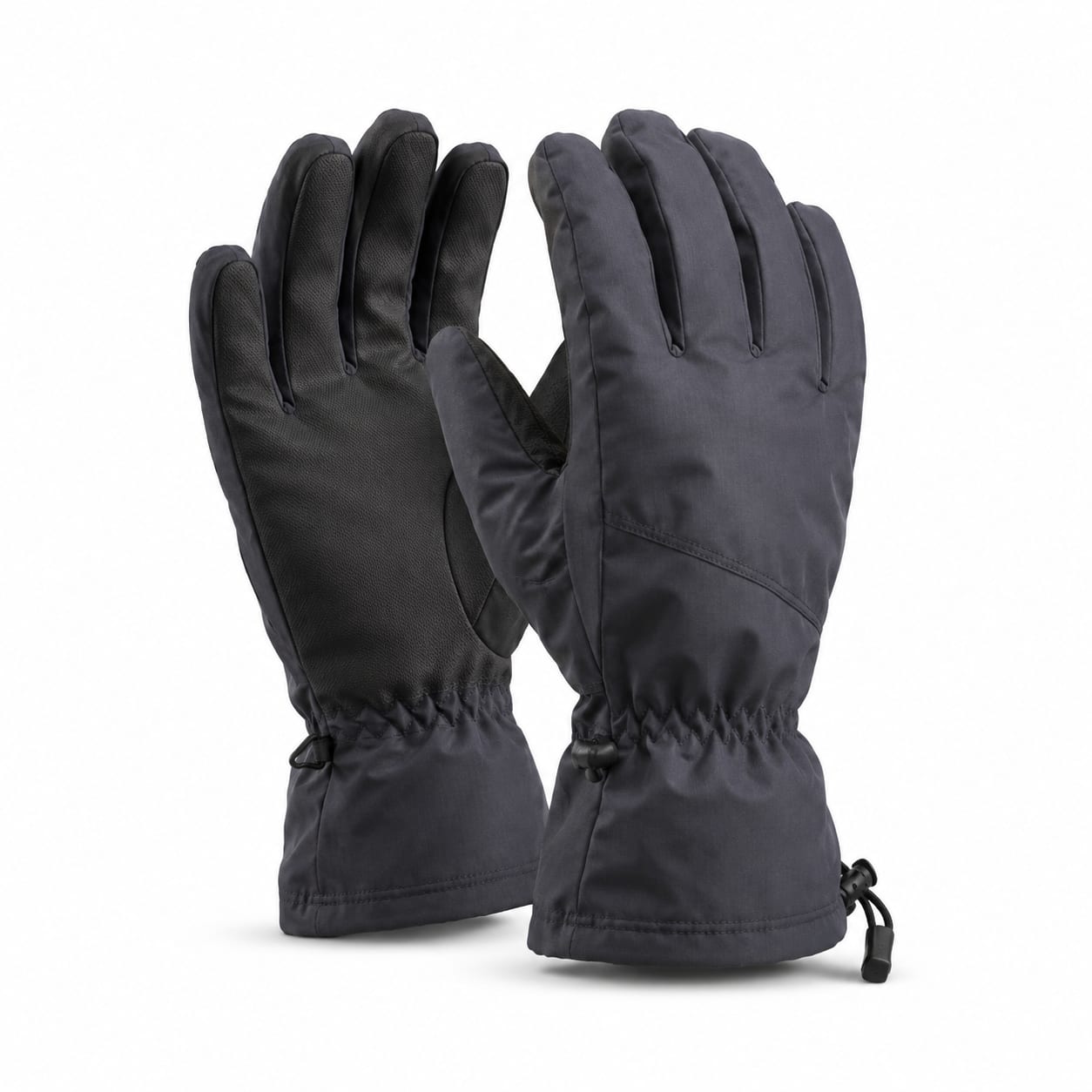
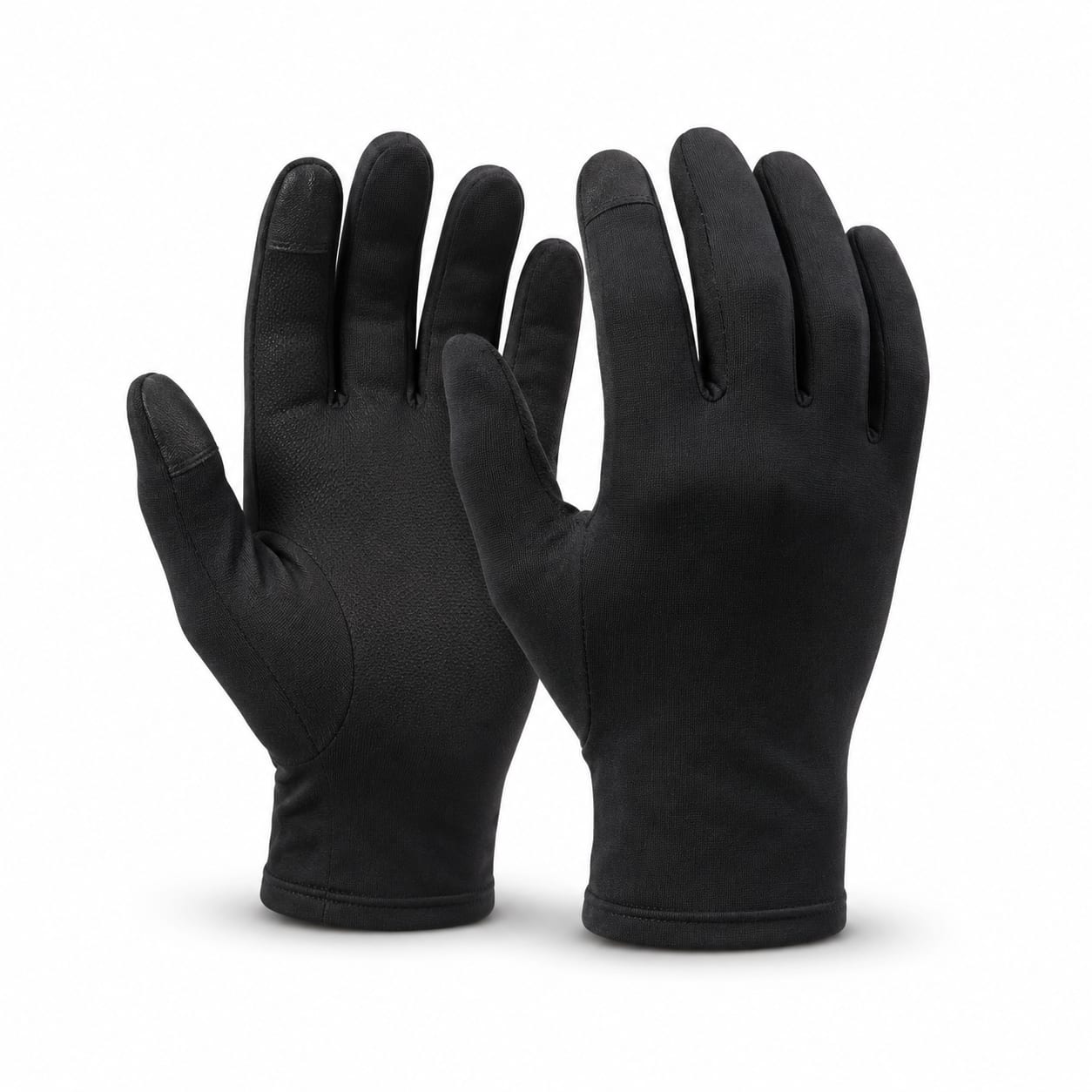
Ski racing gloves are exclusively full-fingered gloves. Individual finger compartments are essential for the precise pole grip, trigger control, and tactile feedback that racing demands. Mittens and hybrid designs cannot provide the finger independence required.
Compared to other types
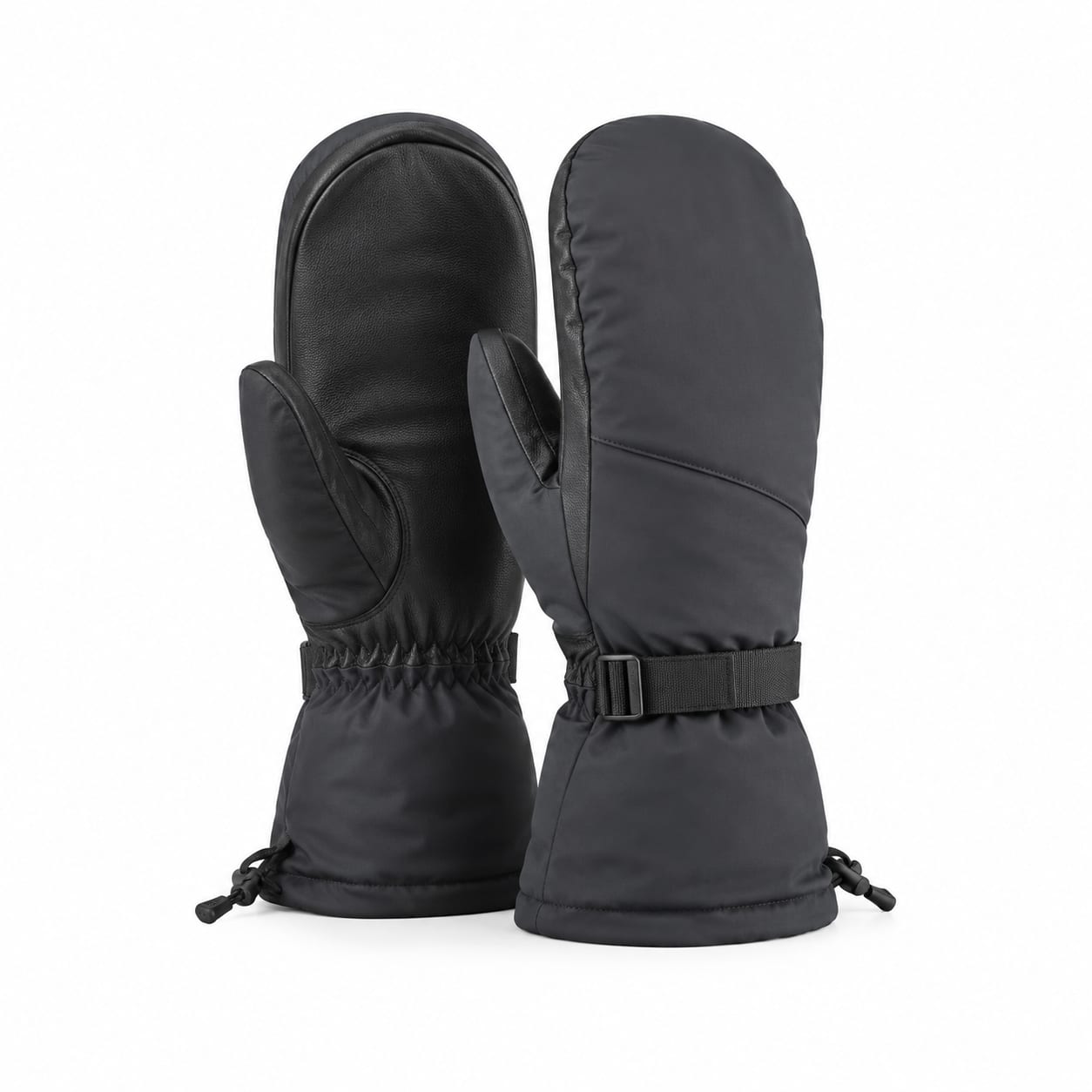
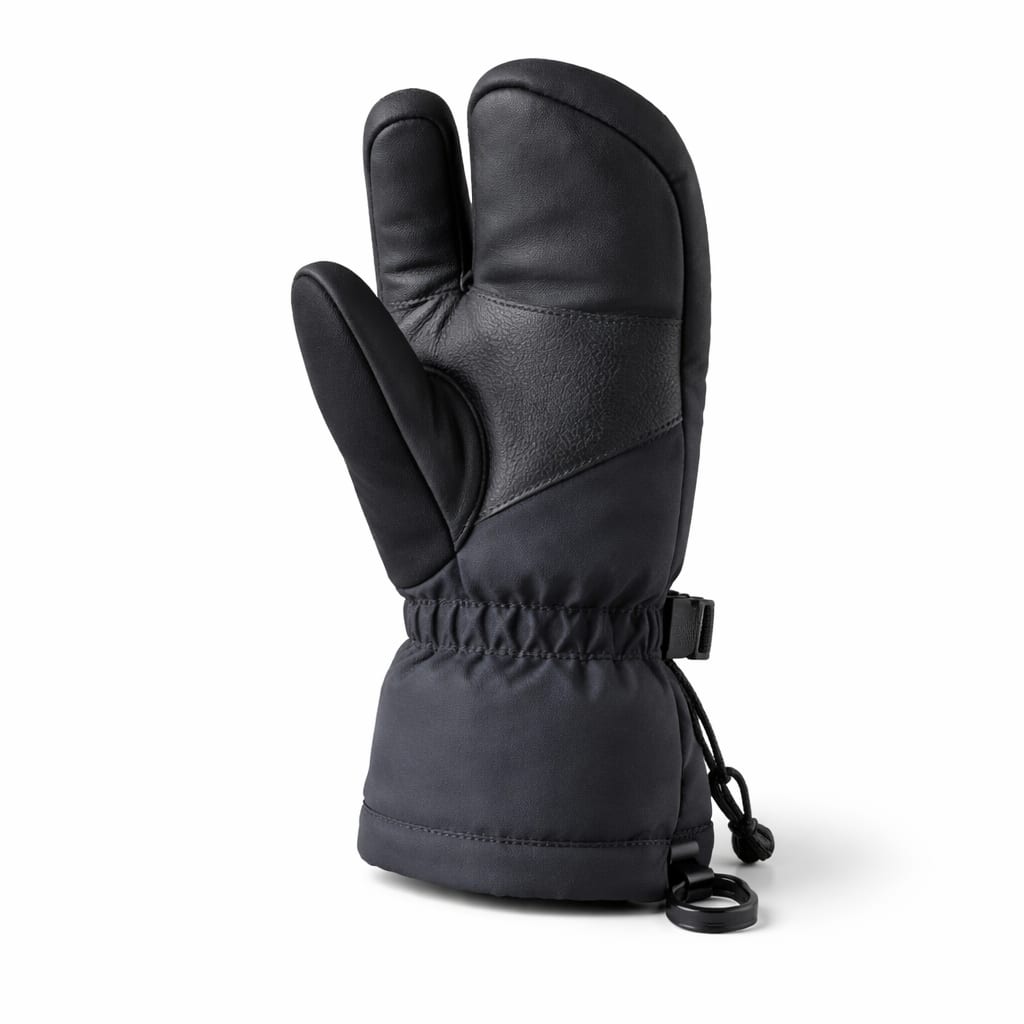
Unlike all-mountain or freeride gloves where mittens or 3-finger designs are viable for warmth, racing gloves have no alternative — only full gloves provide the dexterity and control needed for competitive skiing.
Why it matters: Racing requires independent finger control for pole planting, gate clearing, and adjusting equipment. The separated fingers also allow for pre-curved construction that matches the natural grip position, reducing fatigue during high-intensity racing.
Insulation
Insulation Type
What it means
The primary insulating material used inside the handwear, affecting warmth, packability, moisture resistance, and weight.
Typical for this type
Synthetic, None
In practice
Synthetic insulation (Primaloft, Thinsulate) is the standard in racing gloves because it retains some warmth when damp from sweat and provides consistent performance. Some racing gloves are essentially uninsulated shells with a thin liner, prioritizing feel over warmth.
Compared to other types
Racing gloves use significantly less insulation than all-mountain or freeride gloves. Where a typical all-mountain glove might use 100-200g of insulation, racing gloves often use 40-80g or none at all, prioritizing dexterity and pole feel over warmth.
Why it matters: Racers generate significant heat through exertion and need insulation that manages moisture without adding bulk. Synthetic insulation handles the sweat-and-dry cycle of intense training better than down, which clumps when damp.
Insulation Weight
Insulation Weight
What it means
The thickness or gram weight of insulation, directly correlating with warmth level. Often described as lightweight, midweight, or heavyweight.
Typical for this type
Lightweight
In practice
Lightweight insulation (40-100g) is standard for racing gloves. The minimal bulk preserves the tight fit and tactile sensitivity needed for pole control. Some racers prefer virtually uninsulated gloves for maximum feel, relying on exertion-generated heat.
Compared to other types
All-mountain gloves typically use midweight insulation, and freeride gloves often use heavyweight. Racing gloves are the lightest insulated subcategory, reflecting the priority of performance over comfort.
Why it matters: Heavy insulation would compromise the precise fit and feel that racers depend on for pole grip confidence. Even midweight insulation can make gloves feel sluggish and reduce the connection between hand and pole.
Waterproofing
Waterproof Rating
What it means
The water column rating (mm) of the waterproof membrane or treatment, indicating resistance to water penetration under pressure.
Typical for this type
5000mm - 10000mm
In practice
Most quality racing gloves feature a 10,000mm waterproof membrane, which provides reliable protection against the wet snow and slush commonly encountered during race conditions. Some racing gloves prioritize breathability over maximum waterproofing.
Compared to other types
Racing gloves typically match all-mountain gloves in waterproofing but may use slightly lower ratings than freeride or backcountry gloves, where deep powder exposure is more common and sustained.
Why it matters: Racers sweat heavily and need gloves that prevent external moisture ingress while allowing some vapor escape. A 10,000mm rating handles most race-day conditions without the breathability penalty of higher-rated membranes.
Membrane
Waterproof Membrane
What it means
The specific waterproof-breathable membrane technology used in the handwear construction.
Typical for this type
Proprietary, Gore Tex
In practice
Many racing gloves use brand-proprietary membranes that balance waterproofing with the flexibility and low profile needed for racing. Gore-Tex appears in premium racing gloves but adds cost. Some race-oriented gloves use minimal membranes for better feel.
Compared to other types
Racing gloves are less likely to feature Gore-Tex than premium freeride or backcountry gloves, where maximum waterproofing is prioritized. The performance trade-off favors flexibility and feel over ultimate weather protection.
Why it matters: The membrane must not add stiffness or bulk that compromises pole grip. Proprietary membranes can be engineered thinner for racing applications while still providing adequate waterproofing for typical race conditions.
Shell Material
Shell Material
What it means
The outer face fabric of the handwear, affecting durability, weather resistance, dexterity, and feel.
Typical for this type
Leather, Nylon
In practice
Leather (especially goatskin) is the preferred shell material for racing gloves because it provides superior grip, molds to the hand for a custom fit, and offers excellent abrasion resistance against gate contact. Nylon is used in more budget-oriented racing gloves.
Compared to other types
Racing gloves use leather more frequently than all-mountain gloves, where synthetic shells dominate for cost and maintenance reasons. The grip and durability advantages of leather justify the extra care required.
Why it matters: Leather's natural grip and ability to conform to the hand make it ideal for the precise pole control racing demands. It also withstands the repeated gate impacts that would quickly shred lesser materials.
Palm Material
Palm Material
What it means
The material on the palm and fingers that contacts ski poles and surfaces, affecting grip, durability, and feel.
Typical for this type
Leather, Rubberized
In practice
Leather palms (goatskin, Pittards) are most common in racing gloves for their superior grip and tactile feedback. Many racing gloves add rubberized or silicone grip patterns over the leather for enhanced pole grip in wet conditions. Full rubberized palms appear in some models for maximum wet grip.
Compared to other types
Racing gloves are more likely to feature rubberized or silicone grip enhancements than any other subcategory. All-mountain gloves typically use plain leather or synthetic suede, while racing gloves demand maximum friction coefficients.
Why it matters: Pole grip is arguably the most critical function of a racing glove. The palm material must provide consistent, reliable grip under high forces, in wet conditions, and during the rapid movements of gate clearing. Leather with silicone overlay offers the best combination of feel and grip.
What it means
The design of the glove opening and how it interfaces with jacket sleeves, affecting snow seal, warmth, and ease of use.
Typical for this type
Under Cuff
In practice
Under-cuff (short cuff) design is essentially universal in racing gloves. The short cuff tucks inside the racing suit sleeve, creating a clean, aerodynamic profile that won't catch on gates or create drag.
Compared to other types
This is a major differentiator from freeride and backcountry gloves, where gauntlet cuffs are preferred for snow protection. Racing is the only subcategory where under-cuff design is essentially mandatory.
Why it matters: Racing suits have tight, form-fitting sleeves that cannot accommodate gauntlet-style cuffs. An under-cuff design ensures the glove integrates seamlessly with the suit and eliminates any protruding material that could snag on gates during a race run.
What it means
The mechanism used to secure the glove at the wrist, affecting fit adjustment, ease of use, and snow seal.
Typical for this type
Velcro Strap
In practice
Velcro strap closures are standard on racing gloves, providing quick, secure adjustment at the wrist. The strap allows racers to fine-tune fit between runs and ensures the glove stays firmly in place during the violent arm movements of gate clearing.
Compared to other types
Racing gloves almost exclusively use velcro straps, while other subcategories may feature drawcords (gauntlet gloves), elastic (casual gloves), or zip closures. The simplicity and reliability of velcro suits the racing environment.
Why it matters: A secure wrist closure prevents the glove from shifting during high-intensity racing, which could compromise grip or allow the glove to be pulled off during gate contact. Velcro allows rapid adjustment in the start gate.
What it means
The inner lining or removable liner of the handwear, affecting comfort, moisture management, warmth, and drying capability.
Typical for this type
Fixed Fleece, No Liner
In practice
Most racing gloves have a fixed thin fleece liner that provides minimal warmth and moisture wicking without adding bulk. Some high-performance models are essentially shell-only, designed to be worn over thin liner gloves for customizable warmth.
Compared to other types
Racing gloves rarely feature removable liners, which are more common in all-mountain and backcountry gloves where versatility and drying capability are valued over the consistent, locked-in feel that fixed liners provide.
Why it matters: A fixed thin liner keeps the glove simple and ensures consistent fit. Removable liners can shift during the aggressive movements of racing, creating uncomfortable bunching or hot spots that distract from performance.
What it means
Whether the handwear includes battery-powered heating elements for active warmth generation.
Typical for this type
False
In practice
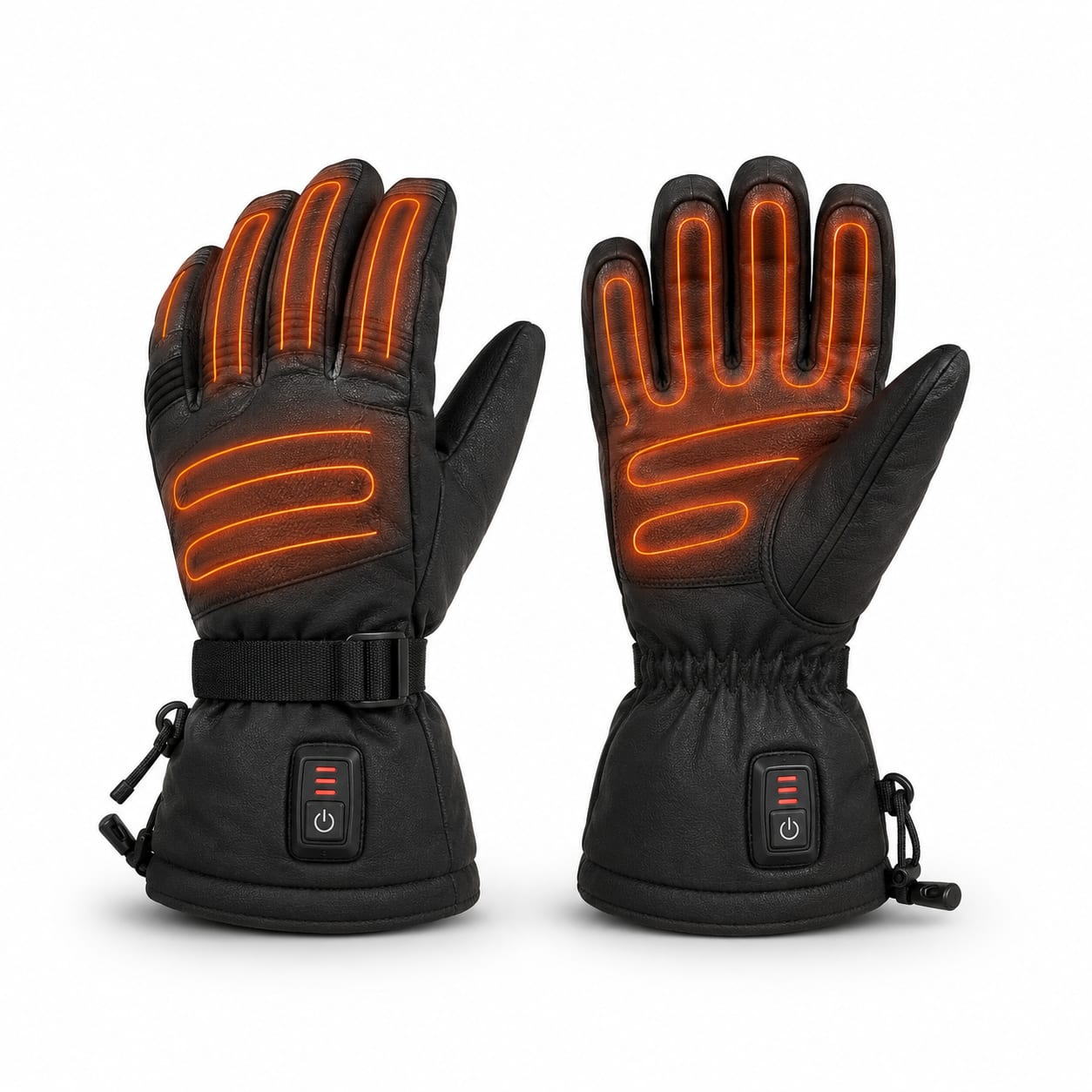
Racing gloves are not heated. The bulk of batteries and heating elements would compromise the tight fit, feel, and flexibility that racing demands. Heated gloves also add weight that racers are unwilling to accept.
Compared to other types
Unlike recreational subcategories where heated gloves are increasingly popular for cold-sensitive riders, racing gloves remain exclusively non-heated due to the uncompromising performance requirements.
Why it matters: Even the smallest heating systems add noticeable bulk to the fingers and back of hand, areas where racing gloves must be as thin and flexible as possible. The weight penalty, however small, is also undesirable in a sport measured in hundredths of a second.
Touchscreen
Touchscreen Compatible
What it means
Whether the glove includes conductive material on fingertips allowing smartphone and touchscreen use without removing gloves.
Typical for this type
False
In practice
Most racing gloves are not touchscreen compatible. The conductive materials needed for touchscreen functionality can interfere with the grip properties of the fingertip and add a small layer that reduces tactile feel. Racing prioritizes performance over convenience features.
Compared to other types
All-mountain and casual gloves increasingly include touchscreen compatibility as a standard feature, but racing gloves remain focused on core performance without such additions.
Why it matters: Racers do not use touchscreen devices during competition or training runs, making this feature unnecessary. The priority is maintaining the purest possible connection between hand and pole, without any compromise for convenience features.
What it means
A soft fabric panel on the thumb or back of hand designed for wiping the nose and face without irritating skin.
Typical for this type
False
In practice
Racing gloves typically do not include nose wipe panels. The minimalist design philosophy eliminates any feature that doesn't directly contribute to racing performance or protection. The hard knuckle guards also make a soft nose wipe panel impractical on the thumb back.
Compared to other types
All-mountain and freeride gloves commonly include nose wipe panels as a valued comfort feature, but racing gloves sacrifice this convenience in favor of their singular performance focus.
Why it matters: While convenient, a nose wipe panel is a comfort feature that has no performance benefit in racing. The design focus is entirely on protection, grip, and feel, with comfort features considered unnecessary distractions.
What it means
A loop or cord attached to the glove that goes around the wrist, preventing gloves from falling off or being lost when removed.
Typical for this type
False
In practice
Racing gloves generally do not include wrist leashes. The dangling cords can be a distraction and potential safety hazard during high-speed racing, and racers typically do not remove their gloves on course. Leashes are also incompatible with the clean, streamlined aesthetic racers prefer.
Compared to other types
Most recreational ski gloves include wrist leashes as a practical feature for chairlift use, but racing gloves eliminate them for safety and aerodynamic reasons.
Why it matters: Wrist leashes could potentially catch on gates or create unwanted drag during a race run. Racers keep their gloves on during competition, making leashes unnecessary for their primary purpose of preventing glove loss when removed.
Reinforcements
Reinforcement Areas
What it means
Additional material layers in high-wear areas to improve durability where gloves typically wear out first.
Typical for this type
Knuckle, Fingertips, Palm, Thumb Crotch
In practice
Racing gloves feature the most comprehensive reinforcement of any glove subcategory. Hard knuckle protection is the defining feature, while fingertip reinforcement guards against gate contact, palm reinforcement withstands aggressive pole gripping, and thumb crotch reinforcement prevents the most common blowout point.
Compared to other types
Racing gloves are the only subcategory where knuckle protection is standard and essential. Other subcategories may include palm or thumb crotch reinforcement for durability, but hard knuckle guards are unique to racing.
Why it matters: No other glove subcategory subjects hands to the repeated impact and abrasion that racing does. Gate contacts can occur dozens of times per run, and without proper reinforcement, gloves would fail within days. The hard knuckle protection is a safety requirement, not optional.
What it means
The sizing and overall fit profile of the handwear, critical for warmth, dexterity, and comfort. Proper fit ensures insulation works effectively.
Typical for this type
Precise Fit With No Excess Room; Size For Snug Contact At Fingertips
Most common pick: S-XL
In practice
Racing gloves must fit tighter than recreational gloves. There should be no excess material at the fingertips or palm, as any slack reduces pole feel and can cause the glove to shift during gate contact. The glove should feel like a second skin with firm contact throughout.
Compared to other types
Racing gloves should fit noticeably tighter than all-mountain or freeride gloves, where some room for warmth and comfort is expected. Racers should size down if between sizes, whereas recreational skiers might size up for layering room.
Why it matters: A loose-fitting racing glove reduces tactile feedback, can shift during gate impacts, and may allow the pole grip to move within the glove. Proper racing fit is snug enough that the glove moves as one with the hand, with no air gaps at the fingertips.
What it means
The intended gender fit of the handwear, affecting palm width, finger length, and overall proportions.
Typical for this type
Mens, Womens, Unisex
In practice
Racing gloves are available across all gender targets, with many serious racing models offered in unisex sizing. Women's-specific racing gloves account for narrower palms and different finger proportions, which can improve fit and therefore performance for female racers.
Compared to other types
Racing gloves are more likely to be offered in unisex sizing than all-mountain gloves, partly because the racing market is smaller and partly because the tight fit reduces the proportional differences between gender-specific designs.
Why it matters: Proper fit is even more critical in racing than recreational skiing, so female racers should seek women's-specific models when available. A glove that fits the hand proportions correctly provides better pole feel and more consistent protection.