
Ski Helmet · FAQ
Questions about Convertible/Modular Helmet
Straight answers on fit, specs, and when this type makes sense — each topic has its own page with links back to the buying guide.
Open Convertible/Modular Helmet guide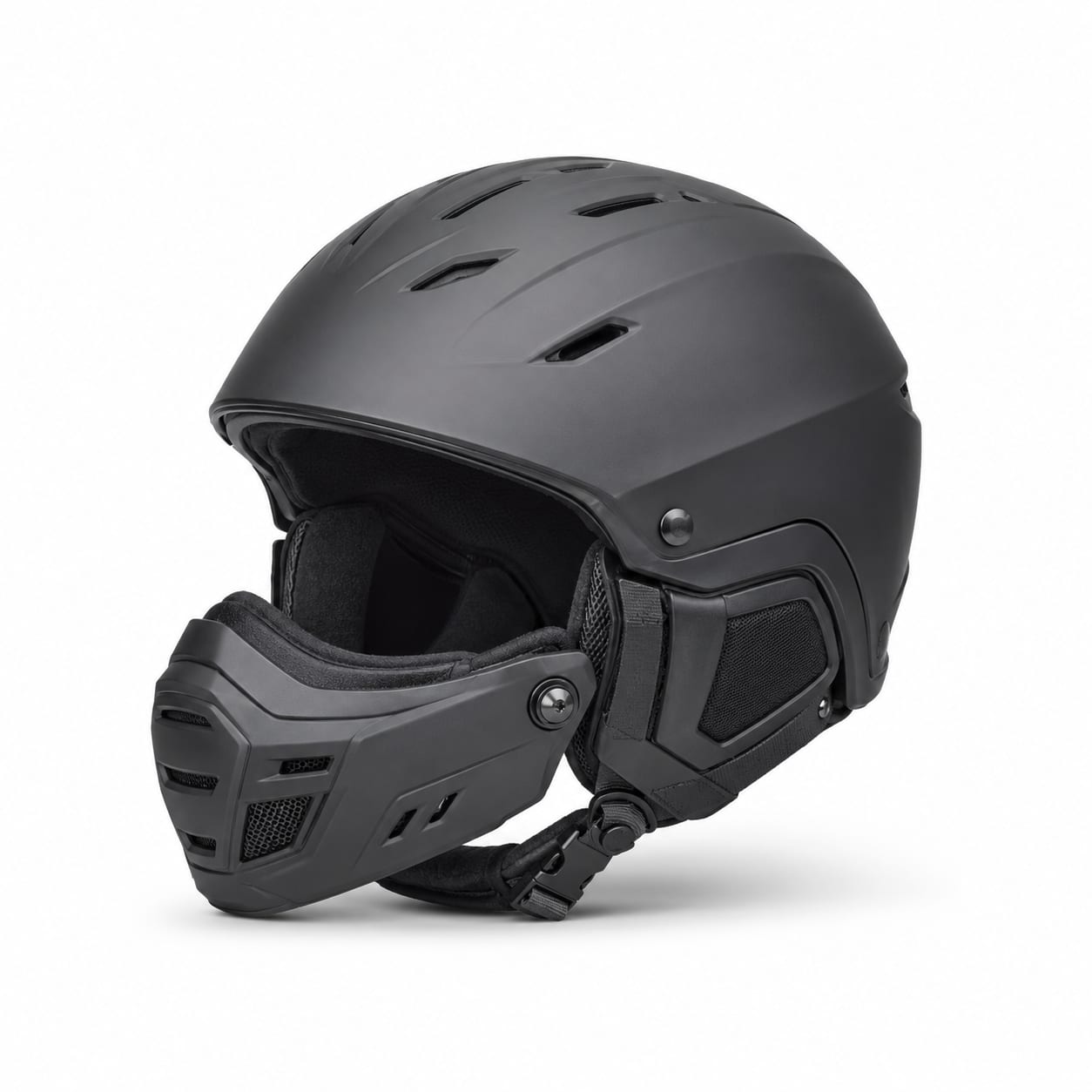
6 topics
Pick a question
Every answer links to the full subcategory guide and related gear types when it helps you decide.
Can I really use a convertible ski helmet for biking and skating?
Yes, but only if the helmet carries the appropriate certifications. Check for CPSC or EN1078 certification for cycling in addition to the ski certifications (CE EN1077 or ASTM F2040). Not all convertible helmets are certified for multiple sports — some are marketed as versatile but only tested for skiing. Always verify the certification labels inside the helmet.
Read answer →02Will my helmet fit differently without the ear pads?
Yes, removing the ear pads reduces the internal volume slightly, which can make the helmet feel looser. This is why a dial-based fit system (like BOA) is strongly recommended for convertible helmets — you can quickly tighten the helmet after removing ear pads to maintain a secure fit. Always readjust the fit system when switching configurations.
Read answer →03Are convertible helmets as safe as dedicated ski helmets?
Yes, when properly certified. A convertible helmet that meets CE EN1077 or ASTM F2040 standards provides the same level of impact protection as a dedicated ski helmet with the same certifications. The removable components do not compromise the structural integrity of the shell or liner in a crash. However, you must ensure ear pads are properly installed during winter skiing for full coverage.
Read answer →04What happens if I lose the ear pads or other removable components?
Most brands sell replacement ear pads, liners, and visors through their websites or customer service. However, availability varies — some brands stock replacements for years while others discontinue them when models change. When you buy a convertible helmet, check the brand's replacement parts policy and consider ordering a spare set of ear pads if you frequently misplace items.
Read answer →05Is the weight difference between convertible and non-convertible helmets noticeable?
The typical weight difference of 20-40 grams is equivalent to about one ounce — roughly the weight of a small handful of snow. Most skiers cannot perceive this difference during normal skiing. The difference becomes more relevant if you are comparing a convertible helmet to an ultra-lightweight in-mold dedicated ski helmet, where the gap could be 50-80 grams.
Read answer →06Do I need to buy a separate summer liner for my convertible helmet?
It depends on the model. Some convertible helmets come with both insulated winter ear pads and lighter summer padding included in the box. Others only include the winter configuration and require a separate summer kit purchase. Check the product description carefully — the summer kit can add $20-40 to the total cost if not included.
Read answer →