What it means
The overall design and coverage category of the helmet, which determines the level of protection, ear coverage, and intended use environment.
Typical for this type
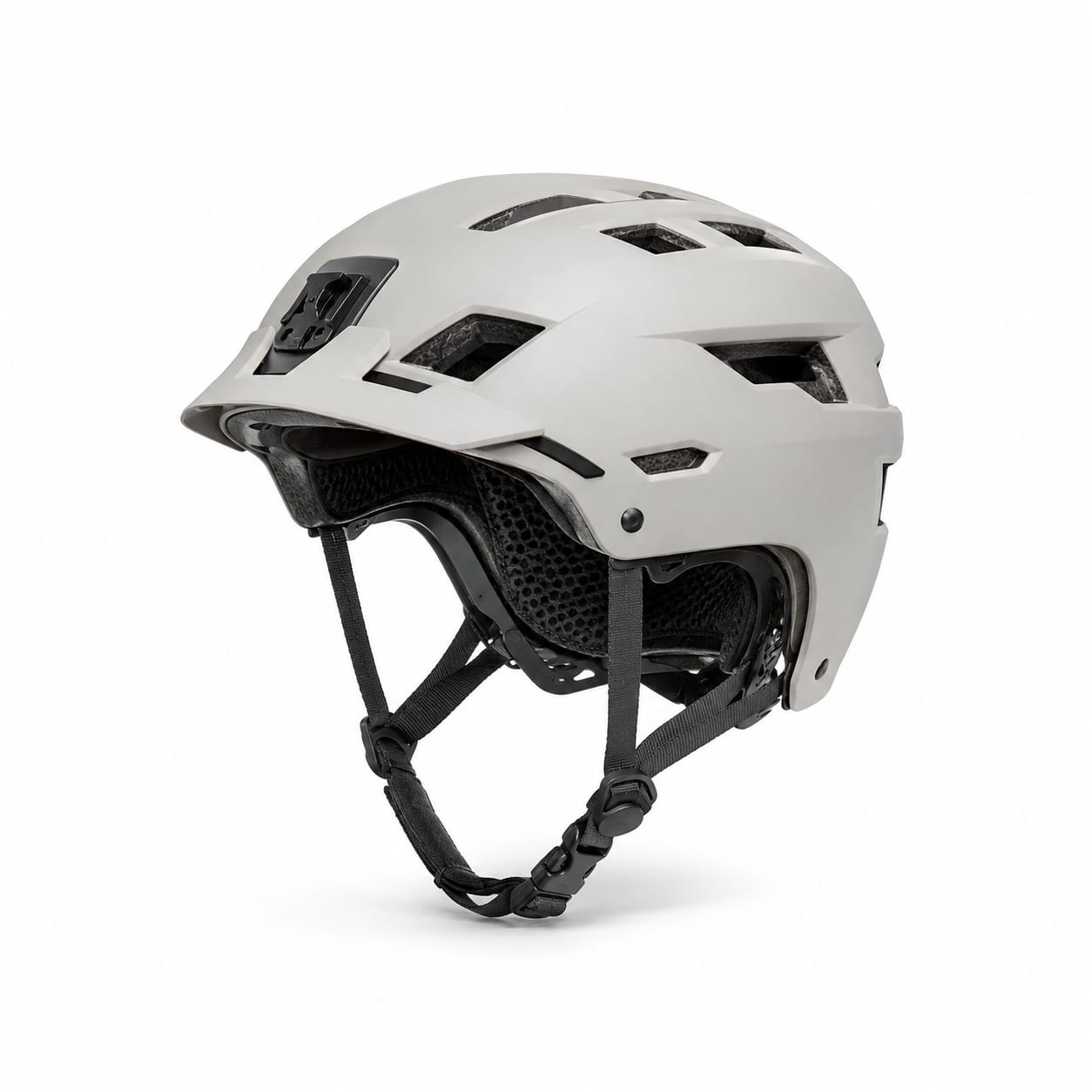
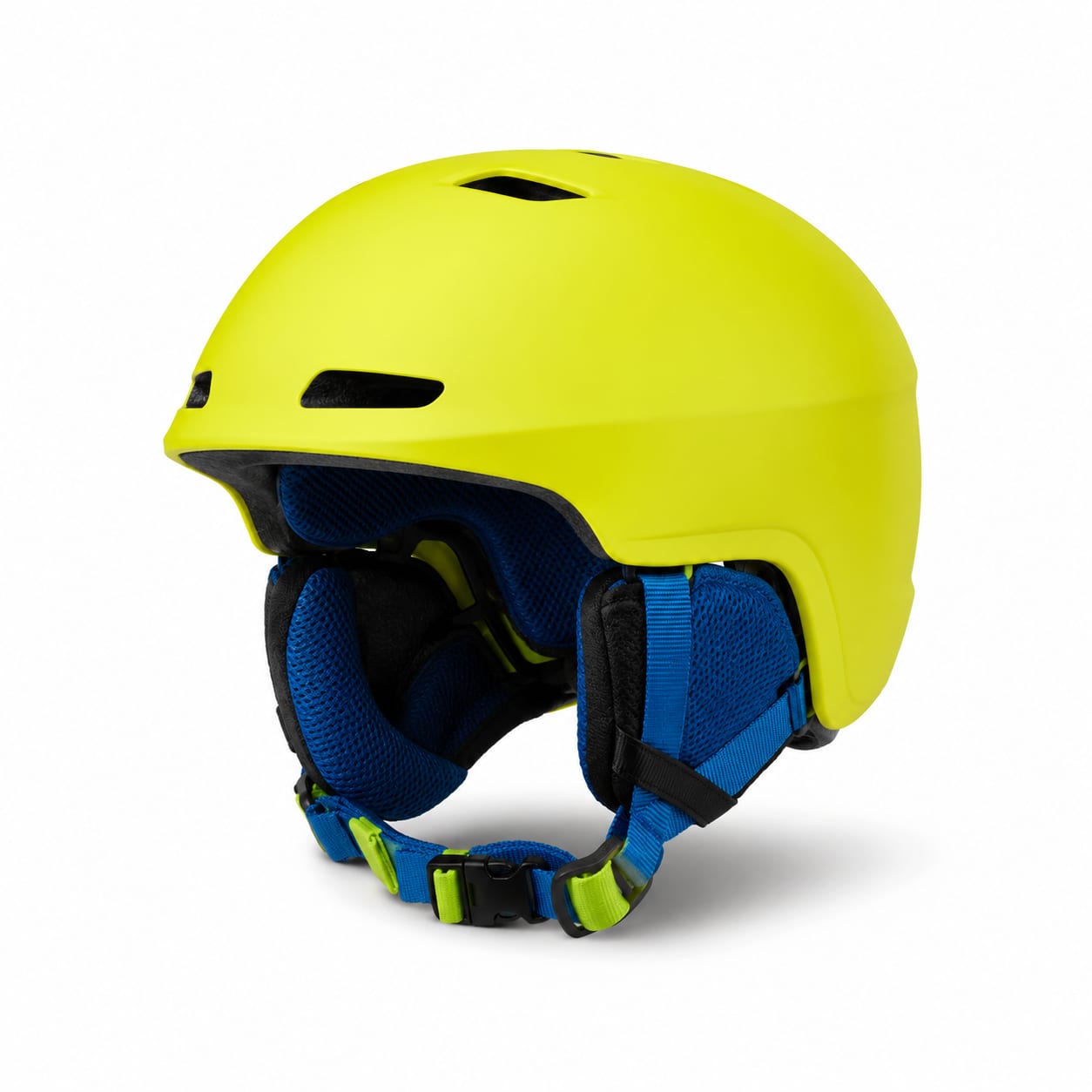
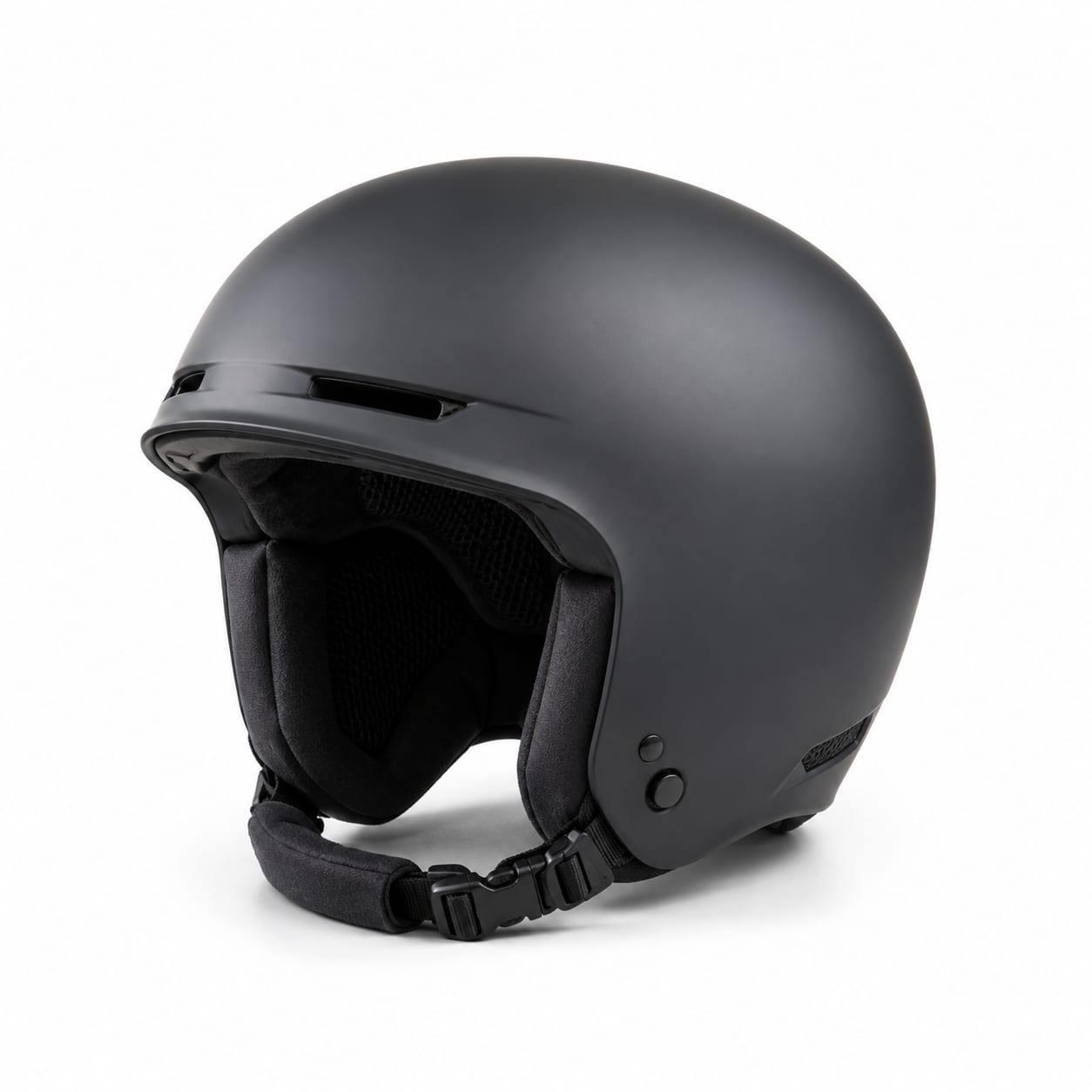
Half Shell Or Freestyle
In practice
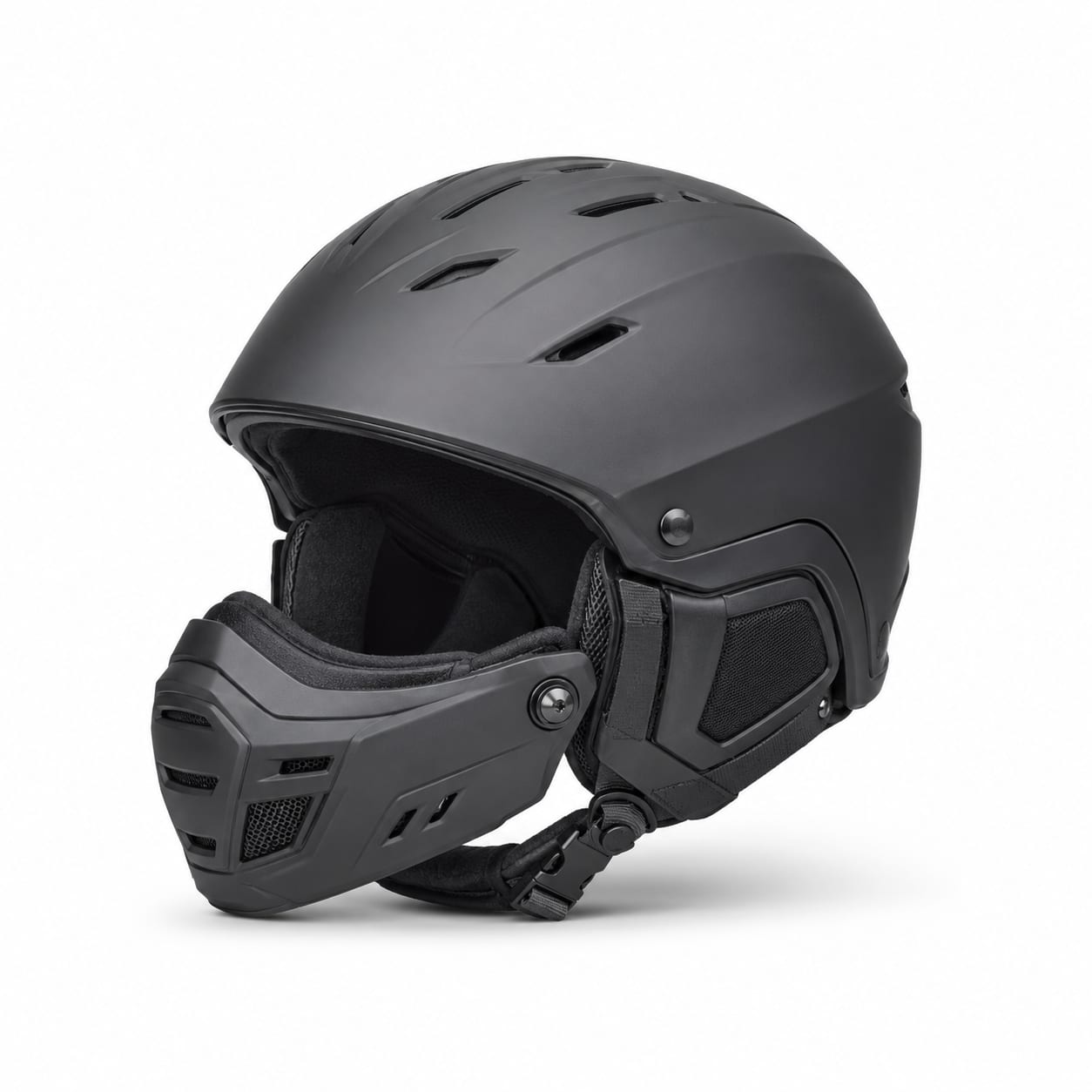
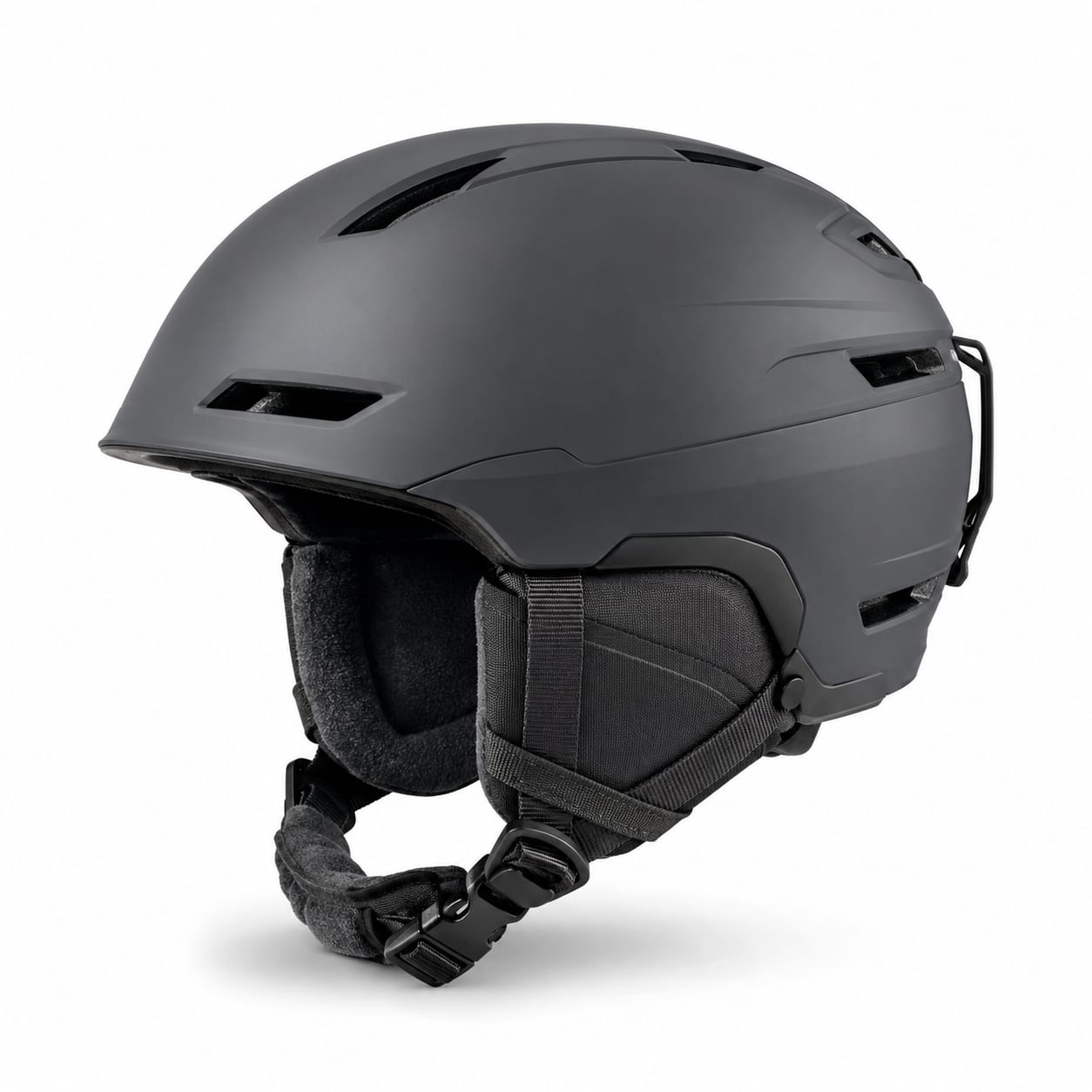
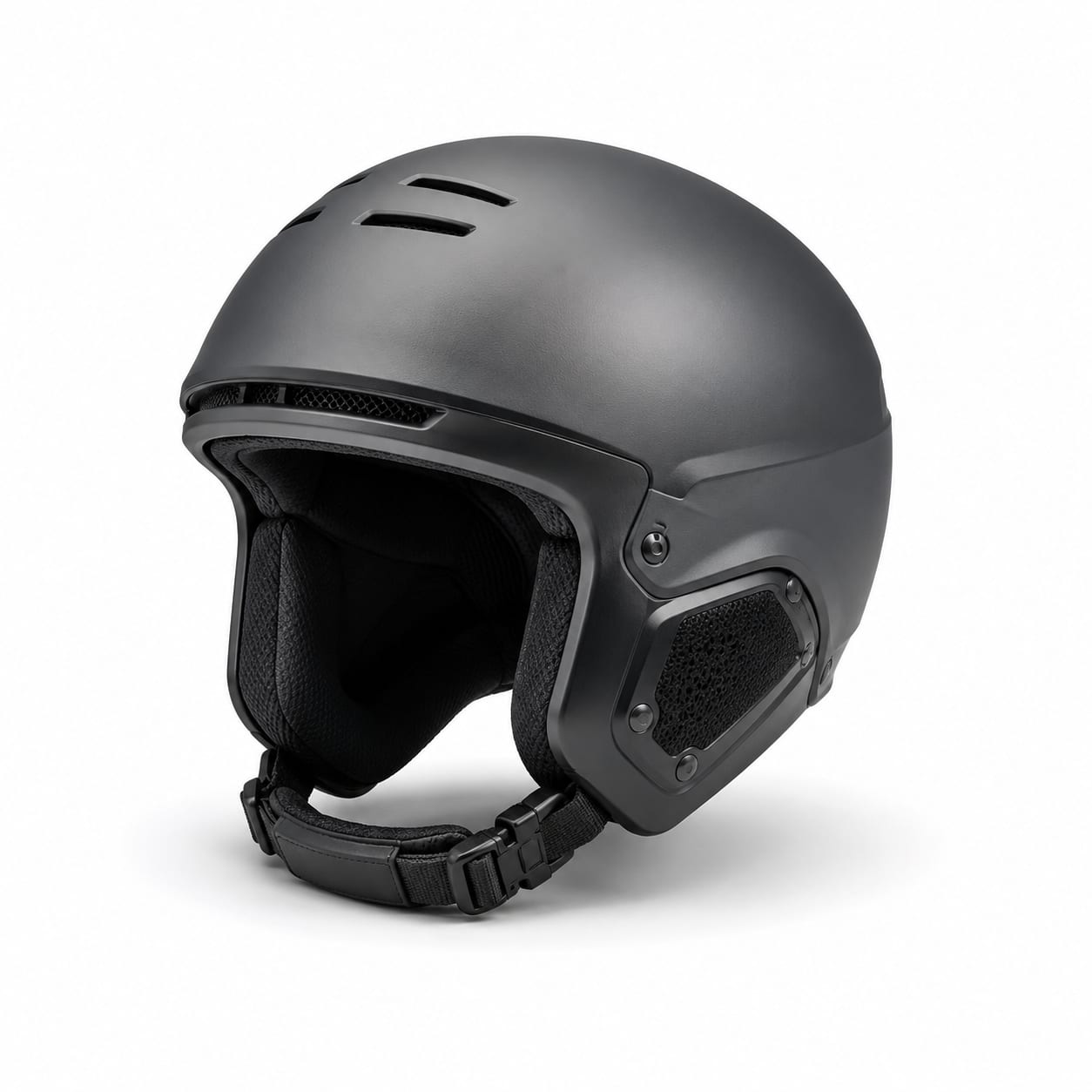
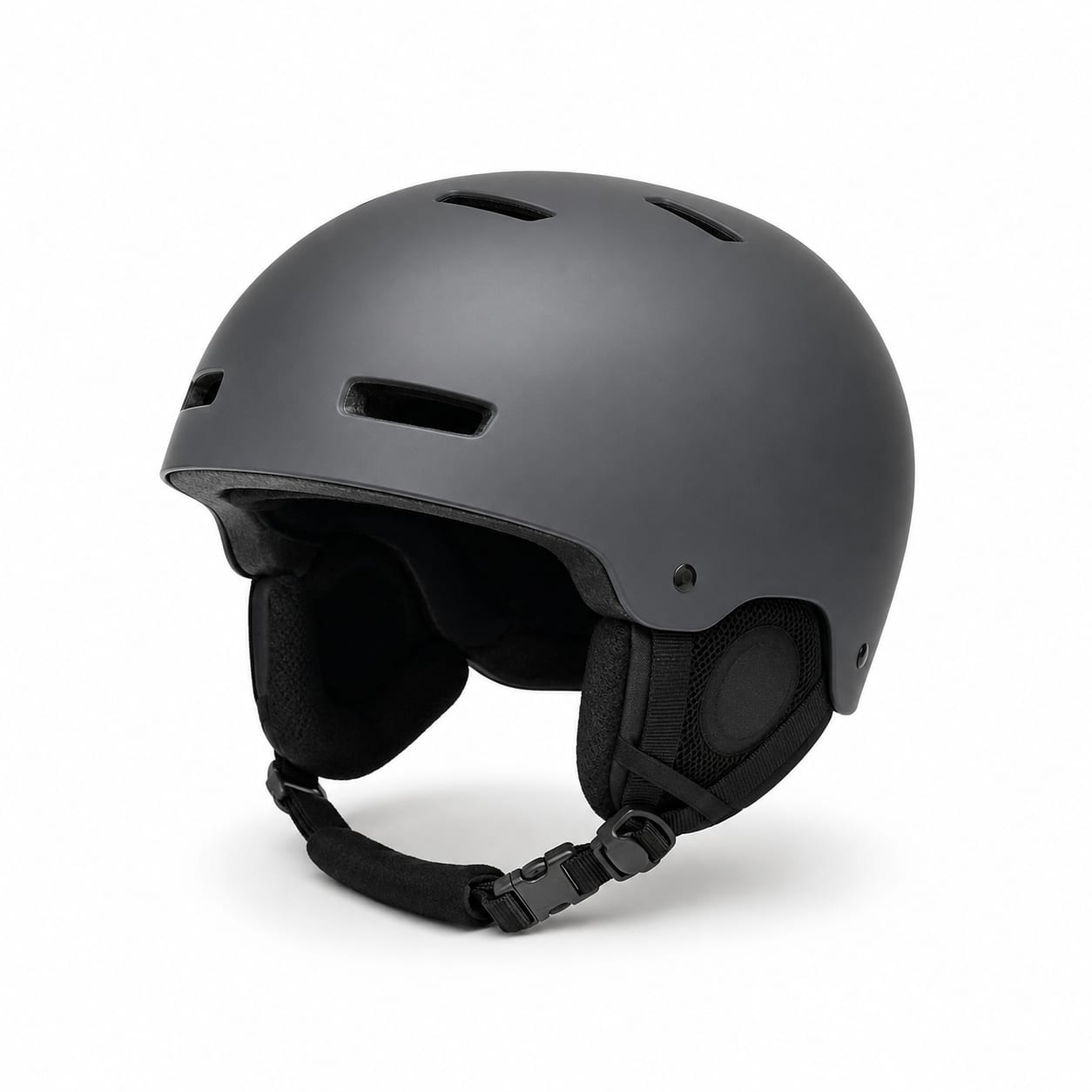
Convertible modular helmets are almost exclusively half-shell designs because this style provides the structural foundation for removable ear pads and multi-season conversion. The half-shell coverage allows ear pads to be added or removed while maintaining a secure goggle interface.
Compared to other types
Unlike dedicated freestyle helmets that prioritize a minimal low-profile look, or mountaineering helmets built for uphill ventilation, the convertible half-shell is designed around the attachment interfaces that enable modularity, which can make it slightly bulkier than a non-convertible half-shell.
Why it matters: The half-shell style is essential to the convertible concept — it provides enough coverage for winter skiing while allowing the ear-area modifications that define the subcategory. Full-shell and mountaineering styles do not lend themselves to modular conversion.
Size (Head Circumference)
Size
What it means
The head circumference measurement the helmet is designed to fit, typically measured in centimeters around the widest part of the head above the eyebrows.
Typical for this type
52-64 cm depending on head size; must be measured precisely
Most common pick: 55-58 cm (M)
In practice
Convertible helmets follow standard ski helmet sizing but it is especially critical to get the right base size because removable components can slightly alter the internal volume. A helmet that fits perfectly with ear pads installed may feel different with them removed.
Compared to other types
Sizing is the same as other ski helmets, but convertible models may feel slightly looser in summer configuration without ear pads. A good dial fit system is essential to tighten down when ear pads are removed.
Why it matters: Proper fit is the most important factor for helmet safety, and the convertible design means the fit must work in multiple configurations. The fit system becomes even more important to compensate for the slight volume change when ear pads are removed.
Construction
Construction Type
What it means
The method used to join the outer shell and inner foam liner, which affects weight, durability, and impact absorption characteristics.
Typical for this type
Hybrid Or In Mold
In practice
Hybrid construction is common in convertible helmets because it combines a durable hardshell lower section (where ear pad attachments and goggle clips are located) with a lightweight in-mold upper section. This balances the need for attachment durability with overall weight savings.
Compared to other types
Convertible helmets tend to use hybrid construction more frequently than dedicated ski helmets, which commonly use in-mold for weight savings. The attachment points for modular components benefit from the tougher ABS lower shell.
Why it matters: The lower section of a convertible helmet sees more stress from repeated ear pad attachment and removal. Hybrid construction reinforces this area while keeping the overall weight manageable.
Rotational Protection
Rotational Impact Protection
What it means
Technology designed to reduce rotational forces on the brain during oblique impacts. Rotational forces are a leading cause of concussions and traumatic brain injuries in skiing.
Typical for this type
Mips Strongly Recommended; Koroyd As Premium Alternative
In practice
Most quality convertible helmets now include MIPS because the multi-sport use case means the helmet may see impacts in different activities and directions. MIPS adds minimal weight and does not interfere with the removable component systems.
Compared to other types
Convertible helmets offer the same rotational protection options as dedicated ski helmets. There is no compromise in this area — MIPS-equipped convertible models provide the same level of rotational force reduction as MIPS-equipped dedicated ski helmets.
Why it matters: Rotational protection is critical regardless of whether you are skiing or biking. Since convertible helmets are used across activities, having MIPS ensures consistent protection in all scenarios.
Certification
Certification Standard
What it means
The safety certification standard(s) the helmet meets or exceeds. Different standards have different testing protocols and protection requirements.
Typical for this type
At Minimum CE EN1077 Or ASTM F2040; Dual Certification Preferred For Multi-Sport Use
Most common pick: CE EN1077 Class A + ASTM F2040
In practice
The best convertible helmets carry both CE EN1077 and ASTM F2040 certifications for skiing, and some also carry CPSC or EN1078 certifications for cycling. Dual or triple certification is a key advantage of this subcategory and a major reason to choose it over a dedicated helmet.
Compared to other types
This is an area where convertible helmets can actually surpass dedicated ski helmets — by carrying multiple certifications, they are validated for more use cases than a single-sport helmet.
Why it matters: If you plan to use the helmet for biking or skating in addition to skiing, you need certifications for each activity. A helmet that only meets ski standards may not provide adequate protection or legal compliance for cycling.
Ventilation
Ventilation Type
What it means
The ventilation system design, which affects temperature regulation, fog prevention for goggles, and comfort in varying weather conditions.
Typical for this type
Adjustable Strongly Recommended
In practice
Adjustable ventilation is especially important in convertible helmets because they are used across a wider range of temperatures and activity levels. You need to close vents for cold winter ski days and open them fully for warm spring skiing or summer biking.
Compared to other types
Adjustable vents are recommended for all ski helmets but are practically mandatory for convertible models. The temperature range these helmets must handle is much wider than a dedicated winter helmet.
Why it matters: The multi-season nature of convertible helmets makes adjustable vents essential. Without them, you would be stuck with a ventilation setting that works for either winter or summer but not both.
What it means
The total weight of the helmet in grams. Lighter helmets reduce neck fatigue on long days but may sacrifice some features or durability.
Typical for this type
380-500 g with ear pads; 320-400 g without ear pads
Most common pick: 400-480 g (with ear pads)
In practice
Convertible helmets tend to be slightly heavier than comparable dedicated ski helmets due to the attachment mechanisms for removable components. Expect a 20-40 g weight penalty over a non-convertible helmet of similar construction and features.
Compared to other types
Convertible helmets are typically 20-40 g heavier than equivalent dedicated ski helmets due to modular attachment hardware. In summer configuration without ear pads, they are competitive with dedicated bike helmets.
Why it matters: The extra weight comes from snap fittings, magnetic attachments, and reinforced mounting points. While noticeable in a side-by-side comparison, the 20-40 g difference is rarely perceptible during actual skiing.
Fit System
Fit Adjustment System
What it means
The mechanism used to fine-tune the helmet's fit to the head after selecting the appropriate size. A good fit system ensures the helmet stays securely in place during impacts.
Typical for this type
Dial Boa Or Ergo Dial Strongly Recommended
In practice
A dial-based fit system is critical for convertible helmets because the fit changes when ear pads are removed. The dial allows you to quickly tighten the helmet in summer mode to compensate for the volume lost when ear pads are taken out.
Compared to other types
While a dial system is recommended for all ski helmets, it is practically essential for convertible models. The ability to quickly adjust fit when changing configurations is a must-have, not a nice-to-have.
Why it matters: Without a dial system, switching between winter and summer configurations may result in a loose fit in one mode or the other. The micro-adjustment capability of a dial system ensures a secure fit in all configurations.
Goggle Fit
Goggle Compatibility
What it means
How well the helmet integrates with ski goggles, including the absence of a gaper gap, secure goggle strap attachment, and proper vent alignment to prevent fogging.
Typical for this type
Integrated Clip Preferred; Universal Acceptable
In practice
Convertible helmets typically use integrated goggle clips that remain functional regardless of ear pad configuration. The clip must work with ear pads installed for winter and without them for summer or spring use.
Compared to other types
Goggle compatibility is similar to other half-shell helmets, but you should verify that the goggle clip works properly in both ear-pad-on and ear-pad-off configurations before purchasing.
Why it matters: The goggle strap attachment must be secure in both winter and summer configurations. Some poorly designed convertible helmets have clips that are partially blocked by ear pads or become less effective when pads are removed.
What it means
The style and removability of ear protection, which affects warmth, hearing ability, and versatility across seasons and conditions.
Typical for this type
Removable Insulated Or Removable Audio
In practice
Removable insulated ear pads are the defining feature of convertible helmets. They provide full winter warmth when installed and allow the helmet to convert to a low-profile, ventilated configuration when removed. Some models offer audio-compatible removable pads as an upgrade.
Compared to other types
This is the primary differentiator — while some non-convertible helmets have removable ear pads, convertible models are specifically engineered around the removal system with dedicated summer padding kits, optimized airflow channels, and certified multi-sport use.
Why it matters: The ear pad system is the core of the convertible concept. The quality of the attachment mechanism, the warmth of the insulated pads, and the comfort of the helmet without pads all determine how well the helmet performs in its dual roles.
What it means
The inner liner material that contacts the head, providing comfort, moisture management, and additional impact absorption.
Typical for this type
Eps Or Multi Density Eps
In practice
Standard EPS foam is the most common liner in convertible helmets. Some premium models use multi-density EPS for optimized impact absorption across different activity types. The liner must work effectively for both skiing impacts and potential cycling impacts.
Compared to other types
Liner materials are similar to other ski helmets. The key consideration for convertible models is ensuring the liner provides adequate protection across all certified activities, not just skiing.
Why it matters: Since the helmet may be used for different activities with different impact profiles, multi-density EPS can provide more tuned protection. However, all certified liners meet minimum safety standards regardless of material.
Audio Compatible
Audio Ready
What it means
Whether the helmet is designed to accommodate audio speakers or headphones, either with built-in speakers or compatible ear pads with speaker pockets.
Typical for this type
True Preferred For Added Versatility
Most common pick: 1
In practice
Many convertible helmets are audio-ready because the removable ear pad system naturally accommodates drop-in speaker systems. The ear pads often include speaker pockets or are compatible with brand-specific audio drop-ins.
Compared to other types
Convertible helmets are more likely to be audio-ready than dedicated ski helmets because the removable ear pad design makes speaker integration straightforward.
Why it matters: Audio compatibility adds another layer of versatility to an already versatile helmet. You can use speakers while skiing and remove them for summer activities where situational awareness is more critical.
Washable Liner
Removable Washable Liner
What it means
Whether the interior padding and liner can be removed for washing, which affects hygiene and longevity of the helmet.
Typical for this type
True Strongly Recommended
Most common pick: 1
In practice
A removable, washable liner is especially valuable in convertible helmets because they see more use across more activities and seasons. The liner accumulates sweat from winter skiing and summer biking, making regular washing important for hygiene and longevity.
Compared to other types
While a removable liner is a nice feature in any helmet, it is more important in convertible models due to the increased usage frequency and variety of activities.
Why it matters: Multi-season, multi-sport use means more sweat, more odor, and more wear on the liner. Being able to remove and wash it extends the helmet's usable life and keeps it fresh across activities.
Shell Material
Shell Material
What it means
The material used for the outer shell of the helmet, which affects durability, weight, and appearance.
Typical for this type
Polycarbonate Or Hybrid Polycarbonate/ABS
In practice
Polycarbonate shells are most common in convertible helmets, often combined with ABS in the lower section for hybrid construction. The polycarbonate upper keeps weight down while the ABS lower provides durability at ear pad attachment points.
Compared to other types
Convertible helmets are more likely to use hybrid shell materials than dedicated ski helmets, combining polycarbonate and ABS to optimize for both weight and attachment durability.
Why it matters: The shell must be durable enough to withstand repeated attachment and removal of modular components, especially around the ear area. Polycarbonate provides a good balance of weight and durability for the upper shell.
Number of Vents
Number of Vents
What it means
The total count of ventilation openings on the helmet. More vents provide better airflow but may reduce warmth.
Typical for this type
10-16 adjustable vents
Most common pick: 12
In practice
Convertible helmets tend to have more vents than average ski helmets because they must provide adequate airflow for summer activities. 10-16 adjustable vents allow the helmet to be sealed up for cold winter days and opened wide for warm-weather use.
Compared to other types
Convertible helmets typically have 2-4 more vents than comparable dedicated ski helmets to accommodate summer activity ventilation needs.
Why it matters: The vent count must serve two masters: winter skiing where you want to limit airflow, and summer activities where maximum ventilation is essential. More vents with adjustable closures provide the best of both worlds.
Brim or Visor
Brim / Visor
What it means
Whether the helmet includes a brim or visor for sun protection, weather deflection, and goggle integration.
Typical for this type
Removable Visor Or None
In practice
Some convertible helmets feature removable visors that can be attached for sunny ski days or rainy bike rides, then removed for night skiing or overcast conditions. This adds another layer of modularity to the design.
Compared to other types
Removable visors are more common in convertible helmets than in dedicated ski helmets, where integrated brims or no brim at all are more typical.
Why it matters: A removable visor extends the convertible concept beyond just ear pads, providing sun and weather protection when needed without permanently adding bulk. It also allows the helmet to better serve as a bike helmet where a visor is often expected.
Buckle Type
Chin Strap Buckle Type
What it means
The type of buckle used on the chin strap, which affects ease of use, especially with gloves, and security of the closure.
Typical for this type
Fidlock Preferred For Ease Of Use Across Activities
In practice
Fidlock magnetic buckles are increasingly common in convertible helmets because they are easy to operate with gloves while skiing and easy to use one-handed while biking. The multi-sport nature of these helmets makes the convenience of Fidlock even more valuable.
Compared to other types
Convertible helmets are more likely to feature Fidlock buckles than budget dedicated ski helmets, reflecting their premium positioning and multi-sport design philosophy.
Why it matters: You will be fastening and unfastening the chin strap more frequently across multiple activities. A buckle that is easy to use in all scenarios — with ski gloves, bike gloves, or bare hands — significantly improves the daily experience.