
Ski Helmet · FAQ
Questions about Kids/Youth Ski Helmet
Straight answers on fit, specs, and when this type makes sense — each topic has its own page with links back to the buying guide.
Open Kids/Youth Ski Helmet guide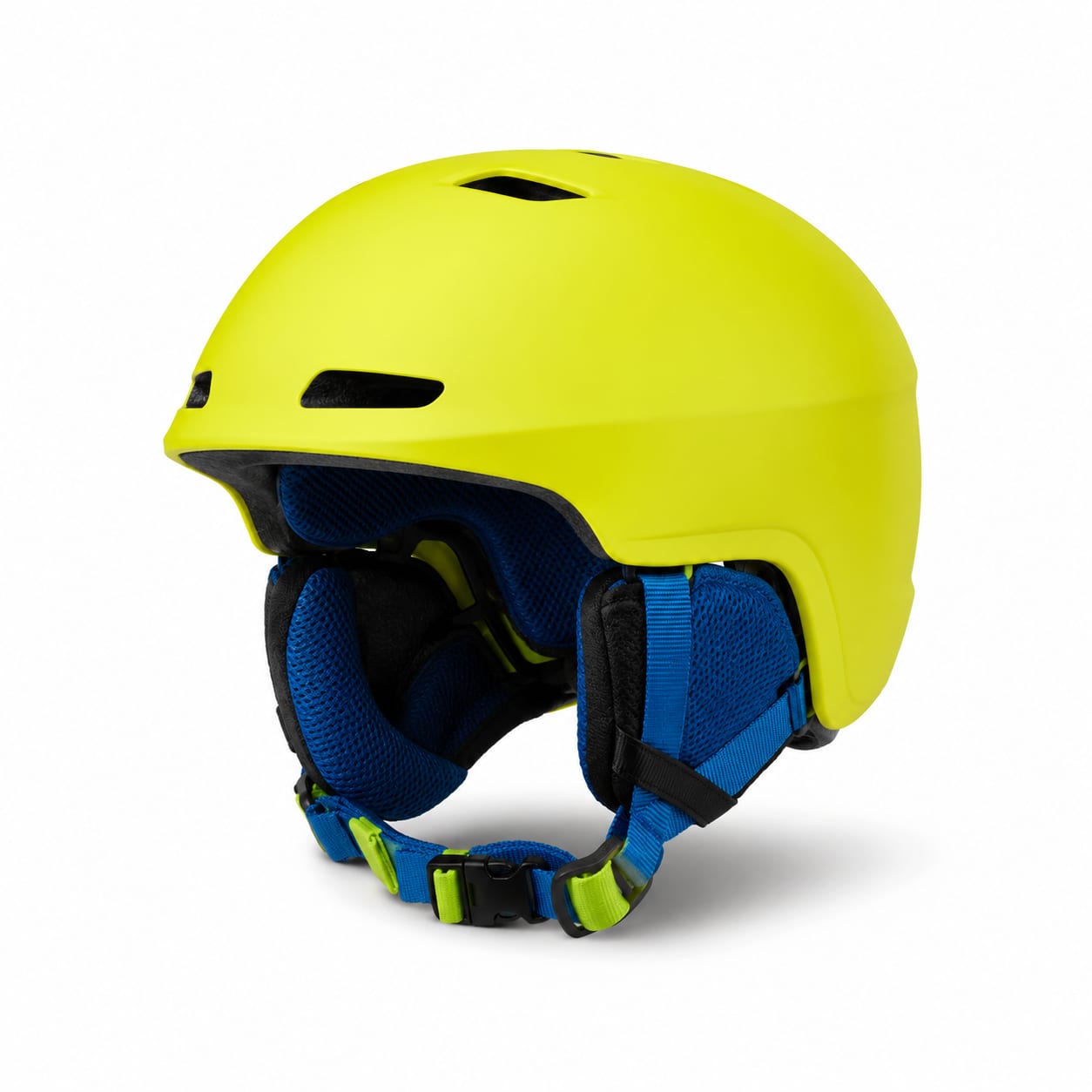
6 topics
Pick a question
Every answer links to the full subcategory guide and related gear types when it helps you decide.
How do I know what size ski helmet my child needs?
Measure your child's head circumference with a soft tape measure wrapped around the widest part of the head, just above the eyebrows and ears. Compare this measurement to the manufacturer's size chart, as sizing varies between brands. The helmet should fit snugly without pressure points and should not shift when the child shakes their head. If between sizes, choose the size that fits without relying on the adjustment system to compensate — the dial or pads should fine-tune the fit, not create it.
Read answer →02Should I buy a helmet my child can grow into?
No. An oversized helmet cannot protect properly in a crash because it will shift on the head, potentially exposing areas that should be covered. Buy a helmet that fits correctly on day one, and use the dial fit system to accommodate modest growth throughout the season. If your child is between sizes, choose the smaller size that fits properly rather than sizing up. You may need to replace the helmet sooner, but proper fit is non-negotiable for safety.
Read answer →03Is MIPS worth it for a kids' ski helmet?
Yes, absolutely. MIPS (Multi-directional Impact Protection System) reduces rotational forces on the brain during angled impacts, which are the most common type of fall for children learning to ski. Children's developing brains are more vulnerable to rotational injuries, making MIPS especially valuable in youth helmets. The typical price premium of $20–40 is one of the best safety investments you can make for your child.
Read answer →04How often should I replace my child's ski helmet?
Replace a youth helmet immediately after any significant impact, even if no damage is visible — the EPS foam liner compresses permanently and cannot protect the same way twice. Otherwise, replace the helmet when your child outgrows it (typically every 1–2 seasons for growing kids), or after 3–5 years of use as the foam degrades over time. Inspect the helmet at the start of each season for cracks, loose components, or degraded foam.
Read answer →05Can my child use a bike helmet for skiing?
It's not recommended. Bike helmets and ski helmets are designed and certified for different types of impacts, speeds, and conditions. Ski helmets provide cold-weather insulation, ear coverage, goggle compatibility, and are certified to snow-specific standards (CE EN1077 or ASTM F2040) that bike helmets do not meet. If your child skis more than a few days per season, invest in a dedicated ski helmet.
Read answer →06My child refuses to wear a helmet. What should I do?
Involve your child in the helmet selection process — let them choose the color or design. Kids are much more likely to wear a helmet they think looks cool. Make it non-negotiable, like a seatbelt — helmets are required equipment, not optional. Lead by example and always wear your own helmet. Start the habit early so wearing a helmet feels normal and expected. Consider a helmet with a Fidlock buckle that's easier for small hands to manage independently.
Read answer →