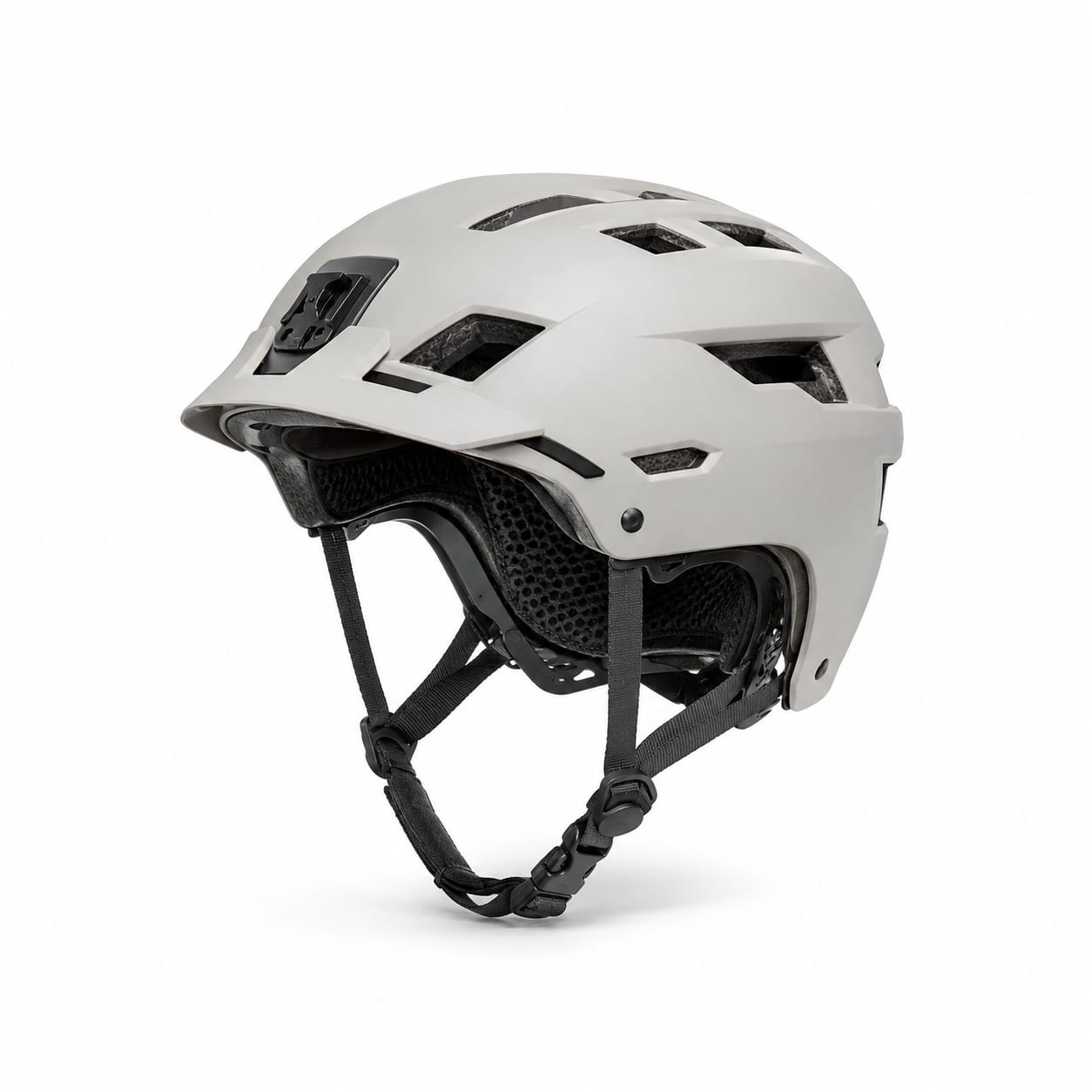
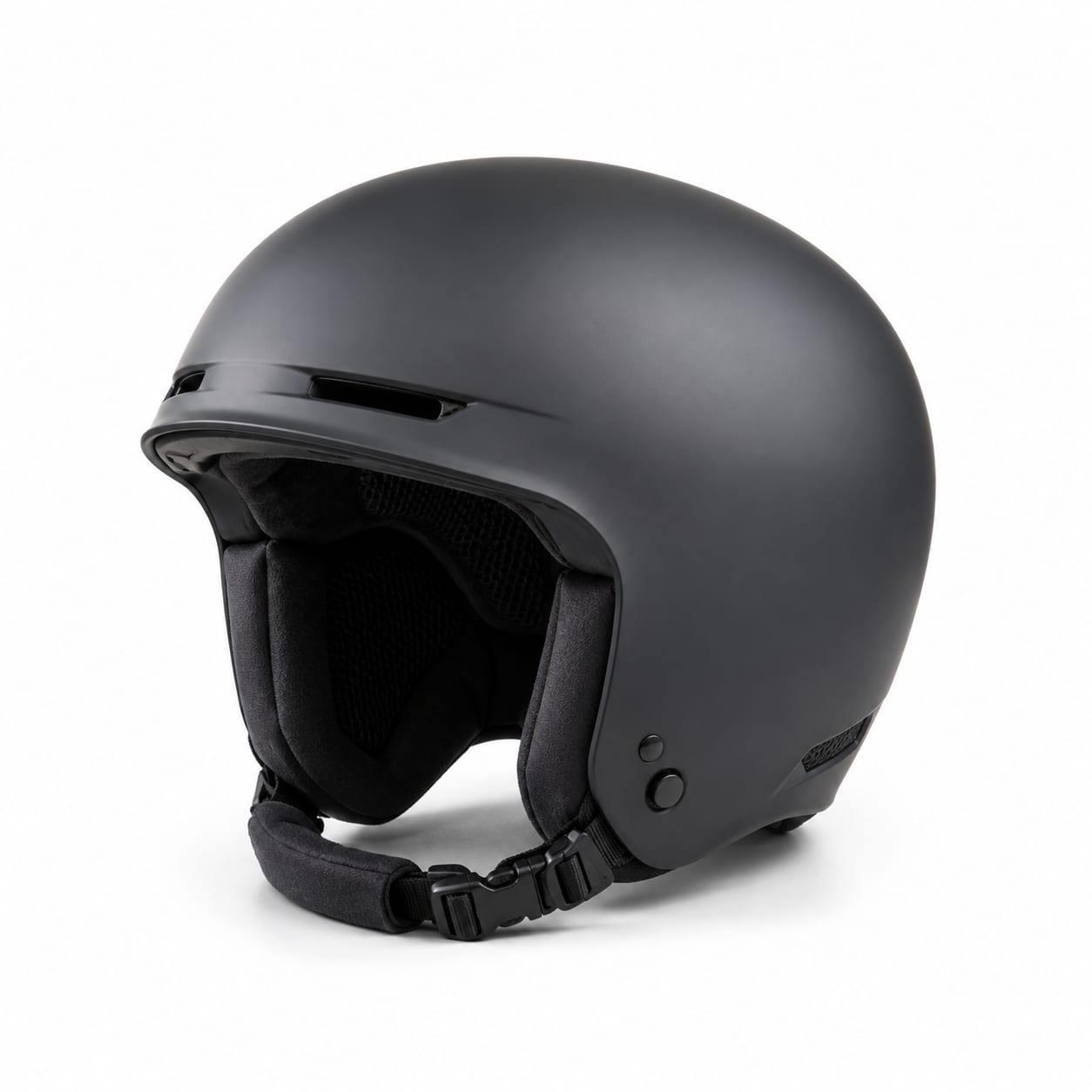
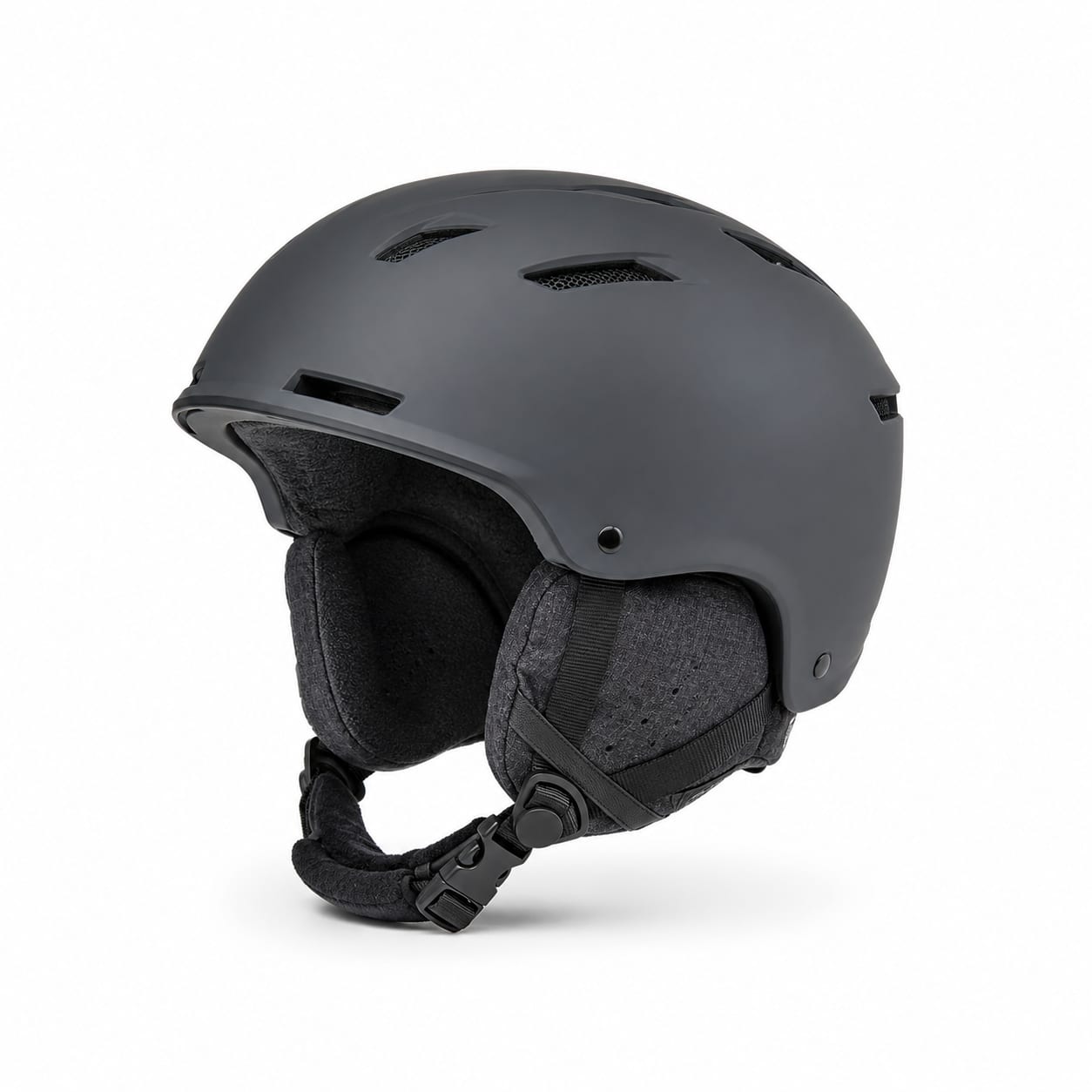
What it means
The overall design and coverage category of the helmet, which determines the level of protection, ear coverage, and intended use environment.
Typical for this type
Half Shell / Alpine
Most common pick: Half Shell
In practice
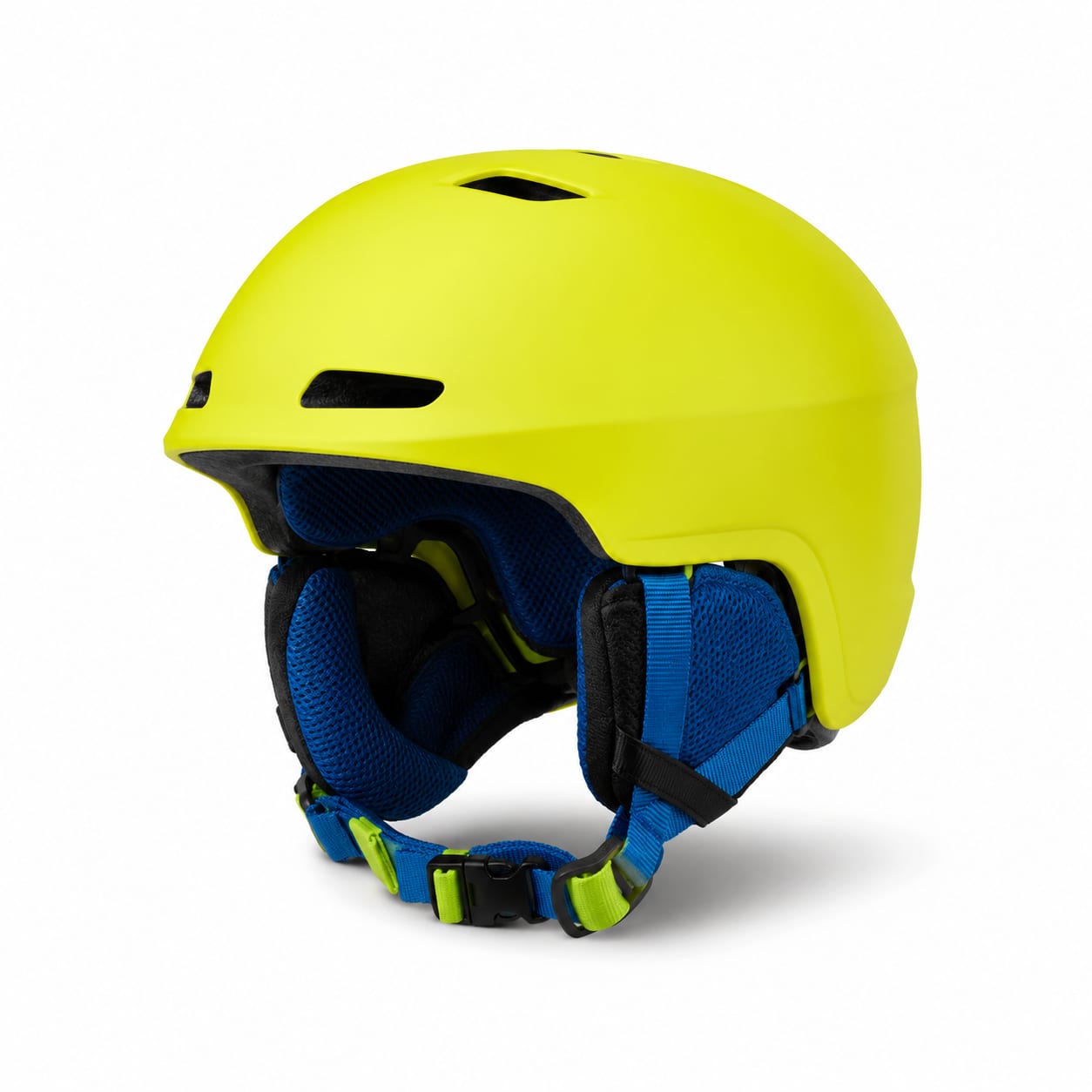
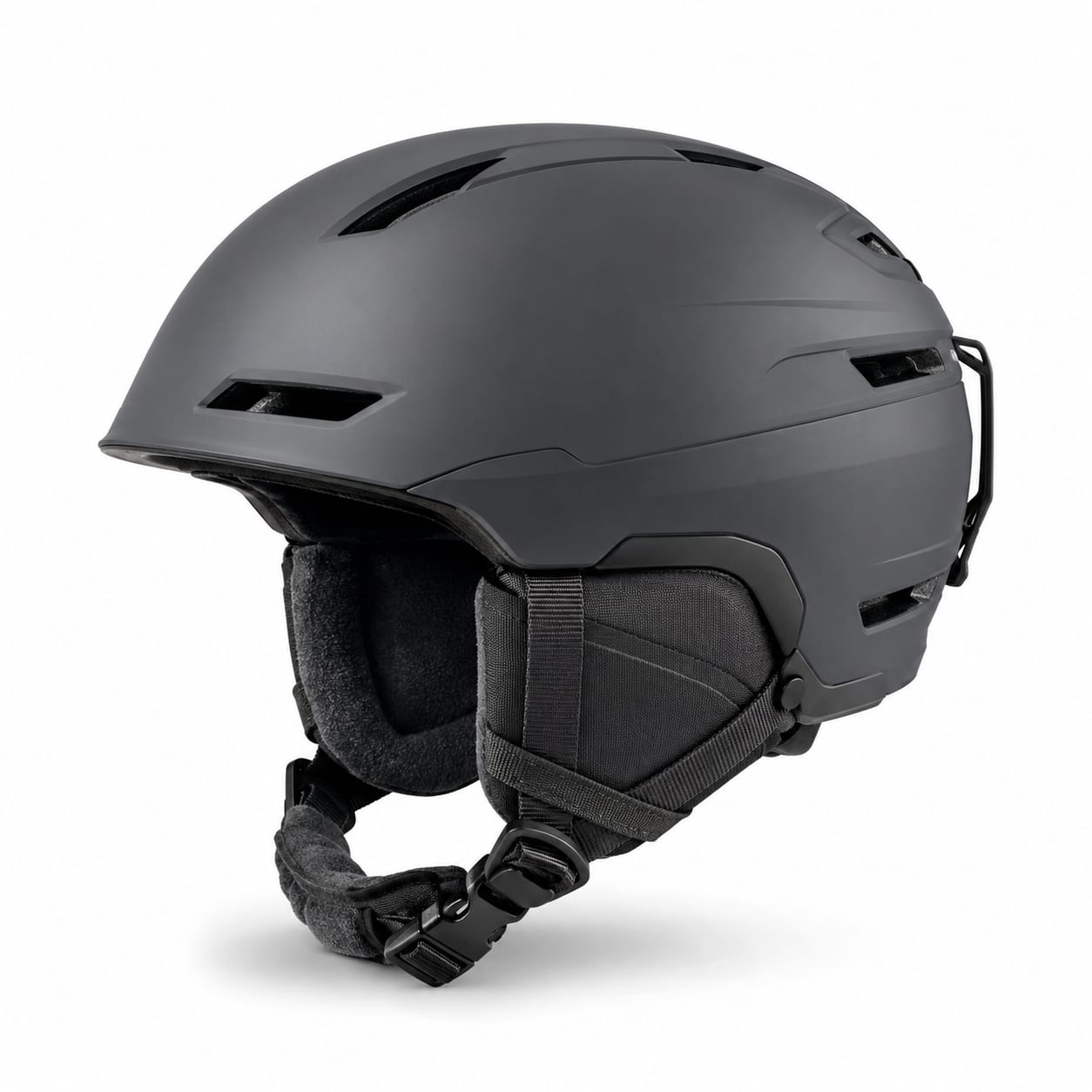
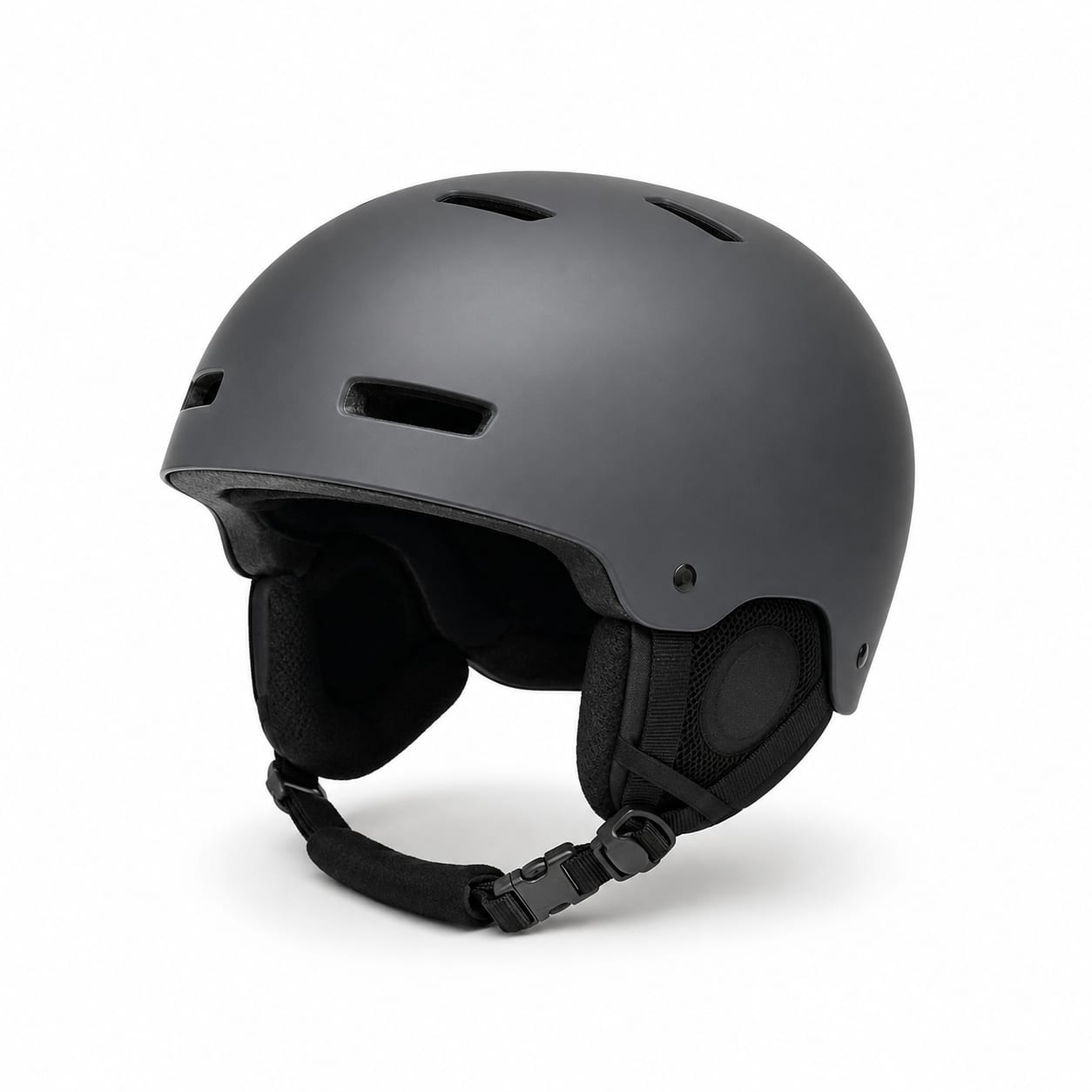
The vast majority of kids' ski helmets are half-shell designs with ear coverage, providing the best balance of protection, warmth, and goggle compatibility for resort skiing.
Compared to other types
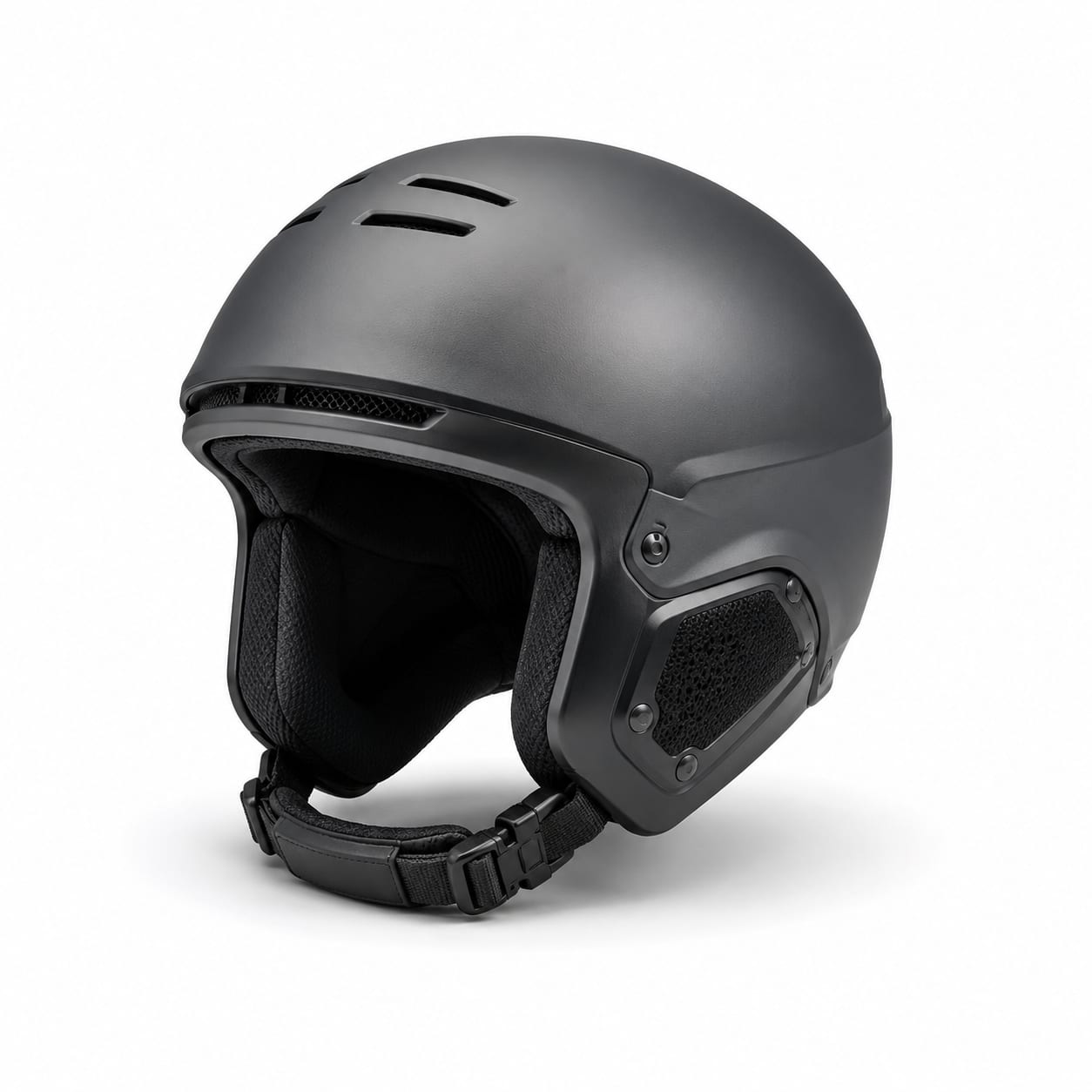
Kids' helmets almost exclusively use the half-shell style, whereas adult categories see more diversity with freestyle, mountaineering, and full-shell racing options.
Why it matters: Half-shell helmets offer full ear coverage important for warmth and side-impact protection, and they integrate well with kids' goggles. Freestyle and mountaineering styles are rarely needed for youth skiers.
Size (Head Circumference)
Size
What it means
The head circumference measurement the helmet is designed to fit, typically measured in centimeters around the widest part of the head above the eyebrows.
Typical for this type
48–56cm (XS–S/M youth sizing)
Most common pick: 49–55cm
In practice
Kids' helmets cover the smaller head circumferences typical of children and young teens. Toddler sizes start around 48cm, while larger youth helmets extend to 56–58cm for young teens.
Compared to other types
Adult helmets typically start at 52cm and go up to 64cm. Kids' helmets fill the 48–56cm range that adult helmets cannot properly accommodate.
Why it matters: A properly fitted helmet is critical for safety. Children's heads grow rapidly, so measure at the start of each season. The helmet should be snug with no gaps or pressure points and should not shift when the child shakes their head.
Construction
Construction Type
What it means
The method used to join the outer shell and inner foam liner, which affects weight, durability, and impact absorption characteristics.
Typical for this type
Hardshell / ABS For Durability; Hybrid For Premium Models
Most common pick: Hardshell
In practice
Hardshell ABS construction dominates the kids' category because it withstands drops, tosses, and general rough treatment far better than in-mold designs. The tougher exterior resists dents and scratches from everyday kid-level abuse.
Compared to other types
Adult helmets lean toward in-mold or hybrid construction for weight savings. Kids' helmets prioritize durability over weight, making hardshell the most common choice.
Why it matters: Kids are harder on their gear. A hardshell helmet will survive parking lot drops and gear bag tosses that might dent an in-mold shell. Both types meet the same safety standards, but hardshell maintains its integrity better under daily wear.
Rotational Protection
Rotational Impact Protection
What it means
Technology designed to reduce rotational forces on the brain during oblique impacts. Rotational forces are a leading cause of concussions and traumatic brain injuries in skiing.
Typical for this type
MIPS Strongly Recommended
Most common pick: Mips
In practice
MIPS is increasingly available in youth helmets and is the most common rotational protection system in this category. Children's developing brains are more vulnerable to rotational forces from oblique impacts, making this technology especially important.
Compared to other types
MIPS adoption in youth helmets is growing but still less universal than in adult premium helmets. Budget youth models may still lack rotational protection, whereas it is nearly standard on adult helmets above entry-level.
Why it matters: Kids fall differently than adults — they catch edges, tumble, and collide at angles that generate rotational forces. MIPS reduces these forces transmitted to the brain. For a child's developing brain, this protection is worth every penny of the price premium.
Certification
Certification Standard
What it means
The safety certification standard(s) the helmet meets or exceeds. Different standards have different testing protocols and protection requirements.
Typical for this type
At Minimum ASTM F2040 Or CE EN1077 Class A; Both Is Ideal
Most common pick: ASTM F2040, CE EN1077 Class A
In practice
Quality youth helmets should carry at least one major certification. CE EN1077 Class A is preferred over Class B because it includes ear coverage testing, which matters for the half-shell designs common in kids' helmets.
Compared to other types
Youth helmets carry the same certification standards as adult helmets. There is no separate, lower safety standard for children — nor should there be.
Why it matters: Certification ensures the helmet has been tested to minimum impact standards. Many ski schools and race programs require certified helmets. Dual certification (both ASTM and CE) indicates the helmet meets standards for both North American and European markets.
Ventilation
Ventilation Type
What it means
The ventilation system design, which affects temperature regulation, fog prevention for goggles, and comfort in varying weather conditions.
Typical for this type
Adjustable Preferred; Fixed Acceptable For Budget Models
Most common pick: Fixed
In practice
Many budget and mid-range kids' helmets use fixed vents for simplicity and fewer moving parts to break. Adjustable vents are available on better youth models and are preferred for temperature regulation.
Compared to other types
Adult helmets more commonly feature adjustable vents as standard. Kids' helmets sometimes sacrifice this feature for cost savings and simplicity.
Why it matters: Kids are less likely to adjust vents themselves, but parents can manage ventilation to prevent overheating and goggle fogging. Adjustable vents allow the helmet to work well across the full temperature range of a ski season.
What it means
The total weight of the helmet in grams. Lighter helmets reduce neck fatigue on long days but may sacrifice some features or durability.
Typical for this type
300–450g
Most common pick: 330–420g
In practice
Youth helmets are lighter than adult models due to their smaller size, typically weighing 330–420g. Very lightweight models under 350g are available but may sacrifice durability features.
Compared to other types
Adult helmets typically weigh 350–500g. Youth helmets benefit from smaller shell size, naturally reducing weight, but hardshell construction can add weight compared to in-mold adult models.
Why it matters: Children have less neck strength than adults, so helmet weight matters more. A heavy helmet can cause neck fatigue and discomfort, leading to the child wanting to remove it. Keep weight under 450g for comfortable all-day wear.
Fit System
Fit Adjustment System
What it means
The mechanism used to fine-tune the helmet's fit to the head after selecting the appropriate size. A good fit system ensures the helmet stays securely in place during impacts.
Typical for this type
Dial / BOA System Strongly Recommended
Most common pick: Dial Boa
In practice
A dial-based fit system is especially valuable in youth helmets because it allows parents to adjust the fit as the child grows throughout the season. It also makes it easy to achieve a secure fit with different goggle and beanie combinations.
Compared to other types
Dial systems are just as important in youth helmets as in adult models, but budget youth helmets sometimes use pad sets instead. This is a place where spending a bit more for a dial system pays dividends in fit quality and longevity.
Why it matters: Children grow quickly, and a dial system allows the helmet to accommodate modest growth without replacing it. It also lets parents quickly check and adjust the fit each morning — something that is harder with pad-based systems.
Goggle Fit
Goggle Compatibility
What it means
How well the helmet integrates with ski goggles, including the absence of a gaper gap, secure goggle strap attachment, and proper vent alignment to prevent fogging.
Typical for this type
Integrated Goggle Clip Preferred
Most common pick: Integrated Clip
In practice
Most youth helmets include an integrated goggle clip to keep the strap securely in place. This is especially important for kids, who are more likely to have their goggles knocked askew during falls.
Compared to other types
Youth helmets rarely use matched brand systems since kids outgrow gear quickly. Universal compatibility with an integrated clip is the most practical approach for this category.
Why it matters: A secure goggle strap prevents the goggles from flying off during falls or getting lost. The integrated clip makes it easy for kids to put on and adjust their own goggles. Always test the specific helmet and goggle combination to check for gaper gap.
What it means
The style and removability of ear protection, which affects warmth, hearing ability, and versatility across seasons and conditions.
Typical for this type
Removable Insulated Ear Pads
Most common pick: Removable Insulated
In practice
Removable insulated ear pads are common on youth helmets, providing warmth in winter and the option to remove them for spring skiing or multi-season use. Some budget models have fixed ear pads.
Compared to other types
Audio-compatible ear pads are rare in youth helmets since most parents don't want their children wearing headphones on the slopes. The focus is on warmth, comfort, and removability.
Why it matters: Removable ear pads add versatility across conditions and seasons. They also make the helmet more comfortable on warmer spring days when kids are prone to overheating. Fixed ear pads are simpler but less adaptable.
What it means
The inner liner material that contacts the head, providing comfort, moisture management, and additional impact absorption.
Typical for this type
EPS Foam (Standard); Multi-Density EPS On Premium Models
Most common pick: Eps
In practice
Standard EPS foam is the most common liner in youth helmets, providing proven impact absorption at a reasonable cost. Premium youth models may use multi-density EPS for optimized protection across impact severities.
Compared to other types
Premium liner technologies like Koroyd and merino wool covers are less common in youth helmets, which tend to use simpler EPS foam to keep costs down.
Why it matters: All certified EPS liners meet minimum safety standards. For kids, the more important consideration is ensuring the helmet is replaced after any significant impact, as EPS foam deforms permanently and cannot provide the same protection twice.
Audio Compatible
Audio Ready
What it means
Whether the helmet is designed to accommodate audio speakers or headphones, either with built-in speakers or compatible ear pads with speaker pockets.
Typical for this type
Not A Priority For Kids' Helmets
Most common pick: False
In practice
Youth helmets are rarely audio-ready, and most parents prefer their children to maintain full situational awareness on the mountain. Audio capability is not a sought-after feature in this category.
Compared to other types
Adult helmets frequently offer audio-ready options, but this feature is appropriately rare in the youth category.
Why it matters: Children need to hear instructors, other skiers, and parental instructions on the mountain. Audio capability could reduce awareness and is generally not recommended for young skiers.
Washable Liner
Removable Washable Liner
What it means
Whether the interior padding and liner can be removed for washing, which affects hygiene and longevity of the helmet.
Typical for this type
Yes — Removable Liner Preferred
Most common pick: True
In practice
A removable, washable liner is particularly valuable in kids' helmets because children sweat more and are less careful about helmet hygiene. Being able to wash the liner extends the helmet's usable life and prevents odor buildup.
Compared to other types
Removable liners are arguably more important in youth helmets than adult models due to the higher hygiene demands of active children.
Why it matters: Kids' helmets get sweaty, smelly, and sometimes muddy. A removable liner allows you to wash it regularly, maintaining hygiene and comfort. It also helps the helmet dry faster between consecutive ski days.
Shell Material
Shell Material
What it means
The material used for the outer shell of the helmet, which affects durability, weight, and appearance.
Typical for this type
ABS Plastic For Durability; Polycarbonate On Lighter Models
Most common pick: Abs
In practice
ABS plastic is the dominant shell material in youth helmets due to its toughness and resistance to dents, scratches, and the general abuse kids subject their gear to. It pairs naturally with hardshell construction.
Compared to other types
Adult helmets more commonly use polycarbonate for weight savings. Carbon fiber and composite shells are essentially nonexistent in the youth category due to cost.
Why it matters: ABS shells survive parking lot drops, gear bag tosses, and the general rough handling that is inevitable with kids. While heavier than polycarbonate, the durability tradeoff is worth it for most families.
Number of Vents
Number of Vents
What it means
The total count of ventilation openings on the helmet. More vents provide better airflow but may reduce warmth.
Typical for this type
6–12 vents
Most common pick: 8
In practice
Youth helmets typically have 6–12 vents, with 8 being the most common count. Adjustable vents are preferred so parents can close them on cold days when kids are most vulnerable to chilling.
Compared to other types
Youth helmets tend to have slightly fewer vents than adult models, prioritizing warmth for smaller bodies that lose heat faster.
Why it matters: Proper ventilation prevents overheating and goggle fogging. Kids are less likely to notice or communicate that they're too warm, so having adequate vents — ideally adjustable — helps parents manage their comfort.
Brim or Visor
Brim / Visor
What it means
Whether the helmet includes a brim or visor for sun protection, weather deflection, and goggle integration.
Typical for this type
No Brim Or Visor (Most Common); Integrated Brim Available On Some Models
Most common pick: None
In practice
Most youth helmets have a clean profile without a brim or visor, keeping the design simple and reducing the chance of damage. Some models offer an integrated brim for sun protection.
Compared to other types
Brimmed designs are more common in adult all-mountain and freeride helmets. Youth helmets tend to favor simplicity and durability over additional features.
Why it matters: A brim can help with sun glare and keeping snow off goggles, but it's also another part that can break. For most kids, the simpler design without a brim is more practical and durable.
Buckle Type
Chin Strap Buckle Type
What it means
The type of buckle used on the chin strap, which affects ease of use, especially with gloves, and security of the closure.
Typical for this type
Side-Release Buckle (Common); Fidlock On Premium Models
Most common pick: Side Release
In practice
Traditional side-release buckles are most common on youth helmets due to their reliability and lower cost. Fidlock magnetic buckles are appearing on premium youth models and are easier for kids to operate independently.
Compared to other types
Fidlock buckles are becoming standard on premium adult helmets but are still a premium feature on youth models. The convenience benefit is arguably greater for kids who struggle with traditional buckles.
Why it matters: The buckle must be fastened for the helmet to work. Side-release buckles are reliable but can be tricky for small gloved hands. Fidlock buckles are easier for kids to manage on their own, which encourages proper use.