
Ski Helmet · FAQ
Questions about Senior/Fit-Optimized Helmet
Straight answers on fit, specs, and when this type makes sense — each topic has its own page with links back to the buying guide.
Open Senior/Fit-Optimized Helmet guide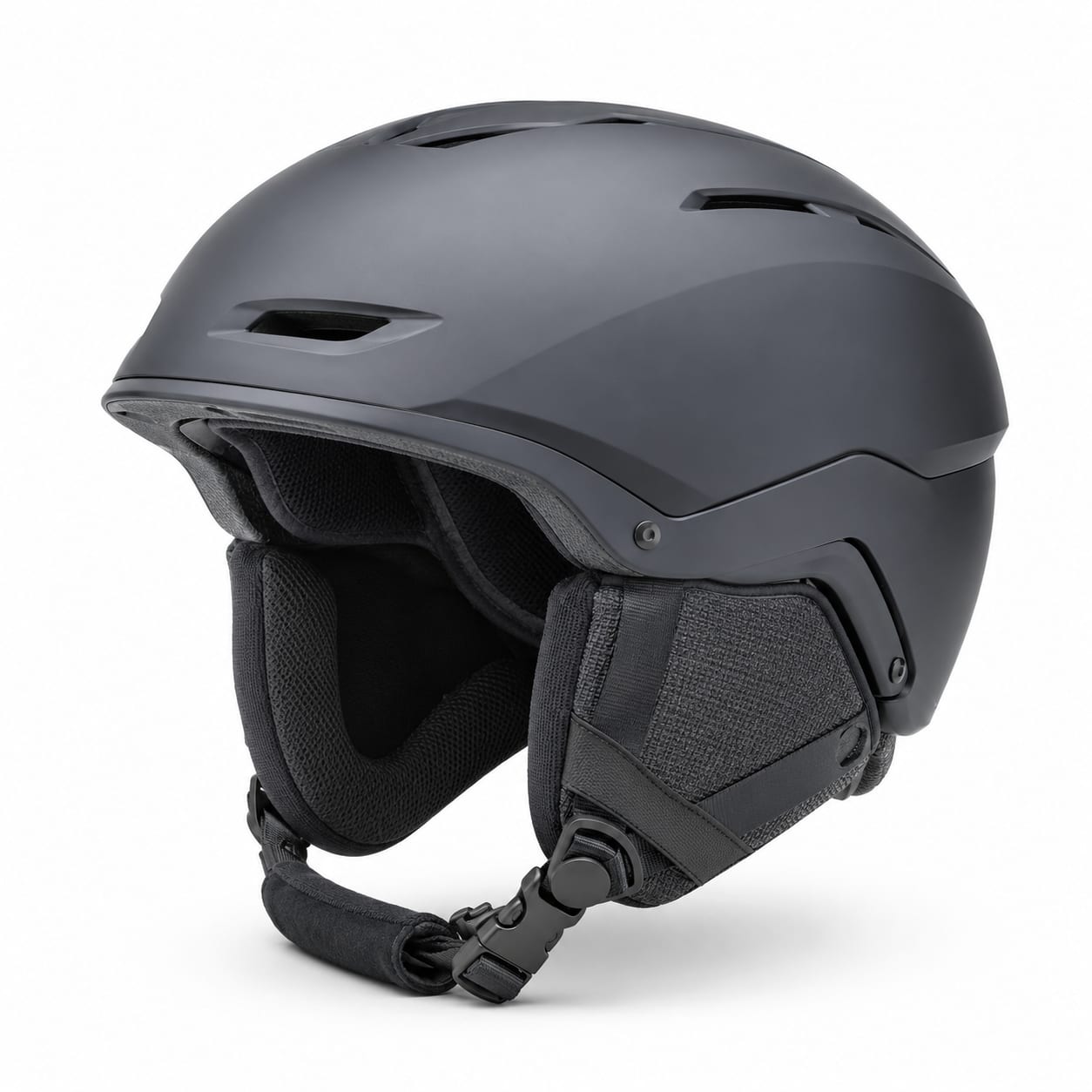
6 topics
Pick a question
Every answer links to the full subcategory guide and related gear types when it helps you decide.
What makes a senior ski helmet different from a regular ski helmet?
Senior ski helmets are specifically designed for the needs of older skiers. The key differences include Fidlock magnetic buckles that are easy to operate with limited dexterity or gloves, lighter in-mold construction to reduce neck fatigue, dial fit systems for easy micro-adjustment, generous padding to eliminate pressure points, and integrated brims to reduce glare for aging eyes. While any certified helmet provides adequate protection, senior helmets make it easier and more comfortable to wear a helmet all day, every day.
Read answer →02Is the Fidlock magnetic buckle really worth the extra cost?
For most senior skiers, yes. The Fidlock buckle is consistently the most praised feature in user reviews. It snaps closed automatically with magnetic guidance and releases with a simple sideways slide — no pinching, no threading, no fine motor skills needed. If you have any arthritis, neuropathy, or simply find traditional buckles frustrating with gloves, the Fidlock buckle removes a daily annoyance and makes you more likely to properly fasten your helmet every run.
Read answer →03Do I really need MIPS if I'm a cautious skier?
Yes. MIPS protects against rotational forces from oblique impacts, which are the most common type of fall in skiing regardless of speed or ability. Even a slow fall on a groomed run can generate dangerous rotational forces if your head hits the snow at an angle. Concussion recovery is longer and more complicated for older adults, making MIPS especially valuable for senior skiers. The $20-40 price premium is negligible compared to the potential medical costs and recovery time.
Read answer →04Can I wear my hearing aids with a senior ski helmet?
Most senior helmets accommodate behind-the-ear hearing aids, especially those with removable ear pads. Look for helmets with generous internal volume and soft, pliable ear pads that won't press against the aids. Try the helmet on with your hearing aids before purchasing. Some skiers remove their hearing aids while skiing and rely on a skiing companion instead, but if you need to wear them, a senior helmet with removable, well-padded ear pads is your best option.
Read answer →05How do I know if a senior helmet fits properly?
A properly fitting helmet should be snug but not tight, with even pressure all around your head and no specific pressure points. When you shake your head vigorously, the helmet should move with your head, not shift independently. The front edge should sit just above your eyebrows (or goggles), with no gap between helmet and goggles. You should be able to fit one finger between the chin strap and your chin. Use the dial system to fine-tune the fit — it should feel secure but comfortable enough to wear for hours without noticing it.
Read answer →06How often should I replace my senior ski helmet?
Replace your helmet after any significant impact, even if no damage is visible — the EPS foam may be compromised. Otherwise, replace every 3-5 years regardless of condition, as UV exposure and material aging gradually reduce impact protection. If you ski 30+ days per year, consider replacement closer to every 3 years. If you ski fewer than 10 days per year, 5 years is acceptable. Always replace if the shell shows cracks, the MIPS layer doesn't move freely, or the fit system no longer holds adjustment.
Read answer →