Kitvore.com

Kitvore.com

Specs that matter. Gear that fits.

Ski Helmet · Subcategory

Senior/Fit-Optimized Helmet

Lightweight, easy-adjust ski helmets designed for mature skiers who prioritize comfort, precise fit, and effortless operation.

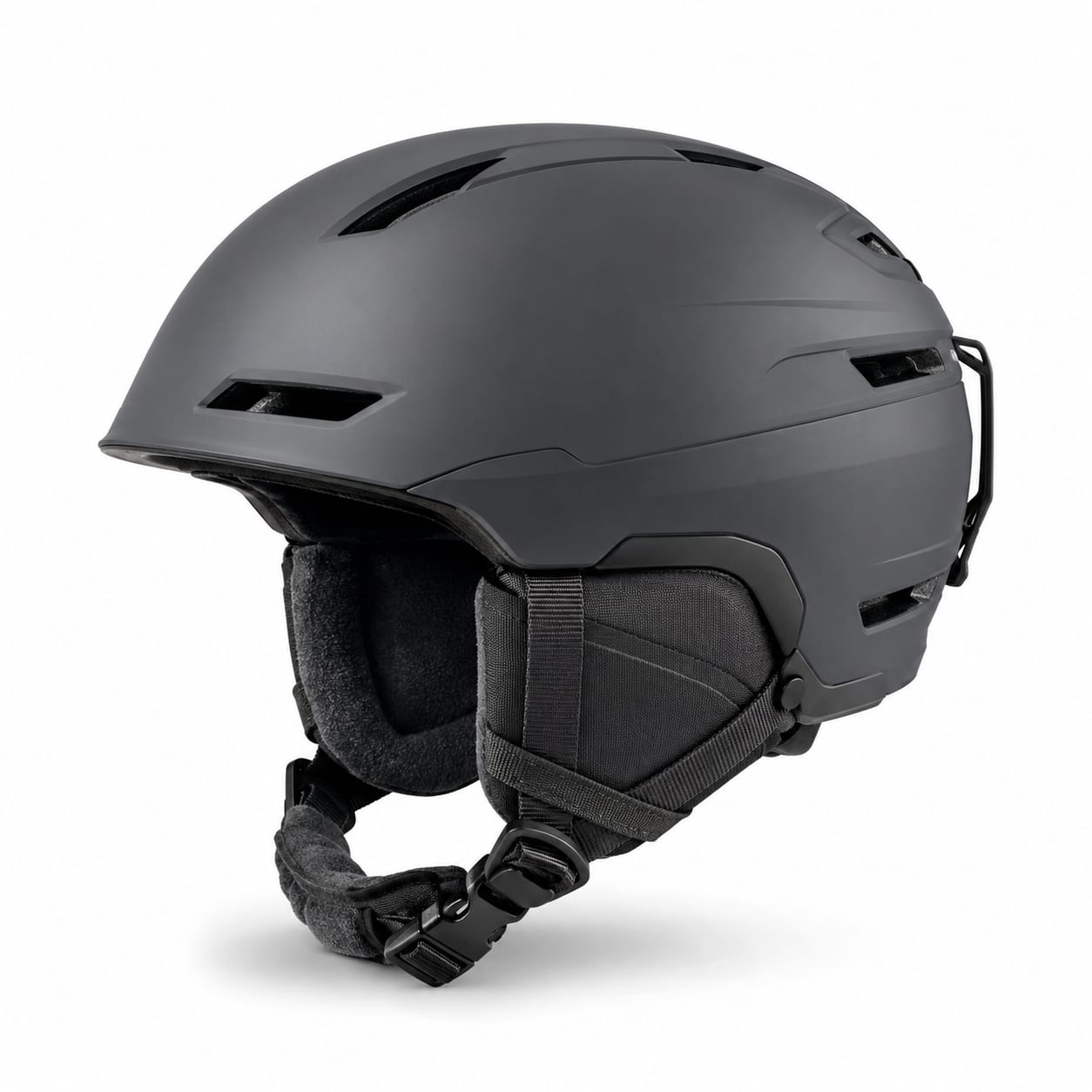
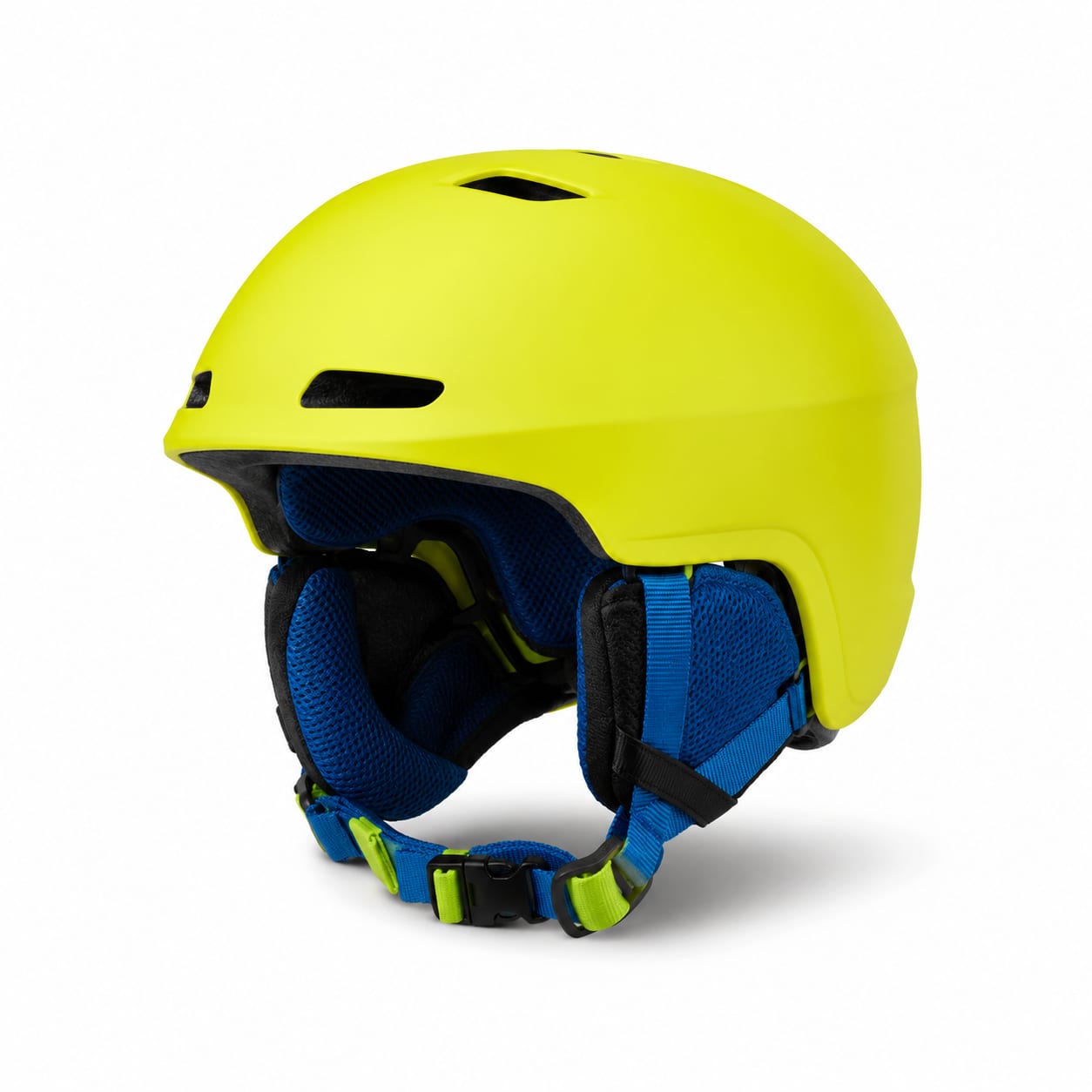
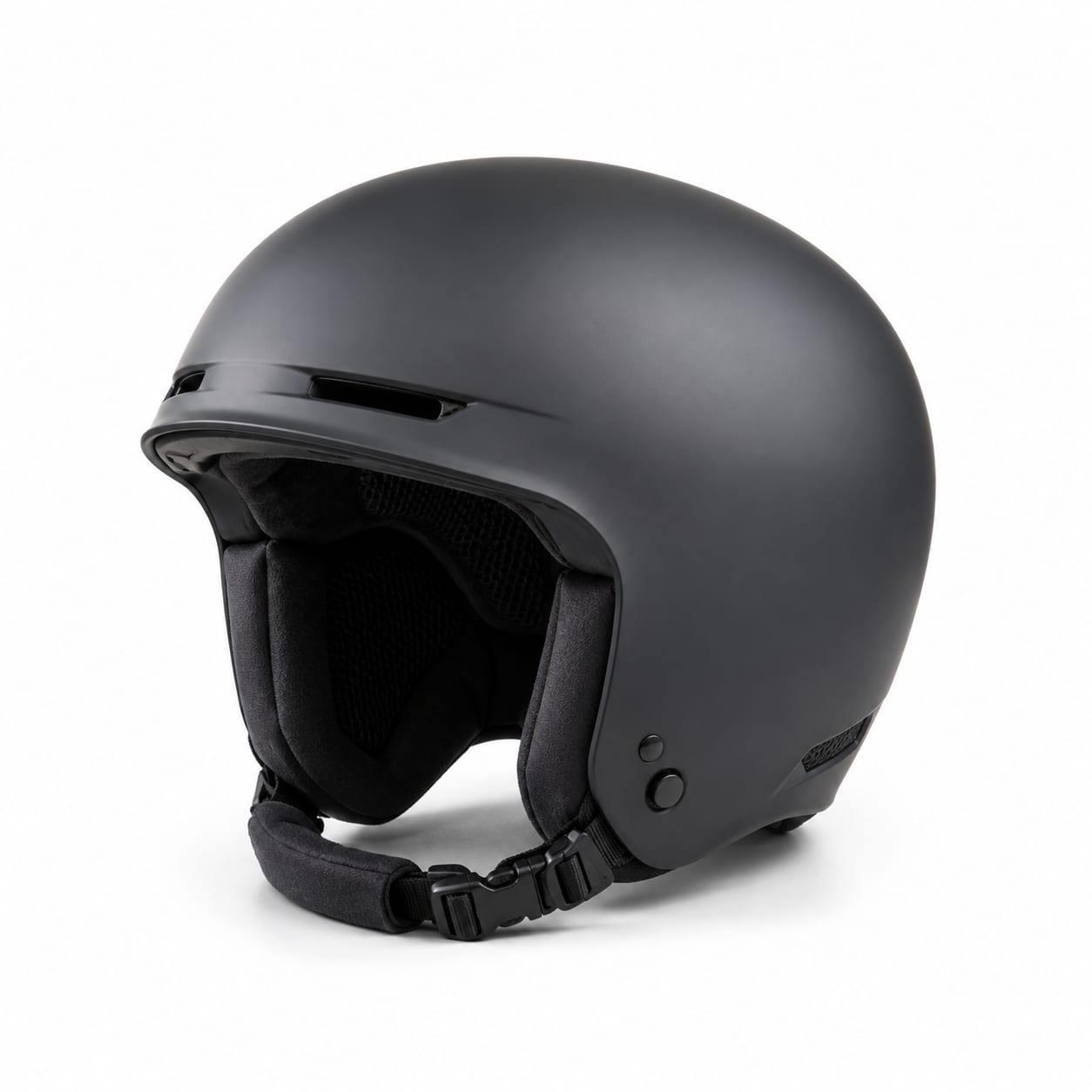
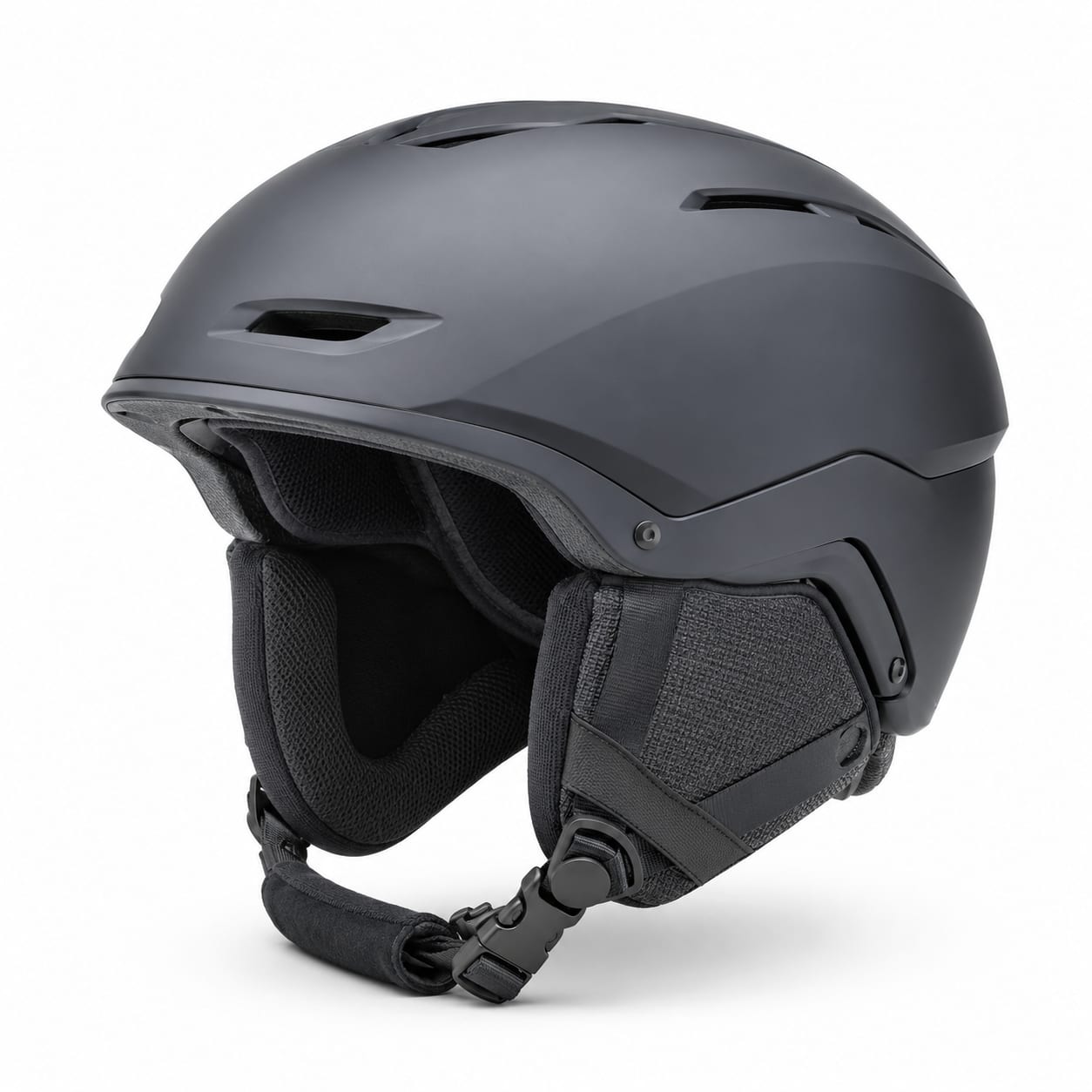
Senior/Fit-Optimized helmets are engineered specifically for older skiers who need a helmet that goes on easily, adjusts with minimal effort, and stays comfortable all day. Featuring magnetic buckles, dial fit systems, lighter weights, and generous sizing, these helmets address the real-world needs of skiers with reduced hand dexterity, sensitivity to pressure points, and neck fatigue concerns — without sacrificing any safety certifications or protection technology.

$70 – $250mid tierbeginnerintermediateadvanced

Best known for

Easy-to-operate magnetic buckles for limited dexterityGenerous, pressure-free fit with micro-adjustable dial systemsLightweight construction to reduce neck strain on long daysEnhanced rotational impact protection for concussion preventionRemovable, washable liners for hygiene and comfort
Senior/Fit-Optimized Helmet

Guide

Detailed overview

Senior/Fit-Optimized ski helmets represent a growing subcategory that addresses the specific anatomical and practical needs of older skiers. As skiers age, common challenges include reduced hand strength and dexterity, increased sensitivity to pressure points and hot spots, greater susceptibility to neck fatigue from helmet weight, and a heightened concern about head injury recovery. These helmets are designed from the ground up to solve these problems while maintaining full safety certification and modern protection technology. The defining characteristics include Fidlock magnetic chin buckles that snap closed effortlessly, BOA or similar dial fit systems that allow one-handed micro-adjustments, lighter in-mold or hybrid construction, and plush, removable liners that accommodate varying head shapes without creating pressure points. Many models in this subcategory also feature wider size ranges and more generous internal volume to account for age-related changes in head shape, and integrated brims to reduce glare that can be particularly bothersome for aging eyes.

The senior ski helmet category has emerged as manufacturers recognize that the aging ski population has distinct needs that standard helmets don't fully address. While any certified ski helmet provides adequate protection, the usability and comfort differences for older skiers can be the difference between wearing a helmet every run and leaving it in the lodge. The most impactful feature is typically the chin strap buckle — Fidlock magnetic buckles allow skiers with arthritis or reduced grip strength to fasten and unfasten their helmet effortlessly, even with thick gloves on. Traditional side-release buckles require pinching and sliding that can be frustrating or impossible for some seniors.

Weight is another critical consideration. As neck muscles weaken with age, even a 50-gram difference in helmet weight becomes noticeable over a full day of skiing. Senior-optimized helmets typically use in-mold or hybrid construction with polycarbonate shells to keep weight in the 330-420g range, compared to 450-550g for many standard hardshell models. This weight reduction, combined with a well-distributed fit from a dial adjustment system, significantly reduces neck fatigue and the tension headaches that can cut a ski day short.

Fit precision matters more for senior skiers because age-related changes in scalp sensitivity make pressure points more painful and slower to resolve. A BOA or similar dial system allows incremental tightening or loosening throughout the day as conditions change — tighter for morning cold, slightly looser as the day warms up. This micro-adjustability also accommodates the common practice of wearing a thin beanie under the helmet for extra warmth, which can change the fit dynamics significantly. The best senior helmets have generous padding with no hard internal edges, and removable liners that can be washed to maintain hygiene over seasons of use.

Rotational impact protection, particularly MIPS, is arguably more important for senior skiers than any other demographic. Recovery from concussions and traumatic brain injuries becomes longer and more complicated with age, and rotational forces from oblique impacts are a leading cause of these injuries. Every helmet in this subcategory should include MIPS or equivalent technology — the modest price premium is trivial compared to the medical costs and recovery time of a brain injury. Similarly, CE EN1077 Class A certification provides more comprehensive coverage including the ear area, which is particularly important for older skiers who may have slower reaction times and less ability to tuck and roll during a fall.

Quick facts

Primary purpose
Comfortable, easy-to-use protection for mature skiers with attention to weight, fit, and operability
Popular brands
SmithGiroPOCSalomon
Typical terrain
Groomed runsMellow terrainResort cruising

What makes it different

Design emphasis on reduced weight, easy operation, and comfort over multi-day ski trips distinguishes these from standard all-mountain helmets

Recommended ranges

How this type usually specs out

Each spec is explained in plain language, then we show what buyers usually look for on this type.

Style

Helmet Style

What it means

The overall design and coverage category of the helmet, which determines the level of protection, ear coverage, and intended use environment.

Typical for this type

Half Shell

In practice

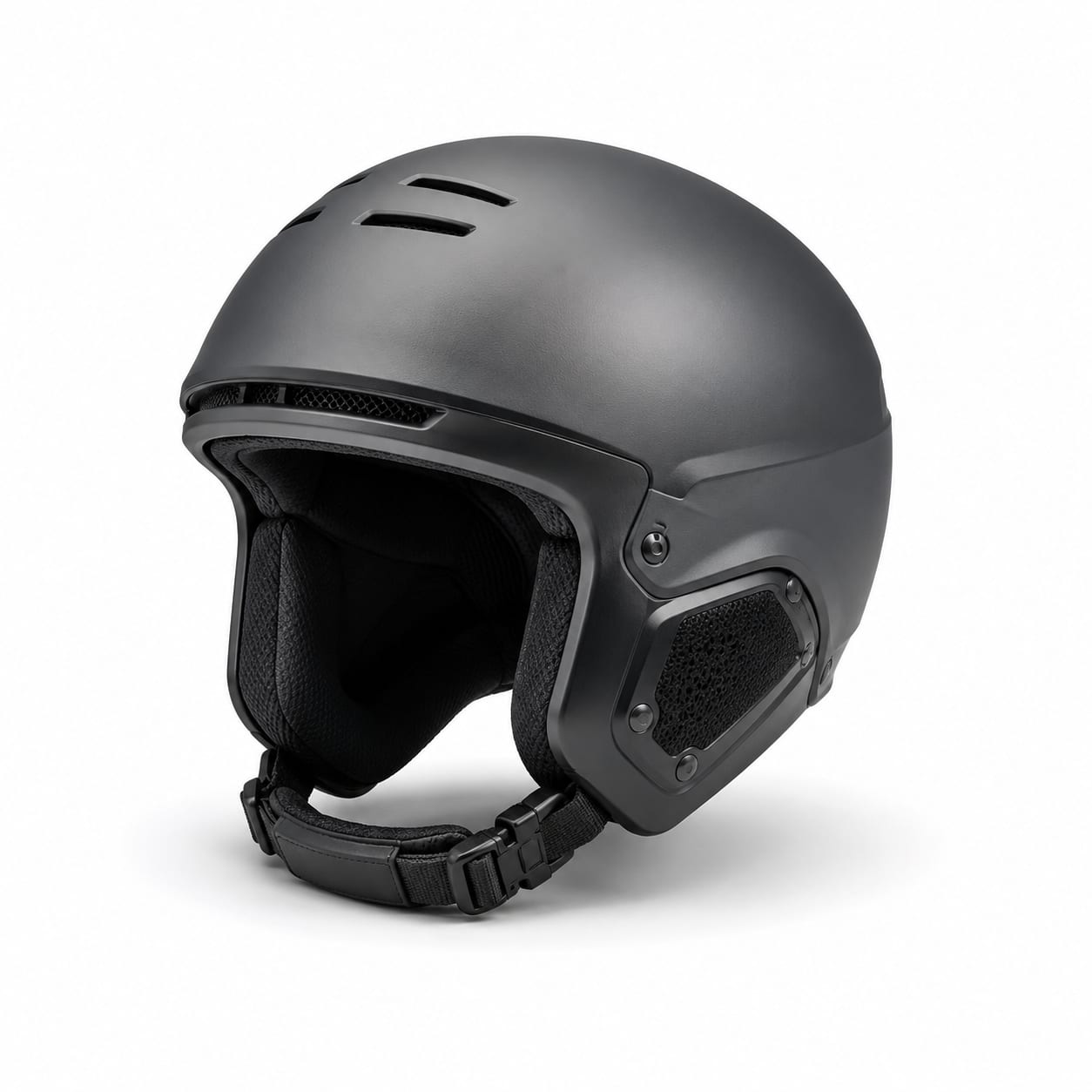
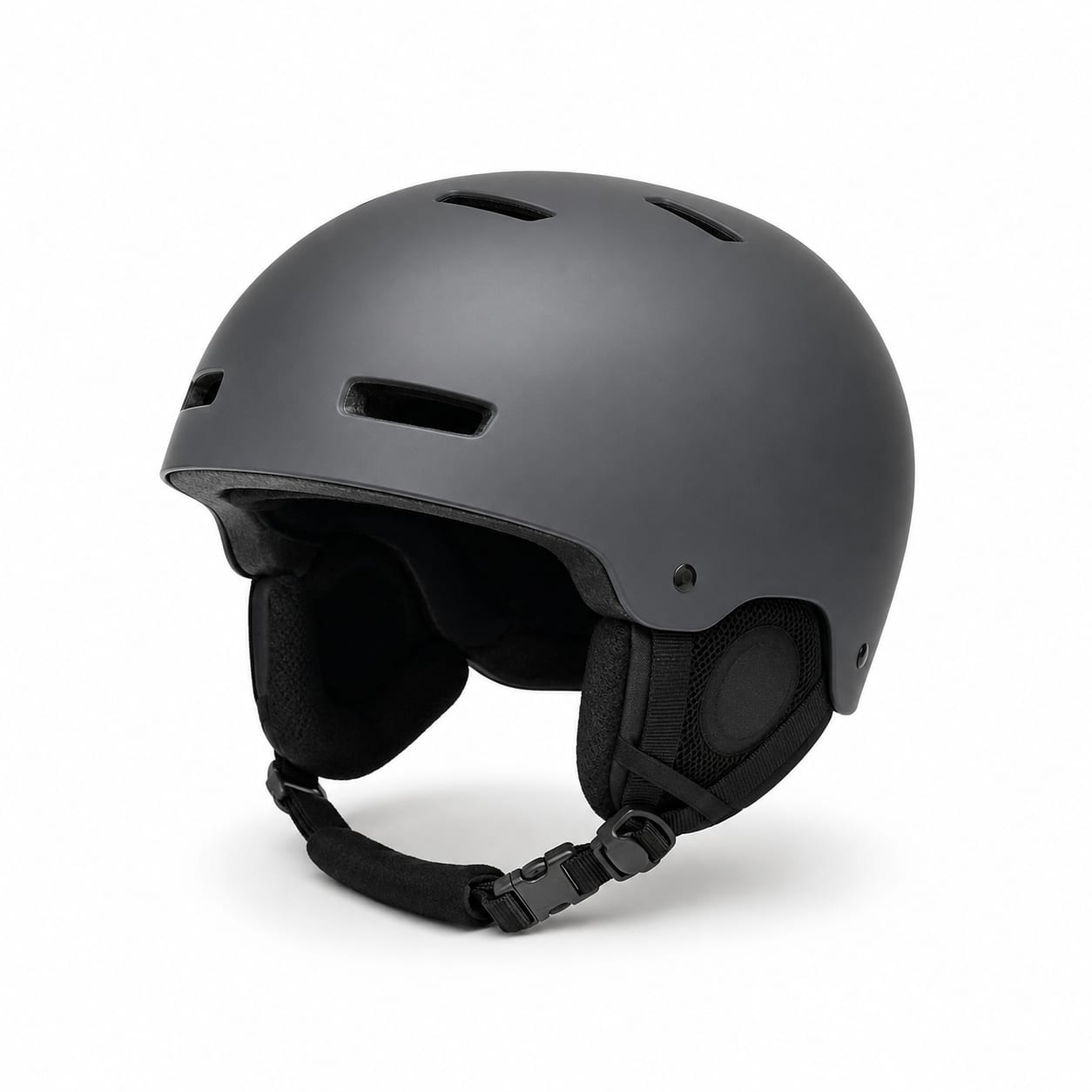
Senior/fit-optimized helmets are almost exclusively half-shell designs, which provide the best balance of coverage, warmth, and comfort for resort skiing. The ear coverage from half-shell ear pads is important for warmth and protection.

Compared to other types

Unlike freestyle helmets which prioritize low-profile aesthetics, senior helmets use the half-shell form factor with fuller coverage and more substantial ear pads for warmth and protection.

Why it matters: Half-shell helmets offer the coverage seniors need for protection while remaining comfortable and compatible with all goggle styles. Full-shell helmets are too heavy and restrictive, while freestyle and mountaineering styles lack the insulation and coverage most senior skiers prefer.

Size (Head Circumference)

Size

What it means

The head circumference measurement the helmet is designed to fit, typically measured in centimeters around the widest part of the head above the eyebrows.

Typical for this type

52-64 cm

Most common pick: 55-61 cm

In practice

Senior helmets often come in extended size ranges to accommodate the wider variety of head shapes found in older adults. Many brands offer XS through XL sizing with overlap between sizes for better fit options.

Compared to other types

Senior helmets tend to have more size increments and wider adjustment ranges within each size compared to standard or youth helmets, reflecting the greater variability in head shapes among older adults.

Why it matters: Proper fit is the single most important factor in helmet effectiveness. A helmet that's too loose can shift during impact, while one that's too tight causes pressure headaches that discourage wearing it. Seniors are more sensitive to both issues.

Construction

Construction Type

What it means

The method used to join the outer shell and inner foam liner, which affects weight, durability, and impact absorption characteristics.

Typical for this type

In Mold Or Hybrid

In practice

In-mold construction is preferred for senior helmets because it typically saves 50-100g compared to hardshell construction. Hybrid construction is also common in premium models, offering weight savings on top with durability on the lower section.

Compared to other types

Unlike rental or youth helmets that prioritize hardshell durability, senior helmets prioritize in-mold or hybrid construction for weight savings, accepting that the shell may show cosmetic wear more easily.

Why it matters: Weight reduction is a primary concern for senior skiers who experience neck fatigue more quickly. In-mold construction provides the lightest helmet for a given size, directly reducing strain over long ski days.

Rotational Protection

Rotational Impact Protection

What it means

Technology designed to reduce rotational forces on the brain during oblique impacts. Rotational forces are a leading cause of concussions and traumatic brain injuries in skiing.

Typical for this type

Mips (Strongly Recommended)

In practice

MIPS is the most common and widely available rotational protection system in senior helmets. It adds minimal weight and cost while providing proven reduction in rotational forces transmitted to the brain during oblique impacts.

Compared to other types

While MIPS is recommended across all subcategories, it is especially critical for senior helmets where the consequences of a brain injury are more severe and recovery is longer.

Why it matters: This is arguably the most critical feature for senior skiers. Concussion recovery times increase significantly with age, and rotational forces from angled impacts are the primary cause of concussions in skiing. MIPS reduces these forces by allowing 10-15mm of relative movement between the head and helmet liner.

Certification

Certification Standard

What it means

The safety certification standard(s) the helmet meets or exceeds. Different standards have different testing protocols and protection requirements.

Typical for this type

CE EN1077 Class A And/Or ASTM F2040 (Minimum)

Most common pick: CE EN1077 Class A, ASTM F2040

In practice

Most senior helmets carry both CE EN1077 Class A and ASTM F2040 certifications, meeting European and American safety standards. Class A is preferred over Class B because it includes ear coverage testing, which is important for the falls seniors are more susceptible to.

Compared to other types

Senior helmets prioritize Class A certification over Class B, whereas freestyle helmets often use Class B. The extra coverage testing aligns with the protection-first priority of this subcategory.

Why it matters: Class A certification ensures the helmet has been tested for impacts to the ear area, providing more comprehensive protection. Seniors who may fall more frequently or have slower reaction times benefit from the additional coverage testing.

Ventilation

Ventilation Type

What it means

The ventilation system design, which affects temperature regulation, fog prevention for goggles, and comfort in varying weather conditions.

Typical for this type

Adjustable

In practice

Adjustable vents are standard on senior helmets, allowing skiers to regulate temperature without removing the helmet. This is important because seniors are more susceptible to both overheating and chilling.

Compared to other types

Senior helmets always feature adjustable vents, whereas some budget or freestyle helmets use fixed vents. The adjustability is considered essential rather than optional for this subcategory.

Why it matters: Adjustable vents prevent the cycle of overheating (which causes sweating and then chilling) that is particularly problematic for older skiers. They also help prevent goggle fogging, which is a safety concern for skiers with already-declining vision.

Weight

Weight

What it means

The total weight of the helmet in grams. Lighter helmets reduce neck fatigue on long days but may sacrifice some features or durability.

Typical for this type

330-430g

Most common pick: 370g

In practice

Senior helmets target the lighter end of the weight spectrum, typically 330-430g for a medium size. This is 50-100g lighter than many standard hardshell helmets and reduces neck fatigue significantly over a full day.

Compared to other types

Senior helmets are consistently lighter than standard all-mountain helmets (which average 400-500g) and much lighter than racing helmets. Only mountaineering helmets are typically lighter, but they sacrifice warmth and features.

Why it matters: Neck muscle strength declines with age, making helmet weight a more significant factor for comfort and safety. A lighter helmet reduces fatigue, prevents tension headaches, and makes the helmet less likely to be abandoned in the lodge.

Fit System

Fit Adjustment System

What it means

The mechanism used to fine-tune the helmet's fit to the head after selecting the appropriate size. A good fit system ensures the helmet stays securely in place during impacts.

Typical for this type

Dial Boa Or Ergo Dial

In practice

BOA or equivalent dial fit systems are essentially mandatory for senior helmets. They allow one-handed micro-adjustments that can be made while wearing gloves, accommodating changes in fit throughout the day.

Compared to other types

While dial systems are common across mid-range and premium helmets, they are universal in the senior subcategory. Budget helmets with pad-only systems are not appropriate for this use case.

Why it matters: Dial systems solve two critical senior needs: easy adjustment for arthritic or weak hands, and precise fit that eliminates pressure points. The ability to make small adjustments throughout the day (tighter in the morning cold, looser as the day warms) is invaluable.

Goggle Fit

Goggle Compatibility

What it means

How well the helmet integrates with ski goggles, including the absence of a gaper gap, secure goggle strap attachment, and proper vent alignment to prevent fogging.

Typical for this type

Integrated Clip Or Matched System

In practice

Senior helmets feature integrated goggle clips that are easy to use with gloves and don't require fine motor skills. Some premium models offer matched brand systems for seamless integration with specific goggles.

Compared to other types

Senior helmets prioritize functional goggle integration over the cleaner aesthetic of silicone grip strips. The clip is always easy to find and operate, even with numb fingers.

Why it matters: Fumbling with goggle straps in cold weather is frustrating for any skier but especially difficult for those with reduced dexterity. Integrated clips that are easy to locate and use with gloves make the goggle-helmet interface hassle-free.

Ear Pads

Ear Pad Type

What it means

The style and removability of ear protection, which affects warmth, hearing ability, and versatility across seasons and conditions.

Typical for this type

Removable Insulated

In practice

Removable insulated ear pads are standard, providing warmth for cold days and the option to remove them for spring skiing. The insulation is typically generous in senior helmets for maximum warmth.

Compared to other types

Senior helmets use thicker, more plushly insulated ear pads than freestyle or mountaineering helmets. Fixed ear pads are avoided because they limit versatility and prevent cleaning.

Why it matters: Ear warmth is particularly important for older skiers who may be more susceptible to cold-related ear discomfort and who may wear hearing aids that need accommodation. Removable pads also allow for cleaning and replacement.

Liner

Liner Material

What it means

The inner liner material that contacts the head, providing comfort, moisture management, and additional impact absorption.

Typical for this type

Eps Merino Or Multi Density Eps

In practice

Premium senior helmets often feature merino wool liner covers for natural temperature regulation and odor resistance, or multi-density EPS for optimized impact absorption across different impact severities.

Compared to other types

Senior helmets are more likely to use premium liner materials than standard helmets, reflecting the priority on comfort and the willingness of this demographic to invest in quality.

Why it matters: Merino wool liners provide superior comfort against the skin, natural temperature regulation that reduces hot/cold cycling, and odor resistance that means less frequent washing. Multi-density EPS offers better protection for the types of falls seniors are more likely to experience.

Audio Compatible

Audio Ready

What it means

Whether the helmet is designed to accommodate audio speakers or headphones, either with built-in speakers or compatible ear pads with speaker pockets.

Typical for this type

True (Optional But Common)

In practice

Many senior helmets are audio-compatible, with ear pads designed to accept drop-in speakers. This allows skiers to listen to music or use communication devices, though it should be used cautiously to maintain situational awareness.

Compared to other types

Audio readiness is more common in senior helmets than in mountaineering or racing helmets, and is offered as a convenience feature rather than a primary selling point.

Why it matters: Audio compatibility is popular among senior skiers who enjoy music on the mountain or who use communication systems to stay in touch with family members. However, it's important to use open-ear designs that don't completely block ambient sounds.

Washable Liner

Removable Washable Liner

What it means

Whether the interior padding and liner can be removed for washing, which affects hygiene and longevity of the helmet.

Typical for this type

True (Strongly Recommended)

In practice

Removable, washable liners are a standard feature in senior helmets. They allow for regular cleaning to maintain hygiene, faster drying between ski days, and replacement of worn padding to extend helmet life.

Compared to other types

While removable liners are becoming more common across all subcategories, they are essentially universal in senior helmets, where the convenience and hygiene benefits are most valued.

Why it matters: Hygiene and comfort are high priorities for senior skiers. A removable liner can be hand-washed to eliminate odor and bacteria, dried separately to ensure it's fully dry before the next use, and replaced if the padding compresses over time.

Shell Material

Shell Material

What it means

The material used for the outer shell of the helmet, which affects durability, weight, and appearance.

Typical for this type

Polycarbonate

In practice

Polycarbonate shells are standard for senior helmets, used in in-mold construction to provide the best strength-to-weight ratio. This keeps the helmet light while maintaining adequate durability for recreational skiing.

Compared to other types

Senior helmets use polycarbonate almost exclusively, whereas budget and rental helmets use heavier ABS. Carbon fiber is available in some premium models but the cost premium is rarely justified for the minimal additional weight savings.

Why it matters: Polycarbonate shells in in-mold construction produce the lightest helmets, which is the top priority for reducing neck fatigue. The trade-off in scratch and dent resistance is acceptable for senior skiers who typically handle their equipment more carefully than rental fleets or kids.

Number of Vents

Number of Vents

What it means

The total count of ventilation openings on the helmet. More vents provide better airflow but may reduce warmth.

Typical for this type

8-14 adjustable vents

Most common pick: 10

In practice

Senior helmets typically have 8-14 vents, all adjustable. This provides sufficient airflow for temperature regulation without creating cold spots when vents are closed. The emphasis is on adjustability rather than maximum vent count.

Compared to other types

Senior helmets have similar vent counts to standard all-mountain helmets but place more emphasis on having all vents be adjustable, whereas some standard helmets mix adjustable and fixed vents.

Why it matters: Proper ventilation prevents the overheating-chilling cycle that is particularly uncomfortable and potentially dangerous for older skiers. Adjustable vents allow precise temperature control without removing the helmet or goggles.

Brim or Visor

Brim / Visor

What it means

Whether the helmet includes a brim or visor for sun protection, weather deflection, and goggle integration.

Typical for this type

Integrated Brim Or None

In practice

Many senior helmets include an integrated brim to reduce sun glare and deflect precipitation from goggles. This is particularly helpful for older skiers whose eyes may be more sensitive to bright light and who may wear prescription goggles.

Compared to other types

Integrated brims are more common in senior helmets than in freestyle or racing helmets, reflecting the practicality-over-style priority of this subcategory.

Why it matters: An integrated brim reduces glare and keeps snow and rain off goggles, improving visibility. For senior skiers who may already have declining vision, anything that improves visual clarity is a significant safety benefit.

Buckle Type

Chin Strap Buckle Type

What it means

The type of buckle used on the chin strap, which affects ease of use, especially with gloves, and security of the closure.

Typical for this type

Fidlock (Strongly Recommended)

In practice

Fidlock magnetic buckles are the defining feature of many senior helmets. They snap closed automatically with magnetic guidance and release with a simple sideways slide — no pinching, no threading, no fine motor skills required.

Compared to other types

Fidlock buckles are available across premium helmets but are considered essential rather than optional in the senior subcategory. This is the feature most frequently cited by older skiers as making the biggest daily difference.

Why it matters: This is perhaps the single most impactful usability feature for senior skiers. Traditional side-release buckles require pinching and simultaneous sliding that can be difficult or painful with arthritis, neuropathy, or simply cold, numb fingers. Fidlock buckles can be operated effortlessly with one hand while wearing thick gloves.

Evaluation

Strengths and trade-offs

Pros

What this type does best

Effortless operation with Fidlock magnetic buckle

Critical

The magnetic chin buckle snaps closed automatically and releases with a simple sideways slide, making it usable even with severe arthritis or thick gloves. This is the most praised feature among senior skiers and removes a significant barrier to consistent helmet use.

Lightweight construction reduces neck fatigue

High

In-mold construction with polycarbonate shells keeps weight in the 330-430g range, significantly reducing the neck strain and tension headaches that cause many older skiers to remove their helmets mid-day.

Dial fit system enables easy, precise adjustment

High

BOA or equivalent dial systems allow one-handed micro-adjustments that accommodate changes in fit throughout the day, beanie thickness, and varying comfort preferences — all without removing the helmet or goggles.

MIPS rotational protection standard

Critical

Nearly all senior helmets include MIPS, providing proven reduction in rotational forces during oblique impacts. This is especially important given the longer recovery times and greater severity of brain injuries in older adults.

Pressure-free comfort for all-day wear

High

Generous padding, smooth internal surfaces, and precise fit adjustment eliminate the pressure points and hot spots that older scalps are more sensitive to. Removable, washable liners maintain comfort and hygiene over seasons of use.

Integrated brim reduces glare and improves visibility

Medium

Built-in brims deflect sun glare and precipitation from goggles, improving visual clarity for skiers whose eyes may be more sensitive to bright light or who wear prescription goggles.

Adjustable ventilation prevents overheating cycle

High

Full adjustable ventilation allows precise temperature control, preventing the sweating-then-chilling cycle that is particularly uncomfortable and potentially risky for older skiers with cardiovascular concerns.

Cons

Trade-offs to be aware of

Higher price point than standard helmets

Moderate

The combination of MIPS, Fidlock buckle, dial fit system, and premium liner materials typically puts senior helmets in the $150-300+ range, compared to $60-120 for basic helmets. The features are worth it, but the cost can be a barrier.

Limited style options compared to mainstream helmets

Minor

The senior helmet market is smaller, meaning fewer color choices, graphic options, and brand selections. Skiers looking for a specific aesthetic may find the options limited.

In-mold shells show wear more readily

Minor

The lightweight polycarbonate shells used in in-mold construction dent and scratch more easily than ABS hardshells. While this doesn't affect safety, it can make the helmet look worn sooner, which may bother appearance-conscious skiers.

May not accommodate very large head sizes

Moderate

Despite extended size ranges, some senior helmets max out at 61-63cm. Seniors with very large heads (64cm+) may find fewer options and may need to look at standard helmets in XL sizes rather than specifically senior-optimized models.

MIPS can add slight bulk and reduce internal volume

Minor

The MIPS liner adds a thin layer inside the helmet that slightly reduces the effective internal volume. Seniors with very large heads or thick hair may find that a MIPS helmet fits tighter than expected and may need to size up.

Best for

Terrain

Groomed runsAll-mountain resort terrainMogulsBlue and green cruisers

Snow conditions

Cold winter daysVariable conditionsSunny days with glareSpring skiing with adjustable vents

Skill level

IntermediateAdvancedExpert seniors

Riding style

Recreational cruisingAll-mountainSocial skiingSenior racing leagues

Rider profile

Skiers over 55 with dexterity concernsSkiers with arthritis or limited hand strengthSkiers prone to neck fatigue or tension headachesSkiers recovering from previous concussionsSkiers who prioritize comfort and ease of useSkiers who wear hearing aids or prescription goggles

Not ideal for

Reasons

Too warm and insulated for high-output uphill travelNot designed for the specific impact patterns of park ridingDoes not meet FIS racing certification requirementsHigher cost may not be justified for occasional skiers

Terrain

Backcountry touring (too warm and heavy for uphill)Terrain park (not designed for repeated low-angle impacts)

Skill level

Beginners who may prefer a less expensive first helmetCompetitive racers needing FIS-approved helmets

Riding style

Freestyle park ridingSpeed skiingSki mountaineering

Compare

How it stacks up

This page

Senior/Fit-Optimized Helmet

Fidlock buckle, lighter weight, and pressure-free fit design specifically address the needs of older skiers. Standard helmets often have side-release buckles that are difficult with limited dexterity and heavier construction that causes neck fatigue.

Alternative

Standard All-Mountain Helmet

Standard helmets offer more style options, lower prices, and wider availability. Many standard helmets have the same safety features (MIPS, certification) if you select carefully.

Bottom line

If you have any dexterity limitations, neck fatigue concerns, or pressure point sensitivity, the senior-optimized helmet is worth the premium. If you have no such concerns, a well-equipped standard helmet with MIPS and a dial system may serve you equally well at a lower price.

This page

Senior/Fit-Optimized Helmet

Significantly warmer with insulated ear pads, better impact coverage (Class A certification), and easier operation with gloves. The integrated brim reduces glare that park helmets don't address.

Alternative

Freestyle/Park Helmet

Freestyle helmets are typically less expensive, have a lower-profile look, and are lighter in some cases. They work well for skiers who run hot and prefer minimal insulation.

Bottom line

Senior skiers should generally avoid freestyle helmets due to the lack of insulation, Class B certification with less coverage, and minimal ear protection. The warmth and coverage of a senior-optimized helmet is more appropriate for most older skiers.

This page

Senior/Fit-Optimized Helmet

Much warmer for resort skiing, with insulated ear pads and fuller coverage. More comfortable for lift-served skiing with plush liners and better weather sealing. Typically less expensive than touring-specific models.

Alternative

Mountaineering / Touring Helmet

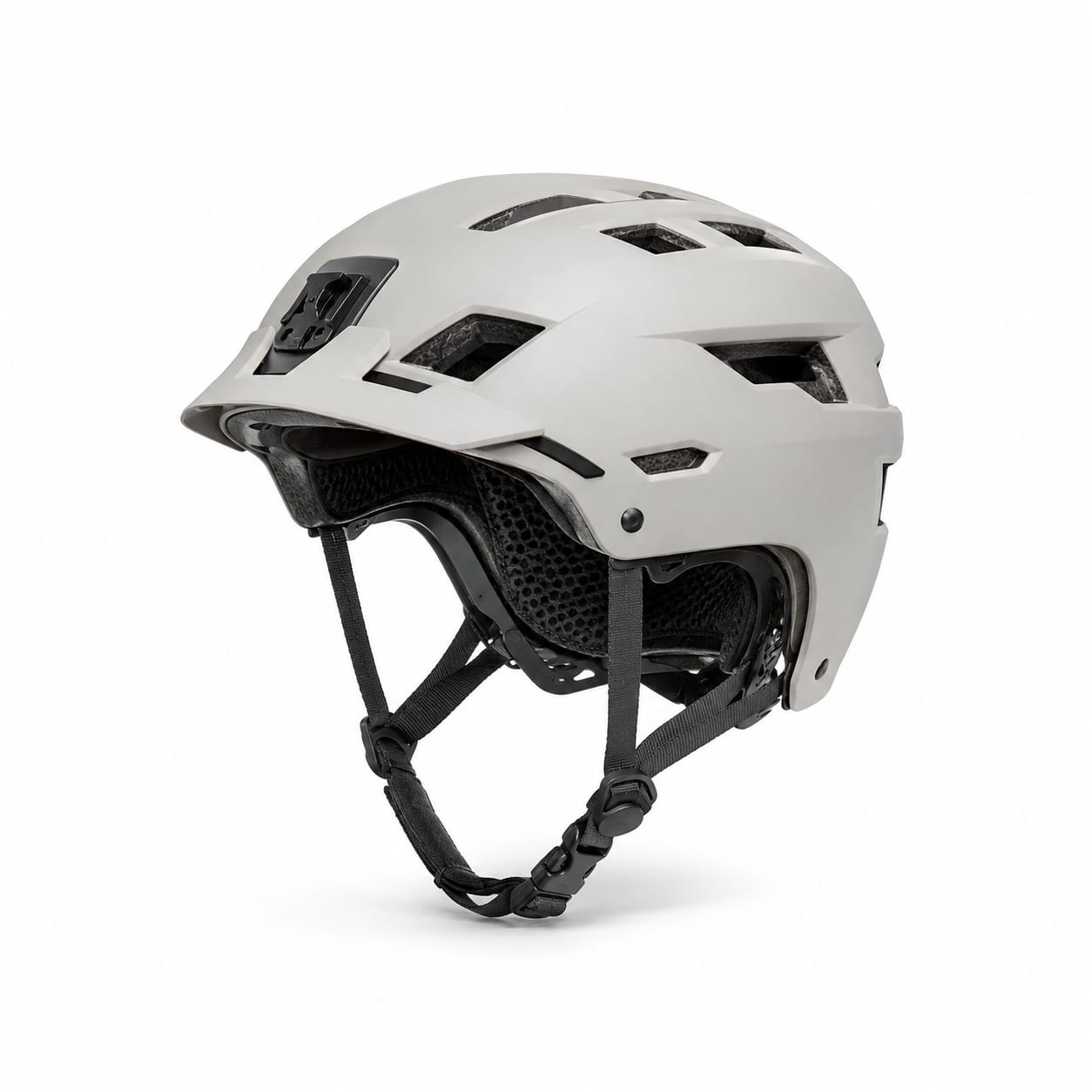
Mountaineering helmets are significantly lighter (280-350g), much better ventilated for uphill travel, and often have headlamp clips for early starts. They're the right choice for any skiing involving significant climbing.

Bottom line

Choose the senior-optimized helmet for lift-served resort skiing. Choose a mountaineering helmet only if you regularly skin uphill, as the lack of insulation and minimal ear coverage will be uncomfortably cold for resort laps.

This page

Senior/Fit-Optimized Helmet

Far more comfortable, lighter, better ventilated, and significantly less expensive. The half-shell design allows normal conversation, better hearing, and compatibility with standard goggles. No need for a separate chin guard.

Alternative

Racing Helmet (Full Shell)

Racing helmets provide maximum protection with full jaw coverage and meet FIS competition standards. They're mandatory for sanctioned racing events.

Bottom line

Unless you're competing in sanctioned races that require FIS-approved helmets, the senior-optimized helmet provides better comfort and sufficient protection for recreational skiing. Full-shell racing helmets are overkill for general use.

Shopping

Buying tips

  • 1

    Prioritize the Fidlock magnetic buckle — it's the single most impactful usability feature for senior skiers and should be a non-negotiable requirement when shopping.

  • 2

    Always choose MIPS or equivalent rotational protection. The modest cost increase is trivial compared to the medical costs and recovery time of a concussion, which becomes more serious with age.

  • 3

    Try the helmet on with your goggles AND any beanie or headband you typically wear. The fit changes significantly with layers, and you need to verify there's no gaper gap or pressure points with your complete setup.

  • 4

    Size up if you're between sizes — a slightly larger helmet with the dial tightened is more comfortable and adjustable than a slightly small helmet at maximum extension. You can always tighten a dial, but you can't make a too-small helmet bigger.

  • 5

    Look for CE EN1077 Class A certification rather than Class B. The ear coverage testing in Class A is important for the types of falls seniors are more susceptible to.

  • 6

    If you wear hearing aids, look for helmets with removable ear pads and generous internal volume. Try the helmet on with your hearing aids in place to ensure they're not pressed uncomfortably.

  • 7

    Consider a helmet with an integrated brim if you ski in sunny conditions or wear prescription goggles. The glare reduction is a meaningful safety benefit for aging eyes.

  • 8

    Don't compromise on the dial fit system — pad-only systems don't provide the micro-adjustability needed to eliminate pressure points and accommodate layer changes throughout the day.

Care

Maintenance notes

  • Hand-wash the removable liner regularly (every 5-10 ski days) with mild soap and cold water. Never machine wash or use hot water, which can damage the padding and antimicrobial treatments.
  • Always allow the helmet and liner to air dry completely at room temperature after each use. Never place it near a heater, fireplace, or in a hot car, as heat can deform the EPS foam and compromise impact absorption.
  • Inspect the MIPS layer periodically to ensure it moves freely. If the MIPS liner becomes stuck or restricted, the helmet should be replaced.
  • Replace the helmet after any significant impact, even if no damage is visible. EPS foam is designed to deform permanently to absorb energy, and a compromised liner may not protect in a subsequent crash.
  • Replace the helmet every 3-5 years regardless of visible condition, as UV exposure and material aging gradually reduce the EPS foam's impact absorption capacity.
  • Store the helmet in a cool, dry place during the off-season with the liner removed and washed. Avoid hanging it by the chin strap, which can stretch the strap over time.
  • Check the Fidlock buckle periodically for smooth operation and clean any ice or debris from the mechanism. A malfunctioning buckle should prompt immediate replacement.

Progression

Skill development path

Senior/fit-optimized helmets are appropriate for intermediate through expert senior skiers. They are not skill-dependent but rather user-need-dependent. A 70-year-old expert and a 55-year-old intermediate both benefit from the same ease-of-use features. The key progression consideration is that as skiers age and develop dexterity limitations, neck weakness, or pressure sensitivity, transitioning from a standard helmet to a senior-optimized model can significantly extend their comfortable skiing years. There is no skill prerequisite — the features benefit any senior skier regardless of ability level.

FAQ

Common questions

Each question has a dedicated page with a full answer and links to the buying guide.

What makes a senior ski helmet different from a regular ski helmet?

Senior ski helmets are specifically designed for the needs of older skiers. The key differences include Fidlock magnetic buckles that are easy to operate with limited dexterity or gloves, lighter in-mold construction to reduce neck fatigue, dial fit systems for easy micro-adjustment, generous padding to eliminate pressure points, and integrated brims to reduce glare for aging eyes. While any certified helmet provides adequate protection, senior helmets make it easier and more comfortable to wear a helmet all day, every day.

Is the Fidlock magnetic buckle really worth the extra cost?

For most senior skiers, yes. The Fidlock buckle is consistently the most praised feature in user reviews. It snaps closed automatically with magnetic guidance and releases with a simple sideways slide — no pinching, no threading, no fine motor skills needed. If you have any arthritis, neuropathy, or simply find traditional buckles frustrating with gloves, the Fidlock buckle removes a daily annoyance and makes you more likely to properly fasten your helmet every run.

Do I really need MIPS if I'm a cautious skier?

Yes. MIPS protects against rotational forces from oblique impacts, which are the most common type of fall in skiing regardless of speed or ability. Even a slow fall on a groomed run can generate dangerous rotational forces if your head hits the snow at an angle. Concussion recovery is longer and more complicated for older adults, making MIPS especially valuable for senior skiers. The $20-40 price premium is negligible compared to the potential medical costs and recovery time.

Can I wear my hearing aids with a senior ski helmet?

Most senior helmets accommodate behind-the-ear hearing aids, especially those with removable ear pads. Look for helmets with generous internal volume and soft, pliable ear pads that won't press against the aids. Try the helmet on with your hearing aids before purchasing. Some skiers remove their hearing aids while skiing and rely on a skiing companion instead, but if you need to wear them, a senior helmet with removable, well-padded ear pads is your best option.