
Ski Knee Pads · FAQ
Questions about Ski Racing Knee Guards
Straight answers on fit, specs, and when this type makes sense — each topic has its own page with links back to the buying guide.
Open Ski Racing Knee Guards guide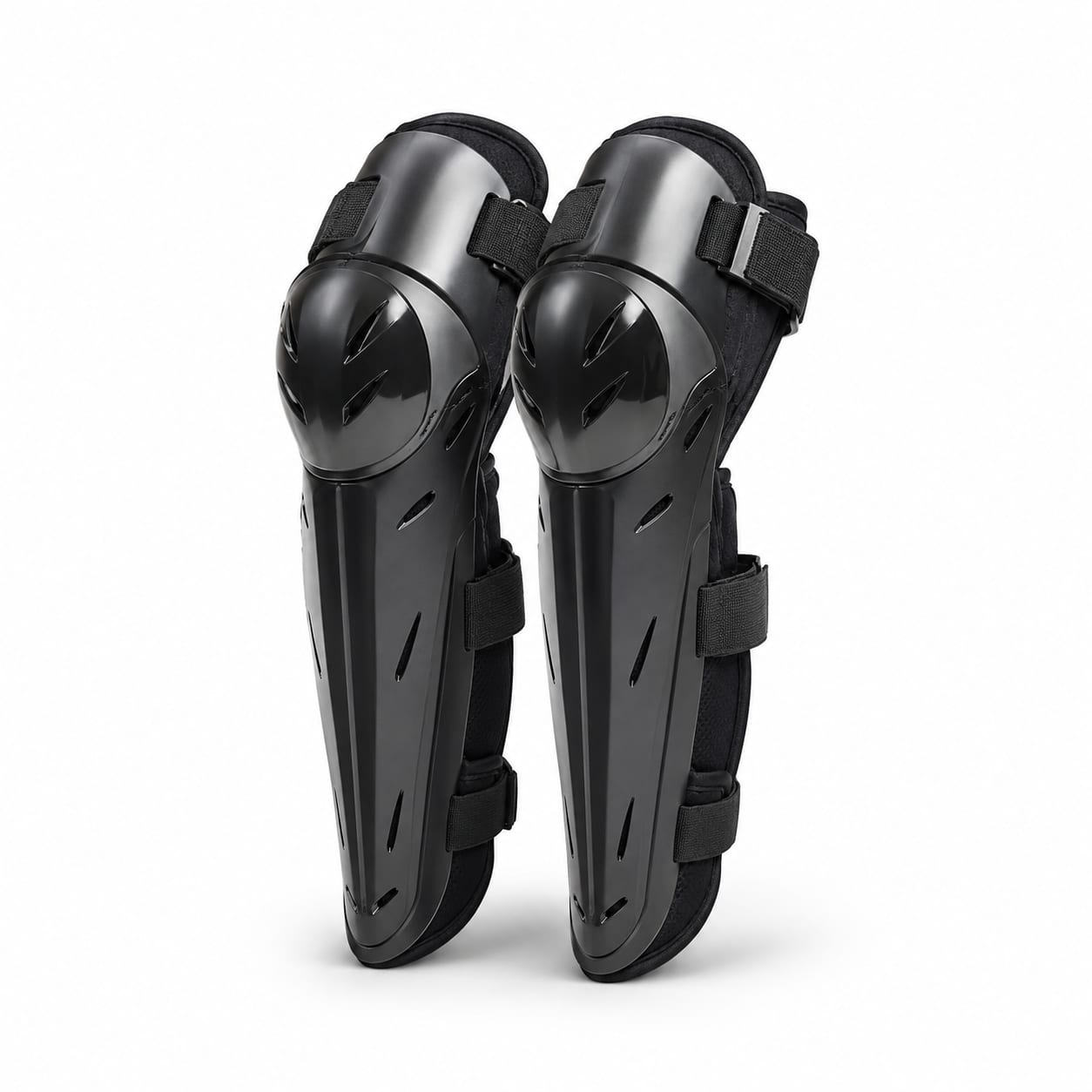
6 topics
Pick a question
Every answer links to the full subcategory guide and related gear types when it helps you decide.
Do I really need racing knee guards for gate training, or can I use my regular knee pads?
Yes, you need racing-specific guards for gate training. Regular knee pads lack the hard shell necessary to deflect gates and cannot handle the concentrated impact force of a gate strike at speed. Using soft pads for gate training risks serious bruising, hematoma, or patellar injury. The hard shell is not optional; it is the feature that makes gate training safe.
Read answer →02What CE certification level do I need for FIS racing?
FIS requires that protective equipment meet applicable safety standards. For knee guards, EN 1621-1 Level 1 is the minimum accepted certification, but Level 2 is strongly recommended and preferred by most competitive racers. Check the specific regulations for your discipline and racing level, as requirements can vary. When in doubt, choose Level 2 for maximum verified protection.
Read answer →03Should I wear racing guards over or under my race suit?
Most racers wear guards over their race suits for practical reasons: they are easier to put on and remove between runs, and the tight fit of race suits makes under-layer wear uncomfortable with bulky guards. However, some racers prefer under-layer wear for aerodynamic and aesthetic reasons. Try both configurations and choose what works best with your specific guard and suit combination.
Read answer →04How do I know if my racing guards fit correctly?
Properly fitting racing guards should cover the kneecap completely with the shell centered on the patella when standing. The top edge should reach at least mid-thigh and the bottom edge should extend to the upper shin. When you bend your knee into a deep flexion, the guard should not dig into your thigh or shin, and the kneecap should remain centered under the shell. Straps should be snug enough to prevent any shifting but not so tight that they restrict circulation or cause discomfort.
Read answer →05How long do racing knee guards last before needing replacement?
The lifespan depends on usage intensity. Guards used for daily gate training may need replacement every 1-2 seasons as the foam padding compresses and loses its impact-absorbing properties. Hard shells can last longer if not cracked, but should be replaced after any severe impact. Recreational racers who train gates occasionally may get 3-5 seasons from quality guards. Inspect padding regularly; if it stays compressed after squeezing, it is time to replace the guards.
Read answer →06Can I use racing knee guards for other sports like mountain biking or motocross?
While racing guards provide excellent impact protection, they are specifically designed for the impact patterns and range of motion of skiing. Mountain biking and motocross have different impact profiles and mobility requirements. Some racing guards may work adequately for these sports, but sport-specific pads will offer better performance and comfort. Additionally, CE certification standards differ between sports, so a ski-certified guard may not meet certification requirements for other activities.
Read answer →