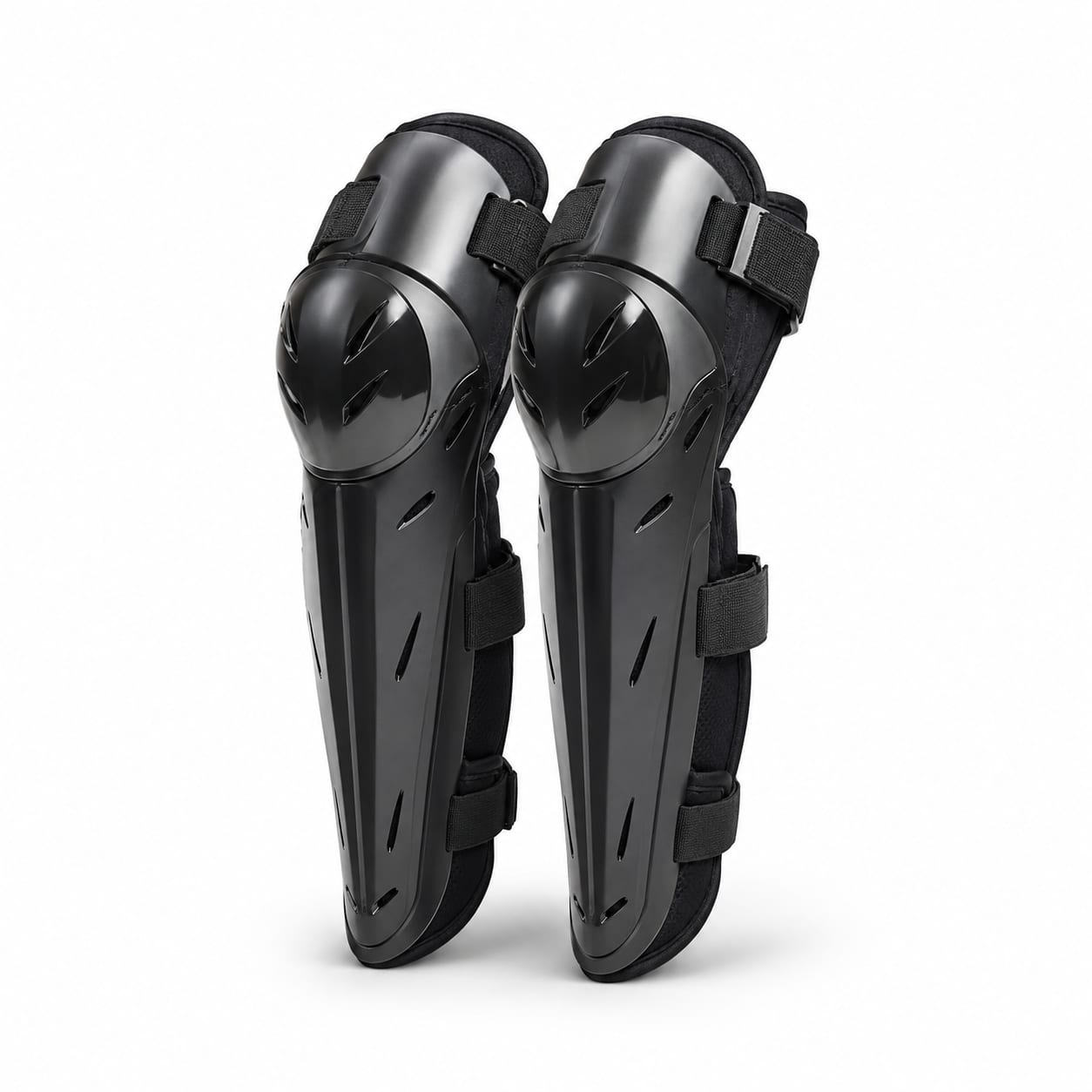
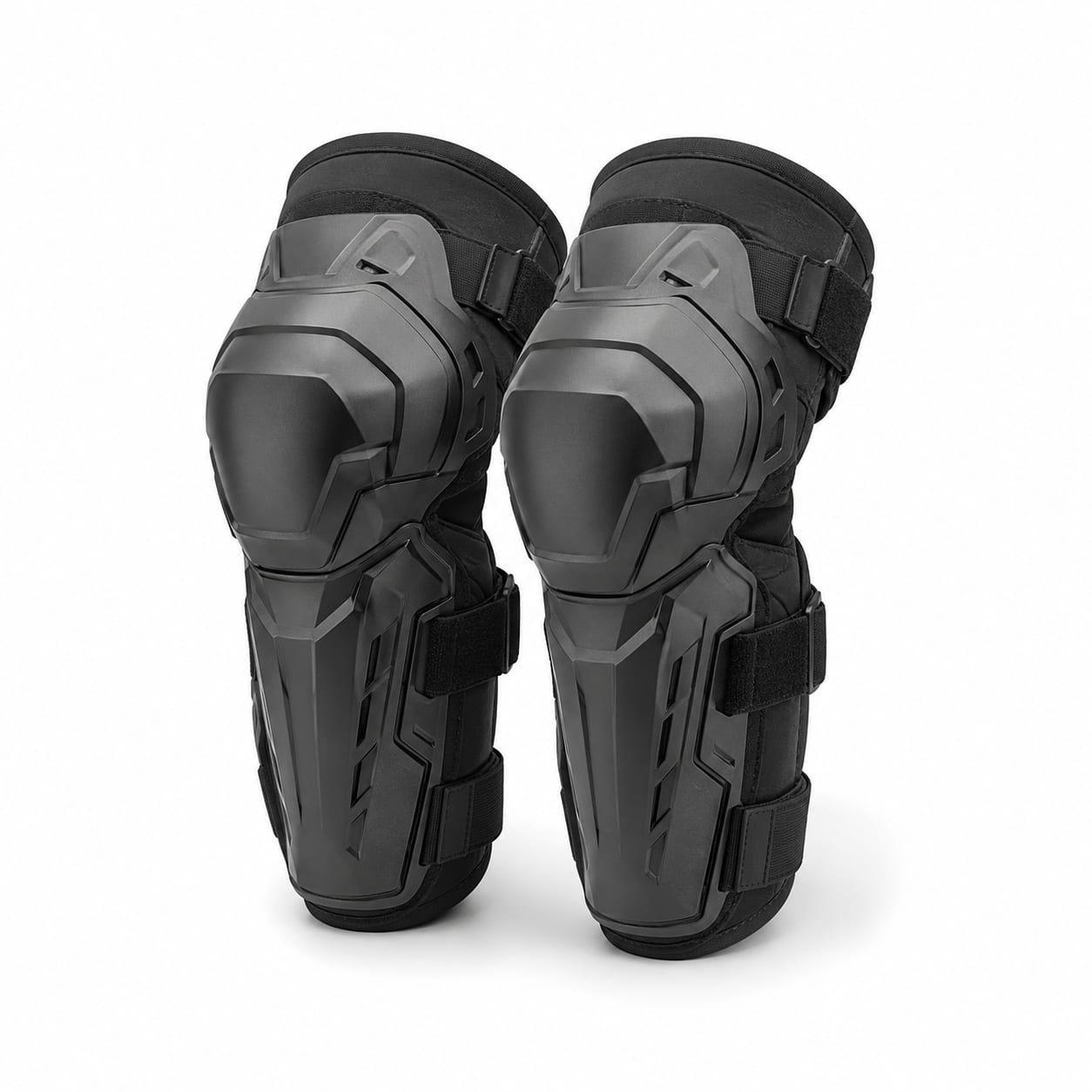
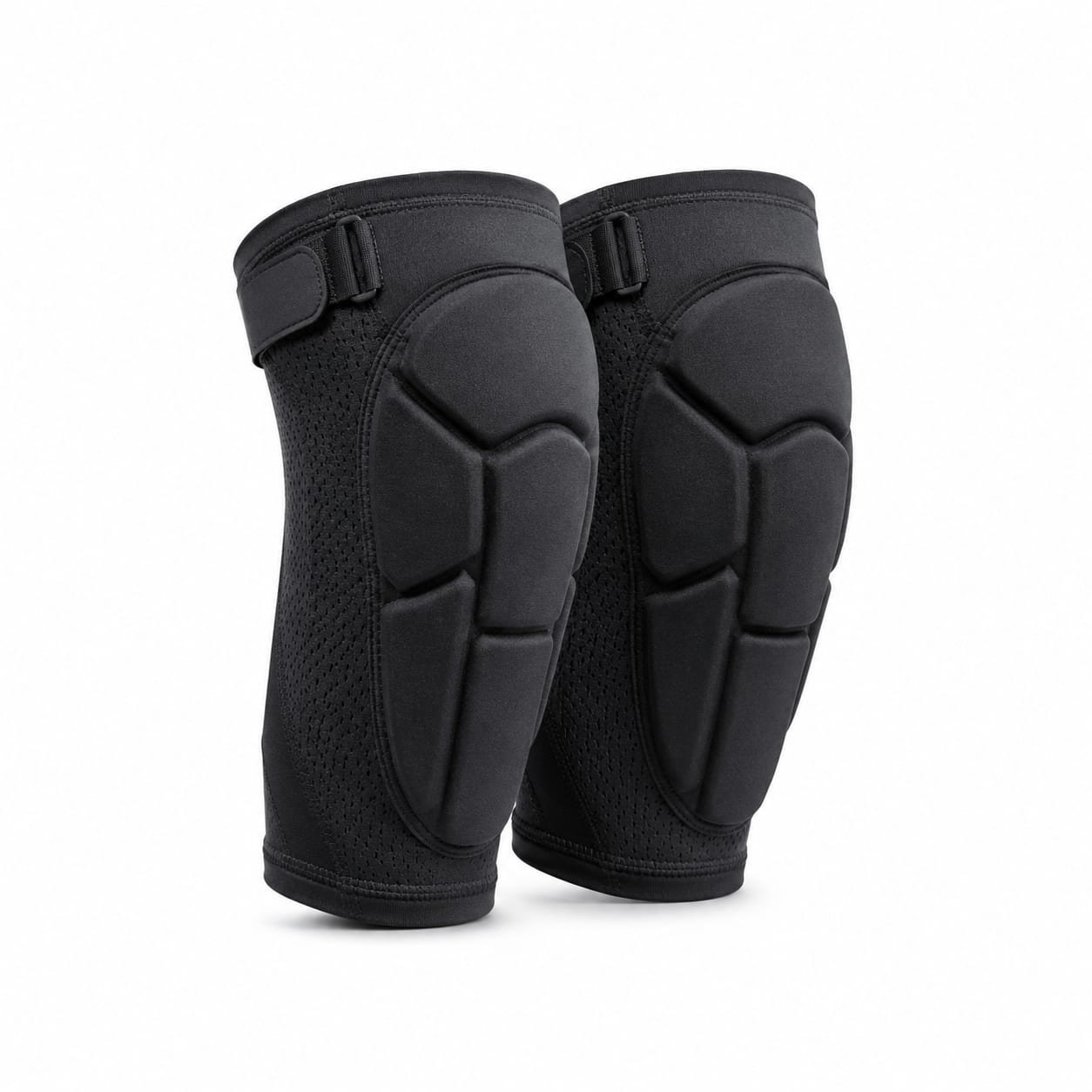
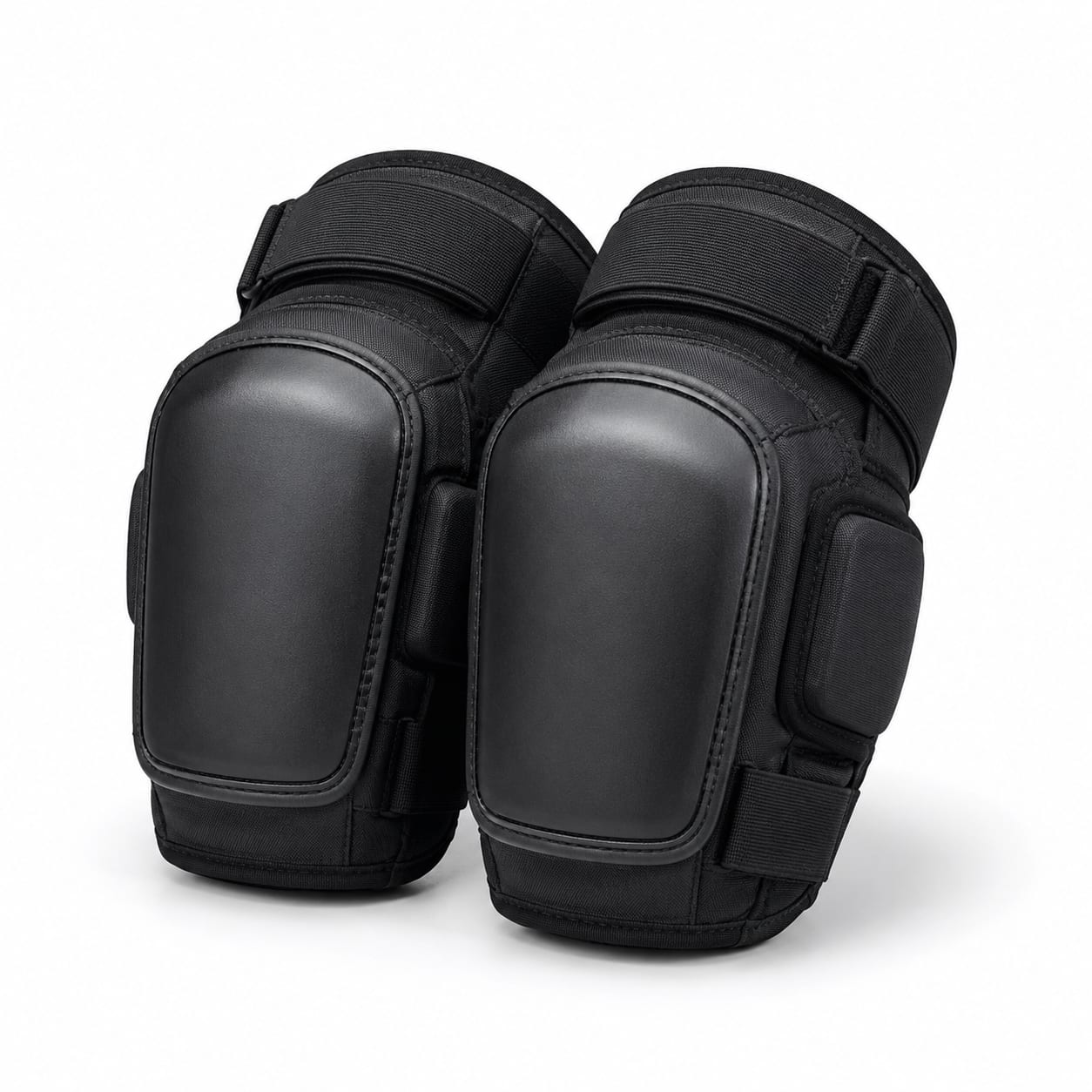
Ski racing knee guards represent the pinnacle of knee protection in alpine skiing, purpose-built for the unique demands of competitive gate training and racing. Unlike recreational knee pads that prioritize comfort and low-profile design, racing guards prioritize maximum impact absorption and force distribution above all else. They are engineered to handle the repeated, high-energy impacts of slalom and giant slalom gates striking the knee at speeds exceeding 40 mph, impacts that would shatter lesser pads and seriously injure unprotected knees.
The defining characteristic of ski racing knee guards is their hard external shell, typically constructed from polyethylene (PE) or polypropylene (PP). This rigid surface serves two critical functions: it distributes the concentrated force of a gate strike across a wider area of the knee, and it allows the gate to slide off rather than absorbing the full impact. This sliding action is essential in slalom racing where athletes may contact 50+ gates in a single run, and any energy absorbed by the body slows the skier and increases injury risk.
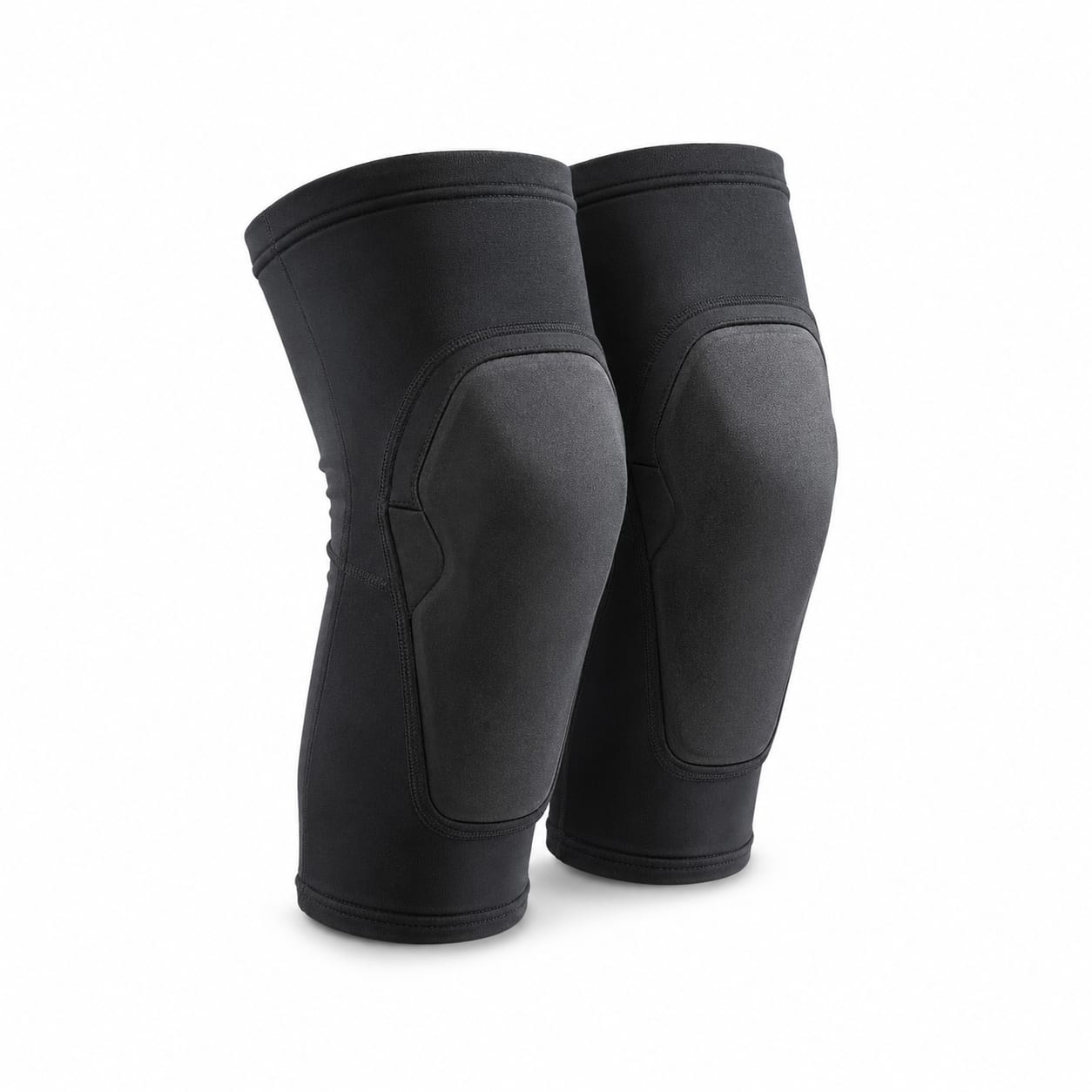
Inside the hard shell, racing guards employ multi-layer padding systems that often combine EVA foam for baseline cushioning with advanced impact materials like Poron XRD or D3O for energy absorption at high strain rates. The padding thickness in racing guards typically ranges from 15mm to 25mm, substantially more than recreational pads, creating a buffer zone between the hard shell and the knee. This layered approach ensures that any force not deflected by the shell is progressively absorbed before reaching the patella and surrounding tissue.
Coverage area is where racing guards most dramatically differ from other knee pads. The extended design protects from mid-thigh to mid-shin, encompassing the entire zone where gates make contact during aggressive angulation. This extended coverage is not optional for competitive racers; a gate strike to an unprotected area of the upper shin or lower thigh at race speeds can cause deep bruising, hematoma, or even bone fractures. The trade-off for this comprehensive protection is bulk and weight, with racing guard pairs typically weighing between 600g and 1000g.
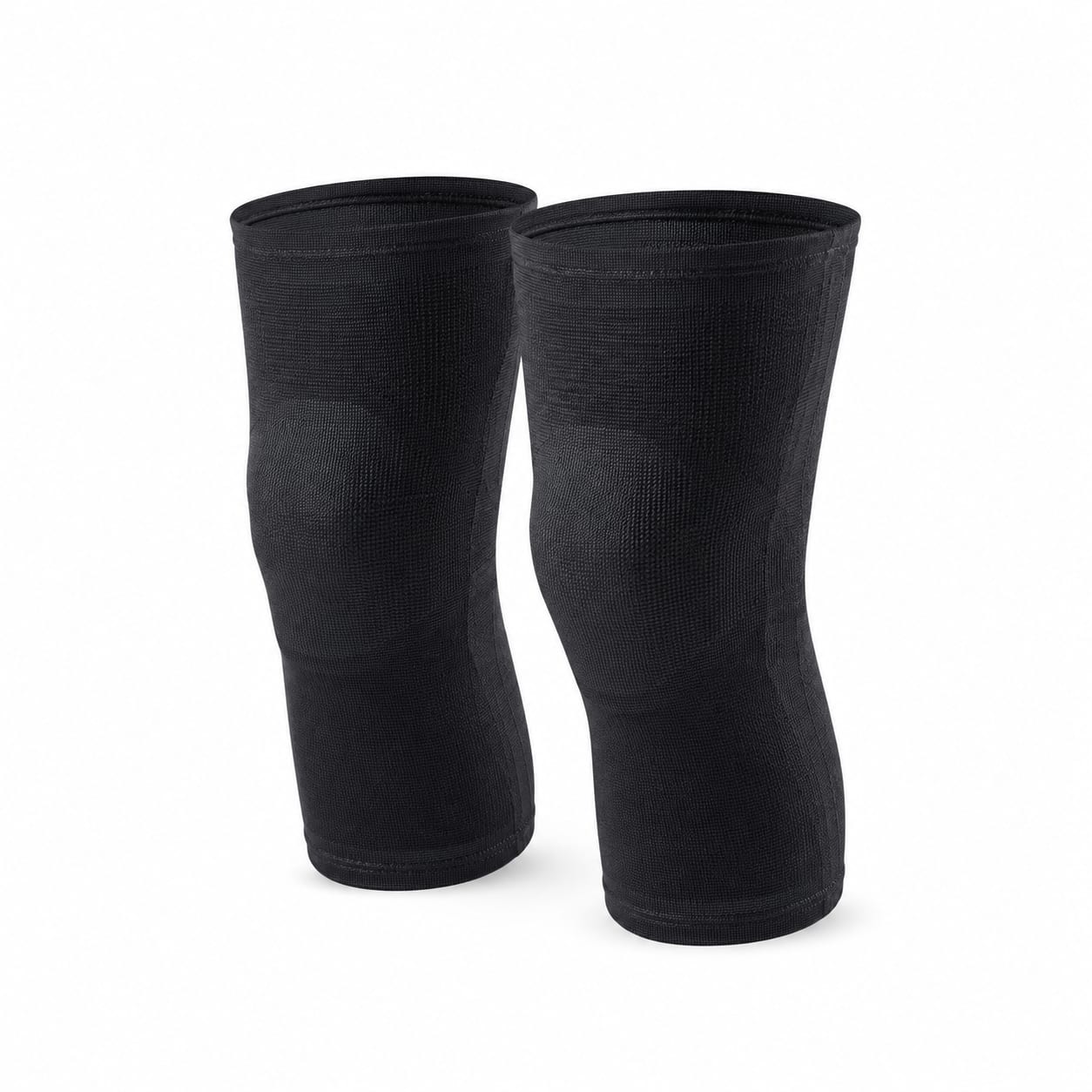
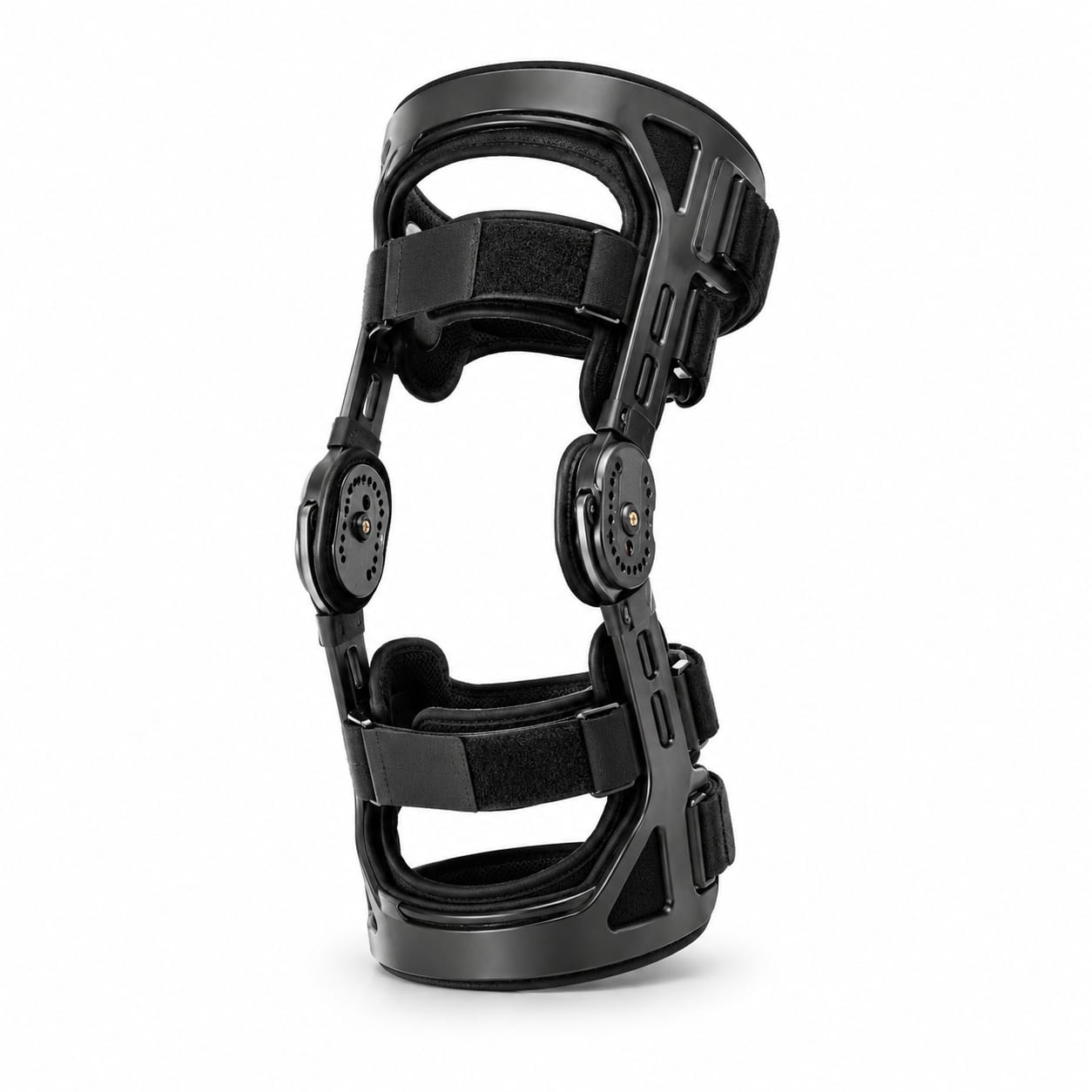
Fit and retention systems on racing guards are designed for absolute security under extreme forces. Buckle strap systems are the gold standard, providing precise adjustment that will not slip or release during a crash. Many racing guards use a combination of a compression sleeve base with over-strapping, creating a hybrid system that positions the guard accurately and locks it in place. The articulation design is equally important; hinged or multi-panel construction allows the guard to flex with the knee through the deep flexion angles required in racing technique, preventing the shell from digging into the thigh or shin when the knee is fully bent in a tuck position.
For racers competing under FIS regulations, CE certification is not merely a recommendation but a requirement. EN 1621-1 Level 2 certification ensures that the guard transmits no more than 20 kN of force from a 50 kN impact, the highest standard available for limb protectors. This certification provides verifiable proof of protection that uncertified pads cannot match, and race officials may check for compliance. While the bulk, weight, and restricted mobility of racing guards make them impractical for casual skiing, they are indispensable for anyone training gates or competing in alpine racing disciplines.