Kitvore.com

Kitvore.com

Specs that matter. Gear that fits.

Ski Protection

Ski Knee Pads

Protective padding worn over or under ski clothing to shield the knees from impact during falls, hard snow contact, and repetitive stress from skiing techniques such as carving or mogul skiing.

Recreational skiers seeking impact protectionRace skiers and ski racers requiring CE-certified armorFreeskiers and big mountain skiers facing high-impact fallsMogul skiers with repetitive knee contact

16

Key specs

9

Subcategories

6

Related gear topics

Ski Knee Pads

Overview

What this equipment is for

Ski knee pads are essential protective equipment for skiers who want to reduce the risk of knee bruises, contusions, and impact injuries. They range from lightweight sleeves with minimal foam for recreational skiers to heavily armored, CE-certified pads for racers and freeskiers. Key considerations include protection level, fit under or over layers, mobility, and comfort during all-day wear.

Related equipment

Ski hip padsSki back protectorsSki wrist guardsSki helmetsCompression knee sleevesSki impact shorts

Buying specs

Specs worth understanding before you buy

Each spec explains how it affects performance, fit, and whether a product suits your style and use case.

Protection & Safety

Core attributes defining how well the knee pad protects against impacts and meets safety standards.

Protection Level

protection_level

Importance

The overall degree of impact protection the knee pad provides, from basic bruise prevention to certified armor-level protection against high-energy impacts.

Light

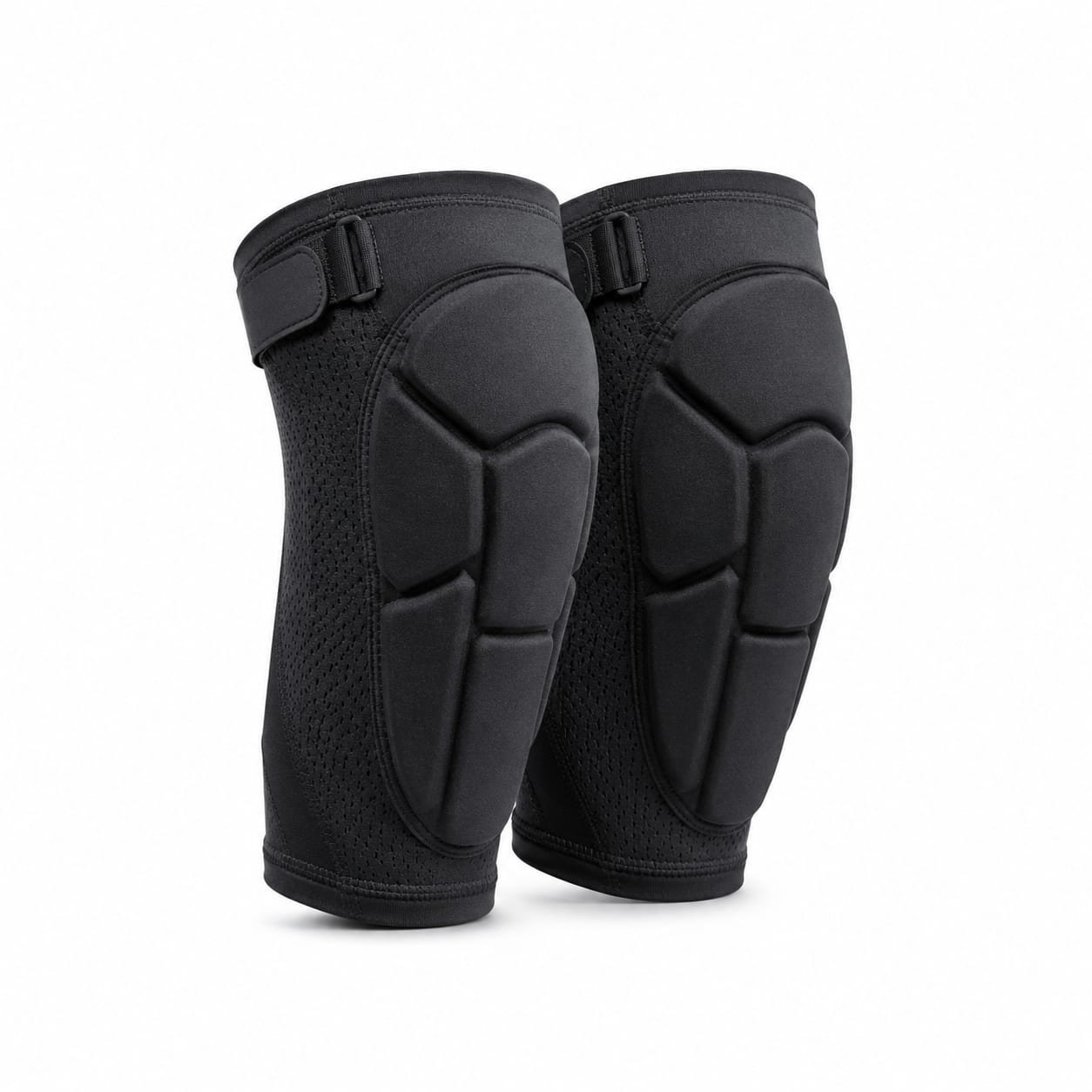
Thin foam padding for basic bruise prevention and comfort during minor falls or knee-to-snow contact.

Moderate

Multi-density foam or soft armor padding that absorbs moderate impacts while maintaining flexibility.

High

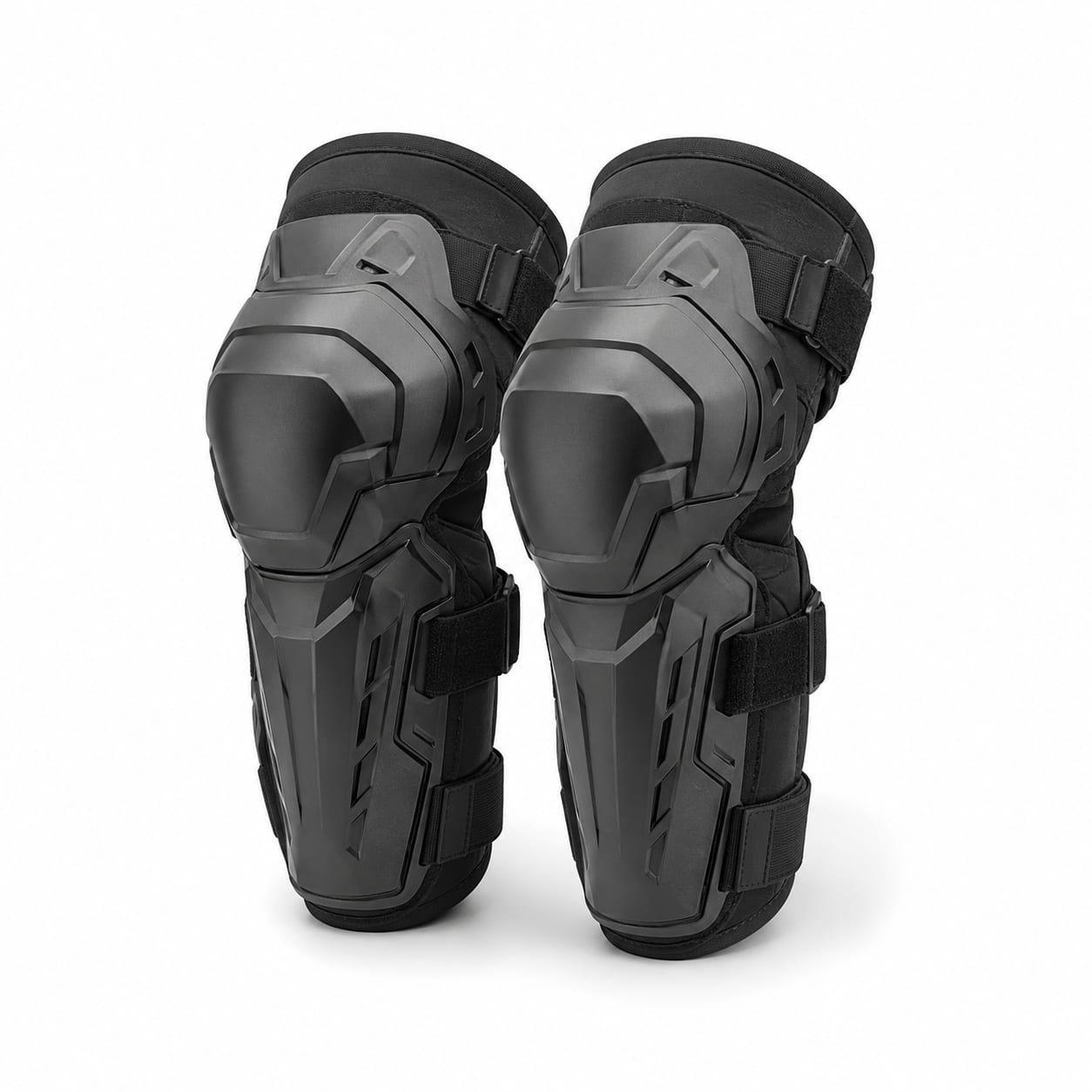
Thick multi-layer padding with hard or semi-rigid caps, often CE-certified, designed for significant impacts.

Professional/Race

Maximum protection with CE Level 2 certification, hard shells, and advanced impact materials for the most severe impacts.

Choose based on your skiing style and risk level. Racers and freeskiers should opt for high or professional protection. Recreational skiers can choose light to moderate.
Padding Material

padding_material

Importance

The primary impact-absorbing material used in the knee pad construction, which determines how energy from impacts is managed.

EVA Foam

Closed-cell ethylene-vinyl acetate foam providing lightweight, consistent cushioning at low cost.

D3O Smart Material

Rate-sensitive non-Newtonian material that remains flexible under normal movement but stiffens on impact.

Poron XRD

Microscopic air cells that absorb over 90% of energy at high strain rates while staying flexible.

Multi-Density Foam

Layered foam of varying densities for progressive impact absorption, with softer layers against skin and denser layers outside.

D3O and Poron XRD offer the best balance of protection and mobility. EVA foam is fine for casual use. Hard caps are essential for racing but reduce comfort.

CE Certification

ce_certification

Importance

European safety certification level under EN 1621-1 standard for limb protectors, indicating verified impact force transmission levels.

Not Certified

No formal CE certification; protection level is manufacturer-claimed only.

EN 1621-1 Level 1

Certified to transmit no more than 35 kN of force from a 50 kN impact; suitable for most skiing applications.

EN 1621-1 Level 2

Certified to transmit no more than 20 kN of force from a 50 kN impact; highest standard for limb protection.

For racing or high-impact skiing, Level 1 is the minimum and Level 2 is preferred. Recreational skiers can use non-certified pads but should verify quality.

Padding Thickness

padding_thickness

Importance

The maximum thickness of the protective padding at the knee center, affecting both protection level and bulk under clothing.

Typical range: 5–30 mm

5-10mm is low-profile for under-layer use. 10-18mm is the sweet spot for all-mountain protection. 18-30mm is for maximum protection but may not fit under tight ski pants.

Coverage Area

coverage_area

Importance

The extent of the knee and surrounding area that the pad protects, from minimal kneecap-only coverage to extended protection including shin and thigh.

Knee Only

Protection limited to the kneecap and immediate surrounding area.

Knee + Upper Shin

Extends coverage down the upper shin below the kneecap.

Knee + Lower Thigh

Extends coverage up the lower thigh above the kneecap.

Extended (Knee + Shin + Thigh)

Full coverage from mid-thigh to mid-shin for maximum protected area.

Mogul and race skiers benefit from shin coverage. Gate racers need thigh coverage. Most recreational skiers only need knee coverage.

Construction & Design

Physical construction attributes that determine the pad's build type and how it interacts with the body.

Shell Type

shell_type

Importance

The external construction type of the knee pad, affecting how it interacts with snow, clothing, and impacts.

Soft Shell

Flexible outer layer with no rigid components; padding is entirely foam or smart material.

Hard Shell

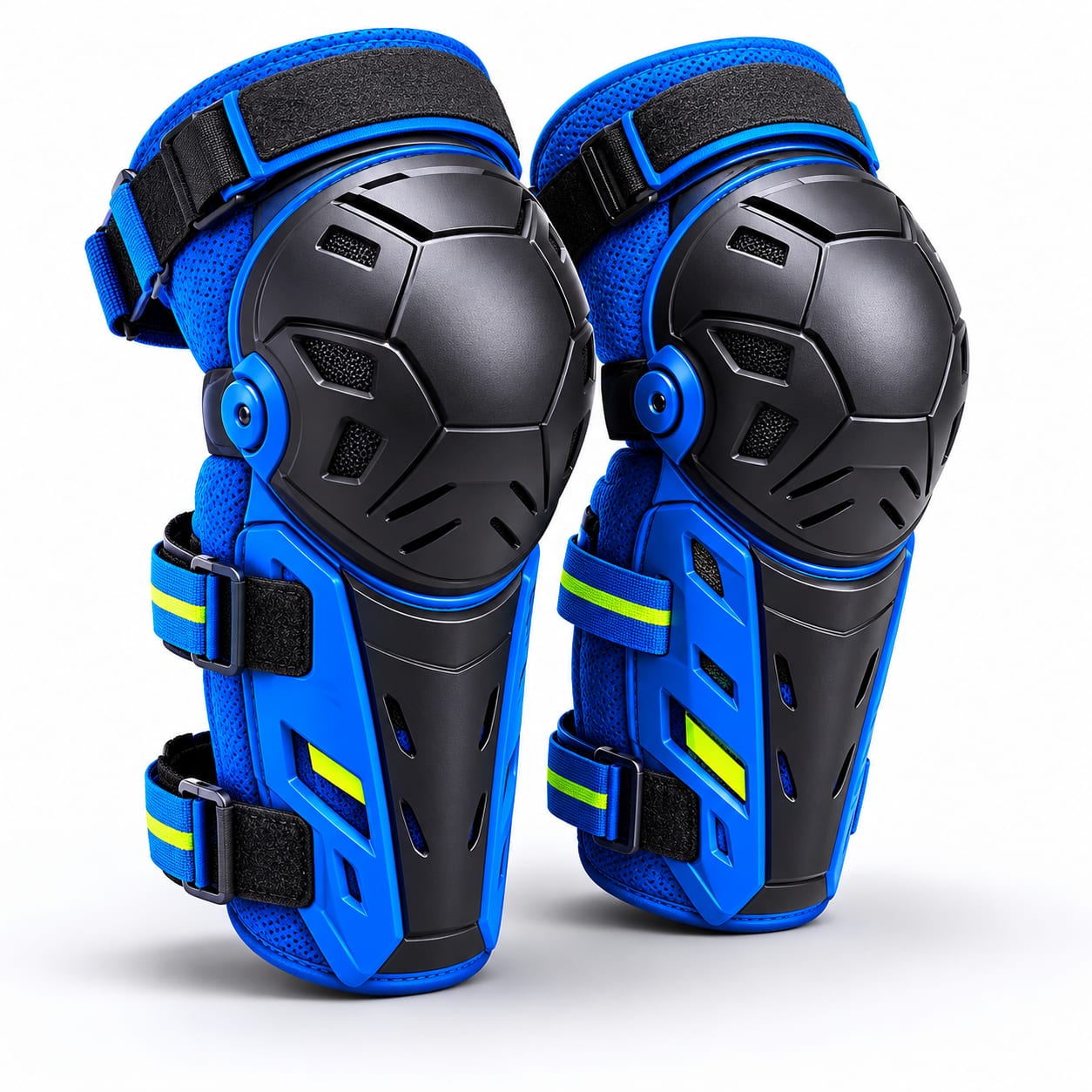
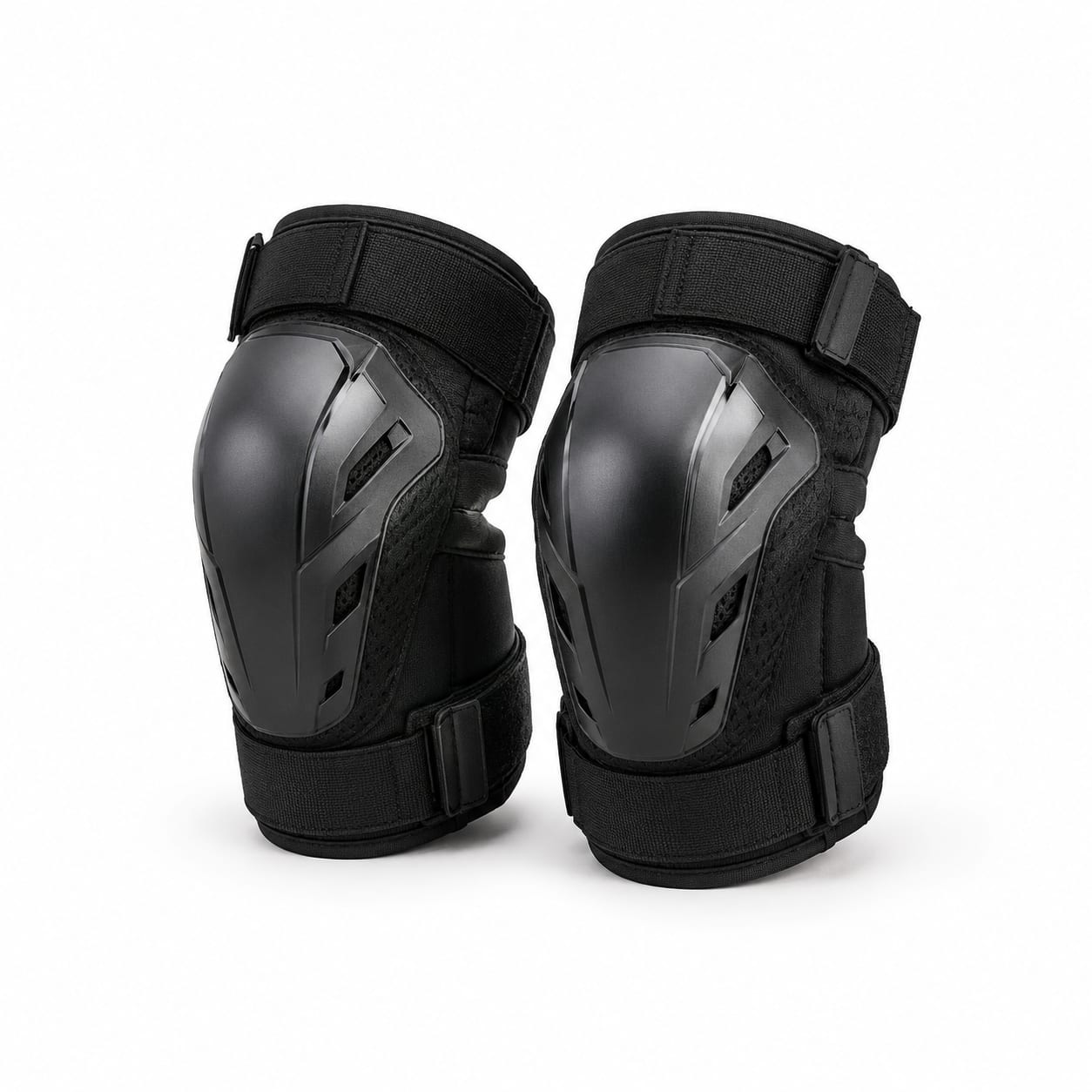
Rigid external cap over padding that spreads impact force and slides on snow and ice.

Hybrid

Semi-rigid or segmented shell combining flexible zones with reinforced impact areas.

Soft shells are best for comfort and under-layer use. Hard shells are mandatory for race training. Hybrid is the best all-around choice for most skiers.

Articulation Design

articulation_design

Importance

Whether the knee pad features pre-curved or hinged construction that mimics the natural bend of the knee.

Flat / Unarticulated

Flat padding with no pre-curve; wraps around knee when strapped on.

Pre-Curved

Padding is pre-shaped to match the bent knee position for better fit and less bunching.

Hinged / Articulated

Multi-piece construction with flexible hinges that move with the knee joint.

Pre-curved is the best balance for most skiers. Hinged designs are worth it for racers. Flat pads should only be considered for casual, low-intensity skiing.

Weight (Per Pair)

weight_per_pair

Importance

The total weight of both knee pads together, affecting fatigue during all-day skiing and the feel of the pads on the legs.

Typical range: 150–1200 g

Under 300g per pair is lightweight and barely noticeable. 300-500g is typical for all-mountain pads. Over 500g is for heavy-duty protection and may cause fatigue over a full day.

Grip / Anti-Slip System

grip_system

Importance

Features that prevent the knee pad from sliding down the leg or rotating out of position during active skiing and falls.

No Grip System

Relies solely on compression or straps to maintain position.

Silicone Grips / Gripper Dots

Silicone strips or dots on the interior that grip skin or base layers to prevent sliding.

Rubberized Elastic Band

Wide elastic band with rubberized interior surface for maximum grip around the leg.

Silicone grips are the best balance of comfort and security. Any pad worn for active skiing should have some grip system to prevent migration during falls.

Fit & Wearability

Attributes affecting how the knee pad fits, stays on, and integrates with ski clothing.

Size

size

Importance

The sizing of the knee pad, typically based on knee circumference and thigh circumference measurements.

XS

Extra small; knee circumference approximately 30-33 cm.

S

Small; knee circumference approximately 33-36 cm.

M

Medium; knee circumference approximately 36-40 cm.

L

Large; knee circumference approximately 40-44 cm.

Measure knee circumference at the kneecap center with leg slightly bent. When between sizes, size up for comfort or down for a more secure fit. Check brand-specific sizing as it varies significantly.

Closure Type

closure_type

Importance

The method used to secure the knee pad to the leg, affecting ease of use, adjustability, and how well the pad stays in position.

Slip-On Sleeve

Pull-on compression sleeve design with no straps; relies on elastic compression to stay in place.

Velcro Strap System

Adjustable hook-and-loop straps (typically 2-3) that wrap around the leg for a customizable fit.

Buckle Strap System

Plastic or metal buckles on straps for maximum security and precise adjustment.

Hybrid (Sleeve + Strap)

Compression sleeve with additional strap(s) for extra security and positioning.

For aggressive skiing, straps or hybrid systems are essential to prevent pad migration. Slip-on sleeves work for casual skiing but may shift during falls.

Layering Compatibility

layering_compatibility

Importance

Whether the knee pad is designed to be worn under ski pants, over them, or can work either way.

Under Layer Only

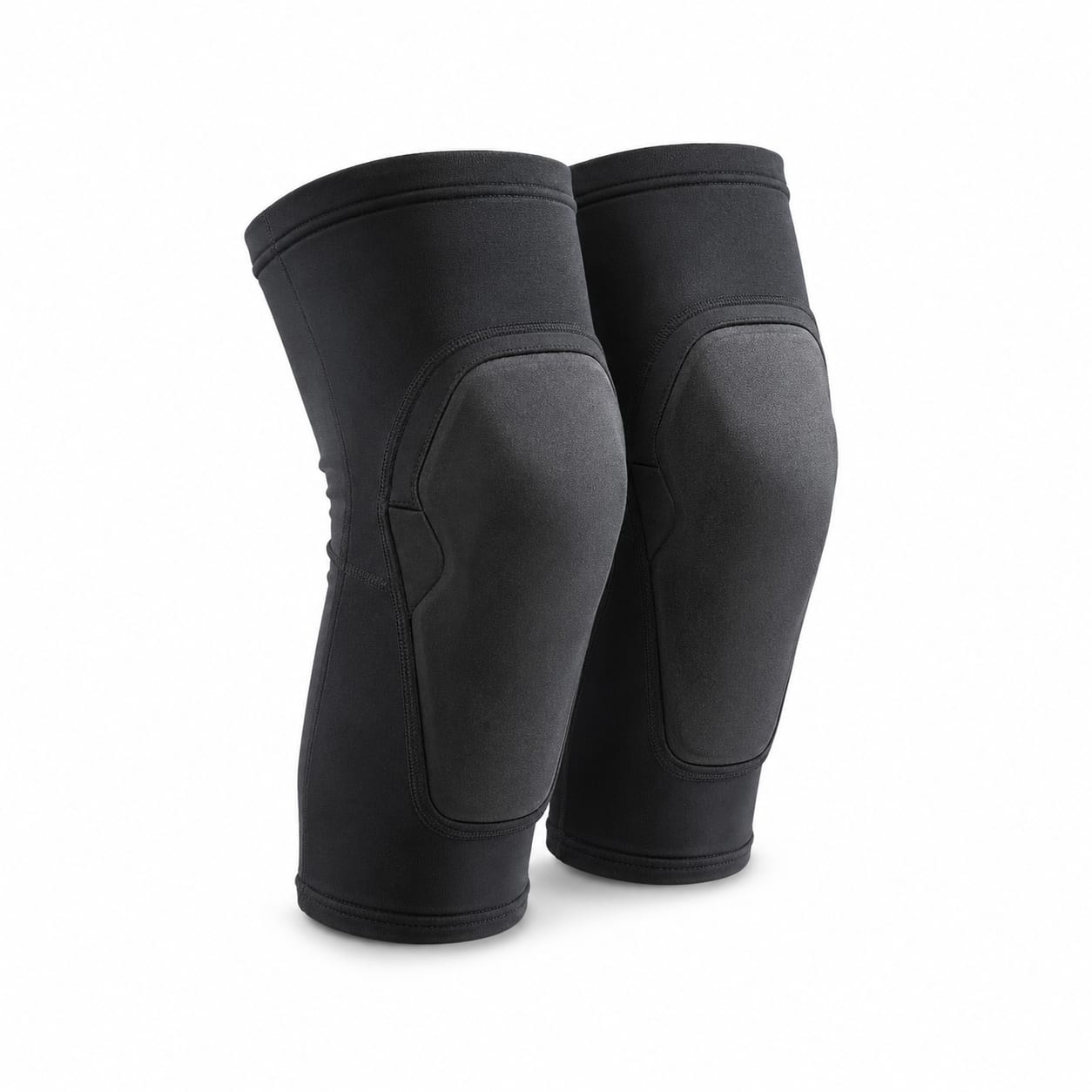
Designed to be worn directly against skin or base layer, under ski pants. Low-profile and sleek.

Over Layer Only

Designed to be worn over ski pants with straps or sleeves that accommodate outer layers.

Under or Over Layer

Versatile design that works under or over ski pants depending on preference and conditions.

Under-layer pads are more popular for recreational skiing as they are invisible and stay in place. Over-layer pads are preferred by racers for quick removal between runs.

Mobility Rating

mobility_rating

Importance

How freely the knee can bend and move while wearing the pad, critical for skiing technique and comfort.

Unrestricted

Full range of motion with no perceptible resistance; feels like wearing nothing.

Slight Restriction

Minor resistance at full flexion; noticeable but does not affect normal skiing.

Moderate Restriction

Noticeable resistance when bending; requires slight adaptation in technique.

Significant Restriction

Substantial resistance to bending; limits deep flexion and requires technique adjustment.

Most skiers should seek slight to no restriction. Only racers who need maximum protection should accept moderate or significant restriction.

Comfort & Environment

Attributes that affect comfort during extended wear in various snow conditions.

Breathability

breathability

Importance

How well the knee pad allows moisture and heat to escape, preventing sweat buildup and maintaining comfort during active skiing.

Low Breathability

Minimal ventilation; tends to trap heat and moisture against the skin.

Medium Breathability

Some mesh panels or moisture-wicking fabrics; adequate for most conditions.

High Breathability

Extensive mesh zones, perforated padding, and advanced moisture-wicking materials.

High breathability is important for spring skiing and active skiers. Low breathability can actually be beneficial in very cold conditions. Most skiers should aim for medium to high.

Water Resistance

water_resistance

Importance

How well the knee pad repels water from snow, preventing the padding from absorbing moisture and becoming heavy and cold.

Water Absorbent

No water-resistant treatment; padding can absorb snow melt and become wet, heavy, and cold.

Water Resistant

DWR coating or water-resistant outer fabric that sheds light moisture and snow.

Waterproof

Fully waterproof outer shell or membrane that prevents any moisture penetration.

Water-resistant is the best all-around choice. Waterproof is great for spring and wet conditions but may reduce breathability. Water-absorbent pads should be avoided for most skiing.

Antimicrobial Treatment

antimicrobial_treatment

Importance

Whether the knee pad interior has antimicrobial treatment to prevent odor-causing bacteria growth from sweat during skiing.

Nice to have for multi-day skiing without washing. Not critical but improves hygiene and reduces odor, especially for pads worn directly against skin.

Specs FAQ

Common questions about these buying specs

Plain-English answers for each spec and option — tap through for the full explanation.

Are light protection knee pads enough for casual resort skiing, or should I step up to more padding?

For most casual resort skiers sticking to groomed runs and mild terrain, light protection knee pads are a great choice. They use thin foam padding that handles minor falls and knee-to-snow contact without feeling bulky or restrictive under your ski pants. Think of them as bruise prevention rather than armor—they keep you comfortable all day and take the sting out of those awkward tumbles when you're learning or cruising. The trade-off is that light pads won't help much in harder impacts. If you're skiing moguls, charging through variable snow, or pushing into more aggressive terrain, you'll want moderate or high protection instead. Same goes if you've had previous knee injuries—even a slower fall on firm snow can do damage that thin foam can't absorb. The bottom line: if your skiing is relaxed and your falls are generally gentle, light pads keep you comfortable and protected without the bulk. But be honest about your risk level—upgrading is worth it if you're skiing faster or harder.

Is moderate protection enough for all-mountain skiing, or do I need something heavier?

Moderate protection is a great choice for most all-mountain skiers. These knee pads use multi-density foam or soft armor that absorbs the impact of typical falls without feeling bulky or restrictive under your ski pants. You get solid protection for common scenarios like catching an edge or sliding out on groomers, while still being able to bend and move naturally all day. Where moderate protection really shines is that balance between safety and comfort. Unlike high or race-level pads with hard shells, moderate pads stay flexible and low-profile, so you can wear them for hours without feeling like you're suiting up for battle. Ski instructors and intermediate skiers tend to love this level because it handles everyday falls without getting in the way. If you're hitting the park, racing, or charging steep, rocky terrain, you'll want to step up to higher protection. But for general all-mountain skiing, moderate is usually the sweet spot.

When should I choose high protection knee pads over moderate ones?

High protection knee pads are the right call if you're skiing terrain or disciplines where hard falls are a real possibility. Think race training, mogul skiing, steep freeride lines, or park hits where you're landing on firm snow. These pads use thick, multi-layer foam with hard or semi-rigid caps—often CE-certified—so they absorb serious impact energy that would leave you bruised or worse in lighter pads. The trade-off is mobility. High-protection pads are noticeably bulkier than moderate options, and you may feel some restriction when bending or twisting. They also tend to run warmer and can be harder to fit under tight layers. If you're mostly cruising groomers or skiing casually, high protection is probably overkill and will just add unnecessary bulk. But if you're pushing your limits on steep terrain, charging moguls, or training gates regularly, that extra absorption is well worth the slight loss in mobility.

Do I really need Professional/Race level knee pads, or is that overkill for regular skiing?

Professional/Race knee pads offer the highest impact protection available, with CE Level 2 certification, hard shells, and advanced materials designed to handle the most severe hits. They're built for FIS racers hitting gates at speed, big mountain freeriders charging steep lines, and skiers tackling extreme terrain where falls can be catastrophic. For most skiers, this level of protection is overkill. The trade-off is real: these pads are bulkier and can restrict your range of motion compared to moderate or high-protection options. They're also less comfortable for all-day resort skiing. You should consider Professional/Race pads if you're competing, skiing terrain with serious consequences, or have a history of knee injuries that demand maximum safeguarding. Otherwise, a high or moderate protection level will give you solid impact absorption without the mobility penalty.

Subcategories

Different styles, different picks

Each sub-type has its own guide with typical specs, trade-offs, and buying advice.

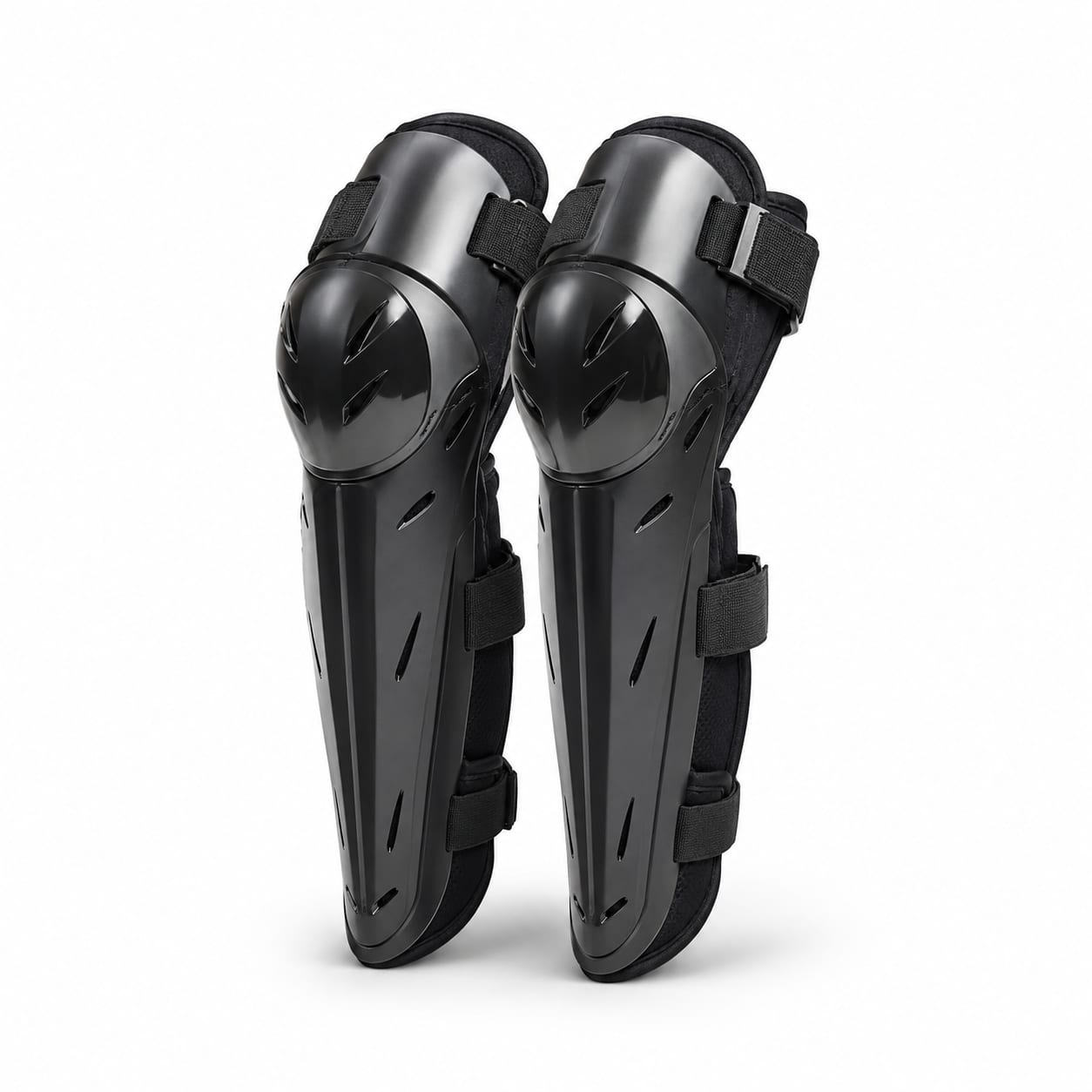
Hard Shell Impact Knee Pads

Hard Shell Impact Knee Pads

$40 – $150

common

Rigid-shell knee pads delivering maximum impact protection for aggressive skiing.

rigid plastic or composite outer shellthick EVA or similar foam backingadjustable straps or sleeve design
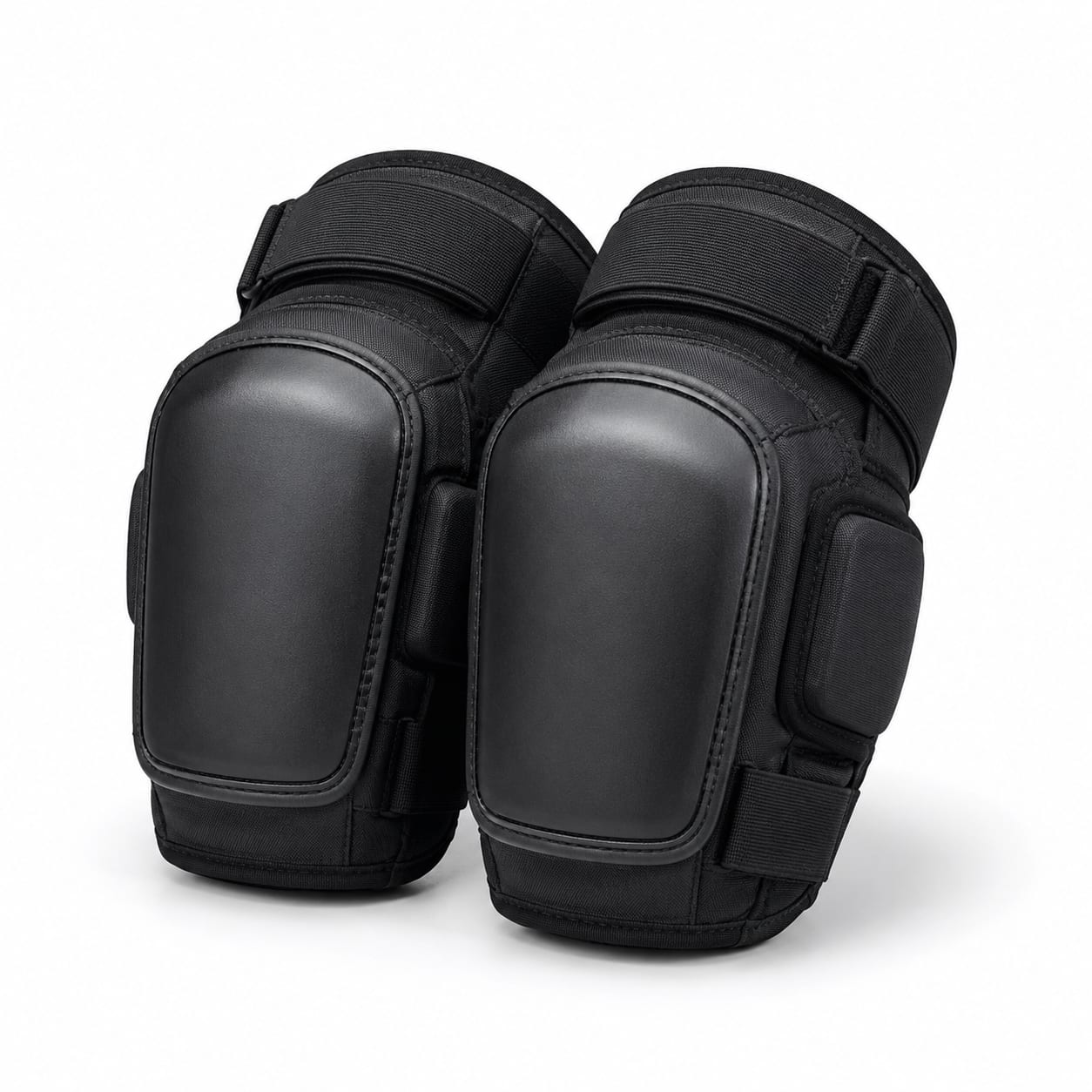
Soft Shell Impact Knee Pads

Soft Shell Impact Knee Pads

$30 – $100

dominant

Flexible knee pads using smart foam materials for comfortable impact protection.

smart foam padding (D3O, Poron XRD, SAS-TEC)flexible and low-profile designslip-on or strap closure
Ski Racing Knee Guards

Ski Racing Knee Guards

$60 – $220

niche

FIS-compliant knee and shin guards engineered for alpine ski racing gate impact.

hard plastic shell with aerodynamic shapingextended shin coverageFIS-compliant designs
Freestyle/Park Knee Pads

Freestyle/Park Knee Pads

$30 – $90

common

Knee pads designed for terrain park features, rail slides, and freestyle impact protection.

smooth sliding cap surface for railsreinforced constructionside impact padding
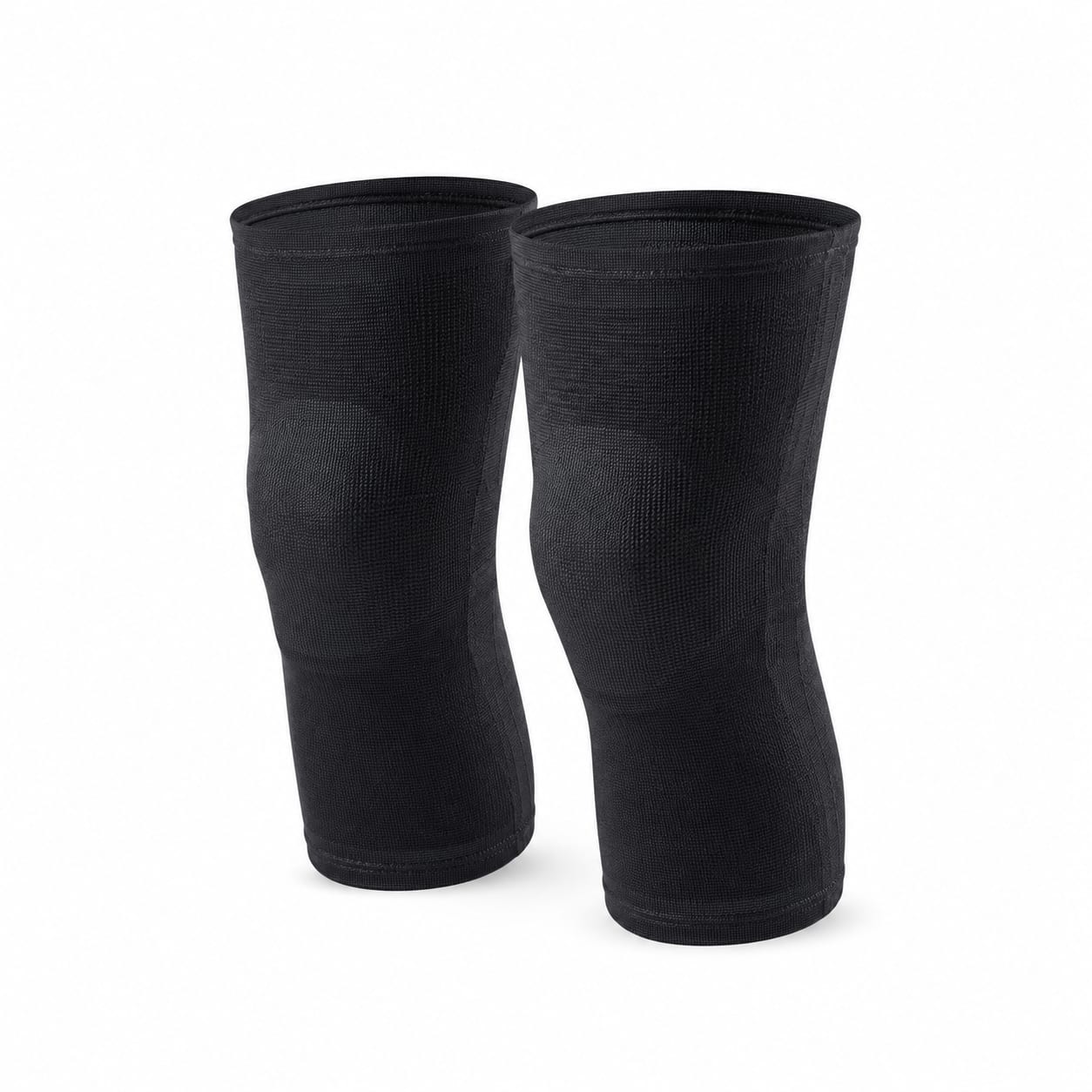
Compression Knee Sleeves

Compression Knee Sleeves

$12 – $60

common

Neoprene or knit sleeves providing warmth, compression, and mild knee support without significant padding.

neoprene or knit constructiongraduated compressionno significant impact padding
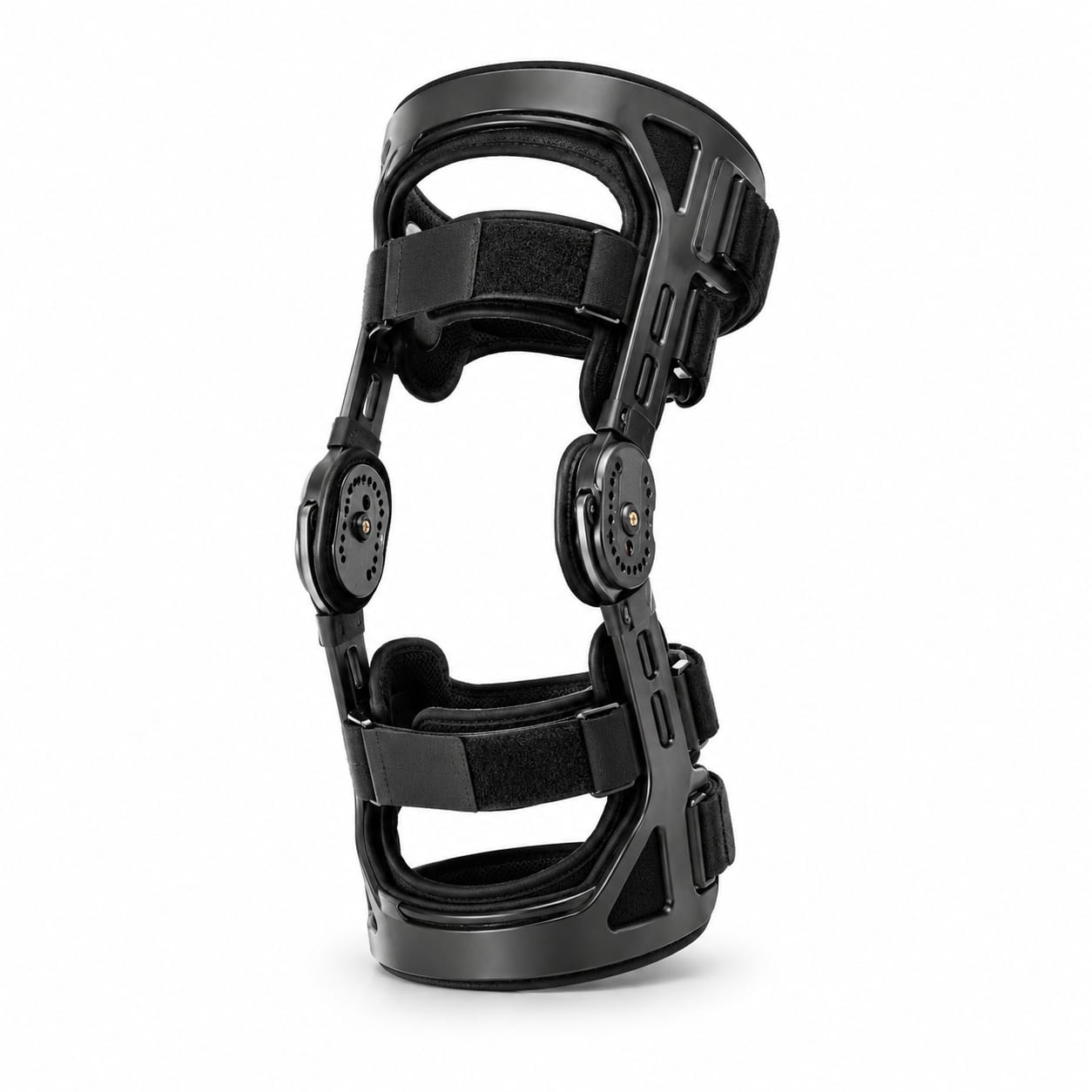
Hinged Knee Braces

Hinged Knee Braces

$80 – $1500

niche

Structural knee braces with hinge mechanisms for ligament support and post-injury stabilization.

hinge mechanism on one or both sidesrigid or semi-rigid frameadjustable range of motion stops
Low-Profile/Stealth Knee Pads

Low-Profile/Stealth Knee Pads

$35 – $100

common

Ultra-thin knee pads designed to be worn invisibly under ski pants for everyday protection.

ultra-thin smart foam paddingsleeve or compression short integrationminimal bulk
Youth/Junior Knee Pads

Youth/Junior Knee Pads

$20 – $70

niche

Sized-down knee pads designed specifically for children and young skiers.

child-specific sizinglighter weight constructioneasy on/off designs
Integrated Protection Shorts

Integrated Protection Shorts

$50 – $180

niche

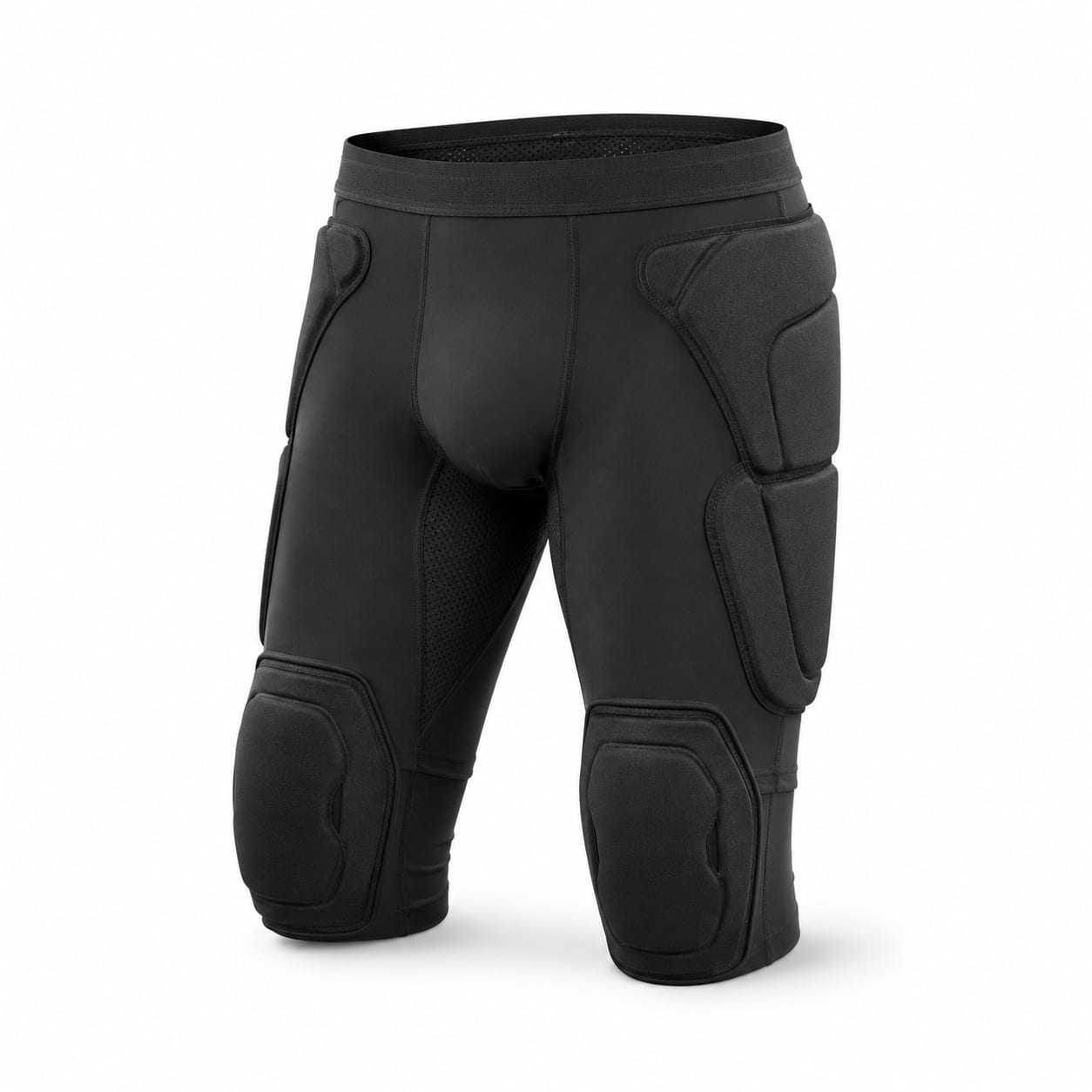
Compression shorts or base layer bottoms with built-in knee and leg padding.

compression short or tight designpockets with removable knee padsintegrated hip, tailbone, and thigh pads