
Ski Poles · FAQ
Questions about Cross-Country Classic Poles
Straight answers on fit, specs, and when this type makes sense — each topic has its own page with links back to the buying guide.
Open Cross-Country Classic Poles guide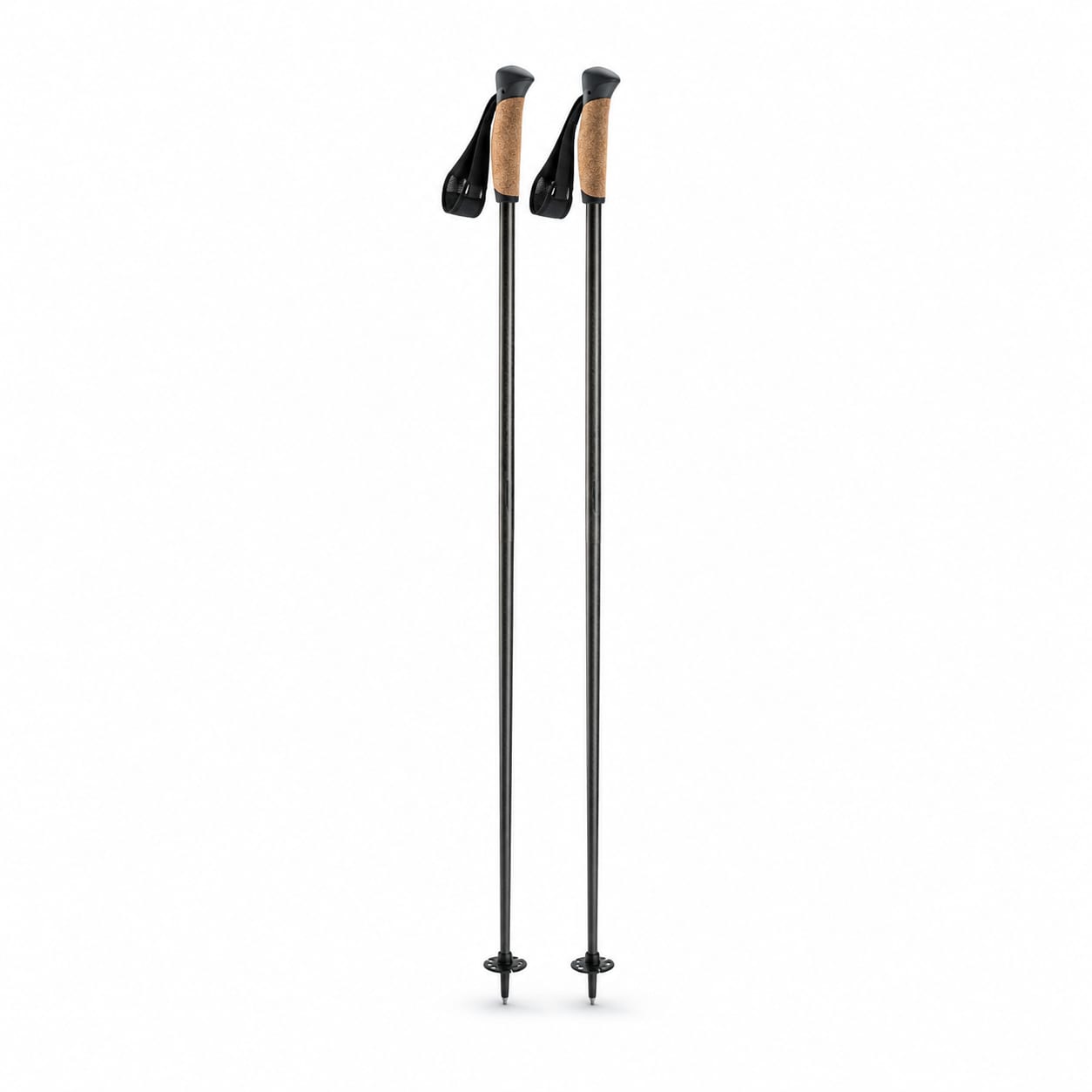
6 topics
Pick a question
Every answer links to the full subcategory guide and related gear types when it helps you decide.
How do I determine the correct length for classic poles?
The standard formula is approximately 83% of your body height, or the pole should reach to your armpit when standing on a flat floor in your ski boots. For example, a 175 cm tall skier would typically use 145 cm poles. However, arm length and torso proportions vary, so the armpit test is more reliable than the percentage formula. When between sizes, classic skiers generally go slightly longer for better push angle, especially if they do a lot of double-poling.
Read answer →02Can I use my classic poles for skate skiing?
No, classic poles are too long for skate skiing. Skate poles should reach to your chin or mouth (approximately 90% of body height), while classic poles reach to your armpit (83% of body height). Using classic poles for skating causes over-reaching, poor technique, and shoulder strain. If you do both disciplines, you need separate poles for each.
Read answer →03Are carbon poles worth the extra cost for recreational classic skiing?
If you ski more than 15-20 times per season, carbon poles are worth the investment. The weight savings of 100-200g per pair compared to aluminum is very noticeable over distance, and the stiffness improves power transfer. For occasional skiers (under 10 times per season), composite poles offer a good balance of weight savings and affordability. Aluminum poles are adequate for beginners but become tiring on longer skis.
Read answer →04Why do classic pole straps look so different from alpine pole straps?
Classic pole straps are designed for propulsion, not just security. They feature a wide, supportive panel that wraps around the palm, allowing you to push forcefully against the strap with a relaxed hand. This 'open hand' technique is fundamental to efficient classic skiing—you plant the pole with a relaxed grip, push against the strap during the power phase, and release cleanly as the hand comes forward. Alpine straps are simpler wrist loops designed mainly to prevent dropping poles.
Read answer →05What should I do if my classic poles break on the trail?
Unfortunately, broken carbon poles cannot be field-repaired. If a pole snaps, you'll need to ski back using the remaining pole and your legs for propulsion—focus on diagonal stride without poles or use a single pole on the opposite side of the broken one. This is why some skiers carry a small roll of duct tape for emergency temporary repairs, though this rarely works on carbon. Consider carrying a spare pole on very long backcountry tours, and always carry a cell phone for emergencies.
Read answer →06Do I need different baskets for different snow conditions?
For most groomed-track skiing, the standard small baskets that come with classic poles work perfectly—the track walls provide the resistance to prevent pole plunge. However, if you frequently ski in soft, shallow, or poorly groomed tracks (common in early season or low-snow conditions), slightly larger baskets can prevent frustrating pole sinkage. Some poles offer interchangeable baskets, which is a nice feature if you encounter variable track conditions.
Read answer →