
Ski Poles · FAQ
Questions about Racing Ski Poles
Straight answers on fit, specs, and when this type makes sense — each topic has its own page with links back to the buying guide.
Open Racing Ski Poles guide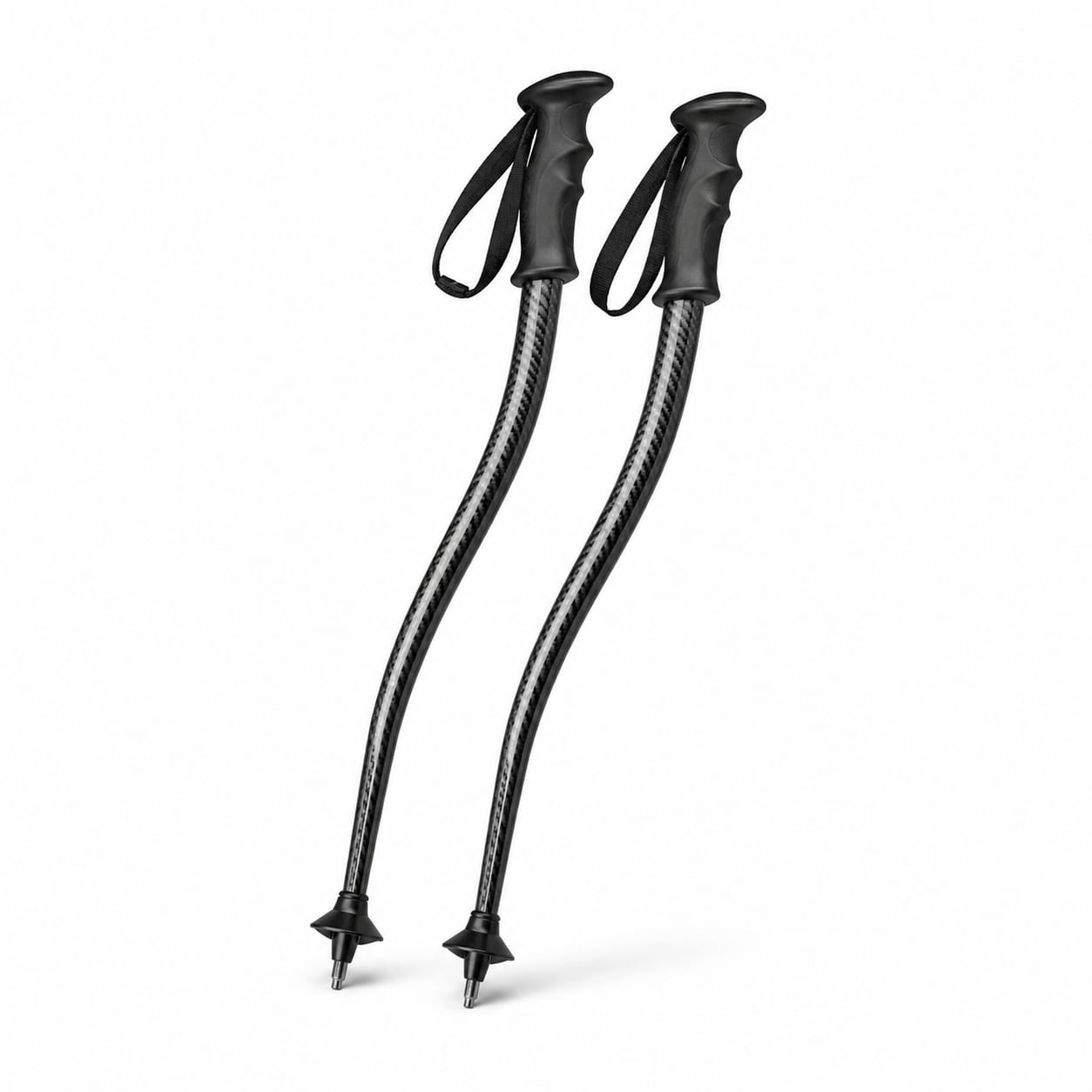
6 topics
Pick a question
Every answer links to the full subcategory guide and related gear types when it helps you decide.
Do I need curved poles for slalom racing?
No. Slalom poles are always straight. The curved shaft is designed specifically for tuck positions in GS, super-G, and downhill where aerodynamic drag is a significant factor. In slalom, racers rarely tuck and need poles that plant cleanly between closely spaced gates, which curved poles would interfere with.
Read answer →02Are carbon racing poles worth the extra cost over aluminum?
For serious competitive racers, yes. Carbon poles are 40–60% lighter than aluminum race poles, which reduces arm fatigue and enables faster pole plants. At the elite level, this weight difference is meaningful. However, club racers, juniors, and those who do heavy gate training may prefer aluminum poles for their durability and lower replacement cost, since carbon poles can snap on gate impact.
Read answer →03How should racing poles fit differently than recreational poles?
Racing poles are typically sized 2–5 cm longer than recreational poles. This extra length provides better reach for aggressive pole plants and improves aerodynamics in tuck positions. The correct length should be determined in your racing stance, not just standing upright. When in doubt, consult your coach, as proper pole length affects timing and technique.
Read answer →04Can I use racing poles for regular recreational skiing?
Technically yes, but it's not ideal. Racing poles are less comfortable for long days due to minimal grips and low vibration dampening. Cone baskets sink in soft snow, and curved shafts can feel awkward during normal skiing. If you race and also ski recreationally, consider having a separate pair of all-mountain poles for free skiing to preserve your race poles.
Read answer →05Why do racing poles break so easily compared to regular poles?
Carbon fiber, the primary material in high-end racing poles, is extremely stiff and light but brittle under sharp impacts. It snaps rather than bends like aluminum. This is a trade-off racers accept for the weight and stiffness advantages. Gate contact, crashes, and even transport damage can break carbon poles. Many racers keep backup pairs specifically because of this fragility.
Read answer →06Should I get Leki Trigger straps for racing?
Leki Trigger systems (especially Trigger 3D) are very popular in racing because they provide a secure connection for aggressive pole plants while releasing in crashes to prevent thumb and wrist injuries. However, they require compatible Leki gloves or strap adapters, which add cost. If you already use Leki gloves or have experienced strap-related injuries, the investment is worthwhile. Many World Cup racers use these systems.
Read answer →