Kitvore.com

Kitvore.com

Specs that matter. Gear that fits.

Ski Poles · Subcategory

Racing Ski Poles

Ultra-lightweight, aerodynamic poles engineered for alpine racing disciplines where every fraction of a second counts.

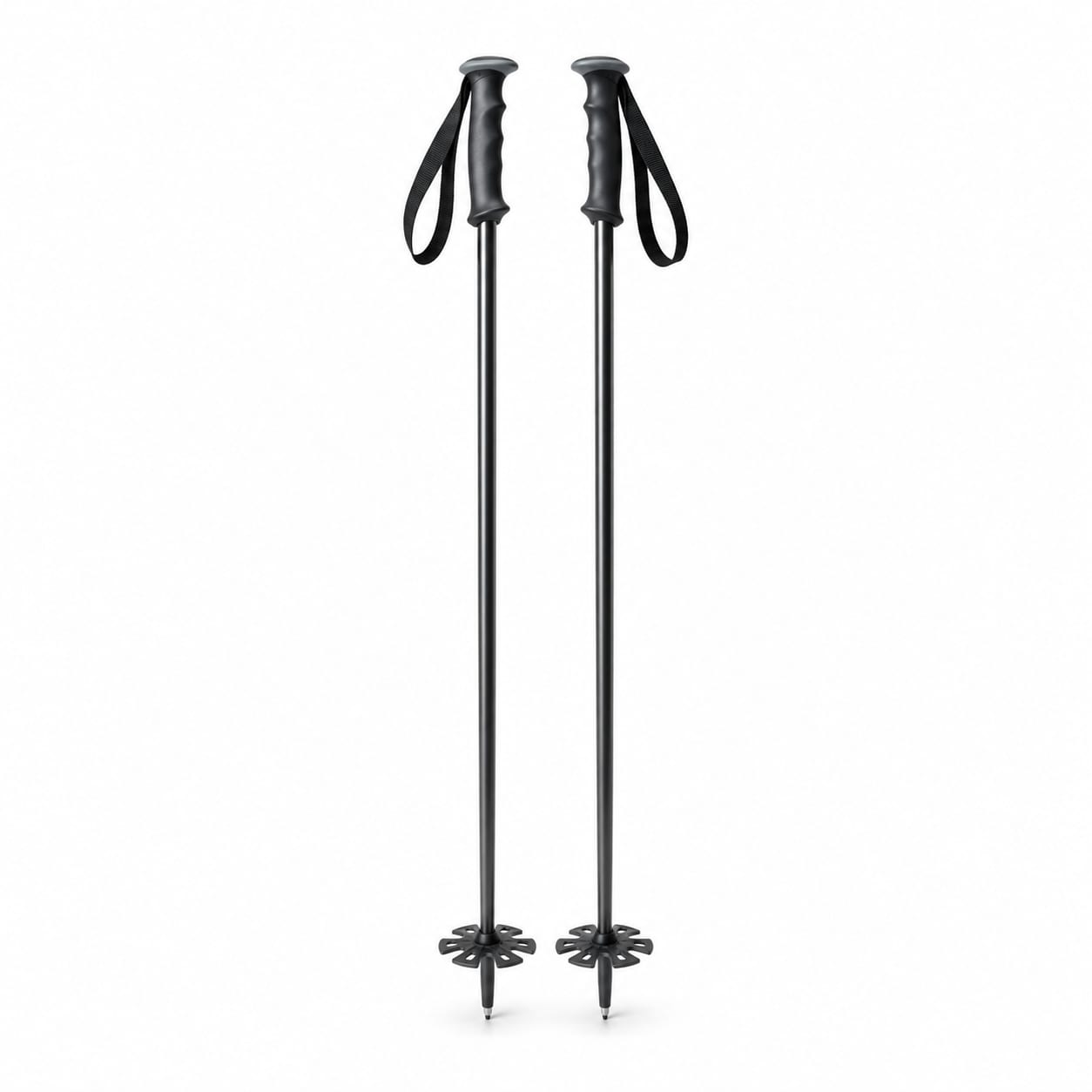
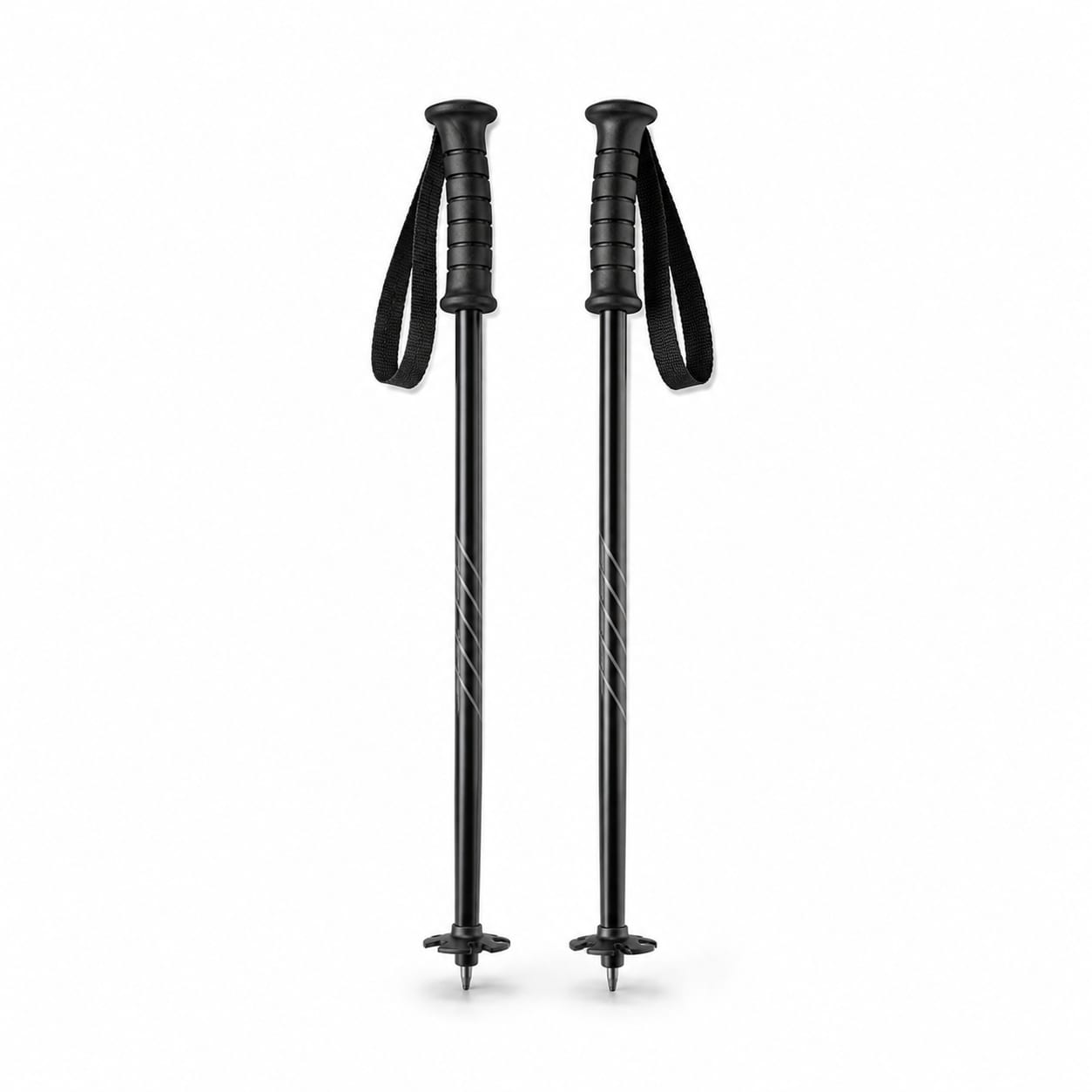
Racing ski poles are purpose-built for competitive alpine skiing, featuring minimal weight, aerodynamic cone baskets, and often curved shafts that wrap around the body in tuck positions. Designed for slalom, giant slalom, super-G, and downhill, these poles prioritize speed, stiffness, and precise pole planting over durability and versatility. They are the lightest and most specialized poles in the ski pole category.

$80 – $350premium tieradvancedexpert

Best known for

Extremely low weight for reduced swing inertia and fatigueAerodynamic cone baskets that minimize drag at high speedsCurved shafts for GS and speed disciplines to tuck closer to the bodyStiff construction for instant power transfer on pole plantsDiscipline-specific designs optimized for each racing event
Racing Ski Poles

Guide

Detailed overview

Racing ski poles represent the pinnacle of pole engineering, where every gram and every millimeter of frontal area is scrutinized for competitive advantage. Unlike general-purpose poles, racing poles are designed with a singular focus: helping the skier move faster through race courses. This specialization manifests in carbon fiber or high-grade aluminum shafts, streamlined cone-shaped baskets, minimal grip material, and shaft geometries tailored to specific racing disciplines. Slalom poles are straight and slightly shorter for rapid pole plants between gates, while GS and speed discipline poles feature pronounced curves that allow the poles to hug the body in aerodynamic tuck positions, reducing drag at speeds exceeding 80 mph.

Racing ski poles exist at the extreme end of the specialization spectrum within ski equipment. While a recreational skier can get away with a generic pole, a racer cannot afford any compromise that costs time. The design philosophy behind racing poles is simple: minimize everything that slows you down and maximize everything that helps you go faster. This means the lightest possible materials, the smallest aerodynamic profile, and the stiffest construction for instantaneous response.

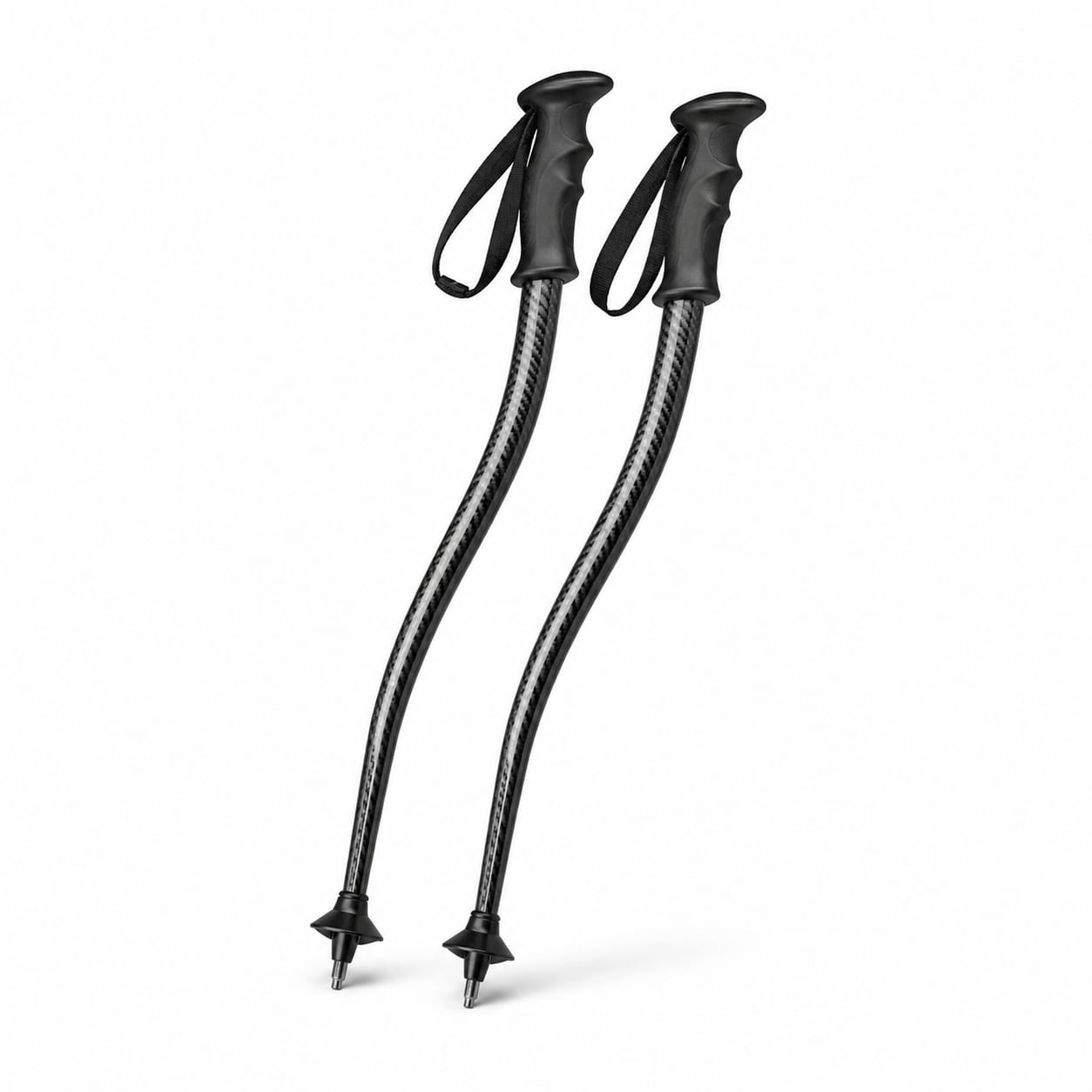
The most visually distinctive feature of racing poles is the curved shaft found on GS, super-G, and downhill models. This bend is not aesthetic—it is a carefully engineered aerodynamic feature. When a racer is in a tuck position, straight poles create significant frontal area and drag. Curved poles wrap around the torso, reducing the rider's aerodynamic silhouette. The angle and placement of the curve vary by manufacturer and discipline, with speed events requiring more aggressive bends than GS. Slalom poles, by contrast, are always straight because slalom racers rarely tuck and need poles that plant cleanly between tightly spaced gates.

Material choice in racing poles has evolved significantly. Early race poles were aluminum, and many club-level racers still use aluminum models for their durability and lower cost. However, at the elite level, carbon fiber has become the standard. Carbon race poles can weigh under 200 grams per pair—lighter than a single standard aluminum pole. This dramatic weight reduction translates to less arm fatigue over a two-minute downhill run and faster swing times between pole plants. The trade-off is fragility: carbon race poles can snap on impact with gates or in crashes, which is why many racers keep backup pairs. Some manufacturers now offer composite blends that add a small amount of durability while maintaining most of carbon's weight advantage.

Beyond the shaft, racing poles differ from recreational models in several subtle but important ways. Cone baskets replace standard disc baskets to slice through the air with minimal resistance. Grips are often minimal plastic or thin rubber to save weight, prioritizing function over comfort. Straps may feature quick-release systems like Leki's Trigger 3D, which not only reduce injury risk in crashes but also provide a more secure connection during aggressive pole plants. Tips are always carbide for maximum grip on the icy hardpack common on race courses. Every component is optimized for the singular purpose of going faster.

Quick facts

Primary purpose
Maximum aerodynamic efficiency and precise pole planting for competitive alpine racing
Popular brands
LekiSwixKermaRossignolAtomicFischer
Typical terrain
Race coursesGroomed steep terrainSpeed venues

What makes it different

Bent shaft for aerodynamic tuck position; discipline-specific lengths and curves; highest stiffness-to-weight ratio; FIS-compliant designs

Recommended ranges

How this type usually specs out

Each spec is explained in plain language, then we show what buyers usually look for on this type.

Length

Pole Length

What it means

The total length of the ski pole from tip to top of the grip, measured in centimeters. The most critical dimension for proper fit and performance.

Typical for this type

115–135 cm

Most common pick: 120 cm

In practice

Racing poles tend to be longer than all-mountain poles because racers need reach for aggressive pole plants and benefit from the additional length when in tuck positions. Slalom racers typically use 115–120 cm, while GS and speed discipline racers may go 120–130 cm or even longer depending on height and preference.

Compared to other types

Racing poles are typically 5–10 cm longer than all-mountain poles and 10–15 cm longer than freestyle poles, reflecting the need for tuck aerodynamics and aggressive forward pole plants.

Why it matters: Correct length is critical in racing for both timing of pole plants and aerodynamic efficiency in tucks. Poles that are too short compromise reach and tuck aerodynamics; poles that are too long slow swing speed and can disrupt rhythm through gates.

Material

Shaft Material

What it means

The primary material used in the pole shaft, which determines weight, durability, stiffness, vibration dampening, and price.

Typical for this type

Carbon Fiber (Elite), Aluminum (Club/Budget Racing)

In practice

Carbon fiber is the dominant material in racing poles due to its superior strength-to-weight ratio and stiffness. Elite-level poles use high-modulus carbon for the lightest possible weight. Aluminum race poles remain popular at the club level and in gate training due to their durability and lower replacement cost.

Compared to other types

Racing poles use carbon fiber at a much higher rate than any other subcategory. All-mountain poles are predominantly aluminum, and freestyle poles prioritize durable aluminum over lightweight carbon.

Why it matters: Material directly determines swing weight, stiffness, and fatigue over a race run. Carbon's low weight reduces arm fatigue and enables faster pole plants, while its stiffness provides instant power transfer. However, carbon's brittleness means it can snap on gate impact or in crashes.

Weight (Pair)

Weight Per Pair

What it means

The total weight of a pair of ski poles measured in grams. Lighter poles reduce arm fatigue and improve swing dynamics.

Typical for this type

180–350 g

Most common pick: 220 g

In practice

Racing poles are the lightest in the ski pole category. Elite carbon race poles can weigh as little as 180–220 g per pair, while aluminum race poles typically range from 300–380 g. Every gram matters in racing where arm fatigue and swing speed directly impact performance.

Compared to other types

Racing poles are 40–60% lighter than typical all-mountain aluminum poles (400–550 g) and significantly lighter than freestyle or backcountry poles. Only the lightest Nordic poles approach similar weights.

Why it matters: Lower weight means faster pole swings between gates, less arm fatigue over the duration of a run, and quicker recovery from each pole plant. In a sport measured in hundredths of a second, the weight difference between carbon and aluminum race poles can be meaningful.

Basket

Basket Type

What it means

The disc or cone near the pole tip that prevents the pole from sinking into soft snow. Basket size and shape affect performance in different snow conditions.

Typical for this type

Cone (GS/Speed), Standard (Slalom)

In practice

Cone/speed baskets are the standard for GS, super-G, and downhill racing where aerodynamic drag is a significant factor. These streamlined baskets reduce frontal area compared to disc baskets. Slalom racers may use small standard disc baskets since aerodynamic drag is less critical at slalom speeds and disc baskets are more durable against gate contact.

Compared to other types

Racing is the only subcategory where cone baskets are standard. All other subcategories use standard or powder baskets, which have more drag but better snow flotation and durability.

Why it matters: At racing speeds, even small amounts of aerodynamic drag add up over a full course. Cone baskets minimize this drag. However, they provide less flotation in soft snow, which is rarely a concern on prepared race courses.

Grip

Grip Type

What it means

The design and shape of the pole grip which affects comfort, security, and technique. Grip ergonomics are crucial for all-day skiing comfort.

Typical for this type

Standard Or Ergonomic

In practice

Racing poles typically use standard cylindrical grips or slightly contoured ergonomic grips. The priority is minimal weight and consistent feel from all hand positions, as racers grip poles differently during plants versus tucks. Overly contoured grips can interfere with the quick grip transitions racers make.

Compared to other types

Unlike freeride poles with extended lower grips or touring poles with pistol grips, racing poles keep grips minimal and traditional to save weight and maintain consistency.

Why it matters: Racers need reliable grip security during high-force pole plants and the ability to quickly adjust hand position when transitioning between turns and tucks. Simple grip designs provide the most consistent and predictable feel.

Grip Material

Grip Material

What it means

The material covering the grip area, affecting comfort, insulation, grip security, and moisture management.

Typical for this type

Plastic (Weight Priority), Rubber (Comfort Priority)

In practice

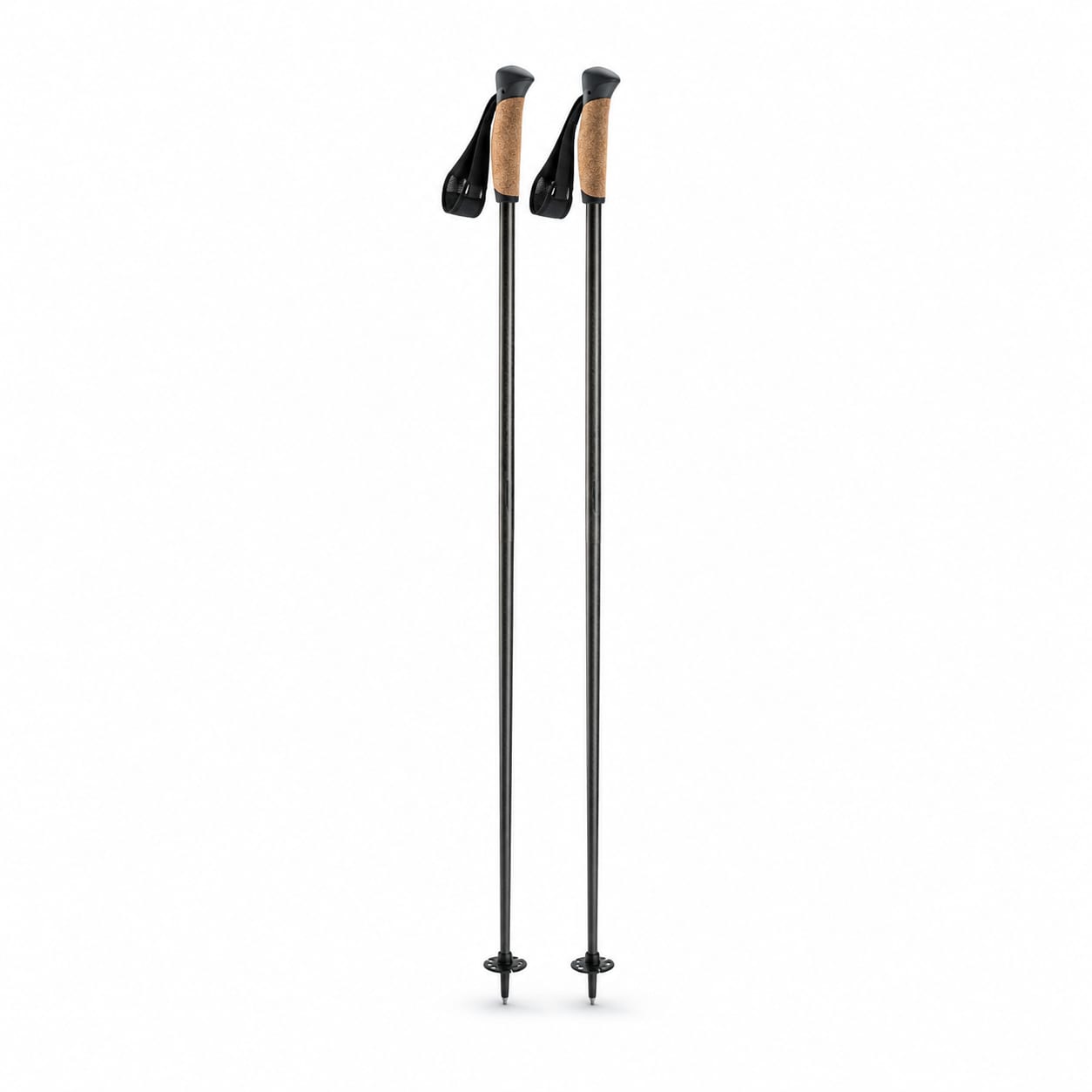
Plastic grips are common on race poles because they are the lightest option and provide adequate grip for the controlled environment of race courses. Some racers prefer thin rubber grips for better grip security in wet conditions. Cork and foam are rarely used in racing due to weight and durability concerns.

Compared to other types

Racing poles use plastic grips more frequently than any other subcategory. All-mountain and freeride poles typically use rubber or cork for better comfort and insulation during long days.

Why it matters: Grip material affects both weight and grip security. Plastic saves critical grams but can feel cold and slippery. Rubber adds minimal weight while improving grip in wet or icy conditions common on race courses.

Strap

Strap Type

What it means

The design of the strap or loop that secures the pole to the skier's wrist, affecting security, comfort, and release characteristics.

Typical for this type

Trigger 3d Or Trigger S (Leki Users), Standard Strap (Traditional)

In practice

Leki's Trigger systems are extremely popular in racing because they provide a secure connection for aggressive pole plants while releasing in crashes to prevent thumb and wrist injuries. The Trigger 3D system with multi-directional release is the current gold standard. Traditional webbing straps remain common among racers who prefer simplicity and don't use Leki gloves.

Compared to other types

Racing has the highest adoption rate of Leki Trigger systems due to the injury prevention benefits at high speeds. Most other subcategories primarily use standard straps.

Why it matters: Racers subject their poles to extreme forces during aggressive plants and are at higher risk of strap-related injuries in high-speed crashes. Release systems like Trigger 3D address both concerns—secure connection during performance and safety in falls.

Construction

Construction Type

What it means

Whether the pole is a fixed single shaft, telescoping adjustable, or folding design. Affects packability, versatility, and weight.

Typical for this type

Fixed (Always)

In practice

All racing poles are fixed-length construction. Adjustable mechanisms add weight, reduce stiffness, and can fail under the extreme forces of racing. Fixed construction provides the lightest weight, maximum stiffness, and most reliable performance—none of which can be compromised in competition.

Compared to other types

Racing is the only subcategory where fixed construction is universal. Backcountry/touring poles require adjustable length, and even many all-mountain poles now offer adjustable options.

Why it matters: Fixed construction eliminates any possibility of adjustment slippage under load and provides the best stiffness-to-weight ratio. In racing, where equipment failure can mean the difference between a podium and a DNF, reliability is paramount.

Tip Material

Tip Material

What it means

The material of the pole tip (point), which affects durability, grip on hard snow and ice, and longevity.

Typical for this type

Carbide (Always)

In practice

Carbide/tungsten tips are standard on all quality racing poles. Race courses are typically icy and hard-packed, requiring maximum tip grip for secure pole plants. Carbide maintains its sharp point far longer than steel, ensuring consistent performance throughout a race season.

Compared to other types

Carbide tips are standard across most quality poles, but they are especially critical in racing where course conditions are consistently firm and the consequences of a slipped pole plant are severe.

Why it matters: On icy race courses, a dull tip can skid instead of biting, causing a missed pole plant that disrupts timing and can lead to a crash. Carbide's superior hardness ensures reliable grip on the hardest surfaces.

Shaft Diameter

Shaft Diameter

What it means

The diameter of the pole shaft, typically tapering from grip to tip. Affects swing weight, stiffness, and aerodynamics.

Typical for this type

12–16 mm (grip end), Aggressively Tapered

Most common pick: 14 mm (grip end), tapering to 12 mm (tip end)

In practice

Racing poles feature the most aggressive shaft tapering of any subcategory. Thinner profiles reduce both swing weight and aerodynamic drag. Many race poles use oversized grip-end diameters (16–18 mm) for stiffness that tapers rapidly to very thin tip sections (12 mm or less) for minimal weight and drag at the swinging end.

Compared to other types

Racing poles have the most aggressive taper profiles. All-mountain poles use moderate taper, and freestyle poles often have thicker, more uniform diameters for durability.

Why it matters: Aggressive tapering reduces swing weight where it matters most—at the tip end—while maintaining stiffness at the grip where forces are applied. Thinner profiles also reduce aerodynamic drag during tucks and swings.

Vibration Dampening

Vibration Dampening

What it means

The pole's ability to absorb and reduce vibrations transmitted from the tip through the shaft to the grip. Affects comfort and feel on hard, choppy snow.

Typical for this type

Low (Preferred By Many Racers), Moderate (Carbon Poles)

In practice

Many racers prefer low vibration dampening because it provides maximum feedback from the snow surface, helping with timing and feel. Stiff aluminum race poles transmit the most feel. Carbon race poles inherently provide more dampening despite their stiffness, which some racers appreciate for comfort on long courses while others find reduces their sense of connection to the snow.

Compared to other types

Racing poles prioritize feel over comfort, resulting in lower dampening than all-mountain or freeride poles. Recreational subcategories favor moderate to high dampening for comfort on long days.

Why it matters: Vibration feedback helps racers time their pole plants and read snow conditions. Too much dampening can mask the feel that racers rely on for precision. However, excessive vibration can cause fatigue in longer speed events.

Discipline

Intended Discipline

What it means

The primary skiing discipline the pole is designed for, which influences all other design choices from length to basket to material.

Typical for this type

Racing (Slalom, GS, Super-G, Downhill)

In practice

Racing poles are designed exclusively for alpine racing disciplines. Each discipline has specific pole requirements: slalom uses straight, slightly shorter poles; GS uses curved poles for tucking; super-G and downhill use more aggressively curved poles with maximum aerodynamic optimization.

Compared to other types

Racing is the most discipline-specific pole subcategory. All-mountain poles are designed for versatility across many terrain types, while racing poles sacrifice all versatility for discipline-specific performance.

Why it matters: Using discipline-appropriate poles is essential for competitive performance. A slalom racer using GS poles would be hindered by the curve, while a downhill racer using straight poles would lose aerodynamic efficiency in tucks.

Curved Shaft

Curved Shaft

What it means

Whether the pole shaft is straight or features a bend/curve, typically designed for aerodynamic tuck positions in racing.

Typical for this type

True For GS/Super-G/Downhill, False For Slalom

Most common pick: True (GS/Speed), False (Slalom)

In practice

Curved shafts are a defining feature of GS and speed discipline racing poles. The bend allows the pole to wrap around the body in a tuck position, significantly reducing aerodynamic drag. Slalom poles are always straight because slalom racing involves minimal tucking and requires poles that plant cleanly between closely spaced gates.

Compared to other types

Racing is the only subcategory that uses curved shafts. All other subcategories use straight shafts because the aerodynamic benefit only matters at racing speeds and the curve interferes with normal pole planting technique.

Why it matters: The aerodynamic advantage of curved poles is significant at GS and downhill speeds. A curved pole can reduce frontal area in a tuck by 30–40% compared to a straight pole, which translates to measurable time savings over a full course.

Adjustment Range

Adjustment Range

What it means

The range of lengths an adjustable pole can be set to, relevant only for telescopic and folding poles.

Typical for this type

Not Applicable (Fixed Length Only)

Most common pick: N/A

In practice

Racing poles are always fixed length and do not have an adjustment range. Adjustable mechanisms add weight, reduce stiffness, and introduce potential failure points—all unacceptable in racing applications.

Compared to other types

Unlike backcountry/touring poles where adjustment range is a key specification, racing poles have no adjustment capability by design.

Why it matters: Racers must select the correct fixed length for their discipline, height, and preference. Getting the right length is more critical with racing poles because there is no ability to adjust on the fly.

Lock Mechanism

Locking Mechanism

What it means

The type of mechanism used to secure adjustable poles at the desired length. Affects reliability, ease of use, and durability.

Typical for this type

Not Applicable (Fixed Length Only)

Most common pick: N/A

In practice

Racing poles are fixed length and have no locking mechanism. The one-piece construction eliminates any adjustment points, which is a performance advantage in racing.

Compared to other types

Backcountry and touring poles require reliable locking mechanisms, but racing poles avoid them entirely for maximum performance and reliability.

Why it matters: No locking mechanism means no possibility of slippage, no added weight, and no maintenance requirements. This simplicity is a feature, not a limitation, in the racing context.

Packed Length

Packed Length

What it means

The length of the pole when collapsed or folded to its minimum size. Relevant for travel and backcountry applications where poles need to fit in or on a pack.

Typical for this type

Not Applicable (Fixed, Non-Collapsible)

Most common pick: N/A (Full Length)

In practice

Racing poles are fixed length and cannot be collapsed or folded. Their packed length is their full extended length, which is a consideration for travel but not a design priority. Racers typically use padded pole bags for transport.

Compared to other types

Folding backcountry poles pack down to 35–45 cm and telescopic poles to roughly half their length, but racing poles cannot be shortened at all.

Why it matters: Racers must plan for full-length pole transport, which requires specialized bags or vehicle space. This is a minor inconvenience that racers accept as a trade-off for the performance benefits of fixed construction.

Evaluation

Strengths and trade-offs

Pros

What this type does best

Extremely Lightweight

Critical

Carbon racing poles can weigh under 200 g per pair, dramatically reducing arm fatigue and enabling faster pole swings between gates. This weight advantage is the single biggest performance benefit of racing poles.

Aerodynamic Design

Critical

Cone baskets, thin tapered shafts, and curved profiles (on GS/speed poles) minimize aerodynamic drag. At racing speeds, these features provide measurable time advantages over standard pole designs.

Superior Stiffness and Response

High

Racing poles are engineered for maximum stiffness, providing instant power transfer on pole plants. There is no energy lost to shaft flex, giving racers precise, immediate response.

Discipline-Specific Optimization

High

Unlike general-purpose poles, racing poles are designed for specific events. Slalom poles are optimized for quick plants, GS poles for tucking, and speed poles for maximum aerodynamics. This specialization ensures every feature serves a performance purpose.

Curved Shaft Tuck Advantage

High

The curved shafts on GS and speed poles allow the poles to wrap tightly around the body in a tuck, reducing frontal area by 30–40% compared to straight poles. This is one of the most impactful aerodynamic features in racing equipment.

Quick-Release Strap Systems

Medium

Many racing poles feature Leki Trigger or similar quick-release systems that reduce thumb and wrist injury risk in high-speed crashes while maintaining a secure connection during aggressive pole plants.

Carbide Tips for Icy Conditions

Medium

Standard carbide tips provide reliable grip on the icy hardpack typical of race courses, ensuring pole plants bite securely even on the firmest surfaces.

Cons

Trade-offs to be aware of

Fragile and Expensive to Replace

Significant

Carbon racing poles can snap on gate impact or in crashes, and they cannot be repaired. A broken pole means buying a replacement, and carbon race poles are among the most expensive in the category. Club racers may go through multiple pairs per season.

Poor Versatility

Significant

Racing poles are optimized for groomed race courses and perform poorly in powder, moguls, or variable off-piste conditions. Cone baskets sink in soft snow, curved shafts interfere with normal skiing technique, and minimal grips are uncomfortable for long recreational days.

Uncomfortable for All-Day Use

Moderate

The minimal plastic grips and low vibration dampening that racers prefer for feel and weight savings cause hand fatigue and discomfort during long recreational skiing days. Racing poles prioritize performance over comfort.

No Adjustability

Moderate

Fixed-length construction means racers must commit to a single length and buy new poles if their preference changes. There is no ability to adjust for different terrain or conditions, and sizing mistakes require purchasing new poles.

High Cost

Minor

Quality carbon racing poles are significantly more expensive than all-mountain aluminum poles. Elite-level race poles can cost 2–4 times more than quality recreational poles, and the fragility means ongoing replacement costs.

Curve Limits Slalom Use

Minor

GS and speed poles with curved shafts cannot be effectively used for slalom training or racing, meaning racers who compete in multiple disciplines need separate pole sets for slalom and speed events.

Best for

Terrain

Groomed race coursesIcy hardpackPrepared race hillsSpeed event venues

Snow conditions

Icy hardpackFirm groomed snowInjected race surfaces

Skill level

AdvancedExpertProfessional/Elite

Riding style

Alpine racingSlalomGiant slalomSuper-GDownhill

Rider profile

Competitive alpine racersMasters racersRace program athletesCollegiate racersSerious gate trainers

Not ideal for

Reasons

Cone baskets sink in deep snow providing no flotationCurved shafts interfere with normal pole planting techniqueMinimal grips cause hand fatigue during long recreational daysCarbon construction is too fragile for the impacts common in freestyle and backcountryBeginners cannot benefit from racing pole features and the cost is unjustifiedFixed length cannot be adjusted for varied backcountry terrain

Terrain

Deep powderMogul fieldsBackcountryTight gladesVariable off-piste

Skill level

BeginnerIntermediate

Riding style

Freestyle/parkBackcountry touringCasual all-mountain cruisingNordic skiing

Compare

How it stacks up

This page

Racing Ski Poles

Dramatically lighter weight, superior stiffness, aerodynamic design, and discipline-specific features like curved shafts and cone baskets that provide measurable performance advantages in racing.

Alternative

All-Mountain Ski Poles

All-mountain poles are far more durable, versatile across terrain and conditions, more comfortable for long days, and significantly less expensive. They use standard baskets that work in varied snow conditions.

Bottom line

Choose racing poles only if you compete or train in gates regularly. For all other skiing, all-mountain poles are more practical, durable, and cost-effective.

This page

Racing Ski Poles

Much lighter with better swing dynamics, stiffer for responsive pole plants, and aerodynamically optimized. Racing poles are precision instruments compared to the blunt durability focus of freestyle poles.

Alternative

Freestyle/Park Ski Poles

Freestyle poles are built to withstand impacts from rails, jumps, and crashes. They are shorter for less interference during tricks, less expensive to replace, and their durability makes them practical for high-impact skiing.

Bottom line

If you spend time in the terrain park or hitting jumps, freestyle poles are the right choice. Racing poles will break quickly in park environments and their length and features offer no benefit.

This page

Racing Ski Poles

Lighter, stiffer, and more aerodynamic than touring poles. Fixed construction is more reliable under the specific loads of racing pole plants. No compromise from adjustable mechanisms.

Alternative

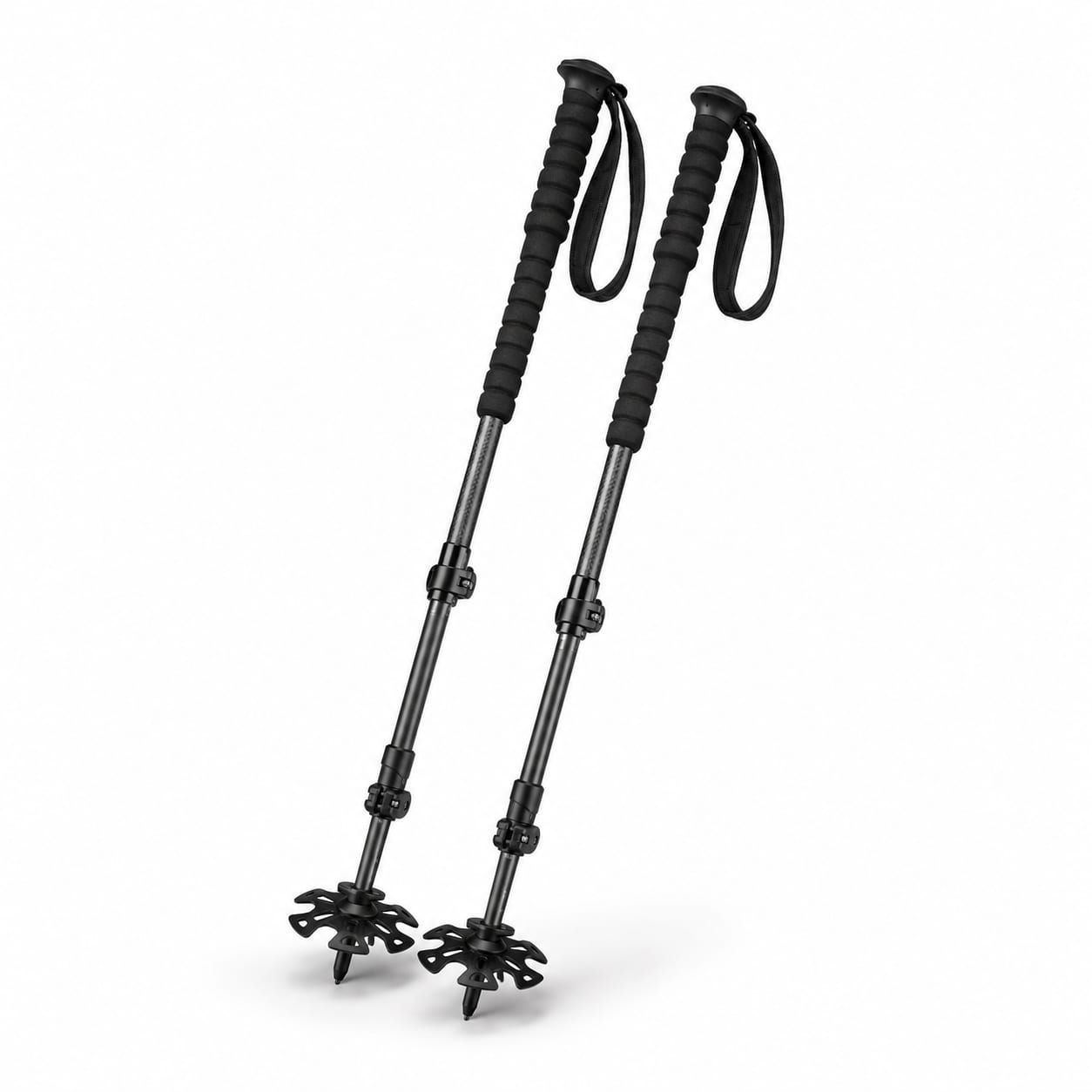
Backcountry/Touring Ski Poles

Touring poles offer adjustable length for efficient uphill skinning and downhill skiing, powder baskets for deep snow, and compact packed size for stowing on steep ascents. They are far more versatile for variable terrain.

Bottom line

Racing poles have no place in the backcountry—they lack adjustability, powder baskets, and packability. If you tour, use touring poles. If you race, use racing poles. These subcategories serve completely different purposes.

This page

Racing Ski Poles

Significantly lighter with better swing weight, stiffer for precise pole plants, and aerodynamically superior. Racing poles are engineered for speed; freeride poles are engineered for survival in big terrain.

Alternative

Freeride/Big Mountain Ski Poles

Freeride poles offer extended grips for steep traverses, powder baskets for deep snow, and durable construction that withstands variable backcountry conditions. They are versatile tools for aggressive off-piste skiing.

Bottom line

Choose freeride poles for big mountain and steep skiing where extended grips and powder baskets matter. Choose racing poles for gate training and competition. Their design philosophies are fundamentally different.

Shopping

Buying tips

  • 1

    Choose your discipline first: buy straight poles for slalom, curved poles for GS and speed events. If you race both, you need two pairs.

  • 2

    Carbon fiber is worth the investment for serious racers but club-level racers and those doing heavy gate training should consider aluminum for durability and lower replacement cost.

  • 3

    Size racing poles slightly longer than your all-mountain poles—typically 2–5 cm longer—to optimize tuck aerodynamics and aggressive pole plant reach.

  • 4

    If using Leki Trigger systems, factor in the cost of compatible gloves or strap adapters, which add $50–100 to your total investment.

  • 5

    Buy from brands with strong racing programs (Leki, Komperdell, Swix, Rossignol) as their designs are validated at the World Cup level and benefit from continuous refinement.

  • 6

    Keep a backup pair for race day—carbon poles can break on gate contact or in crashes, and you don't want a broken pole to end your race day.

  • 7

    Consider buying curved poles with a moderate bend if you race both GS and some slalom, as they can serve double duty better than aggressively curved speed poles.

  • 8

    Test pole length with your racing stance and tuck position, not just standing upright. The length that works for casual skiing may not be optimal for racing posture.

Care

Maintenance notes

  • Inspect carbon shafts before every race for hairline cracks, chips, or stress marks. Carbon can fail catastrophically without warning—replace any pole showing damage.
  • Check that cone baskets are securely attached and not cracked. Damaged baskets create aerodynamic drag and can detach during a run.
  • Tighten grip connections periodically, as the minimal grip material on race poles can loosen over time with aggressive use.
  • Replace carbide tips when they become noticeably dull, as tip grip on icy courses is critical for safe and effective pole plants.
  • Store racing poles in a padded bag to prevent damage during transport. Carbon poles are particularly vulnerable to impact damage when not in use.
  • If using Leki Trigger systems, clean the click mechanisms regularly and ensure they release properly in all directions before race day.
  • Do not use racing poles for gate training if you want to preserve them for race day—use older or aluminum poles for training and save your race poles for competition.

Progression

Skill development path

Racing poles become relevant once a skier enters a formal race program or begins training in gates, typically at the advanced level. Junior racers often start with aluminum race poles before graduating to carbon as their commitment and skill increase. The transition from all-mountain poles to racing poles should coincide with dedicated race training, as the specialized features offer no benefit without the technique to exploit them. As racers advance from slalom to GS to speed disciplines, they will need to acquire discipline-specific poles with appropriate shaft geometry. Masters racers returning to the sport should consider that modern carbon racing poles are significantly lighter and stiffer than what they may have used previously, requiring a brief adjustment period.

FAQ

Common questions

Each question has a dedicated page with a full answer and links to the buying guide.

Do I need curved poles for slalom racing?

No. Slalom poles are always straight. The curved shaft is designed specifically for tuck positions in GS, super-G, and downhill where aerodynamic drag is a significant factor. In slalom, racers rarely tuck and need poles that plant cleanly between closely spaced gates, which curved poles would interfere with.

Are carbon racing poles worth the extra cost over aluminum?

For serious competitive racers, yes. Carbon poles are 40–60% lighter than aluminum race poles, which reduces arm fatigue and enables faster pole plants. At the elite level, this weight difference is meaningful. However, club racers, juniors, and those who do heavy gate training may prefer aluminum poles for their durability and lower replacement cost, since carbon poles can snap on gate impact.

How should racing poles fit differently than recreational poles?

Racing poles are typically sized 2–5 cm longer than recreational poles. This extra length provides better reach for aggressive pole plants and improves aerodynamics in tuck positions. The correct length should be determined in your racing stance, not just standing upright. When in doubt, consult your coach, as proper pole length affects timing and technique.

Can I use racing poles for regular recreational skiing?

Technically yes, but it's not ideal. Racing poles are less comfortable for long days due to minimal grips and low vibration dampening. Cone baskets sink in soft snow, and curved shafts can feel awkward during normal skiing. If you race and also ski recreationally, consider having a separate pair of all-mountain poles for free skiing to preserve your race poles.