
Ski Socks · FAQ
Questions about Kids / Junior Ski Socks
Straight answers on fit, specs, and when this type makes sense — each topic has its own page with links back to the buying guide.
Open Kids / Junior Ski Socks guide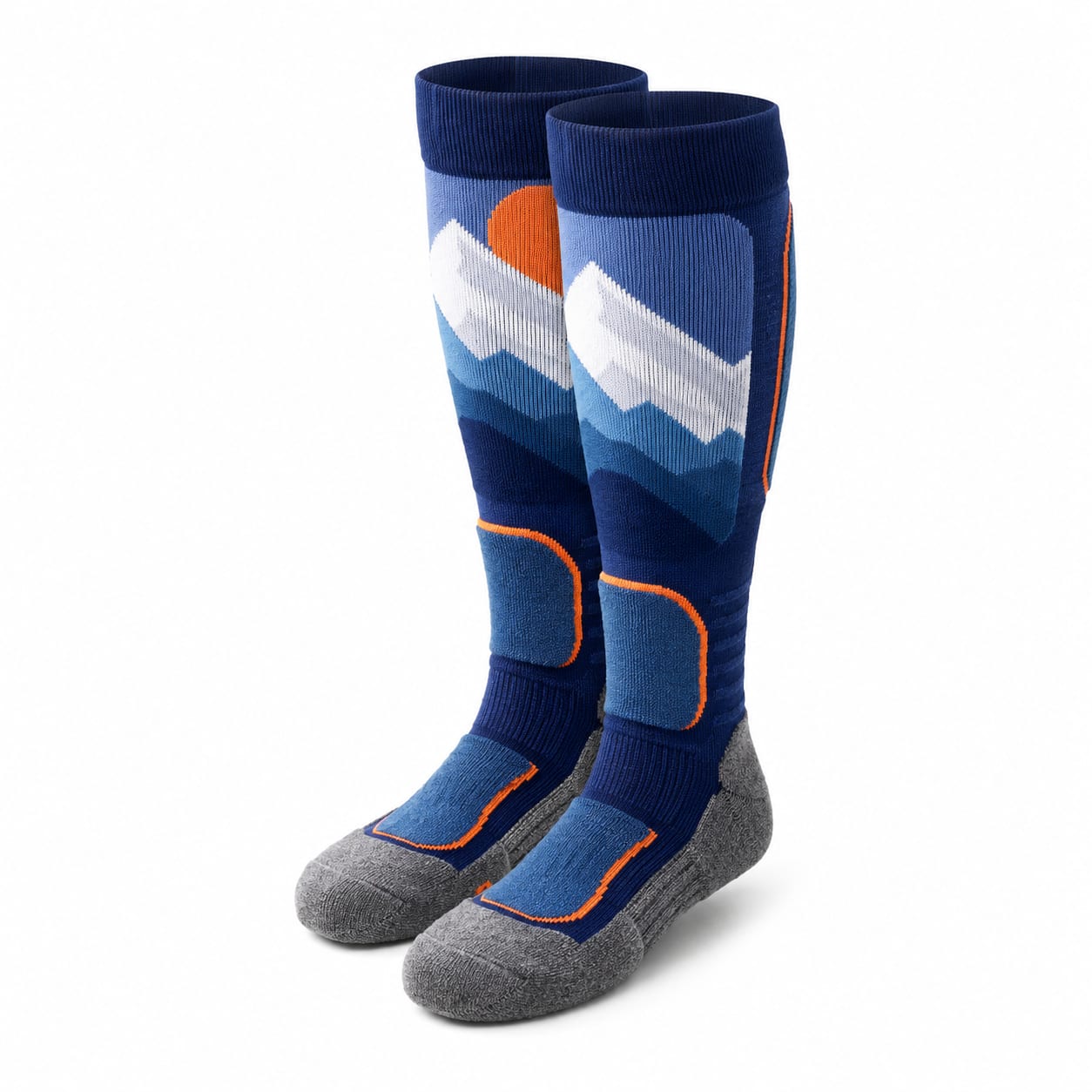
6 topics
Pick a question
Every answer links to the full subcategory guide and related gear types when it helps you decide.
Can my child wear regular winter socks for skiing?
No, regular winter socks — especially cotton ones — are one of the most common causes of cold, uncomfortable feet in young skiers. Regular socks lack the moisture-wicking capability, over-the-calf height, shin cushioning, and flat seams that ski-specific socks provide. Cotton retains sweat and makes feet cold and blister-prone. A proper junior ski sock is a small investment that dramatically improves a child's comfort and enjoyment on the slopes.
Read answer →02Should I buy ski socks a size up so my child can grow into them?
Absolutely not. This is the most common mistake parents make with kids' ski socks. In regular shoes, a slightly large sock is harmless. In a ski boot, excess material creates folds and wrinkles that press into the skin with every turn, causing painful pressure points and hot spots. Buy the size that fits right now, even if it only lasts one season. The cost of replacing socks annually is far less than the cost of ski days ruined by uncomfortable feet.
Read answer →03When should my child switch from junior to adult ski socks?
Transition to adult ski socks when your child is wearing adult-sized ski boots, typically around women's shoe size 5-6 or men's size 4-5. The key indicator is boot size, not age — some 10-year-olds wear adult boots while some 13-year-olds are still in junior sizes. Once in adult boots, use women's-specific socks for girls and men's socks for boys to get the proper heel and calf proportions.
Read answer →04How many pairs of ski socks does my child need?
At minimum, two pairs per child for a ski trip — one to wear while the other dries. For a week-long trip, three to four pairs is ideal. Kids' socks get wet from snow, sweat, and puddles more easily than adults', and putting on damp socks in the morning is a recipe for cold feet. Having fresh, dry socks each day makes a significant difference in comfort and warmth.
Read answer →05My child complains their feet are always cold skiing. Will thicker socks help?
Counterintuitively, thicker socks may make the problem worse. If the sock is too thick for the boot, it restricts circulation, which makes feet colder. The most common causes of cold feet in kids are: (1) socks that are too large and bunch up, restricting blood flow; (2) cotton socks that retain moisture; (3) boots that are too tight or too loose; and (4) buckles cranked down too tight. Ensure proper sock fit, use merino wool socks, check boot fit, and avoid overtightening buckles. If feet are still cold, consider a midweight merino sock with medium cushioning rather than jumping to heavyweight.
Read answer →06Do kids need compression ski socks?
Generally no. Most junior ski socks don't include graduated compression, and it's not necessary for young skiers. Children's circulatory systems are still developing, and improperly fitted compression could potentially restrict blood flow rather than improve it. If a junior skier has a specific medical need for compression, consult a physician. For most kids, proper sock fit, good material, and appropriate cushioning provide all the comfort and performance they need.
Read answer →