Kitvore.com

Kitvore.com

Specs that matter. Gear that fits.

Ski Base Layers & Accessories

Ski Socks

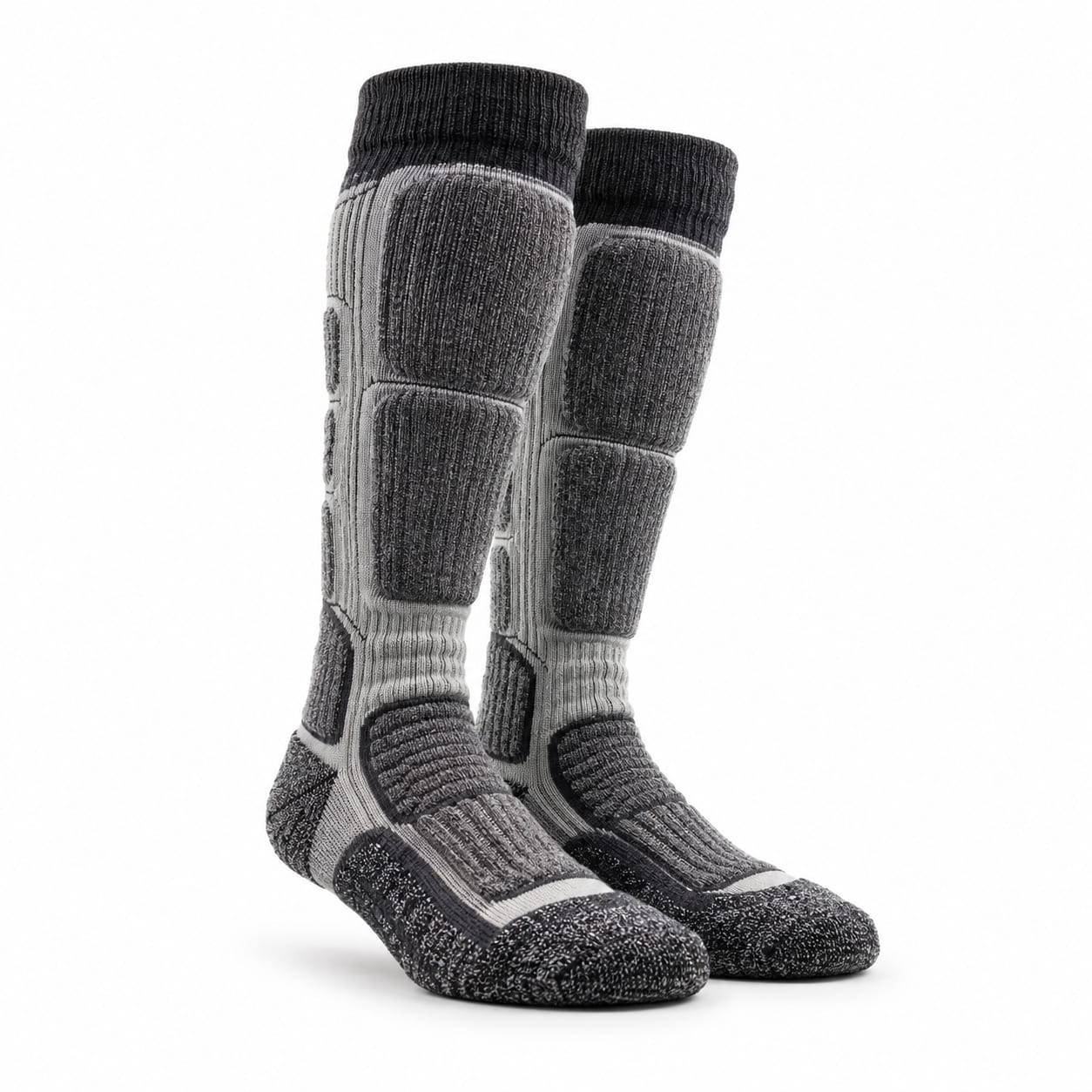
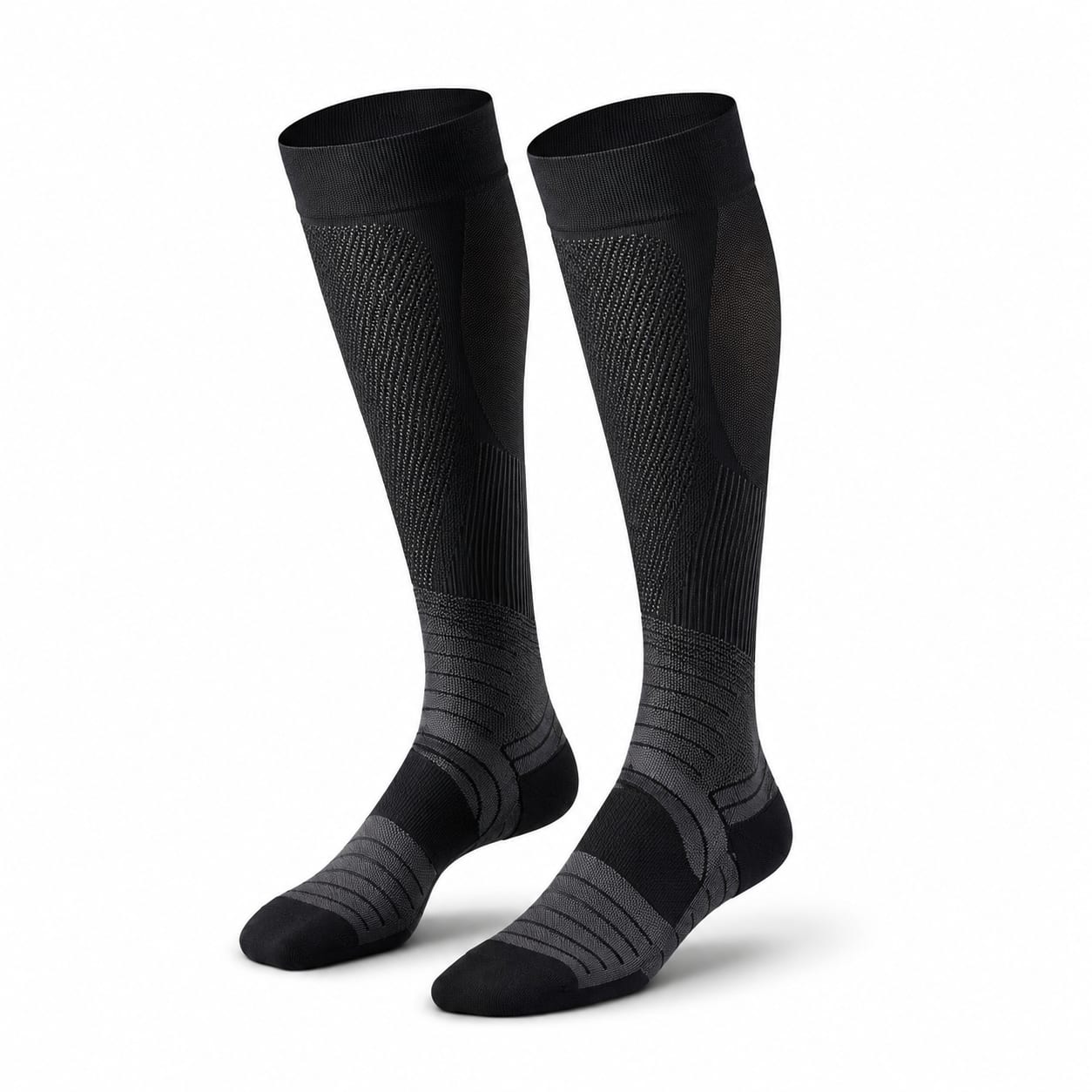
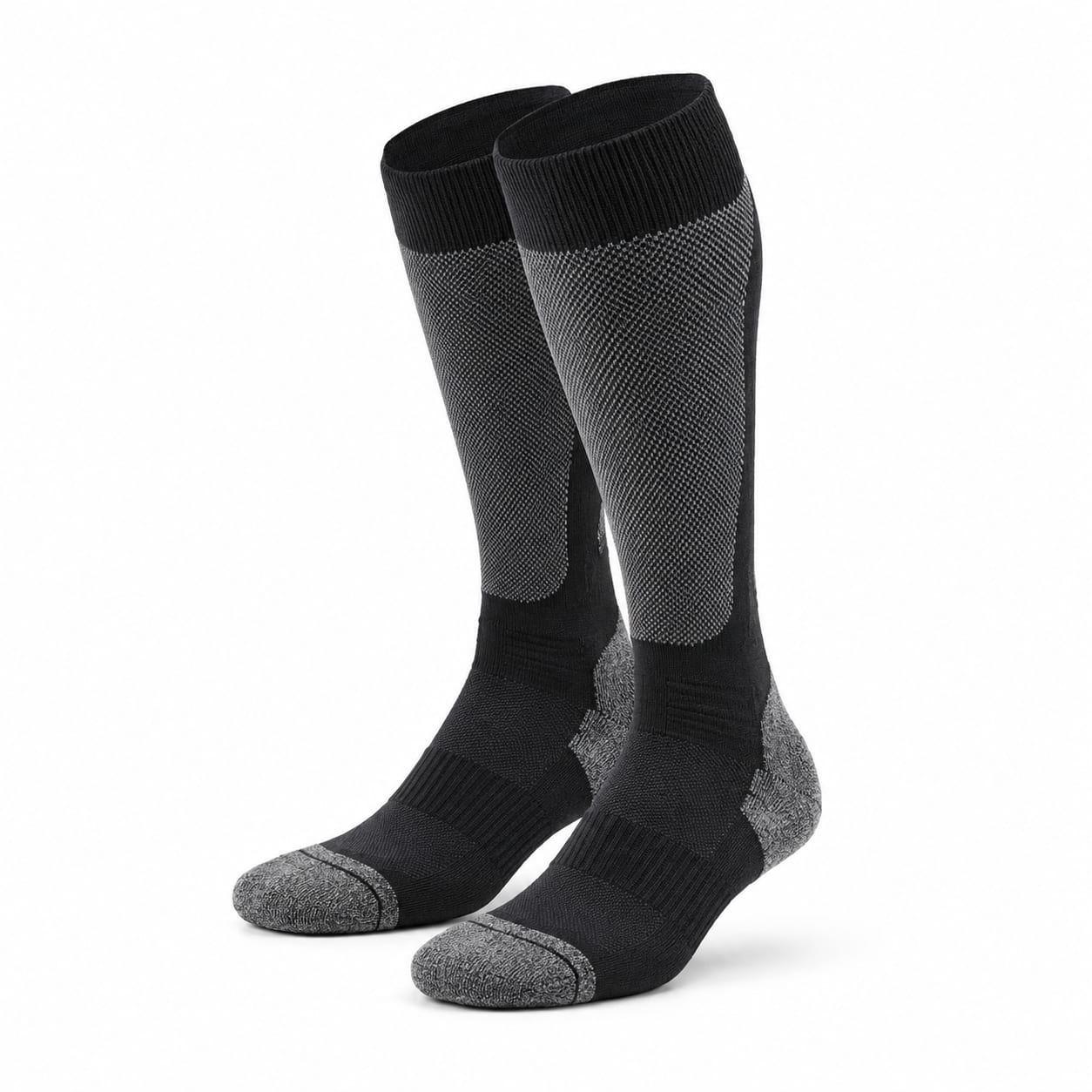
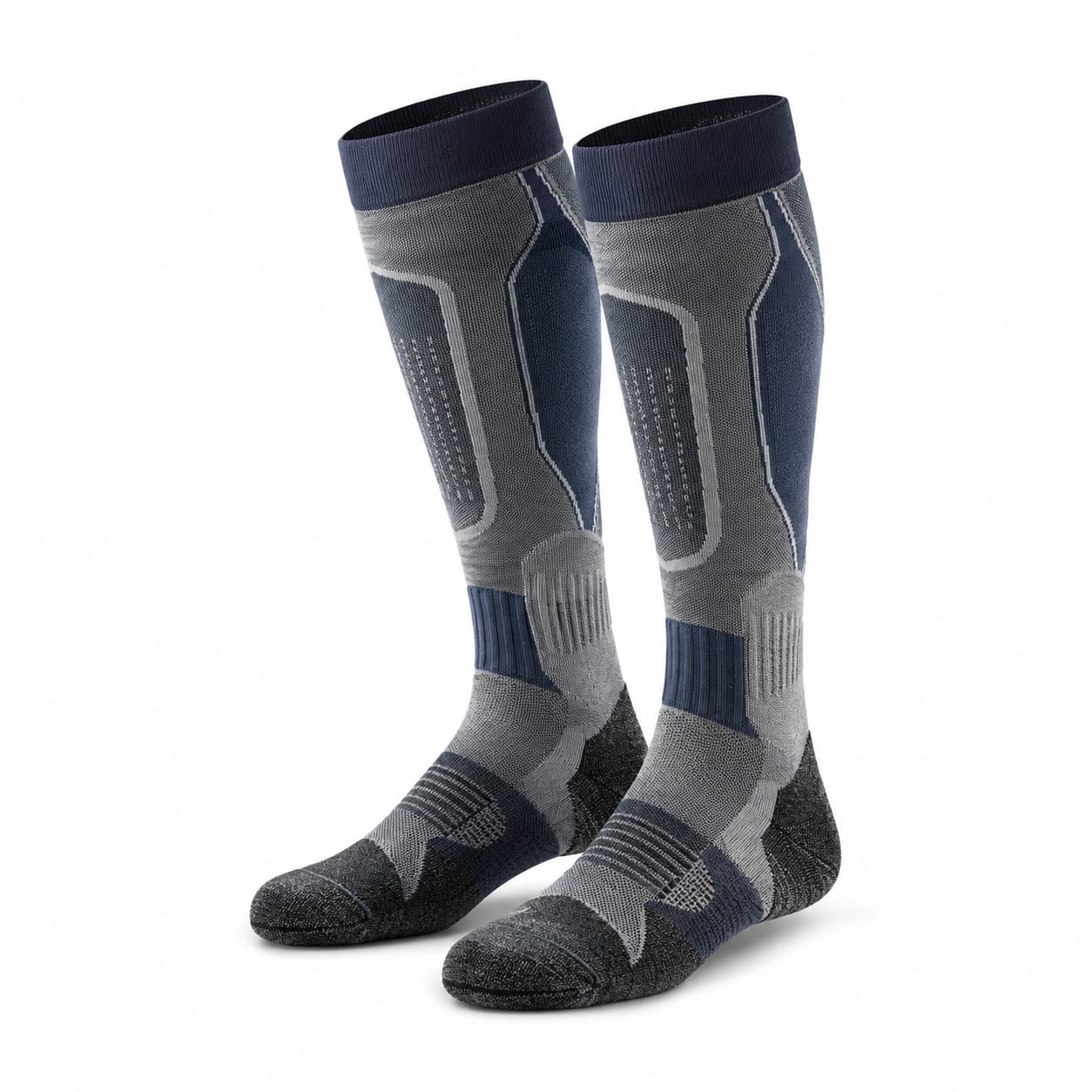
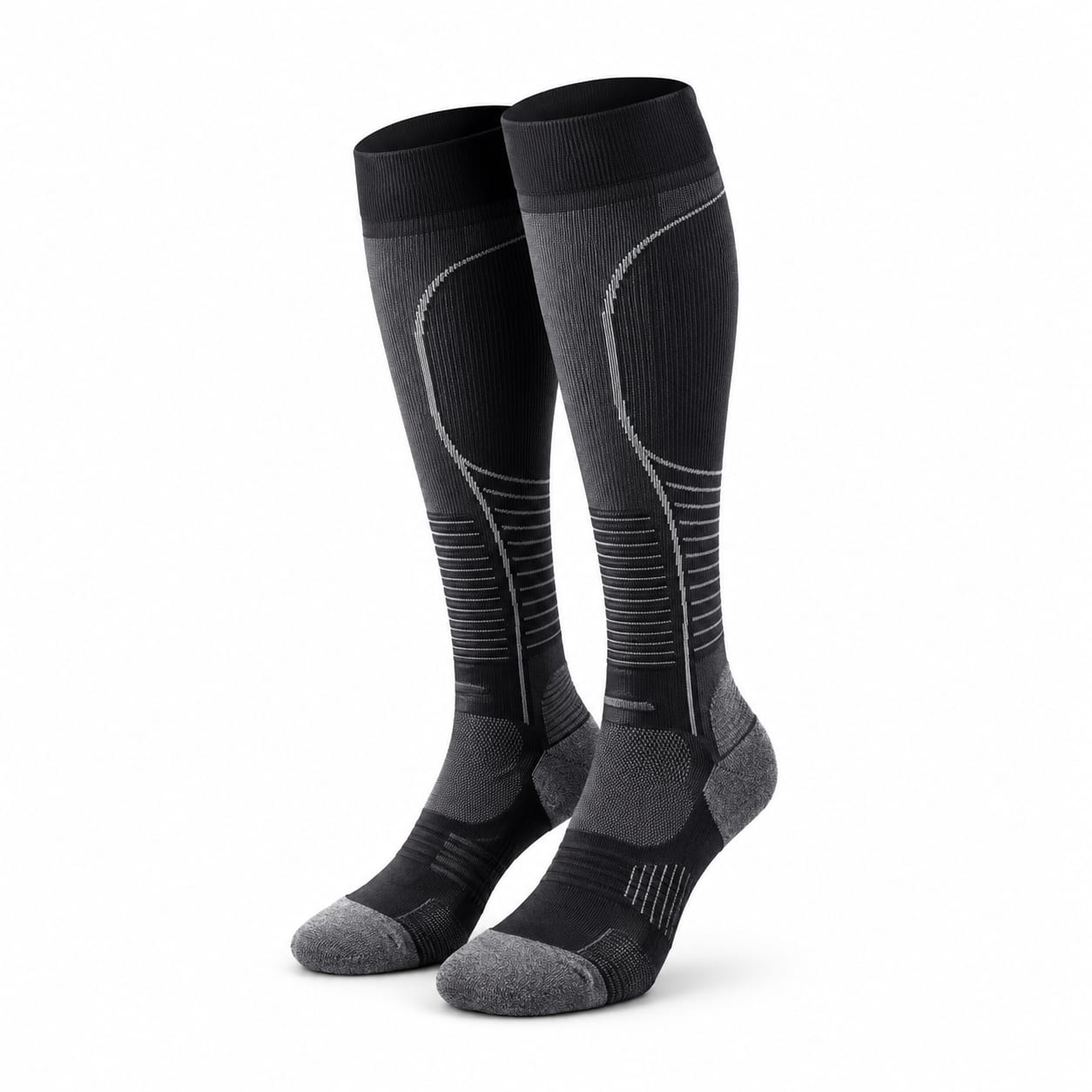
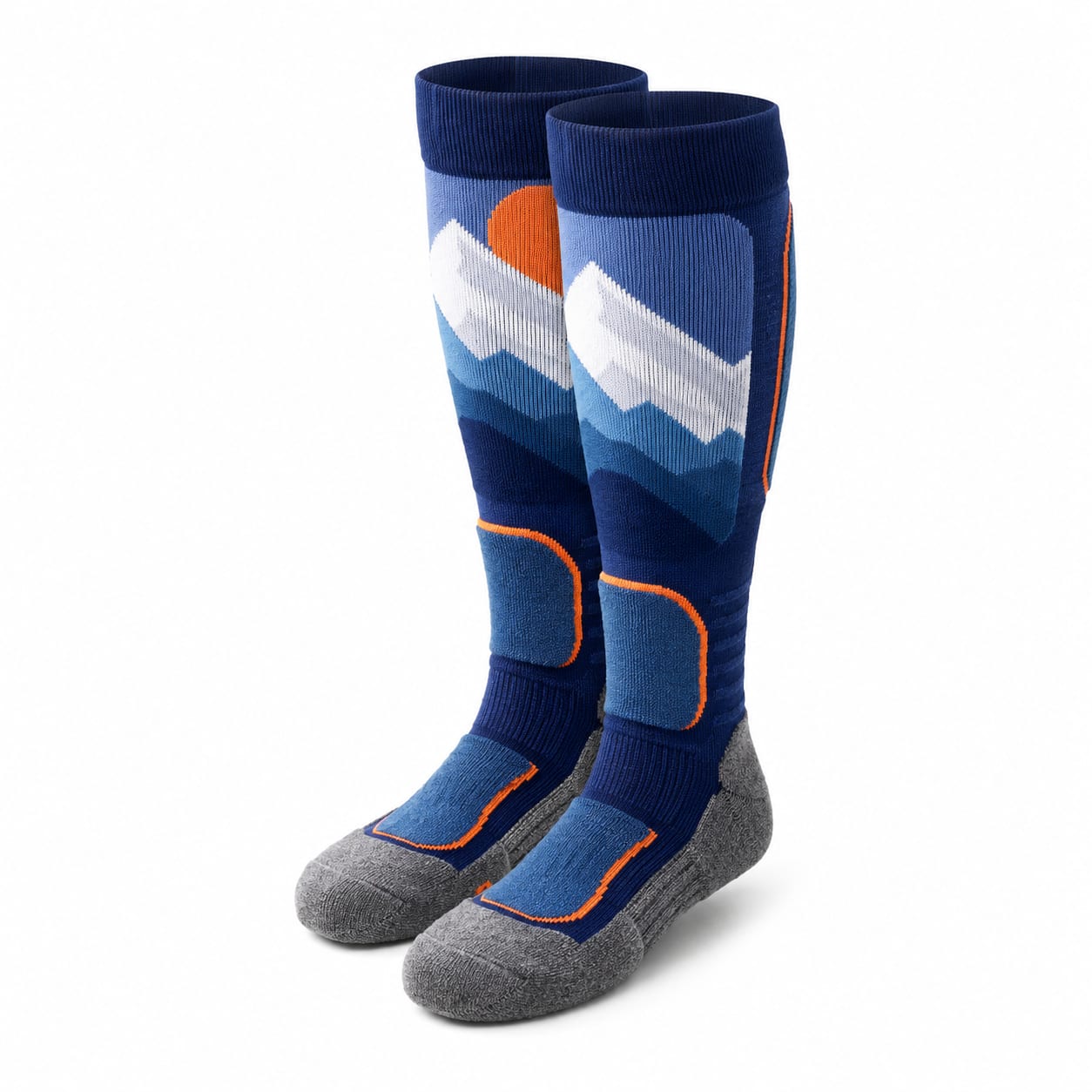
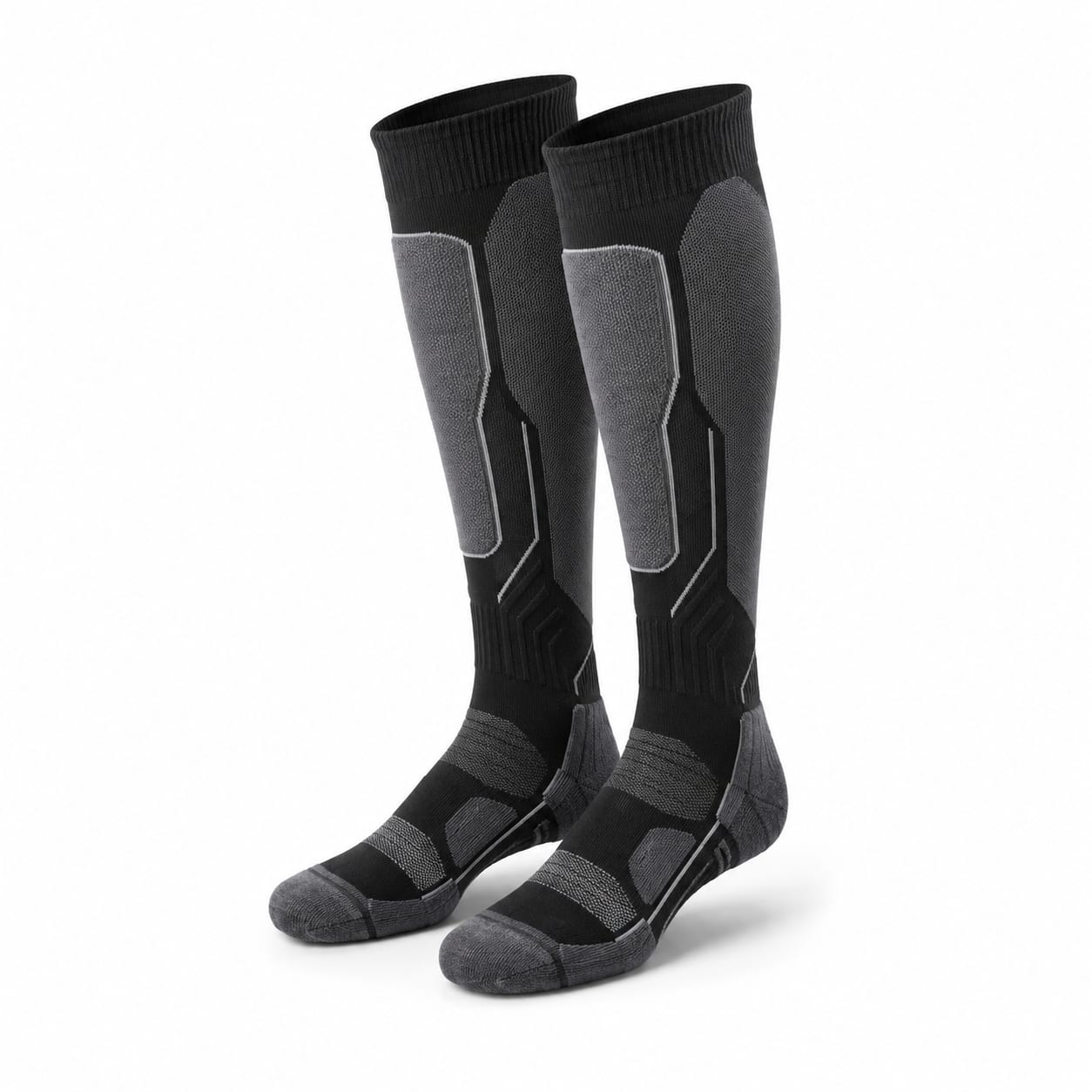
Performance socks engineered specifically for skiing, designed to provide moisture management, cushioning, and fit within the constrained environment of a ski boot.

Alpine skiers seeking boot comfort and performanceBackcountry skiers needing moisture management on ascentsBeginner skiers experiencing boot discomfortRacers requiring precise boot fit and minimal cushioning

16

Key specs

9

Subcategories

6

Related gear topics

Ski Socks

Overview

What this equipment is for

Ski socks are a critical interface between the foot and the ski boot. Unlike regular winter socks, they are purpose-built with strategic cushioning zones, moisture-wicking materials, and compression features that enhance comfort, warmth, and performance during long days on the mountain. Proper ski socks can prevent blisters, reduce foot fatigue, and improve boot fit and responsiveness.

Related equipment

Ski BootsSnowboard SocksSki Base LayersBoot HeatersFootbeds/InsolesToe Warmers

Buying specs

Specs worth understanding before you buy

Each spec explains how it affects performance, fit, and whether a product suits your style and use case.

Fit & Sizing

Dimensions that determine how the sock fits your foot and leg, critical for comfort inside a ski boot.

Height

Sock Height

Importance

The height of the sock measured from the heel to the top of the cuff. Critical for preventing skin contact with the top of the ski boot shell.

Over-the-Calf (OTC)

Extends above the calf muscle, typically 12-16 inches from heel to cuff top. The standard and most recommended height for skiing.

Mid-Calf

Reaches the middle of the calf, approximately 8-11 inches from heel. Less common for skiing.

Crew

Reaches just above the ankle bone to lower calf, approximately 6-8 inches from heel. Not suitable for most ski boots.

Knee-High

Extends to just below the knee, approximately 16-20 inches from heel. Used for specific racing or cold-weather applications.

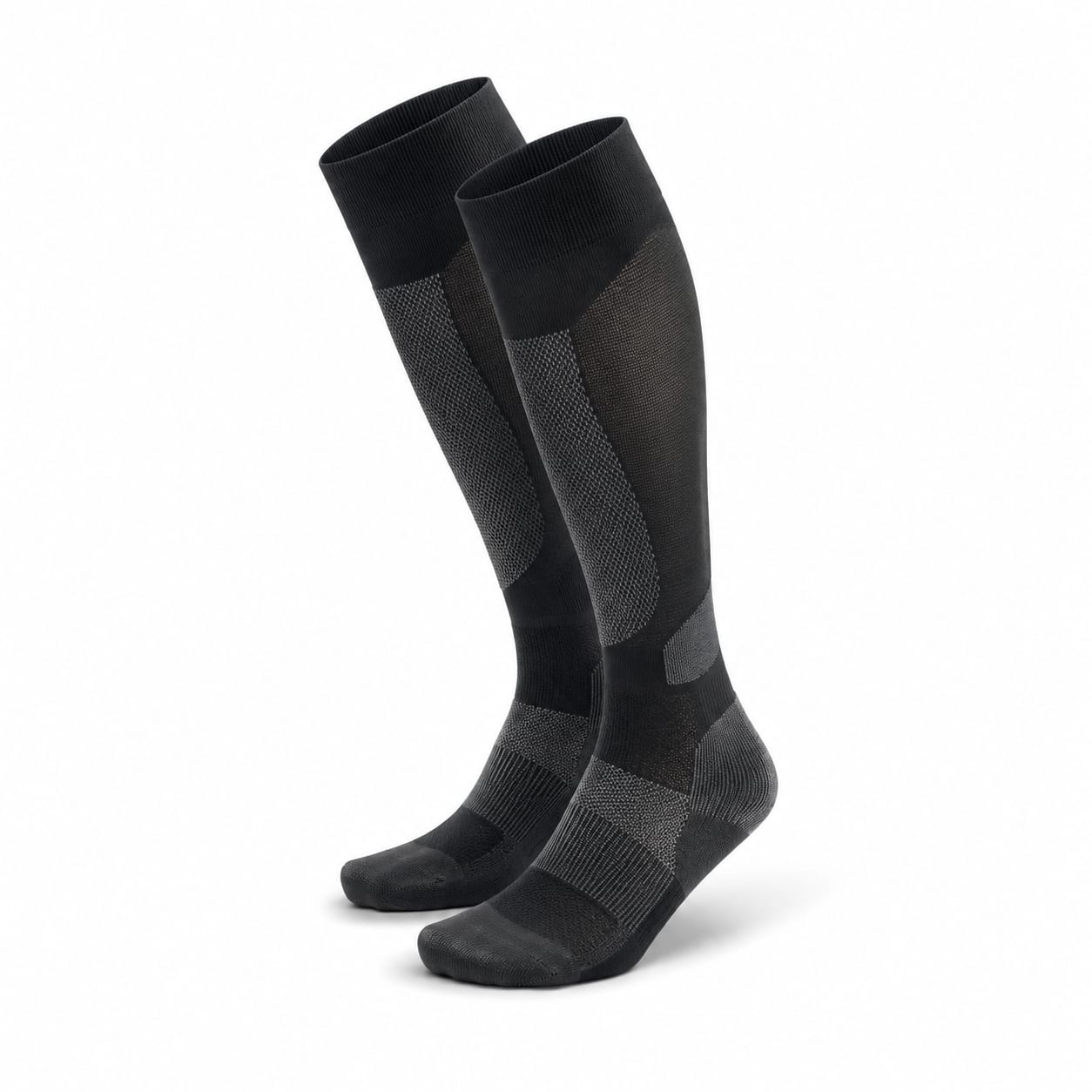
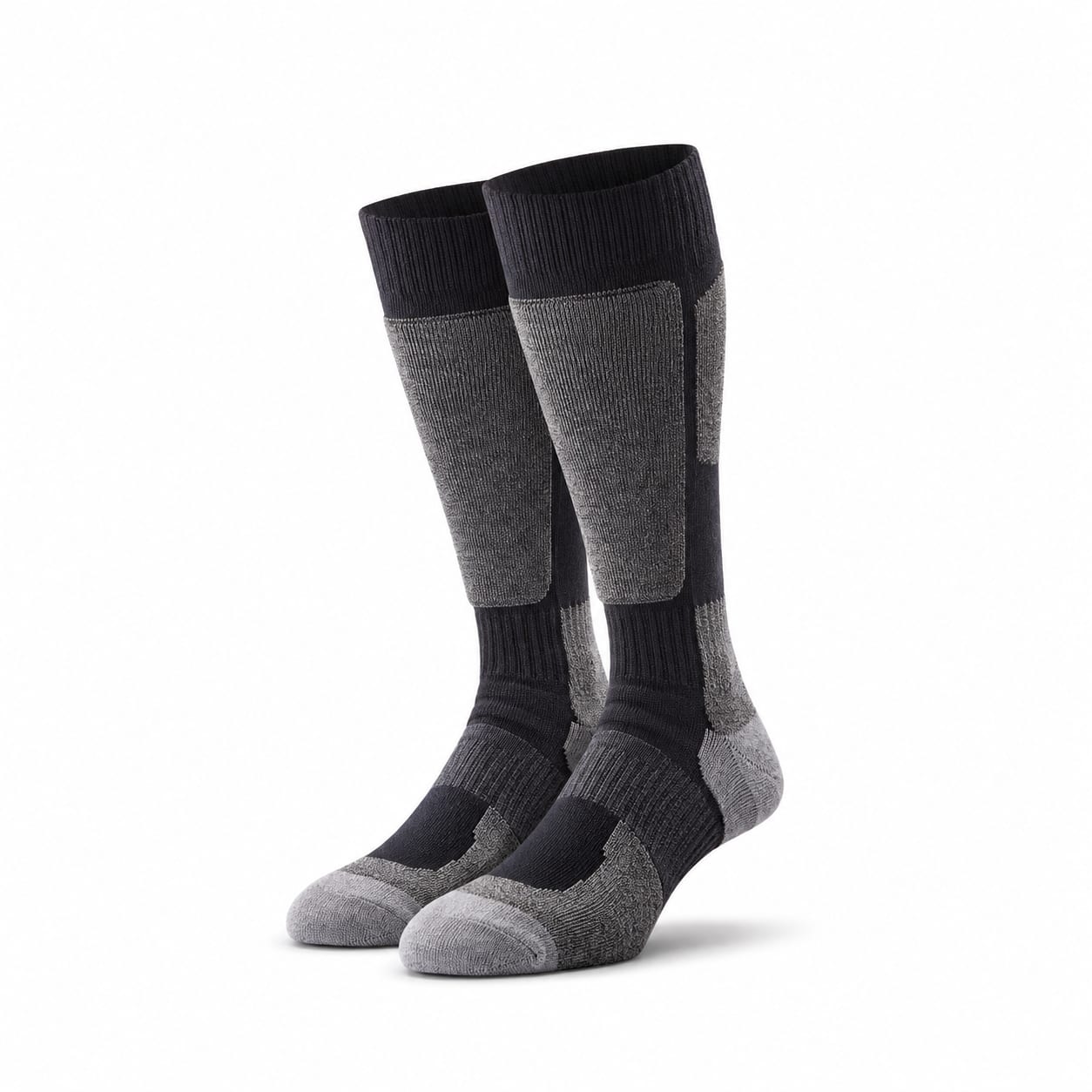
Over-the-calf is the standard and strongly recommended height for nearly all skiing. Anything shorter risks painful rubbing from the boot shell. Knee-high is preferred by some racers and cold-sensitive skiers.
Size

Size Range

Importance

The sock size, which must correspond to the skier's shoe size for proper fit. Ill-fitting socks cause bunching, wrinkles, and discomfort in ski boots.

Typical range: 1–17 US shoe size

Sizing is critical — a sock that's too large will bunch and create pressure points, while one that's too small will pull tight and restrict circulation. When in between sizes, size down rather than up. Check the brand's specific size chart as ranges vary. Women's sizes typically run 1.5-2 sizes smaller than men's for the same foot length.

Gender Fit

Gender-Specific Fit

Importance

Whether the sock is designed with gender-specific proportions. Women's-specific socks account for typically narrower heels, higher arches, and different calf proportions.

Men's

Designed for typically larger feet with wider heel, lower arch, and larger calf circumference.

Women's

Designed with narrower heel pocket, higher arch, and smaller calf circumference proportional to women's feet.

Unisex

Generic proportions designed to fit a range of foot shapes. May not optimize for either gender's specific proportions.

Youth/Junior

Sized and proportioned for children and young teens. Smaller in all dimensions.

Women should strongly consider women's-specific socks — the narrower heel and different calf proportions make a noticeable difference in ski boot comfort. Men with narrow feet may also prefer women's sizing. Youth socks are essential for children to prevent dangerous bunching in ski boots.

Left/Right Specific

Anatomical Fit Construction

Importance

Whether the sock is constructed with specific left and right foot shaping for improved fit and reduced bunching inside the boot.

Left/Right Anatomical

Each sock is shaped specifically for the left or right foot, with contouring that follows the foot's natural shape. Marked with L and R.

Universal Fit

Same construction for both feet. Slightly shaped but not foot-specific.

Anatomical left/right socks provide a noticeably better fit and are worth seeking for performance skiing. For casual skiing, universal fit is fine. The difference is most noticeable in tight-fitting boots where any bunching creates pressure points.

Thickness

Thickness Category

Importance

The overall thickness of the sock construction, which directly affects boot fit, warmth, and feel. Related to but distinct from cushioning level.

Ultralight

Extremely thin, almost sheer construction. Minimal material between foot and boot.

Lightweight

Thin but with some substance. Slight padding in key areas. Common for performance socks.

Midweight

Medium thickness with noticeable but not excessive bulk. The most versatile and popular category.

Heavyweight

Thick, substantial construction with maximum material volume. Warmest option.

Match thickness to your boot fit and typical conditions. A common approach is to own lightweight and midweight pairs — use lightweight for warm days and snug boots, midweight for cold days and average fit. Avoid heavyweight unless you have specific cold or fit issues.

Material & Construction

Dimensions related to the sock's fiber composition and build quality, affecting performance, durability, and care.

Material

Primary Fiber Material

Importance

The dominant fiber type used in the sock construction, which determines moisture management, warmth, odor resistance, and durability.

Merino Wool

Fine-grade wool from Merino sheep. The gold standard for ski socks due to its natural temperature regulation, moisture wicking, and odor resistance.

Synthetic Blend

Primarily nylon, polyester, or acrylic with elastane/spandex for stretch. Engineered for durability and fast drying.

Merino-Synthetic Blend

Combines merino wool (typically 40-70%) with synthetic fibers for the best of both materials. Most common in premium ski socks.

Silk Blend

Silk combined with wool or synthetics. Extremely smooth and thin with natural temperature regulation.

Merino wool or merino-synthetic blends are strongly recommended for skiing. Avoid cotton entirely — it retains moisture and makes feet cold. Pure synthetics work but lack the odor resistance and temperature regulation of merino.

Merino %

Merino Wool Content

Importance

The percentage of merino wool in the sock's fiber composition. Higher percentages provide more natural performance benefits but may reduce durability.

Typical range: 0–85 %

Most quality ski socks contain 40-70% merino wool. Below 30% and you lose many of merino's benefits. Above 70% and durability may suffer. The remaining content is typically nylon (for durability) and elastane/spandex (for stretch and recovery).

Toe Seam Type

Toe Construction

Importance

How the toe area of the sock is constructed and seamed. Affects comfort and blister risk in the tight toe box of a ski boot.

Seamless / Seamless Toe

Toe is closed without a raised seam. The most comfortable option for ski boots.

Flat-Knit Seam

Toe seam is flattened to minimize bulk and reduce friction compared to traditional seams.

Hand-Linked Toe

Toe seam is hand-linked for an extremely smooth, nearly invisible closure. Premium construction.

Seamless or flat-knit toe construction is strongly recommended for ski socks. A raised toe seam can cause significant discomfort and blisters inside the tight environment of a ski boot. This is a detail that matters more in ski socks than in most other sock types.

Reinforced Areas

Reinforced Zones

Importance

Specific areas of the sock with extra-durable construction to resist wear from ski boot friction and extend sock life.

Heel Reinforcement

Extra-durable knitting in the heel area where the boot liner creates significant friction.

Toe Reinforcement

Additional durability in the toe area, especially on top where the boot liner creates pressure.

Shin Reinforcement

Durable construction over the shin area where the boot tongue creates pressure and friction.

Sole/Underfoot Reinforcement

Extra-durable construction on the bottom of the foot for abrasion resistance.

Heel and toe reinforcement are the most valuable — these are the areas that wear out first. Shin reinforcement is a bonus that helps cushioning last longer. Quality ski socks almost always include heel and toe reinforcement.

Odor Control

Antimicrobial Treatment

Importance

Whether the sock has an applied antimicrobial treatment (e.g., silver ions, Polygiene) to reduce odor-causing bacteria. Merino wool has natural antimicrobial properties.

Treated

Sock has an applied antimicrobial treatment for enhanced odor resistance beyond the fiber's natural properties.

Not Treated

No additional antimicrobial treatment. Relies on the fiber's natural properties (merino is naturally odor resistant).

Not a critical feature — merino wool naturally resists odor well. Antimicrobial treatments are a nice bonus for multi-day trips but shouldn't be a primary decision factor. More relevant for synthetic socks that lack natural odor resistance.

Cushioning & Protection

Dimensions related to padding and impact protection, which affect comfort, warmth, and boot fit.

Cushioning

Cushioning Level

Importance

The overall amount and density of padding built into the sock, affecting warmth, comfort, and boot fit. More cushioning means more warmth but less room in the boot.

Ultralight / No Cushion

Minimal to no cushioning. Thinnest construction for maximum feel and closest boot contact.

Light Cushion

Thin cushioning in key impact zones (shin, heel, toe). Low overall bulk.

Medium Cushion

Moderate cushioning throughout with extra padding in high-impact zones. The most common and versatile option.

Heavy / Full Cushion

Thick cushioning throughout the foot and leg. Maximum padding and warmth.

Match cushioning to your boot fit: tight performance boots need light/ultralight, average boots suit medium, and loose or rental boots can use heavy. Thicker does not always mean warmer — moisture management matters more than bulk.

Shin Padding

Shin Cushioning

Importance

Dedicated cushioning zone on the front of the sock that protects the shin from ski boot pressure and impact. One of the most important zone-specific features.

No Shin Cushioning

No dedicated shin padding. Same thin construction throughout the leg.

Light Shin Cushioning

Thin padding over the shin area. Subtle protection without bulk.

Medium Shin Cushioning

Moderate padding over the shin. Noticeable cushioning that absorbs impact and reduces pressure.

Heavy Shin Cushioning

Thick, dense padding over the shin. Maximum shock absorption and pressure relief.

If you experience shin pain or 'shin bang' from your boots, prioritize medium to heavy shin cushioning. Most all-mountain skiers do well with medium. Racers and performance skiers often prefer light or none for maximum boot feel.

Arch Support

Arch Support

Importance

Built-in compression or elastic support in the arch/instep area of the sock. Provides a more secure fit and can reduce foot fatigue.

No Arch Support

No dedicated arch compression or elastic. Uniform construction through the midfoot.

Light Arch Support

Subtle elastic or compression zone through the arch. Gentle hug without constriction.

Moderate Arch Support

Noticeable elastic or compression band through the arch. Secure, supportive feel.

Firm Arch Support

Strong compression zone through the arch. Maximum support and stability.

Moderate arch support is a good default for most skiers — it keeps the sock in place and provides a slight performance benefit. If you have high arches or experience foot fatigue, prioritize this feature. Skiers with flat feet may find firm arch support uncomfortable.

Climate & Comfort

Dimensions that affect temperature regulation, moisture management, and overall comfort in varying conditions.

Warmth Level

Warmth Rating

Importance

The overall warmth category of the sock, determined by thickness, material, and construction. Indicates the temperature range the sock is designed for.

Lightweight Warmth

Designed for mild conditions or high-output activity where overheating is a concern. Prioritizes moisture management over insulation.

All-Season / Midweight Warmth

Versatile warmth suitable for most typical winter skiing conditions. The most common and versatile category.

Heavyweight Warmth

Maximum insulation for the coldest conditions. Prioritizes warmth above all else.

All-season/midweight warmth is the best starting point for most skiers. Choose lightweight for spring or warm-condition skiing, and heavyweight only for extreme cold or if you consistently have cold feet. Remember: dry feet are warm feet — moisture management often matters more than bulk.

Ventilation

Ventilation Zones

Importance

Mesh or thinner-knit zones designed to increase breathability and moisture escape in high-heat areas like the top of the foot and between toes.

No Ventilation Zones

Uniform construction throughout. No intentional ventilation channels.

Targeted Ventilation

Breathable mesh or thinner knit zones placed at specific high-heat areas, typically the top of the foot and/or toe box.

Extensive Ventilation

Multiple ventilation zones with significant mesh panels. Maximum breathability.

Targeted ventilation is the best all-around choice for most skiers. It provides breathability where needed without sacrificing overall warmth. Choose extensive ventilation for spring skiing or backcountry touring, and no ventilation only for extreme cold.

Compression

Compression Level

Importance

The degree of graduated compression built into the sock, measured in mmHg. Compression improves blood flow, reduces fatigue, and enhances proprioception.

No Compression

Standard construction without intentional compression. Sock stays up via elastic but doesn't actively compress the leg.

Light Compression (8-15 mmHg)

Gentle graduated compression that provides a slight supportive feel without being constrictive.

Moderate Compression (15-20 mmHg)

Noticeable graduated compression that actively improves venous return and reduces muscle vibration.

Firm Compression (20-30 mmHg)

Strong graduated compression typically found in medical or high-performance athletic applications.

Moderate compression (15-20 mmHg) is the sweet spot for most skiers, providing real benefits without excessive tightness. If you've never worn compression socks, start with light and work up. Proper sizing is critical — compression socks that are too small can restrict circulation.

Specs FAQ

Common questions about these buying specs

Plain-English answers for each spec and option — tap through for the full explanation.

Why do most skiers recommend over-the-calf socks instead of shorter ones?

Over-the-calf (OTC) ski socks are the standard for a simple reason: they extend above your calf muscle, keeping the sock cuff above the top of your ski boot shell. Without that coverage, the stiff plastic boot cuff rubs directly against your bare skin, which can cause painful chafing and bruising over a full day on the mountain. OTC socks also stay up reliably without sagging down into your boot, so you avoid the annoying bunching that shorter socks tend to create. The full lower-leg coverage provides consistent warmth and light compression, which helps reduce fatigue during long resort days. For most skiers—whether you're cruising groomers or exploring all-mountain terrain—OTC is the right choice. Shorter styles like crew or mid-calf simply can't protect you from boot contact and aren't suitable for skiing. Knee-high options exist for racing or extreme cold, but they can feel restrictive behind the knee for everyday use.

Can I get away with mid-calf ski socks, or do I really need over-the-calf?

Mid-calf socks sit in the middle of your calf, roughly 8 to 11 inches from the heel. They're tempting because they feel less bulky, but they create a real problem for skiing: your ski boot shell will likely ride above the sock's cuff and rub directly against your bare skin. That contact leads to chafing and discomfort that can cut your day short. There are a couple of scenarios where mid-calf can work fine. If you're spring skiing on warm days and your boots fit loosely, or if you're wearing them for après-ski and casual winter activities rather than actual skiing, the shorter height isn't a dealbreaker. Some skiers also prefer them for short, mellow sessions. For most resort skiing, though, over-the-calf is the way to go. It fully covers the area where the boot cuff meets your leg, stays up without sagging, and gives you better warmth and compression. Think of mid-calf as a niche choice, not your everyday ski sock.

Can I just wear my regular crew socks for skiing?

We get it—crew socks are comfortable and you probably already own a drawer full. But for skiing, they're a recipe for painful chafing and a miserable day on the mountain. Ski boots have a rigid plastic shell that wraps around your lower calf, and crew socks only reach about 6–8 inches above your heel. That leaves a band of bare skin right where the boot cuff presses against your leg. The result is severe rubbing and discomfort within just a few runs. Even if you think you can tough it out, the constant friction can break the skin and ruin your entire ski trip. Over-the-calf socks exist specifically to prevent this problem by covering all the skin that contacts the boot. Save your crew socks for hiking and everyday wear. For skiing, always go with over-the-calf height—it's the one choice that keeps your lower leg protected and comfortable all day long.

Should I consider knee-high ski socks, or is over-the-calf tall enough?

For most skiers, over-the-calf socks are plenty tall and are the go-to choice. But knee-high ski socks—reaching just below the knee at 16 to 20 inches from the heel—do have a place for certain situations and riders. Knee-high socks are popular with ski racers who want full compression coverage along the entire lower leg, which can help with blood flow and reduce fatigue during high-intensity runs. They're also a great option if you run cold or ski in extreme conditions, since the extra coverage traps more warmth. Some backcountry skiers prefer them for long tours in bitter temperatures. The trade-off is that the taller cuff can feel restrictive or bunch up behind the knee, creating pressure points. If you go with knee-highs, make sure they fit snugly and don't sag or wrinkle. For typical resort skiing, over-the-calf is usually the more comfortable and practical choice.

View all 52 spec questions about Ski Socks

+48 more on the specs FAQ hub

Subcategories

Different styles, different picks

Each sub-type has its own guide with typical specs, trade-offs, and buying advice.

Lightweight Ski Socks

Lightweight Ski Socks

$15 – $38

common

Minimal-cushion ski socks designed for a responsive, close-to-boot fit with maximum feel and temperature regulation in mild conditions.

ultra-thin constructionminimal or no cushion zonesover-the-calf height
Medium Cushion Ski Socks

Medium Cushion Ski Socks

$16 – $42

dominant

Versatile all-around ski socks with balanced cushioning in key impact zones for comfort and warmth on most days and terrain.

strategic cushion zonesshin paddingover-the-calf height
Heavy Cushion Ski Socks

Heavy Cushion Ski Socks

$18 – $45

common

Maximum-cushion ski socks built for warmth, impact absorption, and all-day comfort in cold conditions and high-intensity riding.

full-density cushioningmaximum insulationover-the-calf height
Race Ski Socks

Race Ski Socks

$25 – $60

niche

Ultra-thin, precision-fit ski socks engineered for competitive racers requiring maximum power transmission and boot sensitivity.

ultra-thin constructionanatomical left/right fitcompression zones
Cross-Country Ski Socks

Cross-Country Ski Socks

$14 – $35

common

Lighter, more flexible socks designed for the range of motion and lower insulation needs of nordic skiing and skate skiing.

thinner constructionflexible forefootreduced shin padding
Backcountry / Touring Ski Socks

Backcountry / Touring Ski Socks

$20 – $48

niche

Moisture-optimized ski socks designed for the dual demands of uphill skinning and downhill skiing in the backcountry.

enhanced moisture wickingventilation zonesmoderate cushioning
Compression Ski Socks

Compression Ski Socks

$25 – $60

niche

Graduated compression ski socks that improve blood flow, reduce fatigue, and enhance recovery during and after skiing.

graduated compressiontight fitover-the-calf height
Heated Ski Socks

Heated Ski Socks

$60 – $300

specialty

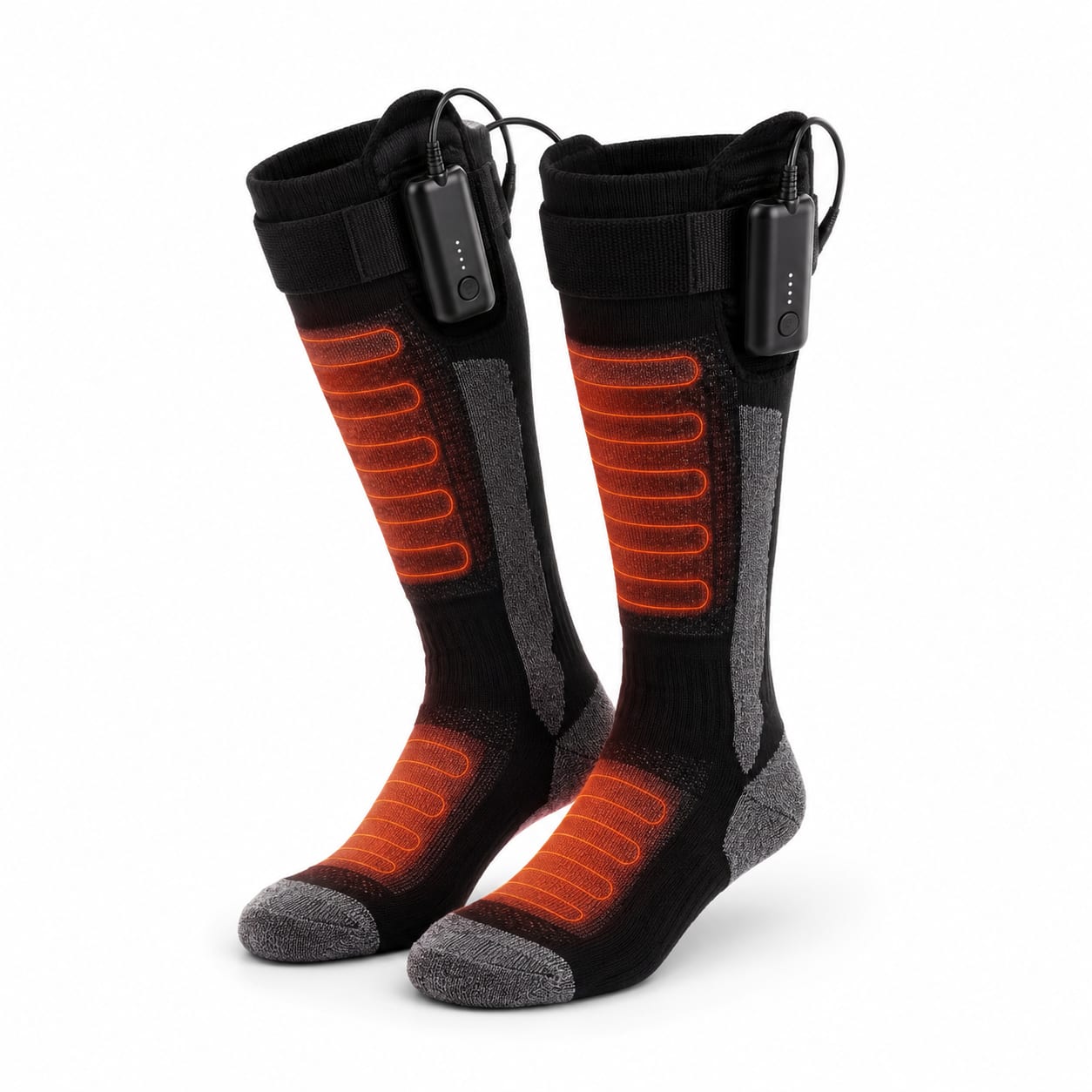
Battery-powered heated ski socks with integrated heating elements that provide active warmth for chronically cold feet.

rechargeable batteriesheating elementsadjustable heat settings
Kids / Junior Ski Socks

Kids / Junior Ski Socks

$10 – $28

common

Proportionally sized ski socks for children and teens with appropriate cushioning and height for youth ski boots.

youth-specific sizingmedium cushioning typicalover-the-calf height