Kitvore.com

Kitvore.com

Specs that matter. Gear that fits.

Ski Socks · Subcategory

Kids / Junior Ski Socks

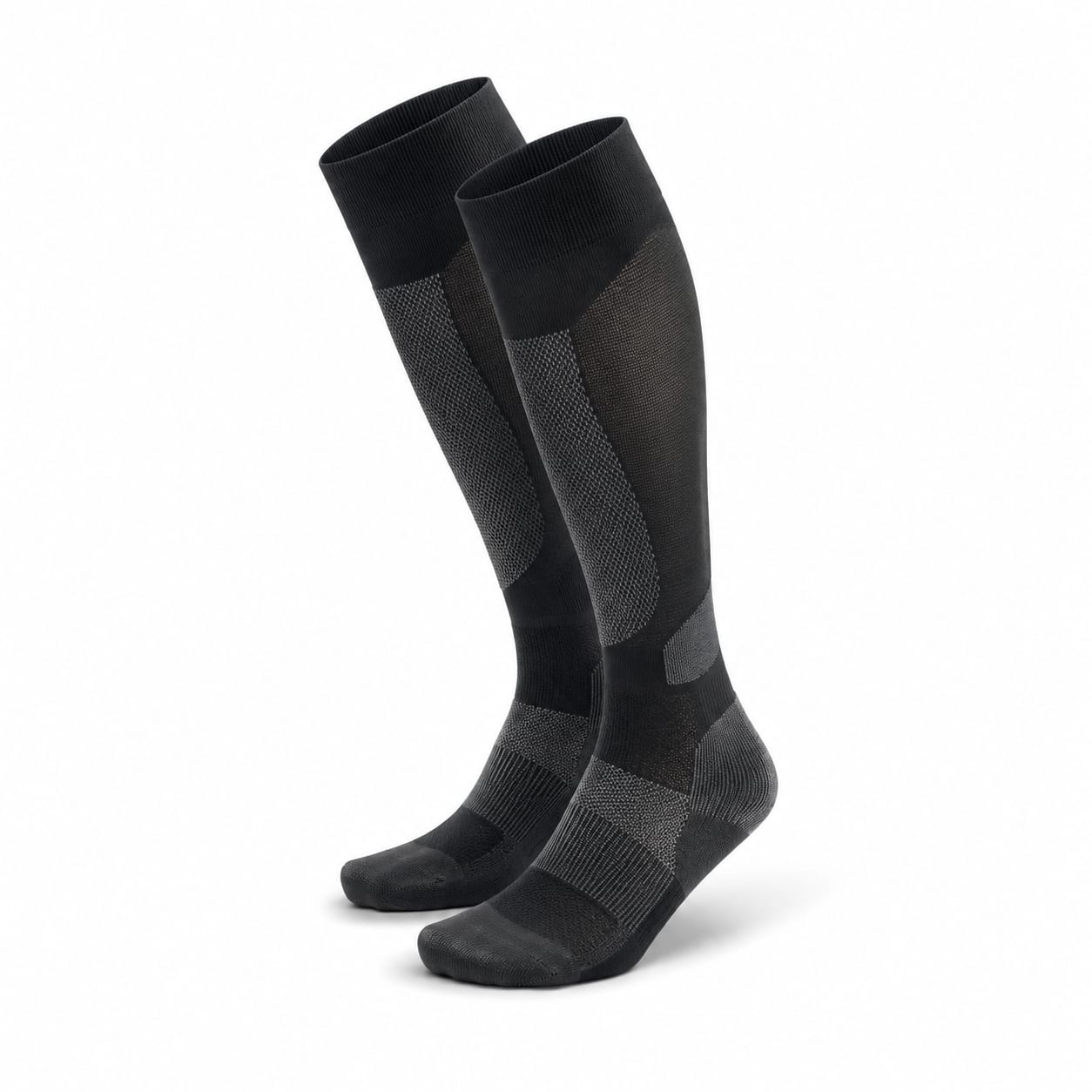
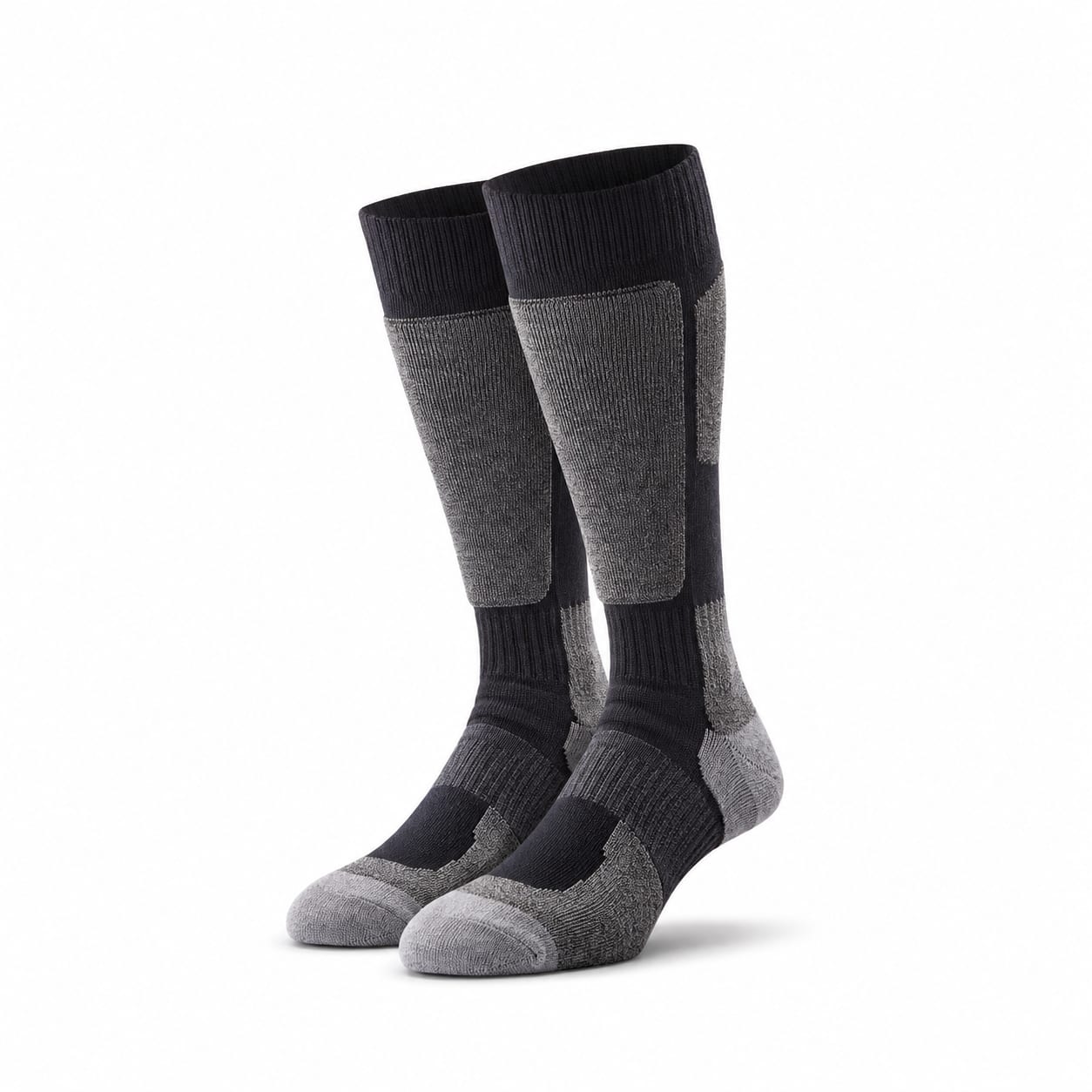
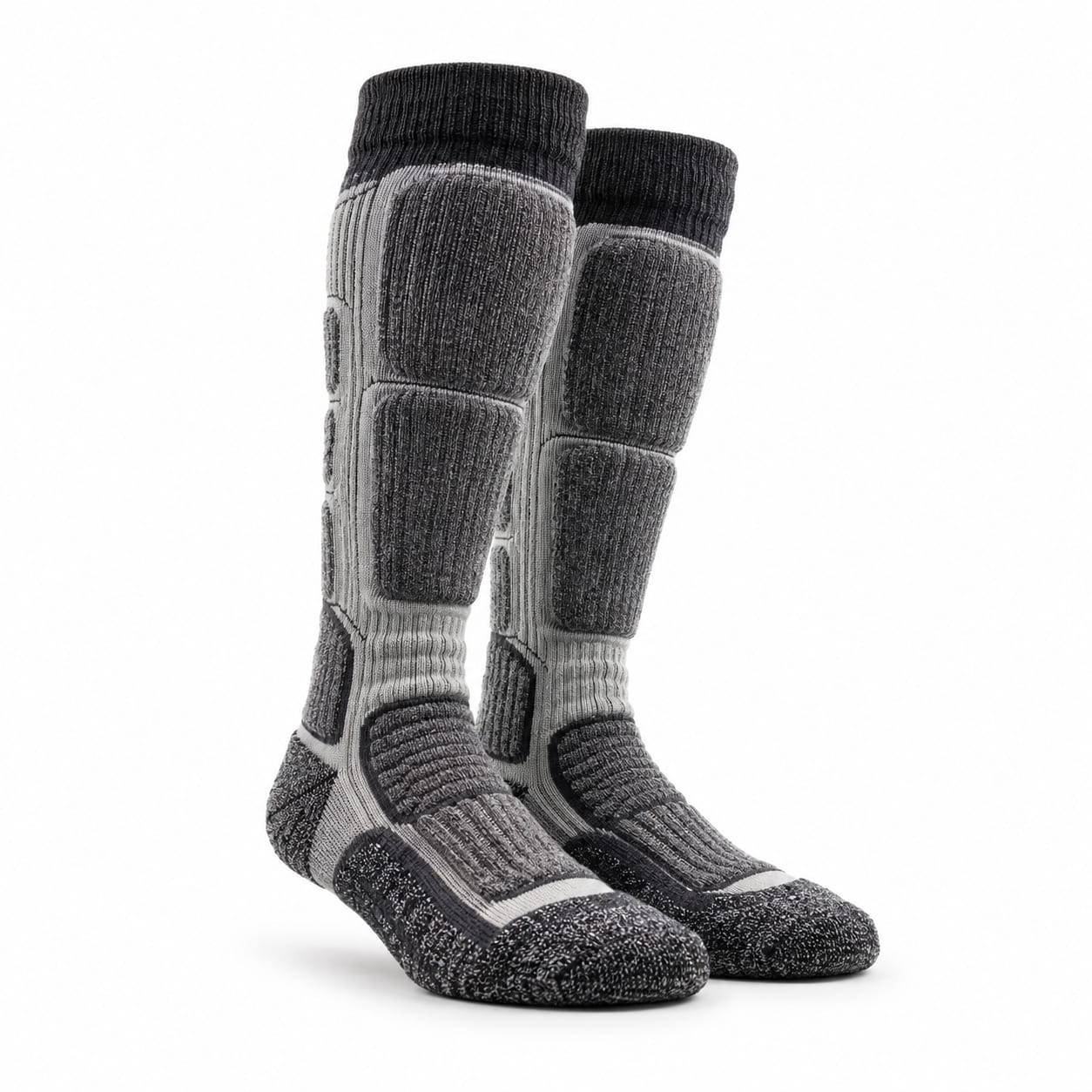
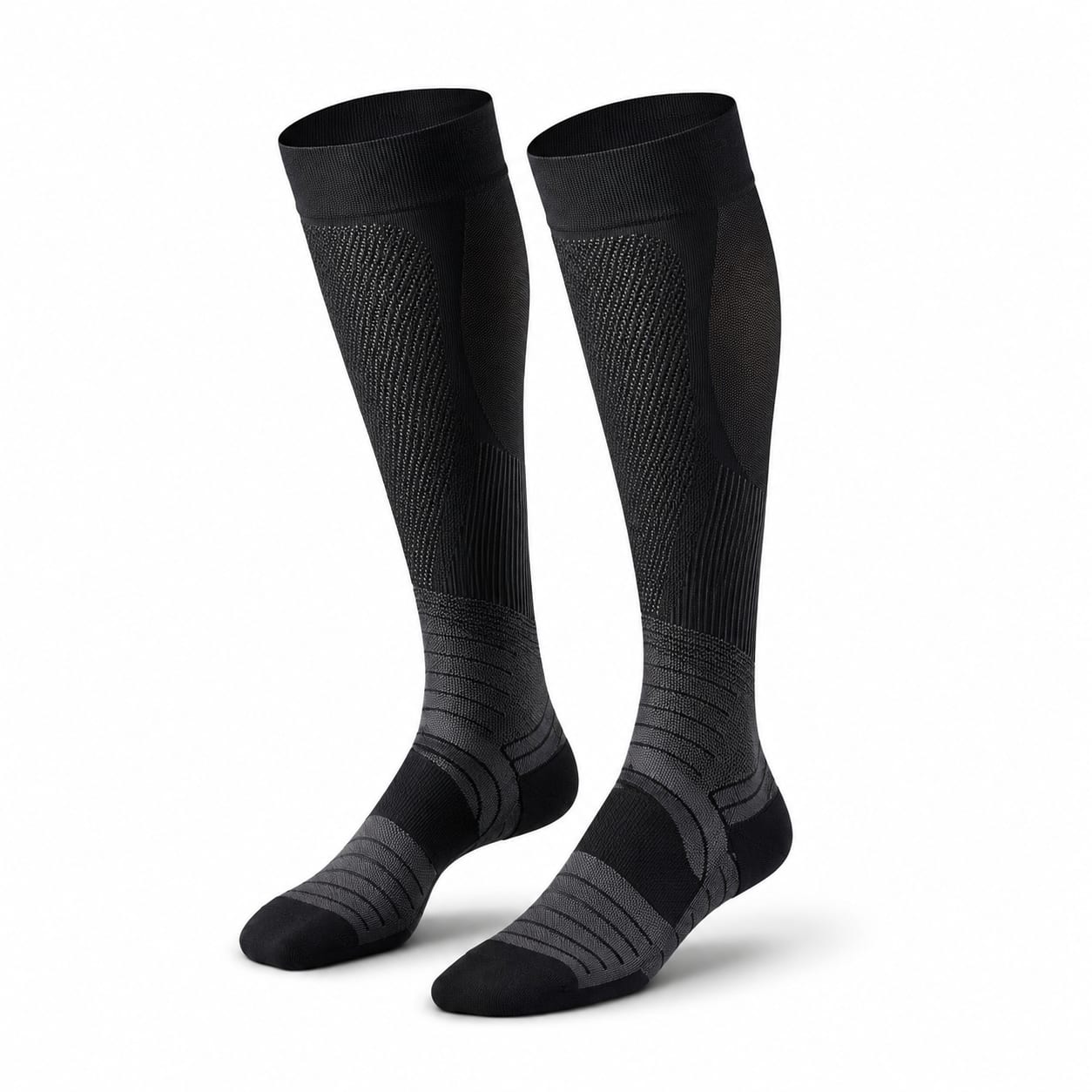
Ski socks specifically sized and proportioned for children's feet, ensuring proper fit inside junior ski boots without dangerous bunching or discomfort.

Kids' ski socks are not just smaller versions of adult socks — they are engineered with youth-specific proportions, appropriate cushioning for lighter weight skiers, and designs that make getting ready easier. Properly fitted junior ski socks eliminate the bunching and pressure points that occur when kids wear adult socks, keeping small feet warm, comfortable, and focused on learning to ski rather than complaining about their boots.

$10 – $28budget tierbeginnerintermediate

Best known for

Youth-specific sizing that prevents dangerous bunching in junior ski bootsFun colors and patterns that get kids excited about ski gearSimplified construction that's easier for kids to put on independentlyDurable builds that withstand growth spurts and rough handling
Kids / Junior Ski Socks

Guide

Detailed overview

Kids and junior ski socks are purpose-built for young skiers whose feet differ significantly from adults in proportion, volume, and sensitivity. While it may be tempting to save money by putting children in adult socks or regular winter socks, the tight environment of a ski boot amplifies any fit issue — a wrinkle that an adult might tolerate can cause a child significant pain and end a ski day early. Junior ski socks feature narrower heel pockets, smaller calf circumferences, and shorter overall lengths matched to kids' leg proportions. The cushioning levels are calibrated for lighter-weight skiers who don't generate the same downward force as adults, and the materials prioritize softness against sensitive skin while maintaining the moisture management that keeps feet warm. Many junior models also incorporate design elements that make dressing easier, such as stretchy cuffs kids can pull up themselves and fun patterns that transform a boring piece of gear into something a child actually wants to wear.

Getting kids into the right ski socks is one of the most impactful — and most overlooked — steps in setting up a young skier for success. Children's feet are more sensitive to pressure points than adult feet, and kids are less likely to articulate what's bothering them inside a boot. Instead, they'll simply say their feet hurt, want to go inside, or start crying on the slopes. The root cause is often a sock that's bunching, wrinkling, or slipping inside the boot, creating hot spots that quickly become painful. A properly fitted junior ski sock eliminates these issues by matching the proportions of a child's foot and leg, staying smoothly in place throughout the day.

The most common mistake parents make is sizing up in socks so kids can 'grow into them,' or using adult socks folded down. In regular shoes, a slightly large sock is harmless. In a ski boot, excess material creates folds that press into the skin with every turn. The correct approach is a sock that fits snugly right now, even if it only lasts one season. Junior ski socks are sized in smaller increments and use stretch fibers to accommodate some growth without creating bunching. Many brands offer overlapping youth size ranges so you can find the right fit at any stage.

Material choice matters just as much for kids as adults. Merino wool or merino-synthetic blends remain the gold standard because they regulate temperature and manage moisture — critical when kids are alternating between running around the lodge and sitting still on cold chairlifts. Avoid cotton entirely; it traps sweat and makes feet cold and blister-prone. The synthetic component in blended socks adds durability, which is important because kids are harder on gear and may wear the same socks multiple days on a ski trip. Look for seamless or flat-knit toe construction to reduce friction points, and medium shin cushioning to protect against the boot pressure that commonly bothers young skiers learning to lean forward.

For very young skiers (under 6), prioritize simplicity: socks that are easy to pull on, with clear front/back indicators, and over-the-calf height that stays up without constant adjustment. For older juniors (7-12) who are developing technique, consider socks with light arch support and targeted cushioning that mirrors adult performance features in a youth-proportioned package. Teen skiers wearing adult boot sizes should transition to adult socks rather than squeezing into the upper end of junior sizing. The investment in proper junior ski socks pays dividends in longer, happier days on the mountain and fewer mid-run meltdowns over uncomfortable feet.

Quick facts

Primary purpose
Provide properly fitted, warm, and comfortable socks for young skiers with proportions matched to children's feet and boots
Popular brands
SmartwoolDarn ToughBurtonHot ChillysWigwam
Typical terrain
resortski schoolfamily skiing

What makes it different

Proportioned for children's foot and calf anatomy; Smaller size range with growth accommodation; Often feature colorful designs for kid appeal

Recommended ranges

How this type usually specs out

Each spec is explained in plain language, then we show what buyers usually look for on this type.

Height

Sock Height

What it means

The height of the sock measured from the heel to the top of the cuff. Critical for preventing skin contact with the top of the ski boot shell.

Typical for this type

Over-The-Calf Only

Most common pick: Over The Calf

In practice

Kids' ski socks must be over-the-calf to prevent the top of the junior ski boot shell from rubbing against bare skin. This is non-negotiable for children, who are more sensitive to chafing and less able to adjust their socks mid-run.

Compared to other types

Same requirement as adult ski socks, but the OTC height is proportionally shorter to match kids' shorter calf muscles and lower boot tops.

Why it matters: A sock that's too short allows the rigid boot cuff to press directly against a child's skin, causing painful chafing that can end a ski day. Kids are less likely to communicate this specific problem, making prevention critical.

Cushioning

Cushioning Level

What it means

The overall amount and density of padding built into the sock, affecting warmth, comfort, and boot fit. More cushioning means more warmth but less room in the boot.

Typical for this type

Light to Medium

Most common pick: Medium

In practice

Medium cushioning is the sweet spot for most junior skiers, providing enough padding for comfort and warmth without overwhelming smaller feet or taking up too much volume in junior boots that are already sized for thinner feet.

Compared to other types

Kids' socks tend toward lighter cushioning than adult socks because children's boots have less volume and children exert less force, meaning they need less impact protection but more focus on comfort and warmth.

Why it matters: Kids' junior ski boots have less interior volume than adult boots, so heavy cushioning can make the fit too tight and restrict circulation — ironically making feet colder. Light cushioning works for warmer days or snug-fitting boots.

Material

Primary Fiber Material

What it means

The dominant fiber type used in the sock construction, which determines moisture management, warmth, odor resistance, and durability.

Typical for this type

Merino-Synthetic Blend Or Merino Wool

Most common pick: Merino Synthetic Blend

In practice

Merino-synthetic blends are ideal for kids because they combine merino's temperature regulation and odor resistance with synthetic durability that stands up to rough handling, repeated washing, and the tendency of kids to wear socks multiple days on ski trips.

Compared to other types

Similar to adult socks, but the durability component matters more for kids who are harder on gear. Pure merino kids' socks may wear out faster due to rougher treatment and more frequent washing.

Why it matters: Kids' feet sweat variably — they may run hot during active skiing then get cold sitting on lifts. Merino regulates these temperature swings naturally. The synthetic component adds the durability that active kids demand and helps socks maintain shape through frequent washing.

Merino %

Merino Wool Content

What it means

The percentage of merino wool in the sock's fiber composition. Higher percentages provide more natural performance benefits but may reduce durability.

Typical for this type

40%–60%

Most common pick: 45%

In practice

A 40-60% merino content provides the temperature regulation and moisture management benefits of wool while retaining enough synthetic fiber for durability and stretch. This range is common in quality junior ski socks.

Compared to other types

Similar to adult blends, though some budget kids' socks skew toward higher synthetic content to reduce cost and increase durability at the expense of performance.

Why it matters: Too little merino (below 30%) and kids lose the natural temperature regulation that keeps their feet comfortable through variable conditions. Too much merino (above 70%) and the sock may lack the durability needed for active children and frequent washing.

Compression

Compression Level

What it means

The degree of graduated compression built into the sock, measured in mmHg. Compression improves blood flow, reduces fatigue, and enhances proprioception.

Typical for this type

None to Light

Most common pick: None

In practice

Most junior ski socks have no intentional compression, relying on standard elastic to stay up. Light compression is available in some performance junior models but is less common and not necessary for most young skiers.

Compared to other types

Kids' socks have less compression than adult socks. While moderate compression (15-20 mmHg) is common for adult performance socks, it's rarely found in junior models and should only be used with professional guidance.

Why it matters: Children's circulatory systems are still developing, and compression socks that are too tight could potentially restrict blood flow. Most kids don't need circulatory support during skiing — they need comfort and warmth, which are better served by proper fit and material choice.

Thickness

Thickness Category

What it means

The overall thickness of the sock construction, which directly affects boot fit, warmth, and feel. Related to but distinct from cushioning level.

Typical for this type

Lightweight to Midweight

Most common pick: Midweight

In practice

Midweight is the most versatile choice for junior skiers, providing enough warmth for typical winter conditions without excess bulk in junior boots. Lightweight works well for spring skiing or kids who run hot.

Compared to other types

Kids' socks skew lighter in thickness than adult socks because junior boots have proportionally less interior volume and children's feet are more sensitive to tightness that restricts circulation.

Why it matters: Junior ski boots have limited interior volume. A heavyweight sock can fill too much space, making boots too tight and restricting circulation. Midweight provides the best balance of warmth and boot compatibility for most kids.

Left/Right Specific

Anatomical Fit Construction

What it means

Whether the sock is constructed with specific left and right foot shaping for improved fit and reduced bunching inside the boot.

Typical for this type

Universal (Most Common) Or Anatomical L/R

Most common pick: Universal

In practice

Most junior ski socks use universal fit construction, which is simpler for kids to put on independently — they don't need to identify left from right. Some premium junior models offer anatomical L/R construction for a more precise fit.

Compared to other types

Junior socks are more likely to use universal fit than adult performance socks. The convenience factor of not sorting L/R matters more for kids and parents managing gear for multiple children.

Why it matters: Universal fit is practical for kids who are learning to dress themselves for skiing. The performance difference between universal and anatomical fit is less significant for junior skiers than for adults, since kids' feet are still developing and their skiing is less precise.

Shin Padding

Shin Cushioning

What it means

Dedicated cushioning zone on the front of the sock that protects the shin from ski boot pressure and impact. One of the most important zone-specific features.

Typical for this type

Light to Medium

Most common pick: Medium

In practice

Medium shin cushioning is appropriate for most junior skiers, who are learning to lean forward and often press against the boot tongue. Light shin cushioning works for more experienced young skiers with proper boot fit.

Compared to other types

Shin cushioning is arguably more important for kids than adults because children are more sensitive to discomfort and less able to adjust their stance or buckles to relieve pressure. However, heavy shin cushioning is rare in junior socks because it adds too much bulk for small boots.

Why it matters: Kids learning to ski are frequently told to 'lean forward,' which increases shin pressure against the boot tongue. Medium cushioning absorbs this pressure and prevents the shin discomfort that can make kids resist proper stance. It also helps compensate for the less precise boot fit common in rental boots.

Toe Seam Type

Toe Construction

What it means

How the toe area of the sock is constructed and seamed. Affects comfort and blister risk in the tight toe box of a ski boot.

Typical for this type

Seamless Or Flat-Knit

Most common pick: Seamless

In practice

Seamless toe construction is strongly recommended for kids' ski socks because children's feet are more sensitive to seam irritation, and kids are less likely to tolerate or communicate about a bothersome toe seam inside a tight boot.

Compared to other types

Seamless toe construction is arguably more important for kids than adults due to children's lower tolerance for irritation and their inability to self-diagnose and communicate the specific problem.

Why it matters: A raised or rough toe seam can cause significant discomfort and blisters in the tight toe box of a junior ski boot. Kids may not be able to articulate what's wrong — they'll just say their feet hurt. Seamless construction eliminates this common problem entirely.

Arch Support

Arch Support

What it means

Built-in compression or elastic support in the arch/instep area of the sock. Provides a more secure fit and can reduce foot fatigue.

Typical for this type

None to Light

Most common pick: Light

In practice

Light arch support is common in junior ski socks, providing gentle compression that helps the sock stay in place on the foot. Firm or moderate arch support is rare in kids' models because children's arches are still developing.

Compared to other types

Kids' socks have less arch support than adult socks. Children's arches are still developing, and excessive compression through the midfoot could be uncomfortable. The priority is sock stability rather than arch support.

Why it matters: Light arch support keeps the sock from sliding around inside the boot, which reduces bunching and wrinkling. This is more about sock stability than foot support — the boot's footbed provides the structural arch support.

Ventilation

Ventilation Zones

What it means

Mesh or thinner-knit zones designed to increase breathability and moisture escape in high-heat areas like the top of the foot and between toes.

Typical for this type

Targeted

In practice

Targeted ventilation zones on the top of the foot provide breathability where kids need it most, without sacrificing the overall warmth that keeps small feet comfortable on cold chairlift rides.

Compared to other types

Similar to adult socks, though extensive ventilation is less common in junior models because kids are more vulnerable to cold feet and less able to manage their own comfort by adjusting layers or taking breaks.

Why it matters: Kids' feet can sweat heavily during active skiing then get cold during stationary periods. Targeted ventilation helps manage this moisture cycle by allowing sweat to escape while maintaining overall insulation. This keeps feet drier and actually warmer over the course of a day.

Odor Control

Antimicrobial Treatment

What it means

Whether the sock has an applied antimicrobial treatment (e.g., silver ions, Polygiene) to reduce odor-causing bacteria. Merino wool has natural antimicrobial properties.

Typical for this type

Not Required — Merino'S Natural Odor Resistance Is Sufficient

Most common pick: False

In practice

Most junior ski socks do not have additional antimicrobial treatment. Merino wool's natural odor resistance is adequate for kids' use, and the treatment adds cost without significant benefit for the typical single-day wear pattern.

Compared to other types

Less common in kids' socks than adult models, partly because kids' socks are washed more frequently and partly because the premium for antimicrobial treatment is harder to justify at junior price points.

Why it matters: For kids on multi-day ski trips, merino's natural odor resistance usually suffices. Antimicrobial treatment is a nice-to-have but not a meaningful differentiator for junior socks. Parents should focus on material quality and fit instead.

Gender Fit

Gender-Specific Fit

What it means

Whether the sock is designed with gender-specific proportions. Women's-specific socks account for typically narrower heels, higher arches, and different calf proportions.

Typical for this type

Youth/Junior

Most common pick: Youth

In practice

Junior ski socks are specifically proportioned for children's feet with narrower heels, smaller calf circumferences, and appropriate lengths. Some brands offer separate boys' and girls' models, but most use a unisex youth fit that works for both.

Compared to other types

The youth/junior fit is distinct from all adult categories (men's, women's, unisex) in every dimension — heel width, arch height, calf circumference, and overall length. This is not just a smaller size; it's a different proportion.

Why it matters: This is the defining characteristic of this subcategory. Kids wearing adult socks — even small adult sizes — experience heel slippage, calf bunching, and excess material that causes painful pressure points in ski boots. Youth-proportioned socks eliminate these issues entirely.

Reinforced Areas

Reinforced Zones

What it means

Specific areas of the sock with extra-durable construction to resist wear from ski boot friction and extend sock life.

Typical for this type

Heel And Toe Reinforcement Minimum

Most common pick: Heel, Toe

In practice

Heel and toe reinforcement are standard in quality junior ski socks. Kids are hard on gear and may wear the same socks frequently, so reinforcement extends sock life significantly. These are the highest-wear areas in any ski sock.

Compared to other types

Reinforcement is equally important for kids as adults, but the durability concern is amplified because kids are harder on socks and parents don't want to replace them mid-season. Shin and sole reinforcement are less common in junior models.

Why it matters: Kids' socks face more abuse than adult socks — they're pulled on roughly, walked in without boots, and washed more frequently. Heel and toe reinforcement prevents premature wear-through that would otherwise require frequent replacement.

Warmth Level

Warmth Rating

What it means

The overall warmth category of the sock, determined by thickness, material, and construction. Indicates the temperature range the sock is designed for.

Typical for this type

All-Season / Midweight Warmth

Most common pick: All Season

In practice

All-season warmth is the best default for junior skiers because it handles the widest range of conditions kids typically encounter. Kids are more vulnerable to cold feet than adults due to their smaller mass and lower circulation to extremities.

Compared to other types

Kids' warmth needs differ from adults in that children are more susceptible to cold (less body mass, poorer circulation to extremities) but also more susceptible to overheating (less efficient sweating). All-season warmth is the safest default.

Why it matters: Cold feet are one of the top reasons kids want to quit skiing for the day. All-season warmth provides enough insulation for typical winter conditions without causing overheating. For very cold days or cold-sensitive kids, heavyweight warmth options are available but should be paired with properly fitted boots.

Size

Size Range

What it means

The sock size, which must correspond to the skier's shoe size for proper fit. Ill-fitting socks cause bunching, wrinkles, and discomfort in ski boots.

Typical for this type

Match Current Shoe Size Exactly — Do Not Size Up For Growth

Most common pick: Youth 8–13 / Youth 1–6

In practice

Junior ski socks typically come in two size ranges: Youth Small (approx. shoe size 8-13) for younger children and Youth Large (approx. shoe size 1-6) for older kids and young teens. Sizing must match the child's current shoe size precisely.

Compared to other types

Junior size ranges are smaller and in different increments than adult socks. The transition to adult sizing typically happens around women's size 7 or men's size 6, depending on the brand. Some brands offer a 'teen' or 'youth large' range that bridges the gap.

Why it matters: This is the single most important factor for kids' ski socks. A sock that's too large will bunch and create painful pressure points. A sock that's too small will pull tight and restrict circulation. Both cause cold, uncomfortable feet. Unlike regular socks where sizing up is fine, ski socks must fit right now.

Evaluation

Strengths and trade-offs

Pros

What this type does best

Proper Proportions for Children's Feet

Critical

Youth-specific heel pockets, calf circumferences, and lengths eliminate the bunching, slippage, and pressure points that occur when kids wear adult socks in ski boots. This is the single most important benefit and the reason this subcategory exists.

Easier for Kids to Manage Independently

High

Junior socks are designed with stretchy cuffs, simpler construction, and sometimes visual indicators that make it easier for kids to put on and pull up their own socks — building independence and reducing parental stress during ski mornings.

Appropriate Cushioning for Lighter Skiers

High

Cushioning levels calibrated for children's weight and force mean adequate protection without overwhelming small boots. Kids get comfort and warmth without the circulation-restricting bulk of adult cushioning in junior boots.

Fun Designs Increase Enthusiasm

Medium

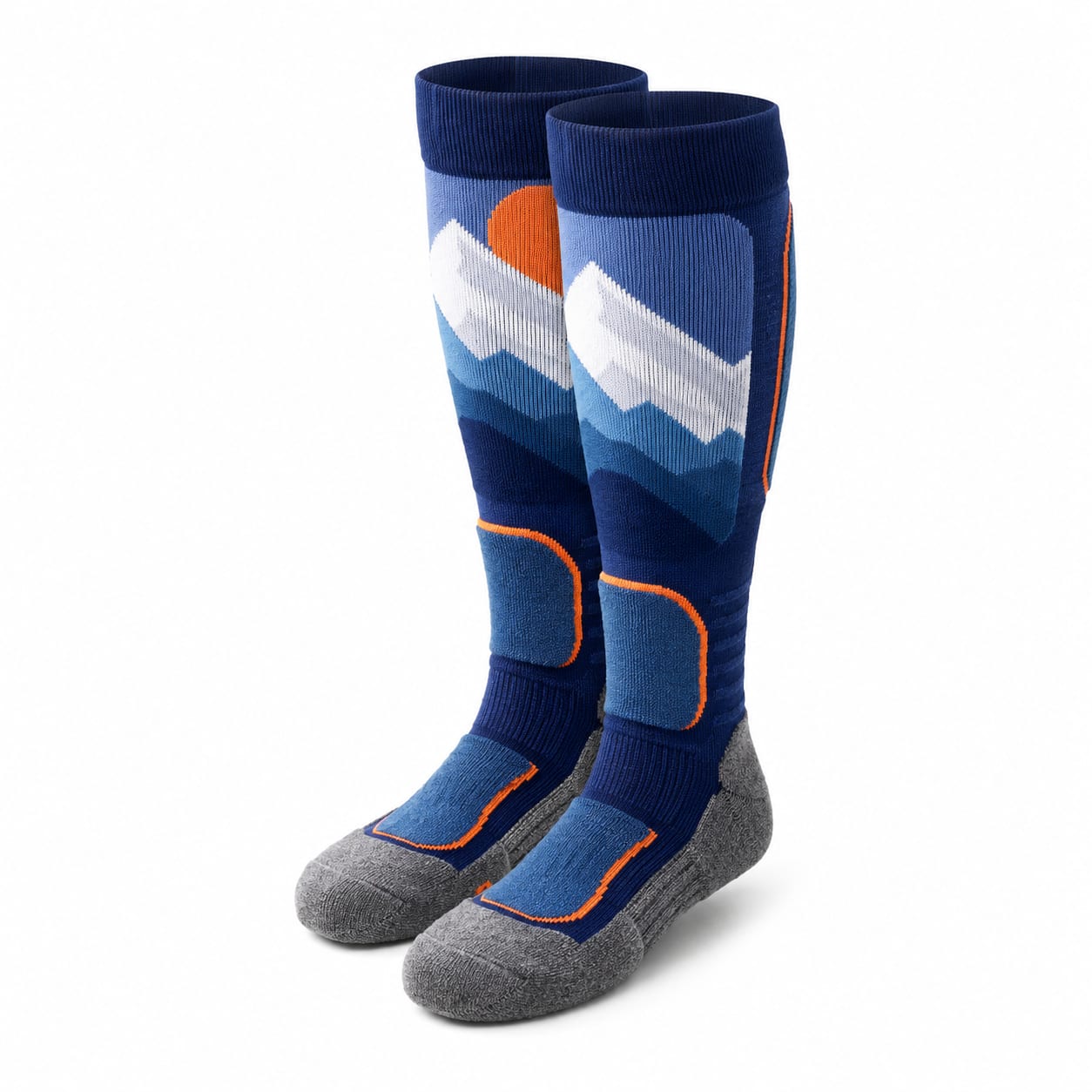
Many junior ski socks feature bright colors, patterns, and characters that make getting dressed for skiing more appealing to children. This psychological benefit shouldn't be underestimated when motivating young skiers.

Cost-Effective for Growing Feet

Medium

Junior ski socks are typically less expensive than adult models, which matters when kids outgrow gear every season. The lower price point makes it easier to buy the correct size each year rather than trying to stretch an adult sock to last.

Durable Construction for Active Kids

Medium

Quality junior ski socks are built to withstand the rough treatment kids dish out — being yanked on, walked in without boots, and washed frequently. Reinforced heels and toes extend life despite the abuse.

Cons

Trade-offs to be aware of

Short Lifespan Due to Growth

Moderate

Children outgrow junior ski socks quickly, often within a single season. Unlike adult socks that can last years, parents should expect to replace junior socks annually. This makes the per-year cost higher despite lower purchase prices.

Limited Performance Features

Minor

Junior models often lack the advanced features found in adult performance socks, such as graduated compression, anatomical L/R construction, and extensive ventilation zones. The selection is more limited, especially for technical junior skiers.

Sizing Can Be Confusing

Moderate

Junior sock sizing varies significantly between brands and doesn't always align with shoe sizes clearly. The transition from youth to adult sizing is inconsistent, and parents may struggle to find the right fit, especially for kids in between ranges.

Temptation to Size Up

Significant

Parents often buy socks a size too large so kids can grow into them, but this defeats the purpose of junior-specific fit and creates the bunching problems the socks are designed to prevent. This is a user error but is extremely common.

Fewer Options in Specialty Categories

Minor

The junior market has fewer options for specific needs like racing, extreme cold, or backcountry. Junior racers, for example, may struggle to find ultralight racing socks in their size and may need to transition to adult models earlier.

Best for

Terrain

Resort skiingBunny hills and learning areasAll-mountain cruisingTerrain parks

Snow conditions

Typical winter resort conditionsCold days with moderate activityVariable snow conditionsSpring skiing (with lightweight models)

Skill level

First-time skiersBeginnersIntermediatesAdvanced juniors

Riding style

Learn-to-ski programsRecreational skiingJunior racing (with appropriate models)Family ski vacations

Rider profile

Children ages 3-12 wearing junior ski bootsKids in ski school or lesson programsYoung skiers who complain about cold or uncomfortable feetFamilies looking for proper gear at reasonable pricesParents who want kids to dress independently

Not ideal for

Reasons

Teen skiers with adult-sized feet should use adult socks for proper fit and featuresKids with unusually large or small feet may not find appropriate sizes in junior rangesJunior socks lack the compression and performance features needed for competitive racingVery cold-sensitive kids may need heavyweight warmth options that are less common in junior lines

Terrain

Backcountry touring (kids rarely do this, but if they do, adult sizing may be needed)Extreme cold without proper boot fit

Skill level

Teen skiers wearing adult boot sizes (need adult socks)Elite junior racers who need ultralight racing-specific models (limited availability)

Riding style

Competitive racing at high levels (limited junior racing sock options)Multi-day backcountry tours

Compare

How it stacks up

This page

Kids / Junior Ski Socks

Properly proportioned for children's feet with narrower heels, smaller calves, and appropriate lengths. Eliminates bunching, heel slippage, and calf bunching that occurs when kids wear adult socks. Easier for kids to pull on independently.

Alternative

Adult Ski Socks (sized down)

Adult socks offer more performance features, greater variety, and can be shared among family members. May be more readily available in resort shops.

Bottom line

Always choose junior-specific socks for kids wearing junior ski boots. The fit difference is significant and directly impacts comfort and warmth. Only transition to adult socks when the child is wearing adult-sized boots.

This page

Kids / Junior Ski Socks

Purpose-built for the ski boot environment with moisture-wicking materials, over-the-calf height, shin cushioning, and flat seams. Regular winter socks (especially cotton) retain moisture, lack shin protection, and are often the wrong height for ski boots.

Alternative

Regular Winter Socks

Regular winter socks are cheaper and already in most kids' drawers. No special purchase required.

Bottom line

Never use regular winter socks for skiing, especially cotton ones. The moisture retention and lack of proper height/cushioning will result in cold, uncomfortable feet and likely end the ski day early. Junior ski socks are a small investment with outsized impact on the skiing experience.

This page

Kids / Junior Ski Socks

Youth-proportioned for smaller feet and shorter calves than even women's small sizes. Appropriate cushioning levels for lighter-weight skiers. Lower price point appropriate for gear that will be outgrown.

Alternative

Women's Ski Socks

Women's socks may work for older girls with adult-sized feet and offer more performance features, style options, and compression levels. Better for teen skiers who have outgrown junior sizing.

Bottom line

Use junior socks until the child wears an adult shoe size (typically women's 5+ or men's 4+). Then transition to women's-specific or men's socks based on foot shape and boot size. Don't squeeze a teen into junior socks that are too small.

This page

Kids / Junior Ski Socks

Ski-specific cushioning zones aligned with ski boot pressure points (especially shin padding for forward lean). Ski socks are typically thinner overall than snowboard socks, matching the tighter fit of ski boots.

Alternative

Kids' Snowboard Socks

Snowboard socks have cushioning zones aligned with snowboard boot pressure points and may be slightly thicker, providing more warmth for kids who run cold. Some kids prefer the extra padding.

Bottom line

Use ski-specific socks for skiing and snowboard-specific socks for snowboarding. The cushioning zones are placed differently and the thickness is calibrated for different boot types. In a pinch, either is vastly better than regular socks, but proper sport-specific socks optimize comfort.

Shopping

Buying tips

  • 1

    Size to the child's current shoe size, not their future size. A sock that's too large will bunch inside the boot and cause painful pressure points. If between sizes, size down rather than up — ski socks stretch with wear.

  • 2

    Check the brand's specific size chart before ordering. Junior sock sizing is inconsistent between brands, and a 'Youth Large' from one brand may cover different shoe sizes than another. Always verify against your child's actual shoe size.

  • 3

    Prioritize merino wool or merino-synthetic blends and avoid cotton entirely. Cotton retains moisture and makes kids' feet cold and blister-prone. Even budget merino-blend junior socks outperform premium cotton socks for skiing.

  • 4

    Look for seamless or flat-knit toe construction. Kids are more sensitive to toe seam irritation than adults and less likely to tell you specifically what's bothering them. Seamless toes eliminate a common source of discomfort.

  • 5

    Buy at least two pairs per child for a ski trip — one to wear and one that's dry. Kids' socks get wet from snow, sweat, and puddles. Having a dry pair each morning makes a huge difference in comfort and warmth.

  • 6

    Consider the child's boot fit when choosing cushioning. If the boots are already snug (common with rental boots), choose light cushioning. If boots have room to spare, medium cushioning fills volume and adds warmth. Never use heavy cushioning to fix a badly fitting boot.

  • 7

    For very young children (under 6), choose socks with stretchy, easy-to-grab cuffs and simple construction. Avoid anatomical L/R socks that require sorting — universal fit is easier for little hands and busy parents.

  • 8

    Replace socks when they show signs of wear (thinning at heel/toe, loss of elasticity, permanent wrinkles). Worn-out socks don't stay in place properly and provide less insulation. With kids' growth rates, this usually means buying new socks each season anyway.

Care

Maintenance notes

  • Wash junior ski socks inside out in cold or warm water (not hot) to preserve elasticity and merino fiber integrity. Hot water can shrink merino and break down elastic fibers prematurely.
  • Avoid fabric softeners and bleach — softeners coat merino fibers and reduce moisture-wicking performance, while bleach damages wool fibers. Use a gentle, wool-safe detergent.
  • Tumble dry on low heat or lay flat to dry. High heat shrinks merino wool and degrades elastic. Line drying extends sock life significantly, which matters for kids' gear that's already on a short lifecycle.
  • Do not iron ski socks. The heat damages both merino wool and synthetic fibers, and can melt elastic components.
  • Store socks flat or loosely rolled, not stretched over other items. Keeping them paired and organized helps kids find the right socks quickly on ski mornings.
  • Check for proper fit at the start of each season. Kids grow fast, and last year's socks may now be too small. A sock that's too small pulls tight across the toes and restricts circulation, causing cold feet.
  • If socks develop permanent wrinkles or have lost elasticity in the cuff, replace them. Socks that won't stay up will slide down inside the boot and bunch around the ankle, creating pressure points.

Progression

Skill development path

For first-time skiers and young beginners (ages 3-6), focus on the simplest, most comfortable junior ski socks — universal fit, medium cushioning, fun colors, and easy-on construction. The priority is keeping feet warm and comfortable so the child associates skiing with positive experiences. As kids progress to intermediate levels (ages 7-10), they may benefit from socks with light arch support, targeted cushioning, and slightly more technical construction that mirrors adult performance features. Advanced junior skiers and young racers (ages 10-13) should look for junior models with anatomical L/R fit, lighter cushioning for better boot feel, and shin cushioning matched to their discipline. When a young skier transitions to adult boot sizes, they should simultaneously transition to adult ski socks — typically women's-specific for girls and men's for boys — to access the full range of performance features and proper proportions.

FAQ

Common questions

Each question has a dedicated page with a full answer and links to the buying guide.

Can my child wear regular winter socks for skiing?

No, regular winter socks — especially cotton ones — are one of the most common causes of cold, uncomfortable feet in young skiers. Regular socks lack the moisture-wicking capability, over-the-calf height, shin cushioning, and flat seams that ski-specific socks provide. Cotton retains sweat and makes feet cold and blister-prone. A proper junior ski sock is a small investment that dramatically improves a child's comfort and enjoyment on the slopes.

Should I buy ski socks a size up so my child can grow into them?

Absolutely not. This is the most common mistake parents make with kids' ski socks. In regular shoes, a slightly large sock is harmless. In a ski boot, excess material creates folds and wrinkles that press into the skin with every turn, causing painful pressure points and hot spots. Buy the size that fits right now, even if it only lasts one season. The cost of replacing socks annually is far less than the cost of ski days ruined by uncomfortable feet.

When should my child switch from junior to adult ski socks?

Transition to adult ski socks when your child is wearing adult-sized ski boots, typically around women's shoe size 5-6 or men's size 4-5. The key indicator is boot size, not age — some 10-year-olds wear adult boots while some 13-year-olds are still in junior sizes. Once in adult boots, use women's-specific socks for girls and men's socks for boys to get the proper heel and calf proportions.

How many pairs of ski socks does my child need?

At minimum, two pairs per child for a ski trip — one to wear while the other dries. For a week-long trip, three to four pairs is ideal. Kids' socks get wet from snow, sweat, and puddles more easily than adults', and putting on damp socks in the morning is a recipe for cold feet. Having fresh, dry socks each day makes a significant difference in comfort and warmth.