
Ski Underwear · FAQ
Questions about Compression Base Layers
Straight answers on fit, specs, and when this type makes sense — each topic has its own page with links back to the buying guide.
Open Compression Base Layers guide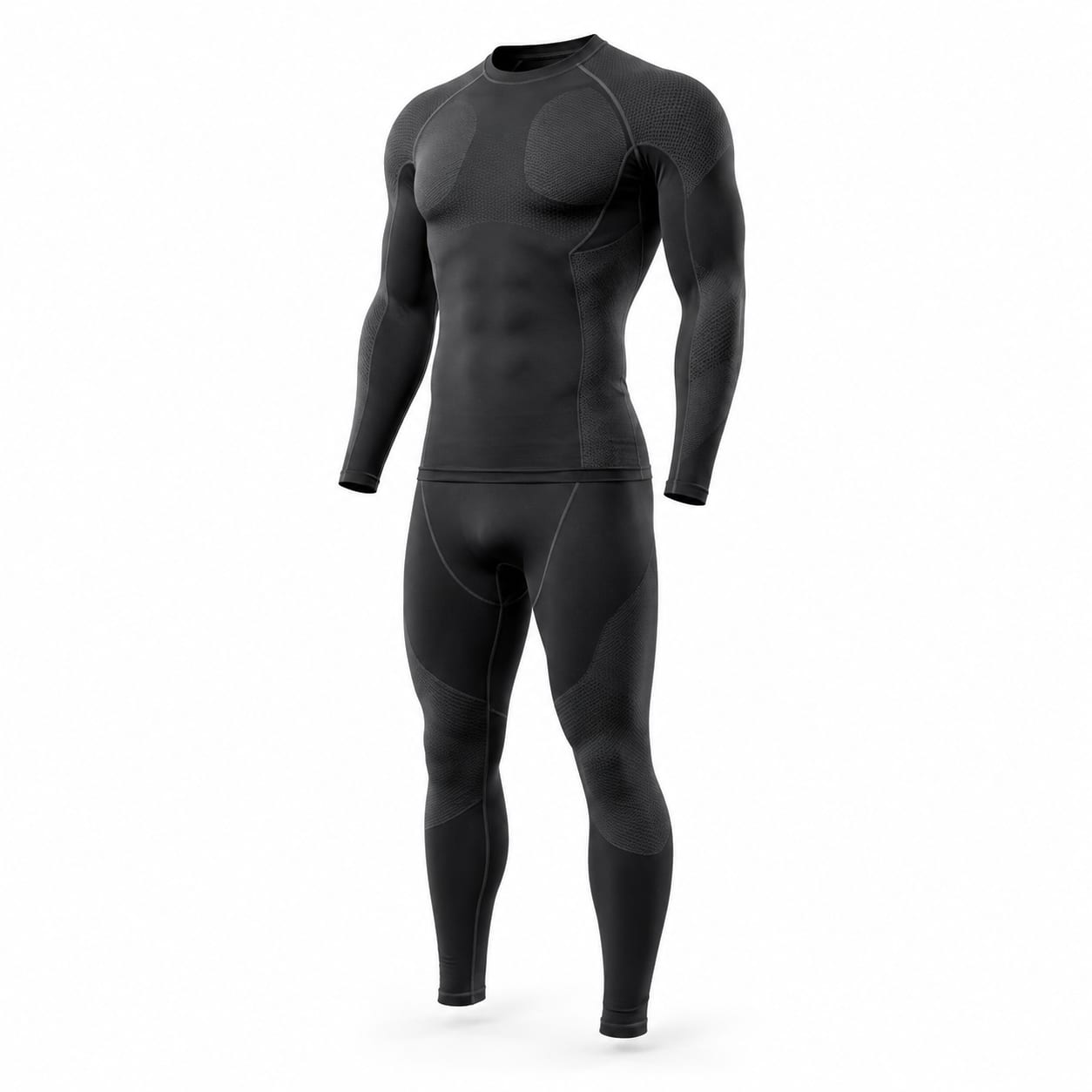
6 topics
Pick a question
Every answer links to the full subcategory guide and related gear types when it helps you decide.
Do compression base layers actually improve skiing performance?
The evidence is mixed but leaning positive for specific benefits. Compression has been shown to reduce muscle vibration during dynamic movements, which may decrease muscle fatigue and micro-trauma during aggressive skiing. Enhanced proprioception from the tight fit can improve balance and body awareness. The recovery benefits—reduced muscle soreness and faster clearance of metabolic waste when worn post-activity—are better supported by research. However, compression won't make you a better skier on its own; the benefits are marginal and most noticeable during high-intensity, high-volume skiing.
Read answer →02How tight should a compression base layer feel?
A properly fitted compression base layer should feel noticeably tight—like a firm hug against your body—but should never restrict breathing, circulation, or range of motion. You should be able to take a deep breath comfortably, and you shouldn't feel numbness or tingling in your extremities. When you take the garment off, there should be no red marks or indentations that persist for more than a few minutes. If you can't wait to take it off after 10 minutes of wearing it around the house, it's either too tight or compression may not be right for you.
Read answer →03Can I wear compression base layers for multiple days like merino wool?
Generally no. Most compression base layers are synthetic-dominant and develop noticeable odor after 1–2 days of active wear, compared to 5+ days for pure merino wool. The tight fit keeps fabric in constant contact with sweat and skin bacteria, accelerating odor development. If multi-day wear is important, look for merino-synthetic blend compression layers or compression layers with silver-ion odor treatments, though these still won't match pure merino's odor resistance.
Read answer →04Should I size up or down in compression base layers?
Follow the brand's specific size chart based on your measurements—do not guess. Compression sizing varies significantly between brands, more so than regular clothing. If you're between sizes on the chart, consider your priority: size down if you want maximum compression and performance benefit, size up if you're new to compression and want to ease into the sensation. Never size up more than one size, as a too-large compression garment provides no compression benefit and is just an uncomfortable, tight-fitting regular base layer.
Read answer →05Are compression base layers too hot for spring skiing?
Not necessarily—the tight fit actually helps with temperature regulation during spring skiing because it wicks sweat so efficiently. Choose a lightweight or ultralight compression layer with a half-zip for ventilation, and you'll stay drier and more comfortable than with a looser base layer that traps humid air against your skin. The key is selecting the right weight class; a midweight or heavyweight compression layer would indeed be too hot for spring conditions.
Read answer →06Can I wear compression base layers for recovery after skiing?
Yes, and this is one of the category's strongest benefits. Research supports wearing compression garments for 2–4 hours after intense physical activity to reduce perceived muscle soreness and accelerate recovery. Many skiers wear their compression base layers on the hill, then keep them on during the drive home or evening at the lodge. For maximum recovery benefit, some athletes switch to a dedicated recovery compression garment with higher pressure (20–30 mmHg) after skiing, but your on-hill compression layer provides meaningful recovery benefits too.
Read answer →