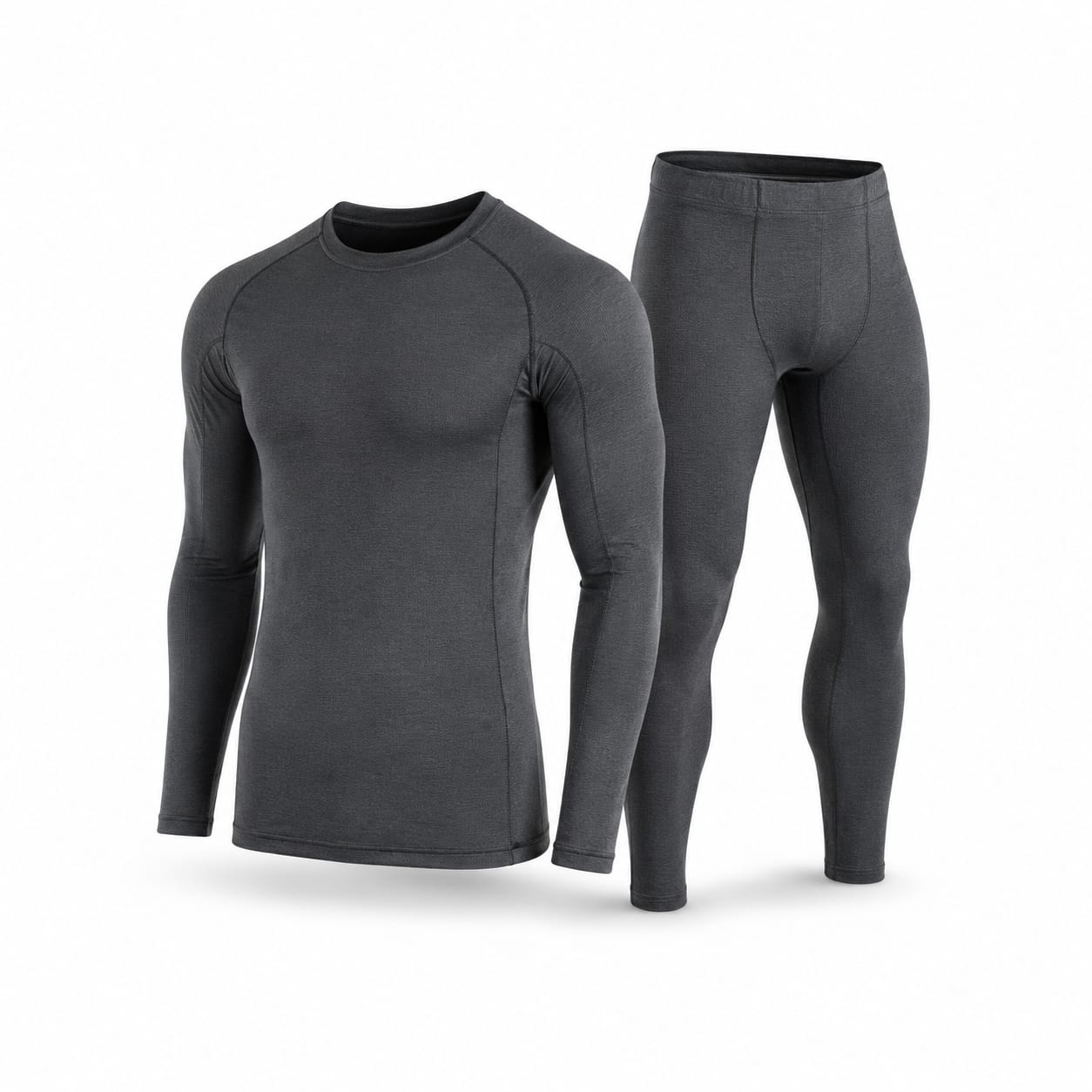
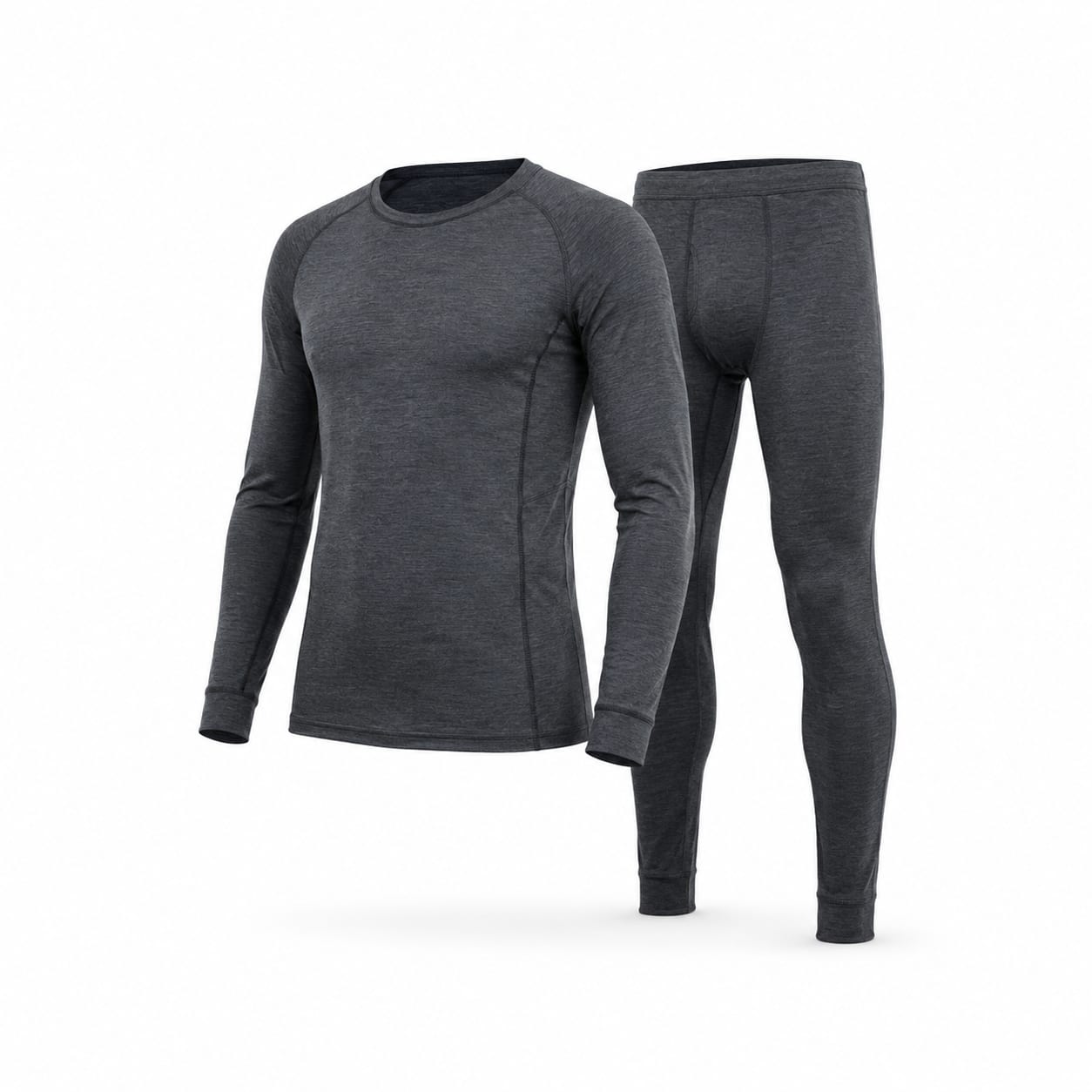
Kitvore.com

Kitvore.com

Specs that matter. Gear that fits.

Ski Underwear · Subcategory

Compression Base Layers

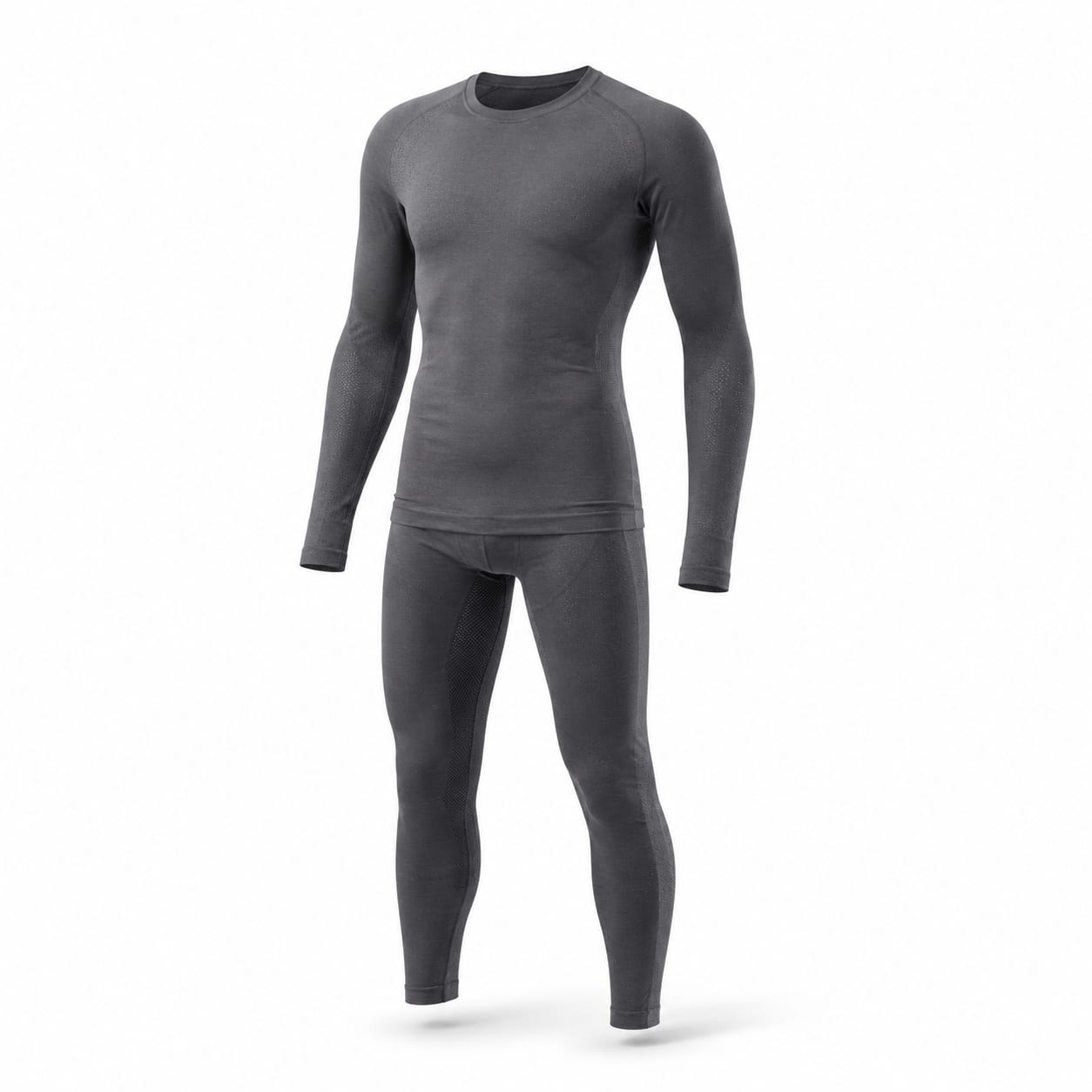
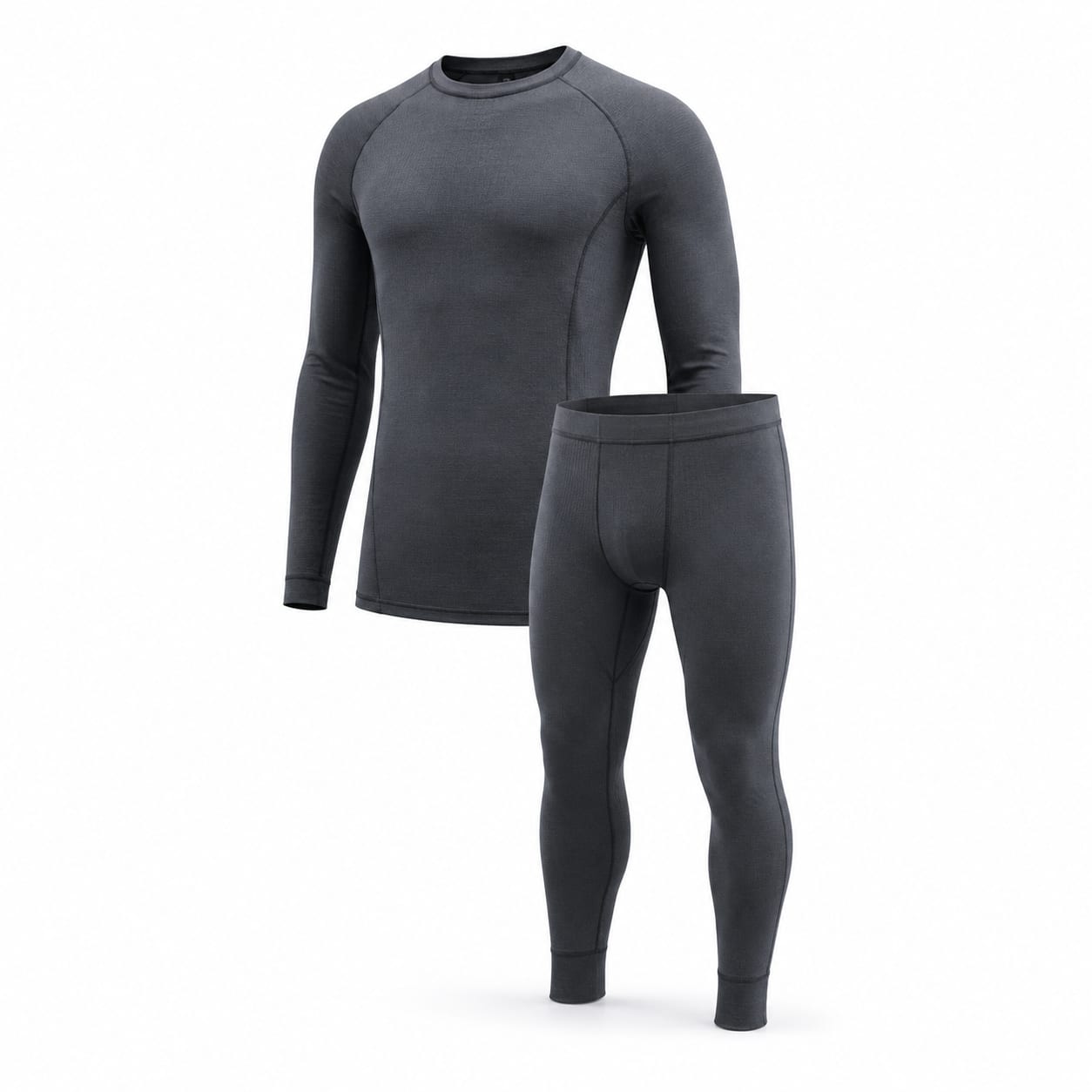
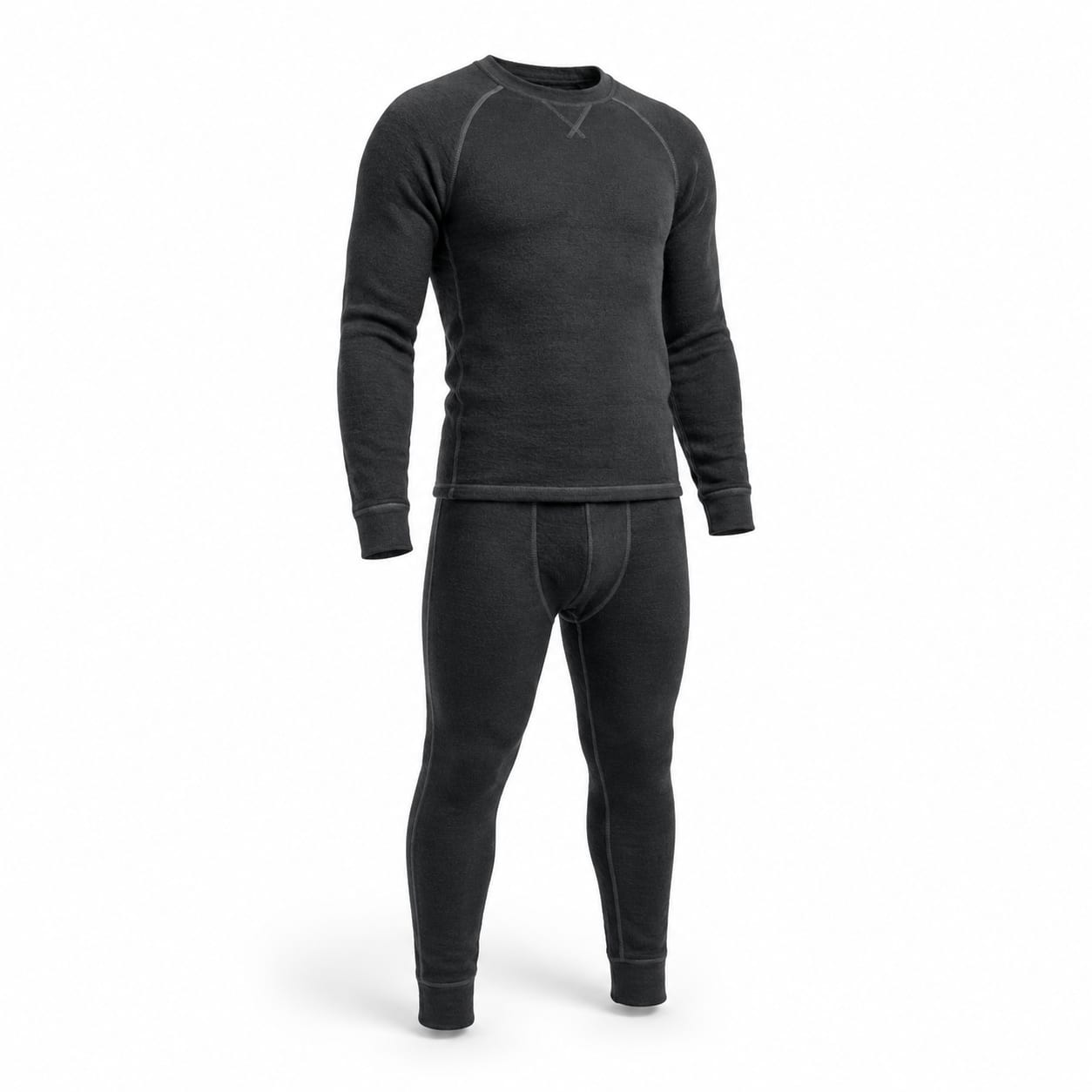
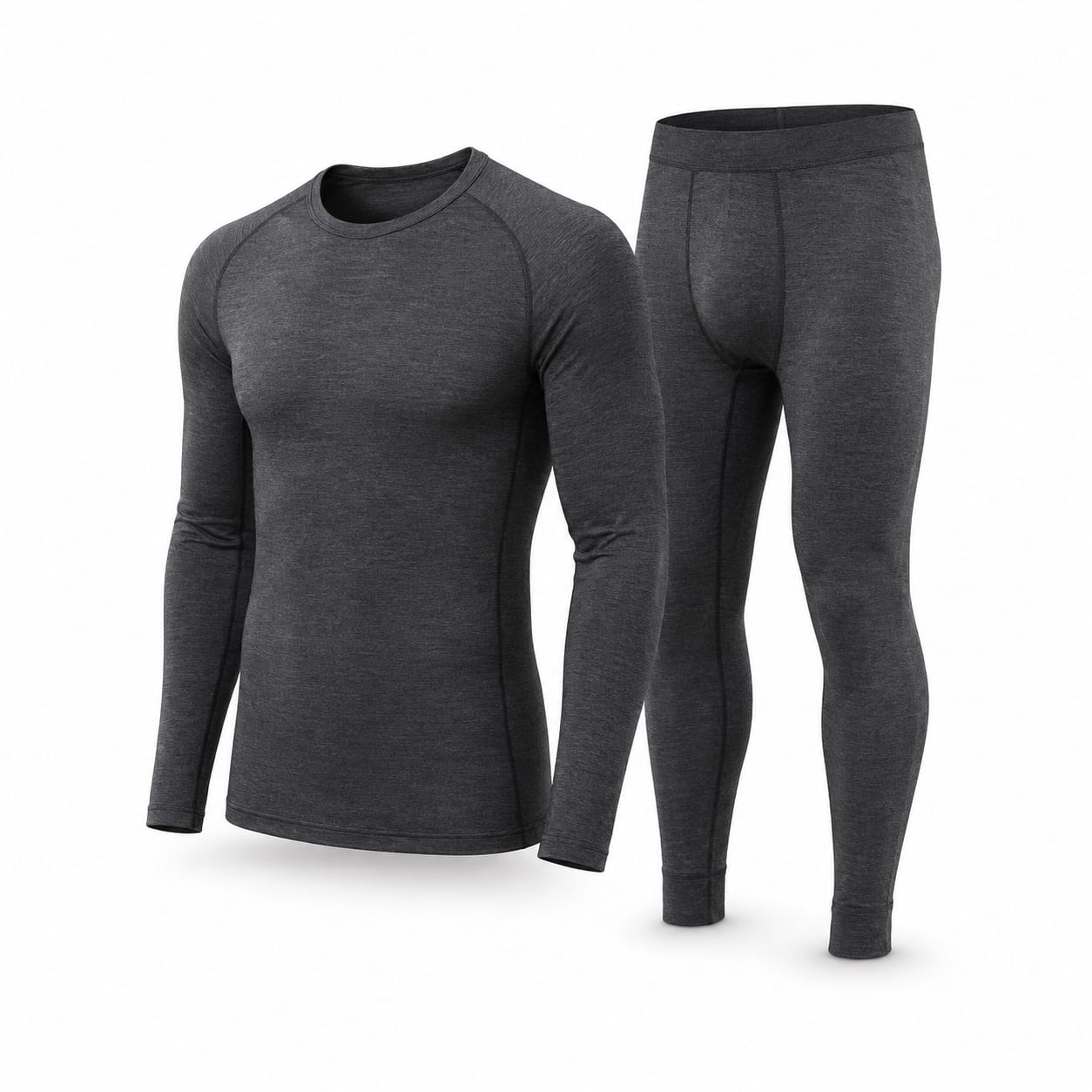
Second-skin fit base layers with graduated compression zones designed to enhance muscle support, moisture wicking, and recovery during and after skiing.

Compression base layers are the tightest-fitting option in ski underwear, using elastane-rich fabrics and targeted compression zones to press against muscle groups. This snug contact maximizes moisture wicking efficiency, may reduce muscle vibration and fatigue during aggressive skiing, and can aid post-ride recovery. While not for everyone—casual skiers may find them restrictive—they are the go-to choice for racers, athletic skiers, and anyone prioritizing peak performance from their first layer.

$40 – $130mid tierintermediateadvancedexpert

Best known for

Second-skin fit that eliminates air gaps for maximum wickingGraduated compression zones targeting major muscle groupsMuscle support and reduced vibration during high-intensity skiingPost-activity recovery benefits when worn after skiingStreamlined layering under tight-fitting race suits and outerwear
Compression Base Layers

Guide

Detailed overview

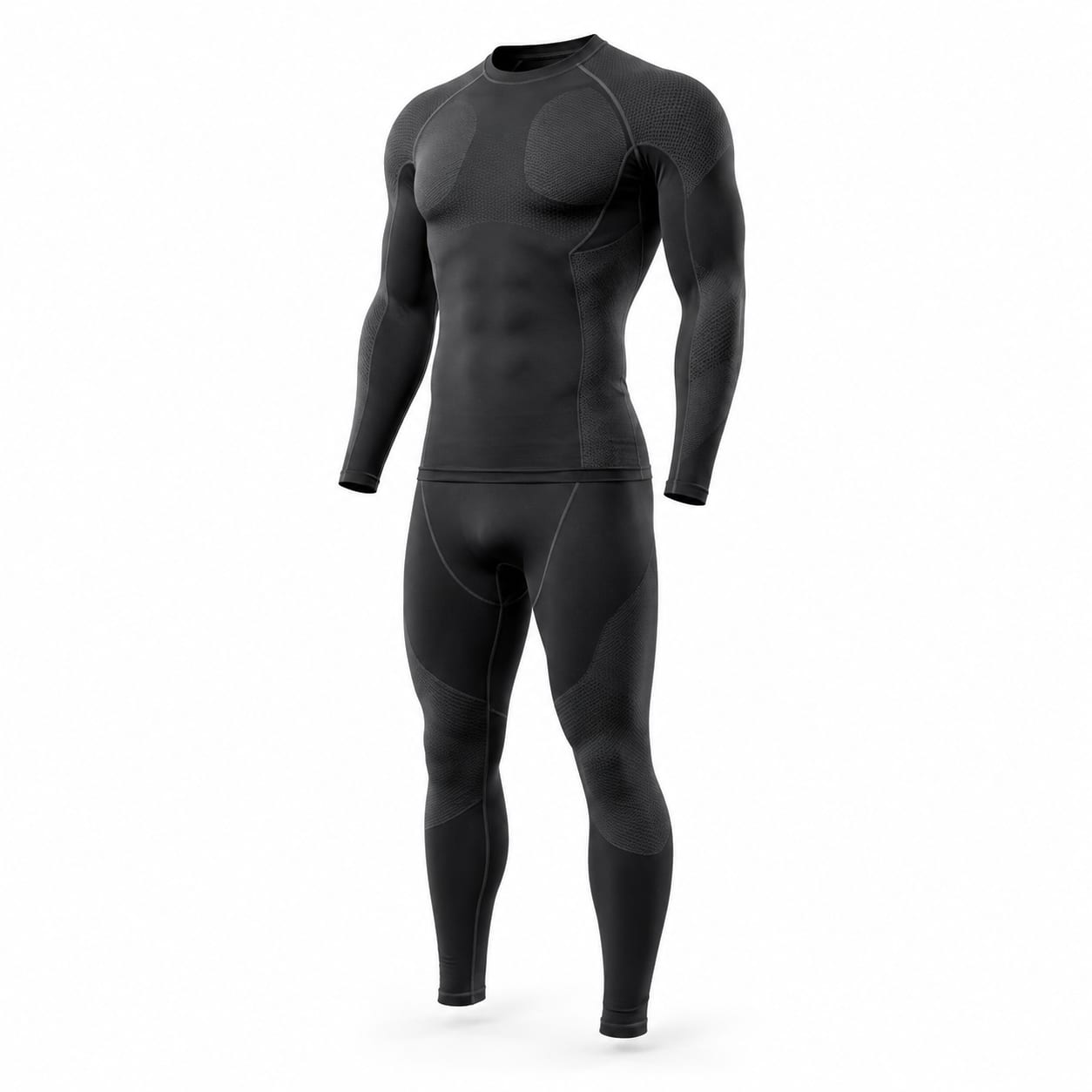
Compression base layers represent the performance end of the ski underwear spectrum, engineered with high-elastane content (typically 10–25%) and body-mapped compression zones that apply graduated pressure to key muscle groups. Unlike slim-fit base layers that simply contour to the body, compression garments actively squeeze with measurable pressure—usually 15–25 mmHg—to support muscles, improve proprioception, and accelerate venous return. The result is a garment that feels noticeably tight when worn, almost like a second skin that you step into rather than pull on casually. This tightness is the defining feature and the source of both its advantages and limitations. The compression fit ensures complete fabric-to-skin contact, which makes these base layers the most efficient at moisture wicking within the ski underwear category. There are no air gaps for sweat to pool in, no loose zones where fabric can cling wetly against the skin. For racers carving gates, backcountry athletes skinning uphill, and aggressive skiers pushing hard all day, this efficiency translates to staying drier and more comfortable during peak output. Many compression base layers also incorporate body-mapped construction, with tighter knit zones over large muscle groups like the quads and glutes, and more breathable mesh panels in high-sweat areas like the underarms and lower back. This zoned approach attempts to deliver compression where it benefits performance while maintaining ventilation where the body needs to shed heat. The trade-off is comfort: compression base layers can feel suffocating during low-output activities like sitting on a cold chairlift or enjoying a leisurely lunch on the deck. They are also more difficult to put on and take off, and sizing is critical—a garment that's too large provides no compression benefit, while one that's too small can restrict breathing and circulation.

Compression base layers occupy a specialized niche in ski underwear that bridges the gap between thermal management and athletic performance enhancement. Originally developed for medical applications and later adopted by endurance sports, compression technology entered skiing through the racing community, where every marginal gain matters. Today, compression base layers are worn by everyone from World Cup racers to fitness-conscious resort skiers who appreciate the locked-in feel and recovery benefits.

The science behind compression in skiing is nuanced. Unlike running or cycling, where sustained rhythmic muscle contractions benefit clearly from improved venous return, skiing involves intermittent high-intensity bursts separated by periods of relative inactivity on chairlifts. This means the primary on-hill benefits of compression are reduced muscle vibration during dynamic turns—which may decrease micro-trauma to muscle fibers—and enhanced proprioception, the body's awareness of joint position that contributes to balance and coordination. The recovery benefits are better established: wearing compression garments for 2–4 hours after skiing has been shown in multiple studies to reduce perceived muscle soreness and accelerate the clearance of metabolic waste products from muscle tissue.

For moisture management, compression base layers are unmatched in the ski underwear category. The complete skin contact ensures that sweat is pulled away from the body the moment it forms, with no air gaps where moisture can accumulate and cause that clammy, cold feeling when you stop moving. This is particularly valuable for high-output backcountry touring, where the transition from sweating on the skin track to sitting still on a ridge can cause rapid cooling if moisture isn't managed effectively. The tight fit also means these layers move with you seamlessly—no bunching, no riding up, no adjusting throughout the day.

However, compression base layers are not the right choice for every skier. The tight fit can feel claustrophobic during low-intensity resort days, and the emphasis on performance means many compression models prioritize wicking and compression over insulation. If you run cold or prefer a relaxed skiing pace, a slim-fit midweight merino base layer will likely keep you more comfortable. Compression layers also require careful sizing—consult the brand's specific size chart and measure yourself rather than guessing, as sizing varies significantly between manufacturers and the consequences of a poor fit are more pronounced than with looser styles.

The best compression base layers for skiing typically feature a synthetic-dominant blend (polyester or nylon with 15–20% elastane) for maximum stretch and recovery, body-mapped ventilation zones, flatlock or bonded seams to minimize chafing under the already-tight fabric, and a half-zip mock neck for adjustable ventilation. Merino-synthetic blends are emerging that offer compression fit with improved odor resistance, though the wool content typically reduces the garment's ability to maintain consistent compression pressure over time.

Quick facts

Primary purpose
Muscle support and enhanced circulation for performance skiing and reduced fatigue
Popular brands
Under ArmourSkins2XUCraftCW-X
Typical terrain
race coursesgroomed runsall mountain

What makes it different

Graduated compression fit for muscle support; eliminates fabric bunching under layers; athletic performance focus

Recommended ranges

How this type usually specs out

Each spec is explained in plain language, then we show what buyers usually look for on this type.

Material Type

Material Type

What it means

The primary fabric composition of the base layer, which determines moisture management, odor resistance, warmth, durability, and care requirements.

Typical for this type

Synthetic Polyester Or Wool Blend

In practice

Compression base layers are overwhelmingly synthetic-dominant because elastane requires a synthetic carrier fabric for consistent stretch and recovery. Polyester-elastane blends dominate the category, offering the best combination of wicking speed, stretch, and compression durability. Wool-synthetic blends are emerging but typically achieve lower compression pressure due to merino's natural give.

Compared to other types

Unlike slim-fit or regular-fit base layers where merino wool is the most popular choice, compression base layers favor synthetics for their superior elasticity and recovery. Wool blends are a compromise option that provides some odor resistance while maintaining reasonable compression.

Why it matters: Material determines whether the garment can maintain consistent compression pressure over time. Synthetics recover better after stretching, maintaining the graduated pressure zones that define compression wear. Merino blends offer better odor resistance but may lose compression effectiveness faster.

Weight Class

Weight Class

What it means

The fabric weight category, which correlates with warmth, bulk, and intended temperature range. Measured in grams per square meter (g/m²) of fabric.

Typical for this type

Ultralight to lightweight (130–180 g/m²)

In practice

Compression base layers tend toward lighter fabric weights because their primary function is moisture management and muscle support rather than insulation. The tight fit itself provides some warmth by eliminating convective air gaps, so lighter fabrics are sufficient. Heavier compression garments exist but can feel oppressively tight and hot.

Compared to other types

Compression base layers skew lighter than the overall base layer category. While midweight is the most common ski-specific weight class generally, compression layers perform best in lightweight to avoid overheating—since the tight fit already reduces air circulation next to the skin.

Why it matters: Choosing the right weight prevents the double penalty of compression tightness combined with excessive warmth. A lightweight compression layer under a proper mid-layer provides better temperature regulation than a midweight compression layer that cannot be vented effectively.

Fit Type

Fit Type

What it means

How closely the garment conforms to the body, affecting moisture wicking efficiency, layering compatibility, and freedom of movement.

Typical for this type

Compression

In practice

This is the defining dimension of the subcategory. Compression fit means the garment applies measurable pressure (typically 15–25 mmHg) against the body, with graduated zones that are tighter at the extremities and gradually loosen toward the core. The fit should feel snug but not restrict breathing or circulation.

Compared to other types

Compression fit is noticeably tighter than slim fit, which is the most common base layer fit. Where slim fit contours to the body without squeezing, compression actively compresses tissue. Regular and relaxed fits are not represented in this subcategory at all.

Why it matters: Without true compression fit, this subcategory has no reason to exist. The pressure against muscle groups is what provides the claimed benefits of reduced muscle vibration, improved proprioception, and enhanced venous return. A compression garment that fits loosely is just an expensive slim-fit base layer.

Top Style

Top Style

What it means

The neckline and design of the upper-body base layer, affecting ventilation, layering, and comfort.

Typical for this type

Zip Neck Half Or Crew Neck

In practice

Half-zip mock necks are the most common top style for compression base layers because the zip provides crucial ventilation for a garment that cannot be loosened. The mock neck adds core warmth at the throat while the zip allows heat dumping during high-output moments. Crew necks are common in racing-oriented models worn under speed suits.

Compared to other types

Compression base layers strongly favor zip-neck options over crew necks compared to other subcategories, precisely because the tight fit eliminates the option of loosening the garment for ventilation. Hooded compression tops exist but are rare and can feel claustrophobic.

Why it matters: Because compression fit cannot be adjusted, a zip vent becomes the primary temperature regulation mechanism. Without it, you're locked into whatever temperature the garment creates—a problem during variable-output skiing where you alternate between aggressive runs and sedentary lift rides.

Bottom Style

Bottom Style

What it means

The length and design of the lower-body base layer, affecting coverage, layering, and boot compatibility.

Typical for this type

Three Quarter Or Full Length

In practice

3/4 length (calf-length) bottoms are increasingly popular in compression base layers because they end above the ski boot line, eliminating fabric bunching that is especially problematic with tight-fitting garments. Full-length options with stirrups are also common, particularly in racing contexts where maximum leg compression is desired.

Compared to other types

Compression base layers have a stronger preference for 3/4 length than other subcategories because the tight fit makes boot interference more uncomfortable. The compression community also values the clean transition from base layer to ski sock without overlap.

Why it matters: In a compression garment, any bunching inside a ski boot is magnified—the tight fabric cannot simply shift out of the way. 3/4 length avoids this entirely. If choosing full length, ensure the garment has stirrups or a very close ankle hem to prevent riding up.

Moisture Wicking

Moisture Wicking

What it means

The garment's ability to pull perspiration away from the skin and spread it across the fabric surface for evaporation. Critical for staying dry and warm during active skiing.

Typical for this type

Excellent

In practice

Compression base layers achieve excellent moisture wicking as a natural consequence of their fit—complete skin contact means sweat is pulled into the fabric immediately with zero air gap delay. Combined with synthetic materials that transport moisture rapidly, compression layers are the fastest-wicking option in ski underwear.

Compared to other types

Compression base layers consistently outperform slim, regular, and relaxed fits in moisture wicking efficiency because the skin-to-fabric contact is complete and uninterrupted. This is their most undisputed performance advantage.

Why it matters: Moisture wicking is the primary performance advantage of compression base layers over other fits. The elimination of air gaps means no moisture can pool against the skin, which is critical during high-output skiing where sweat rates are highest.

Odor Resistance

Odor Resistance

What it means

The garment's ability to resist bacterial growth and associated odors over multiple wears. Affects how many days you can wear the base layer between washes on multi-day trips.

Typical for this type

Moderate to Good

In practice

Most compression base layers are synthetic-dominant, which means moderate odor resistance at best—noticeable odor after 1–2 full days of active wear. Some models incorporate silver-ion treatments or use wool-synthetic blends to improve this, but the tight fit and synthetic content work against long-term odor control.

Compared to other types

Compression base layers generally have worse odor resistance than slim-fit merino options, which can go 5+ days without washing. This is the most significant practical disadvantage of compression for multi-day use. Wool-blend compression models partially address this gap.

Why it matters: If you're wearing compression base layers for multi-day ski trips, odor can become a real issue. The tight fit means the fabric is in constant contact with sweat and skin bacteria, accelerating odor development compared to looser garments that allow some air circulation.

Seam Construction

Seam Construction

What it means

The type and placement of seams, which affect chafing potential, durability, and comfort under layers and gear.

Typical for this type

Flatlock Or Seamless

In practice

Flatlock seams are the standard in compression base layers because they lay flat against the skin under the already-tight fabric. Seamless construction is increasingly common in premium compression models, using circular knitting machines to create garments with minimal or no stitched seams. Bonded seams appear in high-end racing models.

Compared to other types

Compression base layers have a stronger requirement for low-profile seams than any other subcategory because the tight fit amplifies any seam irritation. Overlock seams, sometimes acceptable in casual base layers, are completely unsuitable for compression wear.

Why it matters: In a compression garment, seams are pressed firmly against the skin—any raised stitching or bulky seam can cause chafing, especially during repetitive skiing movements. The tighter the garment, the more seam quality matters.

Stretch

Stretch

What it means

The garment's ability to stretch and recover, affecting freedom of movement and long-term fit retention.

Typical for this type

Four Way

In practice

4-way stretch is essentially mandatory for compression base layers. The garment must stretch in both directions to apply compression and then recover to maintain pressure. Without 4-way stretch, the garment cannot achieve the graduated compression zones that define the category. Elastane/spandex content typically ranges from 15–25%.

Compared to other types

Compression base layers require higher elastane content and more robust stretch than any other subcategory. While slim-fit base layers may include 2–5% elastane for comfort, compression models typically use 15–25% to achieve and maintain the necessary pressure.

Why it matters: 4-way stretch enables both the initial compression fit and the long-term recovery that keeps the garment functional. A compression layer that loses its stretch becomes an expensive, tight-fitting regular base layer with no performance benefits.

Gender

Gender

What it means

The intended gender fit of the garment, which affects cut, proportions, and anatomical features.

Typical for this type

Gender-Specific Strongly Recommended

Most common pick: Mens And Womens

In practice

Compression base layers are offered in both men's and women's specific cuts, and proper gender-specific fit is even more important here than in other subcategories. Compression pressure must be distributed correctly across anatomical structures, and a unisex or wrong-gender cut can apply pressure in the wrong places or fail to compress where intended.

Compared to other types

Gender-specific fit matters more in compression base layers than in any other subcategory because the tight fit leaves no room for accommodation. A slightly off fit in a regular base layer is barely noticeable; in compression, it's immediately problematic.

Why it matters: Incorrect proportions in a compression garment don't just feel uncomfortable—they can create pressure points that restrict circulation or fail to provide compression where it's needed. Women's compression layers account for wider hips, different thigh proportions, and different torso lengths.

Warmth Rating

Warmth Rating

What it means

The perceived warmth level of the garment, combining material, weight, and construction into a single comparative metric.

Typical for this type

Light to Moderate

In practice

Compression base layers tend toward light warmth because their primary functions are moisture management and muscle support, not insulation. The tight fit eliminates air gaps which provides some passive warmth, but the lightweight synthetic fabrics most common in compression layers are not designed for maximum heat retention. Moderate warmth options exist for cold-weather compression.

Compared to other types

Compression base layers skew lighter in warmth than the overall base layer category. While moderate warmth is the most common ski-specific rating generally, compression layers are typically light warmth because the tight fit already reduces air circulation and can feel warmer than the fabric weight suggests.

Why it matters: Choosing too warm a compression layer creates a problematic scenario: you're trapped in a tight, hot garment that you cannot loosen or vent effectively (unless you have a zip neck). Light warmth with proper mid-layering provides more temperature control flexibility.

Thumbholes

Thumbholes

What it means

Whether the top includes thumbholes at the cuff to keep sleeves in place and provide hand coverage during layering.

Typical for this type

True Preferred

In practice

Thumbholes are more common in compression base layers than in other subcategories because they serve a practical function: keeping the tight sleeves anchored in place during dynamic movement. Without thumbholes, compression sleeves can ride up when putting on jackets or during aggressive arm movement, creating uncomfortable bunching at the wrists.

Compared to other types

Compression base layers include thumbholes more frequently than other subcategories, where they're a nice-to-have. In compression, they're closer to a functional necessity for tops worn under jackets.

Why it matters: In a compression garment, sleeve ride-up is more annoying than in looser fits because the tight fabric doesn't naturally fall back into place. Thumbholes anchor the sleeves and also provide a smooth transition to gloves, eliminating exposed skin at the wrist.

Gusseted Crotch

Gusseted Crotch

What it means

Whether the bottom base layer includes a diamond or triangular fabric panel at the crotch for enhanced mobility and reduced seam stress.

Typical for this type

True Strongly Recommended

In practice

Gusseted crotches are common and recommended in compression base layer bottoms because the tight fit makes the standard 4-seam intersection particularly uncomfortable. The gusset eliminates the pressure point where seams meet and adds crucial range of motion in a garment that otherwise restricts movement by design.

Compared to other types

Gusseted crotches are more important in compression base layers than in any other subcategory because the tight fit amplifies any construction flaw at the crotch. What might be a minor annoyance in a slim-fit bottom becomes a significant comfort issue in compression.

Why it matters: In a compression bottom, the crotch area is under constant tension. A gusseted crotch distributes this tension across a fabric panel rather than concentrating it at a seam intersection, dramatically improving comfort during skiing's deep bends and seated positions.

Fly Type

Fly Type

What it means

The type of front opening on men's base layer bottoms, affecting convenience and comfort.

Typical for this type

No Fly Or Horizontal Fly

In practice

No-fly construction is most common in compression base layer bottoms because it eliminates bulk and maintains consistent compression across the front panel. Where a fly creates overlapping fabric layers, a no-fly design provides uniform pressure. Horizontal flies appear in some men's models as a lower-profile compromise.

Compared to other types

Compression base layers are more likely to use no-fly construction than other subcategories, where vertical flies are standard. This is a functional choice—compression prioritizes uniform pressure over traditional convenience features.

Why it matters: In a compression garment, any extra fabric layers from a fly create inconsistent pressure and a visible bulk point under tight mid-layers. The streamlined no-fly design maintains the smooth, uniform compression that defines the category.

Body-Mapped Construction

Body-Mapped Construction

What it means

Whether the garment uses strategically placed fabric zones with different weights, textures, or knit structures to optimize warmth and breathability where needed.

Typical for this type

True Strongly Recommended

In practice

Body-mapped construction is a hallmark of quality compression base layers and more common here than in any other subcategory. The tight fit makes zoned construction especially effective—compression zones can target specific muscle groups while mesh ventilation zones can cool high-sweat areas without compromising the overall compression framework.

Compared to other types

Compression base layers use body mapping more extensively and effectively than other subcategories because the tight fit makes zoned differences more perceptible. A mesh underarm panel in a compression top provides dramatically more relief than the same panel in a loose-fitting base layer.

Why it matters: Body mapping in compression base layers serves dual purposes: targeting compression where it benefits muscle support (quads, hamstrings, glutes, core) while providing ventilation where the tight fit would otherwise trap heat (underarms, lower back, behind knees). This zoned approach makes compression wearably comfortable rather than oppressively hot.

UPF Rating

UPF Rating

What it means

Ultraviolet Protection Factor rating indicating how effectively the fabric blocks UV radiation. Relevant for high-altitude spring skiing.

Typical for this type

Upf 30 to Upf 50

In practice

Compression base layers frequently carry UPF 50+ ratings because the tight knit structure of synthetic compression fabrics naturally blocks UV radiation effectively. Many manufacturers add UV-blocking treatments as well, making this a common feature rather than an upgrade.

Compared to other types

Compression base layers are more likely to have UPF ratings than other subcategories, partly because the tight synthetic knit naturally provides good UV protection and partly because compression garments are more often worn as standalone pieces during training.

Why it matters: While UPF rating is generally a low-priority feature for winter base layers, compression layers are sometimes worn standalone for spring training activities, making sun protection more relevant than for base layers that are always covered by other garments.

Waistband Type

Waistband Type

What it means

The style and construction of the waistband on bottom base layers, affecting comfort under layers and during movement.

Typical for this type

Wide Yoga Or Integrated

In practice

Wide yoga-style waistbands are the most common in compression base layer bottoms because they distribute the pressure of the tight garment across a broader area, preventing the digging and rolling that narrow elastic bands cause under compression. Integrated/knit-in waistbands appear in premium seamless models.

Compared to other types

Compression base layers have a stronger preference for wide waistbands than other subcategories because the garment's inherent tightness makes waistband comfort more critical. A narrow elastic that's merely annoying in a slim-fit bottom can be painful in compression.

Why it matters: A compression bottom already applies significant pressure to the body. A narrow elastic waistband concentrates that pressure into a narrow strip, creating discomfort and visible lines under layers. A wide yoga band distributes pressure evenly and stays in place during movement.

Evaluation

Strengths and trade-offs

Pros

What this type does best

Superior Moisture Wicking

Critical

Complete skin-to-fabric contact eliminates air gaps where sweat can accumulate, making compression base layers the most efficient moisture managers in the ski underwear category. Sweat is pulled into the fabric the moment it forms on the skin.

Muscle Support and Reduced Vibration

High

Graduated compression zones support major muscle groups during dynamic skiing movements, potentially reducing muscle vibration and micro-trauma during high-intensity turns and landings. This is the primary performance justification for the category.

Enhanced Proprioception

High

The constant tactile feedback from tight-fitting compression fabric improves body awareness and joint position sense, which can contribute to better balance and coordination during technical skiing.

Post-Activity Recovery Benefits

High

Wearing compression garments for 2–4 hours after skiing has been shown to reduce perceived muscle soreness and accelerate recovery. This dual-use capability—performance on the hill, recovery off it—adds significant value.

Streamlined Layering

Medium

The second-skin fit creates zero bulk under mid-layers and outerwear, making compression base layers ideal for tight-fitting race suits, fitted jackets, and any setup where layering space is limited.

No Bunching or Riding Up

Medium

Compression base layers stay exactly where you put them. No adjusting sleeves, no pulling down hems, no bunching at the waist or ankles during active skiing. The garment moves with you seamlessly throughout the day.

Body-Mapped Ventilation

Medium

The compression category leads in body-mapped construction, with targeted mesh zones that provide ventilation where the tight fit would otherwise trap heat. This makes compression more comfortable than the tightness alone would suggest.

Cons

Trade-offs to be aware of

Can Feel Claustrophobic

Significant

The tight, constricting fit that defines compression base layers can feel suffocating during low-output activities like sitting on chairlifts or taking breaks. Some skiers simply cannot tolerate the sensation of constant pressure against their body.

Difficult to Put On and Remove

Moderate

Compression base layers require significant effort to pull on, especially when damp with sweat after a day of skiing. This is not a garment you can quickly change in a cramped ski lodge or parking lot.

Poor Odor Resistance

Moderate

The synthetic-dominant fabric blends most common in compression base layers develop odor faster than merino wool alternatives. The tight fit also keeps fabric in constant contact with sweat and bacteria, accelerating odor buildup compared to looser garments.

Sizing is Critical and Unforgiving

Moderate

Unlike looser base layers where sizing errors are barely noticeable, a poorly sized compression garment either provides no compression benefit (too large) or restricts breathing and circulation (too small). Sizing varies significantly between brands, making online purchases risky.

Less Warmth Per Fabric Weight

Minor

Compression base layers trap less insulating air against the skin than looser fits, meaning they provide less warmth for the same fabric weight. This is fine for high-output skiing but problematic for cold-weather, low-activity days.

Higher Cost

Minor

The technical construction, high elastane content, body mapping, and quality seam requirements make compression base layers more expensive than standard slim-fit alternatives with similar materials.

Best for

Terrain

Steep groomed runsRace coursesBackcountry touring routesMogul fieldsTerrain parks

Snow conditions

Variable output days (climb then descend)Cold but active conditionsSpring skiing with temperature swingsHigh-output touring in moderate cold

Skill level

AdvancedExpertProfessional/Racer

Riding style

Aggressive all-mountainCarvingRacingBackcountry touringFreestyle

Rider profile

Racers seeking marginal performance gainsAthletic skiers who sweat heavilyBackcountry tourers managing output transitionsSkiers who prioritize recovery between ski daysRiders who wear fitted outerwear and need low-bulk layersPerformance-oriented skiers who appreciate the locked-in feel

Not ideal for

Reasons

Beginners are focused on basic skills, not marginal performance gains from compressionCasual skiers generate insufficient sweat to benefit from enhanced wickingThe tight fit is uncomfortable during low-output, sedentary skiingRiders who run cold need more insulation than compression layers typically provideThose with body sensitivity or claustrophobia may find compression intolerableBudget-conscious skiers can get 90% of the benefit from a quality slim-fit base layer at lower cost

Terrain

Bunny hills and beginner areasFlat cross-country tracksSledding hills

Skill level

BeginnerNovice

Riding style

Casual cruisingSlow-paced scenic skiingAprès-ski focused

Compare

How it stacks up

This page

Compression Base Layers

Superior moisture wicking from complete skin contact, measurable muscle support, recovery benefits, and zero-bulk layering under tight outerwear.

Alternative

Slim-Fit Base Layers

More comfortable for all-day wear, easier to put on and take off, available in more material options including pure merino wool, better odor resistance, and lower cost.

Bottom line

Choose compression if you're an aggressive skier who values performance benefits and doesn't mind the tight fit. Choose slim-fit if you want a comfortable, versatile base layer that works for everything from casual resort days to backcountry tours.

This page

Compression Base Layers

Dramatically better moisture wicking, no air gaps for cold spots, muscle support, and streamlined layering without bunching or excess fabric.

Alternative

Regular-Fit Base Layers

Significantly more comfortable and forgiving fit, easier to put on, more affordable, and better for riders who dislike tight clothing or have body shape concerns.

Bottom line

Compression is the clear performance choice. Regular fit is only appropriate if comfort is your top priority and you don't ski aggressively enough to benefit from compression's advantages.

This page

Compression Base Layers

Better moisture management, no overheating during active skiing, muscle support, and more versatile layering—you can always add a mid-layer but can't easily cool down an overheating heavyweight base.

Alternative

Heavyweight Thermal Base Layers

Significantly more warmth for cold, low-activity days. Better for riders who spend more time on lifts than making turns, or who naturally run cold.

Bottom line

Choose compression for active skiing in moderate to cold conditions. Choose heavyweight thermal for extremely cold days, sedentary skiing, or if you consistently run cold and prioritize warmth over moisture management.

This page

Compression Base Layers

Faster moisture wicking, muscle support and recovery benefits, more durable stretch and recovery, and better body-mapped ventilation options.

Alternative

Merino Wool Base Layers

Far superior odor resistance (5+ days vs. 1–2 days), more comfortable next-to-skin feel, warm-when-wet performance, and more sustainable natural fiber.

Bottom line

Choose compression for high-output performance skiing where wicking and muscle support matter. Choose merino slim-fit for multi-day trips where odor resistance is critical, or if you prefer natural fibers and don't need compression's performance benefits.

Shopping

Buying tips

  • 1

    Measure yourself and consult the brand's specific size chart—compression sizing varies dramatically between manufacturers and the consequences of a poor fit are severe. When between sizes, consider your priority: size down for more compression, size up for more comfort.

  • 2

    Look for at least 15% elastane content. Lower percentages won't provide meaningful compression or maintain it over time. The sweet spot is 18–22% elastane with polyester or nylon as the primary fiber.

  • 3

    Prioritize body-mapped construction with mesh ventilation zones under the arms and behind the knees. Without these relief zones, compression base layers can become uncomfortably hot during active skiing.

  • 4

    Choose a half-zip mock neck over a crew neck. The zip provides essential temperature regulation in a garment you cannot loosen. This is the single most useful feature for making compression comfortable across varying output levels.

  • 5

    If odor resistance matters for multi-day trips, consider a merino-synthetic blend compression layer. You'll sacrifice some compression consistency but gain 2–3 additional days of wear between washes.

  • 6

    Try before you buy if possible—compression fit is a sensation that some people love and others cannot tolerate. What feels supportive to one person feels suffocating to another.

  • 7

    Consider 3/4 length bottoms to eliminate boot interference. The tight fit makes any bunching inside ski boots particularly uncomfortable, and 3/4 length avoids this entirely while ski socks cover the gap.

  • 8

    Check the return policy before purchasing online. Compression base layers are the most fit-sensitive item in ski underwear, and you may need to exchange sizes to find the right balance of compression and comfort.

Care

Maintenance notes

  • Wash compression base layers in cold water on a gentle cycle. Hot water breaks down elastane fibers and permanently reduces compression effectiveness.
  • Never use fabric softener—it coats synthetic fibers and elastane, reducing both moisture wicking and stretch recovery. This is the fastest way to ruin a compression garment.
  • Air dry flat or hang in a well-ventilated area. Machine drying on any heat setting degrades elastane. If you must use a dryer, use the lowest heat setting and remove the garment while slightly damp.
  • Do not iron compression base layers. The heat will melt or deform elastane fibers, creating permanent weak spots in the compression zones.
  • Wash after every use or every other use to manage odor. Unlike merino wool, synthetic compression layers develop persistent odor if stored damp or worn multiple times without washing.
  • Replace compression base layers when you notice the garment no longer feels tight when putting it on, or when the fabric stays stretched after removal. This indicates elastane breakdown and the garment is no longer providing compression benefits.
  • Store compression base layers flat or loosely folded, not tightly rolled or compressed. Long-term storage under tension can permanently deform the elastane fibers.
  • Turn garments inside out before washing to protect the outer surface and clean the skin-contact side more effectively, where sweat and body oils accumulate.

Progression

Skill development path

Compression base layers are most relevant for intermediate-to-advanced skiers who have developed enough technique and intensity to benefit from enhanced muscle support and moisture management. Beginners typically don't ski hard enough to sweat heavily or stress their muscles to the point where compression aids recovery. As skiers progress to aggressive all-mountain skiing, racing, or backcountry touring, the performance benefits of compression become more tangible. The category is most valued by expert and professional skiers for whom marginal gains in muscle efficiency and recovery translate to meaningful performance differences. However, there's no skill prerequisite—any skier who prefers the locked-in feel and superior wicking can benefit from compression regardless of ability level.

FAQ

Common questions

Each question has a dedicated page with a full answer and links to the buying guide.

Do compression base layers actually improve skiing performance?

The evidence is mixed but leaning positive for specific benefits. Compression has been shown to reduce muscle vibration during dynamic movements, which may decrease muscle fatigue and micro-trauma during aggressive skiing. Enhanced proprioception from the tight fit can improve balance and body awareness. The recovery benefits—reduced muscle soreness and faster clearance of metabolic waste when worn post-activity—are better supported by research. However, compression won't make you a better skier on its own; the benefits are marginal and most noticeable during high-intensity, high-volume skiing.

How tight should a compression base layer feel?

A properly fitted compression base layer should feel noticeably tight—like a firm hug against your body—but should never restrict breathing, circulation, or range of motion. You should be able to take a deep breath comfortably, and you shouldn't feel numbness or tingling in your extremities. When you take the garment off, there should be no red marks or indentations that persist for more than a few minutes. If you can't wait to take it off after 10 minutes of wearing it around the house, it's either too tight or compression may not be right for you.

Can I wear compression base layers for multiple days like merino wool?

Generally no. Most compression base layers are synthetic-dominant and develop noticeable odor after 1–2 days of active wear, compared to 5+ days for pure merino wool. The tight fit keeps fabric in constant contact with sweat and skin bacteria, accelerating odor development. If multi-day wear is important, look for merino-synthetic blend compression layers or compression layers with silver-ion odor treatments, though these still won't match pure merino's odor resistance.

Should I size up or down in compression base layers?

Follow the brand's specific size chart based on your measurements—do not guess. Compression sizing varies significantly between brands, more so than regular clothing. If you're between sizes on the chart, consider your priority: size down if you want maximum compression and performance benefit, size up if you're new to compression and want to ease into the sensation. Never size up more than one size, as a too-large compression garment provides no compression benefit and is just an uncomfortable, tight-fitting regular base layer.