
Skis · FAQ
Questions about Cross-Country Classic Skis
Straight answers on fit, specs, and when this type makes sense — each topic has its own page with links back to the buying guide.
Open Cross-Country Classic Skis guide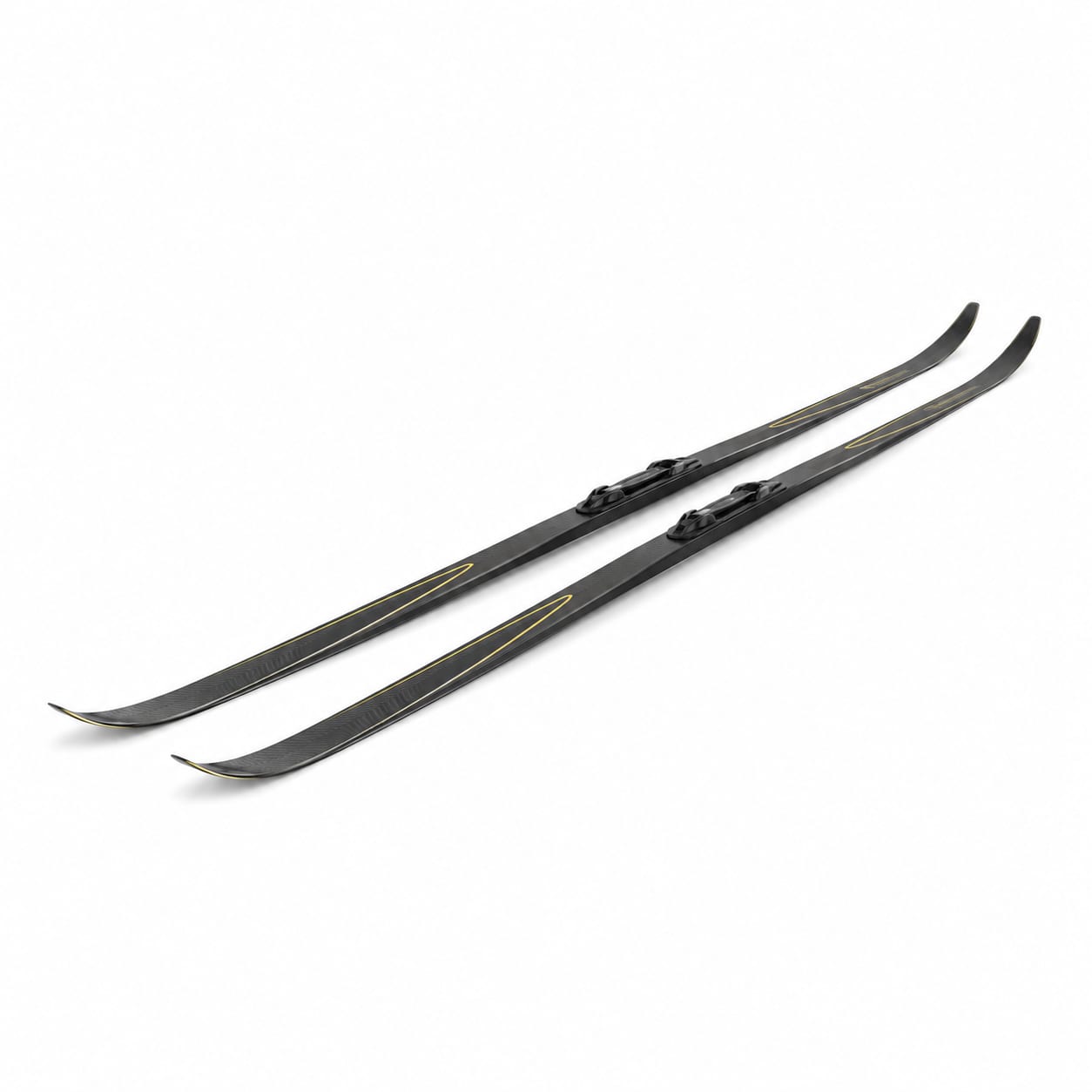
6 topics
Pick a question
Every answer links to the full subcategory guide and related gear types when it helps you decide.
Should I buy waxable or waxless classic skis?
If you're a beginner, recreational skier, or someone who doesn't want to learn waxing technique, buy waxless skis with a fishscale or skin grip zone. They provide consistent grip in most conditions with zero maintenance. If you're an experienced skier who wants maximum performance, competes in races, or enjoys the craft of waxing, choose waxable skis. Properly waxed skis offer better grip with less glide penalty than waxless options, but they require knowledge of kick wax selection based on snow temperature and conditions.
Read answer →02How do I know what flex is right for me?
The correct flex is determined by your body weight and skiing style. The ski must compress enough under your full body weight to engage the grip zone during the kick, but remain uncompressed when you're gliding with weight on both skis. The best way to find the right flex is to visit a specialty Nordic shop that uses a flex board—a tool that measures how the ski bends under specific weights. If you can't access a flex board, use manufacturer weight recommendations as a guide, but be aware that these are approximate and individual technique affects the ideal flex.
Read answer →03Can I use classic skis for skate skiing?
No. Classic skis and skate skis have fundamentally different designs. Classic skis have a grip zone (waxable or waxless) and a camber pocket optimized for the diagonal stride. Skate skis have no grip zone, a stiffer camber profile optimized for the skating push-off, and are typically shorter with more sidecut. Using classic skis for skating will result in poor performance and potential damage to the grip zone. If you want to do both techniques, you need two pairs of skis or consider a combi ski (a compromise option that performs adequately at both but excels at neither).
Read answer →04What's the difference between NNN, Prolink, and SNS bindings?
NNN (New Nordic Norm) and Prolink are the two current standard Nordic binding systems. NNN is used by Rottefella, Madshus, and others. Prolink is used by Salomon and Atomic. Both systems are functionally similar and can be used with each other's boots using adapter plates. SNS is an older Salomon system that is being phased out—avoid it for new purchases as boot and binding options are shrinking. All three systems allow the heel to lift freely for the classic stride. The key is matching your binding system to your boot choice.
Read answer →05How long should my classic skis be?
Classic skis are typically sized 15–25 cm above your height. For example, a 170 cm skier would look at skis in the 185–195 cm range. However, flex matching is more important than length—if a ski that's slightly shorter has the correct flex for your weight, it will perform better than a longer ski with incorrect flex. Very tall or heavy skiers may need to size up, while lighter skiers may size down. Always prioritize flex over length when the two considerations conflict.
Read answer →06Can I use classic skis off-trail in the backcountry?
Classic skis can handle light off-trail use in gentle terrain with moderate snow depth, but they are not designed for backcountry touring. Their narrow profile (44–50mm waist) provides minimal floatation in deep snow, they lack metal edges for control on steep or firm terrain, and the free-heel binding system offers no downhill control. If you want to explore ungroomed backcountry terrain, look at backcountry touring skis, which are wider (50–70mm+), often have metal edges, and are designed for off-trail conditions. For true backcountry ski mountaineering, you need AT (alpine touring) equipment.
Read answer →