Kitvore.com

Kitvore.com

Specs that matter. Gear that fits.

Winter Sports

Skis

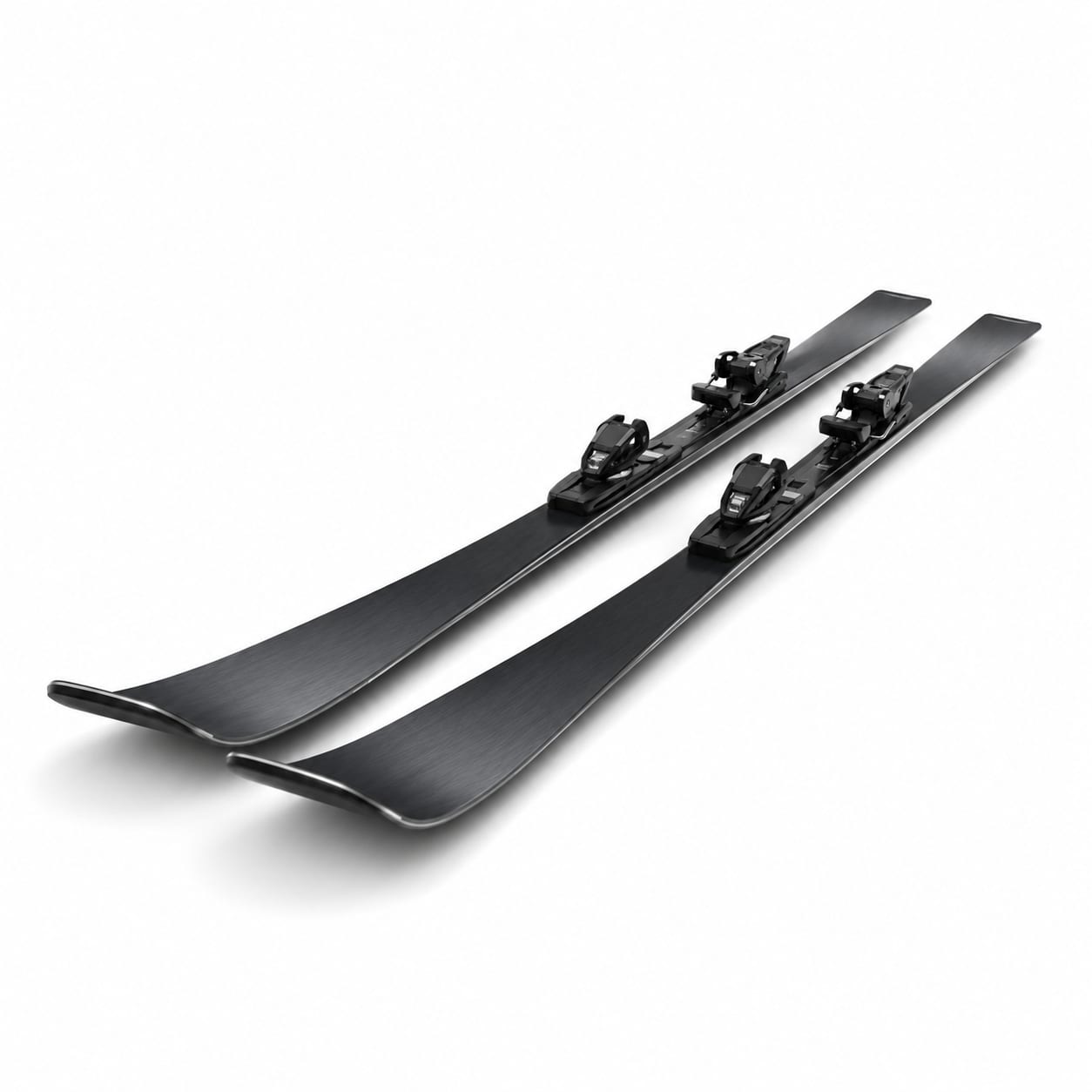
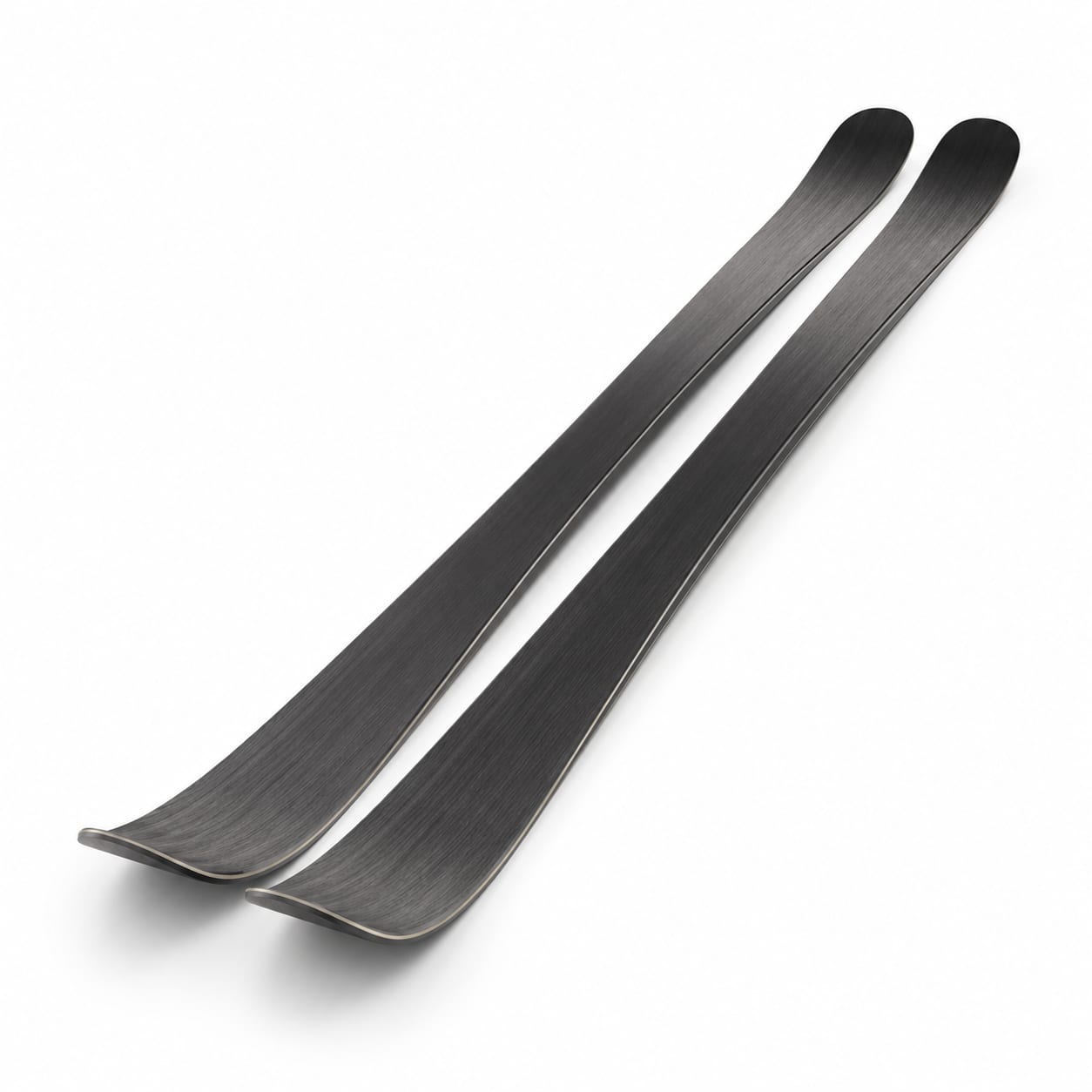
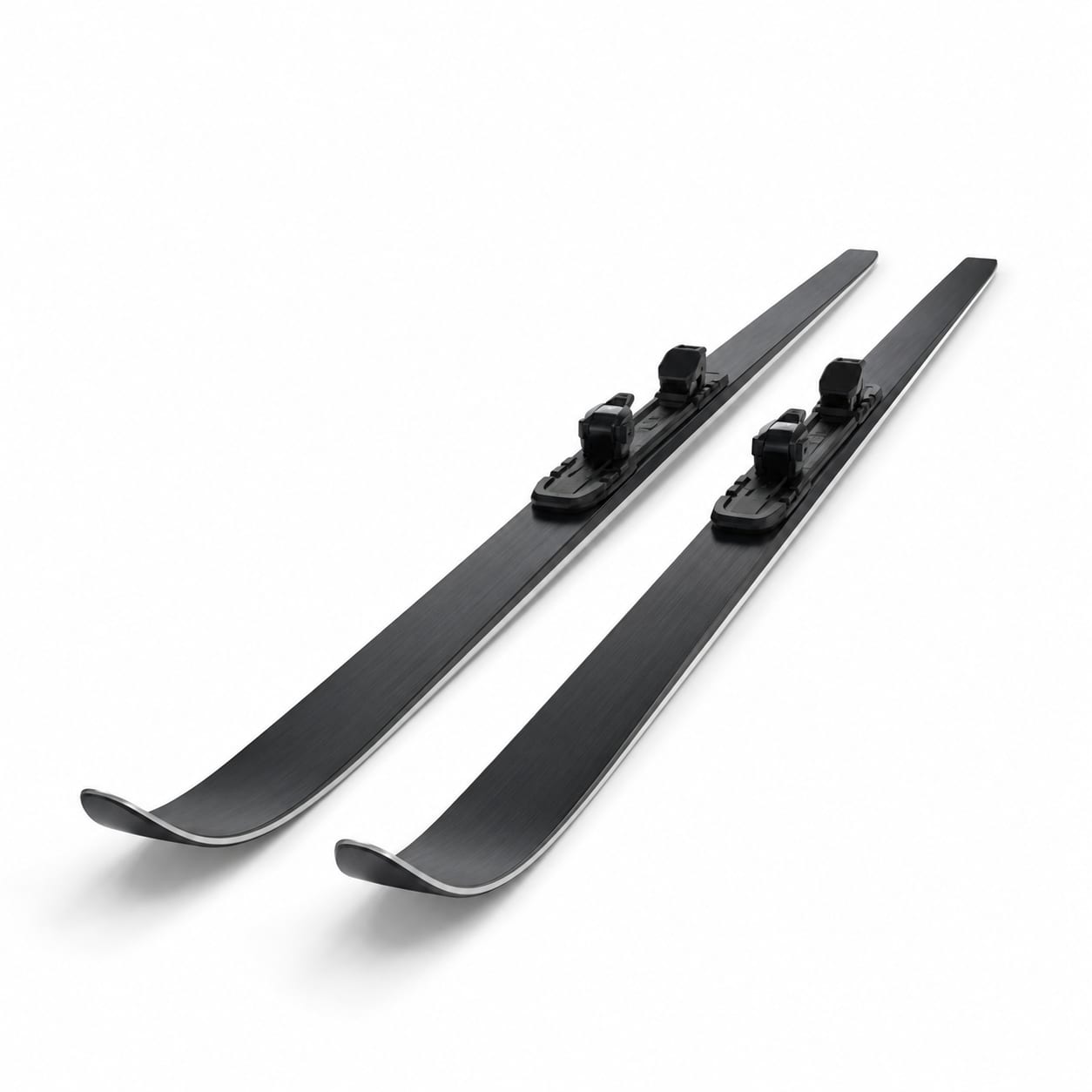
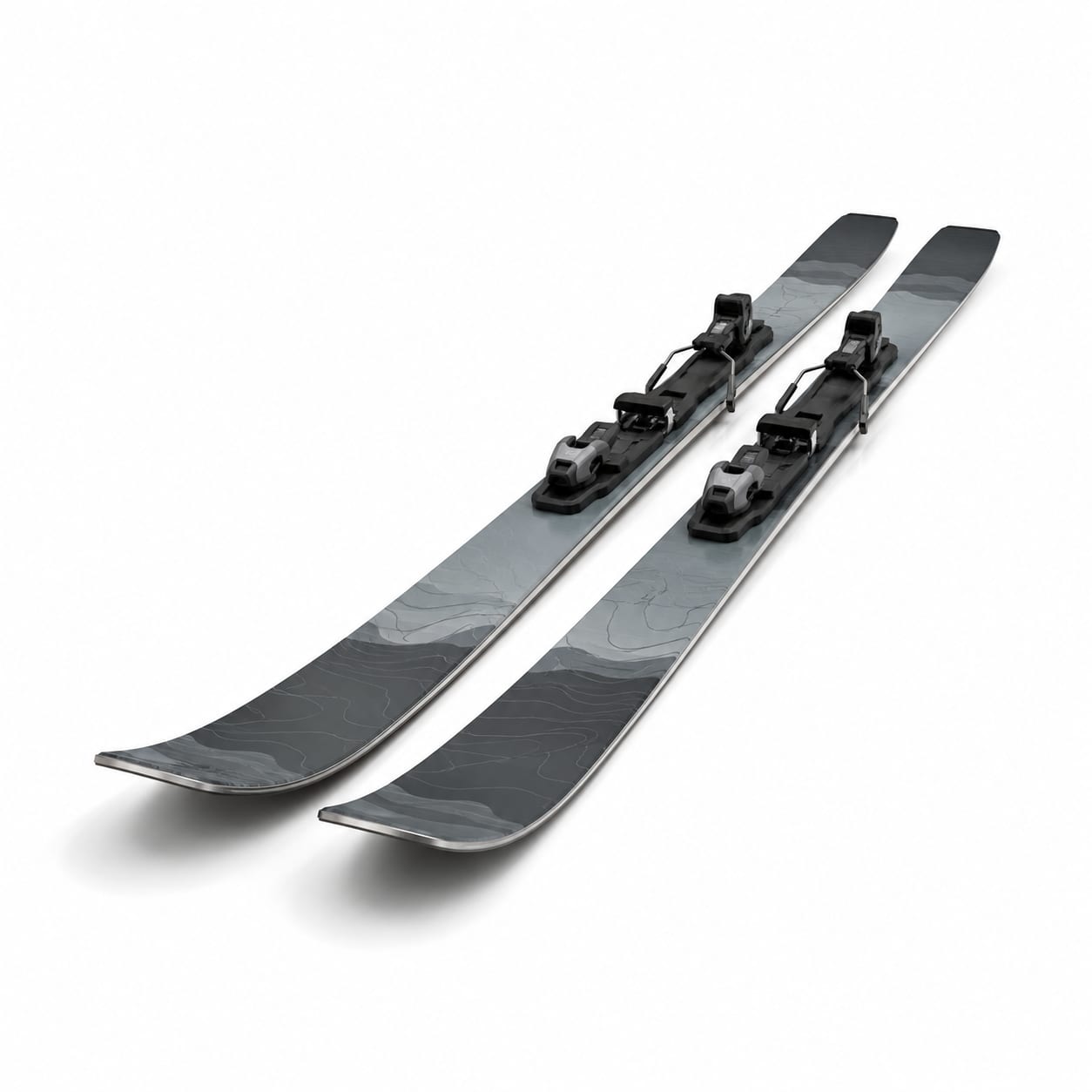
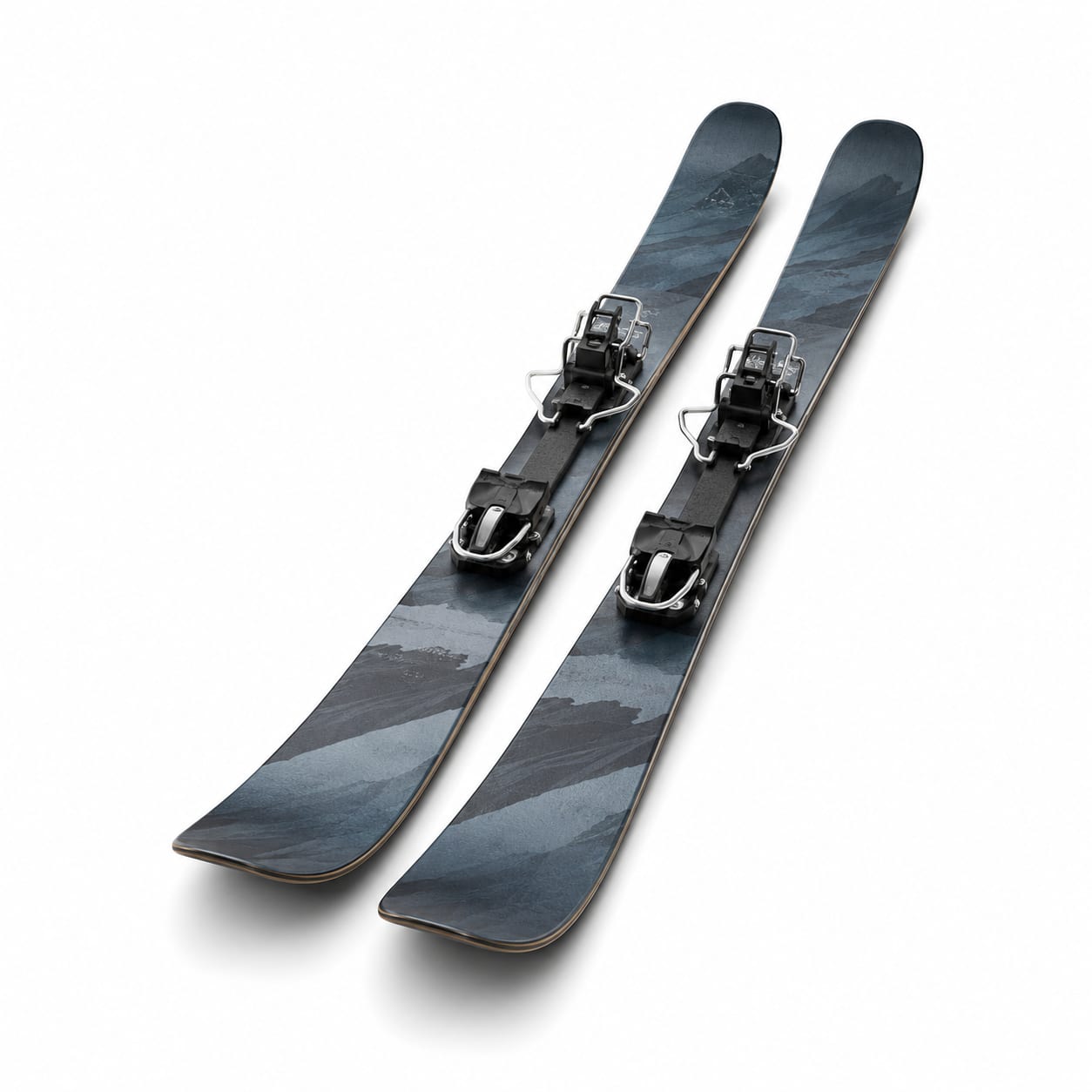
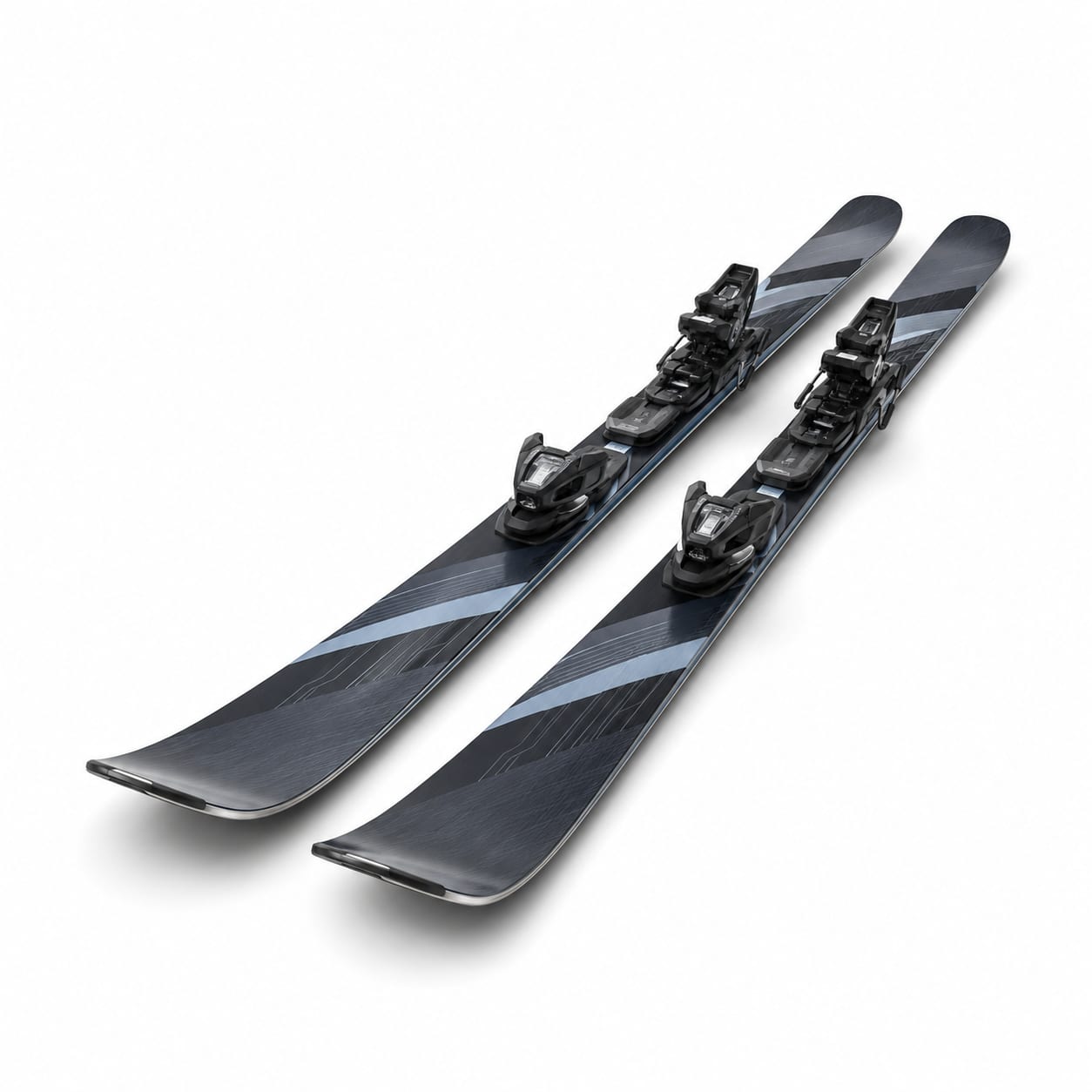
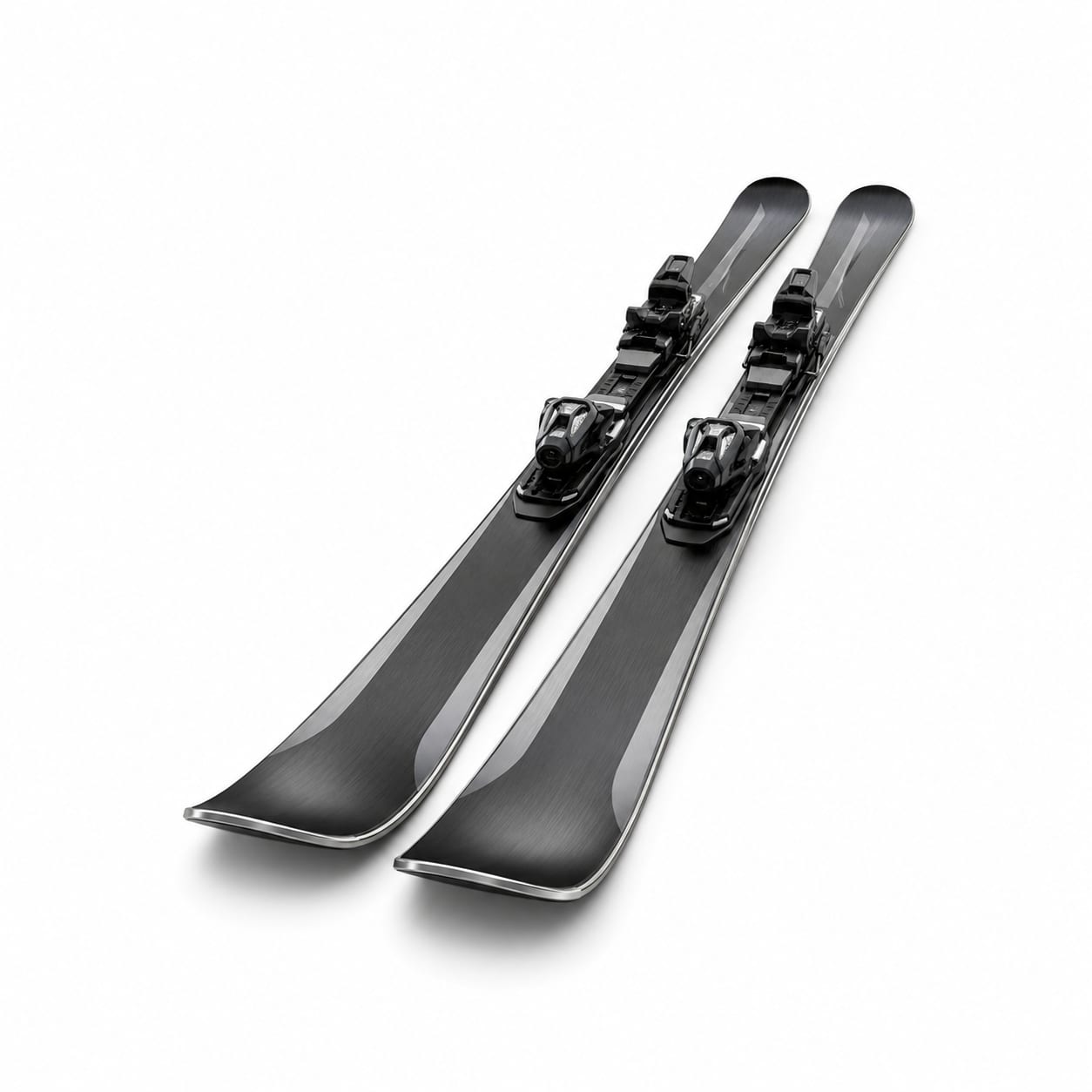
Downhill skis designed for alpine skiing across various terrain types, from groomed runs to backcountry powder.

Recreational alpine skiersAdvanced/expert skiers seeking performanceBackcountry and touring skiersFreestyle and park riders

17

Key specs

12

Subcategories

6

Related gear topics

Skis

Overview

What this equipment is for

Skis are the primary equipment for alpine skiing, engineered with specific geometries, flex patterns, and constructions to optimize performance across different snow conditions, terrain types, and riding styles. Key design elements—sidecut, rocker/camber profile, waist width, and flex—work together to determine how a ski initiates turns, holds an edge, floats in powder, and absorbs vibration. Modern skis are highly specialized, with models tailored for everything from Olympic-level giant slalom to deep backcountry touring.

Related equipment

Ski BootsSki BindingsSki PolesSki HelmetsSki GogglesAvalanche Safety Equipment

Buying specs

Specs worth understanding before you buy

Each spec explains how it affects performance, fit, and whether a product suits your style and use case.

Geometry & Shape

Physical dimensions and sidecut measurements that define the ski's shape and how it interacts with the snow.

Ski Length

Length

Importance

The total length of the ski from tip to tail, measured in centimeters. Affects stability, turn radius, and maneuverability.

Typical range: 140–210 cm

General starting point: ski length between chin and top of head. Shorter = more maneuverable; longer = more stable at speed. Advanced/aggressive skiers often go longer. Heavier riders may size up. Rockered skis can be sized longer since the effective running length is shorter.
Waist Width

Waist Width

Importance

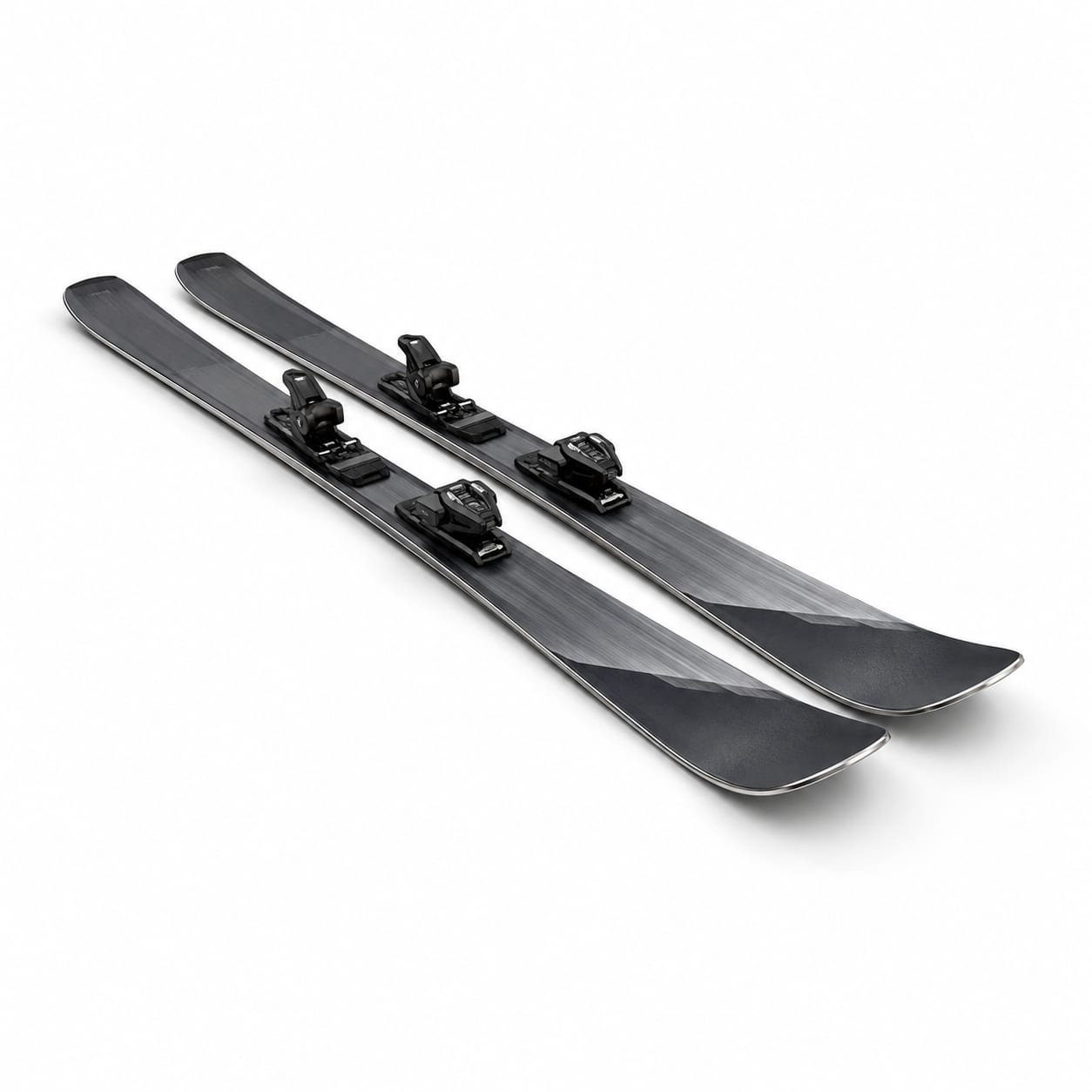
The width of the ski at its narrowest point (underfoot), measured in millimeters. The single most important geometry measurement that determines terrain suitability.

Typical range: 63–130 mm

Under 75mm: dedicated frontside/carving. 75-85mm: frontside-oriented all-mountain. 85-95mm: versatile all-mountain. 95-105mm: all-mountain wide/soft snow bias. 105-115mm: freeride/powder. 115mm+: deep powder specialist. Choose based on typical snow conditions you ski.

Tip Width

Tip Width

Importance

The width of the ski at its widest point near the tip, measured in millimeters. Works with waist width to determine the ski's sidecut and floatation characteristics.

Typical range: 90–155 mm

Wider tips improve flotation in soft snow and ease turn initiation. Narrower tips are more precise and less likely to catch. The difference between tip and waist width (the taper) affects how quickly the ski enters a turn.

Tail Width

Tail Width

Importance

The width of the ski at its widest point near the tail, measured in millimeters. Affects turn completion, stability, and how the ski releases from turns.

Typical range: 80–145 mm

Wider tails provide more support and power at the end of turns but can feel hooky. Narrower tails release more easily for smearing and sliding turns. A pin tail (much narrower than tip) is common in freeride skis for slashy, surfy feel.

Turn Radius

Turn Radius

Importance

The theoretical radius of the smallest turn the ski can make when tipped on edge, measured in meters. Derived from the sidecut dimensions. Determines the natural turn shape of the ski.

Typical range: 8–40 m

Under 14m: short-turn slalom feel, quick and snappy. 14-17m: medium turns, versatile. 17-22m: medium-long turns, stable. Over 22m: long turns, high-speed stability. Wider skis typically have longer radii. Match to your preferred turn style and speed.

Profile & Flex

The ski's longitudinal and torsional flex characteristics, including rocker/camber profile and overall stiffness.

Rocker/Camber Profile

Rocker/Camber Profile

Importance

The longitudinal shape of the ski when unweighted—how it curves from tip to tail. The most influential design element for how a ski feels and performs.

Full Camber

Traditional continuous camber from tip to tail with the ski arching upward in the middle when unweighted.

Tip Rocker / Camber

Rocker in the tip with camber underfoot and through the tail. The most common all-mountain profile.

Tip & Tail Rocker / Camber

Rocker in both tip and tail with camber underfoot. Very common in freeride and all-mountain wide skis.

Full Rocker / Reverse Camber

Entire ski curves upward like a banana. No camber zone. Extremely rare except in dedicated powder skis.

For primarily groomed runs: full camber or tip rocker. For mixed conditions: tip rocker or tip & tail rocker. For powder focus: tip & tail rocker or full rocker. For park: flat or tip & tail rocker. Most recreational skiers are best served by tip rocker.

Flex / Stiffness

Flex Rating

Importance

How stiff or soft the ski is along its length, typically rated on a scale. Affects edge hold, stability, energy transfer, and forgiveness.

Typical range: 1–10 1-10 scale

1-3: very soft, beginner-friendly, easy to flex. 4-5: soft-medium, progressing intermediates. 6-7: medium, advanced all-mountain. 8-9: stiff, expert high-performance. 10: very stiff, racing/extreme aggression. Heavier and more aggressive skiers need stiffer skis. Lighter or less aggressive skiers benefit from softer flex.

Twin Tip

Twin Tip

Importance

Whether the ski has an upward-curving tail matching the tip, allowing the skier to land and ski backwards (switch).

Twin Tip

Tail curves upward, enabling switch skiing and landings.

Flat / Square Tail

Traditional flat or slightly raised tail for maximum edge hold and power through turn completion.

Choose twin tip if you plan to ride switch, hit park features, or prefer a playful, loose feel. Choose flat tail for maximum carving performance, racing, or if you never ski switch. Some skis have partial twin tips (slight tail rise) as a compromise.

Construction & Materials

How the ski is built, including core material, construction method, dampening, and metal reinforcement.

Core Material

Core Material

Importance

The primary material used in the ski's core, which largely determines its weight, flex characteristics, dampening, and feel.

Wood Core

Solid wood (ash, poplar, beech, paulownia, etc.) or wood laminate core. The gold standard for performance skis.

Foam Core

Polyurethane or other foam core. Lightweight and inexpensive to manufacture.

Wood + Composite

Wood core combined with composite materials (fiberglass, carbon, titanal, etc.) for tuned performance.

Lightweight Hybrid

Wood or foam core with lightweight materials (balsa, paulownia, honeycomb, air channels) for reduced weight.

Wood cores are preferred for performance and durability. Foam cores are acceptable for beginners on a budget. Touring skiers should consider lightweight hybrids. The core material matters less than the overall construction and how it feels on snow.

Construction Type

Construction Type

Importance

The method used to build the ski's structure, affecting durability, edge hold, weight, and price.

Sandwich / Sidewall

Layers stacked and bonded with vertical sidewalls. The preferred construction for performance skis.

Cap Construction

Top sheet wraps over the edges, forming a cap. Lighter and cheaper to manufacture.

Hybrid (Cap/Sidewall)

Sidewall underfoot for edge hold with cap construction at tip and tail to reduce weight and swing weight.

Sandwich/sidewall construction is preferred for performance and durability. Cap construction is acceptable for beginners. Hybrid offers a good middle ground. This dimension matters less for casual skiers but significantly affects edge hold on firm snow.

Dampening / Vibration Control

Dampening

Importance

The ski's ability to absorb vibrations and chatter at speed, typically achieved through metal layers, rubber, or specialized technologies. Affects smoothness and edge contact.

Minimal Dampening

Lightweight construction with little vibration absorption. More lively and responsive but can chatter at speed.

Moderate Dampening

Some vibration control through construction methods or materials. Balanced feel for most skiers.

High Dampening

Significant vibration absorption, often through titanal/metal layers or proprietary systems. Very smooth at speed.

Aggressive skiers who charge hard need high dampening. Casual and moderate skiers are fine with moderate. Touring skiers often accept minimal dampening for weight savings. Dampening correlates with weight—smoother skis are usually heavier.

Metal Reinforcement

Metal Layers

Importance

Whether and how the ski incorporates metal (typically titanal/aluminum) layers in its construction for added torsional rigidity, edge hold, and dampening.

No Metal

No metal layers. Lighter and more forgiving construction using fiberglass or other composites.

Single Metal Layer

One layer of titanal or similar metal, typically above the core. Adds rigidity and dampening without full double-metal weight.

Double Metal Layer

Two layers of titanal (above and below core). Maximum torsional rigidity, edge hold, and dampening.

No metal: lighter, more forgiving, good for touring and casual skiing. Single metal: great balance for aggressive all-mountain. Double metal: for experts who charge hard and need maximum edge hold and stability. Metal significantly increases weight.

Weight (Per Pair)

Weight Per Pair

Importance

The total weight of both skis, measured in grams. Affects swing weight, touring efficiency, and overall maneuverability.

Typical range: 2400–6000 g

Under 3000g per pair: touring/lightweight. 3000-3800g: light all-mountain. 3800-4400g: average all-mountain. 4400g+: heavy freeride/racing. Lighter skis are easier to maneuver and better for touring. Heavier skis often provide more stability and dampening at speed.

Use & Compatibility

The intended use, terrain, skill level, and binding compatibility that determine whether a ski is right for a given rider.

Ski Type / Category

Ski Type

Importance

The primary intended use and design category of the ski, which dictates its overall geometry, flex, and feature set.

All-Mountain

Versatile skis designed to handle groomed runs, moguls, light powder, and mixed terrain. The most popular category.

Frontside / Carving

Narrow-waisted skis optimized for groomed run performance with strong edge hold and quick turn initiation.

Freeride / Big Mountain

Wide skis built for deep snow, steep lines, and off-piste terrain with significant rocker and durable construction.

Freestyle / Park

Twin-tip skis designed for terrain parks, halfpipes, and switch riding with symmetric geometry and durable edges.

Start with ski type based on where you spend 70%+ of your time. All-mountain is the safest default for most resort skiers. Choose freeride if you chase powder, freestyle for park, and touring if you earn your turns.

Recommended Skill Level

Skill Level

Importance

The rider ability level the ski is designed for, which determines flex, forgiveness, and performance characteristics.

Beginner

New skiers learning basic turns and stops. Skis are soft, short, and forgiving with easy turn initiation.

Intermediate

Skiers comfortable on blue runs, working on carving and exploring more terrain. Moderate flex and forgiving geometry.

Advanced

Strong skiers comfortable on black runs, varied terrain, and moderate speeds. Stiffer flex and more demanding geometry.

Expert

Highly skilled skiers who ski aggressively on all terrain at high speeds. Stiff, demanding skis with maximum performance.

Be honest about your current ability, not your aspirational ability. Skiing a ski above your level leads to fatigue and poor performance. It's better to outgrow a ski than struggle with one that's too demanding. Many skis span two levels (e.g., intermediate-advanced).

Terrain Type

Terrain

Importance

The primary terrain and snow conditions the ski is optimized for. Most skis handle multiple terrain types but excel in specific conditions.

Groomed / Piste

Machine-groomed resort runs with firm, consistent snow surface.

Powder / Soft Snow

Untracked or tracked soft snow, fresh powder, and wind-deposited snow.

Mixed / Variable

Combination of groomed, cut-up, cruddy, and soft snow. Typical resort conditions after fresh snow gets tracked.

Park / Pipe

Terrain parks with jumps, rails, boxes, and halfpipe features.

Select based on where you actually ski most often, not where you wish you skied. If 80% of your time is on groomers, optimize for that. Most skiers benefit from optimizing for their primary terrain and accepting compromises elsewhere.

Binding Compatibility

Binding Compatibility

Importance

The type of binding mounting system the ski supports, which determines which bindings can be installed.

Flat Alpine (Drill Mount)

Flat ski deck with no integrated system. Alpine bindings are drilled and mounted directly. Most versatile.

System/Integrated Alpine

Pre-installed binding track or plate system. Bindings slide on without drilling. Often found on frontside skis.

Touring / AT Compatible

Reinforced mounting area compatible with tech/pin touring bindings. May also support alpine bindings.

Hybrid (Alpine + Touring)

Reinforced for both alpine and touring binding mounts. Versatile for skiers who do both resort and backcountry.

If you only ski resort with alpine bindings, flat alpine is standard. If you tour, ensure touring compatibility. Hybrid is ideal for one-ski quivers that do both. System bindings are convenient but limit your options.

Specs FAQ

Common questions about these buying specs

Plain-English answers for each spec and option — tap through for the full explanation.

I mostly ski at the resort and like to explore a bit of everything—groomers, some trees, occasional bumps. Are all-mountain skis the right choice?

All-mountain skis are built exactly for that kind of varied resort skiing. They're the most popular category because they handle groomed runs, moguls, light powder, and mixed terrain without being overly specialized. If you spend most of your time at the resort and like to dabble in different conditions, they're a great fit. The trade-off is that all-mountain skis are jacks-of-all-trades—they won't carve as sharply as dedicated frontside skis or float as effortlessly in deep powder as freeride models. But for most skiers who don't chase one specific condition, that versatility is worth it. A good rule of thumb: if 70% or more of your skiing is resort-based across varied terrain, go all-mountain. If you consistently seek out deep powder or spend all day in the terrain park, you'd be better served by a more specialized ski type.

I mostly ski groomed runs at the resort—would frontside or carving skis be a good fit for me?

Frontside skis (also called carving skis) are built specifically for what you're doing. They have narrower waists—typically under 80mm—which lets them tip onto edge quickly and hold a clean, carved turn on hardpack and groomed snow. If you love laying down trenches on corduroy or skiing fast on firm snow, this category is hard to beat. The trade-off is flotation. Those narrow dimensions that make carving skis so responsive on groomers work against you in soft or deep snow. If you regularly venture off-piste or ski areas that get frequent powder, you'll find these skis sinking and struggling rather than floating. Choose frontside skis if you spend the vast majority of your time on groomed runs and prioritize edge hold and quick turn initiation. If you mix in off-piste days or softer snow more than occasionally, an all-mountain ski might be the more versatile pick.

Should I get freeride skis if I mostly ski off-piste and chase fresh powder?

Yes, freeride (or big mountain) skis are exactly what you want if your priority is deep snow and steep, technical terrain outside the groomed runs. These skis are built wide—often 100mm+ at the waist—with generous rocker in the tip and tail to help you float over powder rather than sink into it. They also have sturdy constructions that hold up to high-speed runs through choppy, variable snow. The trade-off is that freeride skis can feel sluggish and hard to maneuver on tight groomed runs or in bumps. Their width makes edge-to-edge transitions slower, so carving quick turns on hardpack takes more effort. If you still spend a fair amount of time on groomers, an all-mountain wide ski (95–105mm waist) might be a better compromise. Go with freeride if you spend the majority of your time in the backcountry, seeking out untracked lines and steep descents. Just be honest about where you actually ski—buying a freeride ski for mostly groomed-run days is a common mistake that'll leave you working harder than you need to.

I want to start hitting the terrain park more—should I be looking at freestyle skis?

Freestyle (or park) skis are built specifically for terrain parks, halfpipes, and riding switch (backwards). They feature twin tips—both ends curve up—so you can land and ride in either direction. They also have symmetric geometry and reinforced edges to handle sliding on rails and boxes without falling apart. These skis make sense if you spend most of your time in the park or if tricks and switch riding are a priority. They're typically softer and more playful, which makes spins, butters, and presses easier to initiate. The trade-off is that freestyle skis are less stable at high speeds and don't float well in deep powder. If you split your time between the park and the rest of the mountain, an all-mountain ski with twin tips might be a better compromise. But if the park is your main scene, a dedicated freestyle ski will give you the tools you need where it counts.

View all 49 spec questions about Skis

+45 more on the specs FAQ hub

Subcategories

Different styles, different picks

Each sub-type has its own guide with typical specs, trade-offs, and buying advice.

All-Mountain Skis

All-Mountain Skis

$350 – $950

dominant

Versatile skis designed to handle the widest range of resort conditions, from groomed runs to light powder.

Waist width 85–105mmRocker-camber-rocker or tip rocker profilesMedium turn radius (15–20m)
Frontside / Carving Skis

Frontside / Carving Skis

$400 – $1100

common

Narrow-waisted skis optimized for edge grip and precise turns on groomed snow.

Waist width under 85mmTraditional camberShorter turn radius (11–17m)
Freeride / Big Mountain Skis

Freeride / Big Mountain Skis

$500 – $1200

common

Wide, stable skis built for charging steep, ungroomed terrain and variable off-piste snow conditions.

Waist width 100–115mmSignificant tip and tail rockerStiff flex for stability
Powder Skis

Powder Skis

$500 – $1300

niche

Ultra-wide skis purpose-built for maximum flotation and surfy feel in deep snow.

Waist width 110mm+Aggressive tip and tail rockerOften reverse or full camber
Freestyle / Park Skis

Freestyle / Park Skis

$300 – $750

niche

Twin-tip skis designed for terrain park features, jumps, rails, and freestyle tricks.

Twin-tip designSymmetrical or near-symmetrical shapeSofter flex for pressability
Alpine Touring (AT) / Backcountry Skis

Alpine Touring (AT) / Backcountry Skis

$450 – $1200

common

Lightweight skis designed for uphill skinning travel and downhill performance in the backcountry.

Lightweight constructionWaist width 85–110mmRocker-camber profiles for mixed snow
Race Skis

Race Skis

$600 – $1600

specialty

FIS-compliant skis engineered for competitive alpine ski racing at the highest levels.

FIS-regulated dimensionsFull camberMultiple metal laminates
Mogul Skis

Mogul Skis

$400 – $900

specialty

Narrow, responsive skis optimized for quick turns and absorption in mogul fields.

Narrow waist (65–75mm)Full camberSoft tip and tail flex
Cross-Country Classic Skis

Cross-Country Classic Skis

$120 – $650

common

Narrow, lightweight skis designed for the classic diagonal stride technique on groomed nordic tracks.

Narrow waist (40–50mm)Long length relative to skierSpecific camber for kick and glide
Cross-Country Skate Skis

Cross-Country Skate Skis

$150 – $700

common

Shorter, stiffer nordic skis built for the skating technique on groomed skate lanes.

Shorter than classic skisStiffer camber profileWaist 41–45mm
Nordic Backcountry / Touring Skis

Nordic Backcountry / Touring Skis

$200 – $600

niche

Wider, more rugged nordic skis for off-track exploration and light backcountry touring.

Waist width 60–80mmPartial or full metal edgesWaxless bases common
Telemark Skis

Telemark Skis

$400 – $950

specialty

Skis designed for the telemark turn technique with free-heel bindings and a lunging turn style.

Compatible with telemark bindings (75mm or NTN)Slightly softer flex than alpine equivalentsWaist widths 85–110mm