Kitvore.com

Kitvore.com

Specs that matter. Gear that fits.

Skis · Subcategory

Cross-Country Classic Skis

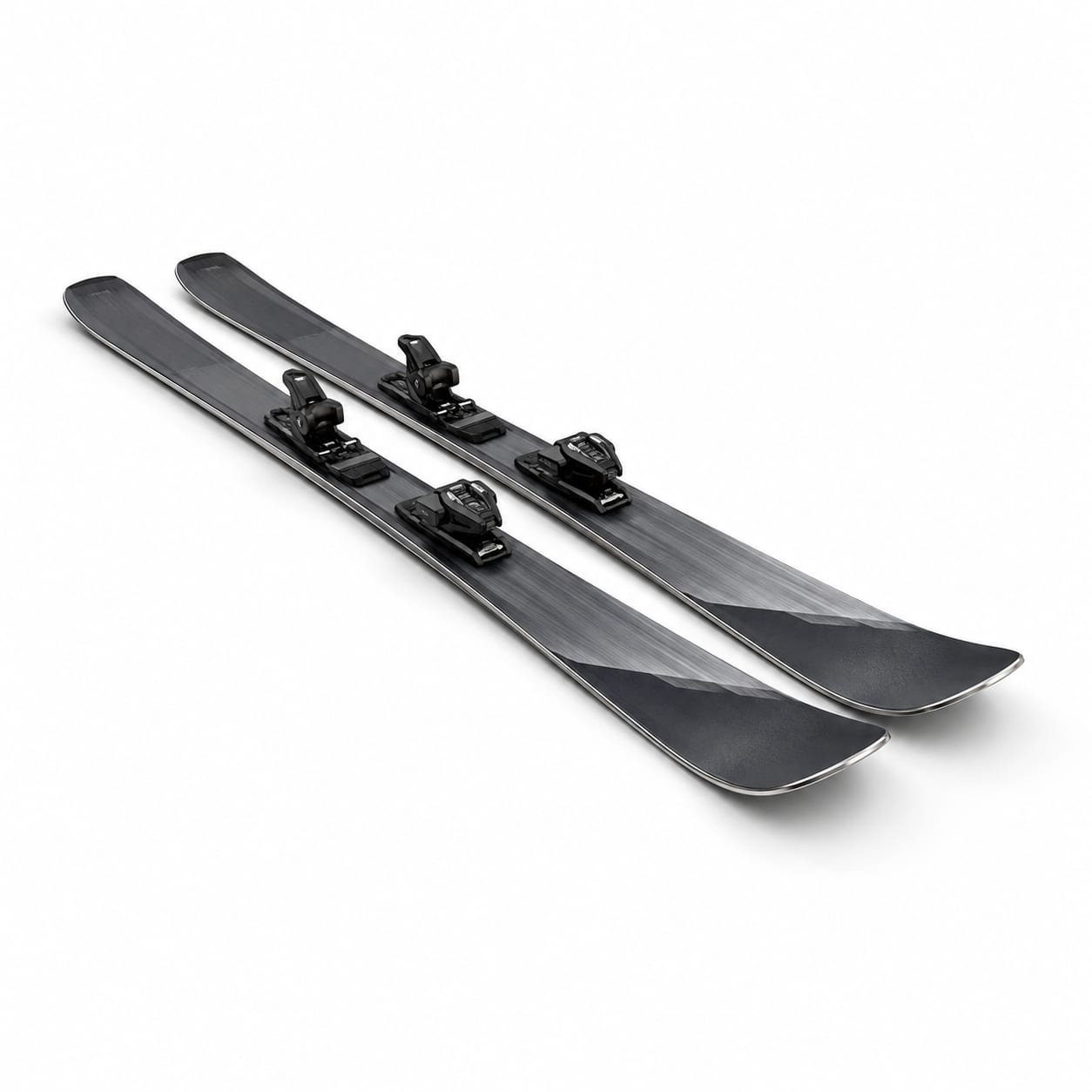
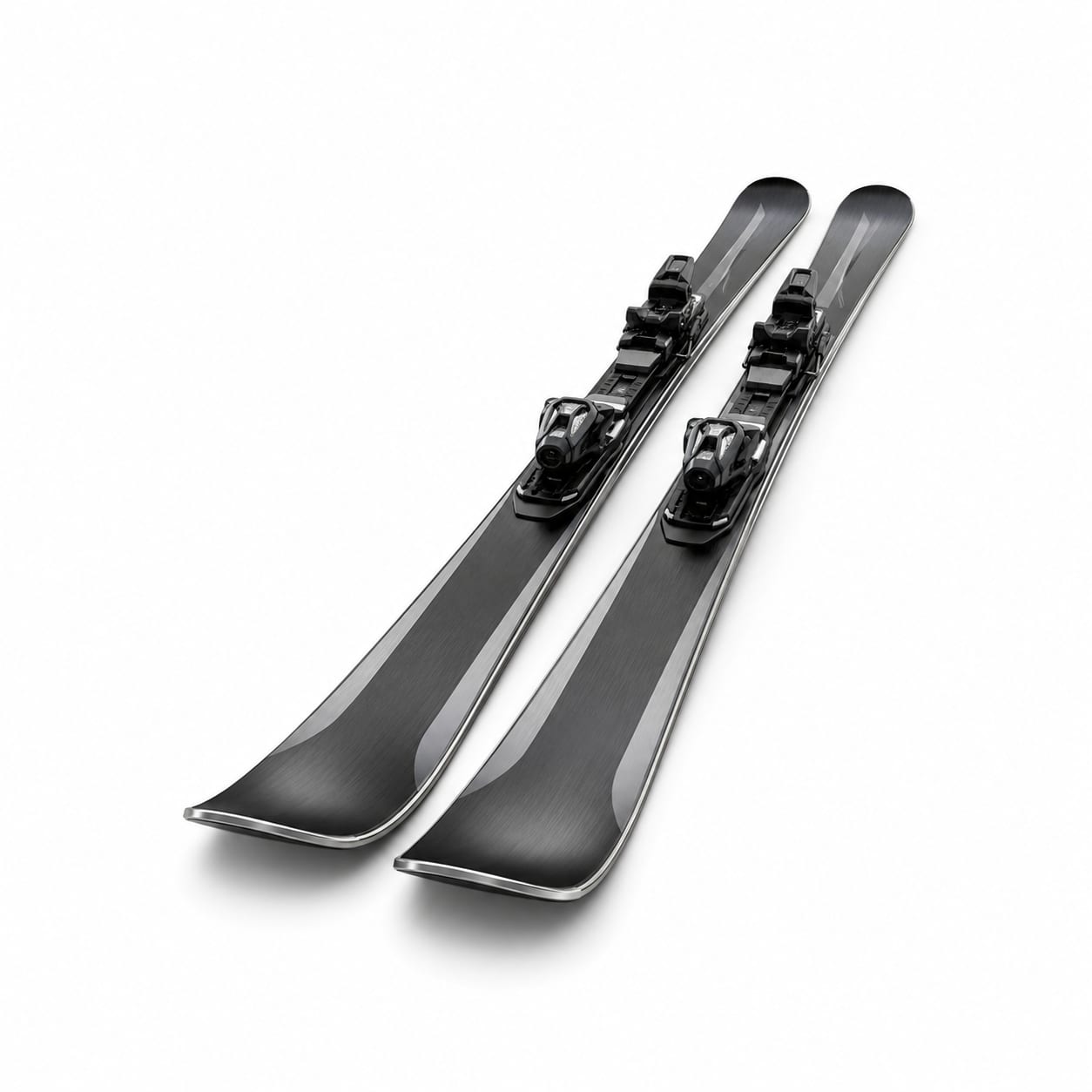
Narrow, lightweight skis with a camber pocket and grip zone designed for the classic diagonal stride technique on groomed Nordic tracks.

Cross-country classic skis are purpose-built for the traditional diagonal stride and kick-and-glide motion on groomed Nordic trails. Featuring a full camber profile that creates a dedicated grip zone underfoot—either waxable or waxless (fishscale)—these skis deliver efficient forward propulsion while maintaining exceptional glide. Their narrow waists track cleanly in set tracks, and their minimal weight reduces fatigue over long distances. Whether you're a first-time Nordic skier or a competitive racer, classic skis are the foundation of cross-country skiing.

$120 – $650budget tierbeginnerintermediateadvanced

Best known for

Efficient kick-and-glide motion on groomed Nordic tracksLightweight construction for endurance and distanceFull camber profile with dedicated grip zone underfootNarrow profile that tracks cleanly in set tracksWaxable or waxless (fishscale) grip options
Cross-Country Classic Skis

Guide

Detailed overview

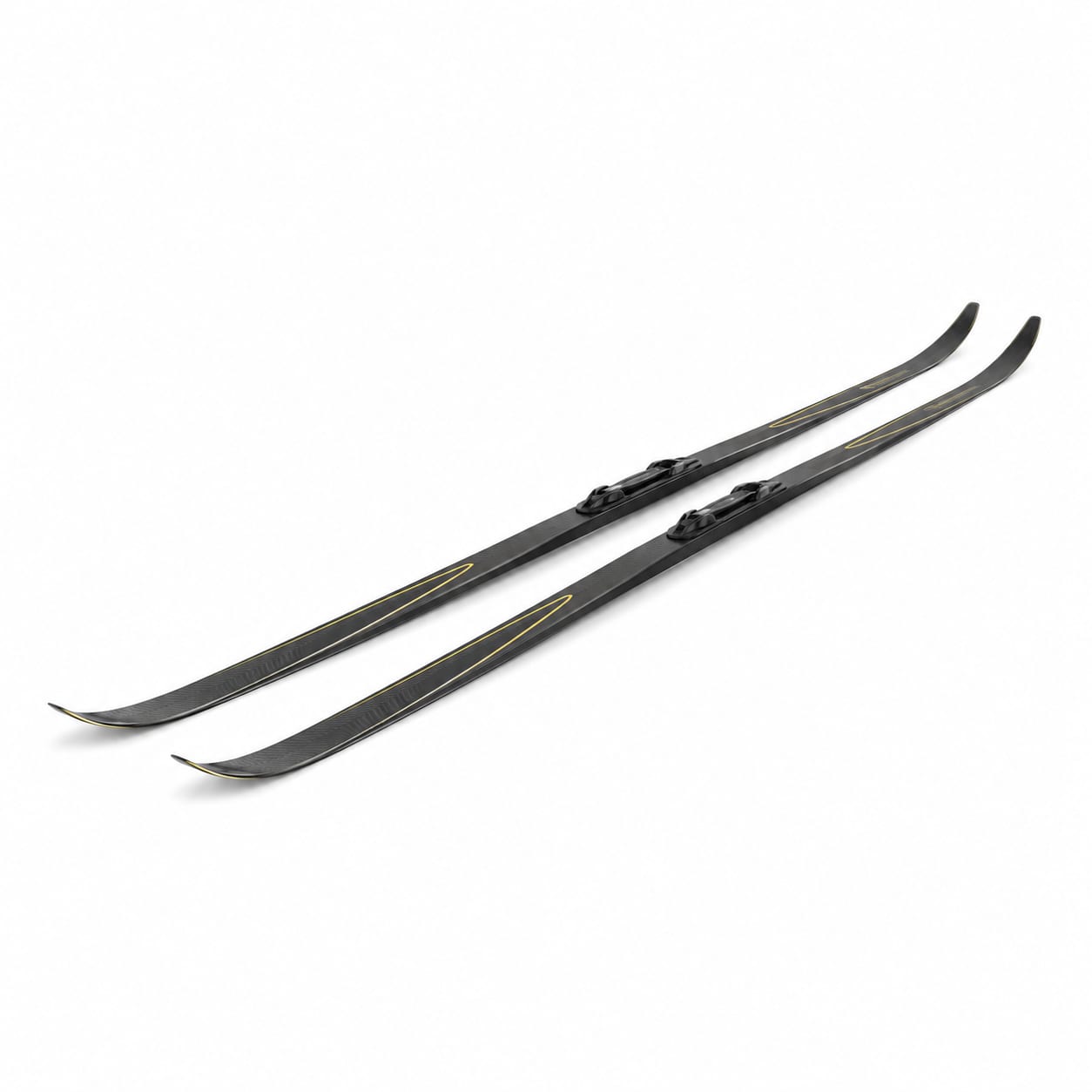
Cross-country classic skis are the traditional and most widely used equipment in Nordic skiing, designed specifically for the diagonal stride technique where the skier alternates kicking and gliding in parallel tracks. Unlike skate skis, which are used on a wide groomed lane with a skating motion, classic skis feature a distinct camber pocket underfoot that lifts the grip zone off the snow during the glide phase and compresses it into the snow during the kick phase. This camber-and-grip interaction is the defining mechanical principle of classic skiing. The grip zone can be either waxable—where kick wax is applied to a sanded or textured zone for customizable grip—or waxless, featuring a mechanical pattern (fishscale, mohair insert, or skin) that provides grip without waxing. Classic skis are notably long and narrow, with waist widths typically between 44 and 50mm, allowing them to sit cleanly in the parallel tracks set by grooming machines. Their length—often reaching above the skier's head—contributes to glide efficiency and helps maintain the camber pocket. Construction prioritizes minimal weight, with many models featuring lightweight wood or foam cores, cap construction, and no metal layers. Bindings are Nordic-specific systems (NNN, Prolink, or SNS) that allow the heel to lift freely during the stride. Classic skiing is accessible to beginners yet offers a deep skill ceiling for competitive racers, making it one of the most participatory winter sports worldwide.

Cross-country classic skiing is one of the oldest and most accessible forms of skiing, with roots stretching back thousands of years as a mode of winter transportation in Scandinavia. Today, it remains the most popular discipline in Nordic skiing, enjoyed by millions for its cardiovascular benefits, meditative rhythm, and connection to winter landscapes. The equipment has evolved dramatically from wooden planks to sophisticated composite constructions, but the fundamental principle remains the same: a ski that grips when you push off and glides when you stride forward.

The heart of a classic ski's design is its camber profile. When the skier stands with weight evenly distributed on both skis, the grip zone underfoot should be lifted slightly off the snow, allowing the glide zones at the tip and tail to contact the surface for minimal friction. When the skier transfers full body weight to one ski during the kick phase, the camber compresses and the grip zone presses into the snow, providing the traction needed to push forward. This delicate balance between grip and glide is what makes classic skiing both challenging and rewarding. Selecting the correct flex for the skier's weight is therefore critical—a ski that is too stiff won't grip, and one that is too soft won't glide.

The choice between waxable and waxless grip systems is one of the most important decisions for classic skiers. Waxable skis offer superior performance when correctly waxed for the conditions, providing optimal grip with minimal glide penalty. However, they require knowledge of kick wax selection and application, which can be intimidating for beginners and frustrating in changing conditions. Waxless skis, featuring fishscale patterns or mohair skin inserts, provide consistent grip in most conditions with zero maintenance, making them the preferred choice for recreational skiers, fitness-oriented skiers, and those who ski in variable temperatures. Competitive racers overwhelmingly prefer waxable skis for the performance advantage.

Modern classic ski construction draws from advanced materials science while respecting the discipline's weight-sensitive nature. Cores are typically lightweight wood species like paulownia or poplar, sometimes combined with foam or air channels for further weight reduction. Cap construction dominates the market for its weight savings and clean flex, though some performance models use sidewall construction for improved edge control on firm snow. Fiberglass laminates provide the primary structural support, with carbon fiber appearing in race models for added stiffness without weight penalty. Metal layers are essentially nonexistent in classic skis, as the weight penalty far outweighs any dampening benefit for the relatively low speeds of Nordic skiing.

Sizing classic skis is notably different from alpine skis. Classic skis are sized longer—typically 15 to 25 cm above the skier's height—because the length contributes to both glide efficiency and the camber pocket's functionality. However, the most important sizing factor is flex: the ski must compress appropriately under the skier's body weight. Many specialty Nordic shops use flex boards to match skis to individual skiers, a process far more precise than simply selecting by length. This attention to flex matching is one of the key differences between buying cross-country skis and alpine skis, and it significantly impacts the skiing experience.

Quick facts

Primary purpose
Classic-style cross-country skiing on groomed nordic tracks for fitness, recreation, or competition
Popular brands
RossignolFischerSalomonMadshusAtomic
Typical terrain
Groomed nordic tracksNordic centersMachine-set trails

What makes it different

Longest and narrowest of all ski categories; unique camber design that alternates between grip (weighted) and glide (unweighted) within a single stride cycle.

Recommended ranges

How this type usually specs out

Each spec is explained in plain language, then we show what buyers usually look for on this type.

Ski Type / Category

Ski Type

What it means

The primary intended use and design category of the ski, which dictates its overall geometry, flex, and feature set.

Typical for this type

N/A — This Is A Distinct Nordic Category

Most common pick: Cross-Country Classic (Not Listed In Standard Alpine Enum)

In practice

Cross-country classic skis are a fundamentally different category from alpine ski types. They are designed exclusively for the diagonal stride technique on groomed Nordic tracks, with a dedicated grip zone and free-heel binding system. The standard alpine categories (all-mountain, frontside, freeride, etc.) do not apply.

Compared to other types

Unlike alpine ski types designed for downhill descent, classic XC skis are optimized for flat and rolling terrain with efficient forward propulsion. Compared to skate skis, they are narrower, longer, and feature a grip zone. Compared to backcountry touring skis, they are much lighter and have no metal edges.

Why it matters: Choosing a cross-country classic ski means committing to the classic technique and groomed track skiing. It is not interchangeable with skate skis, touring skis, or backcountry skis, each of which has a different camber profile, width, and intended use.

Ski Length

Length

What it means

The total length of the ski from tip to tail, measured in centimeters. Affects stability, turn radius, and maneuverability.

Typical for this type

180–210 cm (typically 15–25 cm above skier's height)

Most common pick: 195 cm

In practice

Classic skis are significantly longer than alpine skis because length contributes to glide efficiency and helps maintain the camber pocket that separates the grip zone from the snow during the glide phase. Longer skis distribute weight over a greater surface area, improving glide.

Compared to other types

Classic skis are longer than skate skis (which are typically 5–10 cm shorter) because the extra length aids the kick-and-glide cycle. They are much longer than alpine skis, which are sized between chin and top of head.

Why it matters: Proper length is essential for both performance and the camber pocket to function correctly. Too short, and the ski loses glide and the camber pocket becomes too short for effective kick. Too long, and the ski becomes difficult to control and maneuver in tracks.

Waist Width

Waist Width

What it means

The width of the ski at its narrowest point (underfoot), measured in millimeters. The single most important geometry measurement that determines terrain suitability.

Typical for this type

44–50 mm

Most common pick: 45 mm

In practice

The narrow waist allows the ski to sit properly in the parallel grooves (tracks) set by grooming machines on Nordic trails. This width is optimized for track skiing and minimal friction during the glide phase.

Compared to other types

Classic skis are narrower than skate skis (typically 41–45mm at the waist but wider overall) and dramatically narrower than any alpine ski category. Backcountry XC touring skis are wider (50–70mm) for off-track floatation.

Why it matters: A waist width that is too wide will not fit properly in set tracks, causing drag and poor tracking. Too narrow, and the ski may lack stability and float in softer snow conditions outside of tracks.

Tip Width

Tip Width

What it means

The width of the ski at its widest point near the tip, measured in millimeters. Works with waist width to determine the ski's sidecut and floatation characteristics.

Typical for this type

48–55 mm

Most common pick: 50 mm

In practice

The tip width on classic skis is only slightly wider than the waist, creating a subtle sidecut. The tip needs to be narrow enough to track cleanly but wide enough to provide some directional stability and help the ski enter the track smoothly.

Compared to other types

Classic ski tips are narrower than skate ski tips (which are typically 45–48mm but with more sidecut) and far narrower than alpine ski tips. The minimal tip-to-waist differential reflects the straight-line tracking priority of classic technique.

Why it matters: Excessively wide tips create drag in tracks and make the ski harder to control at the front. The relatively parallel shape of classic skis (minimal sidecut) is intentional for straight-line tracking efficiency.

Tail Width

Tail Width

What it means

The width of the ski at its widest point near the tail, measured in millimeters. Affects turn completion, stability, and how the ski releases from turns.

Typical for this type

45–50 mm

Most common pick: 47 mm

In practice

The tail width is very close to the waist and tip widths, maintaining the nearly parallel profile that characterizes classic skis. This consistency aids tracking in set grooves and smooth glide release.

Compared to other types

Classic ski tails are narrower and more parallel to the waist than any alpine ski category, where significant tail width differences create turn-shaped sidecut. Even compared to skate skis, classic tails are slightly narrower.

Why it matters: A tail that is too wide creates drag in tracks and can cause the ski to catch or feel sluggish at the end of the glide phase. The nearly parallel dimensions from waist to tail optimize straight-line glide efficiency.

Turn Radius

Turn Radius

What it means

The theoretical radius of the smallest turn the ski can make when tipped on edge, measured in meters. Derived from the sidecut dimensions. Determines the natural turn shape of the ski.

Typical for this type

25–50 m (minimal sidecut = long radius)

Most common pick: 35 m

In practice

Classic skis have very long turn radii due to their minimal sidecut (nearly parallel tip, waist, and tail dimensions). They are not designed for carved turns; instead, they track straight in set grooves and steer primarily through weight shift and edging.

Compared to other types

This is dramatically longer than any alpine ski category (8–22m typical) and longer than skate skis, which have slightly more sidecut for the skating push-off. The long radius is a feature, not a limitation, for classic skiing.

Why it matters: The long turn radius reflects the design priority of straight-line tracking and glide efficiency over turning ability. Classic skis are not meant to carve turns; they are meant to go straight efficiently.

Rocker/Camber Profile

Rocker/Camber Profile

What it means

The longitudinal shape of the ski when unweighted—how it curves from tip to tail. The most influential design element for how a ski feels and performs.

Typical for this type

Full Camber Only

In practice

Full camber is absolutely essential for classic skis. The camber pocket is the mechanism that allows the grip zone to lift off the snow during the glide phase (when weight is distributed on both skis) and compress into the snow during the kick phase (when full weight is on one ski). This is the fundamental mechanical principle of classic skiing.

Compared to other types

Unlike alpine skis where rocker/camber is a matter of preference and terrain, classic XC skis require full camber as a functional necessity. Skate skis also use full camber but with a stiffer flex profile optimized for the skating push rather than the diagonal kick.

Why it matters: Without proper full camber, the grip zone would drag during the glide phase (killing speed) or fail to engage during the kick phase (causing slipping). The camber must be precisely calibrated to the skier's weight for the system to work correctly.

Flex / Stiffness

Flex Rating

What it means

How stiff or soft the ski is along its length, typically rated on a scale. Affects edge hold, stability, energy transfer, and forgiveness.

Typical for this type

3–7 (varies by skier weight and ability)

Most common pick: 5

In practice

Flex rating for classic skis is uniquely critical because it must match the skier's weight precisely. The ski must compress enough under full body weight to engage the grip zone during the kick, but remain uncompressed when gliding with weight on both skis. Softer flex suits lighter skiers; stiffer flex suits heavier or more powerful skiers.

Compared to other types

Flex matching is far more critical for classic skis than for any alpine ski category, where flex primarily affects feel and performance. For classic skis, flex determines whether the ski functions at all. Many Nordic shops use flex boards to match skis to individual skiers.

Why it matters: Incorrect flex is the single most common cause of poor classic ski performance. A ski that is too stiff for the skier won't grip (slipping on kick). A ski that is too soft won't glide (grip zone drags). Flex matching is more important than length selection for classic skis.

Core Material

Core Material

What it means

The primary material used in the ski's core, which largely determines its weight, flex characteristics, dampening, and feel.

Typical for this type

Wood Or Lightweight Hybrid

Most common pick: Wood + Composite

In practice

Most performance classic skis use lightweight wood cores (paulownia, poplar, or iso-core laminates) combined with fiberglass or carbon fiber composites. Entry-level recreational skis may use foam cores for cost savings and lighter weight. Race models increasingly use lightweight hybrid constructions with air channels or honeycomb structures.

Compared to other types

Classic skis prioritize weight savings more aggressively than any alpine ski category. Foam cores are more accepted in entry-level classic skis than in alpine skis because the lower forces involved make durability less of a concern. Carbon fiber is more common in race classic skis than in most alpine categories.

Why it matters: Core material affects the ski's weight, flex consistency, and durability. For classic skiing where every gram matters over long distances, lightweight cores are highly valued. However, the flex must remain consistent and predictable for the camber pocket to function correctly.

Construction Type

Construction Type

What it means

The method used to build the ski's structure, affecting durability, edge hold, weight, and price.

Typical for this type

Cap Or Hybrid

Most common pick: Cap Construction

In practice

Cap construction dominates the classic ski market because it saves weight and provides a smooth, consistent flex along the ski's length. The cap design also reduces swing weight at the tips, aiding the quick, rhythmic motion of the diagonal stride. Some performance models use hybrid construction with sidewalls underfoot for better edge control on firm snow.

Compared to other types

Cap construction is more prevalent in classic skis than in alpine skis, where sidewall construction is preferred for edge hold. The lower speeds and softer snow of Nordic skiing make edge hold less critical than weight savings.

Why it matters: Weight savings from cap construction are significant for endurance skiing. The consistent flex profile also helps maintain a predictable camber pocket. However, cap construction provides less edge hold on icy tracks compared to sidewall construction.

Weight (Per Pair)

Weight Per Pair

What it means

The total weight of both skis, measured in grams. Affects swing weight, touring efficiency, and overall maneuverability.

Typical for this type

2000–3200 g per pair

Most common pick: 2400 g

In practice

Classic skis are among the lightest skis made, with race models approaching 2000g per pair and recreational models typically 2400–2800g. Weight directly affects fatigue over long distances and the ease of the kick-and-glide cycle. Lighter skis require less effort to lift and propel forward.

Compared to other types

Classic skis are dramatically lighter than any alpine ski category (which typically range from 3000–6000g per pair). They are comparable to or slightly lighter than skate skis, which share the weight-sensitive nature of Nordic skiing.

Why it matters: In a sport where skiers may cover 10–50+ km in a session, every gram matters. Lighter skis reduce fatigue and make the kick phase easier. However, extremely light race skis may sacrifice durability and can be more fragile.

Recommended Skill Level

Skill Level

What it means

The rider ability level the ski is designed for, which determines flex, forgiveness, and performance characteristics.

Typical for this type

All Skill Levels (Model-Dependent)

Most common pick: Beginner to Expert

In practice

Classic skis are produced for every skill level, from first-time Nordic skiers to Olympic racers. Beginner models are softer, shorter, and often waxless for easy grip. Intermediate models offer better glide and more responsive flex. Advanced and expert race models are stiffer, lighter, and typically waxable for maximum performance.

Compared to other types

The skill level range is similar to alpine skiing, but the consequences of mismatching are different. An intermediate on an expert classic ski will slip on kick (too stiff to compress), whereas an intermediate on an expert alpine ski will struggle with control at speed.

Why it matters: Matching the ski to your skill level ensures you can develop proper technique without frustration. Beginners on race skis will struggle with the stiff flex and waxing requirements. Experts on beginner skis will be limited by poor glide and soft flex.

Terrain Type

Terrain

What it means

The primary terrain and snow conditions the ski is optimized for. Most skis handle multiple terrain types but excel in specific conditions.

Typical for this type

Groomed Nordic Trails With Set Tracks

Most common pick: Groomed / Piste (Nordic Tracks)

In practice

Classic skis are designed for groomed Nordic trail systems with parallel tracks set by grooming machines. They perform best on prepared surfaces ranging from firm to soft snow. They can handle light off-track use but are not designed for deep powder, steep terrain, or rough backcountry conditions.

Compared to other types

Compared to skate skis (which need a wide, groomed lane without tracks), classic skis need the parallel track grooves. Compared to backcountry touring skis, classic skis are limited to groomed terrain. Compared to alpine skis, they are not designed for any downhill-specific terrain.

Why it matters: Using classic skis outside their intended terrain leads to poor performance and potential damage. Without set tracks, the narrow profile offers little floatation, and the lack of metal edges provides no control on steep or icy terrain.

Twin Tip

Twin Tip

What it means

Whether the ski has an upward-curving tail matching the tip, allowing the skier to land and ski backwards (switch).

Typical for this type

Flat / Square Tail Only

Most common pick: False

In practice

Classic skis have flat or slightly raised tails. Twin tips are not used because switch skiing is not part of classic technique, and the tail needs to release cleanly from the snow during the glide phase. A turned-up tail would add unnecessary weight and could interfere with tracking in set grooves.

Compared to other types

Unlike freestyle alpine skis where twin tips are essential, classic XC skis have no use for twin tips. Even skate skis, the closest Nordic discipline, do not use twin tips.

Why it matters: The flat tail provides a clean release at the end of each glide stroke and helps the ski track straight in set grooves. Twin tips would serve no functional purpose and would add weight and complexity.

Dampening / Vibration Control

Dampening

What it means

The ski's ability to absorb vibrations and chatter at speed, typically achieved through metal layers, rubber, or specialized technologies. Affects smoothness and edge contact.

Typical for this type

Minimal to Moderate

Most common pick: Minimal Dampening

In practice

Classic skis prioritize minimal weight over dampening. The relatively low speeds of Nordic skiing (compared to alpine) mean that vibration and chatter are less problematic. Most classic skis use fiberglass laminates without additional dampening materials. Some performance models incorporate light dampening for smoother glide on firm snow.

Compared to other types

Classic skis have far less dampening than any alpine ski category, where metal layers and rubber inserts are common. Even compared to lightweight touring skis, classic skis tend to have less dampening because the forces involved are much lower.

Why it matters: Excessive dampening adds weight, which is counterproductive for endurance skiing. The primary concern is a smooth, consistent flex for the camber pocket rather than high-speed vibration absorption.

Metal Reinforcement

Metal Layers

What it means

Whether and how the ski incorporates metal (typically titanal/aluminum) layers in its construction for added torsional rigidity, edge hold, and dampening.

Typical for this type

No Metal Only

Most common pick: None

In practice

Metal layers are essentially nonexistent in classic skis. The weight penalty of titanal or aluminum layers is completely incompatible with the weight-sensitive nature of Nordic skiing. Additionally, metal layers would stiffen the ski in ways that could interfere with the precise camber pocket flex required for proper kick-and-glide function.

Compared to other types

This is the starkest contrast with alpine skiing, where metal layers are common in performance models. Even race classic skis avoid metal entirely, relying on carbon fiber and fiberglass for structural support without the weight penalty.

Why it matters: Adding metal layers would make the ski too heavy for efficient Nordic skiing and could disrupt the carefully calibrated flex profile needed for the camber pocket to function correctly.

Binding Compatibility

Binding Compatibility

What it means

The type of binding mounting system the ski supports, which determines which bindings can be installed.

Typical for this type

NNN, Prolink, Or SNS Nordic Binding Systems

Most common pick: Touring / AT Compatible (Nordic System)

In practice

Classic skis use Nordic-specific binding systems that allow the heel to lift freely during the stride. The three main systems are NNN (New Nordic Norm, used by Rottefella and Madshus), Prolink (used by Salomon and Atomic), and SNS (older Salomon system, being phased out). All are compatible with the standard Nordic boot sole profile and allow natural foot flexion.

Compared to other types

Unlike alpine skis where flat or system bindings are used, classic skis exclusively use free-heel Nordic binding systems. There is no alpine binding option for classic skis. Touring/AT bindings are also different, as they have heel-locking capability for downhill use.

Why it matters: Binding choice determines boot compatibility. NNN and Prolink are the current standards and are cross-compatible with adapter plates. SNS is legacy and should be avoided for new purchases. The binding must match the boot system you own or plan to buy.

Evaluation

Strengths and trade-offs

Pros

What this type does best

Efficient full-body workout

Critical

Classic skiing engages the entire body—arms, core, back, and legs—in a rhythmic, low-impact motion that provides one of the highest calorie-burning workouts of any endurance sport. It's accessible to beginners while offering a deep fitness ceiling.

Accessible entry point to Nordic skiing

Critical

The diagonal stride is a natural walking motion that most beginners can learn quickly, making classic skiing the most approachable form of cross-country skiing. Waxless options eliminate the learning curve of kick waxing.

Excellent glide efficiency on groomed tracks

High

The narrow profile and full camber design allow classic skis to glide with minimal friction in set tracks, enabling efficient travel over long distances with less effort than wider or rockered alternatives.

Lightweight construction reduces fatigue

High

Classic skis are among the lightest skis available, typically 2000–2800g per pair. This minimal weight reduces fatigue during long sessions and makes the kick phase easier, allowing skiers to cover greater distances comfortably.

Versatile grip options (waxable or waxless)

High

The choice between waxable and waxless grip systems allows skiers to prioritize either maximum performance (waxable) or convenience and consistency (waxless). Waxless skis with fishscale or skin inserts work reliably in most conditions without any waxing knowledge.

Low cost of entry compared to alpine skiing

Medium

Classic ski equipment (skis, boots, bindings, poles) is generally less expensive than alpine ski equipment, and no lift tickets are required. Groomed Nordic trail fees, where they exist, are typically much lower than resort day passes.

Quiet, meditative experience in nature

Medium

Classic skiing in set tracks through winter landscapes offers a peaceful, rhythmic experience that many find meditative and restorative. The relatively low speeds and quiet motion allow for wildlife observation and nature appreciation.

Wide range of competitive opportunities

Medium

Classic skiing has a robust competitive scene from local citizen races to World Cup and Olympic events, including distance races, sprints, and ski marathons. This gives motivated skiers clear progression goals and a vibrant community.

Cons

Trade-offs to be aware of

Requires groomed tracks for optimal performance

Moderate

Classic skis perform best in set tracks on groomed Nordic trails. Without tracks, the narrow profile offers poor floatation and the ski becomes difficult to control. This limits where you can effectively ski compared to wider backcountry options.

Waxable skis require knowledge and maintenance

Moderate

Waxable classic skis demand understanding of kick wax selection based on snow temperature and humidity. Incorrect wax leads to either slipping (no grip) or icing (no glide). This learning curve can frustrate beginners and adds pre-ski preparation time.

Flex matching is critical and not intuitive

Moderate

Unlike alpine skis where sizing by length is reasonably effective, classic skis must be flex-matched to the skier's weight for the camber pocket to function. This often requires professional assessment at a Nordic shop with a flex board, adding complexity to the purchase process.

Poor performance on steep or icy terrain

Significant

Classic skis lack metal edges and have minimal sidecut, making them essentially uncontrollable on steep, icy, or firm slopes. Downhill sections on Nordic trails require snowplow or step-turn techniques rather than carved turns.

Waxless grip systems sacrifice some glide speed

Minor

While convenient, waxless grip systems (fishscale patterns, skin inserts) create more friction than a properly waxed grip zone, resulting in slower glide. This is noticeable to experienced skiers and significant in competitive contexts.

Condition-dependent performance variability

Minor

Classic skiing performance varies dramatically with snow conditions. New snow, transformed snow, icy tracks, and warm conditions all affect grip and glide differently. Waxable skis require different wax for each condition, and even waxless skis perform inconsistently across conditions.

Best for

Terrain

Groomed Nordic trails with set tracksRolling terrain with moderate hillsFlat to gently rolling forest trailsCommunity Nordic centers and trail systems

Snow conditions

Groomed firm snowFresh cold snow on groomed trailsTransformed granular snowLight new snow over groomed base

Skill level

BeginnerIntermediateAdvancedExpert

Riding style

Diagonal stride / classic techniqueFitness and endurance trainingLong-distance Nordic touringCompetitive classic racing

Rider profile

Fitness-focused skiers seeking full-body workoutNature enthusiasts who enjoy quiet winter travelBeginner Nordic skiers learning the sportCompetitive racers training for classic eventsEndurance athletes cross-training in winterRecreational skiers who prefer simplicity (waxless)

Not ideal for

Reasons

No metal edges make steep or icy terrain dangerousNarrow profile provides no floatation in deep snowFull camber and minimal sidecut prevent carved turnsFree-heel bindings offer no downhill controlSkate technique requires different ski geometry and flex profile

Terrain

Steep downhill terrainDeep untracked powder off-trailIcy or boilerplate surfacesRough backcountry without groomingMoguls and bumps

Riding style

Skate skiing techniqueAlpine carving and high-speed descendingFreestyle park and pipeBackcountry ski mountaineering

Compare

How it stacks up

This page

Cross-Country Classic Skis

Classic skis are more accessible to beginners, work in set tracks (which require less skill to follow), can use waxless grip systems for convenience, and are better suited for narrow trails and rolling terrain. The diagonal stride is a more natural motion for most people.

Alternative

Cross-Country Skate Skis

Skate skis are faster on groomed lanes, provide a more intense cardiovascular workout, require no grip wax (only glide wax), and are the preferred technique for many experienced Nordic skiers. Skate technique is more dynamic and engaging for some.

Bottom line

Choose classic if you're new to Nordic skiing, prefer a meditative rhythm, or ski on trails with set tracks. Choose skate if you're an experienced Nordic skier seeking speed and a more intense workout, and have access to wide groomed lanes.

This page

Cross-Country Classic Skis

Classic skis are lighter, faster, and far more efficient on groomed trails. They glide better in tracks and require less effort over distance. The narrower profile tracks straighter with less effort.

Alternative

Backcountry Touring Skis (Nordic)

Backcountry touring skis are wider for floatation in untracked snow, often have metal edges for control on steep terrain, and can handle a wider range of snow conditions off-trail. They are more versatile for exploring ungroomed terrain.

Bottom line

Choose classic skis if you primarily ski on groomed Nordic trails. Choose backcountry touring skis if you want to explore off-trail terrain, break trail in fresh snow, or handle steeper descents in the backcountry.

This page

Cross-Country Classic Skis

Classic skis are dramatically lighter, provide efficient forward travel on flat and rolling terrain, and are designed for the specific biomechanics of the diagonal stride. They require no heel-locking mechanism or climbing skins for uphill travel on moderate terrain.

Alternative

Alpine Touring / AT Skis

AT skis offer true downhill performance with metal edges, alpine-compatible bindings, and construction designed for steep descents. They can handle any terrain from deep powder to icy steeps, making them appropriate for mountain environments.

Bottom line

Choose classic skis for Nordic trail skiing on flat to rolling terrain. Choose AT skis if your primary goal is ascending and descending mountains in the backcountry. These are fundamentally different activities with different equipment needs.

This page

Cross-Country Classic Skis

Classic skis provide a full-body cardiovascular workout, require no lift infrastructure, are significantly less expensive, and offer a peaceful nature experience. They are also far lighter and more portable.

Alternative

Frontside / Carving Skis

Frontside skis deliver thrilling carved turns, high-speed stability, and precise edge control on groomed alpine runs. They are designed for the joy of downhill skiing, which classic skis cannot replicate.

Bottom line

These are entirely different sports. Choose classic XC skis for fitness, nature, and endurance. Choose alpine skis for downhill thrills and resort skiing. Many skiers enjoy both for different experiences.

Shopping

Buying tips

  • 1

    Get flex-matched at a specialty Nordic shop. This is more important than length selection. A ski that is the correct flex for your weight will perform dramatically better than one that is merely the correct length.

  • 2

    Choose waxless (fishscale or skin) skis if you're a beginner, recreational skier, or don't want to deal with kick wax. Choose waxable only if you're committed to learning waxing technique or competing.

  • 3

    Size classic skis 15–25 cm above your height as a starting point, but prioritize flex matching over length. A shorter ski with correct flex will outperform a longer ski with incorrect flex.

  • 4

    Budget for boots and bindings as a system. NNN and Prolink are the current standards and are cross-compatible. Avoid SNS (legacy Salomon system) for new purchases as it is being phased out.

  • 5

    If you're between sizes or flex ranges, go with the softer flex if you're a lighter or less aggressive skier, and the stiffer flex if you're heavier or more powerful. When in doubt, consult a Nordic shop.

  • 6

    Consider buying two pairs if you ski frequently: a waxless pair for convenience and variable conditions, and a waxable pair for performance days when conditions are consistent.

  • 7

    Poles should reach to your armpit or slightly higher for classic technique (longer poles are used for skate skiing). Carbon fiber poles are lighter but more expensive and fragile; aluminum poles are durable and affordable.

  • 8

    Don't buy race-level skis as a beginner. They are stiffer, demand precise technique, and require waxing knowledge. Start with recreational or sport-classic models and upgrade as your technique develops.

Care

Maintenance notes

  • Apply glide wax to the tip and tail zones (outside the grip zone) every 3–5 ski days to maintain glide performance. Use a Nordic-specific glide wax appropriate for the snow temperature.
  • For waxable skis, remove old kick wax before applying new wax. Use wax remover and a scraper. Apply kick wax in thin, even layers in the grip zone only—typically from the heel of the boot forward 50–70 cm.
  • For waxless skis, clean the fishscale or skin insert regularly with a soft brush to remove accumulated wax, dirt, and ice. Apply a liquid glide wax to the glide zones as you would on waxable skis.
  • Store skis in a cool, dry place away from direct sunlight and heat sources. Avoid leaning skis against radiators or storing them in hot garages, which can delaminate the construction.
  • At the end of the season, apply a thick coat of storage wax (a soft, warm-weather glide wax) to the entire ski base to protect it from oxidation and drying out over the summer.
  • Inspect bindings periodically for loose screws, worn parts, or ice damage. Nordic bindings are lightweight and can be damaged by improper handling or storage.
  • Use ski straps or ties to keep the pair together during transport and storage. This prevents the camber pockets from being compressed unevenly, which could affect the flex profile over time.
  • Repair any base damage (deep scratches, gouges) with P-Tex or base repair material. Minor scratches from normal use are acceptable, but deep gouges that reach the core should be repaired to prevent water intrusion and delamination.

Progression

Skill development path

Classic skiing progression begins with mastering the basic diagonal stride—alternating kick-and-glide on flat terrain in set tracks. Beginners should focus on weight transfer, committing full body weight to the kicking ski to engage the grip zone. Once comfortable on flats, progress to gentle uphills using the herringbone technique (walking with skis in a V) and gentle downhills using the snowplow for speed control. Intermediate skiers refine the diagonal stride for better glide, learn double-poling for flats and slight downhills, and develop kick-double-pole for transitions. Advanced technique includes efficient uphill diagonal stride with proper kick timing, step-turns for downhills, and pace management for distance. Expert skiers master subtle wax selection for optimal grip-and-glide balance, develop powerful double-poling technique, and can maintain efficient form across all terrain and conditions. Racing technique adds tactical pacing, pack skiing skills, and sprint-specific techniques like the jump skate in transition zones.

FAQ

Common questions

Each question has a dedicated page with a full answer and links to the buying guide.

Should I buy waxable or waxless classic skis?

If you're a beginner, recreational skier, or someone who doesn't want to learn waxing technique, buy waxless skis with a fishscale or skin grip zone. They provide consistent grip in most conditions with zero maintenance. If you're an experienced skier who wants maximum performance, competes in races, or enjoys the craft of waxing, choose waxable skis. Properly waxed skis offer better grip with less glide penalty than waxless options, but they require knowledge of kick wax selection based on snow temperature and conditions.

How do I know what flex is right for me?

The correct flex is determined by your body weight and skiing style. The ski must compress enough under your full body weight to engage the grip zone during the kick, but remain uncompressed when you're gliding with weight on both skis. The best way to find the right flex is to visit a specialty Nordic shop that uses a flex board—a tool that measures how the ski bends under specific weights. If you can't access a flex board, use manufacturer weight recommendations as a guide, but be aware that these are approximate and individual technique affects the ideal flex.

Can I use classic skis for skate skiing?

No. Classic skis and skate skis have fundamentally different designs. Classic skis have a grip zone (waxable or waxless) and a camber pocket optimized for the diagonal stride. Skate skis have no grip zone, a stiffer camber profile optimized for the skating push-off, and are typically shorter with more sidecut. Using classic skis for skating will result in poor performance and potential damage to the grip zone. If you want to do both techniques, you need two pairs of skis or consider a combi ski (a compromise option that performs adequately at both but excels at neither).

What's the difference between NNN, Prolink, and SNS bindings?

NNN (New Nordic Norm) and Prolink are the two current standard Nordic binding systems. NNN is used by Rottefella, Madshus, and others. Prolink is used by Salomon and Atomic. Both systems are functionally similar and can be used with each other's boots using adapter plates. SNS is an older Salomon system that is being phased out—avoid it for new purchases as boot and binding options are shrinking. All three systems allow the heel to lift freely for the classic stride. The key is matching your binding system to your boot choice.