
Skis · FAQ
Questions about Powder Skis
Straight answers on fit, specs, and when this type makes sense — each topic has its own page with links back to the buying guide.
Open Powder Skis guide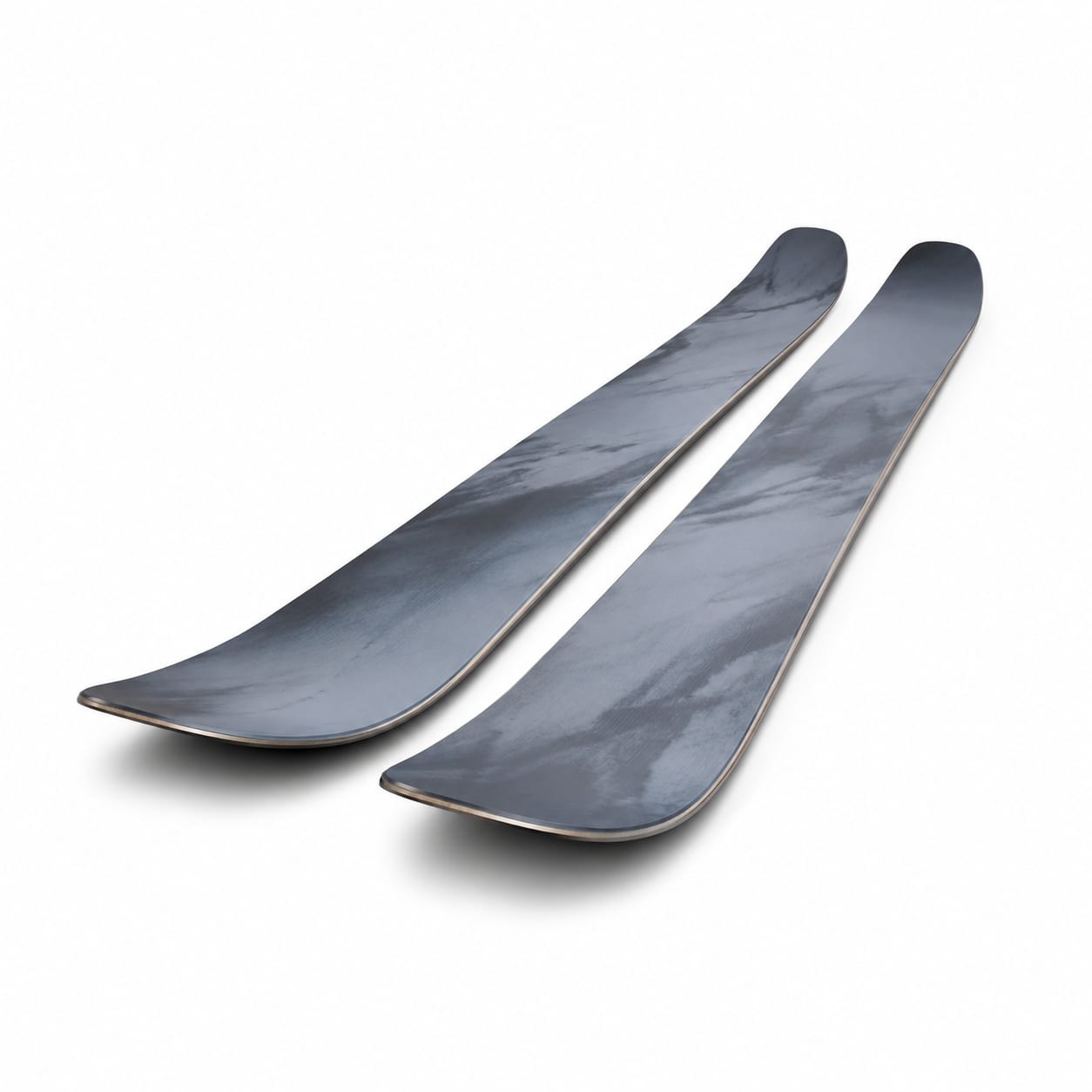
6 topics
Pick a question
Every answer links to the full subcategory guide and related gear types when it helps you decide.
How wide should my powder skis be?
For most skiers, 112–120mm underfoot is the sweet spot for a dedicated powder ski. This range provides excellent flotation in most deep-snow conditions without being completely unmanageable on groomers. Go wider (120–130mm) if you regularly ski bottomless blower or want maximum flotation. Go narrower (108–115mm) if you want slightly better hardpack performance or ski in heavier snow where cutting through can be advantageous.
Read answer →02Can I use powder skis as my everyday ski?
Only if you live somewhere with frequent deep snow and rarely ski firm conditions. For most skiers, powder skis are too compromised on hardpack to serve as a daily driver. If you ski a resort with variable conditions and only see deep snow occasionally, an all-mountain wide ski (100–108mm) is a more practical everyday option. Powder skis are best as a quiver addition for storm days.
Read answer →03Do I need twin tips on a powder ski?
Not necessarily, but many powder skis have twin tips or partial tail rise because it helps the ski release from turns in soft snow and adds playfulness. If you prefer a surfy, slashy style or occasionally ride switch, twin tips are beneficial. If you prefer a charger style with powerful turn completion and maximum tail support, a flat or minimally raised tail is better. This is primarily a style preference.
Read answer →04How much rocker do I need in a powder ski?
At minimum, you want significant tip rocker for flotation and to prevent tip-dive. Most powder skis also have tail rocker for easier turn release and a looser feel. The amount of rocker affects how the ski performs: more rocker means more flotation and easier pivot but less edge hold and stability on firm snow. For a dedicated powder ski, tip-and-tail rocker with camber underfoot is the most versatile profile. Full rocker is for the most specialized deep-snow applications.
Read answer →05Are powder skis harder to ski than all-mountain skis?
In deep snow, powder skis are actually easier to ski than all-mountain skis because they float instead of dive. On firm snow, they are harder to ski because they are wider, heavier, and less responsive edge-to-edge. The challenge of powder skis is managing them in mixed conditions, not in their intended deep-snow environment. If you only ski them in powder, they are more forgiving than narrower skis.
Read answer →06What length powder ski should I get?
Most skiers choose powder skis at or slightly above their height—typically 5–10cm longer than their all-mountain ski. The extra length provides more surface area for flotation, and the rocker profile means the effective running length is shorter than the measured length, so a longer ski does not feel as long as it measures. Heavier and more aggressive skiers should err toward longer; lighter and more playful skiers can go slightly shorter.
Read answer →