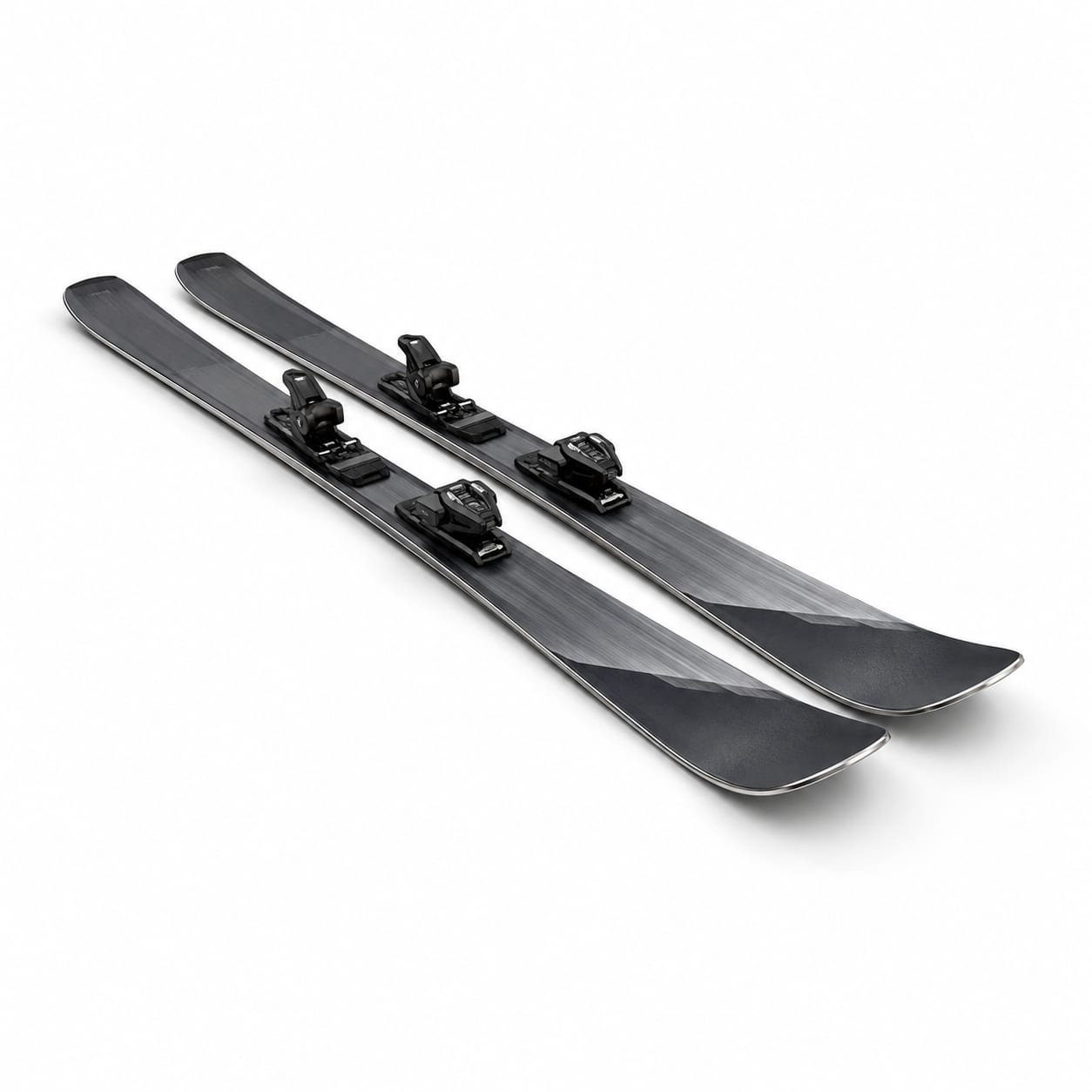
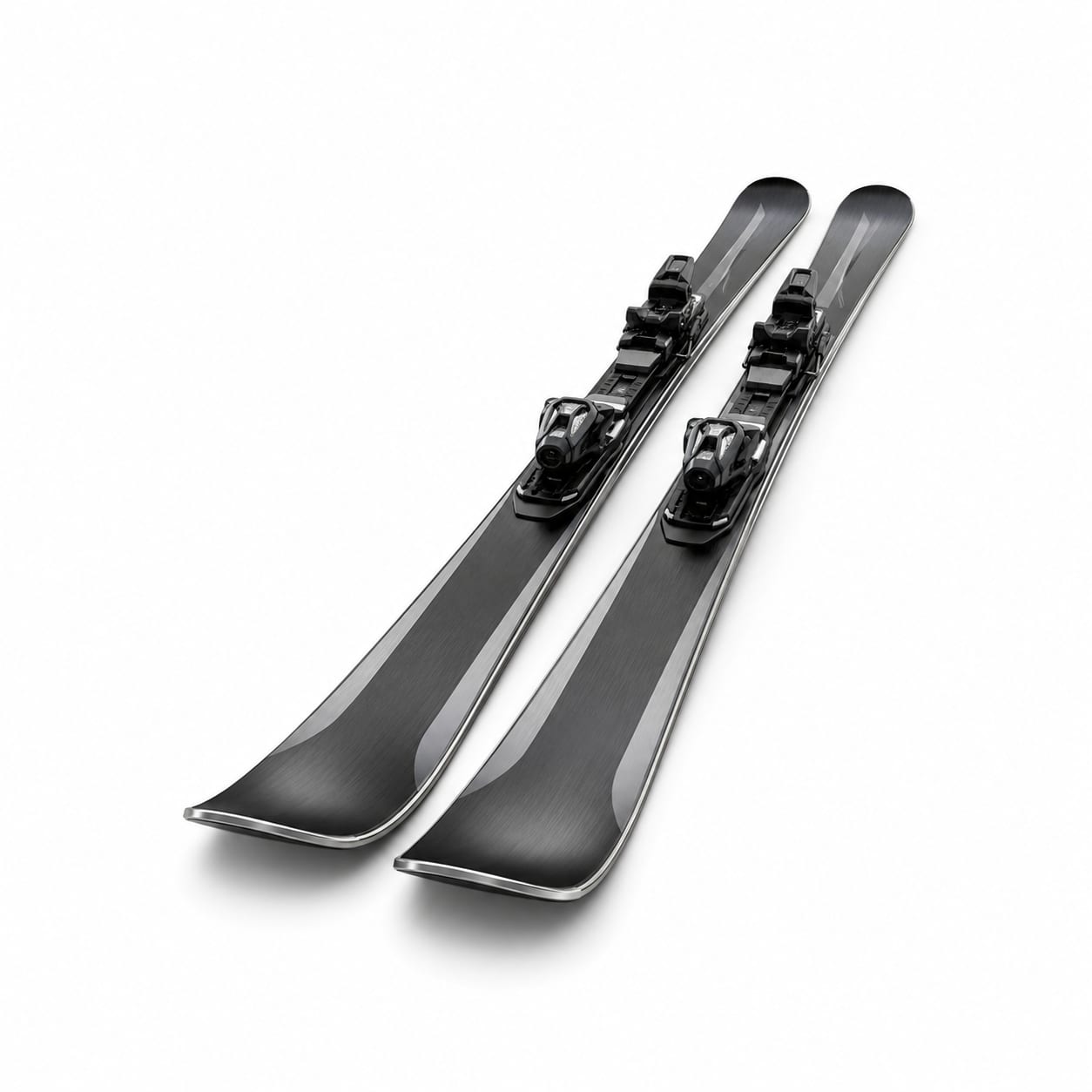
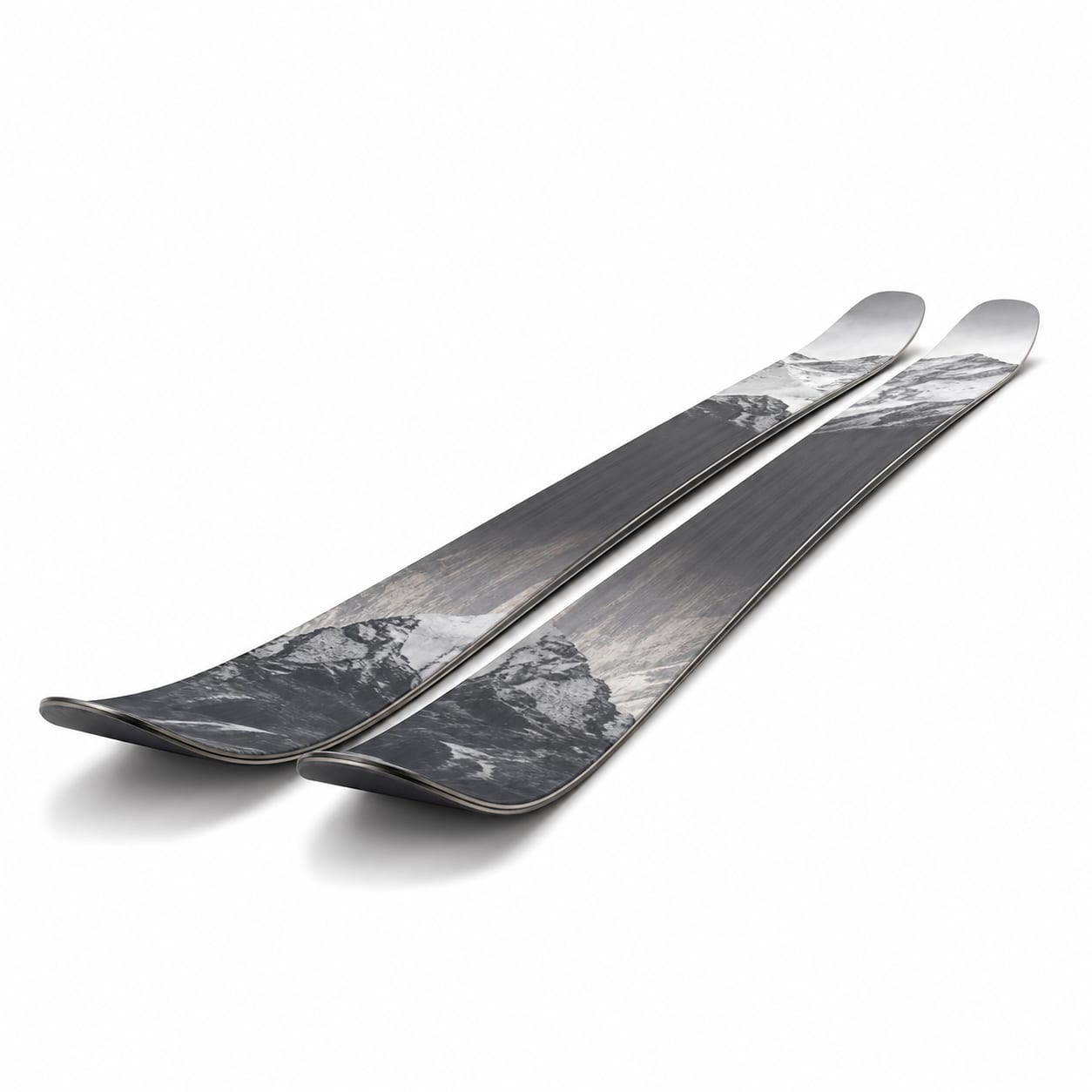
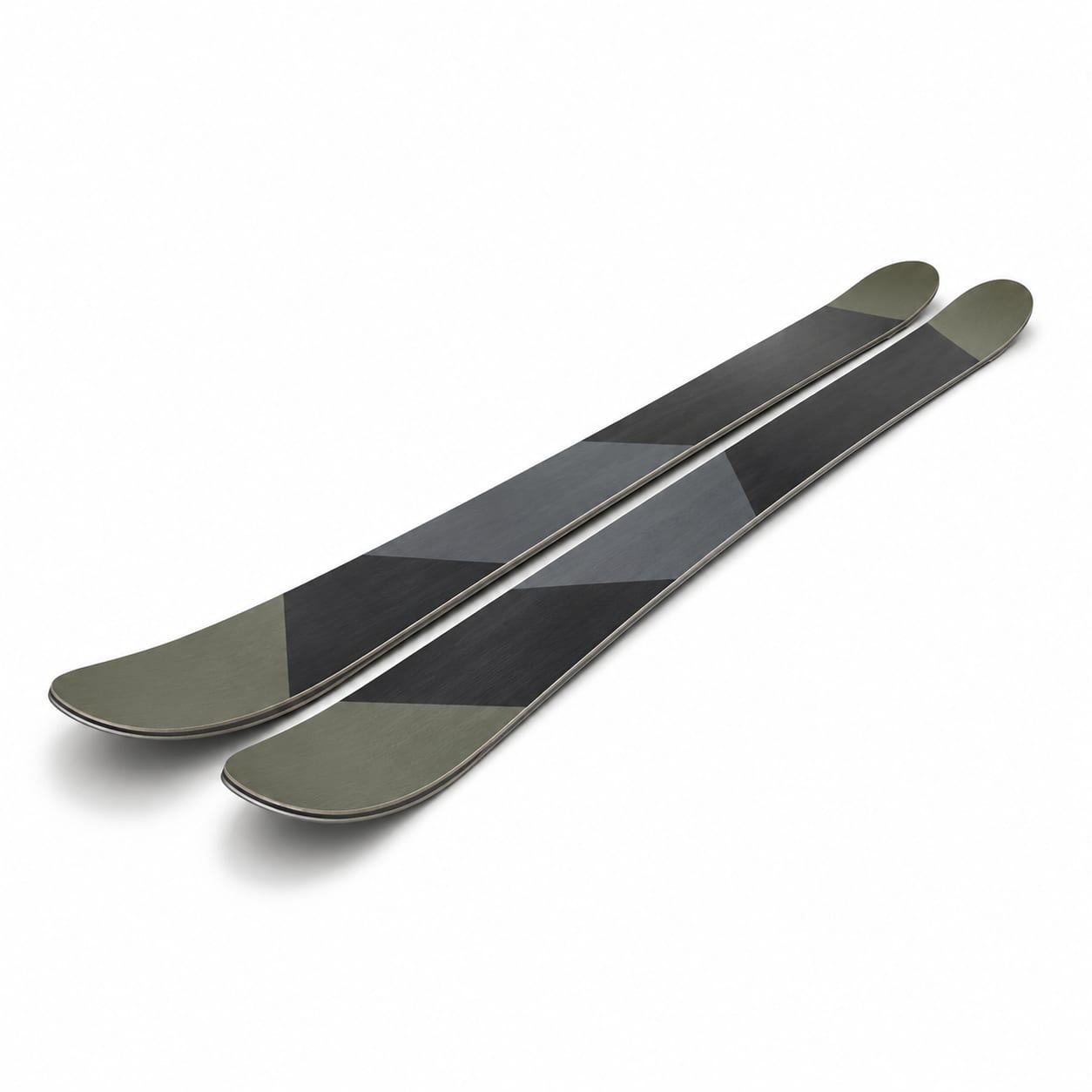
Kitvore.com

Kitvore.com

Specs that matter. Gear that fits.

Skis · Subcategory

Powder Skis

Wide, rockered skis purpose-built to float and surf in deep soft snow.

Powder skis are the fat-tire bikes of the mountain—designed to keep you on top of bottomless snow when narrower skis would sink to the base. With waist widths typically exceeding 110mm, generous rocker profiles, and often a surfy twin-tip shape, these skis transform deep days from survival mode into the best runs of your life. They sacrifice hardpack precision for unmatched flotation, pivot ease, and a playful feel in soft snow that no other category can replicate.

$500 – $1300premium tieradvancedexpert

Best known for

Exceptional flotation in deep powder and soft snowSurfy, playful feel with easy pivot and smear turnsConfidence-inspiring stability in bottomless conditionsMaking storm days the best days on the mountain
Powder Skis

Guide

Detailed overview

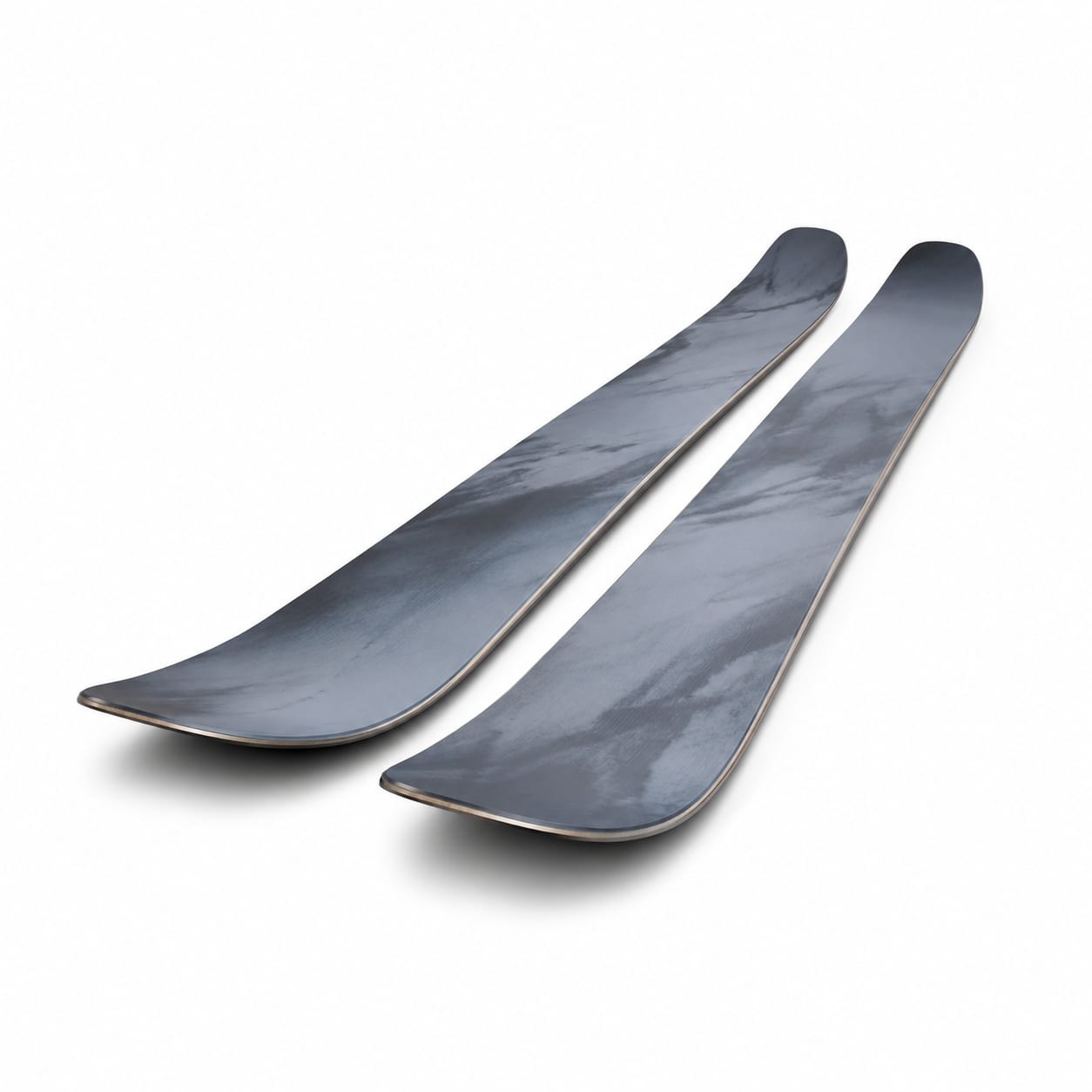
Powder skis are a specialized subcategory of freeride skis designed specifically for deep soft snow. They are defined by their wide waist widths (typically 110–130mm underfoot), substantial rocker profiles, and shapes optimized for flotation rather than edge-to-edge precision. The extra surface area keeps the skier on top of deep snow rather than diving in, while rocker in the tip and tail allows the ski to plane upward and pivot effortlessly. These skis are for skiers who chase storms, live in areas with consistent deep snow, or want a dedicated weapon for the deepest days. They are not everyday resort skis for most people—on hardpack, they feel sluggish, imprecise, and require significant effort to roll onto edge. But in their element, nothing else comes close.

Powder skis exist because physics demands them. When snow depth exceeds a few inches, a narrow ski acts like a knife—cutting through the snow rather than riding on top of it. The result is exhausting, frustrating skiing where your legs burn from fighting the snow and your tips dive unpredictably. Powder skis solve this with surface area. A 120mm-waist ski has roughly double the planing surface of an 80mm all-mountain ski, and that difference is the difference between surviving a powder day and truly enjoying it.

The design philosophy of powder skis prioritizes three things: flotation, pivot, and predictability in soft snow. Flotation comes from width and rocker—the wider the ski and the more tip rise, the more the ski wants to plane on top of the snow rather than dive below it. Pivot comes from rocker and taper—when the effective contact length is reduced by tip and tail rocker, the ski becomes easy to rotate in soft snow, allowing quick slash turns, speed checks, and a surfy feel that narrower skis simply cannot match. Predictability comes from the overall shape and flex—a well-designed powder ski provides a consistent, predictable platform in variable soft snow, from bottomless blower to heavy chop.

The trade-offs are real and significant. On groomed snow, powder skis feel like driving a boat—they are slow to initiate turns, require more effort to get on edge, and lack the snappy, precise feel of a narrower ski. Edge hold on hardpack is compromised by the wide platform and rocker profile. In moguls, they are a liability—too wide to fit between bumps and too long in effective edge to make quick turns. These are not the skis you reach for on a firm, groomed morning. They are the skis you keep in the car or the locker, waiting for the storm that drops 30cm overnight.

Within the powder ski category, there is meaningful variation. Some models lean toward a chargy, directional feel with stiffer flex, longer turn radii, and flat or minimally rockered tails—these are for big-mountain skiers who want to go fast in deep snow. Others are soft, twin-tipped, and heavily rockered for a playful, surfy feel—ideal for tree skiing, bouncing off features, and a loose, creative style. Choosing between these sub-styles is one of the most important decisions when buying a powder ski, and it should be driven by how you actually ski in deep snow, not by what looks cool in a video.

For skiers who live in areas with frequent deep snow (the Wasatch, interior British Columbia, Hokkaido, the Alps), a dedicated powder ski is a quiver essential. For skiers who see a few deep days per season, a wider all-mountain ski (100–110mm waist) may be a more practical choice that handles powder reasonably well without the hardpack compromises. The honest assessment is that powder skis are a luxury for most and a necessity for a dedicated few—but for those who ski deep snow regularly, they are transformative.

Quick facts

Primary purpose
Maximum flotation and maneuverability in deep powder snow
Popular brands
DPSMomentPraxisBlack CrowsLib TechSalomon
Typical terrain
Deep powderOpen bowlsTree runs in deep snowHeliskiing terrain

What makes it different

Widest alpine skis available, designed exclusively for deep snow performance; significantly less effective on hardpack than any other category.

Recommended ranges

How this type usually specs out

Each spec is explained in plain language, then we show what buyers usually look for on this type.

Ski Type / Category

Ski Type

What it means

The primary intended use and design category of the ski, which dictates its overall geometry, flex, and feature set.

Typical for this type

Freeride

In practice

Powder skis fall under the freeride/big mountain category. They share the wide platform and off-piste focus of freeride skis but push the design further toward deep snow specialization with even wider waists and more aggressive rocker profiles.

Compared to other types

Unlike all-mountain or frontside skis that prioritize on-piste performance, powder skis as freeride tools are unapologetically optimized for off-piste soft snow. They sacrifice groomed-run performance more than all-mountain wide skis but gain significantly more flotation and soft-snow capability.

Why it matters: The freeride classification signals that these skis are built for off-piste, soft-snow performance rather than groomed-run versatility. This affects everything from sidecut geometry to construction choices.

Ski Length

Length

What it means

The total length of the ski from tip to tail, measured in centimeters. Affects stability, turn radius, and maneuverability.

Typical for this type

178–195 cm

Most common pick: 185 cm

In practice

Powder skis are typically skied at or slightly above the skier's height. The extra length provides more surface area for flotation and stability at speed in deep snow. Rockered profiles mean the effective running length is shorter than the measured length, so sizing up is common and manageable.

Compared to other types

Powder skis are typically sized 5–10 cm longer than all-mountain skis for the same skier because flotation is paramount and rocker reduces effective edge contact. Frontside skis are often sized shorter for quickness.

Why it matters: Longer skis provide more surface area for flotation and more stability at speed in variable snow. Going too short sacrifices float and can make the ski feel squirrelly at speed in deep snow.

Waist Width

Waist Width

What it means

The width of the ski at its narrowest point (underfoot), measured in millimeters. The single most important geometry measurement that determines terrain suitability.

Typical for this type

110–130 mm

Most common pick: 118 mm

In practice

The defining dimension of powder skis. Waists of 110–115mm handle moderate powder days and offer slightly better hardpack performance. Waists of 115–125mm are the sweet spot for consistent deep snow. Waists above 125mm are for bottomless blower and sacrifice significant hardpack capability.

Compared to other types

Powder skis are 20–50mm wider underfoot than all-mountain skis and 40–60mm wider than frontside skis. This massive width difference is what enables flotation but also what makes them cumbersome on firm snow.

Why it matters: Waist width is the single most important factor in powder flotation. Every additional millimeter of width increases planing surface and keeps the ski higher in the snow. The difference between 105mm and 120mm is immediately noticeable in deep snow.

Tip Width

Tip Width

What it means

The width of the ski at its widest point near the tip, measured in millimeters. Works with waist width to determine the ski's sidecut and floatation characteristics.

Typical for this type

135–155 mm

Most common pick: 142 mm

In practice

Wide tips are critical for powder skis—they are the first part of the ski to encounter snow and must plane upward to keep the skier on top. Tips in the 140–150mm range provide excellent flotation. Taper (tip narrower than maximum width, set back from the contact point) is common to reduce tip catch in variable snow.

Compared to other types

Powder ski tips are 20–40mm wider than all-mountain ski tips and 40–55mm wider than frontside ski tips. This extra width is essential for planing but makes the ski slower to initiate turns on hardpack.

Why it matters: The tip is the bow of the ship—it needs to rise through the snow, not dive. Wide, rockered tips are what prevent the dreaded tip-dive that exhausts skiers in deep snow on narrower equipment.

Tail Width

Tail Width

What it means

The width of the ski at its widest point near the tail, measured in millimeters. Affects turn completion, stability, and how the ski releases from turns.

Typical for this type

115–140 mm

Most common pick: 125 mm

In practice

Tail width in powder skis varies by intended style. Wider tails (130mm+) provide a supportive, powerful feel for charging big lines. Narrower, more tapered tails (115–125mm) allow the tail to sink slightly, creating a surfy, pivoty feel ideal for trees and playful skiing. Pin tails (significantly narrower than the tip) are common for slashy turn completion.

Compared to other types

Powder ski tails are 20–40mm wider than all-mountain ski tails overall, but the taper (difference between tip and tail width) is often greater in powder skis, creating a more directional, surfy shape compared to the more symmetric profiles of all-mountain skis.

Why it matters: Tail shape determines how the ski finishes a turn and how it feels in deep snow. A wide, supportive tail gives confidence at speed; a tapered, pin tail gives freedom and playfulness.

Turn Radius

Turn Radius

What it means

The theoretical radius of the smallest turn the ski can make when tipped on edge, measured in meters. Derived from the sidecut dimensions. Determines the natural turn shape of the ski.

Typical for this type

16–30 m

Most common pick: 22 m

In practice

Powder skis tend to have longer turn radii due to their wide dimensions and reduced sidecut depth. Radii of 18–22m offer a moderately versatile turn shape. Radii above 24m favor long, sweeping turns and high-speed stability. Radii below 18m are rare in true powder skis but offer quicker turn initiation in tight terrain like trees.

Compared to other types

Powder skis have longer turn radii than frontside (10–16m) and all-mountain (14–18m) skis due to their wider dimensions. However, the effective turn radius in soft snow is shorter than the measured sidecut radius because rocker and smear turns reduce the arc.

Why it matters: In deep snow, you often turn by pivoting and smearing rather than carving, so turn radius matters differently than on hardpack. A longer radius provides stability at speed in open terrain; a shorter radius helps in tight trees and chutes.

Rocker/Camber Profile

Rocker/Camber Profile

What it means

The longitudinal shape of the ski when unweighted—how it curves from tip to tail. The most influential design element for how a ski feels and performs.

Typical for this type

Tip Tail Rocker, Full Rocker

In practice

Tip and tail rocker with camber underfoot is the most common profile for powder skis—it provides excellent flotation and pivot while maintaining some edge hold for the traverse or groomer runout. Full rocker/reverse camber is used in the most specialized powder skis for maximum flotation and surfy feel but sacrifices virtually all hardpack performance.

Compared to other types

Powder skis have the most aggressive rocker profiles of any ski category. All-mountain skis typically have moderate tip rocker only; frontside skis have minimal or no rocker. The extensive rocker in powder skis is what gives them their effortless float and pivot but also what makes them vague on hardpack.

Why it matters: Rocker is arguably more important than width for powder performance. A rockered tip rises through the snow rather than diving, and tail rocker allows the ski to release easily from turns. The amount and placement of rocker directly determines how the ski feels in soft snow.

Flex / Stiffness

Flex / Stiffness

What it means

How stiff or soft the ski is along its length, typically rated on a scale. Affects edge hold, stability, energy transfer, and forgiveness.

Typical for this type

5–8

Most common pick: 6

In practice

Powder skis range from medium-soft (5) to stiff (8). Softer flex provides a more forgiving, playful feel and easier pivot in soft snow—ideal for tree skiing and a surfy style. Stiffer flex provides stability at speed and better performance in heavy, variable snow—ideal for big-mountain charging. Most powder skis fall in the medium to medium-stiff range (6–7).

Compared to other types

Powder skis tend to be slightly softer than freeride chargers and significantly softer than racing skis, but stiffer than beginner and park skis. The flex is tuned for soft-snow performance rather than edge hold or energy return.

Why it matters: Flex determines how the ski responds in deep snow. A soft ski is easy to smear and slash but can feel unstable at speed or in heavy snow. A stiff ski charges through anything but requires more input and strength to pivot and play.

Core Material

Core Material

What it means

The primary material used in the ski's core, which largely determines its weight, flex characteristics, dampening, and feel.

Typical for this type

Wood, Wood Composite

In practice

Most powder skis use wood cores (poplar, ash, beech) or wood-composite constructions. Wood provides the best combination of energy return, dampening, and consistent flex over time. Composite additions (carbon, fiberglass) can tune the flex and reduce weight. Lightweight hybrid cores are used in powder touring skis but sacrifice some downhill power.

Compared to other types

Powder skis almost universally use wood or wood-composite cores, unlike entry-level all-mountain skis which may use foam. This reflects the performance expectations and price point of the category.

Why it matters: In deep snow, the core material affects how the ski feels when loaded and released in turns. A quality wood core provides a smooth, consistent flex that is predictable in variable soft snow. Foam cores are rare in this category because they lack the energy and durability needed for off-piste use.

Construction Type

Construction Type

What it means

The method used to build the ski's structure, affecting durability, edge hold, weight, and price.

Typical for this type

Sandwich, Hybrid

In practice

Sandwich/sidewall construction is the standard for powder skis because it provides the best edge hold (important for traverses and firm runouts) and durability (critical for rocks and debris hidden under snow). Hybrid construction with sidewalls underfoot and cap at the extremities can reduce swing weight for a more playful feel.

Compared to other types

Powder skis use the same sandwich construction as other performance categories. Cap construction, common in budget all-mountain skis, is essentially absent in the powder category because the performance and durability trade-offs are unacceptable for this use case.

Why it matters: Even though powder skis spend most of their time in soft snow, they still encounter firm snow on traverses, runouts, and variable conditions. Sidewall construction ensures reliable edge hold when you need it and durability against hidden obstacles under the snow.

Weight (Per Pair)

Weight Per Pair

What it means

The total weight of both skis, measured in grams. Affects swing weight, touring efficiency, and overall maneuverability.

Typical for this type

3600–5200 g

Most common pick: 4200 g

In practice

Powder skis are among the heaviest in the ski world due to their wide dimensions and robust construction. Typical weights range from 3800g for lighter models to over 5000g for heavy chargers with metal layers. Touring-oriented powder skis can dip below 3600g but sacrifice dampening and stability.

Compared to other types

Powder skis are 400–1200g heavier per pair than all-mountain skis and 800–1600g heavier than frontside skis due to their extra width and material. Only racing skis approach similar weights. Touring skis are 1000–2000g lighter.

Why it matters: Weight affects swing weight (how easy the ski is to pivot and maneuver) and touring efficiency. Heavier skis provide more momentum and stability at speed in variable snow but are more fatiguing in tight terrain and impractical for uphill travel.

Recommended Skill Level

Skill Level

What it means

The rider ability level the ski is designed for, which determines flex, forgiveness, and performance characteristics.

Typical for this type

Advanced, Expert

In practice

Powder skis are designed for advanced and expert skiers who have the technique to manage wide, rockered skis in deep snow and variable conditions. The width and rocker make them forgiving in soft snow but demanding on firm snow. Strong intermediates can enjoy softer, narrower powder skis (110–115mm) but may struggle with wider, stiffer models.

Compared to other types

Powder skis are among the most demanding skis to use across all conditions, similar to racing skis in their specialization. All-mountain skis are accessible to a broader range of abilities because they are narrower, less rockered, and more forgiving on firm snow.

Why it matters: A powder ski that is too wide or too stiff for the skier's ability can be dangerous on firm snow and exhausting in variable conditions. Matching the ski's demands to the skier's ability ensures safety and enjoyment.

Terrain Type

Terrain Type

What it means

The primary terrain and snow conditions the ski is optimized for. Most skis handle multiple terrain types but excel in specific conditions.

Typical for this type

Powder, Backcountry, Mixed

In practice

Powder skis are optimized for deep soft snow and off-piste terrain. They excel in untracked powder, wind-deposited snow, and soft chop. Many also perform well in backcountry settings where soft snow is common. They can handle mixed/variable conditions acceptably but are not designed for groomed runs, moguls, or park features.

Compared to other types

Powder skis are the inverse of frontside skis in terrain suitability. Where frontside skis excel on groomers and struggle in powder, powder skis excel in deep snow and struggle on groomers. All-mountain skis split the difference.

Why it matters: Using a powder ski in its intended terrain is transformative; using it outside that terrain is frustrating. These skis are purpose-built tools that deliver exceptional performance in a specific context and compromised performance everywhere else.

Twin Tip

Twin Tip

What it means

Whether the ski has an upward-curving tail matching the tip, allowing the skier to land and ski backwards (switch).

Typical for this type

True, False

In practice

Many powder skis feature twin tips or partial twin tips (slight tail rise) because the upward-curving tail helps the ski release from turns in soft snow and adds playfulness. Directional skis with flat tails are also common, particularly for big-mountain chargers who prioritize tail power and stability at speed. The choice between twin tip and flat tail reflects the skier's preferred style in powder.

Compared to other types

Twin tips are more common in powder skis than in all-mountain or frontside skis because the tail rise aids soft-snow performance. However, they are not universal—many dedicated big-mountain powder skis use flat tails for maximum power.

Why it matters: Twin tips add playfulness and make the ski easier to smear and slash in soft snow. Flat tails provide more power and support through the end of a turn, which matters for high-speed big-mountain lines. This is largely a style preference in powder skiing.

Dampening / Vibration Control

Dampening

What it means

The ski's ability to absorb vibrations and chatter at speed, typically achieved through metal layers, rubber, or specialized technologies. Affects smoothness and edge contact.

Typical for this type

Moderate, High

In practice

Moderate dampening is common in playful powder skis that prioritize agility and light swing weight. High dampening is found in charger-oriented powder skis that need to stay smooth at speed in heavy, variable snow. The choice depends on whether you prefer a lively, maneuverable feel or a smooth, planted feel at speed.

Compared to other types

Powder skis tend to have moderate to high dampening, similar to freeride skis and more than touring or park skis. The need for stability in variable off-piste conditions drives this, though playful models may have less dampening for a lighter, more agile feel.

Why it matters: In deep snow, dampening affects how the ski handles variable conditions—crust, heavy chop, and wind-affected snow. A damper ski plows through inconsistencies; a livelier ski is more responsive but can be deflected more easily.

Metal Reinforcement

Metal Layers

What it means

Whether and how the ski incorporates metal (typically titanal/aluminum) layers in its construction for added torsional rigidity, edge hold, and dampening.

Typical for this type

None, Single

In practice

Many powder skis use no metal layers to keep weight and swing weight manageable—this is especially true for playful, surfy models. Single metal layers are found in charger-oriented powder skis that need extra torsional rigidity and dampening for high-speed performance in variable snow. Double metal layers are rare in powder skis due to the significant weight penalty.

Compared to other types

Powder skis are less likely to use double metal than racing or frontside skis, where edge hold is paramount. They are more likely to use no metal than all-mountain skis because swing weight matters more for pivot and playfulness in soft snow.

Why it matters: Metal adds dampening, edge hold, and torsional rigidity but also weight. In powder skis, the trade-off between weight and performance is particularly important because the skis are already heavy due to their width. No metal keeps them more playful; single metal adds stability for charging.

Binding Compatibility

Binding Compatibility

What it means

The type of binding mounting system the ski supports, which determines which bindings can be installed.

Typical for this type

Flat Alpine, Hybrid, Touring Compatible

In practice

Flat alpine (drill mount) is the most common binding compatibility for resort-focused powder skis, allowing the rider to choose any alpine binding. Hybrid compatibility is increasingly popular for skis that serve double duty in resort and backcountry. Touring-compatible mounts are used on lighter powder skis designed for uphill access to untracked terrain.

Compared to other types

Powder skis are more likely to offer touring or hybrid compatibility than all-mountain or frontside skis because many powder skiers access backcountry terrain. System/integrated bindings are virtually nonexistent in this category.

Why it matters: If you plan to tour for your powder, you need touring or hybrid compatibility. If you only ride resort, flat alpine gives you the most binding options and the most direct power transfer. System bindings are essentially never found on powder skis.

Evaluation

Strengths and trade-offs

Pros

What this type does best

Unmatched flotation in deep snow

Critical

The wide platform and rocker profile keep you on top of deep powder instead of diving, transforming exhausting survival skiing into effortless floating. This is the primary reason powder skis exist and their most significant advantage.

Effortless pivot and smear turns

Critical

Rocker reduces effective edge contact, making it easy to rotate the ski in soft snow for quick slash turns, speed checks, and a surfy, playful feel that narrower skis cannot replicate.

Confidence in variable soft snow

High

The wide, stable platform provides a predictable, confidence-inspiring feel in cut-up powder, heavy snow, and choppy conditions where narrower skis feel unpredictable and tiring.

Reduced leg fatigue in deep snow

High

By floating instead of diving, powder skis dramatically reduce the leg burn associated with deep-snow skiing on narrower equipment. You can ski longer and stronger on a powder day.

Playful, fun personality

Medium

Many powder skis are designed with a loose, surfy feel that encourages creative skiing—bouncing off features, slashing wind lips, and generally having more fun in soft snow than any other ski type.

Better bounce in crud and chop

Medium

The wide, rockered platform tends to plane over chopped-up snow rather than getting deflected by it, providing a smoother ride in afternoon conditions after fresh snow has been tracked out.

Cons

Trade-offs to be aware of

Poor hardpack and groomer performance

Significant

Wide waists and aggressive rocker make powder skis sluggish to initiate turns on firm snow, difficult to hold on edge, and generally unpleasant on groomers. They are a liability on firm days.

Heavy and fatiguing on long days

Moderate

The extra width and robust construction make powder skis among the heaviest in any ski category. This adds fatigue, especially in tight terrain where you are constantly pivoting the wide platform.

Terrible in moguls

Moderate

Wide skis do not fit between moguls and are too long in effective edge to make the quick, short-radius turns required in bump runs. Powder skis and moguls are a bad combination.

Expensive for a specialty tool

Moderate

Powder skis are typically premium-priced, and for most skiers they serve as a quiver addition rather than a daily driver. The cost-per-day ratio can be high if you only use them a few times per season.

Require more effort to edge on firm snow

Minor

The wide platform requires significantly more angulation and effort to roll onto edge compared to narrower skis. This can be exhausting and frustrating on firm traverses and runouts.

Best for

Terrain

Deep untracked powderOpen bowls and glades in soft snowBackcountry and sidecountry with soft snowTree runs in fresh snowWind-deposited snow and soft chop

Snow conditions

Bottomless powderStorm-day fresh snowHeavy wet powderTracked-out soft snowWind-affected soft snow

Skill level

advancedexpert

Riding style

FreerideBig mountainSurfy/playful powderCharger/high-speed powder

Rider profile

Storm chasers who skip work on powder daysSkiers in regions with frequent deep snow (Wasatch, interior BC, Hokkaido)Big-mountain skiers who regularly ski off-piste in soft conditionsSkiers building a quiver with a dedicated deep-day skiSkiers who find deep snow exhausting on narrower equipment

Not ideal for

Reasons

Too wide and rockered for precise edge-to-edge transitions on firm snowBeginners and intermediates lack the technique to manage wide skis on hardpack and in variable conditionsThe weight and width make them impractical for mogul skiing where quick, short turns are essentialNot designed for the edge hold and precision required for carving or racingOverkill for regions that rarely see deep snow—will spend most of the time performing poorly on firm conditions

Terrain

Groomed runsMogul fieldsTerrain parksIcy hardpackTight, firm chutes

Skill level

beginnerintermediate

Riding style

CarvingRacingPark and freestyleMogul skiing

Compare

How it stacks up

This page

Powder Skis

Significantly better flotation and soft-snow performance. Powder skis with 115mm+ waists float effortlessly where all-mountain wide skis still require effort and technique to stay on top. More playful and confident in deep snow.

Alternative

All-Mountain Wide Skis (95–105mm waist)

Far more versatile across all conditions. All-mountain wide skis handle groomers, mixed conditions, and even moguls reasonably well, while powder skis are a liability outside soft snow. Better one-ski-quiver option.

Bottom line

Choose powder skis if you get 10+ deep days per season and have room in your quiver. Choose all-mountain wide if you need one ski to do everything or see fewer than 10 deep days per season.

This page

Powder Skis

More flotation and a more playful feel in the deepest snow. The extra width and more aggressive rocker make powder skis noticeably more capable in bottomless conditions and easier to pivot and smear.

Alternative

Freeride Skis (105–115mm waist)

Freeride skis are more versatile—they handle deep snow well while still being skiable on groomers and in mixed conditions. They are the better choice for skiers who want one wide ski for everything off-piste.

Bottom line

Choose powder skis if you regularly ski in snow deeper than 30cm and want maximum performance in those conditions. Choose freeride skis if you want excellent soft-snow performance with better all-around capability.

This page

Powder Skis

Much better downhill performance in deep snow due to wider platform, more robust construction, and damper feel. Powder skis are built for the descent, not the ascent.

Alternative

Touring/AT Skis

Touring skis are dramatically lighter for uphill travel, making them practical for long approaches and multiple laps. Many touring skis still perform well in moderate powder while being far more efficient on the ascent.

Bottom line

Choose powder skis for resort-based powder skiing or short sidecountry laps where downhill performance is the priority. Choose touring skis if you earn your turns and the ascent is a significant part of your day.

This page

Powder Skis

Vastly superior flotation and soft-snow capability. Where all-mountain skis struggle and exhaust the skier in deep snow, powder skis make the same conditions effortless and fun.

Alternative

All-Mountain Skis

All-mountain skis are far more versatile and handle 80% of typical resort conditions well. They carve better, handle moguls, and are more maneuverable on firm snow. They are the better daily driver for most skiers.

Bottom line

Choose powder skis only as a dedicated quiver ski for deep days. Choose all-mountain skis as your primary ski if you ski mostly resort and see moderate snowfall. Most skiers benefit from having both.

Shopping

Buying tips

  • 1

    Be honest about how many deep days you actually get. If it is fewer than 8–10 per season, a wider all-mountain ski (100–108mm) may be more practical than a dedicated powder ski.

  • 2

    Match the ski's personality to your powder style. If you love tight trees and a surfy feel, choose a softer, more rockered, twin-tip powder ski with a tapered tail. If you prefer open bowls and charging, choose a stiffer, more directional ski with a flatter tail.

  • 3

    Size up, not down. Powder skis with rocker ski shorter than their measured length due to reduced effective edge. Going 5–10cm longer than your all-mountain ski is common and provides more flotation.

  • 4

    Consider your typical snow quality. Light, cold powder (Rockies, interior BC) works well with wider, more rockered skis. Heavy, wet powder (Sierra, maritime climates) may benefit from slightly narrower, damper skis that cut through rather than ride on top.

  • 5

    If you tour for powder, look for powder skis with touring-compatible mounting zones and consider lighter models. A 4500g powder ski is miserable on a 1000-vertical-foot skin.

  • 6

    Demo before you buy if possible. Powder ski feel is highly personal—some skiers love the loose, surfy feel of heavily rockered skis while others prefer the stability and power of a more traditional shape. A demo day in deep snow is worth more than any review.

  • 7

    Check the mount point. Powder skis often have recommended mount points further forward than all-mountain skis, which affects balance in deep snow. If you are between a playful and charger style, the mount point can be a deciding factor.

  • 8

    Consider a used or previous-season powder ski. Because they are specialty tools used only a few days per season, used powder skis often have plenty of life left at a significant discount.

Care

Maintenance notes

  • Pay extra attention to edge maintenance. Powder skis encounter hidden rocks and debris under the snow more frequently than groomer skis. Inspect edges after every deep day and file burrs promptly to prevent cracking.
  • Dry thoroughly after use. Powder days often mean wet conditions. Wipe down skis and let them dry before storage to prevent edge rust and delamination.
  • Use a wider tuning vise or pad setup. The wide profile of powder skis may not fit standard narrow tuning vises securely. Ensure your tuning setup can accommodate 130mm+ widths.
  • Store with a thick coat of wax. Because powder skis may sit unused for weeks between storms, apply a generous storage wax to protect the base from drying out.
  • Check binding screws periodically. The wide, rockered shape of powder skis can put unusual stress on binding mounts, especially after hard landings in variable snow. Check screw tightness a few times per season.
  • Accept that topsheet chips and cosmetic damage are part of the game. Powder skis encounter trees, branches, and hidden obstacles. Focus maintenance on structural integrity rather than cosmetics.

Progression

Skill development path

Powder skiing on dedicated powder skis is a distinct skill that differs from general skiing. Beginners to powder should start with moderate-width powder skis (110–115mm) with medium flex and tip-and-tail rocker, which provide flotation without being overwhelming. Focus on learning the 'powder stance'—slightly centered to slightly back, with even pressure on both feet—and practice pivot/slash turns before attempting carved turns. As comfort increases, progress to wider or stiffer skis that reward more aggressive technique. Advanced powder skiers can handle 120mm+ waists and use the ski's full capabilities—charging through heavy snow, airing off features, and maintaining speed in deep conditions. The key progression is: learn to float → learn to pivot → learn to charge → learn to play. Each stage opens new terrain and conditions.

FAQ

Common questions

Each question has a dedicated page with a full answer and links to the buying guide.

How wide should my powder skis be?

For most skiers, 112–120mm underfoot is the sweet spot for a dedicated powder ski. This range provides excellent flotation in most deep-snow conditions without being completely unmanageable on groomers. Go wider (120–130mm) if you regularly ski bottomless blower or want maximum flotation. Go narrower (108–115mm) if you want slightly better hardpack performance or ski in heavier snow where cutting through can be advantageous.

Can I use powder skis as my everyday ski?

Only if you live somewhere with frequent deep snow and rarely ski firm conditions. For most skiers, powder skis are too compromised on hardpack to serve as a daily driver. If you ski a resort with variable conditions and only see deep snow occasionally, an all-mountain wide ski (100–108mm) is a more practical everyday option. Powder skis are best as a quiver addition for storm days.

Do I need twin tips on a powder ski?

Not necessarily, but many powder skis have twin tips or partial tail rise because it helps the ski release from turns in soft snow and adds playfulness. If you prefer a surfy, slashy style or occasionally ride switch, twin tips are beneficial. If you prefer a charger style with powerful turn completion and maximum tail support, a flat or minimally raised tail is better. This is primarily a style preference.

How much rocker do I need in a powder ski?

At minimum, you want significant tip rocker for flotation and to prevent tip-dive. Most powder skis also have tail rocker for easier turn release and a looser feel. The amount of rocker affects how the ski performs: more rocker means more flotation and easier pivot but less edge hold and stability on firm snow. For a dedicated powder ski, tip-and-tail rocker with camber underfoot is the most versatile profile. Full rocker is for the most specialized deep-snow applications.