
Snow Jacket · FAQ
Questions about Backcountry / Touring Snow Jacket
Straight answers on fit, specs, and when this type makes sense — each topic has its own page with links back to the buying guide.
Open Backcountry / Touring Snow Jacket guide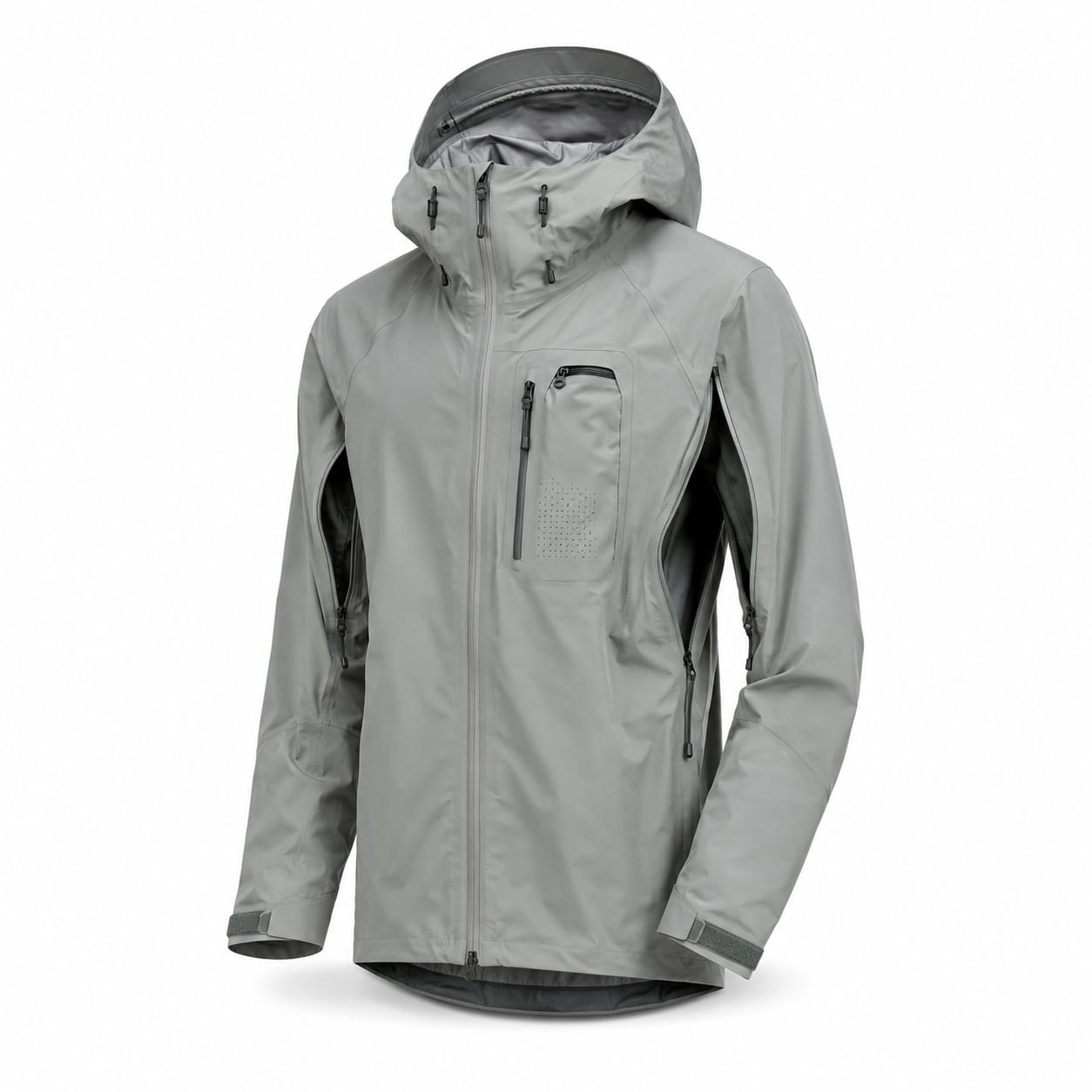
6 topics
Pick a question
Every answer links to the full subcategory guide and related gear types when it helps you decide.
Can I use a backcountry touring jacket for resort skiing?
Yes, but you need to layer appropriately. A touring shell alone provides no insulation, so wear a warm mid-layer (fleece or lightweight puffy) underneath for cold chairlift rides. The superior breathability is actually an advantage on warm spring resort days. The main downsides are the lack of a lift pass pocket on some models and the premium price for features you may not fully utilize at the resort.
Read answer →02Why are backcountry touring jackets so expensive compared to resort jackets?
The cost comes from premium membranes (GORE-TEX Pro, high-end proprietary tech), fully seam-sealed construction, and lightweight durable fabrics. These materials and construction methods are significantly more expensive than those used in resort jackets. You are paying for proven performance in conditions where failure has serious consequences—essentially an insurance premium for remote terrain.
Read answer →03Do I really need 20,000+ g/m² breathability, or is that overkill?
For true backcountry touring with sustained uphill travel, 20,000+ g/m² is not overkill—it is the minimum recommended rating. During a 2-hour skin track climb, your body can produce over a liter of sweat. If the membrane cannot move that moisture fast enough, it condenses inside the jacket and freezes when you stop. This is not a comfort issue; it is a safety issue. For casual resort riding, 10,000–15,000 g/m² is perfectly adequate.
Read answer →04What mid-layers should I wear under a touring shell?
The standard touring layering system is: a moisture-wicking base layer (lightweight merino or synthetic), a lightweight fleece or softshell mid-layer for the climb, and a packable insulated jacket (down or synthetic puffy) that goes on over the shell at the summit for the descent. Adjust by removing or adding the mid-layer based on exertion level and temperature. Never wear cotton as a base layer.
Read answer →05How fragile are the lightweight fabrics on touring jackets?
Fabrics in the 30–40 denier range are surprisingly durable for their weight but will not survive the same abuse as 100+ denier resort jackets. Ski edges, tree branches, and rock contact are the primary threats. Many touring jackets use reinforced panels at shoulders and hips where backpack straps create wear. If you regularly ride through tight trees or contact rocks, look for models with 50–70 denier face fabrics or reinforced high-wear zones.
Read answer →06Is a RECCO reflector enough for backcountry avalanche safety?
Absolutely not. A RECCO reflector is a passive backup that helps rescue teams locate you, but it is not an active beacon and cannot be used to locate others. For backcountry travel, you must carry an avalanche transceiver/beacon, probe, and shovel—and know how to use them. RECCO is an additional safety margin, not a primary tool. Think of it as a supplement, never a substitute.
Read answer →