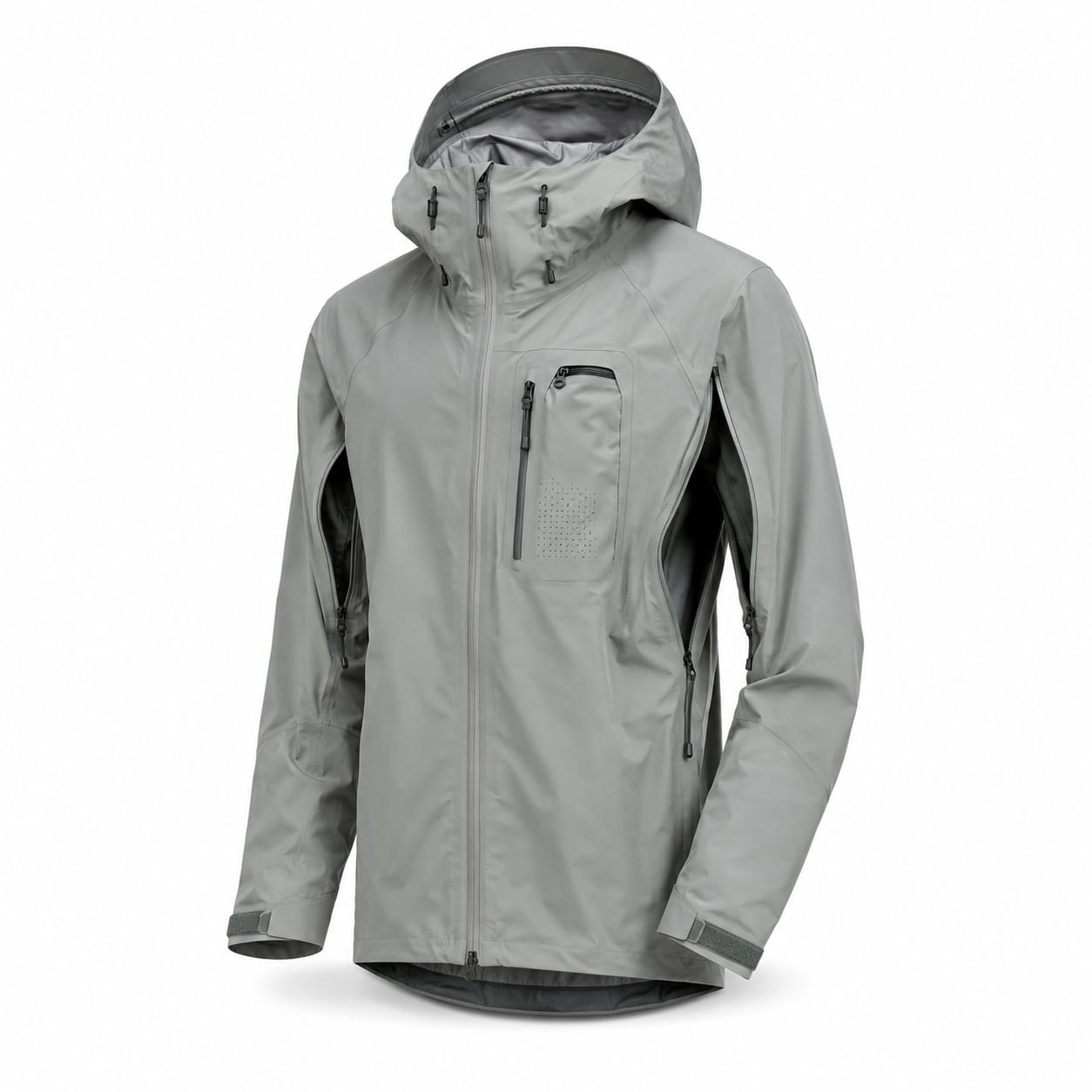
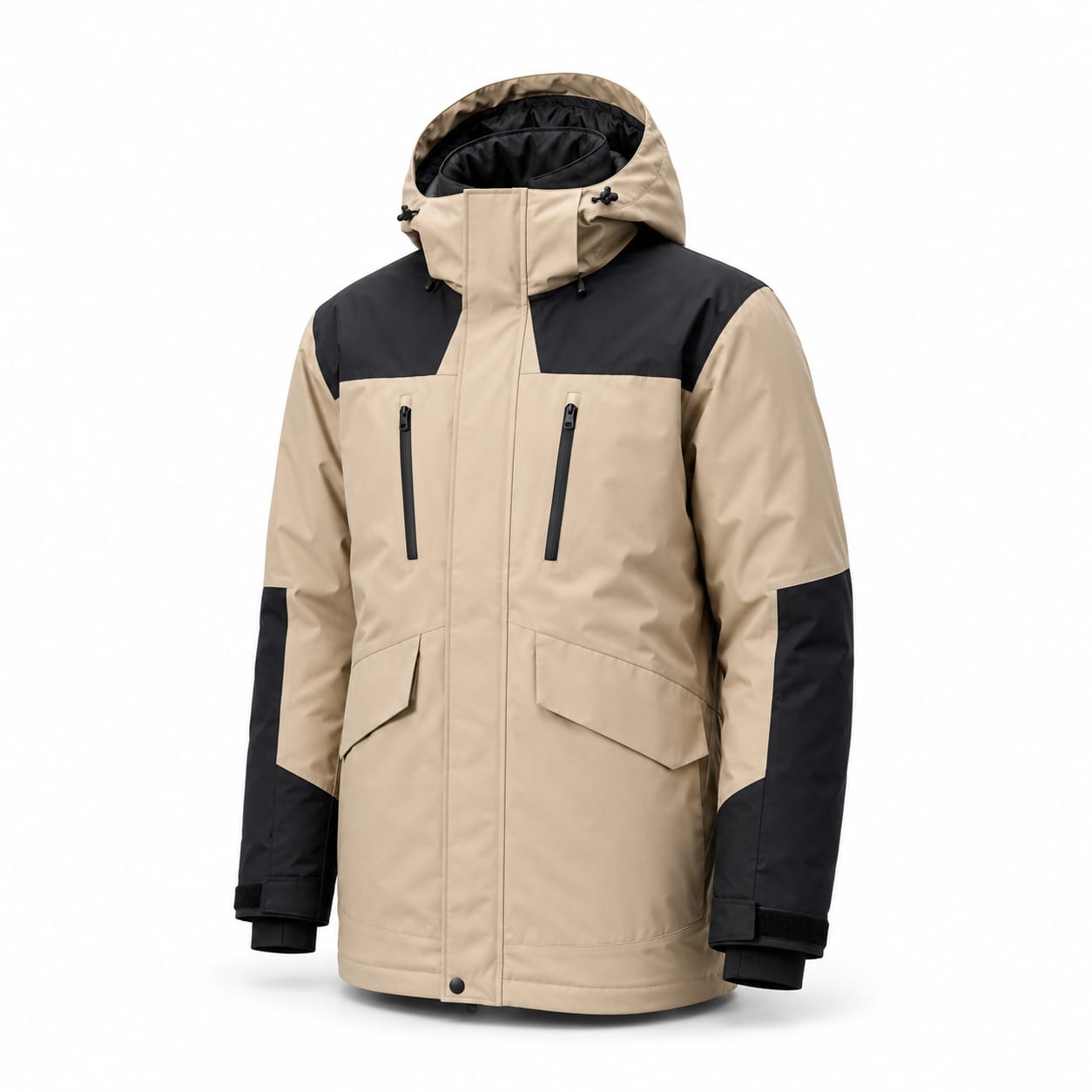
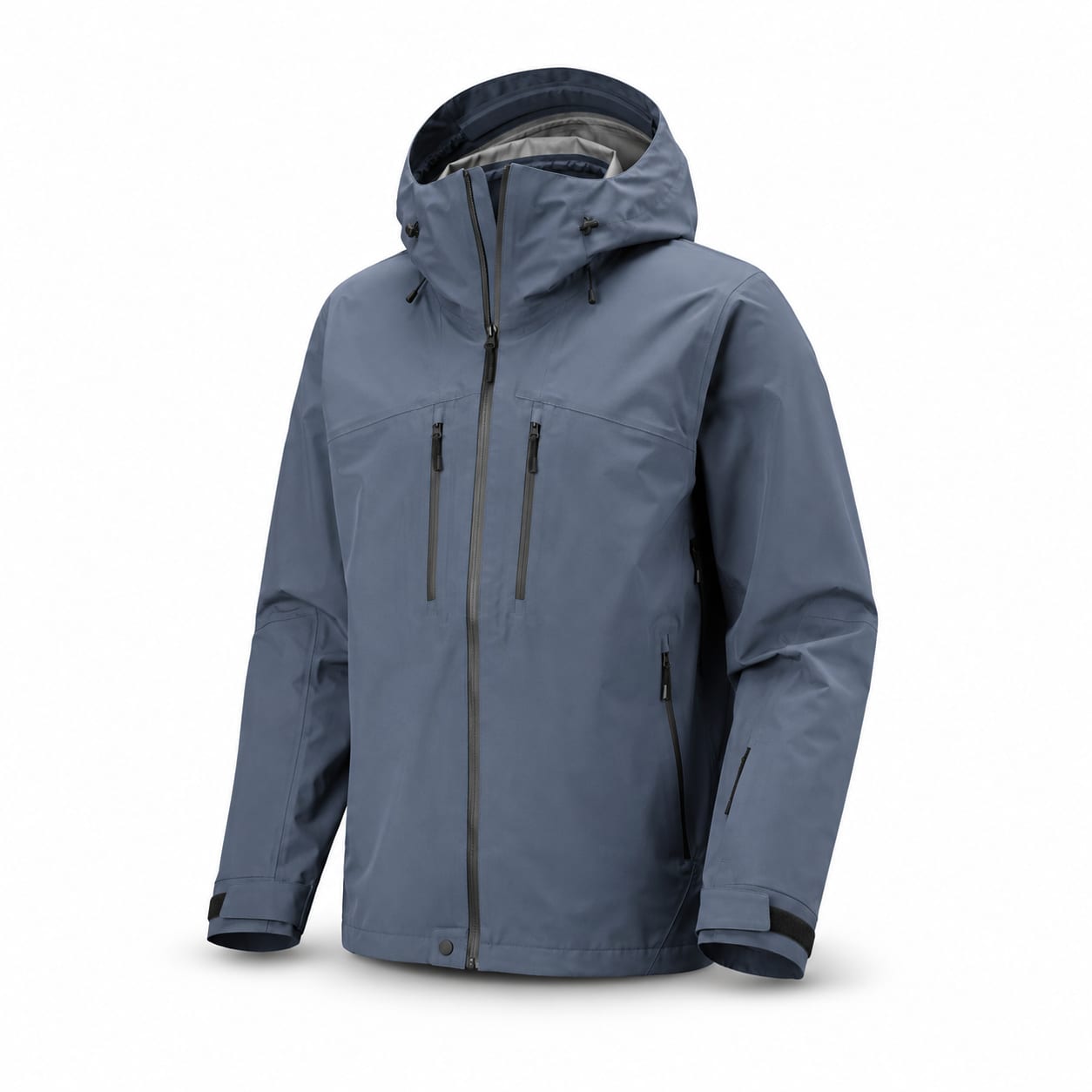
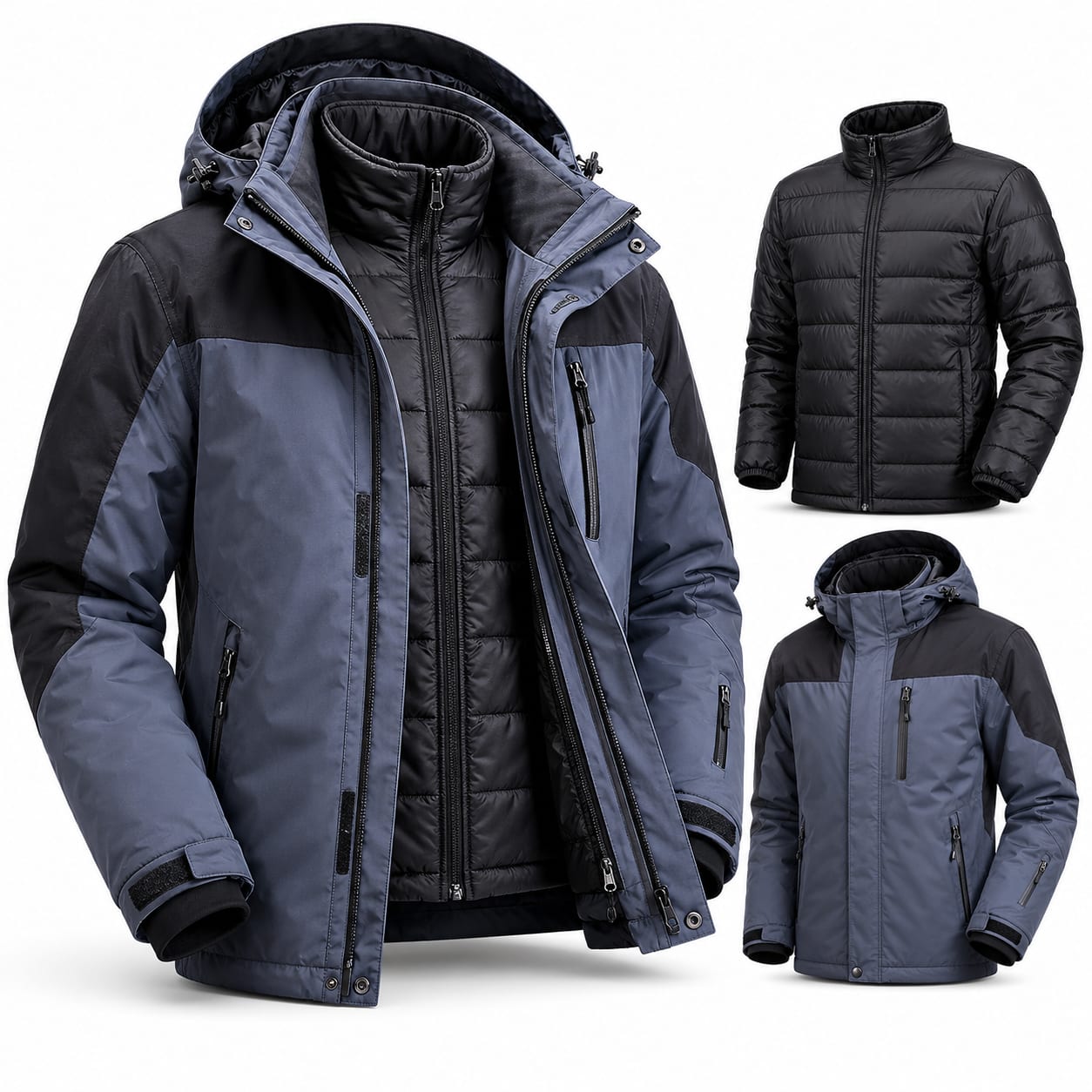
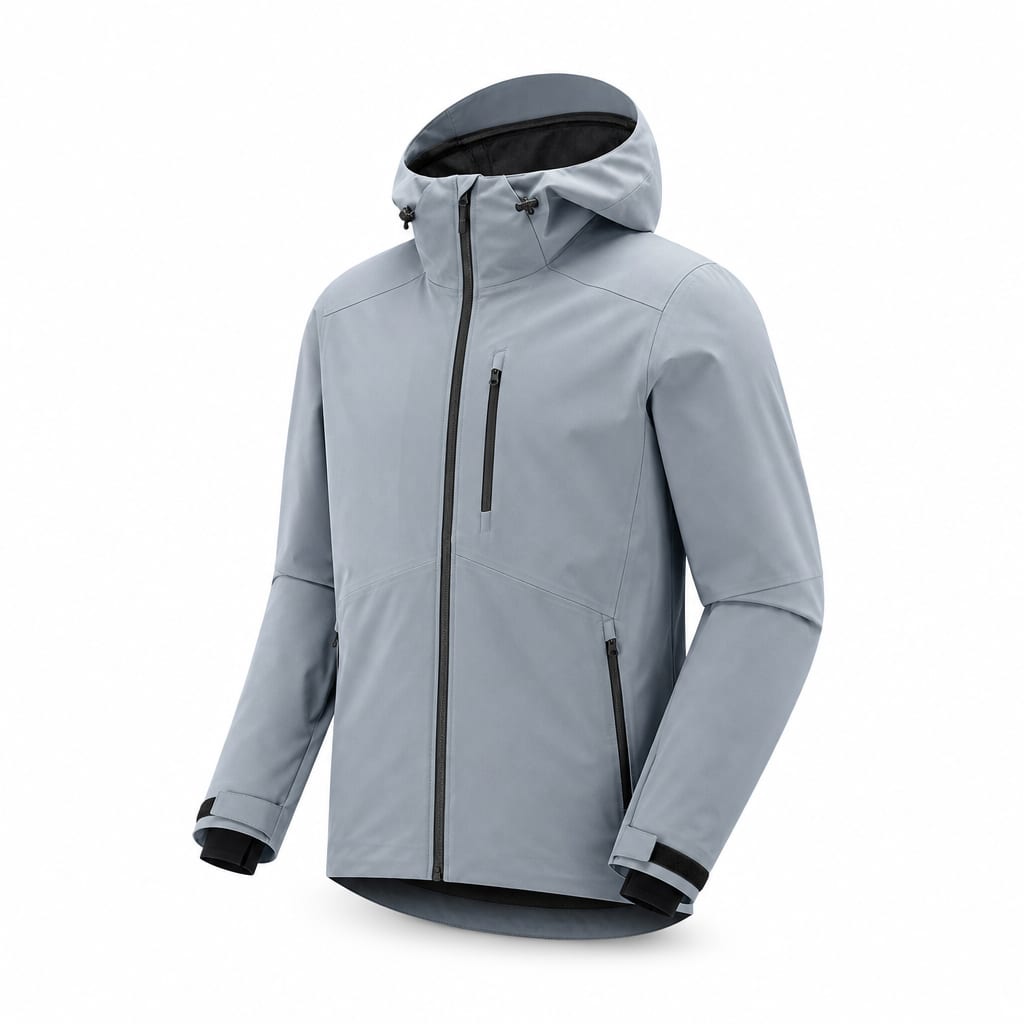
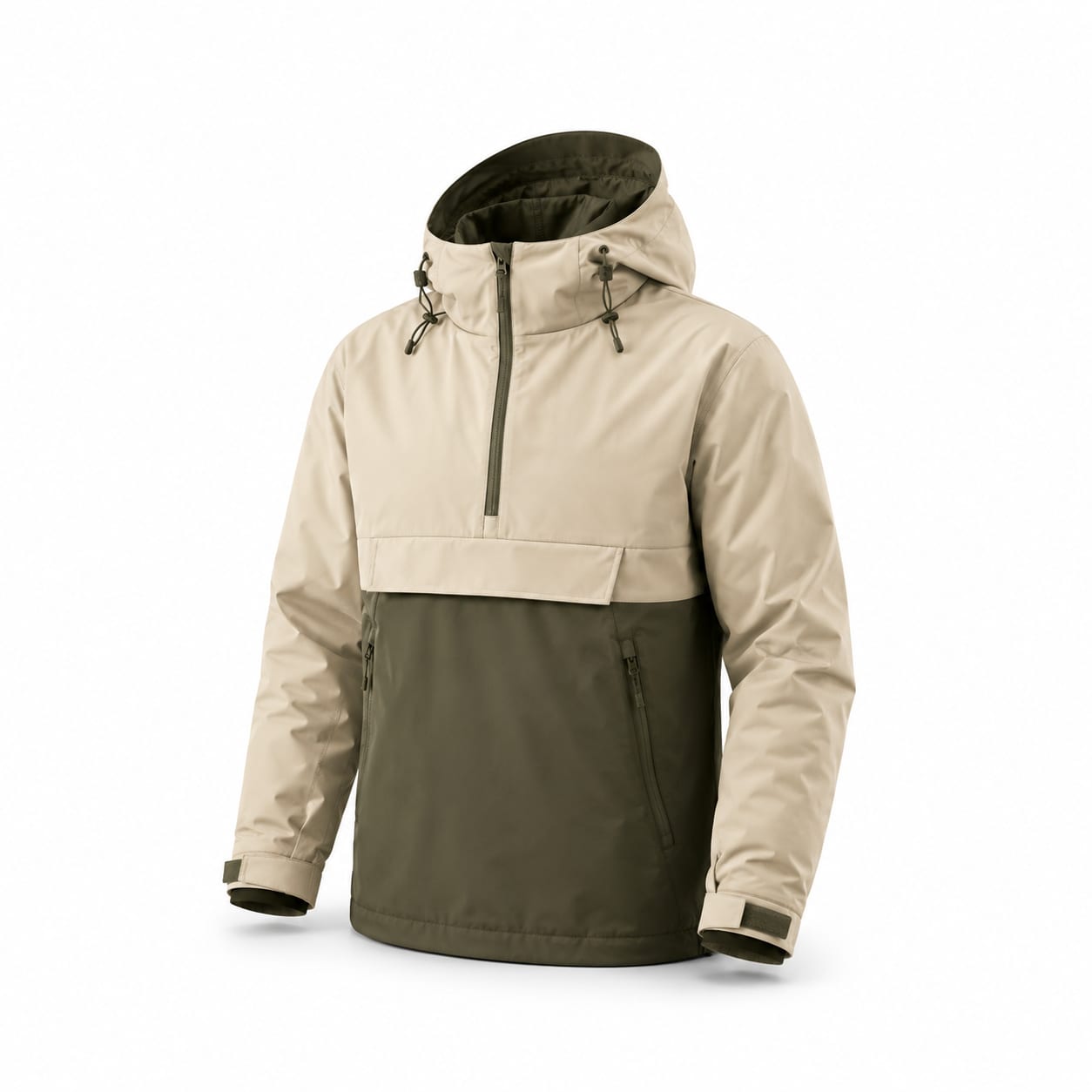
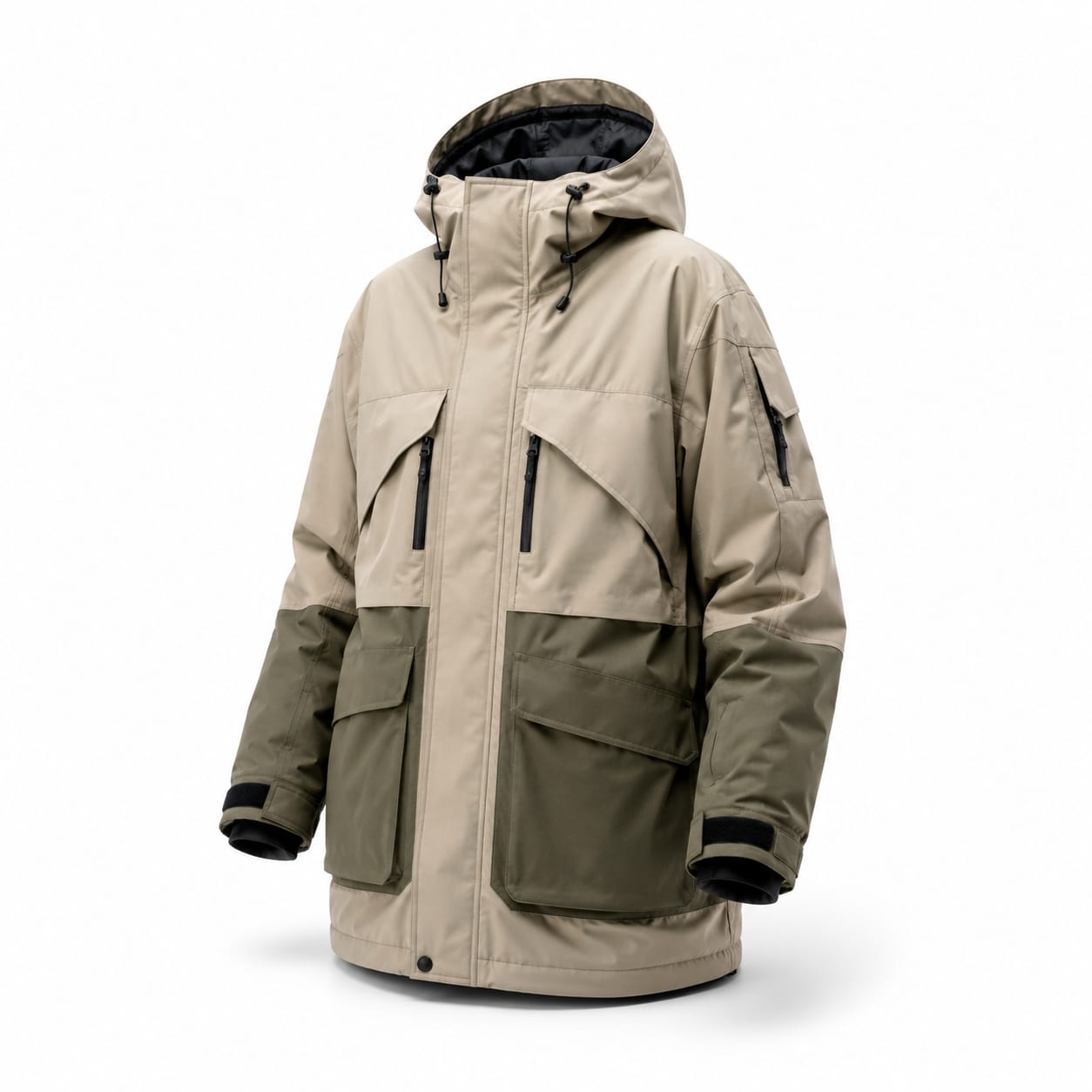
Backcountry touring snow jackets represent the most technically demanding category in snow outerwear. Unlike resort jackets that can afford extra insulation and casual features, touring jackets must perform across a wide thermal range—from sweating heavily on the skin track to standing exposed on a windy ridge. The design philosophy is simple: provide a reliable weather shield while letting the user manage warmth through a dynamic layering system. This means shell-only construction, premium waterproof-breathable membranes, generous ventilation, and minimal excess weight. Every gram matters when you are climbing thousands of vertical feet under your own power, and every feature must justify its weight with real utility in the backcountry.
The defining characteristic of a backcountry touring jacket is its shell-only construction. By eliminating built-in insulation, these jackets allow you to fine-tune your warmth by adding or removing mid-layers as conditions and exertion levels change. On the uphill skin track, you might wear just a lightweight base layer under the shell with all vents open. At the summit, you add an insulated mid-layer before the cold descent. This modular approach is essential because the thermal demands of climbing versus descending can differ by 30 degrees or more.
Breathability is the single most important performance metric for a touring jacket. During sustained uphill travel, your body can produce over a liter of sweat per hour. If that moisture cannot escape through the fabric, it condenses inside the jacket, saturates your layers, and then freezes the moment you stop moving—creating a dangerous cycle of wet-cold-wet that can lead to hypothermia in the backcountry where there is no lodge to retreat to. This is why touring jackets prioritize membranes rated at 20,000 g/m²/24hr or higher, and why features like full-length pit zips and chest vents are non-negotiable.
Weight and packability are critical considerations that distinguish touring jackets from resort shells. A typical touring jacket weighs between 350 and 550 grams, compared to 700+ grams for a resort equivalent. Many touring jackets are designed to compress into their own pocket or a stuff sack for stowing in a backpack during warm approaches. This weight savings comes from lighter face fabrics (often 20–40 denier), minimal insulation, streamlined pocket configurations, and the elimination of features like powder skirts that are standard on resort jackets.
Durability presents a genuine tension in touring jacket design. Lighter fabrics save weight but are more vulnerable to ski edges, tree branches, and rock abrasion. Many manufacturers address this with reinforced shoulders and hips where backpack straps and ski carry systems create wear points, or by using hybrid denier constructions with tougher fabric in high-abrasion zones. The trade-off is real: an ultralight 20-denier shell may save 100 grams but can be destroyed by a single misjudged tree branch, while a 70-denier shell will survive years of abuse at the cost of weight and packability.
Safety features like RECCO reflectors are increasingly standard on touring jackets, and for good reason. While a RECCO reflector is never a substitute for an avalanche beacon, probe, and shovel, it provides an additional passive rescue tool that requires no batteries or user activation. In the backcountry, where consequences are amplified by distance from help, every safety margin matters. Similarly, helmet-compatible hoods are essential because most backcountry riders wear helmets not just for fall protection but as a mounting platform for headlamps and action cameras during early-morning or late-afternoon tours.