
Snow Jacket · FAQ
Questions about Kids / Youth Snow Jacket
Straight answers on fit, specs, and when this type makes sense — each topic has its own page with links back to the buying guide.
Open Kids / Youth Snow Jacket guide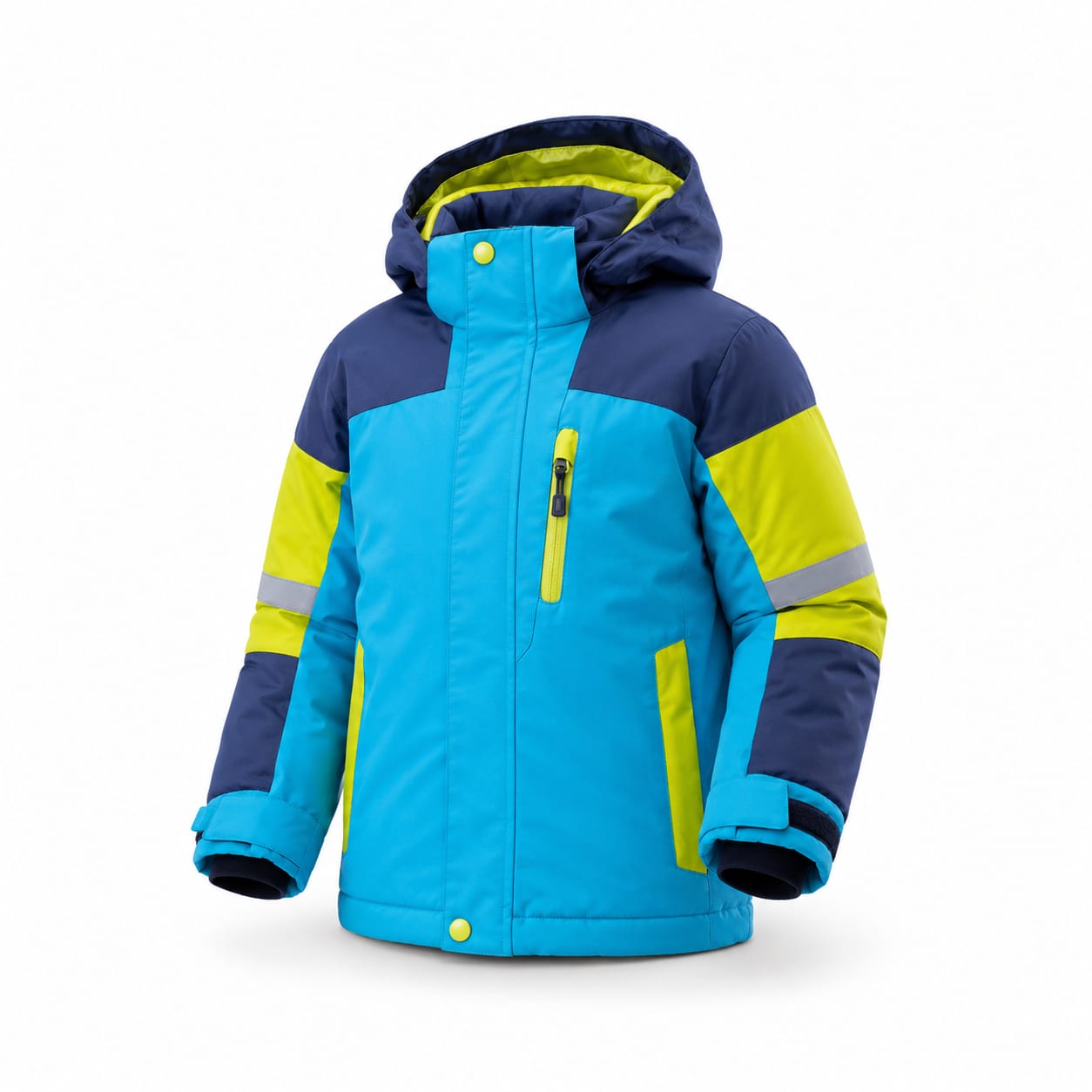
6 topics
Pick a question
Every answer links to the full subcategory guide and related gear types when it helps you decide.
How much bigger should I buy a youth snow jacket to allow for growth?
Buy one size up from the child's current measurement and rely on the jacket's growth-adjustment features (extendable sleeves, hem extensions) to manage the initial excess. Going more than one size up creates safety issues—excess fabric catches on chairlifts, allows snow entry, and restricts movement. The jacket should fit reasonably well at purchase with room for a mid-layer, not swim on the child.
Read answer →02Is a 5,000mm waterproof rating sufficient for a kids' snow jacket?
5,000mm is adequate for light snow and fair-weather resort days, which covers many families' typical use. However, if you ski in wet climates (Pacific Northwest, Northeast ice coast), take multi-day trips, or have a child in full-day ski school that runs regardless of conditions, aim for 8,000–10,000mm. The upgrade cost is usually $20–$40 and significantly improves comfort in heavier precipitation.
Read answer →03Should I buy a shell or insulated jacket for my child?
For the vast majority of young riders, an insulated jacket is the better choice. Children lack the experience and discipline to manage a layering system effectively—they'll overheat and unzip, then freeze when they stop. Synthetic insulation (80–100g) provides reliable warmth without the complexity. Shell jackets are only appropriate for older, experienced youth who understand layering and ride hard enough to generate significant body heat.
Read answer →04At what age should a child switch from a one-piece snow suit to a separate jacket and pants?
Most children transition between ages 4 and 6. The key factors are bathroom independence (one-pieces are difficult for young children to manage alone) and the child's ability to operate zippers and closures. A separate jacket and pants system allows more independent dressing and bathroom use, better growth accommodation, and the flexibility to replace just the jacket or pants as the child grows unevenly.
Read answer →05How can I tell if a youth jacket's growth features actually work?
Look for specific design features: inner cuff extensions with hidden elastic or button tabs that add 2–3 cm of sleeve length, and hem extensions with snap or button closures that add 3–5 cm of body length. Test them in the store—unfold the extensions and verify they stay secured. Avoid jackets that claim 'room to grow' simply because they're cut large; true growth features are engineered adjustment systems, not just oversized sizing.
Read answer →06Are expensive youth jackets worth it given how fast kids grow?
It depends on usage and hand-me-down plans. For a child who skis 20+ days per season, a quality jacket with better waterproofing, durability, and growth features will perform better and may last long enough for a sibling. For a child who skis 3–5 days per year on family vacations, a mid-range jacket is more cost-effective. The key is matching the investment to actual use—don't overspend on features that won't be utilized, but don't buy the cheapest option if it means a cold, wet child on day two.
Read answer →