
Snow Jacket · FAQ
Questions about Parka / Expedition Snow Jacket
Straight answers on fit, specs, and when this type makes sense — each topic has its own page with links back to the buying guide.
Open Parka / Expedition Snow Jacket guide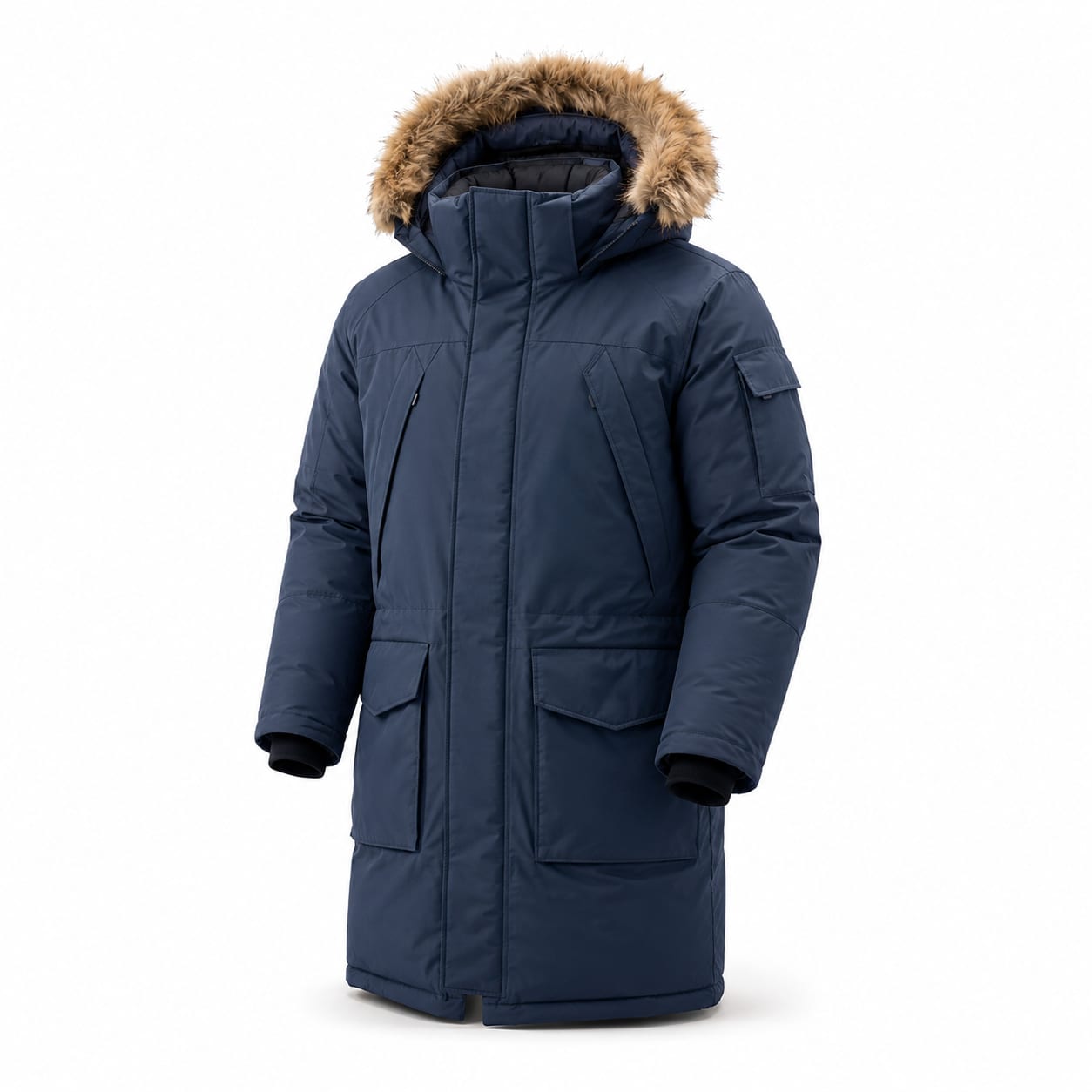
6 topics
Pick a question
Every answer links to the full subcategory guide and related gear types when it helps you decide.
How do I know if I need an expedition parka versus a regular insulated jacket?
You need an expedition parka if you regularly ride in temperatures below -15°C, face sustained wind and heavy precipitation, spend long periods on exposed chairlifts, or venture into backcountry where getting cold has safety implications. If your typical riding temperatures are above -10°C and you mostly ride resort groomers, a mid-weight insulated jacket (80–100g) will be more comfortable and versatile. A simple test: if you've ever been genuinely cold in your current insulated jacket despite proper layering, you're a candidate for an expedition parka.
Read answer →02Can I use an expedition parka for backcountry touring?
Yes, but with important caveats. Expedition parkas are best for backcountry touring in consistently cold climates where temperatures stay well below freezing even during uphill travel. In moderate temperatures (-5°C to -10°C), the heavy insulation will cause you to overheat during the skin up, even with pit zips open. For most backcountry touring, a shell-plus-midlayer system is more versatile because you can shed the mid-layer on the uphill and add it for the descent. If you do tour in an expedition parka, look for models with the longest pit zips possible and body-mapped insulation that's lighter in the sleeves and underarms.
Read answer →03Is down or synthetic insulation better for an expedition parka?
It depends on your typical conditions. Down (especially water-resistant treated down like DownTek or DriDown) offers the best warmth-to-weight ratio and packability, making it ideal for cold, dry climates like the Rockies, interior British Columbia, or Japan. Synthetic insulation (PrimaLoft, Coreloft) retains warmth when damp and dries faster, making it better for wet coastal climates like the Pacific Northwest or coastal Norway. Hybrid insulation, which places down at the core and synthetic in moisture-prone areas, offers the most balanced performance across variable conditions. If you're unsure, hybrid is the safest choice.
Read answer →04Why are expedition parkas so expensive, and is the price justified?
The high price reflects premium materials throughout: GORE-TEX Pro membranes ($$$), high-fill-power down or advanced synthetic insulation, heavy-denier face fabrics, fully seam-sealed construction, and comprehensive feature sets. You're paying for proven reliability in conditions where gear failure has serious consequences. If you ride 20+ days per year in extreme cold, the cost-per-use becomes reasonable over the jacket's 5–8 year lifespan. If you only encounter extreme conditions a few days per season, a mid-weight insulated jacket with good layering will serve you better at a lower price point.
Read answer →05How should I layer under an expedition parka?
The key is avoiding over-layering, which causes sweating that freezes when you stop. Start with a moisture-wicking synthetic or merino wool base layer (never cotton). Add a fleece mid-layer (100–200 weight) for most conditions. For extreme cold, add a lightweight down vest over the fleece. The expedition parka itself provides the equivalent of a heavy mid-layer and outer shell combined. Avoid thick, bulky mid-layers that compress the parka's insulation—you want the parka's fill to maintain its loft for maximum warmth. Adjust by removing or adding the mid-layer, not by changing the parka.
Read answer →06Will I overheat in an expedition parka on warmer days?
Yes, almost certainly. Expedition parkas are designed for extreme cold and will cause overheating above approximately -10°C, even with pit zips open and minimal layering underneath. If you ride in a wide temperature range, consider a detachable powder skirt model and be prepared to open all vents and wear only a thin base layer underneath on warmer days. For riders who experience significant temperature variation, a shell-plus-midlayer system is almost always more practical than an expedition parka, as you can adjust the mid-layer to match conditions while the shell provides consistent weather protection.
Read answer →