Kitvore.com

Kitvore.com

Specs that matter. Gear that fits.

Snow Jacket · Subcategory

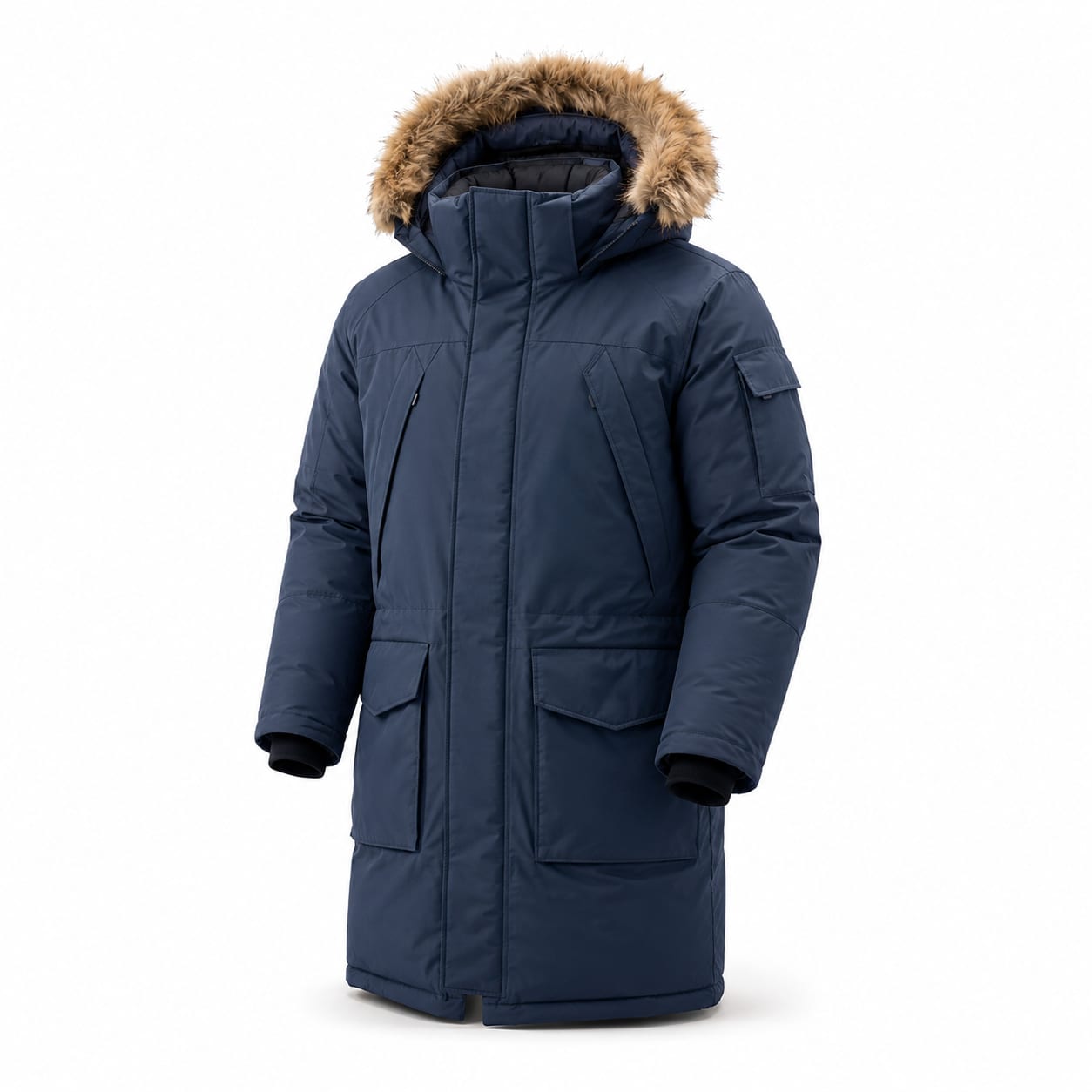
Parka / Expedition Snow Jacket

The warmest, most protective snow jacket category built for extreme cold, deep powder, and extended mountain expeditions.

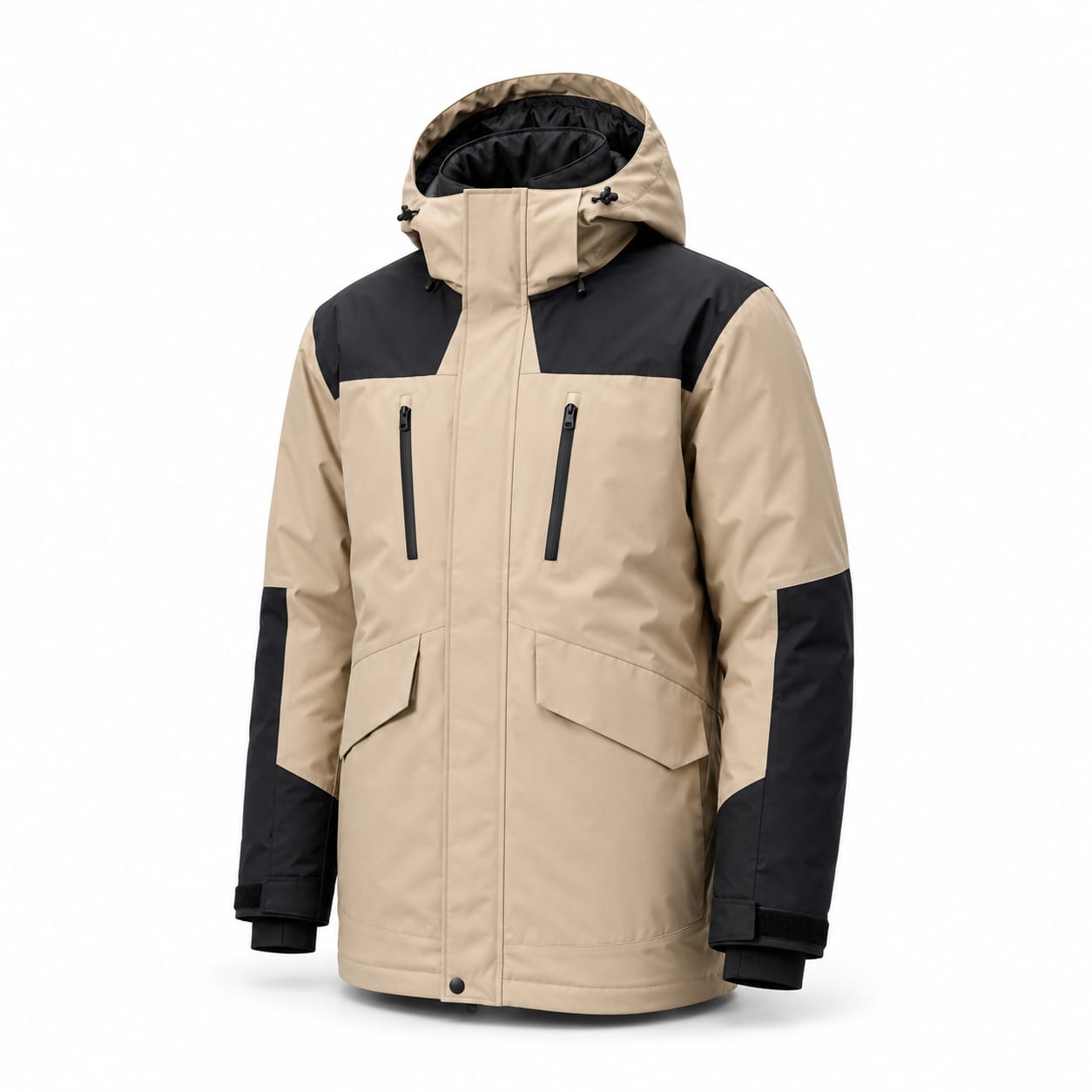
Parka and expedition snow jackets are the heavy armor of the mountain. Designed for the coldest days, deepest snow, and harshest conditions, these jackets combine maximum insulation with premium waterproofing and full-coverage designs. Whether you're facing sub-zero resort days, multi-day backcountry tours, or Alaskan heli-trips, an expedition parka ensures you stay warm and dry when lesser jackets would fail.

$200 – $1200premium tierbeginnerintermediateadvanced

Best known for

Maximum warmth for extreme cold conditionsFull-length coverage and superior snow sealingPremium waterproofing and seam constructionHeavy-duty fabrics that withstand abrasive mountain environmentsComprehensive feature sets with abundant storage
Parka / Expedition Snow Jacket

Guide

Detailed overview

Parka and expedition snow jackets represent the pinnacle of cold-weather protection in snow sports outerwear. Unlike lighter insulated jackets or shells, these garments are purpose-built for sustained exposure to extreme conditions where staying warm isn't just about comfort—it's about safety. They feature the highest insulation weights in the snow jacket category, typically ranging from 120g to 200g of fill, and almost always extend well past the hips for maximum coverage. The design philosophy prioritizes sealing out every possible entry point for cold air, wind, and snow: fixed helmet-compatible hoods, inner wrist gaiters with thumbholes, fixed or detachable powder skirts, and fully seam-sealed construction are standard. Waterproof ratings typically start at 15,000mm and reach 30,000mm, paired with durable face fabrics of 80–150 denier that resist abrasion from tree branches, ski edges, and rocky terrain. While the trade-off is weight and reduced breathability compared to lighter categories, expedition parkas compensate with generous pit zip ventilation systems and body-mapped insulation that places more warmth at the core and less in high-movement areas. These jackets are the go-to choice for riders who regularly face bitter cold, deep powder, wind-blasted ridgelines, or extended days in the backcountry where conditions can deteriorate rapidly.

Parka and expedition snow jackets occupy a specialized niche at the extreme end of the winter outerwear spectrum. Where a typical insulated resort jacket might carry 80–100g of insulation and call it a day, expedition parkas pack 120–200g of high-quality fill—often premium down or advanced synthetic blends—creating a thermal barrier that can handle sub-zero temperatures and biting wind chill for hours on end. This isn't overkill for riders in places like Jackson Hole, Whistler's alpine, the Japanese Hokkaido backcountry, or anywhere the mercury regularly plunges well below freezing. In these environments, an under-insulated jacket isn't just uncomfortable; it can become a safety liability as body heat drains away during long chairlift rides or static belay situations.

The construction of a true expedition parka leaves nothing to chance. Fully seam-sealed construction with premium membranes—GORE-TEX Pro being the gold standard—ensures that no moisture penetrates through stitch holes or vulnerable seam intersections. Face fabrics are notably beefier than other categories, often 80–150 denier, because expedition riders frequently encounter abrasive surfaces: tree wells, rocky scrambles, ski edges during carries, and the general punishment of extended backcountry travel. The longer cut, extending past the hips toward the thighs, serves dual purposes: it creates a larger zone of trapped warm air around the core and upper legs, and it provides a physical barrier against powder intrusion during the inevitable deep-snow tumble.

Ventilation is perhaps the most underappreciated engineering challenge in expedition parka design. The same insulation that keeps you warm at -20°C will cook you alive during a steep skin track ascent or a hike to untouched terrain. Quality expedition jackets address this with full-length pit zips, often mesh-backed to prevent snow ingress when open, and sometimes supplementary chest or back vents. The best designs allow you to dump heat rapidly without fully unzipping the front closure, which would compromise the weather seal. Body-mapped insulation—placing heavier fill at the torso and lighter fill in the sleeves and underarms—further aids temperature regulation during variable exertion levels.

Storage is another area where expedition parkas distinguish themselves. The philosophy is that in remote environments, you need to carry and protect critical gear: communication devices, navigation tools, extra gloves, snacks, and emergency supplies. Expect multiple chest pockets, internal mesh dump pockets for goggles or skins, insulated media pockets to protect phone batteries from cold drain, and a dedicated RFID lift pass pocket. Some expedition-oriented models even include internal water bottle pockets or routing systems for hydration tubes, recognizing that dehydration is a real risk in cold, dry mountain air.

The primary trade-off with expedition parkas is weight and packability. These are not jackets you stuff into a small backpack for a spring tour. They're substantial garments that weigh significantly more than shell jackets and take up considerable space when packed. They're also less breathable than dedicated touring shells, even with generous venting. For riders whose primary activity is high-exertion backcountry touring in moderate temperatures, a shell-plus-midlayer system will almost always be more versatile. But for those who face genuine extreme cold, ride in exposed alpine environments, or simply run cold and want the assurance of maximum warmth, the expedition parka is an investment in comfort and safety that pays dividends every brutal day on the mountain.

Quick facts

Primary purpose
Provide maximum warmth and full-body coverage in extreme cold and harsh weather conditions
Popular brands
The North FaceCanada GooseMarmotColumbiaHelly HansenFjallraven
Typical terrain
Extreme cold resortsHeli-skiingExpeditionArctic conditions

What makes it different

Longest length category; heaviest insulation; maximum warmth; least packable; often heaviest jacket type

Recommended ranges

How this type usually specs out

Each spec is explained in plain language, then we show what buyers usually look for on this type.

Waterproof Rating

Waterproof Rating

What it means

The hydrostatic head rating measuring how much water pressure the fabric can resist before leaking, expressed in millimeters. Higher numbers indicate better waterproofing.

Typical for this type

15000–30000mm

Most common pick: 20000mm

In practice

Expedition parkas demand high waterproof ratings because riders face sustained exposure to heavy precipitation, wind-driven snow, and wet conditions in remote areas where getting soaked is dangerous. 20,000mm is the most common rating, with premium models reaching 28,000–30,000mm with GORE-TEX Pro membranes.

Compared to other types

Significantly higher than lightweight insulated jackets (10,000–15,000mm) and shell jackets (10,000–20,000mm). Expedition parkas consistently sit at the top of the waterproof range alongside premium backcountry shells.

Why it matters: In expedition scenarios, you may be hours from shelter. A waterproof failure isn't just uncomfortable—it's a safety risk. High waterproof ratings combined with fully seam-sealed construction ensure you stay dry through multi-hour storms.

Breathability Rating

Breathability Rating

What it means

Measures how much water vapor (sweat) can pass through the fabric over 24 hours, expressed in g/m². Higher numbers mean better moisture management and less clamminess during exertion.

Typical for this type

8000–20000 g/m²/24hr

Most common pick: 12000 g/m²/24hr

In practice

Breathability in expedition parkas is inherently limited by the insulation layers, which trap moisture vapor along with heat. Typical ratings range from 8,000–15,000 g/m², with GORE-TEX Pro models reaching 20,000+ g/m². The insulation itself acts as a vapor barrier, so even high-rated membranes feel less breathable than equivalent shells.

Compared to other types

Lower than dedicated touring shells (15,000–40,000 g/m²) due to insulation impedance. Comparable to mid-weight insulated jackets but typically uses better membranes to compensate. Ventilation features are essential to bridge the breathability gap.

Why it matters: Sweat management is critical in cold environments because moisture freezes when you stop moving, accelerating heat loss. Quality breathability combined with strategic venting prevents the dangerous cycle of overheating, sweating, and then freezing.

Insulation Type

Insulation Type

What it means

The primary insulation material used in the jacket, which determines warmth-to-weight ratio, packability, and performance when wet.

Typical for this type

Synthetic, Down, Or Hybrid

In practice

Expedition parkas use all three insulated types, but hybrid insulation is increasingly common—placing water-resistant down at the core for maximum warmth-to-weight and synthetic insulation in moisture-prone areas like the hood, shoulders, and cuffs. Pure down offers the best warmth-to-weight ratio for cold, dry climates. Pure synthetic is preferred for wet coastal ranges. Hybrid delivers the most balanced performance across variable conditions.

Compared to other types

Unlike lightweight insulated jackets that predominantly use synthetic (40–80g), expedition parkas more frequently employ down and hybrid constructions to achieve higher warmth at manageable weight. Shell jackets have no insulation for comparison.

Why it matters: In extreme cold, insulation failure is dangerous. Down loses virtually all insulating ability when wet, while synthetic retains warmth but is heavier. The right choice depends on your typical conditions: dry continental cold favors down, wet maritime cold favors synthetic, and variable conditions favor hybrid.

Insulation Weight

Insulation Weight

What it means

The amount of insulation in the jacket, measured in grams. Higher numbers indicate more warmth but also more bulk. Often given as body/sleeve (e.g., 80g/60g).

Typical for this type

120–200g body / 80–120g sleeves

Most common pick: 150g (body) / 100g (sleeves)

In practice

Expedition parkas carry the highest insulation weights in the snow jacket category. Body-mapped designs typically place 120–200g in the torso and 80–120g in the sleeves, with some extreme models reaching 200g+ throughout. The body/sleeve differential allows arm mobility while maintaining core warmth.

Compared to other types

Significantly higher than lightweight insulated jackets (40–60g), mid-weight insulated jackets (80–100g), and obviously shell jackets (0g). Expedition parkas are the only category where 150g+ insulation is common.

Why it matters: Insulation weight directly determines the temperature range the jacket can handle. 150g body weight handles temperatures down to approximately -20°C to -30°C with proper base and mid-layers. Under-insulating in extreme cold leads to rapid core temperature loss.

Jacket Fit

Jacket Fit

What it means

The overall cut and silhouette of the jacket, affecting layering capacity, mobility, and style.

Typical for this type

Regular Or Relaxed

In practice

Expedition parkas typically use a regular fit with enough room for substantial layering underneath—fleece mid-layers, lightweight down vests, or even a thin additional insulating layer. Some models offer a relaxed fit for maximum layering capacity. Slim fits are extremely rare in this category because they defeat the purpose of an expedition-grade garment.

Compared to other types

More generous than slim-fit resort jackets and comparable to all-mountain regular fits. Less oversized than freestyle/park jackets, which prioritize style over thermal efficiency. Expedition fits are functional first.

Why it matters: Proper fit ensures you can layer effectively for the conditions. Too tight and you can't add necessary mid-layers; too loose and you lose the trapped-air insulation effect and create draft pathways. The jacket should accommodate your heaviest anticipated layering system without restricting movement.

Seam Sealing

Seam Sealing

What it means

The method used to seal stitched seams, which are the weakest points for water entry. Critical for actual waterproof performance beyond the fabric rating.

Typical for this type

Fully Taped Or Welded

In practice

Fully seam-sealed construction is the standard for expedition parkas. Every seam is taped with waterproof tape, eliminating the weakest points for water entry. Some premium models use welded or bonded seams for even cleaner construction and slightly reduced weight. Critically taped seams are rare in this category and generally indicate a jacket that doesn't meet true expedition standards.

Compared to other types

Higher standard than most resort jackets (which often use critically taped seams) and on par with premium backcountry shells. Welded seams are more common in this category than in lighter insulated jackets due to the premium price point.

Why it matters: In extreme conditions with wind-driven snow and prolonged precipitation, water will find any unsealed seam. A fully taped jacket ensures the waterproof rating of the fabric is actually realized in real-world performance. In expedition scenarios, seam failure can lead to hypothermia.

Hood Type

Hood Type

What it means

The style and functionality of the jacket's hood, including whether it accommodates a helmet and how it adjusts.

Typical for this type

Helmet Compatible Fixed

In practice

A fixed, helmet-compatible hood is essentially mandatory for expedition parkas. The hood must accommodate a ski or snowboard helmet while providing full coverage of the face, neck, and chin. Three-point adjustment (back, sides) allows you to dial the fit with or without a helmet. Fixed hoods provide the best weather seal because there's no zipper gap for wind or moisture.

Compared to other types

More substantial than hoods on lighter jackets. Expedition hoods are often taller, with more coverage around the chin and face, and feature stiffer brims to deflect wind and snow. Detachable hoods are rare because the zipper creates a vulnerability.

Why it matters: In extreme wind and cold, an inadequate hood exposes the head and neck—the body's highest heat-loss area. A helmet-compatible hood that seals properly can be the difference between comfort and dangerous facial frostbite in exposed conditions.

Ventilation

Ventilation

What it means

The type and location of zippered vents that allow rapid heat and moisture release during high-exertion activities without fully unzipping the jacket.

Typical for this type

Pit Zips + Mesh Lined Vents Minimum; Chest Vents Or Back Vents As Bonus

Most common pick: Pit Zips, Mesh Lined Vents

In practice

Full-length pit zips with mesh backing are standard on expedition parkas. The mesh lining prevents snow from entering through open vents during deep-powder riding or falls. Some models add chest vents for supplementary airflow. Back vents are less common because expedition riders often wear backpacks that would block them.

Compared to other types

More emphasis on mesh-lined vents than lighter categories because expedition riders are more likely to encounter deep powder where open vents could fill with snow. Vent openings tend to be longer (full pit-to-waist) to compensate for the lower breathability of insulated construction.

Why it matters: The heavy insulation that keeps you warm at -25°C will cause dangerous overheating during any physical exertion. Effective ventilation allows you to modulate temperature without removing layers or unzipping the main closure, which would compromise the weather seal.

Powder Skirt

Powder Skirt

What it means

An elasticized or snap-closure band around the inside hem of the jacket that seals against the waist to prevent snow from entering from below, especially during falls in deep snow.

Typical for this type

Fixed Or Detachable

In practice

Fixed powder skirts are most common on expedition parkas because they're always ready and have no zipper to leak. Detachable powder skirts are found on versatile models that want to offer resort and spring-riding options. The powder skirt on an expedition parka is typically more robust, with wider elastic and more snap closures than lighter jackets, creating a more secure seal against deep snow intrusion.

Compared to other types

More robust construction than powder skirts on lighter jackets. Almost universally present (unlike park/freestyle jackets which sometimes omit them). Fixed skirts are more common here than in the all-mountain category, where detachable skirts dominate.

Why it matters: Expedition riding often involves deep powder and off-piste falls where snow can push up under the jacket from below. A robust powder skirt prevents snow from reaching your base layers, which in extreme cold can mean the difference between staying warm and rapid cooling from wet under-layers.

Wrist Seals / Cuffs

Wrist Seals / Cuffs

What it means

The closure system at the jacket cuffs that seals around the wrists to prevent cold air, snow, and water from entering the sleeves.

Typical for this type

Velcro Cuff With Inner Gaiter

In practice

Velcro cuffs with inner gaiters featuring thumbholes are the standard for expedition parkas. The dual-seal system—inner stretch gaiter against the skin plus adjustable velcro outer cuff—provides the most effective barrier against cold air, wind, and snow entry. The thumbhole keeps the inner gaiter in place during falls and prevents the sleeve from riding up when reaching or bending.

Compared to other types

Higher standard than most resort jackets (which may use velcro-only cuffs) and significantly better than elastic cuffs on budget jackets. The inner gaiter with thumbhole is more consistently present in this category than any other.

Why it matters: In extreme cold, any gap at the wrist creates a channel for cold air to enter the sleeve and reach the core. The inner gaiter with thumbhole is particularly important for expedition use because it maintains the seal even during dynamic movement and falls in deep snow.

Membrane Technology

Membrane Technology

What it means

The specific waterproof-breathable membrane or coating technology used in the jacket's construction. This is the core technology that determines real-world performance.

Typical for this type

Gore Tex Pro Or Gore Tex

In practice

GORE-TEX Pro is the most common membrane in true expedition parkas, offering the best combination of waterproofing, breathability, and long-term durability. Standard GORE-TEX is also common and provides excellent performance. Proprietary membranes from premium brands (H2No, Futurelight) appear in brand-specific models. DWR-only coatings are essentially nonexistent in this category.

Compared to other types

Higher concentration of GORE-TEX Pro than any other subcategory except premium backcountry shells. Resort and all-mountain jackets more commonly use standard GORE-TEX or proprietary membranes. The expedition category demands proven, reliable membrane technology.

Why it matters: The membrane is the heart of the jacket's weather protection system. In expedition conditions, membrane failure means getting wet in a remote location where drying out may be impossible. GORE-TEX Pro's superior durability ensures the membrane maintains performance through years of hard use and exposure.

Pocket Configuration

Pocket Configuration

What it means

The types, positions, and features of pockets on the jacket. Affects storage, convenience, and access to essentials while riding.

Typical for this type

Full Complement: Hand Warmer + Lift Pass + Chest Pocket + Internal Media + Internal Mesh

Most common pick: Hand Warmer, Lift Pass, Chest Pocket, Internal Media, Internal Mesh

In practice

Expedition parkas typically feature the most comprehensive pocket configurations of any snow jacket category. Expect hand warmer pockets (often fleece-lined), a dedicated RFID lift pass pocket on the sleeve, multiple chest pockets for quick-access items, an internal media pocket with insulation to protect electronics from cold drain, and large internal mesh dump pockets for goggles, extra gloves, or backcountry essentials like skins.

Compared to other types

More pockets and more specialized pocket types than any other category. Touring shells often have fewer pockets to save weight. Park jackets may have similar pocket counts but prioritize style over function. Expedition parkas are designed around the practical needs of extended mountain travel.

Why it matters: In remote environments, you need secure, accessible storage for critical gear. Electronics fail faster in extreme cold, so insulated internal pockets protect phone battery life. Quick-access chest pockets keep navigation tools and snacks within reach. Internal dump pockets let you stash goggles or gloves without exposing them to the elements.

Jacket Length

Jacket Length

What it means

The overall length of the jacket, affecting coverage, snow protection, and style. Measured from center back collar to hem.

Typical for this type

Long

In practice

Long/extended length is the defining characteristic of the parka silhouette and is standard for expedition snow jackets. The jacket extends past the hips toward the thighs, providing maximum coverage for the core, lower back, and upper legs. This extra length creates additional trapped warm air and protects against snow entry from below.

Compared to other types

Significantly longer than regular-length resort and all-mountain jackets and much longer than cropped park/freestyle jackets. The long length is a defining feature that distinguishes parkas from other insulated snow jackets.

Why it matters: The extended length keeps the lower back covered during bending and sitting (critical for cold chairlift rides), provides additional snow protection during falls, and increases the total insulated area of the body. In extreme cold, every additional square inch of coverage matters.

RECCO Reflector

RECCO Reflector

What it means

A passive rescue reflector embedded in the jacket that can be detected by RECCO detector equipment used by ski patrol and search and rescue teams.

Typical for this type

True

In practice

RECCO reflectors are standard on expedition parkas, reflecting the category's orientation toward backcountry and off-piste use. The passive reflector adds negligible weight and provides an additional safety margin for rescue teams. Most premium expedition parkas include RECCO as a standard feature.

Compared to other types

More consistently included than in resort, park, or budget jackets. Comparable to backcountry touring shells in RECCO prevalence. The expedition category's safety-oriented philosophy makes RECCO a natural inclusion.

Why it matters: Expedition riders are more likely to venture into off-piste and backcountry terrain where avalanche risk exists. While RECCO is not a substitute for an avalanche beacon, it provides a passive backup that can aid rescue teams in locating a buried rider.

Primary Activity / Use Case

Primary Activity / Use Case

What it means

The intended riding activity or environment the jacket is optimized for. Jackets designed for different activities prioritize different features and performance characteristics.

Typical for this type

Backcountry Touring + All Mountain; Resort Skiing Or Resort Snowboarding As Secondary

Most common pick: Backcountry Touring, All Mountain

In practice

Expedition parkas are primarily designed for backcountry touring and all-mountain use in extreme conditions. They also serve resort riders who face consistently cold temperatures or who simply run cold. The category overlaps with resort use for riders at cold-weather destinations like interior British Columbia, the Rockies, or northern Japan.

Compared to other types

More backcountry-oriented than resort insulated jackets and more insulation-focused than touring shells. The expedition category bridges the gap between resort warmth and backcountry technical performance, with a clear emphasis on extreme-weather capability.

Why it matters: Understanding the primary use case helps you select the right insulation weight and features. A pure backcountry expedition parka may prioritize breathability and weight savings, while a resort-oriented parka may emphasize insulation and convenience features.

Fabric Denier / Durability

Fabric Denier / Durability

What it means

The thickness and durability of the outer face fabric, measured in denier. Higher denier fabrics are more abrasion-resistant and durable but heavier and less packable.

Typical for this type

80–150 denier

Most common pick: 100 denier

In practice

Expedition parkas use heavier face fabrics than most other categories, typically 80–150 denier. Many employ mixed-denier construction with higher-denier panels at high-wear areas (shoulders, elbows, hem) and slightly lighter fabric elsewhere to reduce weight. The priority is durability for abrasive encounters with trees, rocks, and ski edges in remote terrain.

Compared to other types

Significantly higher than touring shells (10–40 denier) and most resort jackets (40–70 denier). Comparable to heavy-duty freeride jackets. Expedition parkas accept the weight trade-off for durability because they're used in environments where gear failure has serious consequences.

Why it matters: In backcountry and expedition environments, a torn jacket can become a serious problem far from help. Higher denier fabrics resist abrasion and puncture, ensuring the jacket maintains its weatherproof integrity through rough use. The weight penalty is justified by the safety margin.

Evaluation

Strengths and trade-offs

Pros

What this type does best

Exceptional Warmth in Extreme Cold

Critical

With 120–200g of premium insulation, expedition parkas handle temperatures from -15°C to -35°C that would overwhelm any other jacket category. This warmth allows you to stay out longer and ride harder in conditions that would send most riders to the lodge.

Maximum Weather Protection

Critical

The combination of 15,000–30,000mm waterproof ratings, fully seam-sealed construction, and premium membranes like GORE-TEX Pro creates an essentially impenetrable barrier against wind, rain, and snow. You stay dry in sustained storms that would penetrate lesser jackets.

Superior Snow Sealing

High

Fixed powder skirts, inner wrist gaiters with thumbholes, helmet-compatible hoods with face coverage, and extended length work together to seal every possible entry point for snow and cold air. Falls in deep powder don't result in snow down the pants or up the sleeves.

Rugged Durability for Remote Environments

High

Heavy-denier face fabrics (80–150D) resist abrasion from tree branches, ski edges, and rocky terrain. In backcountry environments where a torn jacket is a safety emergency, this durability provides both practical protection and peace of mind.

Comprehensive Storage for Extended Missions

Medium

The abundant pocket configuration—often including insulated media pockets, internal mesh dump pockets, multiple chest pockets, and lift pass pockets—means you can carry and protect all essential gear without needing a separate pack for day trips.

Extended Coverage for Core Warmth

Medium

The long/extended length covers the lower back, hips, and upper thighs, keeping chairlift-exposed areas warm and providing additional snow protection. This extra coverage is particularly valuable for riders who run cold or who spend long periods sitting on freezing lifts.

Built-in Safety Features

Medium

RECCO reflectors are standard, and the robust construction itself is a safety feature—staying warm and dry in extreme conditions prevents hypothermia and frostbite. Some models include emergency whistle buckles or other safety-oriented details.

Cons

Trade-offs to be aware of

Heavy and Bulky

Significant

Expedition parkas are the heaviest jackets in the snow sports category, often weighing 1.5–2.5 lbs more than equivalent shell jackets. The bulk can restrict movement compared to lighter options and makes them impractical to pack for travel or touring transitions.

Reduced Breathability Despite Venting

Significant

Even with full-length pit zips and supplementary vents, the heavy insulation impedes moisture vapor transport. During high-exertion activities like skinning or hiking, you will overheat faster than in a shell-and-midlayer system, and sweat management becomes challenging.

Premium Price Point

Moderate

True expedition parkas with GORE-TEX Pro membranes, premium insulation, and full feature sets typically range from $500–$900+, with some models exceeding $1,000. This is a significant investment that's hard to justify for riders who only occasionally face extreme conditions.

Overkill for Moderate Conditions

Moderate

An expedition parka worn on a 0°C spring day or during high-exertion touring will cause severe overheating. These jackets are specialized tools for extreme cold—if your local mountain rarely drops below -10°C, you'll rarely need the full capability and may be more comfortable in a lighter option.

Limited Packability

Minor

Expedition parkas don't compress well. You can't stuff one into a small pack for a touring transition or stash it in a backpack for the hike up. This limits versatility compared to shell-plus-midlayer systems where you can shed and pack the mid-layer.

Can Mask Dehydration and Overexertion

Minor

The extreme warmth of an expedition parka can mask the early signs of dehydration and overexertion because you never feel cold. Riders may push harder than they should without the natural warning signal of feeling chilled, potentially leading to exhaustion in remote environments.

Best for

Terrain

Backcountry and off-pisteHigh alpine and exposed ridgelinesDeep powder fieldsTree skiing in cold climatesGlaciated terrain

Snow conditions

Sub-zero temperatures (-15°C and below)Sustained heavy snowfallWind-blasted alpine conditionsDeep powder (waist-deep and beyond)Multi-day storms

Skill level

IntermediateAdvancedExpert

Riding style

Big mountain freerideAll-mountain explorationBackcountry touring (in cold climates)Heli-skiing and cat-skiing

Rider profile

Riders who regularly face extreme coldBackcountry riders in continental climates (Rockies, interior BC)Heli-ski and cat-ski clientsRiders who run cold regardless of conditionsMountain professionals (guides, patrollers, photographers)Riders at cold-weather destinations (Japan, interior BC, Rockies, Northern Europe)

Not ideal for

Reasons

Too warm for anything above -10°C, causing overheating and excessive sweatingToo bulky and restrictive for park riding and trick-based freestyleToo heavy for sustained uphill travel in moderate temperatures where a shell system is more efficientToo expensive if you only encounter extreme conditions a few days per seasonBeginners may not have the layering knowledge to manage temperature effectively with this much insulation

Terrain

Spring corn snowWarm-weather resort groomersIndoor ski facilities

Skill level

Beginner

Riding style

Park and freestyleHigh-exertion backcountry touring in moderate temperaturesSpring slush ridingCompetitive racing

Compare

How it stacks up

This page

Parka / Expedition Snow Jacket

Dramatically warmer for extreme cold, superior weather protection with higher waterproof ratings and fully seam-sealed construction, more durable face fabrics, longer coverage, and more comprehensive features. An expedition parka handles conditions that would leave you shivering in a lightweight insulated jacket.

Alternative

Insulated Snow Jacket

Lighter, more breathable, less restrictive, more affordable, and more versatile across a wider temperature range. A lightweight insulated jacket is a better everyday choice for riders who don't regularly face extreme cold.

Bottom line

Choose the expedition parka if you regularly ride in temperatures below -15°C or face sustained harsh conditions. Choose a lightweight insulated jacket for most resort days above -10°C where you want warmth without the bulk.

This page

Parka / Expedition Snow Jacket

Built-in warmth without the complexity of a layering system. You don't need to think about which mid-layer to bring—the jacket is always ready for extreme cold. More convenient for cold chairlift rides and less fiddling with layers throughout the day.

Alternative

Shell Snow Jacket (No Insulation)

Maximum versatility through layering—you can adapt to any temperature by changing mid-layers. Superior breathability during high-exertion activities. Lighter weight for the uphill. More packable. A shell system is almost always better for backcountry touring in variable temperatures.

Bottom line

Choose the expedition parka for extreme-cold resort riding, heli-skiing, or situations where convenience and guaranteed warmth matter more than versatility. Choose a shell if you tour, ride in variable temperatures, or prefer the adaptability of a layering system.

This page

Parka / Expedition Snow Jacket

Substantially more warmth for genuinely extreme conditions. Higher waterproof ratings, better seam sealing, more durable construction, and longer coverage. The expedition parka is built for survival in harsh conditions, while mid-weight jackets are built for comfort in moderate cold.

Alternative

Insulated Snow Jacket

More breathable, less bulky, and suitable for a wider range of conditions. Mid-weight insulated jackets handle most resort days comfortably without the overheating risk of an expedition parka. More affordable and easier to layer under.

Bottom line

Choose the expedition parka if your typical riding temperatures are consistently below -15°C or you face extreme wind and precipitation. Choose a mid-weight insulated jacket for the majority of resort riding in the -5°C to -15°C range.

This page

Parka / Expedition Snow Jacket

Superior performance in every dimension—better waterproofing, better insulation quality, better breathability, better durability. Expedition parkas use premium materials throughout, while 3-in-1 jackets often compromise on the outer shell to accommodate the inner layer. The integrated design of an expedition parka is more thermally efficient than a zip-in combination.

Alternative

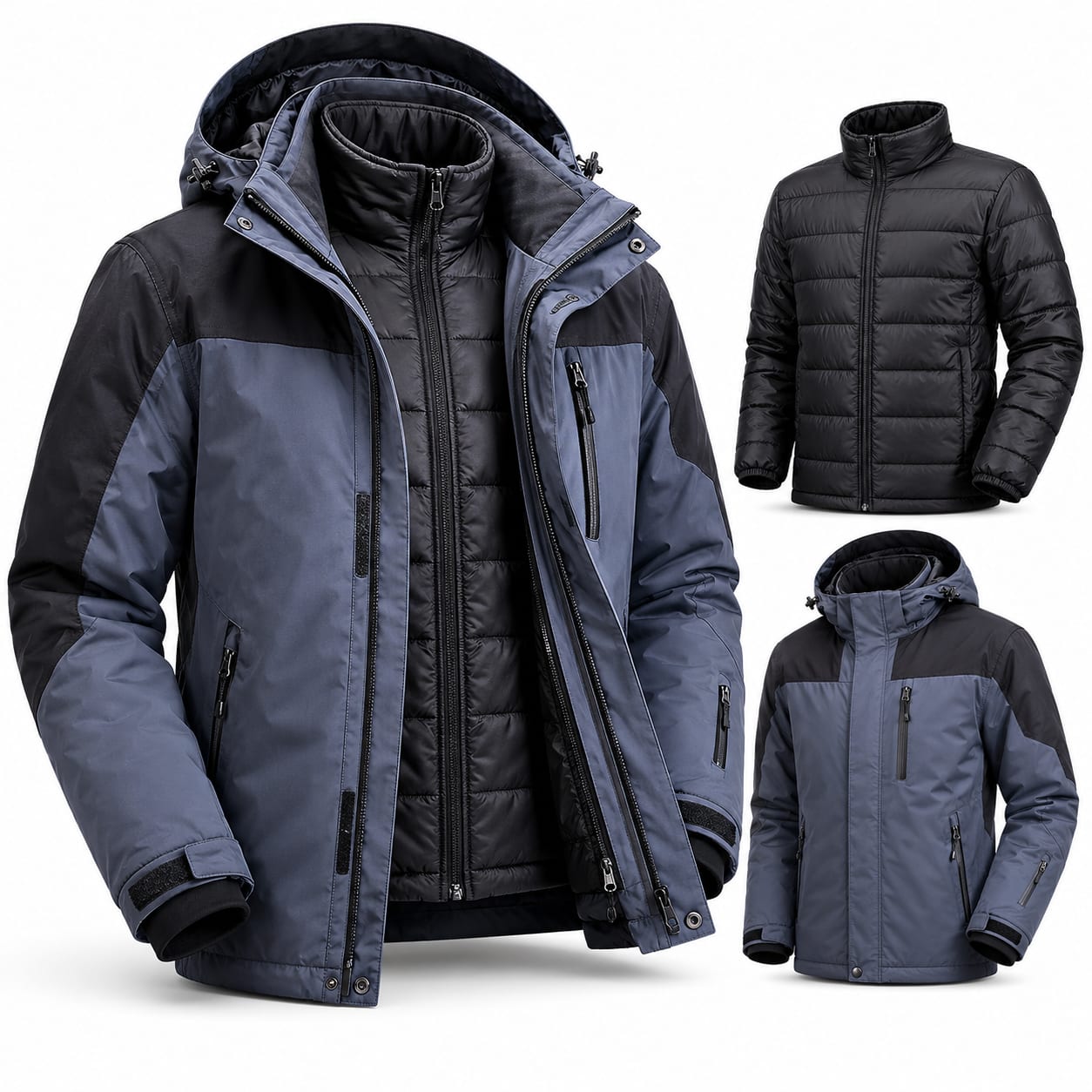
3-in-1 Interchange Snow Jacket

More versatile for varying conditions—you can wear the shell alone, the liner alone, or both together. Better value for riders who experience a wide temperature range across the season. More adaptable for travel to different climates.

Bottom line

Choose the expedition parka for uncompromising performance in extreme conditions. Choose a 3-in-1 if you ride in a wide range of temperatures and want one jacket system that handles everything from spring slush to mid-winter cold, accepting some performance compromise at the extremes.

Shopping

Buying tips

  • 1

    Match insulation type to your climate: down for cold and dry (Rockies, interior BC), synthetic for cold and wet (coastal ranges, Pacific Northwest), hybrid for variable conditions. Down in wet climates without water-resistant treatment is a recipe for a cold, soggy disaster.

  • 2

    Size up if you plan to layer heavily underneath—try the jacket on with your thickest mid-layer to ensure you can still move freely. Expedition parkas should accommodate at least a fleece and a lightweight down vest underneath without restricting shoulder or arm movement.

  • 3

    Prioritize GORE-TEX Pro if you're investing in this category—the durability and breathability advantage over standard GORE-TEX is meaningful over years of hard use, and the price difference is modest relative to the total cost of an expedition parka.

  • 4

    Check pit zip length before buying. Full-length pit zips that run from mid-armpit to the hem provide dramatically more ventilation than short ones. On a heavily insulated jacket, this is your primary temperature regulation tool.

  • 5

    Verify the hood adjustment system works with your specific helmet. Some helmet-compatible hoods only accommodate certain helmet sizes or shapes. The hood should seal around your face without blocking peripheral vision.

  • 6

    Consider whether you need a fixed or detachable powder skirt based on your riding. If you ride deep powder regularly, fixed is more reliable. If you also ride spring groomers, detachable gives you the option to remove it for comfort.

  • 7

    Don't over-insulate for your actual conditions. If your home mountain rarely drops below -15°C, a 120–150g parka is plenty. Reserve 180–200g models for genuinely extreme environments. Over-insulating leads to sweating, which is counterproductive in cold environments.

  • 8

    Look for body-mapped insulation that places more fill at the core and less in the sleeves and underarms. This design improves mobility and breathability without sacrificing warmth where it matters most.

Care

Maintenance notes

  • Wash with technical outerwear detergent (never standard laundry detergent or fabric softener) and follow the manufacturer's temperature and cycle recommendations. Down-insulated models require specific down wash products and thorough drying with tennis balls to restore loft.
  • Reapply DWR treatment when water stops beading on the fabric surface. The DWR coating is the first line of defense that keeps the outer fabric from saturating, which would block breathability even if the membrane remains waterproof.
  • Store uncompressed on a sturdy hanger in a dry, cool location. Never store an expedition parka compressed in a stuff sack for extended periods—this permanently damages both down and synthetic insulation loft.
  • Inspect seam tape annually for peeling or lifting, especially at high-stress areas like the shoulders and hood. Peeling tape can be resealed with a warm iron on low setting (place a cloth between iron and tape) or by a professional repair service.
  • Clean and fully close all zippers before washing to prevent damage to zipper teeth and tape. Zipper failure on an expedition parka in the field is a serious problem—consider applying zipper lubricant annually to maintain smooth operation.
  • For down-insulated parkas, periodic professional cleaning is recommended to maintain loft and remove body oils that degrade down clusters over time. Synthetic insulation is more forgiving of home washing.
  • Patch any fabric punctures or tears promptly with repair tape designed for technical fabrics (like Tenacious Tape). In expedition environments, small tears can quickly become large ones if left unaddressed.

Progression

Skill development path

Expedition parkas are generally not recommended for true beginners because they require an understanding of layering and temperature management to use effectively. Beginners in extreme-cold destinations are better served by mid-weight insulated jackets while they develop the experience to manage a high-insulation system. Intermediate riders who have mastered basic layering principles and who ride in consistently cold environments can benefit from an expedition parka, especially if they've found themselves cold in lighter jackets. Advanced and expert riders who venture into backcountry, heli-skiing, or extreme-cold environments will get the most from an expedition parka, as they have the experience to leverage its full capability—opening vents during exertion, sealing up for exposure, and managing the layering system underneath for optimal comfort across changing conditions.

FAQ

Common questions

Each question has a dedicated page with a full answer and links to the buying guide.

How do I know if I need an expedition parka versus a regular insulated jacket?

You need an expedition parka if you regularly ride in temperatures below -15°C, face sustained wind and heavy precipitation, spend long periods on exposed chairlifts, or venture into backcountry where getting cold has safety implications. If your typical riding temperatures are above -10°C and you mostly ride resort groomers, a mid-weight insulated jacket (80–100g) will be more comfortable and versatile. A simple test: if you've ever been genuinely cold in your current insulated jacket despite proper layering, you're a candidate for an expedition parka.

Can I use an expedition parka for backcountry touring?

Yes, but with important caveats. Expedition parkas are best for backcountry touring in consistently cold climates where temperatures stay well below freezing even during uphill travel. In moderate temperatures (-5°C to -10°C), the heavy insulation will cause you to overheat during the skin up, even with pit zips open. For most backcountry touring, a shell-plus-midlayer system is more versatile because you can shed the mid-layer on the uphill and add it for the descent. If you do tour in an expedition parka, look for models with the longest pit zips possible and body-mapped insulation that's lighter in the sleeves and underarms.

Is down or synthetic insulation better for an expedition parka?

It depends on your typical conditions. Down (especially water-resistant treated down like DownTek or DriDown) offers the best warmth-to-weight ratio and packability, making it ideal for cold, dry climates like the Rockies, interior British Columbia, or Japan. Synthetic insulation (PrimaLoft, Coreloft) retains warmth when damp and dries faster, making it better for wet coastal climates like the Pacific Northwest or coastal Norway. Hybrid insulation, which places down at the core and synthetic in moisture-prone areas, offers the most balanced performance across variable conditions. If you're unsure, hybrid is the safest choice.

Why are expedition parkas so expensive, and is the price justified?

The high price reflects premium materials throughout: GORE-TEX Pro membranes ($$$), high-fill-power down or advanced synthetic insulation, heavy-denier face fabrics, fully seam-sealed construction, and comprehensive feature sets. You're paying for proven reliability in conditions where gear failure has serious consequences. If you ride 20+ days per year in extreme cold, the cost-per-use becomes reasonable over the jacket's 5–8 year lifespan. If you only encounter extreme conditions a few days per season, a mid-weight insulated jacket with good layering will serve you better at a lower price point.