
Snow Jacket · FAQ
Questions about Softshell Snow Jacket
Straight answers on fit, specs, and when this type makes sense — each topic has its own page with links back to the buying guide.
Open Softshell Snow Jacket guide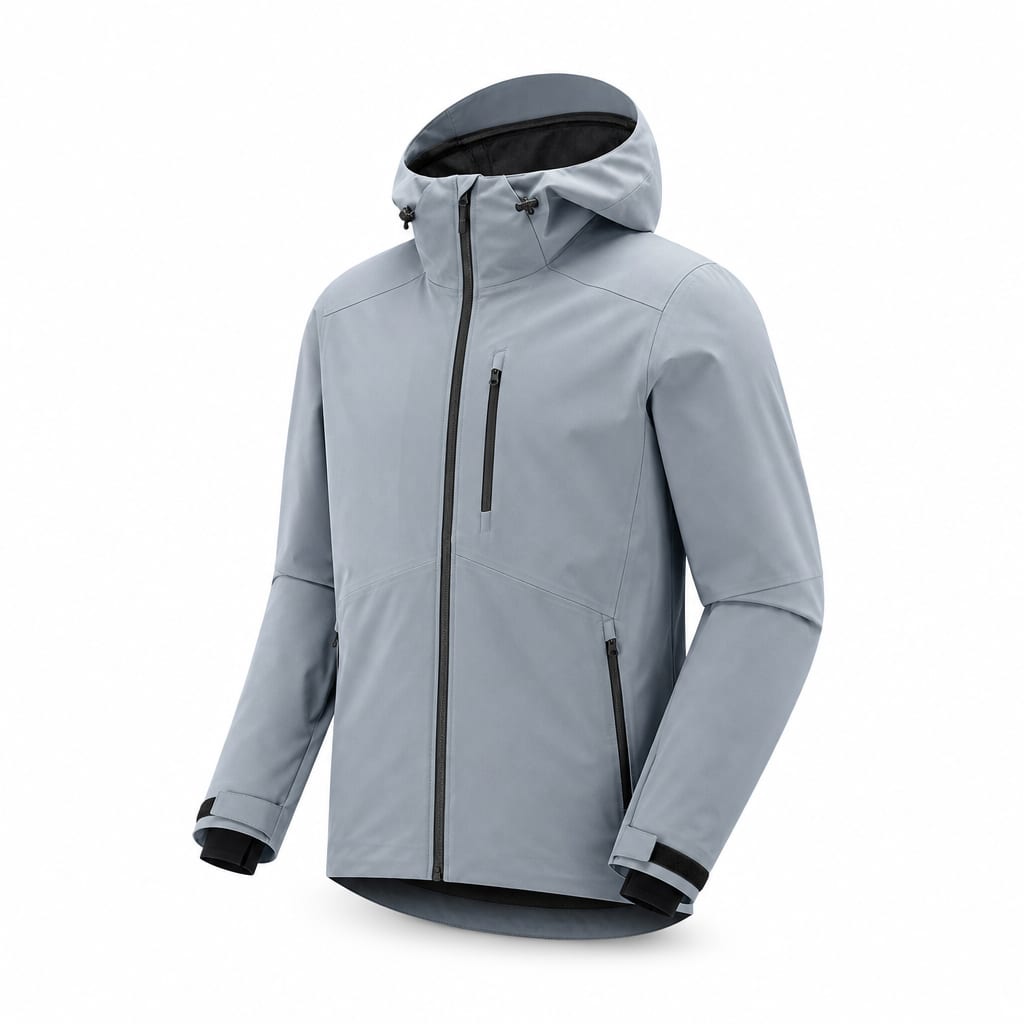
6 topics
Pick a question
Every answer links to the full subcategory guide and related gear types when it helps you decide.
Can I wear a softshell jacket in a snowstorm?
It depends on the storm intensity and duration. A softshell with a 10,000mm waterproof rating and DWR coating can handle moderate snowfall for a few hours, but sustained heavy snow will eventually wet through the fabric and seams. For serious storm days, you should wear a hardshell instead. Many experienced riders carry a lightweight hardshell in their backpack to layer over the softshell if weather moves in.
Read answer →02Is a softshell warm enough for winter riding?
Softshells themselves provide no insulation—they are shells that block wind and shed light moisture. However, their excellent wind resistance makes them surprisingly effective at retaining body heat when combined with proper mid-layers. In cold conditions, pair your softshell with a fleece mid-layer and a merino wool base layer. For very cold days (below -10°C/14°F), you may need a thicker mid-layer or an insulated jacket instead.
Read answer →03How does a softshell compare to a hardshell for ski touring?
For most touring in dry, cold conditions, a softshell is superior to a hardshell because it breathes better, stretches for unrestricted movement while skinning, and is more comfortable against the skin or base layer. However, a hardshell provides critical emergency protection if weather deteriorates during a tour. Many tourers wear a softshell on the uphill and carry a lightweight hardshell in their pack for the downhill or unexpected storms.
Read answer →04Do I need to reapply DWR coating to my softshell?
Yes, DWR coatings degrade with use, washing, and exposure to oils and dirt. You should reapply DWR treatment when water stops beading on the fabric surface and instead soaks in or wets out. This typically happens every 5–10 washes or after a season of regular use. Spray-on DWR products are easy to apply and restore water-shedding performance effectively.
Read answer →05Why are softshells often as expensive as waterproof hardshells?
Premium softshells use advanced stretch-woven fabrics and proprietary membrane technologies that are expensive to develop and manufacture. The stretch construction requires more complex patterning and sewing than hardshells. Additionally, the smaller production volumes for technical softshells compared to mass-market hardshells mean less economies of scale. You're paying for the comfort, breathability, and mobility that hardshells cannot provide.
Read answer →06Can I use a softshell snow jacket for other activities besides skiing and snowboarding?
Absolutely—softshells are among the most versatile winter jackets you can own. They excel for winter hiking, snowshoeing, cross-country skiing, ice climbing approaches, and everyday cold-weather wear. Their combination of wind resistance, breathability, and stretch makes them ideal for any cold-weather activity with variable exertion levels. Many riders find their softshell gets more year-round use than any other piece of winter gear.
Read answer →