Kitvore.com

Kitvore.com

Specs that matter. Gear that fits.

Snow Jacket · Subcategory

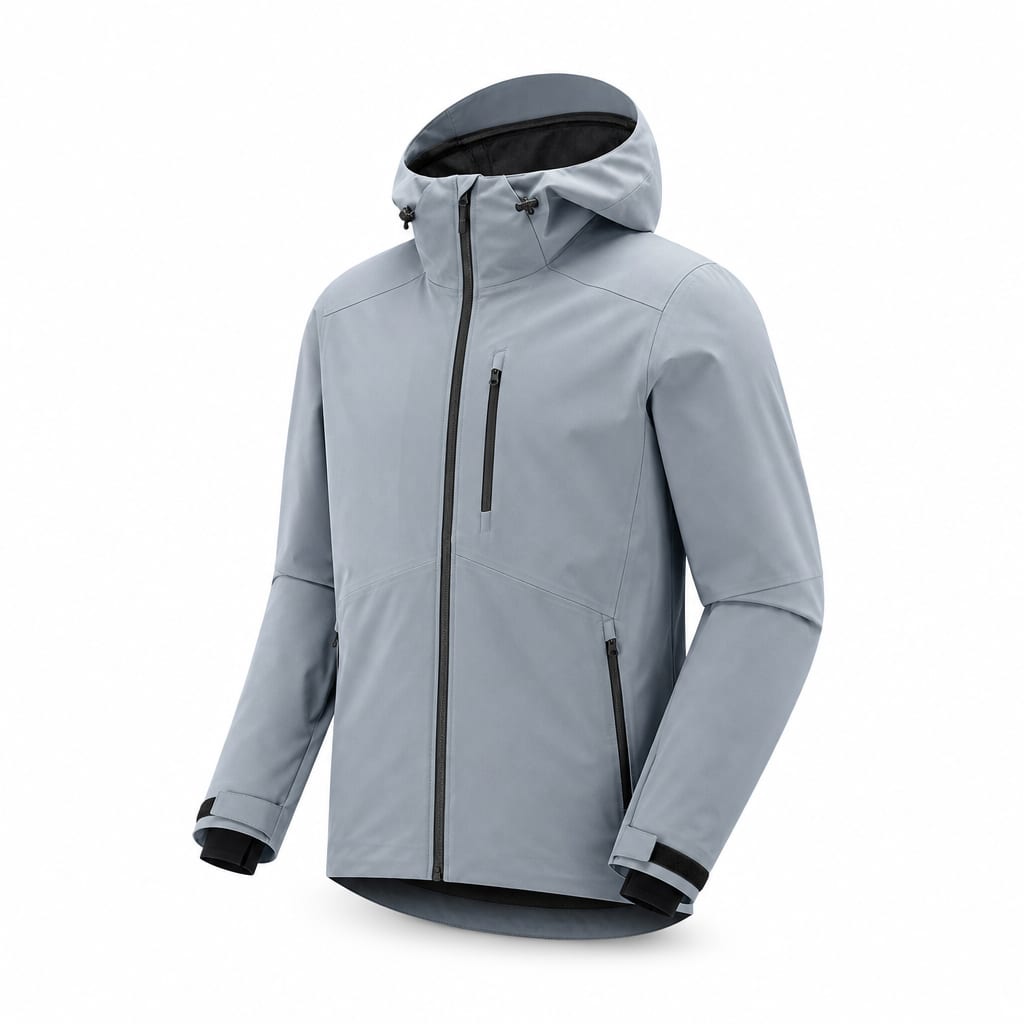
Softshell Snow Jacket

A stretchy, breathable snow jacket prioritizing mobility and comfort over maximum storm protection.

Softshell snow jackets bridge the gap between technical hardshells and insulating mid-layers, offering unmatched freedom of movement and breathability for high-exertion riding. Built with stretch-woven fabrics and DWR coatings or light membranes, they excel in cool, dry to moderate conditions where sweat management matters more than absolute waterproofing. Ideal for touring, spring laps, and riders who run hot.

$100 – $400mid tierintermediateadvancedexpert

Best known for

Exceptional stretch and freedom of movementSuperior breathability compared to hardshellsComfortable, quiet fabric with no crinkly feelVersatility as both an outer layer and a heavy mid-layer
Softshell Snow Jacket

Guide

Detailed overview

Softshell snow jackets are constructed from stretch-woven fabrics that prioritize breathability, mobility, and comfort over the absolute waterproof protection of hardshell jackets. Unlike traditional hardshells that use rigid waterproof membranes laminated to face fabrics, softshells employ tightly woven or lightly membrane-backed stretch fabrics that shed light precipitation while allowing significant moisture vapor transmission. This makes them the preferred choice for high-output activities like ski touring, splitboarding, and aggressive resort riding where overheating and sweat buildup are bigger concerns than heavy precipitation. The inherent stretch of softshell fabrics eliminates the restrictive feel of hardshells, allowing uninhibited movement for dynamic riding styles. Most softshells feature a DWR (Durable Water Repellent) coating or a lightweight proprietary membrane, resulting in waterproof ratings typically between 5,000 and 10,000mm—sufficient for light snow and fair weather but not for sustained storms or deep powder days. They are generally unlined shells that rely on layering underneath for warmth, though some models incorporate light fleece backing for added comfort. Softshells shine in cool, dry mountain conditions, spring riding, and any scenario where breathability and mobility take priority over maximum weather protection.

Softshell snow jackets occupy a unique niche in the outerwear ecosystem, offering a fundamentally different riding experience than traditional hardshells. The core advantage lies in the fabric itself: stretch-woven constructions that move with your body rather than against it. Where a hardshell can feel like wearing a crinkly bag that restricts shoulder and arm mobility, a softshell feels like a second skin that barely registers during aggressive turns, hikes, or park sessions. This comfort advantage cannot be overstated—it transforms the on-mountain experience for riders who find hardshells stiff, noisy, and claustrophobic.

The trade-off is weather protection. Softshells typically max out around 10,000mm waterproof ratings, and many rely on DWR coatings rather than full waterproof membranes. This means they handle light snow, wind, and brief exposure to moisture effectively, but sustained precipitation will eventually wet through. Seam sealing is often minimal or absent, and powder skirts are less common. For riders in the Interior Rockies, Wasatch, or other cold, dry snow climates, this is rarely an issue—storm days are the exception, not the rule. But for coastal riders in the Pacific Northwest or those who chase deep powder, a softshell alone is insufficient.

Where softshells truly excel is breathability and moisture management. The stretch-woven fabrics allow significantly more water vapor to escape than even high-end GORE-TEX hardshells, often achieving breathability ratings of 10,000–20,000 g/m²/24hr. For touring, hiking to sidecountry stashes, or simply riding hard on warm spring days, this means less sweat accumulation, less clamminess when you stop, and a dramatically more comfortable overall experience. Many riders who have switched to softshells for high-output days report that they never want to go back to hardshells for those conditions.

The versatility of softshells extends beyond the mountain. Their clean, non-technical aesthetic and comfortable feel make them excellent everyday winter jackets for commuting, apres-ski, and casual wear. Many riders keep a softshell as their go-to for 70% of mountain days and reserve a hardshell for the 30% that involve real weather. This two-jacket strategy often provides a better overall experience than a single do-everything hardshell that's too warm and restrictive on fair-weather days. When shopping for a softshell snow jacket, prioritize stretch quality, breathability rating, and the specific DWR or membrane technology—these factors determine the useful range of conditions the jacket can handle.

Quick facts

Primary purpose
Provide comfortable, breathable protection during high-output snow sports in mild conditions
Popular brands
Arc'teryxPatagoniaMarmotOutdoor ResearchBlack Diamond
Typical terrain
Spring conditionsBluebird daysNordic tracksMild resorts

What makes it different

Stretch and breathability over waterproofing; best for mild conditions; not suitable for heavy precipitation

Recommended ranges

How this type usually specs out

Each spec is explained in plain language, then we show what buyers usually look for on this type.

Waterproof Rating

Waterproof Rating

What it means

The hydrostatic head rating measuring how much water pressure the fabric can resist before leaking, expressed in millimeters. Higher numbers indicate better waterproofing.

Typical for this type

5, 000–10, 000mm

Most common pick: 8, 000mm

In practice

Softshells typically use DWR coatings or lightweight proprietary membranes rather than full waterproof laminates, resulting in moderate waterproof ratings adequate for light snow and wind but not sustained precipitation.

Compared to other types

Significantly lower than insulated hardshells (10,000–20,000mm) and technical shells (15,000–30,000mm). Softshells sacrifice waterproofing for breathability and stretch.

Why it matters: This is the primary limitation of softshells. Riders must understand that these jackets will wet through in heavy snow or rain, making them unsuitable as a sole outer layer in stormy conditions.

Breathability Rating

Breathability Rating

What it means

Measures how much water vapor (sweat) can pass through the fabric over 24 hours, expressed in g/m². Higher numbers mean better moisture management and less clamminess during exertion.

Typical for this type

10, 000–20, 000 g/m²/24hr

Most common pick: 15, 000 g/m²/24hr

In practice

The stretch-woven or lightly membrane-backed fabrics used in softshells allow exceptional moisture vapor transmission, often exceeding hardshell breathability ratings at similar price points.

Compared to other types

Higher than most insulated hardshells (5,000–10,000 g/m²/24hr) and competitive with technical shells. Some softshells approach or exceed GORE-TEX Pro breathability in real-world use due to the lack of a full membrane barrier.

Why it matters: This is the softshell's defining advantage. Superior breathability means less sweat accumulation during high-exertion activities, reducing the risk of chilling when you stop and improving overall comfort.

Insulation Type

Insulation Type

What it means

The primary insulation material used in the jacket, which determines warmth-to-weight ratio, packability, and performance when wet.

Typical for this type

None Shell

Most common pick: Shell (No Insulation)

In practice

The vast majority of softshell snow jackets are unlined shells. Some models feature a light fleece or brushed interior for comfort, but this is not true insulation and provides minimal warmth.

Compared to other types

Unlike insulated hardshells which have built-in synthetic or down fill, softshells are almost exclusively shells. This makes them more versatile but requires proper layering knowledge.

Why it matters: Softshells are designed as active outer layers that rely on mid-layer systems for warmth. The lack of insulation maximizes breathability and versatility across a wide temperature range.

Insulation Weight

Insulation Weight

What it means

The amount of insulation in the jacket, measured in grams. Higher numbers indicate more warmth but also more bulk. Often given as body/sleeve (e.g., 80g/60g).

Typical for this type

0g

In practice

Softshell snow jackets have no insulation. Any interior fleece backing is for comfort only and does not contribute meaningful warmth rating.

Compared to other types

Same as technical shells (0g) but significantly less than insulated hardshells (60–150g). Riders switching from insulated jackets must invest in a proper mid-layer system.

Why it matters: Zero insulation means the jacket's warmth is entirely dependent on your layering system. This is ideal for high-output activities where you generate your own heat but requires planning for low-output scenarios like chairlift rides.

Jacket Fit

Jacket Fit

What it means

The overall cut and silhouette of the jacket, affecting layering capacity, mobility, and style.

Typical for this type

Regular, Relaxed

Most common pick: Regular

In practice

Softshells typically come in regular or relaxed fits. The inherent stretch of the fabric means even regular-fit softshells offer more effective mobility than relaxed-fit hardshells.

Compared to other types

Softshells can run slightly closer to the body than hardshells because the stretch compensates for reduced ease. A regular-fit softshell often feels as mobile as a relaxed-fit hardshell.

Why it matters: The stretch fabric allows a closer fit without restricting movement, which improves layering efficiency and reduces excess fabric that can catch wind. However, riders who prefer a looser snowboard style can still find relaxed options.

Seam Sealing

Seam Sealing

What it means

The method used to seal stitched seams, which are the weakest points for water entry. Critical for actual waterproof performance beyond the fabric rating.

Typical for this type

Critically Taped, None

Most common pick: Critically Seam-Sealed

In practice

Most softshells use critical seam sealing at most, and many have no seam sealing at all. The lower waterproof ratings make full seam sealing less impactful, and the target use cases rarely involve conditions where it matters.

Compared to other types

Less comprehensive than insulated hardshells (often fully taped) and technical shells (fully taped or welded). This is a conscious trade-off for breathability and weight savings.

Why it matters: Limited seam sealing is consistent with the softshell's design philosophy—these jackets are not built for sustained storm conditions. If you need full seam sealing, you likely need a hardshell instead.

Hood Type

Hood Type

What it means

The style and functionality of the jacket's hood, including whether it accommodates a helmet and how it adjusts.

Typical for this type

Helmet Compatible Fixed, Helmet Compatible Detachable

Most common pick: Helmet-Compatible Fixed Hood

In practice

Most softshell snow jackets include a helmet-compatible fixed hood. Some models feature a detachable hood for versatility in milder conditions or apres-ski use.

Compared to other types

Similar to other snow jacket subcategories—helmet compatibility is standard across the industry. Some casual softshells may have simpler hoods without the adjustment systems found on technical shells.

Why it matters: Even though softshells are often used in fair conditions, weather can change quickly in the mountains. A helmet-compatible hood provides essential protection when needed and is a safety feature you should not compromise on.

Ventilation

Ventilation

What it means

The type and location of zippered vents that allow rapid heat and moisture release during high-exertion activities without fully unzipping the jacket.

Typical for this type

Pit Zips, Mesh Lined Vents

Most common pick: Pit Zips

In practice

Most softshells include pit zips for additional venting, though the high breathability of the fabric means they are needed less often than on hardshells. Mesh-lined vents are preferred for powder conditions.

Compared to other types

Softshells may have simpler vent systems than technical shells, which often feature multiple vent types (pit, chest, back). The fabric's inherent breathability reduces the need for extensive venting.

Why it matters: Pit zips provide a rapid temperature dump when transitioning from high-exertion climbing to low-exertion descending. Even with inherently breathable fabric, active venting is valuable for comfort management.

Powder Skirt

Powder Skirt

What it means

An elasticized or snap-closure band around the inside hem of the jacket that seals against the waist to prevent snow from entering from below, especially during falls in deep snow.

Typical for this type

None, Detachable

Most common pick: No Powder Skirt

In practice

Many softshells omit the powder skirt entirely to save weight and improve breathability. Some models include a detachable skirt for riders who want the option for occasional powder days.

Compared to other types

Less likely to have a powder skirt than insulated hardshells (which almost always include them) or technical shells (which often have detachable skirts). Touring-oriented softshells almost never have powder skirts.

Why it matters: The absence of a powder skirt is consistent with the softshell's focus on active, high-exertion use where a tight waist seal can feel constricting. However, it limits the jacket's effectiveness in deep powder falls.

Wrist Seals / Cuffs

Wrist Seals / Cuffs

What it means

The closure system at the jacket cuffs that seals around the wrists to prevent cold air, snow, and water from entering the sleeves.

Typical for this type

Velcro Cuff Only, Velcro Cuff With Inner Gaiter

Most common pick: Velcro Cuff Only

In practice

Softshells commonly use simple velcro cuff closures. Some higher-end models add inner gaiters with thumbholes, but this is less common than on technical hardshells.

Compared to other types

Simpler cuff systems than technical shells and insulated hardshells, which more commonly feature inner gaiters with thumbholes. The stretch fabric at the cuff area can provide a reasonable seal even without gaiters.

Why it matters: Wrist seals are important for keeping snow out during falls, but softshell riders often prioritize simplicity and comfort. Velcro-only cuffs are adequate for the moderate conditions softshells are designed for.

Membrane Technology

Membrane Technology

What it means

The specific waterproof-breathable membrane or coating technology used in the jacket's construction. This is the core technology that determines real-world performance.

Typical for this type

Proprietary Membrane, Dwr Coating

Most common pick: Proprietary Membrane (Brand-Specific)

In practice

Softshells typically use proprietary membranes (e.g., Polartec Power Shield, Schoeller softshell fabrics) or DWR coatings without a full membrane. GORE-TEX softshells exist but are rare.

Compared to other types

Distinct from hardshells which commonly use GORE-TEX or GORE-TEX Pro. Softshell-specific membranes prioritize stretch and breathability over absolute waterproofing. DWR-only softshells are the most breathable but least water-resistant option.

Why it matters: The membrane or coating technology determines the balance between water resistance and breathability. Proprietary softshell membranes are specifically engineered for stretch and breathability, while DWR-only coatings offer maximum breathability but minimal water protection.

Pocket Configuration

Pocket Configuration

What it means

The types, positions, and features of pockets on the jacket. Affects storage, convenience, and access to essentials while riding.

Typical for this type

Hand Warmer, Chest Pocket, Lift Pass, Internal Mesh

Most common pick: Hand Warmer Pockets, Chest Pockets

In practice

Softshells typically include hand warmer pockets and at least one chest pocket. Lift pass pockets are common on resort-oriented models. Internal mesh dump pockets are valued for goggle storage during lunch breaks.

Compared to other types

Fewer specialized pockets than backcountry-oriented technical shells. Similar to insulated hardshells for resort use. Touring-focused softshells may have larger internal pockets for skin storage.

Why it matters: Pocket configuration on softshells tends to be simpler than on technical shells, which may have specialized pockets for radios, beacons, or skins. Focus on the pockets you'll actually use for your typical riding day.

Jacket Length

Jacket Length

What it means

The overall length of the jacket, affecting coverage, snow protection, and style. Measured from center back collar to hem.

Typical for this type

Regular, Long

Most common pick: Regular Length

In practice

Most softshells come in regular length. Some snowboard-oriented models offer long/extended cuts. Cropped lengths are rare in softshell constructions.

Compared to other types

Similar to technical shells, which also tend toward regular length for mobility. Insulated hardshells more commonly offer long lengths for added warmth on chairlifts.

Why it matters: Regular length provides adequate coverage for most conditions while maintaining mobility for touring and hiking. Longer lengths offer more snow protection but can restrict movement during uphill travel.

RECCO Reflector

RECCO Reflector

What it means

A passive rescue reflector embedded in the jacket that can be detected by RECCO detector equipment used by ski patrol and search and rescue teams.

Typical for this type

False, True

In practice

RECCO reflectors are less common on softshells than on technical hardshells, but many mid-range and premium models do include them. Their presence varies by brand and price point.

Compared to other types

Less commonly included than on technical shells and premium insulated hardshells, which almost always feature RECCO. Budget and mid-range softshells frequently omit it.

Why it matters: A RECCO reflector is a valuable safety feature for any rider who ventures off-piste, but it should not be a deciding factor in choosing a softshell over a hardshell or vice versa. It is a passive backup, not a primary avalanche safety tool.

Primary Activity / Use Case

Primary Activity / Use Case

What it means

The intended riding activity or environment the jacket is optimized for. Jackets designed for different activities prioritize different features and performance characteristics.

Typical for this type

Backcountry Touring, All Mountain, Resort Skiing, Resort Snowboarding

Most common pick: Backcountry / Touring, All-Mountain

In practice

Softshells are most commonly designed for backcountry touring and all-mountain use where breathability and mobility are paramount. Resort-oriented models exist but are less common than hardshell options.

Compared to other types

More touring-oriented than insulated hardshells (which are primarily resort-focused). Overlaps with technical shells for backcountry use but offers more comfort at the expense of maximum storm protection.

Why it matters: Matching the jacket's intended use to your primary activity ensures you get the right balance of features. Touring-focused softshells prioritize weight and breathability, while all-mountain models may include more resort-friendly features like lift pass pockets.

Fabric Denier / Durability

Fabric Denier / Durability

What it means

The thickness and durability of the outer face fabric, measured in denier. Higher denier fabrics are more abrasion-resistant and durable but heavier and less packable.

Typical for this type

40–80 denier

Most common pick: 60 denier

In practice

Softshell fabrics typically range from 40 to 80 denier, balancing durability with the stretch and drape that define the softshell experience. Higher denier softshells are more durable but less supple.

Compared to other types

Similar denier range to technical shells (40–80 denier) but the stretch-woven construction feels softer and more pliable than hardshell face fabrics at the same denier. Insulated hardshells often use higher deniers (80–150) for durability.

Why it matters: The denier affects both durability and the characteristic softshell feel. Lower denier fabrics are more comfortable and packable but more susceptible to abrasion from ski edges, tree branches, and rock. Higher denier softshells sacrifice some comfort for durability.

Evaluation

Strengths and trade-offs

Pros

What this type does best

Exceptional Mobility and Comfort

Critical

The stretch-woven fabric moves with your body, eliminating the restrictive, crinkly feel of hardshells. This is transformative for dynamic riding, touring, and any activity requiring full range of motion.

Superior Breathability

Critical

Softshells allow significantly more moisture vapor to escape than hardshells, reducing sweat accumulation and the clammy, cold feeling when you stop moving. This is the primary reason riders choose softshells for high-output days.

Quiet and Comfortable Fabric

High

Unlike hardshells that rustle and crinkle with every movement, softshell fabrics are quiet and soft against the skin or mid-layers. This comfort factor makes them preferred for all-day wear both on and off the mountain.

Versatile Layering Piece

High

Softshells work as both an outer layer in fair conditions and a heavy mid-layer under a hardshell in storms. This dual role makes them one of the most versatile pieces in a rider's quiver.

Excellent Wind Resistance

Medium

The tightly woven softshell fabric blocks wind effectively, often matching or exceeding hardshell wind protection. This makes them surprisingly warm for their weight in windy, dry conditions.

Stylish and Non-Technical Aesthetic

Medium

Softshells typically have a cleaner, less technical look than hardshells, making them suitable for apres-ski, commuting, and everyday winter wear without looking like you just came from an expedition.

Lighter Weight Than Insulated Alternatives

Medium

Without insulation and with simpler construction, softshells are often lighter than insulated hardshells, reducing fatigue on long touring days and making them easier to pack.

Cons

Trade-offs to be aware of

Limited Waterproofing

Significant

With typical waterproof ratings of 5,000–10,000mm and often minimal seam sealing, softshells will wet through in sustained precipitation. They are not suitable as a standalone jacket for storm days or deep powder.

Not Suitable for Wet Snow Climates

Significant

In coastal climates like the Pacific Northwest where snow is heavy and wet, softshells are insufficient as primary outerwear. Riders in these regions need a hardshell for most days.

Requires Layering Knowledge

Moderate

As unlined shells, softshells demand a well-thought-out layering system for warmth. Riders accustomed to insulated jackets may find themselves cold on chairlifts without proper mid-layers.

DWR Coating Degrades Over Time

Moderate

The water-shedding DWR coating on softshells wears off with use and washing, requiring periodic reapplication with spray-on or wash-in DWR products to maintain water resistance.

Less Feature-Rich Than Technical Shells

Minor

Softshells often omit features like powder skirts, multiple vent types, and specialized pockets that are standard on technical hardshells. This simplifies the jacket but limits its capability in specific scenarios.

Can Be Expensive for the Waterproofing Level

Minor

Premium softshells with proprietary membranes can cost as much as GORE-TEX hardshells while offering less waterproof protection. The value proposition depends on how much you prioritize comfort and breathability.

Best for

Terrain

Groomed runsSidecountryOpen bowls in dry climatesTouring routesSpring corn snow

Snow conditions

Cold and dryLight snowWind with no precipitationSpring warmthFair weather

Skill level

IntermediateAdvancedExpert

Riding style

Touring and skinningAggressive all-mountainSpring freestyleHigh-exertion resort riding

Rider profile

Riders who run hot and overheat in hardshellsBackcountry tourers and splitboardersSkiers who hike to sidecountry terrainSpring-season ridersRiders in dry, cold climates (Interior Rockies, Wasatch)Riders who prioritize comfort over maximum protection

Not ideal for

Reasons

Insufficient waterproofing for sustained precipitationNo powder skirt on most models allows snow entry during fallsBeginners fall more often and need better snow sealingWet coastal snow climates overwhelm softshell water resistanceCannot serve as a standalone jacket for full storm conditions

Terrain

Deep powder without a hardshell backupGlaciated terrain requiring maximum weather protection

Skill level

Beginners who fall frequently and need maximum snow protection

Riding style

Storm chasingDeep powder surfingExtreme freeride in variable conditions

Compare

How it stacks up

This page

Softshell Snow Jacket

Far more comfortable, stretchy, and breathable. Quieter fabric. Better for high-exertion activities. More versatile as a layering piece. Often more stylish for everyday wear.

Alternative

Technical Shell Snow Jacket

Superior waterproofing (15,000–30,000mm), fully seam-sealed construction, and comprehensive features for extreme conditions. The right choice when weather protection is the top priority.

Bottom line

Choose a softshell if you primarily ride in dry climates, tour frequently, or prioritize comfort and breathability. Choose a technical shell if you ride in wet climates, chase storms, or need maximum protection for backcountry safety.

This page

Softshell Snow Jacket

Much more breathable and comfortable for active riding. Lighter weight. More versatile layering. No overheating during high-exertion activities. Stretch fabric allows unrestricted movement.

Alternative

Insulated Hardshell Snow Jacket

Built-in warmth for cold chairlift rides. Higher waterproof ratings. Better snow sealing with powder skirts and full seam taping. Simpler to use—just put it on and go without thinking about layering.

Bottom line

Choose a softshell if you are an active, experienced rider who manages warmth through layering and values breathability. Choose an insulated hardshell if you prefer simplicity, ride in colder conditions, or are a beginner who benefits from built-in warmth and better snow protection.

This page

Softshell Snow Jacket

Higher quality and more breathable outer fabric. Better stretch and mobility. More comfortable against the skin. Lighter when worn without the mid-layer. More cohesive design rather than two separate pieces zipped together.

Alternative

3-in-1 Snow Jacket

More warmth options with the removable insulated liner. Better storm protection with the hardshell outer. Can wear the liner alone for apres-ski. Often more affordable than buying separate shell and mid-layer.

Bottom line

Choose a softshell if you want a premium, comfortable active riding piece and already own or plan to buy separate mid-layers. Choose a 3-in-1 if you want maximum versatility and value in a single purchase and don't mind the bulk and reduced breathability.

This page

Softshell Snow Jacket

More comfortable and stretchy for dynamic movement. Better wind resistance. Quieter fabric. More durable for everyday use. Often more pockets and features. Can double as an everyday jacket.

Alternative

Lightweight Touring Shell

Lighter weight for uphill travel. Higher waterproof rating for emergency weather protection. More packable when stowed in a backpack. Purpose-built for touring with specific features like helmet-compatible hoods that stow easily.

Bottom line

Choose a softshell for touring in dry, predictable conditions where comfort matters most. Choose a lightweight touring shell if you need emergency storm protection, prioritize minimum weight, or tour in areas with volatile weather.

Shopping

Buying tips

  • 1

    Check the specific waterproof rating—softshells range from DWR-only (not waterproof) to 10,000mm proprietary membranes. Know what you're getting before committing.

  • 2

    Prioritize stretch quality by trying the jacket on and reaching overhead, across your body, and into a tuck position. The best softshells feel nearly unrestricted in all positions.

  • 3

    Consider your climate: softshells are ideal for dry, cold mountain regions (Interior BC, Colorado, Utah) but insufficient as primary outerwear in wet coastal climates (Pacific Northwest, Japan sea-effect zones).

  • 4

    If you already own a hardshell, a softshell makes an excellent complement for fair-weather days and high-exertion activities. The two-jacket system covers virtually all conditions better than any single jacket.

  • 5

    Look for softshells with at least pit zips—even though the fabric breathes well, active venting is still valuable for temperature regulation during transitions.

  • 6

    Test the DWR performance by spraying water on the fabric in-store if possible. Fresh DWR should cause water to bead and roll off immediately. If it soaks in, the coating may be insufficient.

  • 7

    Size up if you plan to wear thick mid-layers underneath, as softshells with stretch can fit closer than expected. Try on with your typical layering system.

  • 8

    Check for a helmet-compatible hood even if you plan to use the softshell primarily for touring—mountain weather can change fast, and head protection matters.

Care

Maintenance notes

  • Wash softshells with technical fabric wash (not regular detergent) to preserve DWR coating and fabric performance. Regular detergents leave residues that compromise water resistance.
  • Reapply DWR treatment every 5–10 washes or when water stops beading on the fabric surface. Spray-on DWR products like Nikwax TX.Direct or Grangers Performance Repel are effective.
  • Avoid fabric softeners entirely—they clog the pores of breathable fabrics and permanently reduce breathability.
  • Wash in cold water on a gentle cycle and hang dry. Some softshells can be tumble dried on low to reactivate DWR, but check the care label first.
  • Store hung up rather than compressed to maintain fabric loft and DWR effectiveness. Avoid storing in damp conditions.
  • Inspect stretch fabric for pilling after contact with Velcro or rough surfaces—softshells are more susceptible to cosmetic wear than smooth hardshells.
  • Patch small tears promptly with specialized fabric repair tape (Tenacious Tape or similar). The stretch fabric can spread small tears if left unrepaired.

Progression

Skill development path

Softshell snow jackets are best suited for intermediate to advanced riders who understand layering systems and can accurately assess conditions. Beginners often benefit more from insulated hardshells that provide built-in warmth and better snow protection during frequent falls. As riders gain experience and develop better balance, fewer falls, and higher exertion levels, softshells become increasingly attractive. Advanced and expert riders who tour, ride aggressively, or spend full days on the mountain often find softshells to be their most-worn jacket. The key skill progression is learning to manage your temperature through layering rather than relying on built-in insulation, and developing the judgment to know when conditions require switching to a hardshell.

FAQ

Common questions

Each question has a dedicated page with a full answer and links to the buying guide.

Can I wear a softshell jacket in a snowstorm?

It depends on the storm intensity and duration. A softshell with a 10,000mm waterproof rating and DWR coating can handle moderate snowfall for a few hours, but sustained heavy snow will eventually wet through the fabric and seams. For serious storm days, you should wear a hardshell instead. Many experienced riders carry a lightweight hardshell in their backpack to layer over the softshell if weather moves in.

Is a softshell warm enough for winter riding?

Softshells themselves provide no insulation—they are shells that block wind and shed light moisture. However, their excellent wind resistance makes them surprisingly effective at retaining body heat when combined with proper mid-layers. In cold conditions, pair your softshell with a fleece mid-layer and a merino wool base layer. For very cold days (below -10°C/14°F), you may need a thicker mid-layer or an insulated jacket instead.

How does a softshell compare to a hardshell for ski touring?

For most touring in dry, cold conditions, a softshell is superior to a hardshell because it breathes better, stretches for unrestricted movement while skinning, and is more comfortable against the skin or base layer. However, a hardshell provides critical emergency protection if weather deteriorates during a tour. Many tourers wear a softshell on the uphill and carry a lightweight hardshell in their pack for the downhill or unexpected storms.

Do I need to reapply DWR coating to my softshell?

Yes, DWR coatings degrade with use, washing, and exposure to oils and dirt. You should reapply DWR treatment when water stops beading on the fabric surface and instead soaks in or wets out. This typically happens every 5–10 washes or after a season of regular use. Spray-on DWR products are easy to apply and restore water-shedding performance effectively.