
Snow Pants · FAQ
Questions about Snowboard Pants
Straight answers on fit, specs, and when this type makes sense — each topic has its own page with links back to the buying guide.
Open Snowboard Pants guide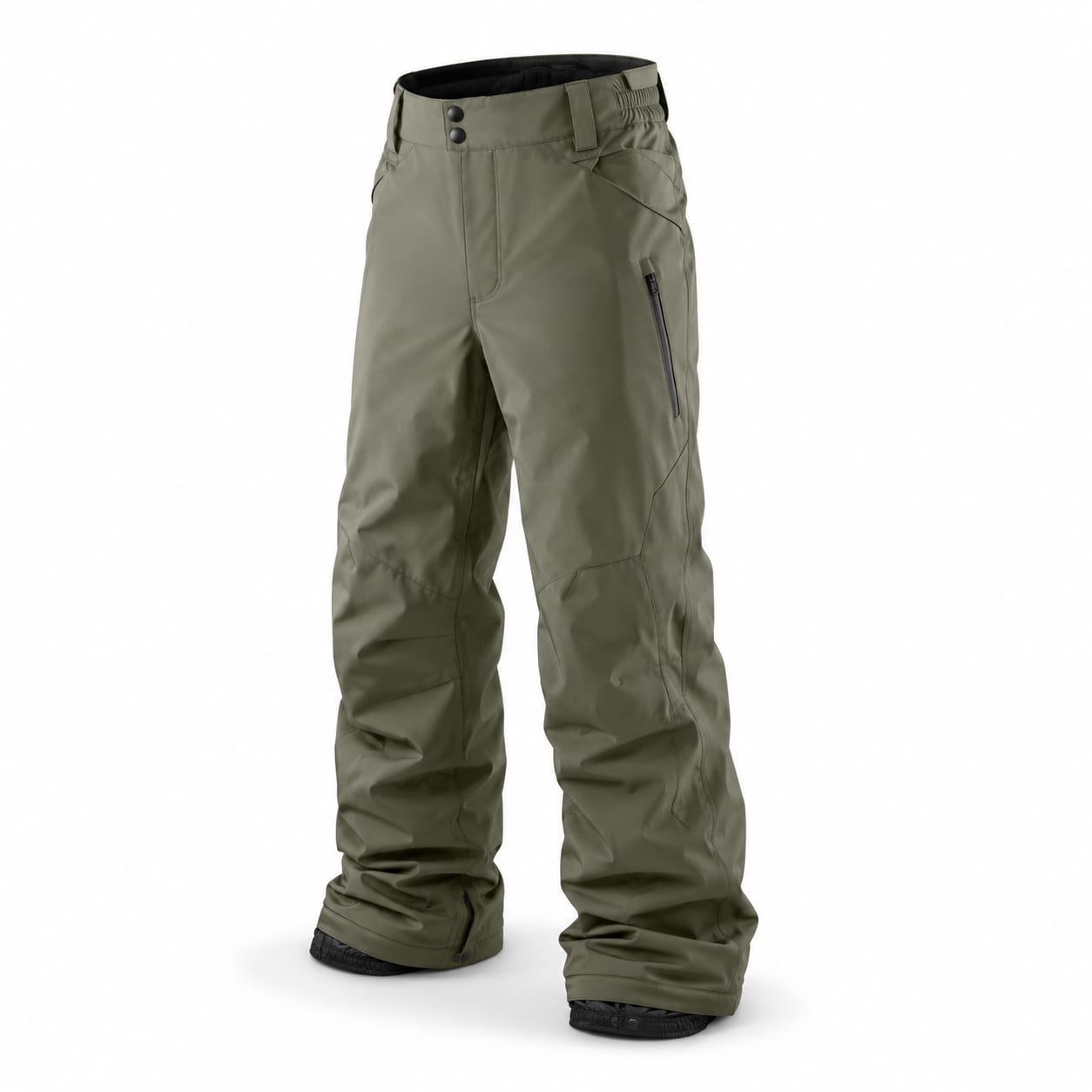
6 topics
Pick a question
Every answer links to the full subcategory guide and related gear types when it helps you decide.
Can I wear ski pants for snowboarding?
You can, but it's not ideal. Ski pants typically have slimmer fits that restrict the deep knee bends and wide stances of snowboarding. They also lack the inner leg reinforcement that snowboarders need for edge contact and rail slides. If you ride both sports, choose a relaxed-fit snowboard pant that works for both rather than a slim ski pant that restricts snowboarding.
Read answer →02Should I get insulated or shell snowboard pants?
It depends on your riding style and climate. Shell pants (no insulation) are best for park riders and backcountry splitboarders who generate significant body heat and need maximum layering versatility. Synthetic insulation (40-60g) is the best all-around choice for resort riders who want warmth without bulk. If you ride in very cold climates or run cold, consider 60-80g insulation. Most riders are better served by lighter insulation with proper base layers than heavy insulation that can't be adjusted.
Read answer →03Are bibs worth it for snowboarding?
For many riders, yes. Bibs eliminate the gap between your jacket and pants that lets snow in during falls—something snowboarders experience frequently. They also provide core warmth and often include a convenient chest pocket. The main downside is bathroom inconvenience. If you ride deep powder, fall often, or ride in cold conditions, bibs are transformative. If you primarily ride spring conditions or mild resorts, standard pants are fine.
Read answer →04How baggy should snowboard pants be?
Your pants should allow unrestricted movement in a deep riding stance without excessive fabric that catches wind or snags on features. A relaxed fit that provides room for layering and full range of motion is the sweet spot for most riders. Baggy/oversized fits are popular in park and street snowboarding for style and maximum mobility, but they create more drag and snag hazard. Try pants on in your riding stance—if you feel any restriction in your knees or hips, size up.
Read answer →05What waterproof rating do I actually need?
For most resort snowboarding in average conditions, 10,000mm is adequate. If you ride in wet coastal climates (Pacific Northwest, Japan sea-effect zones) or spend significant time in deep powder, aim for 15,000-20,000mm. Backcountry riders who face sustained exposure should seek 20,000mm+. Remember that waterproof rating is only part of the equation—fully taped seams and maintained DWR coating are equally important for real-world dryness.
Read answer →06How do I prevent my snowboard pants from getting destroyed by my edges?
First, choose pants with full scuff guards extending from the cuff up the inner leg—this is the most effective protection. Second, be mindful of how you handle your board; avoid dragging edges across your legs when carrying or adjusting. Third, patch small cuts immediately with nylon repair tape before they expand. Fourth, consider applying an extra layer of seam sealant to high-contact areas. Even with these precautions, park riders who hit rails should expect to replace pants more frequently than other riders.
Read answer →