Kitvore.com

Kitvore.com

Specs that matter. Gear that fits.

Ski & Snowboard Outerwear

Snow Pants

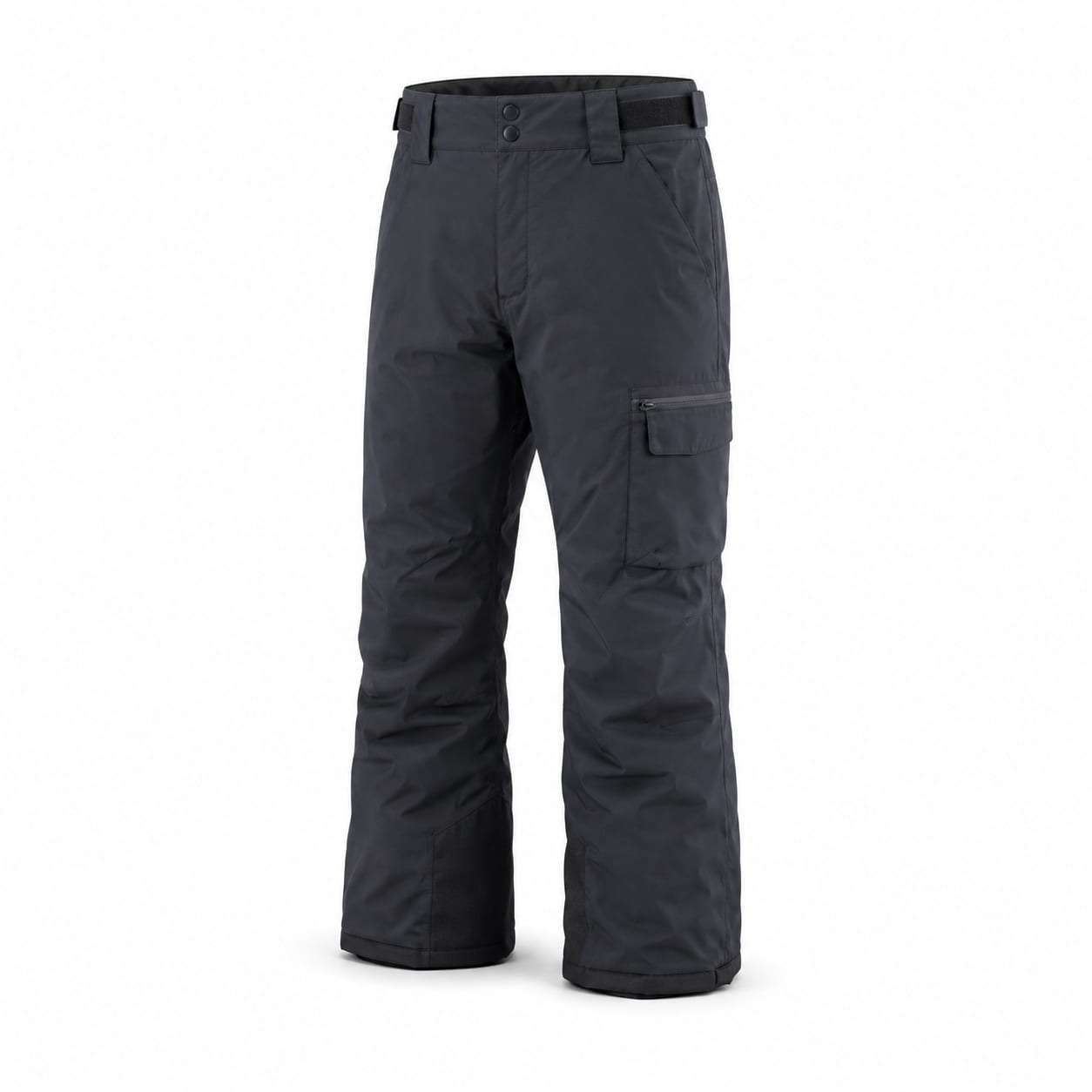
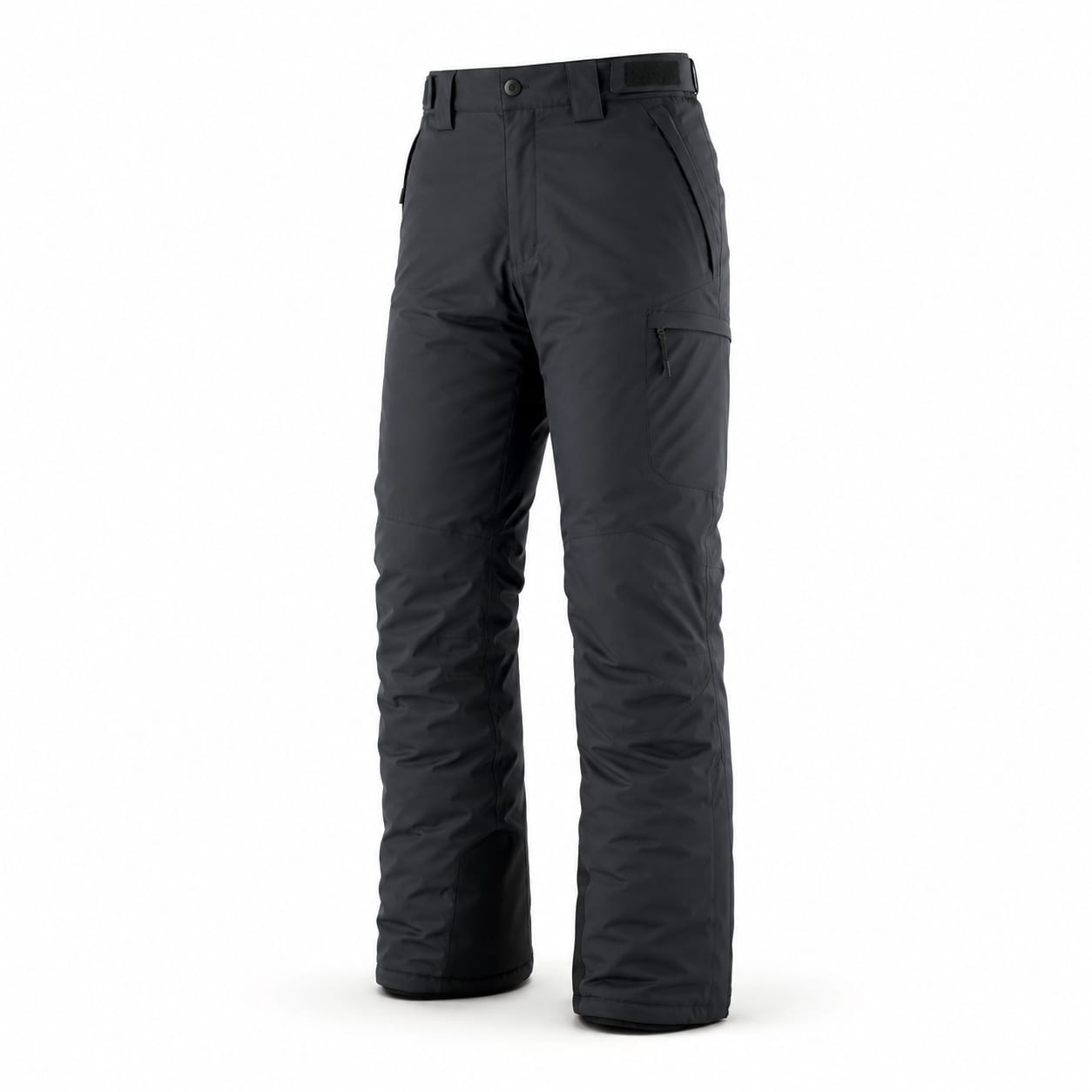
Waterproof, insulated or shell pants designed for skiing, snowboarding, and other winter mountain activities, providing protection from snow, wind, and moisture while allowing mobility and comfort.

Recreational skiers and snowboardersBackcountry and touring ridersFreestyle park ridersProfessional instructors and patrol

16

Key specs

10

Subcategories

6

Related gear topics

Snow Pants

Overview

What this equipment is for

Snow pants are a critical piece of winter sports equipment that protect riders from cold, wet, and windy conditions. They range from lightweight shell pants for warm-weather skiing to heavily insulated bibs for deep cold. Key differentiators include waterproofing, breathability, insulation type, and fit style. The right pair depends on riding style, typical conditions, layering preferences, and personal comfort needs.

Related equipment

Ski jacketsBase layer bottomsMid-layer bottomsSnow gaitersSki socksAvalanche safety gear

Buying specs

Specs worth understanding before you buy

Each spec explains how it affects performance, fit, and whether a product suits your style and use case.

Weather Protection

Dimensions related to keeping the rider dry and protected from snow, rain, and wind.

Waterproof Rating

Waterproof Rating

Importance

The water column rating (mm) indicating how much water pressure the fabric can withstand before leaking. Higher numbers mean better waterproofing.

Typical range: 5000–30000 mm

5,000-10,000mm is adequate for light snow and occasional use. 10,000-15,000mm handles most resort conditions well. 15,000-20,000mm is ideal for wet coastal climates and deep powder. 20,000mm+ is for extreme conditions and professional use. Remember that seam sealing and DWR coating also affect real-world waterproofing.
Breathability Rating

Breathability Rating

Importance

The moisture vapor transmission rate (g/m²/24hr) measuring how much sweat vapor can escape through the fabric. Higher numbers mean better breathability.

Typical range: 5000–40000 g/m²/24hr

5,000-10,000 g/m² is fine for casual resort riding with frequent breaks. 10,000-15,000 g/m² suits active resort riders. 15,000-20,000 g/m² is ideal for backcountry and high-output activities. 20,000+ g/m² is premium and best for serious touring. Breathability matters most if you sweat heavily or ride aggressively.

Seam Sealing

Seam Sealing

Importance

The method and extent of seam sealing, which is critical for preventing water entry at stitched seams.

Critically Taped Seams

Seam tape applied only to high-exposure areas like waist, cuffs, and zippers. Not fully waterproof.

Fully Taped Seams

Every seam sealed with waterproof tape. Complete protection against water ingress through stitching.

Welded/Bonded Seams

Seams joined by heat or ultrasonic welding rather than stitching and taping. Minimal bulk and maximum seal.

Fully taped seams are the standard for quality snow pants and worth the investment if you ride in wet conditions. Critically taped is acceptable for dry climates and casual use. Welded seams are premium and found on top-tier gear.

DWR Coating

DWR Coating

Importance

Durable Water Repellent treatment on the outer fabric that causes water to bead up and roll off rather than soaking into the face fabric.

DWR coating is standard on quality snow pants and essential for maintaining fabric performance. It wears off over time and must be reapplied with wash-in or spray treatments. If water stops beading on your pants, it's time to reapply DWR.

Snow Gaiters

Snow Gaiters

Importance

Built-in elastic or adjustable cuffs at the pant leg bottom that seal around boots to prevent snow entry.

Elastic Gaiter

Simple elastic cuff that stretches over boot. Basic but effective snow seal.

Adjustable Gaiter with Snap/Hook

Gaiter with adjustable closure (snap, hook, buckle) for secure boot interface. More customizable fit.

No Gaiter

No integrated snow gaiter. Pant hem only. Requires separate gaiters for snow protection.

Always choose pants with gaiters if you ride in powder or wet snow. Adjustable gaiters offer the best long-term seal. No gaiters is only acceptable for spring or casual use.

Warmth & Insulation

Dimensions determining how warm the pants are and how they manage body heat.

Insulation Type

Insulation Type

Importance

The type of insulation used in the pants, determining warmth, packability, and moisture management.

Shell (No Insulation)

Uninsulated pants relying on separate base and mid-layers for warmth. Maximum versatility and breathability.

Synthetic Insulation

Man-made insulation (polyester, PrimaLoft, Thinsulate) that retains warmth when wet and dries quickly.

Down Insulation

Natural goose or duck down insulation offering exceptional warmth-to-weight ratio and compressibility.

Hybrid Insulation

Combination of synthetic and down insulation, or strategic placement of different materials for optimized performance.

Choose shell pants if you layer actively or ride backcountry. Synthetic insulation is the safest all-around choice. Down is best for extreme cold and dry conditions. Fleece-lined works for casual resort days.

Insulation Weight

Insulation Weight

Importance

The amount of insulation in grams, directly correlating to warmth level. Higher grams mean more warmth but more bulk.

Typical range: 0–100 g

0g (shell) for layering systems and active riders. 20-40g for light warmth in moderate conditions. 40-60g for standard resort warmth. 60-80g for cold climates and cold-natured riders. 80g+ for extreme cold or low-activity riding. Body type, activity level, and typical conditions all factor in heavily.

Ventilation System

Ventilation

Importance

The type and placement of zippered vents that allow rapid temperature regulation during high-output activities.

No Vents

No integrated ventilation zippers. Relies on fabric breathability alone.

Inner Thigh Vents

Zippered vents along the inner thigh area. Most common and effective placement.

Outer Thigh Vents

Zippered vents on the outer thigh. Less common placement.

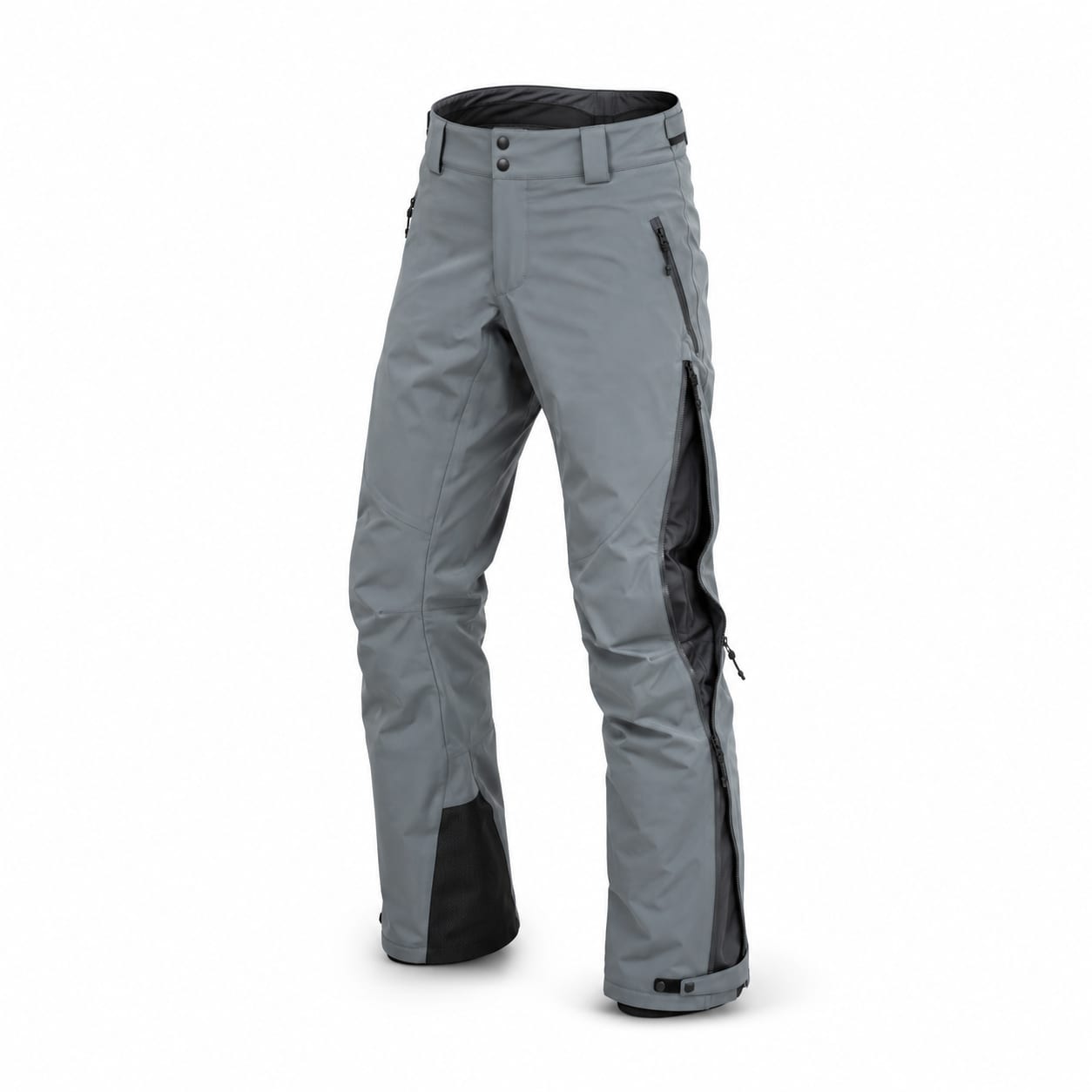
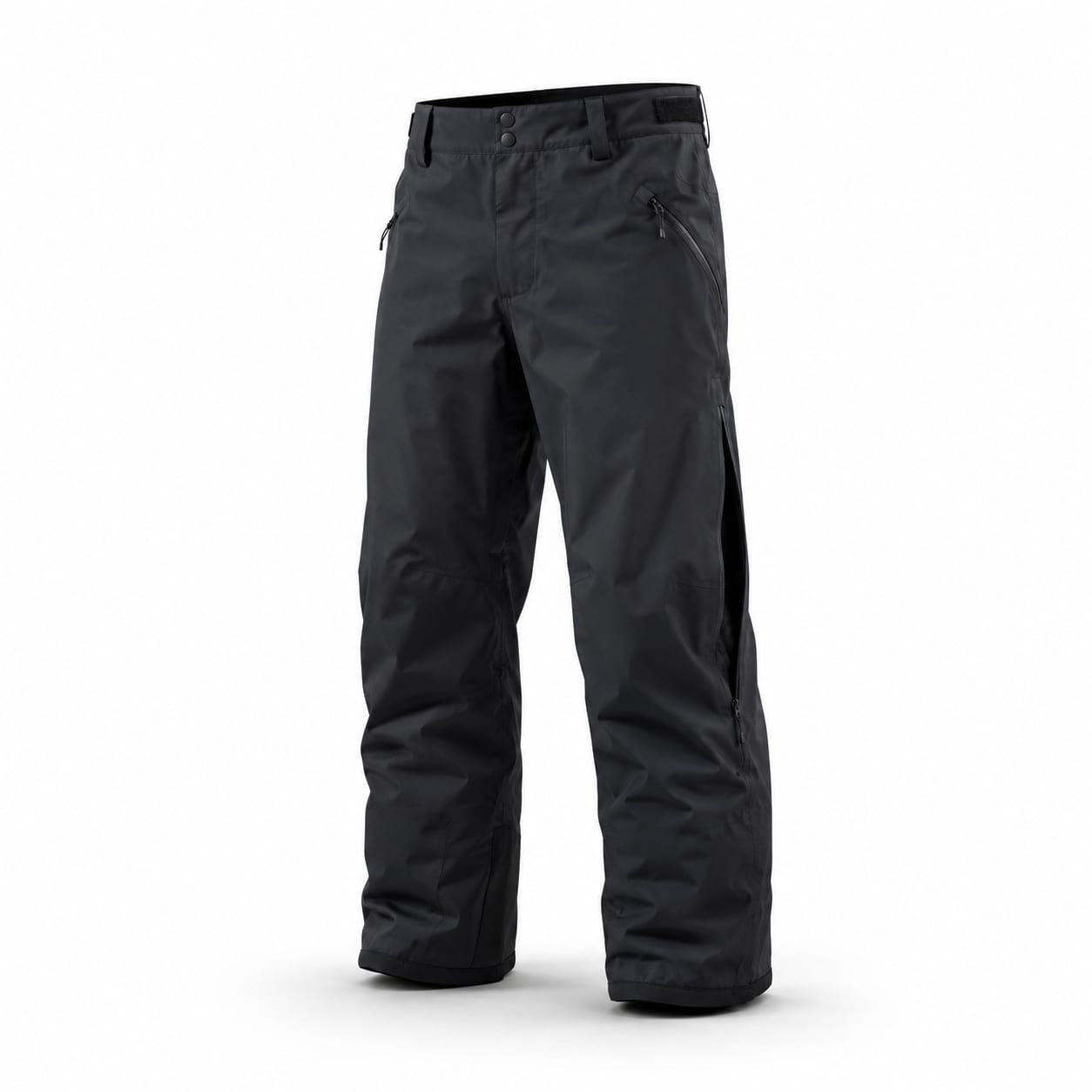
Full Side Zip Vents

Full-length side zippers allowing maximum ventilation and easy on/off without removing boots.

Inner thigh vents with mesh lining are the best all-around choice. Full side zips are essential for backcountry touring. No vents is only acceptable for casual or budget use. Always check vent size—larger vents dump heat faster.

Fit & Comfort

Dimensions affecting how the pants fit, feel, and move with the rider.

Fit Type

Fit Type

Importance

The overall cut and silhouette of the pants, affecting style, mobility, layering capacity, and snow protection.

Slim Fit

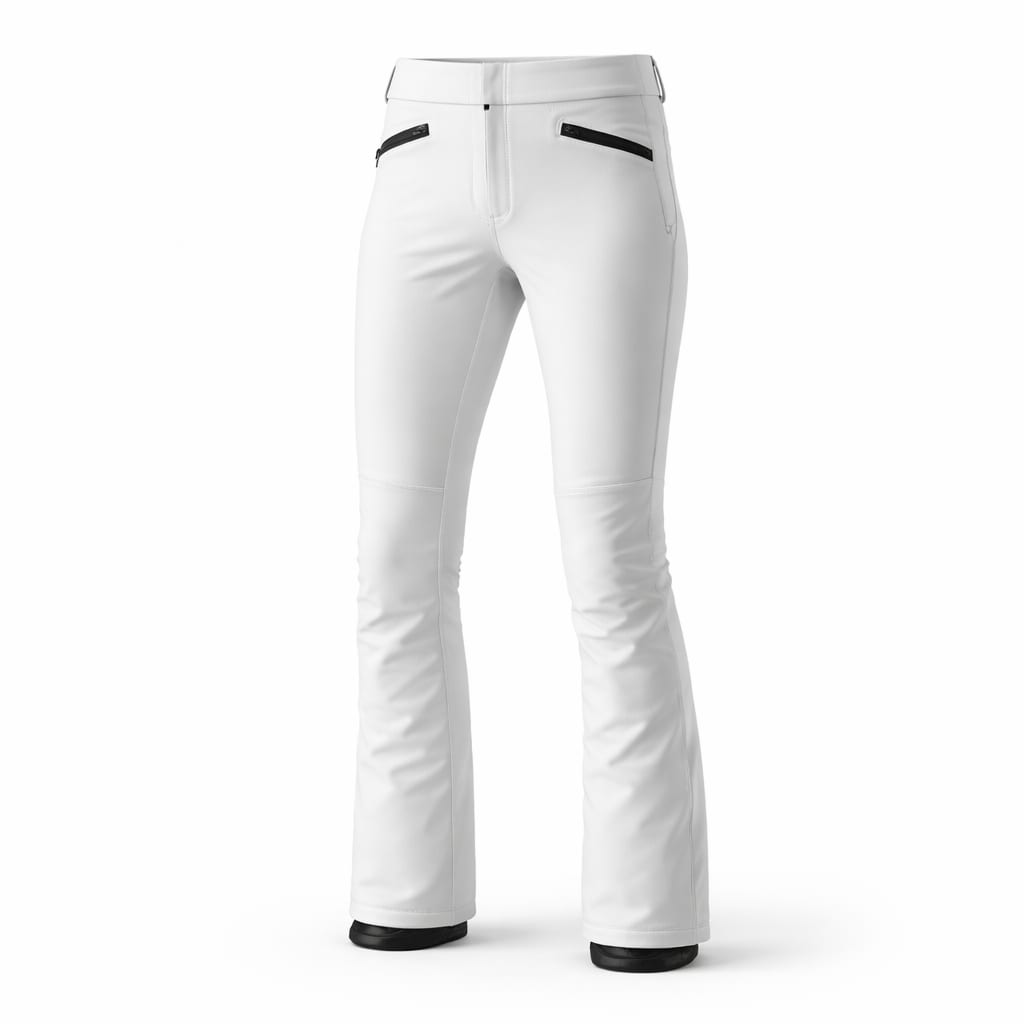
Tapered, close-to-body cut with minimal excess fabric. Streamlined appearance but limited layering room.

Regular Fit

Standard cut with moderate room for layering and movement without excess fabric.

Relaxed Fit

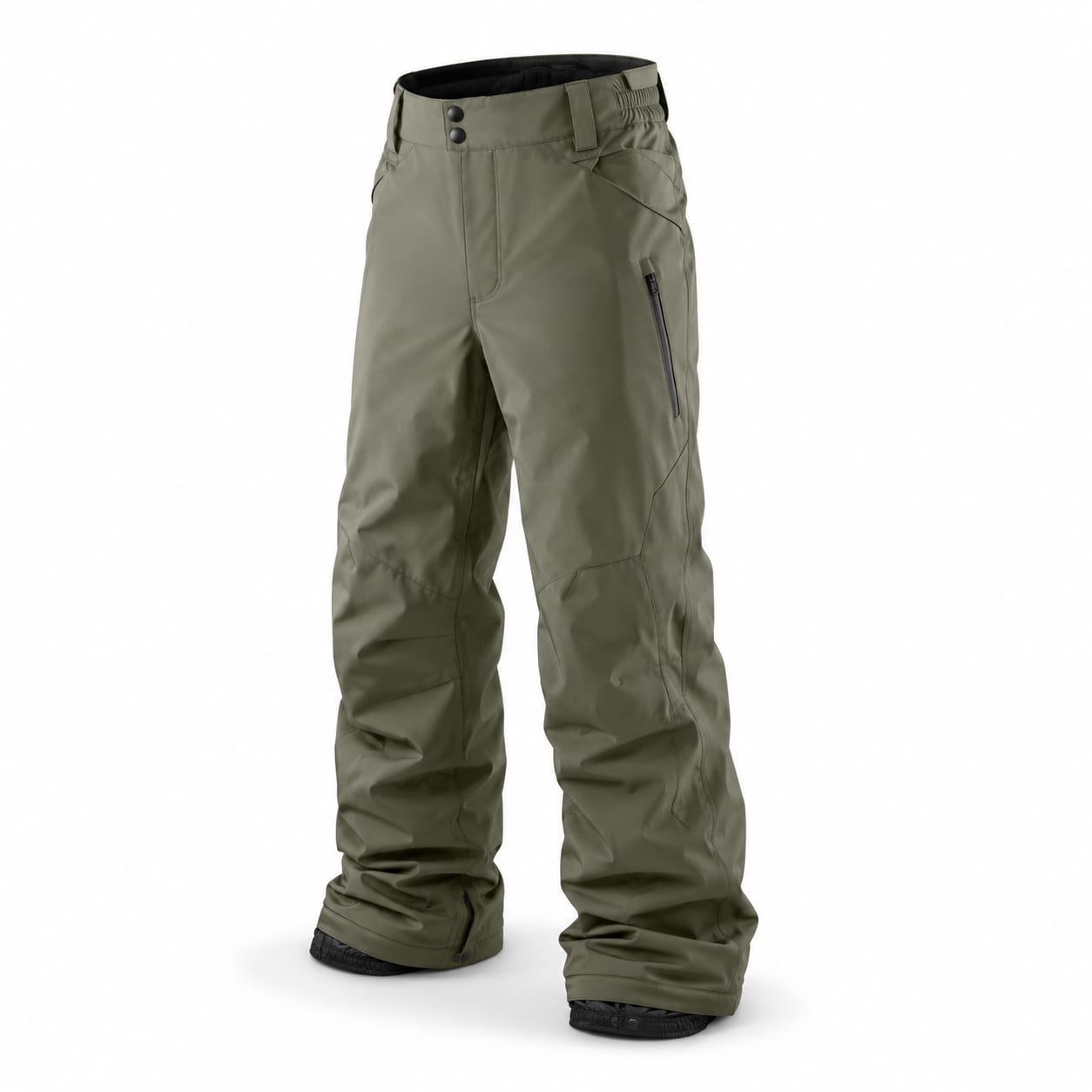
Generous cut with ample room for layering and unrestricted movement. Looser silhouette.

Baggy/Oversized Fit

Very loose, oversized cut with maximum room. Deeply rooted in snowboard culture and street style.

Choose fit based on riding style, layering needs, and personal preference. If you layer heavily or ride aggressively, go regular or relaxed. Slim fits work for mild conditions and style preference. Try pants on with your typical base and mid-layers.

Style Type

Style Type

Importance

Whether the pants are standard waist-height or bib-style with shoulder straps and extended coverage.

Standard Pants

Traditional waist-height pants with belt or snap closure. Easier on/off, lighter weight.

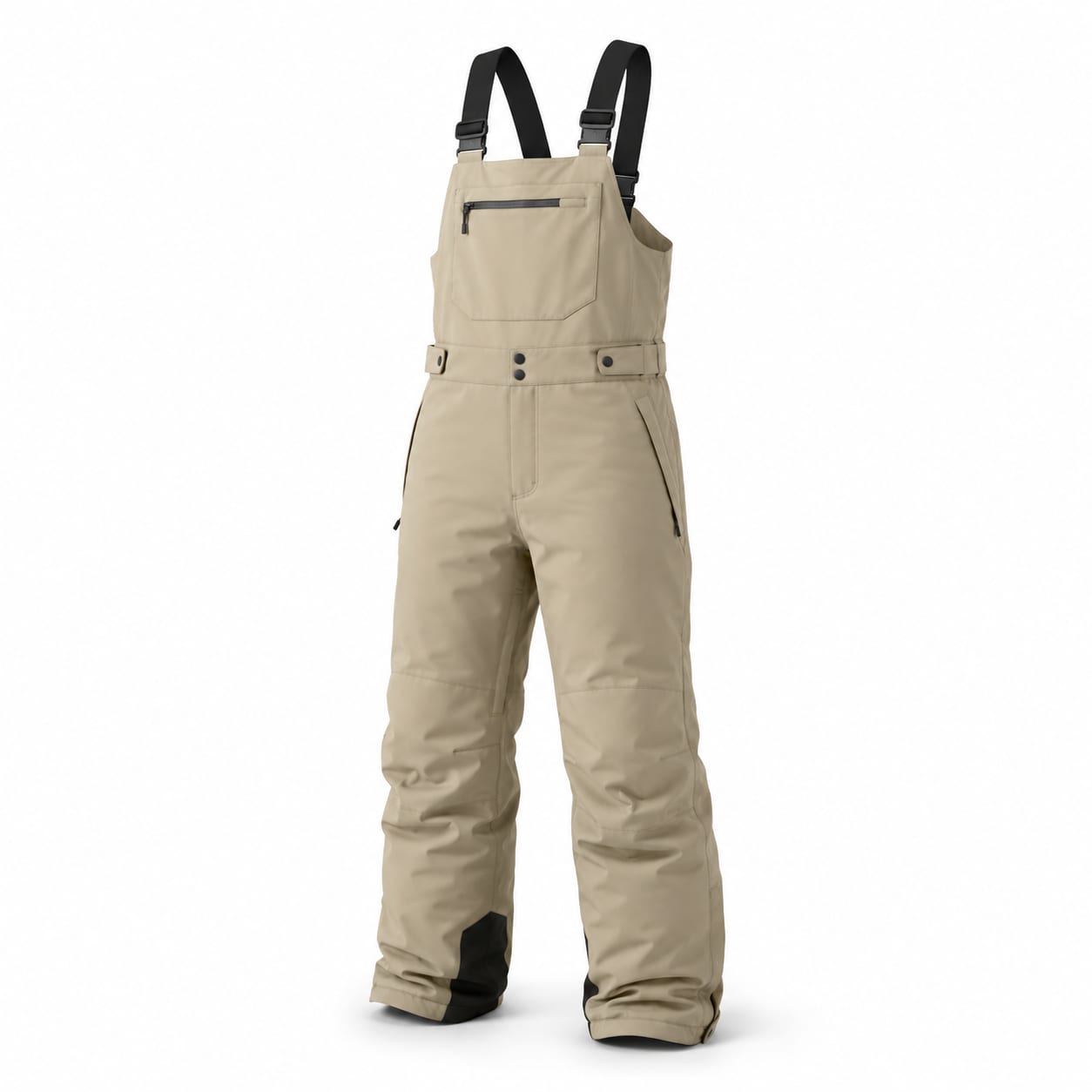
Bib Pants

Pants with integrated shoulder straps and chest coverage. Provides maximum snow protection and core warmth.

Convertible/Suspenders

Standard pants with removable suspender attachments offering optional bib-like security.

Bibs are increasingly popular for their superior snow protection and are worth considering if you ride deep powder or cold conditions. Standard pants are simpler and cooler. Convertible styles offer flexibility but add complexity.

Waist Adjustment

Waist Adjustment

Importance

The mechanism for adjusting waist fit without a belt, ensuring secure fit and snow seal at the waist.

Velcro Side Tabs

Adjustable Velcro tabs on each side of the waist. Quick and easy adjustment, common on mid-range pants.

Buckle Side Tabs

Side adjustment with plastic or metal buckles and webbing. More durable and precise than Velcro.

Integrated Belt

Built-in belt or waist system. Clean look with secure closure.

No Adjustment

No integrated waist adjustment. Relies on proper sizing or separate belt.

Side adjustment tabs (Velcro or buckle) are the most practical for dialing in fit over varying layers. Buckle systems are more durable. Integrated belts offer clean style but less flexibility.

Articulation

Articulation

Importance

Pre-shaped or articulated knees and hips designed to match the natural riding position, reducing fabric bunching and improving mobility.

Articulated Knees

Pre-bent knee construction matching the natural flexed position. Reduces bunching behind knee when bent.

Fully Articulated

Articulated knees plus shaped hips and gusseted crotch for complete freedom of movement.

Non-Articulated

Straight tube leg construction without pre-shaping. Simpler but less mobile in riding position.

Articulated knees are a significant comfort upgrade and worth seeking out. Fully articulated construction is found on premium pants and most noticeable during aggressive riding. Non-articulated pants are fine for casual cruising.

Inseam Length

Inseam Length

Importance

The measurement from the crotch seam to the bottom of the pant leg, determining proper length and coverage.

Typical range: 28–36 inches

Snow pants should be longer than casual pants to ensure coverage while seated on lifts and in flexed riding positions. Aim for pants that reach the mid-boot when standing. Too short exposes skin when bending; too long causes dragging and tripping. Many brands offer short, regular, and long inseam options.

Construction & Durability

Dimensions related to material quality, construction methods, and long-term durability.

Shell Material

Shell Material

Importance

The primary outer fabric type, affecting durability, weight, stretch, noise, and overall feel.

Nylon

Most common shell material. Strong, abrasion-resistant, and available in various deniers. Can be woven tightly for waterproofing.

Polyester

Lightweight and cost-effective shell material. Less abrasion-resistant than nylon but adequate for most use.

Stretch Fabric (Softshell)

Fabric with elastane or mechanical stretch for unrestricted movement. Often used in softshell or hybrid designs.

Gore-Tex Laminate

Premium PTFE membrane laminated to outer fabric. Industry gold standard for waterproof-breathable performance.

Nylon is the most common and versatile shell material. Gore-Tex is worth the investment for serious riders in wet conditions. Stretch fabrics excel for mobility-focused riding. Polyester is acceptable for budget and casual use.

Reinforcement Panels

Reinforcement

Importance

Extra-durable fabric panels at high-wear areas like cuffs, hems, and inner legs to prevent damage from edges, boots, and abrasion.

Cuff/Hem Reinforcement

Durable fabric at pant cuffs where boots and edges cause abrasion. Most common reinforcement type.

Full Scuff Guard

Extended reinforcement panel from cuff up the inner leg. Maximum protection for aggressive riders.

No Reinforcement

No additional reinforcement panels. Single fabric construction throughout.

Cuff reinforcement is a must-have for regular riders. Full scuff guards are worth it for aggressive or professional use. Lack of reinforcement leads to rapid wear at cuffs from ski/board edges.

Features & Storage

Dimensions covering functional features and storage options.

Pocket Configuration

Pocket Configuration

Importance

The number, type, and placement of pockets for storing essentials like pass, phone, snacks, and tools.

Hand Warmer Pockets

Standard front pockets at hip level. Lined for warmth. Essential for comfort.

Cargo Pockets

Large thigh-mounted pockets with flap or zip closure. Signature snowboard style with practical storage.

RFID Pass Pocket

Dedicated pocket with clear window on lower left leg for RFID lift pass scanning.

Bib Chest Pocket

Pocket on the bib chest area. Secure and accessible storage for phone, goggles, or small items.

Hand warmer pockets and a pass pocket cover most needs. Cargo pockets are great for storage but add bulk. Bib chest pockets are a key advantage of bib-style pants. Consider what you typically carry on the mountain.

Specs FAQ

Common questions about these buying specs

Plain-English answers for each spec and option — tap through for the full explanation.

Why would I choose shell snow pants with no insulation?

Shell pants have zero built-in insulation, which might sound cold—but that's actually their biggest strength. Without insulation, you control your warmth entirely through what you wear underneath. On a warm spring day, throw them over a lightweight base layer. On a freezing January morning, add a mid-layer like fleece tights. This makes shell pants the most versatile option you can buy. They're especially popular with backcountry tourers who work up a sweat on the climb and need maximum breathability, and with riders who naturally run hot. The lack of bulk also means better mobility and a cleaner fit. The catch? You need to own proper base and mid-layers, and you need to know how to use them. Shell pants alone won't keep you warm—pairing them with just a cotton layer is a recipe for a miserable, cold day. But if you're willing to layer smart, shell pants can handle almost any condition on the mountain.

When should I choose synthetic insulation in my snow pants?

Synthetic insulation is the most versatile and reliable choice for most skiers and snowboarders. Made from materials like PrimaLoft or Thinsulate, it keeps you warm even if it gets damp—something natural down can't do. That makes it ideal for wet coastal climates, slushy spring days, or anyone who tends to work up a sweat on the mountain. It's also the best all-around option for resort riders who want a simple, no-fuss setup. You don't need to stress about layering as precisely as you would with shell pants, and synthetic insulation is generally more affordable and easier to wash and care for than down. The trade-off is that synthetic is slightly heavier and bulkier than down for the same warmth level. But for most riders—especially those dealing with variable conditions or wet snow—synthetic insulation hits the sweet spot between performance, durability, and value.

Are down-insulated snow pants worth it, or should I stick with synthetic?

Down insulation is incredibly warm for its weight, making it a great choice if you're riding in bitterly cold conditions or sitting on freezing chairlifts all day. Nothing beats down for warmth-to-weight ratio, so you stay toasty without feeling bulky or weighed down. It's also highly compressible, which is nice for travel or packing light for backcountry trips. The big catch: down loses almost all its insulating power when it gets wet. If you ski or ride in coastal or humid climates where wet snow is common, down can leave you cold and miserable. Synthetic insulation keeps warming you even when damp, making it the safer bet for those conditions. Down-insulated pants shine in dry, extremely cold environments—think interior BC, the Rockies, or bitter midwinter days where temps stay well below freezing. They're also ideal if you tend to run cold or spend a lot of time standing around rather than working up a sweat. Just pair them with a quality waterproof shell and avoid wearing them on slushy spring days.

What does hybrid insulation mean in snow pants, and is it worth it?

Hybrid insulation combines different materials—usually synthetic and down—in strategic zones to give you the best of both worlds. Typically, manufacturers place synthetic insulation in areas prone to moisture (like the seat and knees) since it retains warmth even when damp, and down in the core areas where maximum warmth-to-weight ratio matters most. This design really shines when you ride in variable conditions or tend to encounter mixed weather throughout the day. If you're someone who deals with wet coastal storms in the morning but cold, dry air by afternoon, hybrid insulation adapts better than any single material alone. The trade-off is price—hybrid pants sit at the premium end because of the complex construction. But if you're a dedicated rider who wants one pair of pants to handle diverse conditions without over-insulating or worrying about moisture, the investment pays off. They're especially great for resort riders who face unpredictable mountain weather.

View all 47 spec questions about Snow Pants

+43 more on the specs FAQ hub

Subcategories

Different styles, different picks

Each sub-type has its own guide with typical specs, trade-offs, and buying advice.

Insulated Snow Pants

Insulated Snow Pants

$60 – $450

dominant

Snow pants with built-in synthetic or down insulation for all-in-one warmth and weather protection.

built-in insulationwaterproof outer shellsingle-layer convenience
Shell Snow Pants

Shell Snow Pants

$100 – $600

common

Uninsulated waterproof pants designed for layering, offering maximum versatility and temperature regulation.

no insulationwaterproof-breathable membranelayering-compatible fit
Bib Snow Pants

Bib Snow Pants

$120 – $550

common

High-waisted pants with shoulder straps that extend coverage up the torso, preventing snow entry at the waist.

shoulder strapshigh waist/chest coverageno waist gap for snow entry
Snowboard Pants

Snowboard Pants

$60 – $400

common

Pants designed specifically for snowboarding with a looser fit, reinforced seat, and snowboard-specific features.

baggy/relaxed fitreinforced seat and kneeslonger inseam
Performance/Fitted Ski Pants

Performance/Fitted Ski Pants

$120 – $700

niche

Tailored, form-fitting ski pants designed for aerodynamic performance and a streamlined on-piste look.

slim/tailored fitarticulated kneesstretch fabric panels
Backcountry/Touring Pants

Backcountry/Touring Pants

$180 – $600

niche

Lightweight, highly breathable pants optimized for uphill travel and variable backcountry conditions.

lightweight constructiongenerous side ventshigh breathability rating
3-in-1 Snow Pants

3-in-1 Snow Pants

$100 – $350

niche

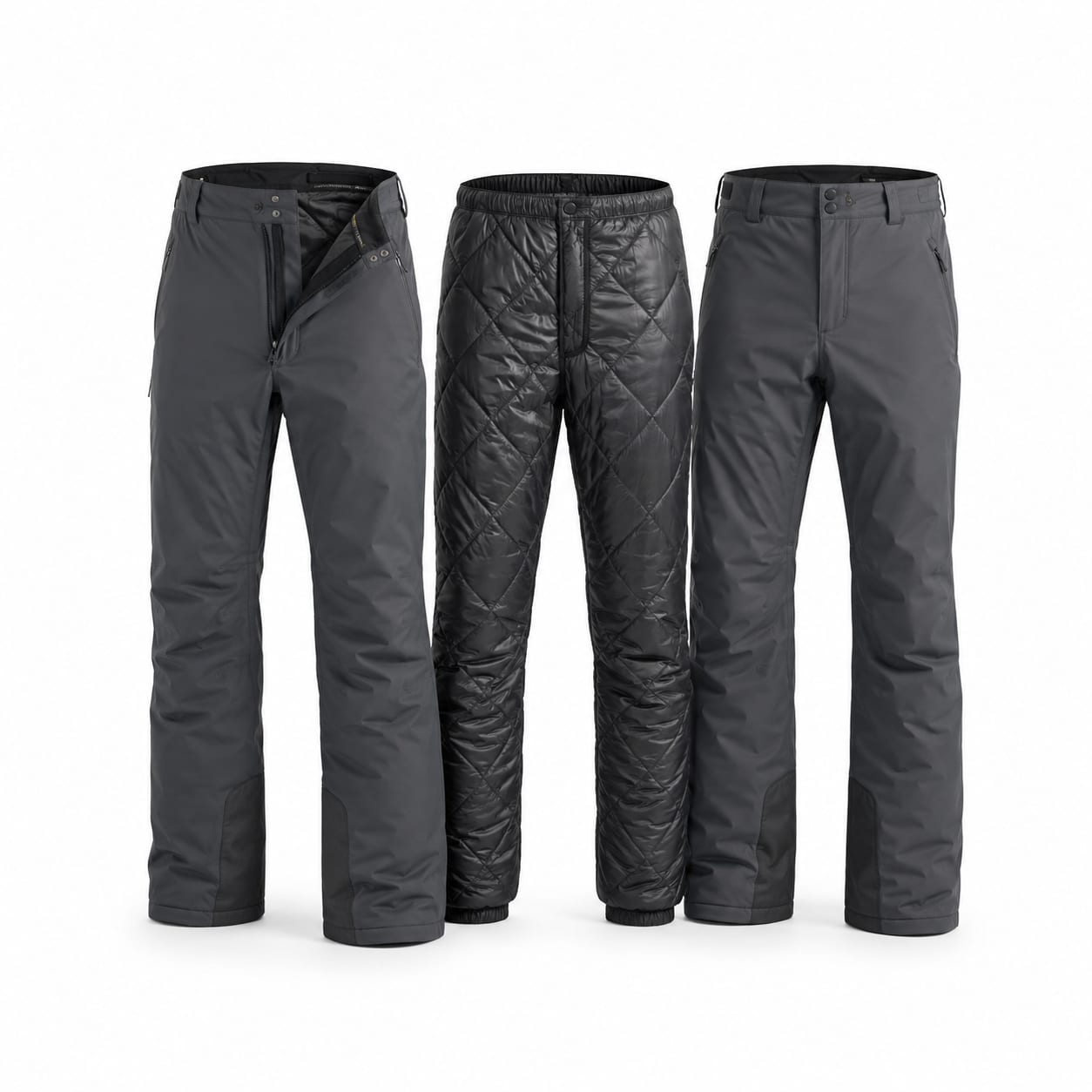
Modular snow pants with a removable insulated liner that can be worn separately, offering three configurations in one.

removable insulated linerzip-in integration systemthree wear configurations
Cargo Snow Pants

Cargo Snow Pants

$70 – $300

niche

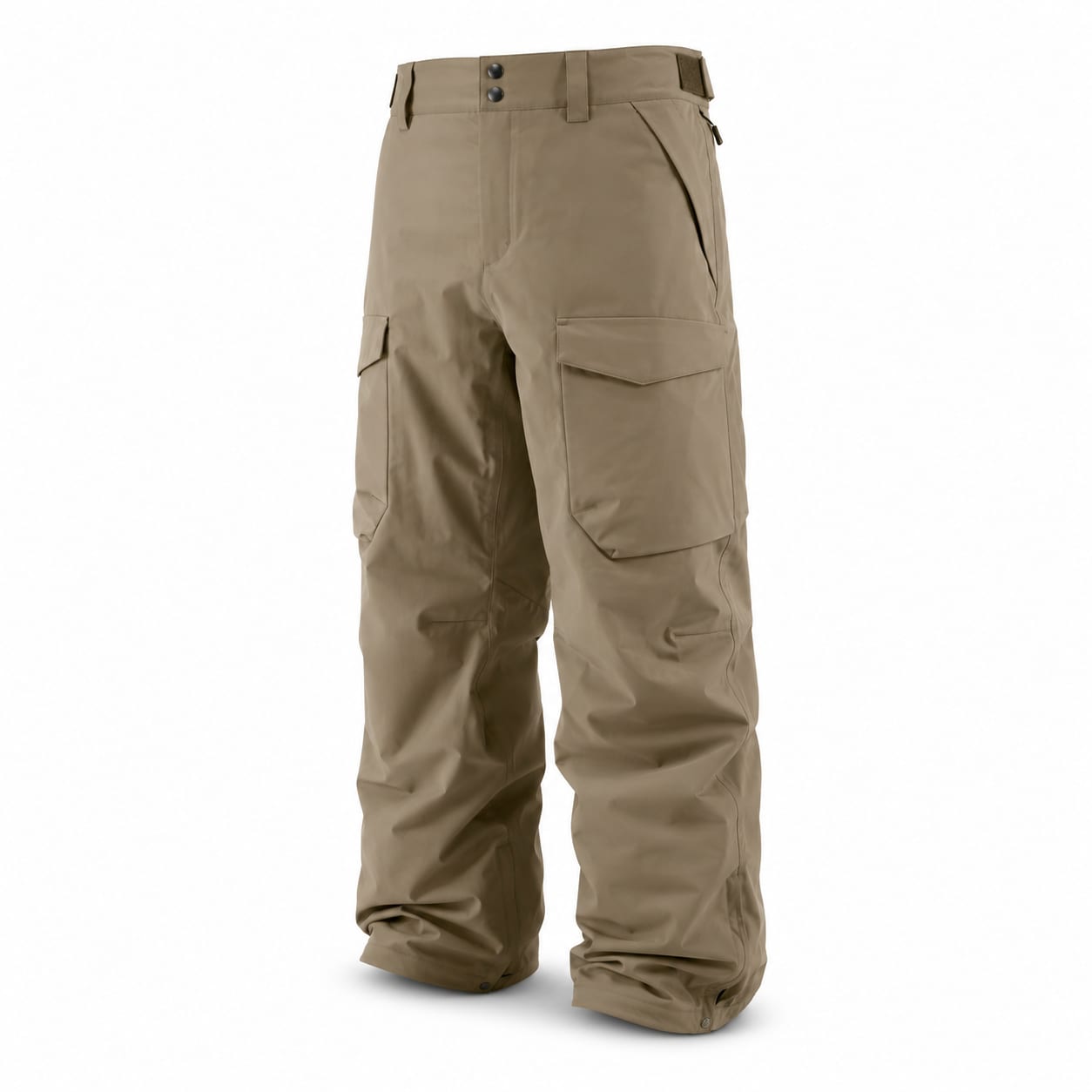
Snow pants featuring large cargo pockets on the thighs for carrying essentials on the mountain.

large cargo thigh pocketsrelaxed fitmultiple pocket configuration
Stretch/Softshell Snow Pants

Stretch/Softshell Snow Pants

$100 – $450

niche

Highly flexible snow pants using stretch or softshell fabrics for unrestricted movement during active riding.

4-way stretch fabricsoftshell or stretch-woven constructionarticulated patterning
Casual/Recreational Snow Pants

Casual/Recreational Snow Pants

$25 – $100

common

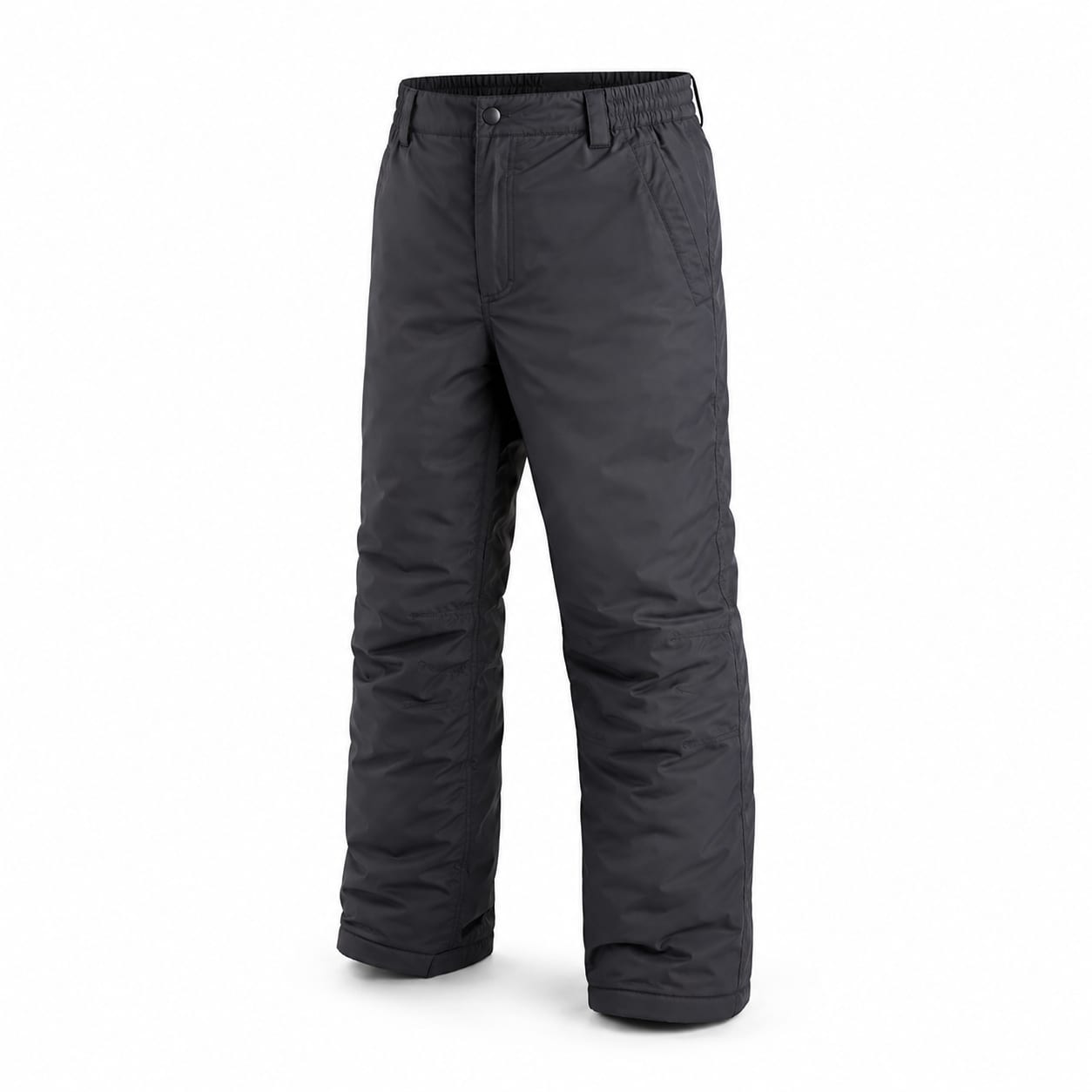
Budget-friendly snow pants designed for light snow play, sledding, and occasional winter sports rather than serious riding.

budget constructionbasic waterproofingminimal features