
Snow Pants · Buying specs
Questions about Snow Pants specs
Straight answers on the specs that matter when you buy — each question covers one dimension or option so you know what to look for.
Open Snow Pants guide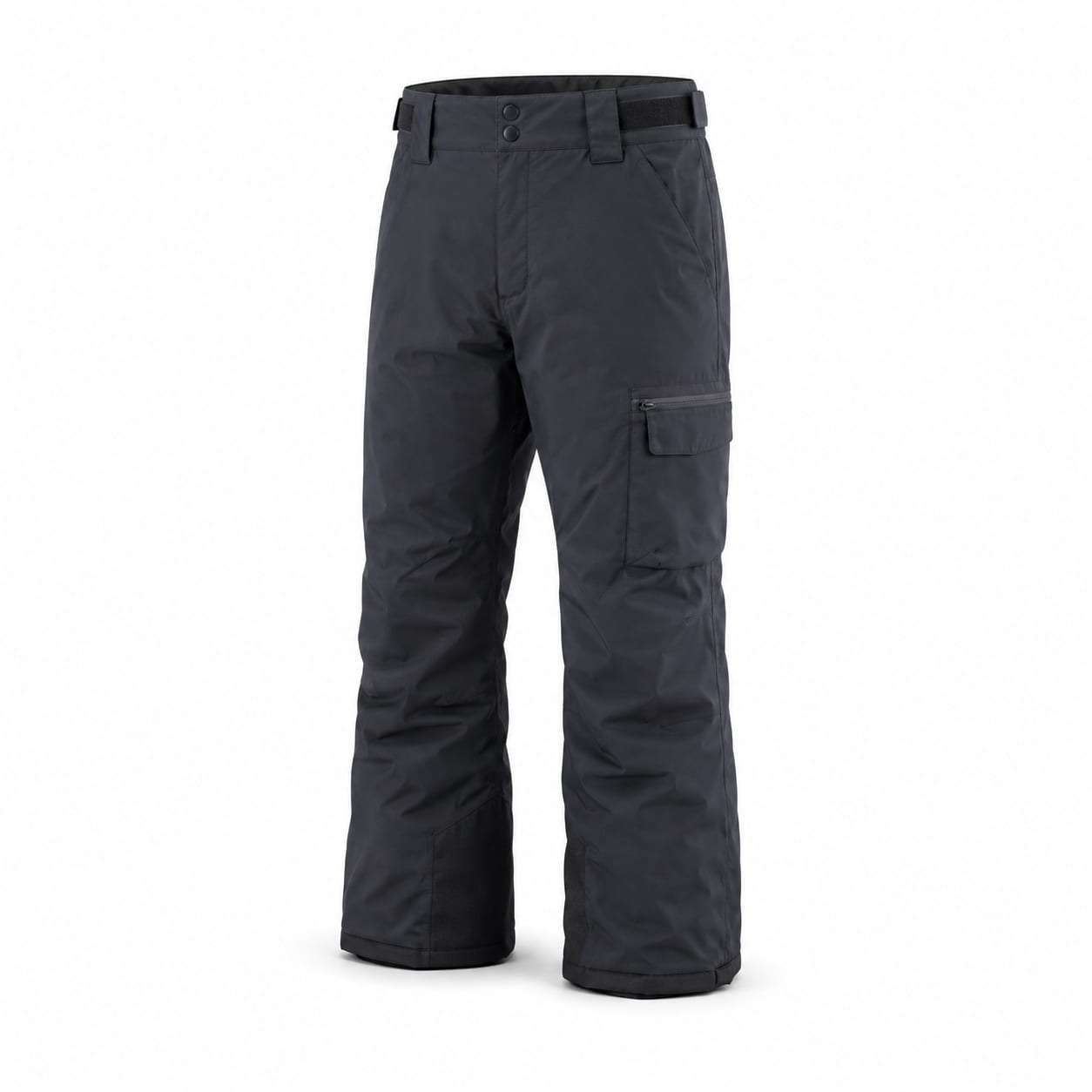
47 questions
Browse by spec group
Questions are organized the same way as the buying specs on the main equipment page.
Weather Protection
Dimensions related to keeping the rider dry and protected from snow, rain, and wind.
What waterproof rating do I actually need for my snow pants?
Waterproof rating measures how much water pressure a fabric can handle before leaking, shown in millimeters (mm). Think of it as a tall column of water sitting on the fabric—5,000mm means it can withstand a 5-meter column before water pushes through. Higher numbers mean better protection. For most resort skiers and riders, 10,000–15,000mm handles typical conditions just fine. If you're in the Pacific Northwest or other wet, coastal climates where you're skiing in heavy rain or wet snow, look for 15,000–20,000mm. Anything over 20,000mm is really for extreme conditions or professional use. Don't just chase the highest number, though. Seam sealing and DWR (durable water repellent) coating matter just as much for staying dry. A 10,000mm pant with fully taped seams and fresh DWR will outperform a 20,000mm pant with poor construction. Also, if you ski in dry, interior climates like Utah or Colorado, you're probably fine on the lower end—no need to over-purchase.
Read answer →Breathability RatingWhat breathability rating do I need for my snow pants, and what do those numbers actually mean?
The breathability rating measures how much sweat vapor can escape through the fabric over 24 hours, shown in grams per square meter (g/m²/24hr). Higher numbers mean more moisture escapes, so you stay drier from the inside instead of getting clammy and cold. For casual resort riding with frequent lodge breaks, 5,000–10,000 g/m² is plenty. Active resort riders who ski hard all day should look for 10,000–15,000 g/m². If you're heading into the backcountry or touring, aim for 15,000–20,000+ g/m² since you'll sweat heavily on the skin track. One common mistake is prioritizing waterproofing while ignoring breathability—leaving you soaked in your own sweat. Also, don't assume a high breathability rating means you can skip leg vents; they still make a big difference when you're working hard.
Read answer →Seam Sealing · Critically Taped SeamsAre critically taped seams good enough for snow pants, or do I need fully taped seams?
Critically taped seams have waterproof tape only in high-exposure spots—like the waist, cuffs, and zippers—rather than along every seam. This saves weight and cost, making these pants a solid choice for dry climates, casual resort days, or riders on a budget. The tradeoff is that uncovered seams can let water seep in during sustained wet exposure. If you're skiing deep powder, riding in coastal or wet climates, or spending long stormy days on the mountain, you'll likely feel moisture creeping through the unstitched areas. For occasional riders in drier conditions, critically taped seams get the job done just fine. Just don't assume a high waterproof rating on the fabric makes up for missing seam tape—water always finds the stitching.
Read answer →Seam Sealing · Fully Taped SeamsWhat does fully taped seams mean on snow pants, and do I really need it?
Fully taped seams means every single seam on the pants is sealed with waterproof tape, covering all the tiny stitch holes where water could sneak in. It's the most complete seam protection you can get short of premium welded construction. If you ride in wet coastal climates, spend full days in deep powder, or do any backcountry touring, fully taped seams are absolutely worth it. You'll stay dry through hours of sitting in snow, hiking through slush, or getting pelted by stormy weather. It's the industry standard for quality snow pants and the safe bet for serious riders. The tradeoff is a bit more weight and cost compared to critically taped seams, which only seal high-exposure areas. But if you're a regular rider dealing with wet conditions, that investment pays off every time you're the one still dry at the end of a storm day.
Read answer →Seam Sealing · Welded/Bonded SeamsWhat are welded or bonded seams on snow pants, and are they worth the extra cost?
Welded or bonded seams use heat or ultrasonic technology to fuse fabric panels together instead of stitching them and covering the holes with waterproof tape. By eliminating needle holes entirely, you get the most reliable waterproof seal possible—with less bulk and weight than traditional taped seams. You'll typically find welded seams on premium, high-performance snow pants, especially ultralight backcountry gear where every ounce matters. If you're a serious rider who regularly faces deep powder, wet coastal storms, or long days in soggy conditions, this construction provides the best defense against water creeping in through the seams. The trade-off is price. Welded seams are a premium feature that adds to the cost. For most resort skiers and riders in drier climates, fully taped seams offer plenty of protection at a lower price point. But if you're pushing into the backcountry or want the absolute best waterproofing available, welded seams are worth the investment.
Read answer →DWR CoatingI see 'DWR Coating' listed on snow pants. What does this do, and how do I take care of it?
DWR stands for Durable Water Repellent, and it's a treatment applied to the outer fabric of your snow pants that makes water bead up and roll off instead of soaking into the material. Even if your pants have a waterproof inner membrane, DWR is essential because it prevents the outer fabric from getting saturated—which can make you feel cold and damp, even if water isn't technically leaking through. Over time, this coating naturally wears off from friction, washing, and regular use. When you notice water no longer beading on the surface and the fabric starting to look soaked, it's time to reapply. You can easily restore it using a wash-in treatment or a spray-on product designed for technical outerwear. To keep your DWR lasting longer, avoid using regular laundry detergent, which can strip the coating. Instead, wash your snow pants with a specialized technical wash. Proper care ensures your pants stay breathable and waterproof season after season.
Read answer →Snow Gaiters · Elastic GaiterAre elastic gaiters on snow pants good enough, or should I look for adjustable ones?
Elastic gaiters are the most common style you'll find on snow pants—they're simple built-in cuffs at the bottom of each leg that stretch over your boots to keep snow out. For most resort riders, they work just fine. They create a decent seal that blocks snow from sneaking into your boots on typical ski days. The tradeoff is that elastic can lose its stretch over time, especially with frequent use. They also don't let you customize how tight the seal is, which matters if your boots are on the smaller or larger side. Adjustable gaiters with snaps or hooks give you a more secure, longer-lasting fit—handy if you regularly ride deep powder. If you're mostly sticking to groomed runs at the resort and want to keep things simple and lightweight, elastic gaiters are a solid, budget-friendly choice. Just check that they fit snugly over your specific boots before you buy.
Read answer →Snow Gaiters · Adjustable Gaiter with Snap/HookAre adjustable gaiters with snaps or hooks worth it, or should I just go with elastic?
Adjustable gaiters use a snap, hook, or buckle closure to cinch the cuff tightly around your boot, giving you a more customized fit than a simple elastic band. They're especially useful if you ride in deep powder or wet snow, where a loose seal can let snow sneak in and ruin your day. The big advantage is control—you can dial in the fit regardless of your boot size, and the closure won't stretch out over time like elastic can. If you share pants with someone or switch between different boots, adjustable gaiters adapt easily. They do add a small step to your gear-up routine, but most riders find the extra security worth it. If you mostly stick to groomers or spring skiing, elastic gaiters will probably do the job fine. But for riders who regularly chase fresh snow or want a seal that lasts season after season, adjustable gaiters are the way to go.
Read answer →Snow Gaiters · No GaiterI found some snow pants without gaiters — is that a dealbreaker?
Not necessarily, but it depends on where and when you ride. Pants without gaiters have a standard hem at the bottom with no built-in seal around your boot, meaning snow can easily sneak inside when you're in deep powder or sitting in snow. These pants work fine for spring skiing, warm-weather days, or casual resort laps on groomed runs. They're also common in fashion-focused designs that prioritize looks over technical features. Some riders even prefer them for touring because they're lighter and more breathable at the cuff. However, if you ride in powder or wet snow regularly, skipping gaiters is risky. Cold, wet feet can ruin your day fast. If you already own pants without gaiters but want to ride deep snow, you can buy separate standalone gaiters to wear underneath — just know it's an extra piece of gear to manage.
Read answer →Warmth & Insulation
Dimensions determining how warm the pants are and how they manage body heat.
Why would I choose shell snow pants with no insulation?
Shell pants have zero built-in insulation, which might sound cold—but that's actually their biggest strength. Without insulation, you control your warmth entirely through what you wear underneath. On a warm spring day, throw them over a lightweight base layer. On a freezing January morning, add a mid-layer like fleece tights. This makes shell pants the most versatile option you can buy. They're especially popular with backcountry tourers who work up a sweat on the climb and need maximum breathability, and with riders who naturally run hot. The lack of bulk also means better mobility and a cleaner fit. The catch? You need to own proper base and mid-layers, and you need to know how to use them. Shell pants alone won't keep you warm—pairing them with just a cotton layer is a recipe for a miserable, cold day. But if you're willing to layer smart, shell pants can handle almost any condition on the mountain.
Read answer →Insulation Type · Synthetic InsulationWhen should I choose synthetic insulation in my snow pants?
Synthetic insulation is the most versatile and reliable choice for most skiers and snowboarders. Made from materials like PrimaLoft or Thinsulate, it keeps you warm even if it gets damp—something natural down can't do. That makes it ideal for wet coastal climates, slushy spring days, or anyone who tends to work up a sweat on the mountain. It's also the best all-around option for resort riders who want a simple, no-fuss setup. You don't need to stress about layering as precisely as you would with shell pants, and synthetic insulation is generally more affordable and easier to wash and care for than down. The trade-off is that synthetic is slightly heavier and bulkier than down for the same warmth level. But for most riders—especially those dealing with variable conditions or wet snow—synthetic insulation hits the sweet spot between performance, durability, and value.
Read answer →Insulation Type · Down InsulationAre down-insulated snow pants worth it, or should I stick with synthetic?
Down insulation is incredibly warm for its weight, making it a great choice if you're riding in bitterly cold conditions or sitting on freezing chairlifts all day. Nothing beats down for warmth-to-weight ratio, so you stay toasty without feeling bulky or weighed down. It's also highly compressible, which is nice for travel or packing light for backcountry trips. The big catch: down loses almost all its insulating power when it gets wet. If you ski or ride in coastal or humid climates where wet snow is common, down can leave you cold and miserable. Synthetic insulation keeps warming you even when damp, making it the safer bet for those conditions. Down-insulated pants shine in dry, extremely cold environments—think interior BC, the Rockies, or bitter midwinter days where temps stay well below freezing. They're also ideal if you tend to run cold or spend a lot of time standing around rather than working up a sweat. Just pair them with a quality waterproof shell and avoid wearing them on slushy spring days.
Read answer →Insulation Type · Hybrid InsulationWhat does hybrid insulation mean in snow pants, and is it worth it?
Hybrid insulation combines different materials—usually synthetic and down—in strategic zones to give you the best of both worlds. Typically, manufacturers place synthetic insulation in areas prone to moisture (like the seat and knees) since it retains warmth even when damp, and down in the core areas where maximum warmth-to-weight ratio matters most. This design really shines when you ride in variable conditions or tend to encounter mixed weather throughout the day. If you're someone who deals with wet coastal storms in the morning but cold, dry air by afternoon, hybrid insulation adapts better than any single material alone. The trade-off is price—hybrid pants sit at the premium end because of the complex construction. But if you're a dedicated rider who wants one pair of pants to handle diverse conditions without over-insulating or worrying about moisture, the investment pays off. They're especially great for resort riders who face unpredictable mountain weather.
Read answer →Insulation Type · Fleece LinedAre fleece-lined snow pants warm enough for a normal day at the resort, or should I look for something with more insulation?
Fleece-lined snow pants are a solid choice for mild winter days and casual resort riding. They have a soft, brushed inner layer that adds a touch of warmth without the bulk of traditional insulation. If you typically ski in temperatures around 20°F or warmer and don't spend long stretches sitting on cold chairlifts, they'll likely keep you comfortable all day. That said, fleece lining provides only mild warmth compared to synthetic or down insulation. If you run cold, ride in bitter conditions, or often find yourself waiting around in the lift line, you may want more protection. Fleece-lined pants also don't offer the layering flexibility of shell pants, which let you adjust warmth with separate base layers. They're an excellent pick for beginners and casual riders who want something comfortable and easy to wear right out of the box—no extra layers required.
Read answer →Insulation WeightHow much insulation do I need in my snow pants? What do the gram weights actually mean?
Insulation weight is measured in grams and tells you how much warming material is packed into the pants. More grams means more warmth, but also more bulk. The range typically runs from 0g (uninsulated shell pants) up to 100g for extreme conditions. For most resort skiers and riders, 40-60g hits the sweet spot for everyday winter conditions. If you run cold or ride in bitter climates, bump up to 60-80g. Go with 20-40g if you're riding milder days or tend to work up a sweat. Shell pants (0g) are great for active riders and backcountry tours where you prefer to control warmth with separate base layers. The biggest mistake is over-insulating. If you're hiking, skiing aggressively, or riding park, too much insulation will leave you sweaty and uncomfortable. Also, your legs generally need less insulation than your torso—so don't just match your jacket's gram weight.
Read answer →Ventilation System · No VentsCan I get away with snow pants that have no vents, or is that a bad idea?
Snow pants without vents rely entirely on the fabric's breathability to manage heat, which works fine if you're mostly sitting still or riding in bitter cold. If you're just doing casual resort laps, taking it easy, or wearing fleece-lined pants for warmth in frigid conditions, you probably won't miss vents much. They're also common on budget-friendly pants to keep costs down. The problem shows up fast if you're an active rider. Hiking to a line, skiing moguls, or just working hard on a warm spring day will leave you sweating with no way to dump that heat quickly. Once you're damp, you get cold the second you stop moving—a miserable cycle. Even highly breathable fabric can't keep up with heavy output. If you ride actively or in variable conditions, skip ventless pants. At minimum, look for inner thigh vents. Save the no-vent option for cold, mellow days or après-situations where overheating isn't really a concern.
Read answer →Ventilation System · Inner Thigh VentsWhat are inner thigh vents on snow pants, and should I look for them when buying?
Inner thigh vents are zippered openings along the inside of each leg that let you quickly dump heat when you're working hard on the mountain. They're the most common vent placement on snow pants because your thighs generate a lot of heat during active riding, making this spot particularly effective at cooling you down fast. The big advantage of inner thigh vents is convenience—you can open and close them while riding without stopping, which is perfect for resort days where you heat up on a long traverse but cool off on the chairlift. They're a proven, reliable design that works well for almost every riding style. If you mostly ride at the resort and want solid temperature control without the added cost and weight of full side zips, inner thigh vents are the way to go. Consider mesh-lined versions if you ride deep powder, since the mesh keeps snow from sneaking in while still letting air flow.
Read answer →Ventilation System · Outer Thigh VentsI've seen some snow pants with vents on the outer thigh instead of the inner thigh. Are outer thigh vents worth considering, or should I stick with inner thigh?
Outer thigh vents are a less common design you'll find on certain brand-specific pants and some freestyle-oriented models. They work fine for dumping heat, but they're generally not as effective as inner thigh vents because your inner thigh area generates more heat during riding.\n\nThe main advantage of outer thigh vents is that they avoid the complexity of the inner seam, which some riders find more comfortable. However, there's a real downside: if you take a fall with the vents open, snow can easily get pushed inside through the outer opening. That's especially frustrating on powder days.\n\nFor most riders, inner thigh vents are the better choice—they're proven, effective, and the standard for good reason. Outer thigh vents can work fine if you find a pair you like and you mostly ride groomers or park where falls are less likely to stuff snow into the openings. Just be aware of the trade-off before committing.
Read answer →Ventilation System · Full Side Zip VentsDo I really need full side zip vents on snow pants, or are standard thigh vents fine?
Full side zip vents run the entire length of the leg, giving you maximum airflow and the ability to take your pants on and off without removing your boots. They're incredibly convenient for backcountry touring, where you're constantly switching between sweating on the uphill and freezing on the downhill. The rapid heat dump is essential for managing those extreme temperature swings. For most resort riders, standard inner thigh vents are perfectly adequate. Full side zips add weight and cost, and you likely won't use their full potential if you're just riding lifts. However, if you run hot, ride in variable spring conditions, or just love the convenience of boot-friendly changes, they're worth considering even outside the backcountry. Think of it this way: if you're touring, they're basically mandatory. If you're not, they're a nice luxury but not a necessity.
Read answer →Ventilation System · Mesh-Lined VentsWhat does mesh-lined ventilation mean on snow pants, and should I look for it?
Mesh-lined vents have a thin mesh fabric backing behind the zipper opening. When you unzip the vent to cool down, the mesh lets air flow through but blocks snow from getting inside your pants. This is especially useful if you like to crack your vents open while you're still riding rather than stopping to adjust. The main advantage shows up on deep powder days or in wet, heavy snow conditions. Without mesh backing, open vents can funnel snow right against your base layers—which defeats the purpose of staying warm and dry. The tradeoff is that the mesh slightly reduces maximum airflow compared to wide-open unlined vents, but for most riders, the protection is worth it. If you ride in areas with frequent powder or tend to run your vents while moving, mesh-lined vents are a smart feature to look for. They're a great all-around choice for resort and backcountry riding alike.
Read answer →Fit & Comfort
Dimensions affecting how the pants fit, feel, and move with the rider.
Are slim fit snow pants right for me, or will I be too cold and restricted?
Slim fit snow pants have a tapered, close-to-body cut that gives you a clean, streamlined look on the slopes. They work best for resort riders in milder conditions who prefer lightweight layering—think a thin base layer underneath rather than bulky mid-layers. The trade-off is limited room for layering and potentially restricted mobility compared to regular or relaxed fits. Slim pants can also ride up during falls, leaving gaps where snow can get in. If you run cold or ride in deep winter conditions, you'll likely find them too restrictive. Slim fit shines if you prioritize style and low bulk over maximum warmth. Just be honest about your layering needs—if you typically wear thick fleece layers underneath, you'll be more comfortable in a regular or relaxed fit that gives you that extra space.
Read answer →Fit Type · Regular FitIs regular fit a good choice for snow pants, or should I go with something slimmer or looser?
Regular fit snow pants are the most versatile option and work well for the majority of riders. They give you enough room to comfortably layer a base layer and a light mid-layer underneath without feeling baggy or restrictive. If you mostly ride at the resort and want pants that handle a range of conditions, regular fit is a safe bet. The balanced cut means you get solid mobility for carving turns or cruising groomers, and the moderate silhouette won't catch much wind or drag in deep snow. It's also the easiest fit to adapt as temperatures change throughout the season. Where regular fit might fall short is if you're a park rider wanting that loose, unrestricted feel, or if you ride in extremely cold climates and need space for thick layers. In those cases, relaxed or baggy fits make more sense. But for most all-mountain and resort riders, regular fit hits the sweet spot between comfort, performance, and style.
Read answer →Fit Type · Relaxed FitWhen should I choose relaxed fit snow pants over a regular fit?
Relaxed fit snow pants give you a generous cut with plenty of room to move and layer up. They're a great choice if you ride in cold climates where you need thick mid-layers underneath, or if you're a freestyle rider who wants unrestricted mobility for hitting features and spinning. The looser silhouette is also deeply rooted in snowboard culture, so if that style appeals to you, relaxed fit delivers the look along with the function. Just keep in mind that the extra fabric can catch wind on fast runs and may feel a bit bulky compared to a trimmer cut. If you typically ride with just a lightweight base layer in mild conditions, relaxed fit might be more room than you need. But for riders who prioritize layering capacity and freedom of movement—or just want that classic loose snowboard style—relaxed fit is a solid pick.
Read answer →Fit Type · Baggy/Oversized FitI'm thinking about getting baggy snow pants for the park - is there any downside to going oversized?
Baggy or oversized snow pants give you maximum room to move, which is why they're so popular with park and street snowboarders. The extra space lets you tweak grabs, shift your weight, and layer underneath without feeling restricted. They also allow more airflow, which can be nice on warmer days. The trade-off is that all that extra fabric can work against you in certain conditions. Baggy pants catch wind on high-speed runs, drag in deep powder, and can snag on rails or other park features if you're not careful. They also won't trap heat as well, so they're not ideal for freezing days unless you layer heavily underneath. If you're mostly hitting the park or riding in milder conditions and love the look, baggy pants are a solid choice. Just be mindful of the snag factor and maybe reach for a slimmer cut on deep powder days.
Read answer →Style Type · Standard PantsShould I get standard snow pants or are bibs really that much better?
Standard snow pants are still a great choice for a lot of riders, especially if you mostly stick to resort skiing in mild to normal conditions. They're simpler, lighter, and way easier to deal with when you need a bathroom break—no straps or zippers to fuss with. If you run warm or like to layer underneath, standard pants also breathe better since you don't have that extra chest coverage trapping heat. The main trade-off is snow protection. If you're charging through deep powder or you fall a lot (no judgment!), snow can sneak in at the waist and leave you cold and wet. Bibs solve that problem with full coverage that seals out snow. But if you're mostly cruising groomers, skiing on warmer days, or just prefer a more traditional feel, standard pants get the job done without the extra bulk.
Read answer →Style Type · Bib PantsShould I get bib-style snow pants instead of regular ones?
Bib snow pants are absolutely worth considering if you ride in deep powder, cold conditions, or spend time in the backcountry. The shoulder straps and chest coverage create a seal that keeps snow from sneaking in at your waist—whether you're carving through fresh powder or taking a tumble in the terrain park. That extra coverage also traps warmth around your core, which makes a real difference on freezing days. The main trade-off is convenience: bibs are harder to take on and off for bathroom breaks. It's a legitimate concern, especially for women, though many modern bibs now include zippered side entries or drop-seat designs to help with this. You also get handy chest pockets that are easy to reach while riding. If you mostly ski groomers on milder days, standard pants may be all you need. But if you chase powder, run cold, or find yourself constantly brushing snow out of your waistband, bibs are a game-changer.
Read answer →Style Type · Convertible/SuspendersWhat are convertible snow pants with suspenders, and are they worth it over regular pants or bibs?
Convertible snow pants give you the best of both worlds — they're standard waist-height pants that come with removable suspenders, so you can attach them when you want extra security and take them off when you don't. The suspenders keep your pants from sagging or shifting, which is especially nice on deep days or when you're hiking terrain, but they don't provide the full chest coverage that a true bib does. These are a great pick if you ride in variable conditions or split your time between resorts and the backcountry. On cold, deep days, clip in the suspenders for a more secure feel. On warm spring laps, ditch them and ride lighter. They're also ideal if you're on the fence about bibs and want to test the waters before committing. The tradeoff is that you don't get the full snow seal of a bib — snow can still sneak in at your waist during a tumble. And there's a small added hassle of dealing with the suspender hardware. But for riders who want versatility without owning two separate pairs, convertibles are a smart middle ground.
Read answer →Waist Adjustment · Velcro Side TabsAre Velcro side tabs on snow pants good enough, or should I look for buckle adjustments instead?
Velcro side tabs are the most common waist adjustment you'll find on snow pants, and for most resort riders, they work great. They let you quickly tighten or loosen the waist on the fly—super handy when you're adding or shedding mid-layers throughout the day. The main trade-off is durability. Over time, Velcro can collect lint and lose its grip, especially if you're cranking them down hard or washing the pants frequently. If you ride dozens of days per season, you might notice the tabs get less secure after a couple of years. That said, Velcro tabs offer a solid adjustment range and are easy to use even with gloves on. For the average rider hitting the resort 10–20 days a year, they're usually plenty. If you ride hard every weekend and want something that'll last many seasons without wearing out, buckle side tabs are the more durable upgrade.
Read answer →Waist Adjustment · Buckle Side TabsI see some snow pants have buckle side tabs instead of Velcro for waist adjustment. Is that worth it?
Buckle side tabs use plastic or metal buckles with webbing on each side of the waist to fine-tune your fit. Unlike Velcro tabs—which are common on mid-range pants—buckles won't wear out, collect lint, or lose their grip over multiple seasons of heavy use. They also give you a more precise, incremental adjustment, which is handy when you're layering up or down throughout the season. You can dial in the fit exactly where you want it, and it stays put all day on the mountain. The trade-off is that buckle systems tend to show up on higher-priced pants and add a small amount of weight. But if you ride frequently and want a waist adjustment that'll last for years without degrading, buckle side tabs are a solid upgrade over Velcro.
Read answer →Waist Adjustment · Integrated BeltI see some snow pants have a built-in belt. Is that better than the side adjustment tabs?
Integrated belt snow pants feature a built-in waist system that gives you a clean, streamlined look without needing a separate belt. They're popular in fashion-forward designs and offer a secure closure that helps keep snow from sneaking in at the waist. However, integrated belts aren't as adjustable as Velcro or buckle side tabs. Side tabs let you fine-tune your fit on the fly—helpful when you're layering up on cold days or shedding layers in the afternoon. With an integrated belt, you're working with a smaller adjustment range, so getting the right size from the start is critical. Integrated belts work well if you want a polished look and typically ride in consistent conditions with similar layers. If your layering varies a lot or you're between sizes, side tabs give you more flexibility to dial in that fit comfortably.
Read answer →Waist Adjustment · No AdjustmentI found snow pants with no waist adjustment—will that be a problem on the mountain?
Snow pants without waist adjustment rely entirely on proper sizing to stay put, so you'll need to be confident in your fit before buying. You won't be able to fine-tune the waist as you add or shed mid-layers throughout the season, which can leave pants feeling loose or tight depending on what's underneath. The bigger issue is keeping snow out. Adjustable tabs help cinch the gap between your jacket and pants, creating a seal that blocks powder on deep days. Without that feature, you'll likely need a separate belt, which can be uncomfortable under layers and still won't seal as effectively against snow. Pants with no adjustment are typically found on budget or fashion-focused models. They can work fine if you're a consistent size and mostly stick to groomers in mild conditions—just know you're trading some versatility and weather protection for a simpler design.
Read answer →Articulation · Articulated KneesWhat does 'articulated knees' mean on snow pants, and do I really need it?
Articulated knees are pre-bent at the factory to match the natural flexed position of your legs while riding, rather than hanging straight like a regular pair of pants. This means less fabric bunching up behind your knees when you're in a skiing or riding stance, which translates to better comfort and easier movement throughout the day. If you're an active rider who spends the day carving turns, racing, or just bending your knees a lot (which is most of us), articulated knees are absolutely worth seeking out. The reduction in fabric restriction is noticeable, especially after a full day on the mountain. You'll feel less fatigue and more freedom to move naturally. For casual riders who mostly cruise on gentle groomers or just want pants for occasional trips, non-articulated pants will still work fine. But since the comfort upgrade is significant and often doesn't add much cost, articulated knees are one of those features that's hard to go without once you've tried them.
Read answer →Articulation · Fully ArticulatedWhat does 'fully articulated' mean on snow pants, and is it worth paying more for?
Fully articulated snow pants have pre-shaped knees, contoured hips, and a gusseted crotch — all designed to match your body's natural riding position. Unlike pants with just articulated knees, fully articulated construction gives you freedom of movement in every direction, not just when you bend your legs. This feature really shines during aggressive riding. If you're hitting the park, touring in the backcountry, or just skiing hard all day, you'll notice the difference when you're hiking, squatting, or throwing tricks. The fabric moves with you instead of bunching or pulling, which means less restriction and more comfort from first chair to last run. For casual resort cruising or mostly upright skiing, you probably won't miss it — articulated knees alone handle that well enough. But if you ride aggressively or spend long days in varied terrain, fully articulated pants are absolutely worth the upgrade. They're typically found on premium models, so expect to pay more, but the mobility payoff is real.
Read answer →Articulation · Non-ArticulatedI found some snow pants that say 'non-articulated' — is that something I should worry about?
Non-articulated snow pants have a straight, tube-like leg construction without any pre-shaping at the knees or hips. This simpler design keeps costs down and often gives a cleaner, more streamlined look, which is why you'll see it in budget-friendly and fashion-focused pants. The trade-off is mobility. When you bend your knees into a riding stance, the fabric tends to bunch up behind your knees and can feel restrictive. If you're mostly cruising groomers on upright, relaxed turns, you probably won't notice much difference. But if you're carving aggressively, riding park, or spending time in a deep tuck, that bunching can get annoying over a full day on the mountain. Non-articulated pants are perfectly fine for casual riders or anyone on a tight budget. Just know what you're giving up — if you ride hard or spend all day out there, articulated knees are worth the upgrade.
Read answer →Inseam LengthWhat inseam length should I look for in snow pants — should it be the same as my regular pants?
No, your snow pants inseam should actually be a bit longer than what you wear in everyday pants. When you're skiing or riding, your knees are constantly bent, which pulls the pant legs up. Plus, sitting on a cold chairlift with pants that are too short means exposed skin at your ankles — not fun. A good rule of thumb is that your snow pants should reach about the middle of your boot when you're standing straight. This gives you enough length to stay covered in a flexed riding position without excess fabric dragging on the ground. Too long and you'll be stepping on your cuffs or getting them caught under your boots. Many brands offer short, regular, and long inseam options, so don't just settle for whatever's on the rack. If you're shopping online, measure your current snow pants or check the brand's size chart carefully — ignoring inseam is one of the most common mistakes people make when buying snow pants online.
Read answer →Construction & Durability
Dimensions related to material quality, construction methods, and long-term durability.
I see nylon on most snow pants — is it actually a good shell material, or should I be looking for something better?
Nylon is the most popular shell material for snow pants for good reason — it's tough, abrasion-resistant, and handles the wear and tear of riding really well. Whether you're skiing groomers, hiking for fresh tracks, or sitting on cold chairlifts, nylon holds up to the abuse better than most alternatives. One thing to pay attention to is the denier (D) rating, which tells you how thick and durable the fabric is. Higher denier means tougher fabric that resists snags and tears, but it also adds weight. A 70D pant is plenty for most resort skiing, while 150D or higher is great if you're hard on your gear or ride a lot of trees and rocks. Nylon is a solid all-around choice for most riders. It's not as stretchy as softshell options or as premium as Gore-Tex, but it strikes a great balance of durability, weather protection, and price. For most people hitting the mountain regularly, nylon gets the job done without overcomplicating things.
Read answer →Shell Material · PolyesterI see polyester snow pants are a lot cheaper than nylon or Gore-Tex options. Are they good enough for casual skiing?
Polyester shell snow pants are a solid choice if you're a casual or occasional rider on a budget. They're lightweight and comfortable, and they'll keep you dry and warm for a typical day on the slopes. The main trade-off is durability—polyester isn't as abrasion-resistant as nylon, so it's more likely to show wear if you're regularly sliding on snow, brushing against branches, or taking spills in the park. If you only get out a few times a season or mostly stick to groomed runs, polyester pants will likely serve you just fine. They're also a great option for kids who outgrow gear quickly. However, if you ride frequently, venture into backcountry terrain, or want pants that last multiple seasons, investing in nylon or Gore-Tex will pay off in the long run. Think of polyester as the "get the job done" option—perfect for light use, but not built to take a beating year after year.
Read answer →Shell Material · Stretch Fabric (Softshell)Are stretch softshell snow pants good for park riding and backcountry touring?
Yes, stretch fabric (softshell) snow pants are an excellent choice if mobility is your top priority. The elastane or mechanical stretch built into these pants lets you move freely—whether you're tweaking grabs in the park, hiking to backcountry lines, or just prefer an unrestricted feel on the mountain. The trade-off is that softshell pants typically offer slightly less waterproofing than hard shell options like nylon or Gore-Tex. They prioritize breathability and movement over maximum weather protection. For most resort days and active sessions, they handle conditions just fine, but you may feel the difference in heavy, wet snow. Stretch fabric pants are ideal for freestyle riders, backcountry tourers, and anyone who runs hot and moves hard. If you spend most of your time sitting on wet chairlifts or riding in stormy weather, a hard shell might be the better call. But for high-movement riding, the mobility gain is hard to beat.
Read answer →Shell Material · Gore-Tex LaminateIs Gore-Tex really worth the extra cost for snow pants, or is regular nylon fine?
Gore-Tex is absolutely worth it if you ride often in wet, stormy, or coastal conditions where regular nylon shells can eventually soak through. It's a premium membrane laminated to the outer fabric that sets the industry standard for keeping water out while still letting sweat vapor escape — so you stay dry from both sides. If you're a serious rider logging lots of days, especially in places like the Pacific Northwest or during heavy storm cycles, Gore-Tex delivers proven, long-term performance that cheaper materials can't match. That said, if you mostly ski or ride in cold, dry climates (think Utah or Colorado bluebird days) or only get out a handful of times a season, a quality nylon shell with a solid waterproof rating will serve you just fine at a much lower price. Gore-Tex commands a premium, and over-purchasing for casual use is a common mistake. Save the investment for when you truly need that extra level of weather protection.
Read answer →Reinforcement Panels · Cuff/Hem ReinforcementWhat does cuff reinforcement on snow pants actually do, and do I really need it?
Cuff reinforcement adds a strip of extra-durable fabric around the bottom hems of your snow pants, right where they meet your boots and skis or snowboard. This is the spot that takes the most abuse on the mountain — your sharp edges constantly scrape against it when you walk, carve, or load the chairlift, and your boots rub against it all day. If you ride regularly, cuff reinforcement is absolutely worth having. Without it, you'll start seeing frayed, cut-up hems within a season or two, especially along the inner ankle where ski and board edges make the most contact. Reinforced cuffs can add years to the life of your pants. It's the most common type of reinforcement you'll find, and most mid-range and higher pants include it. If you're looking at budget pants without it, just know you're trading long-term durability for a lower price tag. For casual riders who only get out a few days a season, it's less critical, but for anyone riding regularly, it's a smart feature to check for.
Read answer →Reinforcement Panels · Full Scuff GuardWhat does a full scuff guard on snow pants do, and is it worth getting?
A full scuff guard is an extended panel of tough, extra-durable fabric that runs from the cuff up the inner leg of your snow pants. It's built to take a beating from sharp ski or board edges, boot buckles, and abrasion where your pants see the most wear and tear. This feature really shines for aggressive riders, racers, and ski patrol who are constantly pushing their gear hard. The inner leg area gets shredded faster than anywhere else from edge contact during carves and crashes, and a full scuff guard can add seasons to the life of your pants. The tradeoff is a small weight increase and sometimes a slightly stiffer feel around the lower leg. For casual resort riders or those who stick to groomed runs, standard cuff reinforcement is usually plenty. But if you ride hard, ride often, or are just tough on your gear, the full scuff guard is absolutely worth it for the durability payoff.
Read answer →Reinforcement Panels · No ReinforcementI found budget snow pants without reinforcement panels. Is that a big deal?
Snow pants without reinforcement panels use the same fabric throughout, with no extra-durable material at high-wear spots like the cuffs and inner legs. This keeps costs down, which is why you'll often see it on budget or fashion-focused pants. For casual riders who only get out a few times a year or spend more time at the lodge than on the slopes, this can be fine. The pants will still keep you warm and dry—they just won't hold up as well over time. The real issue is that ski and snowboard edges are sharp, and they'll quickly slice into unprotected cuff fabric. If you ride regularly, you'll likely see fraying, cuts, and holes at the hem and inner leg within a season or two. For frequent riders, pants with at least cuff reinforcement are a much smarter investment.
Read answer →Features & Storage
Dimensions covering functional features and storage options.
Are fleece-lined hand warmer pockets on snow pants really worth it, or are they just a basic feature?
Hand warmer pockets are the standard front pockets at hip level on snow pants, and they're one of those features you don't appreciate until you're freezing on a chairlift without them. They're lined to trap heat and keep your hands comfortable between runs, which makes a real difference on cold, windy days. Fleece-lined versions are noticeably warmer and cozier than basic nylon or mesh linings, so if you ride in cold conditions often, they're absolutely worth seeking out. Also, pay attention to pocket placement—some sit higher or lower on the hip, which affects how easily you can slip your hands in while seated on the lift. It's a small detail, but it can change how comfortable your whole day feels.
Read answer →Pocket Configuration · Cargo PocketsDo I really need cargo pockets on my snow pants, or are they just for style?
Cargo pockets are those large thigh-mounted pockets you see on many snowboard pants, and they do offer genuine storage. They're great for carrying tools, snacks, or extra layers—stuff you want quick access to without digging through a backpack. For freestyle riders and park riders, they're practically standard issue. That said, cargo pockets aren't just practical—they're also a classic snowboard aesthetic. If you prefer a cleaner, more streamlined look, you can skip them without missing much. Just know that cargo pockets can add some bulk and may catch wind at speed, which matters if you're charging hard or prefer a slim fit. If you typically ride with a backpack or only carry the basics (pass, phone, maybe a snack), standard hand-warmer pockets and a pass pocket will cover you. But if you like having everything within reach on your legs, cargo pockets are a solid choice.
Read answer →Pocket Configuration · RFID Pass PocketWhat's that clear pocket on the lower leg of some snow pants, and do I actually need it?
That's an RFID pass pocket, designed for resorts that use RFID scanning at lift gates. Instead of fumbling to pull out your pass or wearing it on a lanyard, you just leave it in that pocket—the scanner reads right through the clear window as you walk through the gate. The pocket sits on your lower left leg because that's the side most resort scanners are positioned to read from. It's a small detail, but if you ski or ride at an RFID resort, it's genuinely convenient—you glide through the gates without thinking about it. If your home mountain uses RFID or you travel to resorts that do, this feature is worth having. If you mostly ride at places with visual pass checks or venture into the backcountry, you won't miss it. You can always use a lanyard instead, but the built-in pocket is cleaner and more secure.
Read answer →Pocket Configuration · Bib Chest PocketWhat's the advantage of bib chest pockets on snow pants, and should I look for them?
Bib chest pockets sit right on your chest, giving you easy access to essentials like your phone, goggles, or snacks without unzipping your jacket. Because they're up high and close to your body, items stay warmer and drier—your phone is way less likely to die from cold compared to sitting in a thigh pocket. The big advantage is security. When you're hiking, sitting on a lift, or taking a spill, stuff in a chest pocket stays put. You don't have to worry about things falling out when you sit down or move around. The catch is that bib chest pockets only exist on bib-style pants. If you prefer regular snow pants, you won't have this option. But if you're already considering bibs for the extra coverage and warmth, the chest pocket is one of the best perks of the design—especially if you like keeping your phone accessible for photos on the mountain.
Read answer →Pocket Configuration · Vented PocketWhat's a vented pocket on snow pants, and is it worth having?
A vented pocket is a clever dual-function feature—the pocket unzips to double as a ventilation opening, letting you dump heat on warm days or during high-output riding. It's essentially two features in one, which keeps the design streamlined and saves a bit of weight. The trade-off is that you can't really use the pocket for storage when you're using it as a vent. If you unzip for airflow mid-run, whatever's in that pocket is either falling out or getting exposed to the elements. It's a niche feature that makes the most sense for riders who prioritize a clean, minimalist setup and typically run hot enough to need ventilation. For most resort skiers and riders, separate thigh vents plus standard pockets offer more flexibility. But if you like the idea of fewer zippers and a simpler design, vented pockets can be a nice touch.
Read answer →