
Snowboard Bindings · FAQ
Questions about Snowboard Rear-Entry Bindings
Straight answers on fit, specs, and when this type makes sense — each topic has its own page with links back to the buying guide.
Open Snowboard Rear-Entry Bindings guide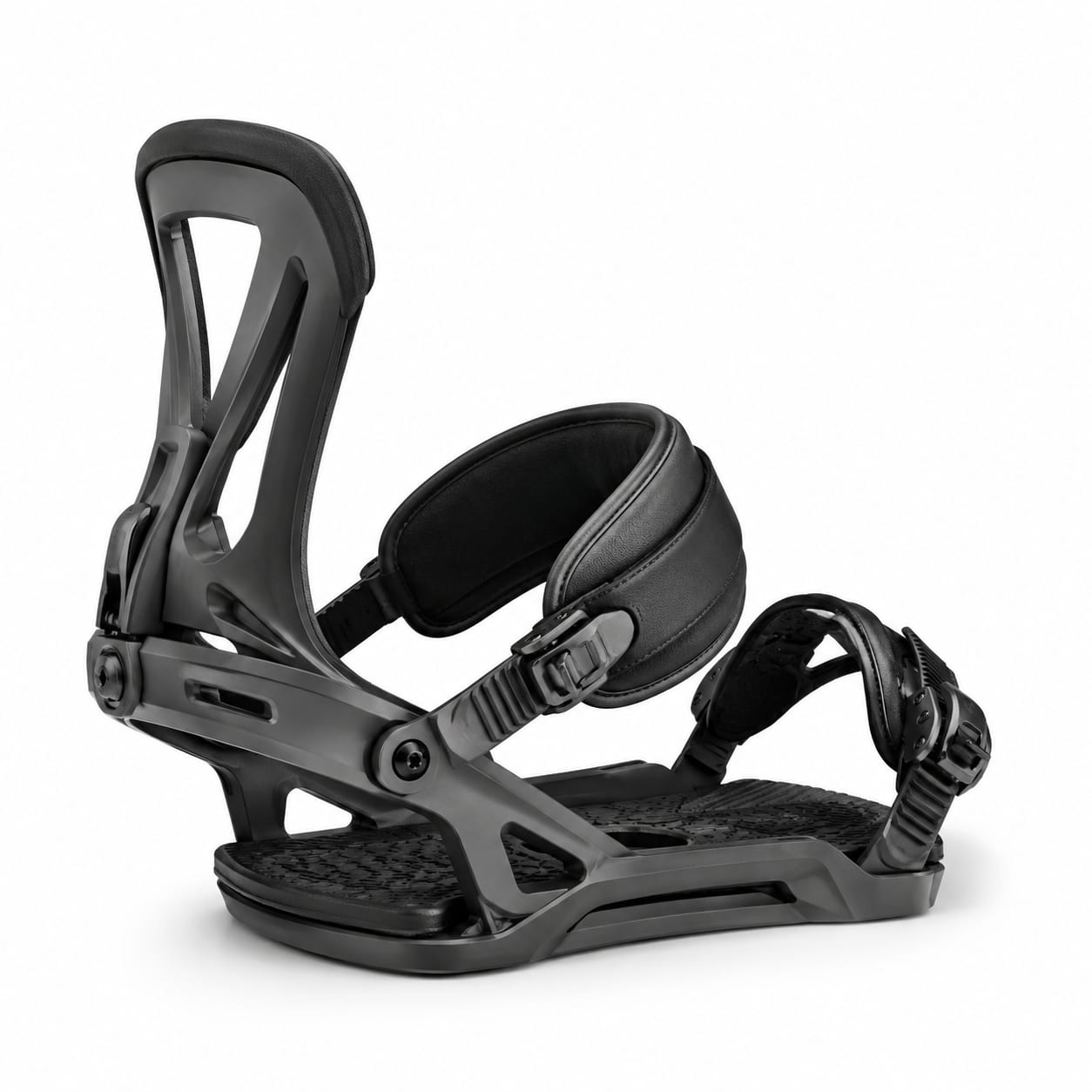
6 topics
Pick a question
Every answer links to the full subcategory guide and related gear types when it helps you decide.
Are rear-entry bindings only for beginners?
No. While their easy entry makes them popular with beginners, modern rear-entry bindings are legitimate all-mountain performers. Models like the FLOW NX2 and Fuse deliver response and hold suitable for advanced riders. The perception that they're beginner-only is outdated and stems from early generations that had legitimate performance limitations. Choose a model with a stiff highback and auxiliary ankle strap for the best performance.
Read answer →02Do rear-entry bindings cause heel lift?
Some heel lift can occur under hard heel-side loading, especially with cable-only models. This has been significantly reduced in current-generation bindings with auxiliary ankle straps (like FLOW's Active Strap Technology) and stiffer highbacks. For most intermediate riders, heel lift is not noticeable. Aggressive freeriders who demand zero compliance may still prefer traditional strap bindings.
Read answer →03Can I use any snowboard boot with rear-entry bindings?
Yes. Unlike step-on systems that require specific boot models with cleats, rear-entry bindings work with virtually any standard snowboard boot. However, proper sizing is critical—the boot must fit the binding correctly for the cable system to engage properly. Always check the manufacturer's size chart and test the fit before committing.
Read answer →04How long does the cable last?
Cable lifespan varies with riding frequency and intensity. Most cables last 1-3 seasons of regular riding (30-60 days per year). Signs of wear include stretching (the binding feels looser even after adjustment), fraying, and difficulty maintaining consistent tension. Inspect the cable every 20-30 days and replace proactively. Carry a spare on multi-day trips.
Read answer →05Are rear-entry bindings harder to adjust than regular bindings?
On-the-fly ankle adjustment is less convenient because you can't simply ratchet tighter or looser—you need to adjust cable tension, which typically requires a tool or lever adjustment while stopped. However, once set, the fit is consistent every run. The toe strap adjusts normally with a ratchet. Most riders set their cable tension once at the beginning of the day and don't change it.
Read answer →06Can I use rear-entry bindings on a Burton Channel board?
It depends on the model. Some FLOW and K2 rear-entry bindings include Channel-compatible discs, while others do not. Check the product specifications before purchasing. EST-style rear-entry bindings do not exist—you'll use a standard baseplate with a Channel-compatible disc, not the floating EST design. If your bindings don't include a Channel disc, you may be able to purchase one separately.
Read answer →