Binding Entry Type
Binding Type
What it means
The mechanism by which the rider's boot is secured into the binding, affecting convenience, response, and compatibility with specific boot models.
Typical for this type
Rear Entry
In practice
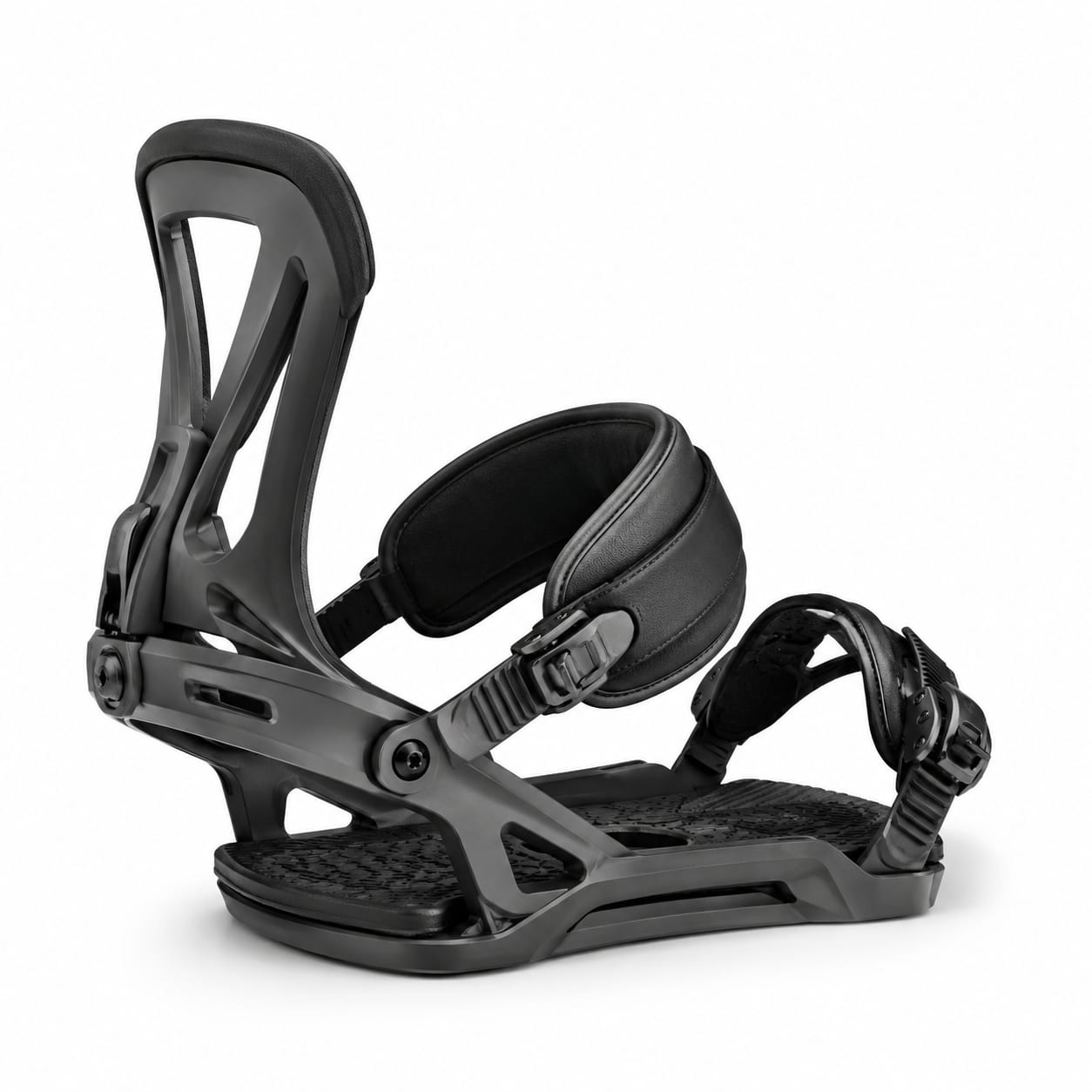
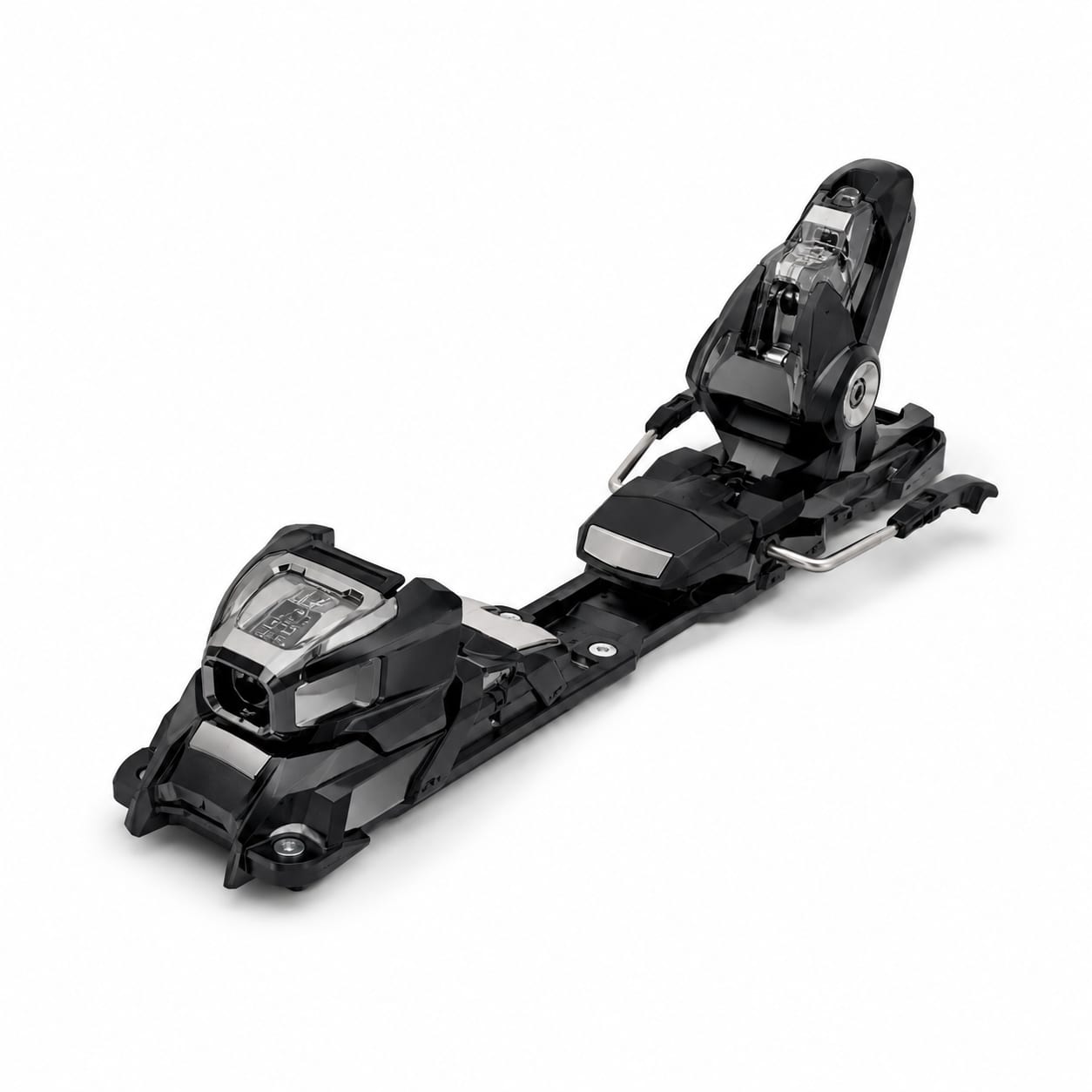
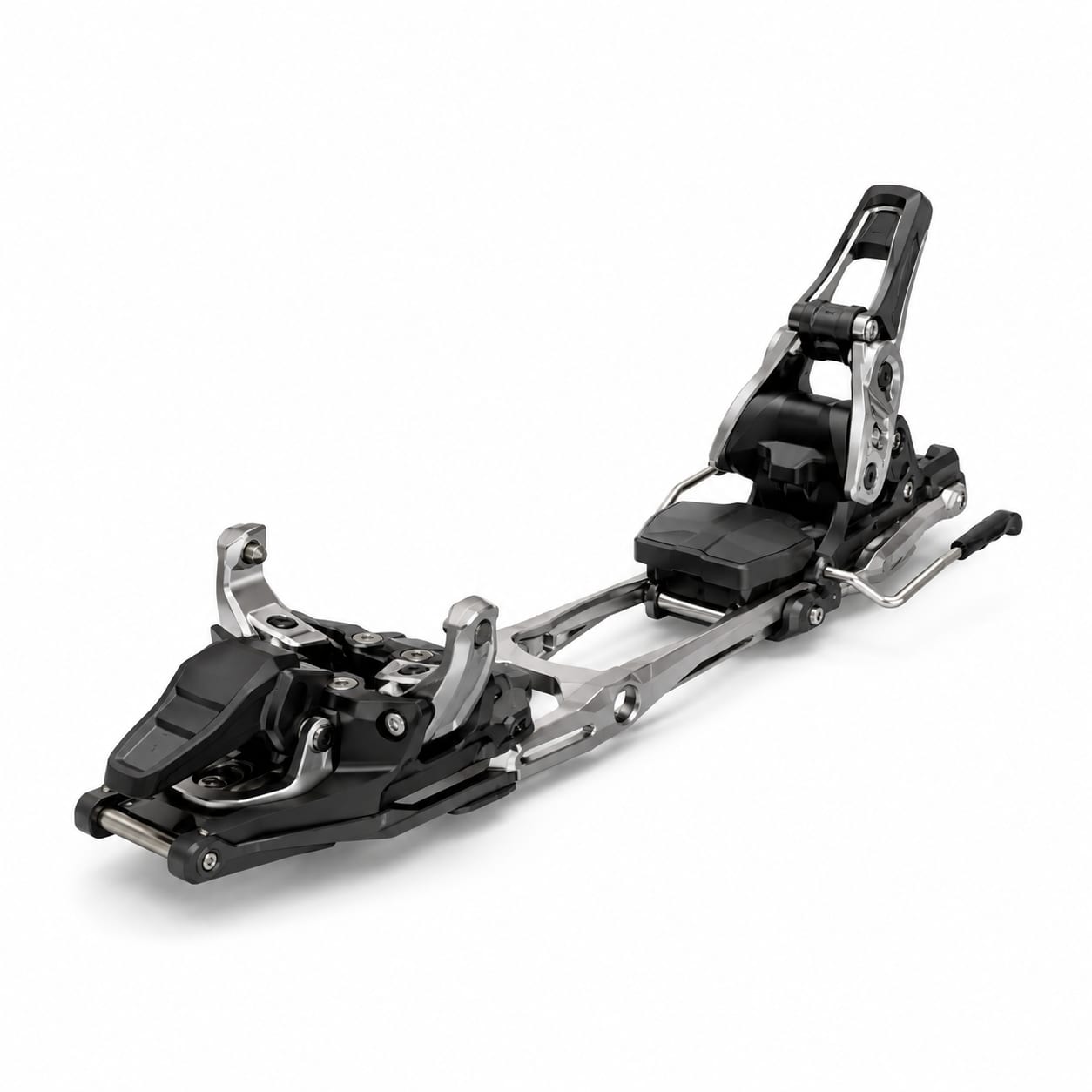
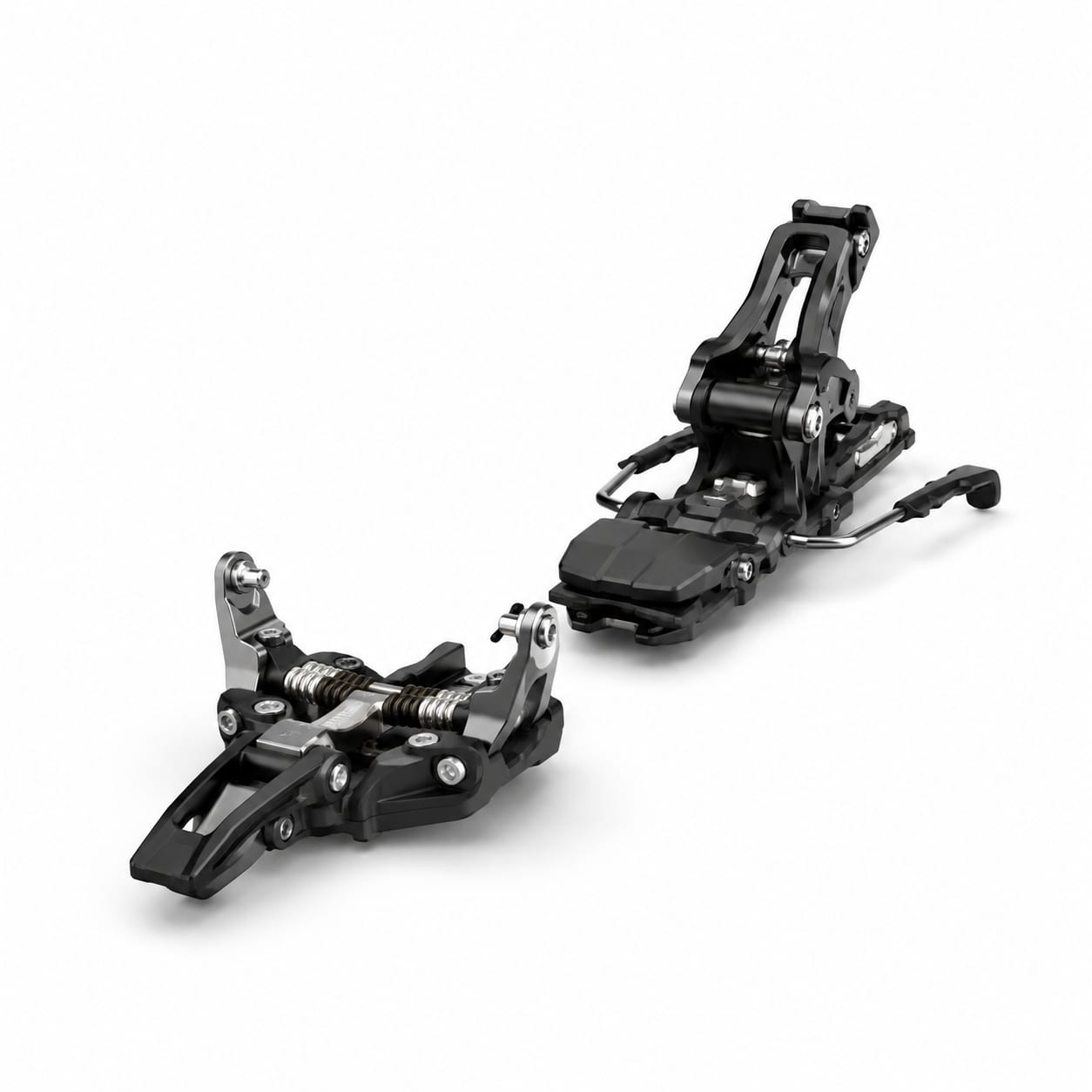
Rear-entry bindings use a reclining highback mechanism where the rider slides their boot in from the rear and locks the highback upright to engage a cable or strap retention system. This is the defining characteristic of the subcategory.
Compared to other types
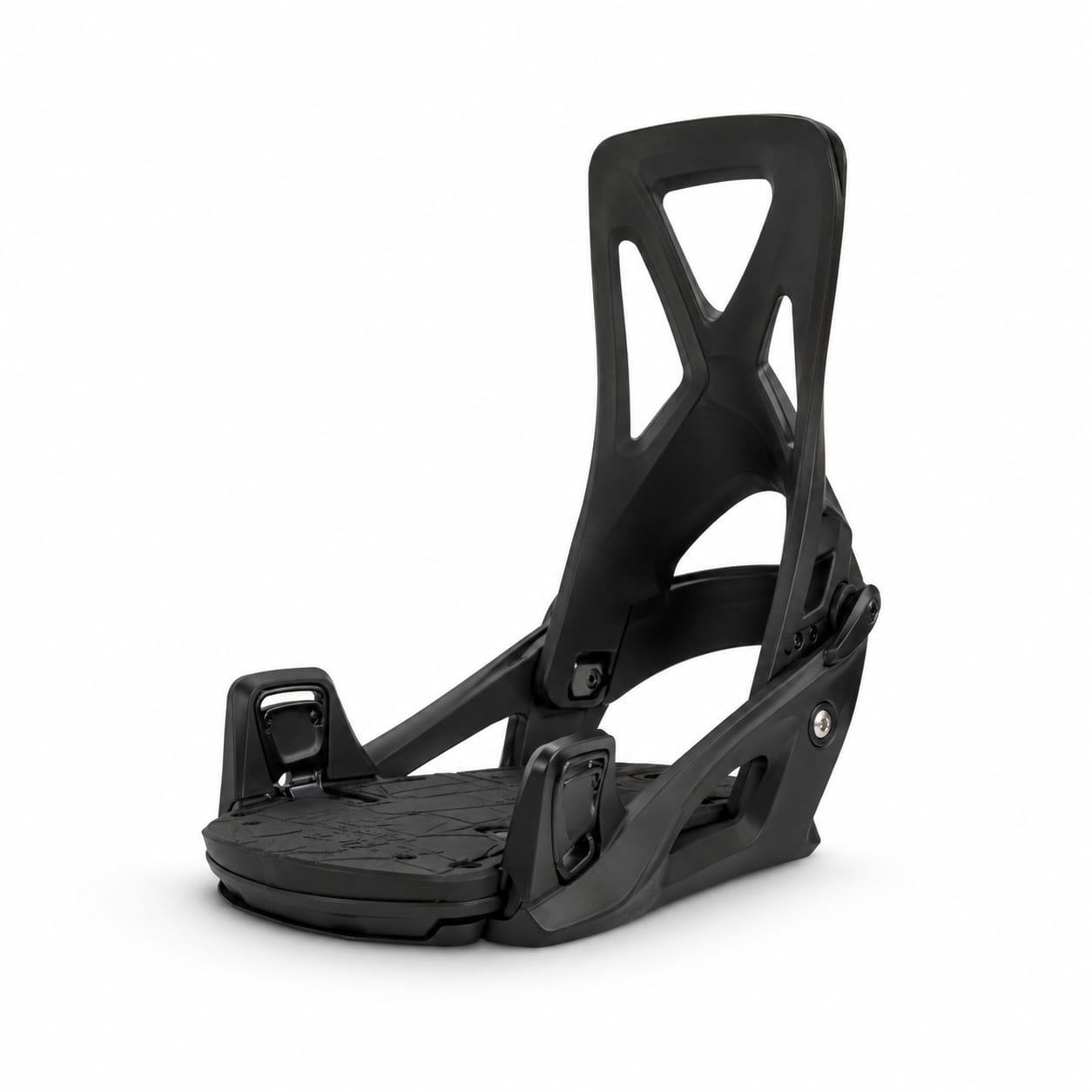
Unlike traditional strap bindings that require manual ratcheting of two straps, rear-entry bindings secure the ankle automatically when the highback closes. Unlike step-on systems, rear-entry bindings work with any standard snowboard boot and still include a toe strap for adjustable hold.
Why it matters: The rear-entry mechanism is the entire point of this subcategory—it provides fast, convenient entry/exit without requiring the rider to bend down and manipulate straps over the boot. It also means the highback doubles as part of the retention system.
Flex Stiffness
Flex Rating
What it means
How stiff or soft the binding feels, affecting responsiveness, comfort, and the type of riding it supports. Typically rated on a 1-10 scale by manufacturers.
Typical for this type
4-8
Most common pick: 5-7
In practice
Most rear-entry bindings fall in the medium flex range (5-7), balancing the convenience-oriented design with enough response for all-mountain riding. FLOW offers models from soft (4) to stiff (8), but the majority cluster around medium.
Compared to other types
Rear-entry bindings tend to have slightly softer effective flex than traditional strap bindings at the same rated stiffness, because the cable retention system allows a small amount of heel lift under hard loading. This gap has narrowed in recent generations but is still noticeable at the extremes.
Why it matters: Flex affects how responsive the binding feels and what riding styles it supports. Medium flex suits the all-mountain convenience rider who is the primary audience for rear-entry bindings. Softer options exist for park-curious riders, while stiffer models serve aggressive freeriders who still want the entry convenience.
Mounting Pattern Compatibility
Mounting System
What it means
The bolt pattern and disc system the binding uses to attach to the snowboard. Must be compatible with the board's insert pattern.
Typical for this type
4x4, 2x4 (3D with included disc; Channel requires adapter or specific model)
Most common pick: 4x4, 2x4, 3D
In practice
Most rear-entry bindings include discs compatible with 4x4, 2x4, and Burton 3D insert patterns. Burton Channel compatibility varies—FLOW offers Channel-compatible discs for some models, but not all. EST-style rear-entry bindings do not exist.
Compared to other types
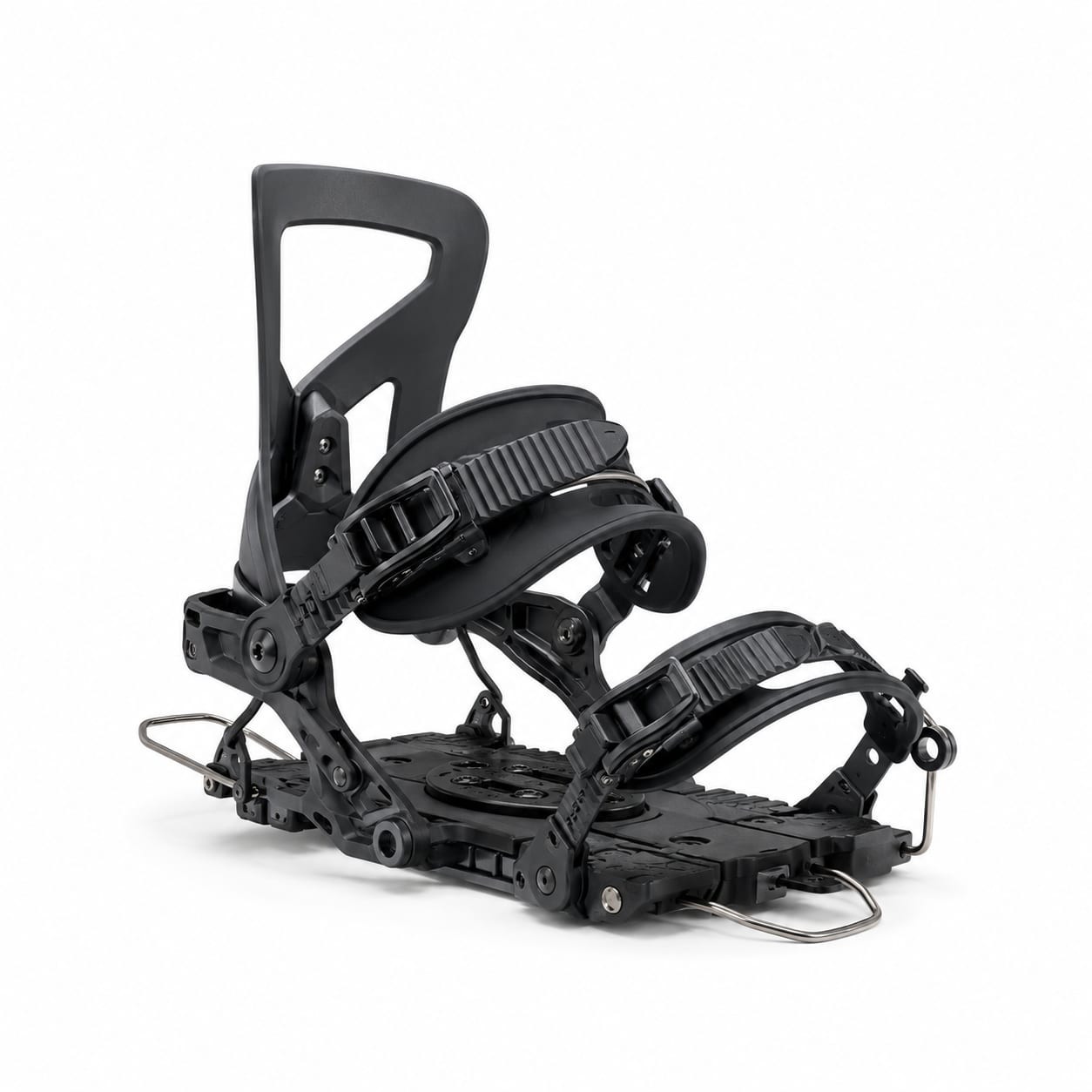
Rear-entry bindings have the same mounting compatibility as traditional strap bindings. Step-on bindings (Burton) are more limited in mounting options. Splitboard bindings use entirely different mounting systems (pucks/pins).
Why it matters: You must verify that the binding includes a disc compatible with your board's insert pattern. FLOW and K2 rear-entry bindings typically include multi-pattern discs, but Channel board owners need to confirm compatibility or purchase adapter discs separately.
What it means
The frame size of the binding, which must correspond to the rider's boot size for proper fit, support, and safety.
Typical for this type
Match to Boot Size Per Manufacturer Chart
Most common pick: S, M, L
In practice
Rear-entry bindings come in the same size range as other binding types (XS through XL). Proper sizing is especially critical because the cable system must engage the boot at the correct height and position for the auto-tightening mechanism to work properly.
Compared to other types
Sizing is more critical for rear-entry bindings than for traditional strap bindings, where ratchet tension can partially compensate for slight sizing mismatches. Step-on bindings are even more size-sensitive due to the cleat engagement system.
Why it matters: An improperly sized rear-entry binding won't hold the boot securely when the highback closes. If the binding is too large, the cable won't apply sufficient pressure; if too small, the boot won't seat properly in the heel cup. This is more finicky than strap bindings where you can compensate with ratchet tension.
Baseplate Material
Baseplate Material
What it means
The primary material composing the baseplate, which affects weight, responsiveness, vibration dampening, and durability.
Typical for this type
Nylon Composite Or Multi Material
In practice
Most rear-entry bindings use glass-filled nylon composite baseplates, which provide a good balance of flex, dampening, and durability. Some higher-end models use multi-material designs with aluminum heel cups for added stiffness and response.
Compared to other types
Rear-entry bindings rarely use full aluminum or carbon fiber baseplates, as these materials are less common in the all-mountain segment where rear-entry bindings primarily compete. Traditional strap bindings offer more variety in baseplate materials, including full aluminum and carbon fiber options for freeride and race applications.
Why it matters: The baseplate material affects the overall feel and durability of the binding. Nylon composite is well-suited to rear-entry designs because it absorbs vibrations and provides a slightly forgiving feel that complements the convenience-oriented design philosophy.
Highback Material
Highback Material
What it means
Material composition of the highback, which affects heel-side response, lateral mobility, and weight.
Typical for this type
Nylon Composite (Standard); Multi Material (Performance)
In practice
The highback in rear-entry bindings is typically made from glass-filled nylon composite. Because the highback reclines and serves as part of the retention mechanism, it must be both durable enough to withstand repeated opening/closing and stiff enough to provide heel-side response. Some performance models use multi-material construction with a stiffer spine.
Compared to other types
Rear-entry highbacks are typically more robust and slightly taller than those on traditional strap bindings because they must withstand the mechanical stress of repeated reclining and serve as the ankle retention mechanism. Carbon fiber and aluminum highbacks are extremely rare in rear-entry designs.
Why it matters: The highback in a rear-entry binding does double duty—it's both the entry mechanism and the primary heel-side power transfer component. A highback that's too soft will flex under heel-side loading and allow heel lift; one that's too stiff may be difficult to recline in cold temperatures. Material choice directly affects this balance.
Canted Footbed
Canted Footbed
What it means
Whether the binding footbed is angled outward (canted) to align the rider's knees and legs in a more natural stance, reducing fatigue and improving leverage.
Typical for this type
True (Preferred For Wider Stances)
In practice
Many mid-to-high-end rear-entry bindings include canted footbeds, typically at 2.5° to 3° of canting. FLOW's Active Strap Technology models and K2's higher-end rear-entry bindings commonly feature canting. Entry-level models may omit it.
Compared to other types
Canting availability in rear-entry bindings is comparable to traditional strap bindings at similar price points. Step-on bindings also commonly include canting. The presence or absence of canting is more a function of price tier than binding type.
Why it matters: Canted footbeds reduce knee strain and improve edge power, which is especially beneficial for the all-mountain riders who are the primary audience for rear-entry bindings. If you ride with a wider stance, canting is strongly recommended.
Dampening / Cushioning
Cushioning System
What it means
The type and amount of shock-absorbing material between the baseplate and the rider's foot, affecting impact absorption, vibration dampening, and comfort.
Typical for this type
Multi Density Foam Or Eva Foam
In practice
Mid-range rear-entry bindings typically use EVA foam cushioning, while higher-end models feature multi-density foam with softer zones under the heel for impact absorption and firmer zones under the toe for power transfer. Some FLOW models use their proprietary N-Gel cushioning.
Compared to other types
Rear-entry bindings generally offer comparable cushioning to traditional strap bindings at the same price. Gel and air cushioning systems are less common in rear-entry bindings than in premium strap bindings, as the rear-entry mechanism already adds cost and complexity.
Why it matters: Cushioning affects comfort on long days and choppy terrain. Rear-entry bindings tend to prioritize comfort alongside convenience, so many models feature above-average cushioning for their price point.
Ankle Strap Design
Ankle Strap Type
What it means
The design and construction of the ankle strap, which is the primary retention mechanism affecting comfort, hold, and pressure distribution.
Typical for this type
Models With Auxiliary Ankle Strap Preferred
Most common pick: Hybrid (Cable + Strap)
In practice
Rear-entry bindings use a cable or strap system that runs from the highback to the baseplate to secure the ankle when the highback closes. Many modern models also include an auxiliary ankle strap (FLOW's Active Strap Technology) that lifts when the highback opens, creating more room for entry, and tightens when the highback closes. This hybrid approach provides better hold than cable-only systems.
Compared to other types
Traditional strap bindings use dedicated ankle straps with ratchets, offering the most adjustable and precise ankle hold. Rear-entry cable systems trade some fine-tuning ability for convenience. Step-on bindings have no ankle strap at all, relying on heel and toe cleats for retention.
Why it matters: The ankle retention system is the most critical performance differentiator within rear-entry bindings. Cable-only systems can allow heel lift under hard loading; adding an auxiliary strap significantly improves hold and reduces the performance gap with traditional strap bindings. Look for models with this feature if performance matters.
Toe Strap Design
Toe Strap Type
What it means
The design of the toe strap, which secures the front of the boot and affects both hold and toe drag management.
In practice
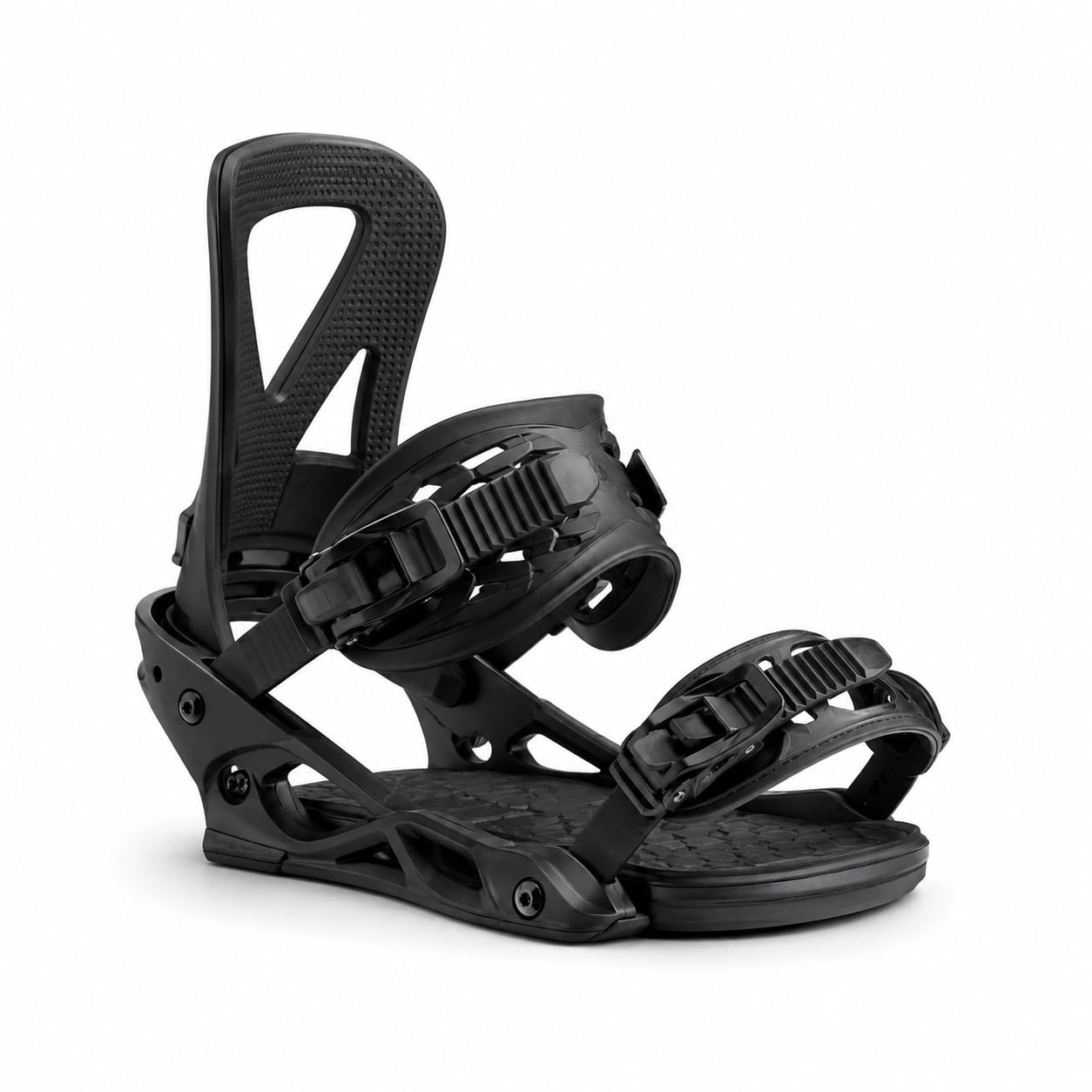
Rear-entry bindings use standard toe cap straps that are manually fastened with a ratchet, just like traditional strap bindings. The toe strap is independent of the rear-entry mechanism and must be adjusted separately.
Compared to other types
Toe strap design is identical between rear-entry and traditional strap bindings. Step-on bindings have no toe strap, using cleats instead. This is one area where rear-entry bindings maintain full parity with traditional designs.
Why it matters: The toe strap provides critical forward hold and helps pull the heel into the heel cup. Even though the rear-entry mechanism secures the ankle, the toe strap is still essential for a complete, secure fit. Cap-style toe straps are standard and recommended.
Highback Forward Lean
Forward Lean
What it means
The angle at which the highback tilts forward toward the rider's calf, affecting heel-edge responsiveness, knee positioning, and riding posture.
Typical for this type
10-18°
Most common pick: 12-15°
In practice
Rear-entry bindings typically come with moderate forward lean settings in the 12-15° range. Forward lean adjustment is usually via a lever or dial on the highback hinge. Because the highback reclines for entry, forward lean settings affect how far the highback must travel to open and close.
Compared to other types
Forward lean adjustment works the same way as traditional strap bindings, but the practical impact is different because the highback must recline fully for entry. Excessive forward lean can make the entry mechanism feel stiff or require more force to close, which is not an issue with strap bindings.
Why it matters: More forward lean improves heel-edge response but makes the highback harder to recline for entry. Less forward lean makes entry easier but reduces heel-side power. Finding the right balance is key for rear-entry bindings specifically. Most riders settle between 10-15°.
Weight (Pair)
Weight Per Pair
What it means
The combined weight of both bindings, affecting overall setup weight and fatigue on long days or hiking.
Typical for this type
1000-1400g
Most common pick: 1100-1400g
In practice
Rear-entry bindings tend to be slightly heavier than comparable traditional strap bindings due to the reclining highback mechanism, cable system, and additional hardware. Typical weight ranges from 1100-1400g per pair, with lighter models around 1000g and heavier freeride-oriented models up to 1500g.
Compared to other types
Rear-entry bindings are typically 50-200g heavier per pair than equivalent traditional strap bindings due to the hinge mechanism and cable hardware. Step-on bindings are lighter than both. The weight difference is noticeable in specifications but rarely significant in actual riding feel.
Why it matters: The added weight comes from the mechanism that enables the convenience feature. For most riders, the 100-200g penalty over equivalent strap bindings is negligible on the snow. Weight-conscious park riders may notice it more during spins and hikes.
Ratchet Mechanism
Ratchet Type
What it means
The type and material of the ratchets used to tighten straps, affecting ease of use, durability, and smoothness of operation.
Typical for this type
Aluminum
In practice
Rear-entry bindings use ratchets primarily on the toe strap (and on the auxiliary ankle strap if present). Most mid-to-high-end models feature aluminum ratchets for durability and smooth operation. The ankle retention is handled by the cable system rather than a ratchet.
Compared to other types
Rear-entry bindings use fewer ratchets than traditional strap bindings (one for the toe strap vs. two for ankle and toe), so ratchet quality is somewhat less critical. Step-on bindings have no ratchets at all.
Why it matters: Ratchet quality matters for the toe strap, which is still manually operated. Smooth, durable ratchets make the toe strap easier to secure, especially with gloves. Since the ankle is secured by the cable system, ratchet quality is slightly less critical than on traditional strap bindings where both straps use ratchets.
Response Level
Response Rating
What it means
How quickly and directly the binding transfers rider input to the board edge, influenced by the combined effect of flex, materials, and construction design.
Typical for this type
5-8
Most common pick: 5-7
In practice
Modern rear-entry bindings deliver medium response (5-7) suitable for all-mountain riding. Higher-end models with stiffer highbacks and auxiliary ankle straps can reach 7-8. The cable retention system introduces a small amount of compliance compared to a directly ratcheted strap, which slightly reduces the effective response at the upper end.
Compared to other types
Rear-entry bindings at a given flex rating typically deliver slightly lower effective response than traditional strap bindings due to the cable system's small amount of compliance under hard loading. The gap has narrowed significantly but exists at the highest performance levels. Step-on bindings can deliver very high response through their direct cleat interface.
Why it matters: Response determines how quickly your inputs translate to edge engagement. For the all-mountain and cruising riders who typically choose rear-entry bindings, medium response is ideal—responsive enough for confident carving but forgiving enough for relaxed riding. Riders seeking maximum response for aggressive freeriding should look at the stiffest rear-entry models or consider traditional strap bindings.
Optimized Riding Style
Riding Style
What it means
The primary riding style(s) the binding is designed for, which informs its flex, response, and feature set.
Typical for this type
All Mountain, Freeride
In practice
Rear-entry bindings are primarily designed for all-mountain riding, where their convenience and versatile performance are most valued. Some stiffer models are suitable for freeride. Park/freestyle riders tend to prefer traditional strap bindings for maximum tweakability, and splitboard touring requires dedicated splitboard bindings.
Compared to other types
Traditional strap bindings cover the widest range of riding styles, from park to freeride. Rear-entry bindings are strongest in the all-mountain segment. Step-on bindings are expanding beyond all-mountain into freeride. Splitboard bindings are purpose-specific for backcountry touring.
Why it matters: Matching your binding to your riding style ensures you get the performance characteristics you need. Rear-entry bindings excel for all-mountain cruising and freeride but are less common in park setups due to the highback mechanism limiting tweakability and the slight weight penalty.
Baseplate Design
Baseplate Construction
What it means
The structural design philosophy of the baseplate, affecting board feel, dampening, and how the binding interfaces with the snowboard.
Typical for this type
Full Contact Or Minimized Contact
In practice
Most rear-entry bindings use full contact baseplates for maximum power transfer, which helps compensate for the slight compliance in the cable retention system. Some models feature minimized contact designs for enhanced board feel. EST-style construction is not available in rear-entry bindings.
Compared to other types
Rear-entry bindings do not offer EST-style construction (Burton Channel direct-mount), which is exclusive to Burton's traditional strap binding line. Full contact and minimized contact designs are comparable to traditional strap bindings. Step-on bindings use a unique baseplate design integrated with the cleat system.
Why it matters: Baseplate construction affects board feel and power transfer. Full contact plates provide the most direct response, which benefits rear-entry bindings by offsetting the cable system's slight compliance. Minimized contact designs offer a more natural board flex but may feel slightly less responsive.
Strap Durability Rating
Ladder Strap Durability
What it means
The expected durability of the strap ladders (the toothed strips that feed through ratchets), which are the most common wear item on bindings.
Typical for this type
Standard Or Reinforced
In practice
Rear-entry bindings use ladder straps primarily on the toe strap (and auxiliary ankle strap if present). Standard nylon ladders are typical, with reinforced options on higher-end models. The cable system that handles ankle retention is a separate component with its own durability characteristics.
Compared to other types
Rear-entry bindings have fewer ladder straps to wear out (one vs. two on traditional bindings) but introduce the cable as an additional wear item. Cable replacement is less convenient than ladder strap replacement and typically requires manufacturer-specific parts. Traditional strap bindings have more universal replacement parts availability.
Why it matters: Ladder strap durability matters for the toe strap, which sees regular ratchet use. The cable system is the more unique wear item for rear-entry bindings—cables can stretch or fray over time, and replacement requires specific parts from the manufacturer. Check cable condition periodically.