Kitvore.com

Kitvore.com

Specs that matter. Gear that fits.

Snowboard Equipment

Snowboard Bindings

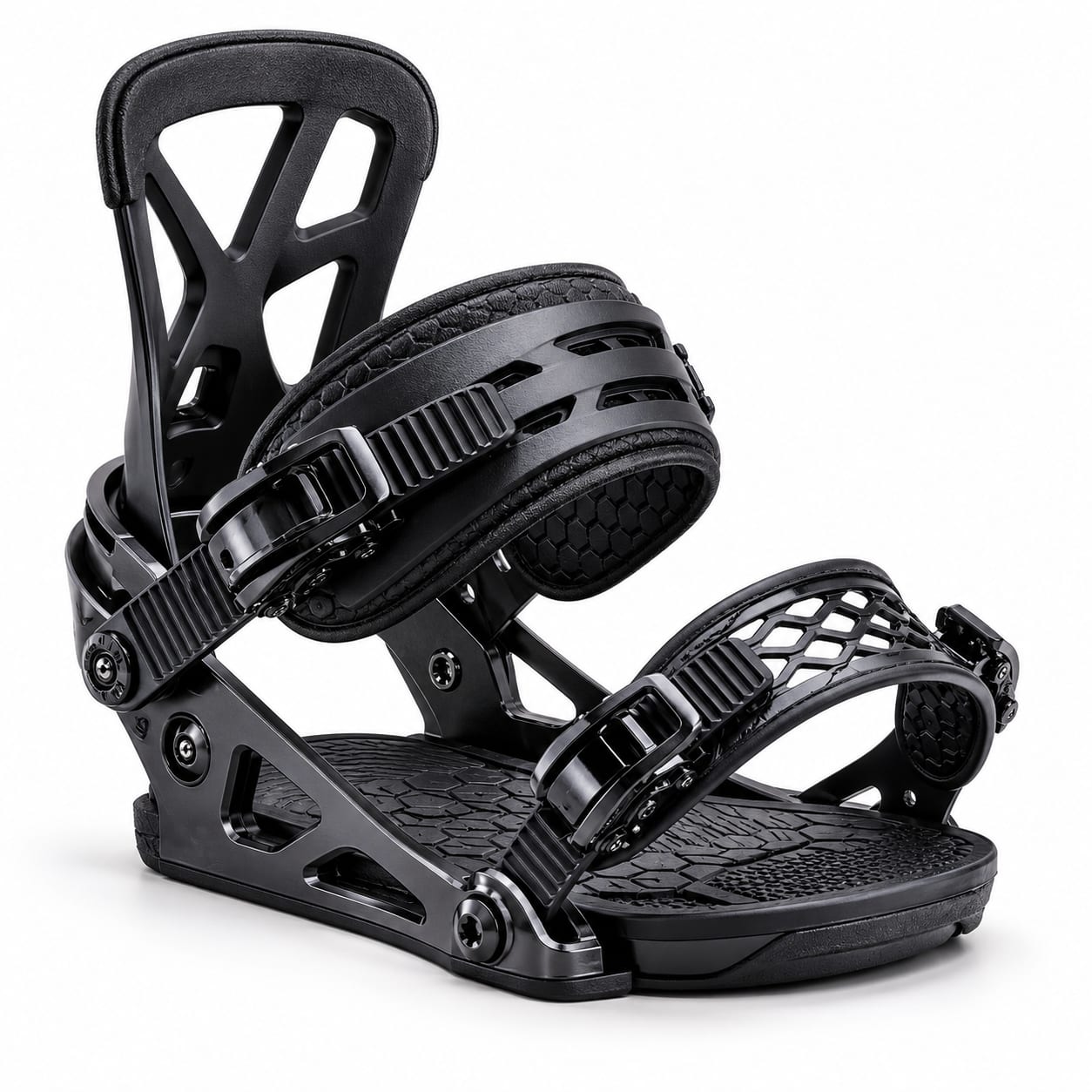
Snowboard bindings secure the rider's boots to the snowboard, transferring muscle movements into board response while providing support, cushioning, and comfort across varied terrain and conditions.

Beginner riders seeking forgiving, easy-to-use bindingsPark and freestyle riders wanting soft flex and lateral mobilityAll-mountain riders needing versatile, medium-flex setupsFreeride and big-mountain riders demanding stiff, responsive power transfer

16

Key specs

10

Subcategories

7

Related gear topics

Snowboard Bindings

Overview

What this equipment is for

Bindings are the critical interface between rider and board. Their flex, construction, and adjustment capabilities directly determine how input translates to edge control, pop, and stability. Choosing the right binding type, flex profile, and mounting compatibility is essential for matching performance to riding style and ability level.

Related equipment

SnowboardsSnowboard BootsBinding Hardware & DiscsStomp PadsBinding Straps & Replacement PartsSplitboard BindingsStep-On Boot-Binding Systems

Buying specs

Specs worth understanding before you buy

Each spec explains how it affects performance, fit, and whether a product suits your style and use case.

Compatibility & Fit

Dimensions that determine whether the binding will physically and functionally work with your board and boots.

Binding Entry Type

Binding Type

Importance

The mechanism by which the rider's boot is secured into the binding, affecting convenience, response, and compatibility with specific boot models.

Traditional Strap

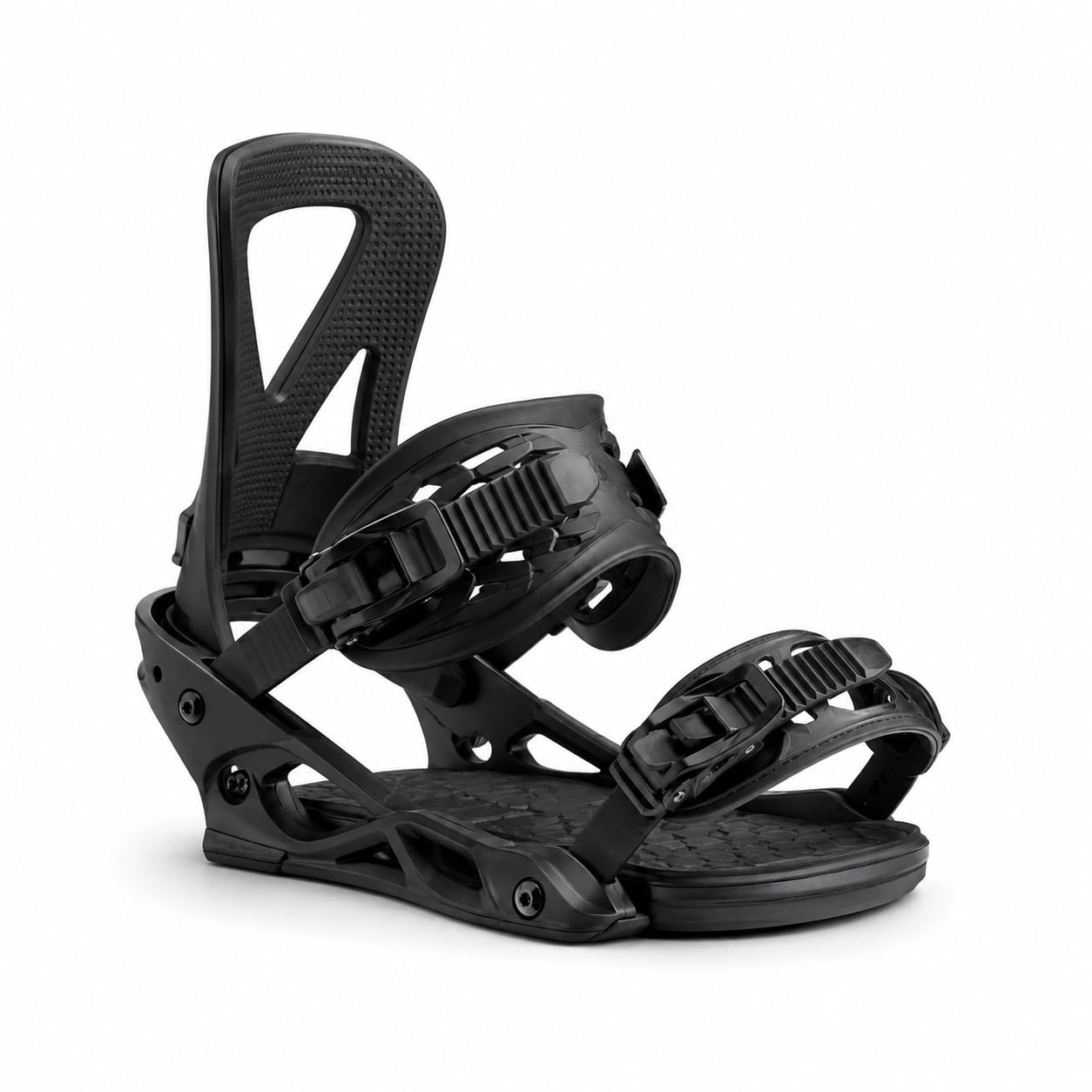
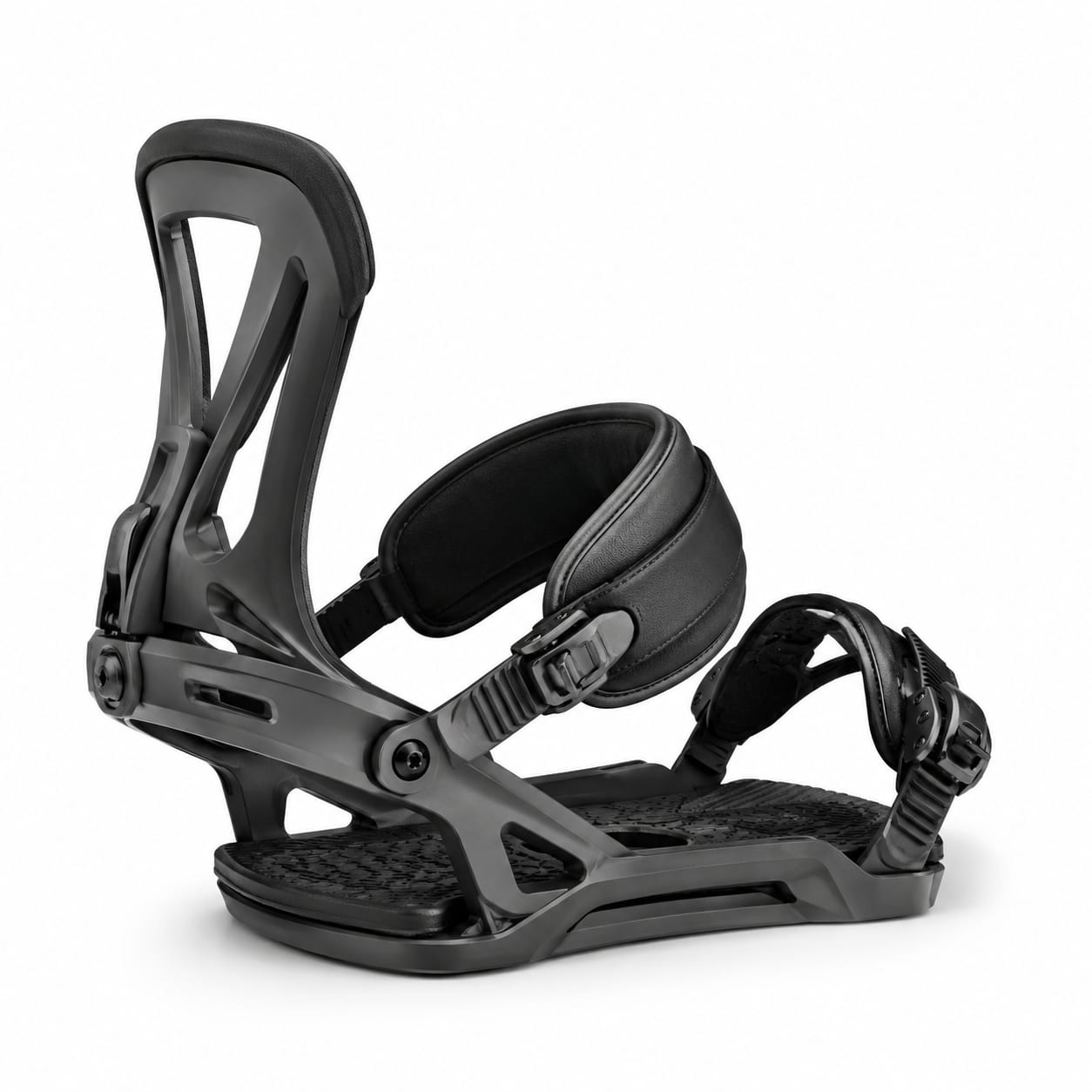
Two straps (ankle and toe) secured with ratchets. Most common and versatile type with universal boot compatibility.

Rear-Entry / Speed Entry

Reclining highback allows the foot to slide in from the rear, then locks closed. Often includes a single cable or strap system.

Step-On

Boot clicks into binding via toe and heel cleats with no straps. Requires dedicated step-on compatible boots.

Splitboard Specific

Bindings designed to detach and convert for touring mode on splitboards, with pucks or pin systems for ride/walk transitions.

Choose strap bindings for maximum versatility and boot choice. Step-on systems offer unmatched convenience but lock you into specific boot models. Rear-entry is a good middle ground for convenience-seekers who still want strap-like adjustability.
Mounting Pattern Compatibility

Mounting System

Importance

The bolt pattern and disc system the binding uses to attach to the snowboard. Must be compatible with the board's insert pattern.

4x4 Standard

Four inserts in a 4cm x 4cm grid. The most universal pattern, used by most non-Burton brands.

2x4 Micro

Similar to 4x4 but with inserts spaced 2cm apart for finer stance width adjustment.

Burton Channel / ICS

Two slots running lengthwise along the board instead of fixed inserts. Requires specific Channel-compatible discs or EST bindings.

Burton 3D

Three inserts per side in a triangular pattern. Legacy Burton system, largely phased out.

Check your board's insert pattern before purchasing. Most non-Burton bindings include discs for 4x4/2x4 and 3D. If you have a Burton Channel board, you need Channel-compatible discs or EST bindings. Some brands include multiple disc types; others require separate purchase.

Binding Size

Binding Size

Importance

The frame size of the binding, which must correspond to the rider's boot size for proper fit, support, and safety.

Extra Small

Fits youth and very small adult boots, typically US Men's 4-6 / Women's 5-7.

Small

Fits smaller adult boots, typically US Men's 6-8 / Women's 7-9.

Medium

Fits average adult boots, typically US Men's 8-10 / Women's 9-11.

Large

Fits larger adult boots, typically US Men's 10-12.

Always check the specific brand's size chart, as sizing ranges vary between manufacturers. If between sizes, consider your boot's bulk—thick-soled boots may fit better in the larger size. Improperly sized bindings compromise safety and performance.

Flex & Response

Dimensions that define how the binding feels and responds to rider input—the core performance characteristics.

Flex Stiffness

Flex Rating

Importance

How stiff or soft the binding feels, affecting responsiveness, comfort, and the type of riding it supports. Typically rated on a 1-10 scale by manufacturers.

Typical range: 1–10 flex index

Soft flex (1-4) is forgiving and playful, ideal for beginners and park riders. Medium flex (5-7) balances response and comfort for all-mountain riding. Stiff flex (8-10) maximizes power transfer for freeride, carving, and high-speed performance. Match binding flex to boot flex and board flex for a cohesive setup.

Response Level

Response Rating

Importance

How quickly and directly the binding transfers rider input to the board edge, influenced by the combined effect of flex, materials, and construction design.

Typical range: 1–10 response index

Low response (1-4) bindings are forgiving and playful, ideal for beginners learning edge control and park riders who want tweakability. Medium response (5-7) suits all-mountain riders who want a balance of quickness and comfort. High response (8-10) is for aggressive freeriders and carvers who need instant edge engagement. Response correlates with but isn't identical to flex—it also depends on baseplate design, highback shape, and strap configuration.

Optimized Riding Style

Riding Style

Importance

The primary riding style(s) the binding is designed for, which informs its flex, response, and feature set.

Park / Freestyle

Soft flex, minimal weight, and lateral mobility for jumps, jibs, rails, and tricks.

All-Mountain

Medium flex and versatile features for riding the whole mountain—groomers, park, trees, and light powder.

Freeride / Big Mountain

Stiff flex and maximum response for high-speed riding, steep terrain, and deep snow.

Powder / Surf

Bindings with features specific to deep snow riding, sometimes including setback compatibility and surfy flex patterns.

If you primarily ride park, choose park-specific bindings. If you ride everything, all-mountain bindings are the safest bet. Freeride bindings are for riders who spend most of their time off-piste at speed. Be honest about your actual riding, not your aspirational riding—over-binding (too stiff) is a more common mistake than under-binding.

Construction & Materials

Dimensions related to the physical build, materials, and structural design of the binding.

Baseplate Material

Baseplate Material

Importance

The primary material composing the baseplate, which affects weight, responsiveness, vibration dampening, and durability.

Nylon / Composite

Glass-filled nylon or proprietary composite blends. Most common material offering a balance of flex, dampening, and durability.

Aluminum

CNC-machined or cast aluminum baseplate. Very stiff and direct.

Carbon Fiber

Carbon fiber reinforced baseplate for ultra-light weight and high stiffness.

Multi-Material / Hybrid

Combination of materials (e.g., aluminum heel cup with composite footbed) to blend characteristics.

Nylon/composite is the best all-around choice for most riders. Aluminum suits aggressive freeriders who prioritize response over comfort. Carbon fiber is for weight-obsessed riders with larger budgets. Multi-material designs often offer the best real-world balance.

Highback Material

Highback Material

Importance

Material composition of the highback, which affects heel-side response, lateral mobility, and weight.

Nylon / Composite

Glass-filled nylon or proprietary composite. Most common highback material.

Carbon Fiber

Carbon fiber reinforced highback for maximum stiffness with minimal weight.

Aluminum

Metal highback construction, rare in modern bindings but found in some specialty models.

Multi-Material / Hybrid

Combines materials, often with a stiffer spine and more flexible outer frame.

Match highback material and stiffness to your riding style. Softer composite highbacks suit park and beginners; stiffer carbon or multi-material highbacks suit freeride and aggressive riders. Highback stiffness should complement, not fight, your boot flex.

Baseplate Design

Baseplate Construction

Importance

The structural design philosophy of the baseplate, affecting board feel, dampening, and how the binding interfaces with the snowboard.

Full Contact / Solid

Baseplate makes full contact with the board surface. Traditional design with maximum power transfer.

Minimized Contact / Living Hinge

Baseplate designed with reduced contact points or flexible sections to allow the board to flex more naturally under the binding.

Suspended / Floating

Footbed is suspended above the baseplate with cushioning elements, isolating the foot from board vibrations.

EST (Burton)

Burton's Exclusive Sensory Technology—bindings without a traditional baseplate, mounting directly to the Channel system with cushioning pods.

Full contact plates suit riders who prioritize response. Minimized contact and suspended designs favor board feel and comfort. EST is excellent if you ride a Burton Channel board—it's one of the best features of the Burton ecosystem. This dimension is less critical than flex and fit but contributes to the overall ride feel.

Ratchet Mechanism

Ratchet Type

Importance

The type and material of the ratchets used to tighten straps, affecting ease of use, durability, and smoothness of operation.

Aluminum

Aluminum ratchet levers and teeth. Strong, durable, and smooth operating.

Composite / Plastic

Nylon or composite ratchet construction. Lightweight and functional.

Magnesium

Magnesium alloy ratchets offering strength similar to aluminum at lower weight.

Aluminum ratchets are the sweet spot for most riders—durable and smooth without excessive cost. Composite ratchets work fine for casual riders but may wear faster. Magnesium is a premium upgrade that's nice but not essential. Smooth ratchet action matters more than material for daily usability.

Strap Durability Rating

Ladder Strap Durability

Importance

The expected durability of the strap ladders (the toothed strips that feed through ratchets), which are the most common wear item on bindings.

Standard

Typical nylon or polyurethane ladder straps. Adequate for normal use.

Reinforced / Heavy-Duty

Thicker or reinforced ladder straps designed to resist stripping and wear.

Toolless Replaceable

Ladder straps that can be swapped without tools, often via a quick-release mechanism.

Ladder straps are the most replaced binding component. If you ride frequently, look for reinforced or toolless-replaceable options. Carry a spare ladder strap on trips. This is a minor factor for most riders but matters for high-day-count riders and those who are hard on equipment.

Strap System

Dimensions related to the straps that secure the boot, affecting comfort, hold, and ease of use.

Ankle Strap Design

Ankle Strap Type

Importance

The design and construction of the ankle strap, which is the primary retention mechanism affecting comfort, hold, and pressure distribution.

Standard Padded

Traditional flat or slightly contoured strap with foam padding. Simple and proven design.

Asymmetrical / Contoured

Strap shaped to follow the natural contour of the ankle and boot, often with thicker padding on the inside edge.

Grip / Traction Strap

Strap with textured or rubberized interior surface that grips the boot shell, reducing slip.

Minimal / Low-Profile

Thin, lightweight strap that prioritizes weight savings and board feel over plush comfort.

If comfort on long days is a priority, look for asymmetrical or well-padded straps. For park riding where weight matters, minimal straps work well. Grip-style straps are excellent for aggressive riding where boot hold is critical. Try different styles if you experience pressure points.

Toe Strap Design

Toe Strap Type

Importance

The design of the toe strap, which secures the front of the boot and affects both hold and toe drag management.

Cap / Toe Cap

Strap pulls down and slightly back over the toe box of the boot, like a hood. Most popular modern design.

Over-the-Top / Traditional

Strap pulls straight down over the top of the foot/toe area. Older design, less common now.

Hybrid / Convertible

Strap that can be used in either cap or over-the-top position, offering rider choice.

Cap-style toe straps are the standard for good reason—they provide better hold with less pressure and reduced toe drag. Hybrid straps offer flexibility if you're unsure of your preference. Over-the-top straps are largely outdated but some riders still prefer them.

Comfort & Ergonomics

Dimensions that affect rider comfort, fatigue, and long-term joint health.

Canted Footbed

Canted Footbed

Importance

Whether the binding footbed is angled outward (canted) to align the rider's knees and legs in a more natural stance, reducing fatigue and improving leverage.

Canted footbeds are strongly recommended for riders with wider stances, as they reduce knee strain and improve edge power. Most mid-to-high-end bindings now include some degree of canting. If you experience knee pain while riding, canted footbeds may help significantly.

Dampening / Cushioning

Cushioning System

Importance

The type and amount of shock-absorbing material between the baseplate and the rider's foot, affecting impact absorption, vibration dampening, and comfort.

EVA Foam

Standard ethylene-vinyl acetate foam padding. Most common and cost-effective cushioning.

Multi-Density Foam

Layered foams of varying densities for targeted cushioning zones.

Gel Insert

Gel or polymer inserts, typically under the heel, for superior impact absorption.

Air / Pneumatic

Air-filled chambers or pods for cushioning, similar to athletic shoe technology.

If you ride a lot of park, icy chop, or have foot/knee issues, prioritize bindings with gel or multi-density cushioning. For casual all-mountain riding, EVA foam is generally sufficient. Cushioning matters more for riders who spend time on hard, choppy snow or take big impacts.

Highback Forward Lean

Forward Lean

Importance

The angle at which the highback tilts forward toward the rider's calf, affecting heel-edge responsiveness, knee positioning, and riding posture.

Typical range: 0–30 degrees

More forward lean (12-20°) creates a more aggressive, bent-knee stance ideal for carving and freeriding—it forces you into an athletic posture and improves heel-edge response. Less forward lean (0-8°) allows a more upright, relaxed stance preferred in park and freestyle. Most riders settle between 8-15°. Adjust and experiment to find what works for your riding style and body mechanics.

Weight & Portability

Dimensions related to the binding's weight and its impact on the overall setup.

Weight (Pair)

Weight Per Pair

Importance

The combined weight of both bindings, affecting overall setup weight and fatigue on long days or hiking.

Typical range: 700–2200 grams

Lighter bindings reduce swing weight for spins and fatigue on long days. However, very light bindings sometimes sacrifice durability or dampening. For most riders, 900-1300g per pair is a good balance. Weight-conscious park riders and splitboarders should prioritize lighter options. Freeriders may prefer slightly heavier bindings with more dampening and durability.

Specs FAQ

Common questions about these buying specs

Plain-English answers for each spec and option — tap through for the full explanation.

Are traditional strap bindings still a good choice, or should I switch to step-on or rear-entry?

Traditional strap bindings remain the most popular option for good reason—they work with virtually any snowboard boot and let you fine-tune exactly how tight each strap feels. If you ride different styles or share gear with friends, this universal compatibility is hard to beat. The main tradeoff is speed. Strapping in at the top of every run takes longer than clicking into step-ons or dropping into rear-entry bindings. But that extra time also gives you precise control over ankle and toe tension separately, which many riders prefer for dialing in response and comfort. Traditional straps are especially great if you're still figuring out your riding style, since they pair with any boot and perform well everywhere from park laps to powder days. They're also typically more affordable and easier to find replacement parts for. If you don't mind bending down to ratchet in, they're still one of the most reliable and versatile choices you can make.

Are rear-entry bindings just for beginners, or would they work for an intermediate rider who hates sitting down to strap in?

Rear-entry bindings aren't just for beginners—they're for any rider who wants faster, easier entry and exit. You simply recline the highback, slide your boot in from the back, and snap it closed. No more sitting in the snow fumbling with ratchets every run. They're especially great if you have knee or back issues that make bending down painful, or if you just want to spend less time messing with gear and more time actually riding. Modern rear-entry bindings have come a long way in recent years and can handle everything from groomers to powder with solid response. The trade-off is that some models offer less fine-tuned adjustability compared to traditional two-strap bindings. If you're really particular about dialing in exact tension at your ankle versus your toe, you might prefer straps. But for most intermediate riders, rear-entry bindings deliver plenty of performance with way more convenience.

I keep hearing about Step-On bindings — are they really that much faster, and do I need special boots?

Step-On bindings are the fastest entry system available — you literally step in and click, with no straps to ratchet down. It's a huge time-saver, especially on cold days when you're fumbling with gloves or sitting in the snow strapping in. The catch is that Step-On requires dedicated compatible boots with built-in cleats at the toe and heel. You can't use regular snowboard boots with them, so you'll need to buy both the bindings and boots as a matched set. Burton currently dominates this space, though other brands are starting to offer options. Performance-wise, many riders love the direct feel — there are no straps creating pressure points, and power transfers immediately to the board. The trade-off is limited boot selection and brand choice right now. If you value convenience and don't mind committing to the Step-On ecosystem, they're a solid choice.

Do I need splitboard-specific bindings for backcountry riding, or can I just use regular bindings on a splitboard?

If you're riding a splitboard in the backcountry, you need splitboard-specific bindings—regular bindings won't work. Splitboard bindings are designed to detach and convert between ride mode and tour mode, with built-in heel lifters that let you walk uphill efficiently. Without this touring functionality, you can't ascend on a splitboard. These bindings use pucks or pin systems that let you slide them off for climbing and reattach for the descent. The trade-off is added weight compared to standard bindings, and the ride feel can be slightly different since you're standing on a touring interface rather than a solid base. That said, modern splitboard bindings have improved dramatically, and most riders find the downhill performance perfectly acceptable. One common mistake: don't buy splitboard bindings if you only ride at the resort. You'd be carrying unnecessary weight with zero benefit. They're purpose-built for backcountry access.

Subcategories

Different styles, different picks

Each sub-type has its own guide with typical specs, trade-offs, and buying advice.

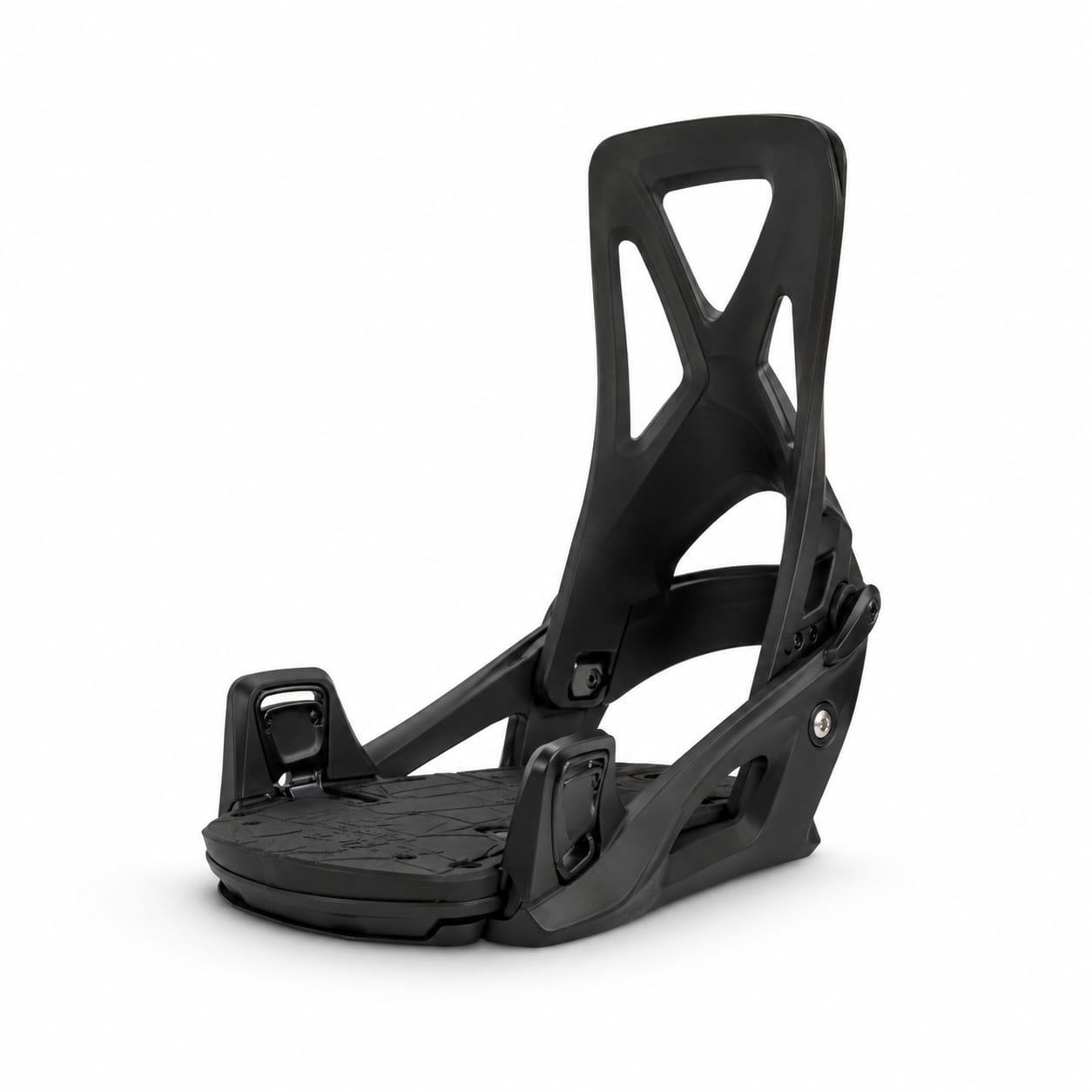
Snowboard Strap Bindings

Snowboard Strap Bindings

$80 – $450

dominant

Traditional two-strap snowboard bindings offering maximum adjustability and widespread boot compatibility.

Two-strap closure systemUniversal boot compatibilityWide flex range available
Snowboard Rear-Entry Bindings

Snowboard Rear-Entry Bindings

$120 – $350

niche

Speed-entry snowboard bindings with a reclining highback for quick boot insertion without unstrapping.

Reclining highback mechanismSingle-piece comfort strapSpeed entry and exit
Snowboard Step-On Bindings

Snowboard Step-On Bindings

$200 – $430

common

Step-in snowboard binding systems requiring compatible boots with mechanical click-in engagement.

Mechanical click-in connectionRequires compatible bootsNo straps needed
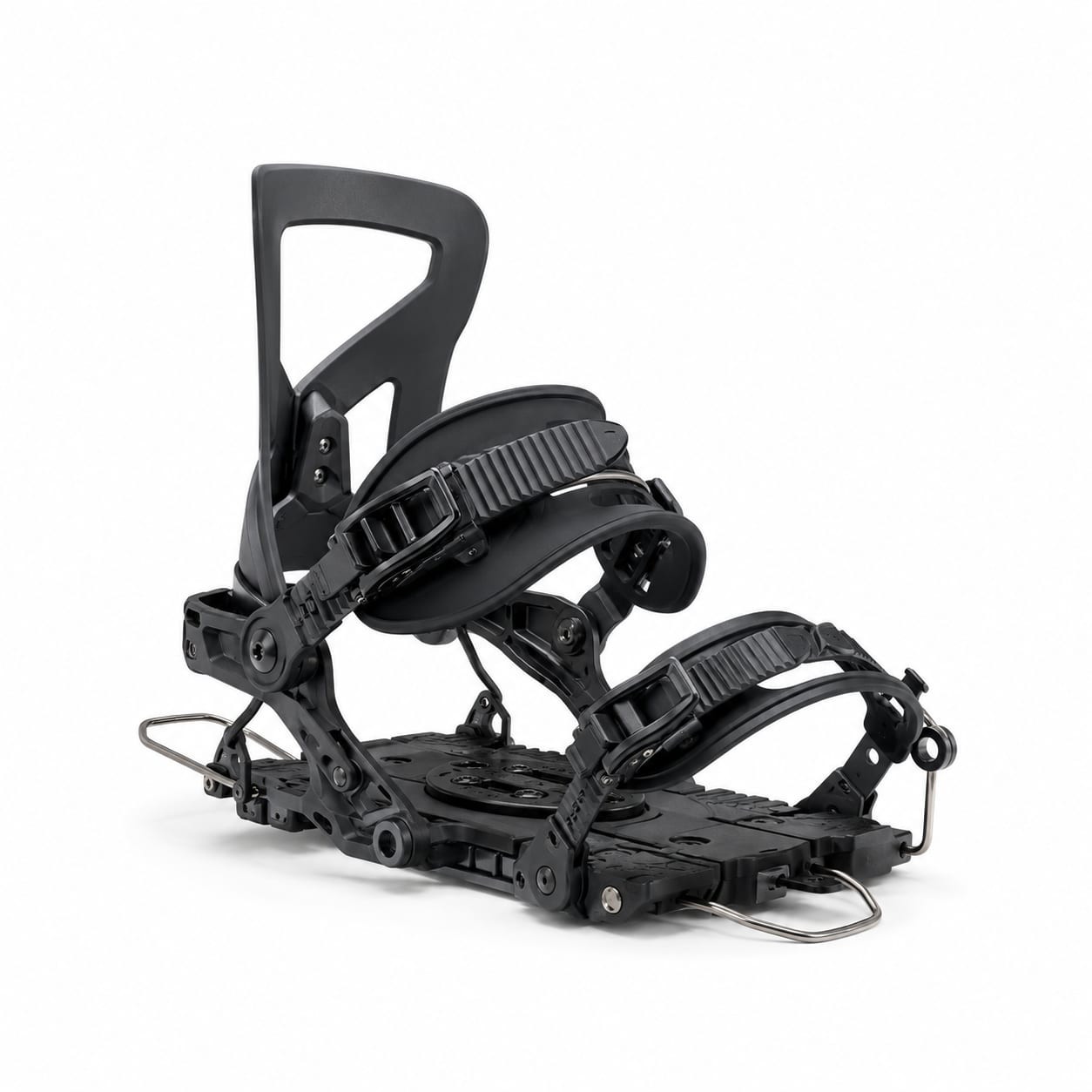
Splitboard Bindings

Splitboard Bindings

$250 – $550

niche

Specialized snowboard bindings with touring mode for uphill travel on splitboards.

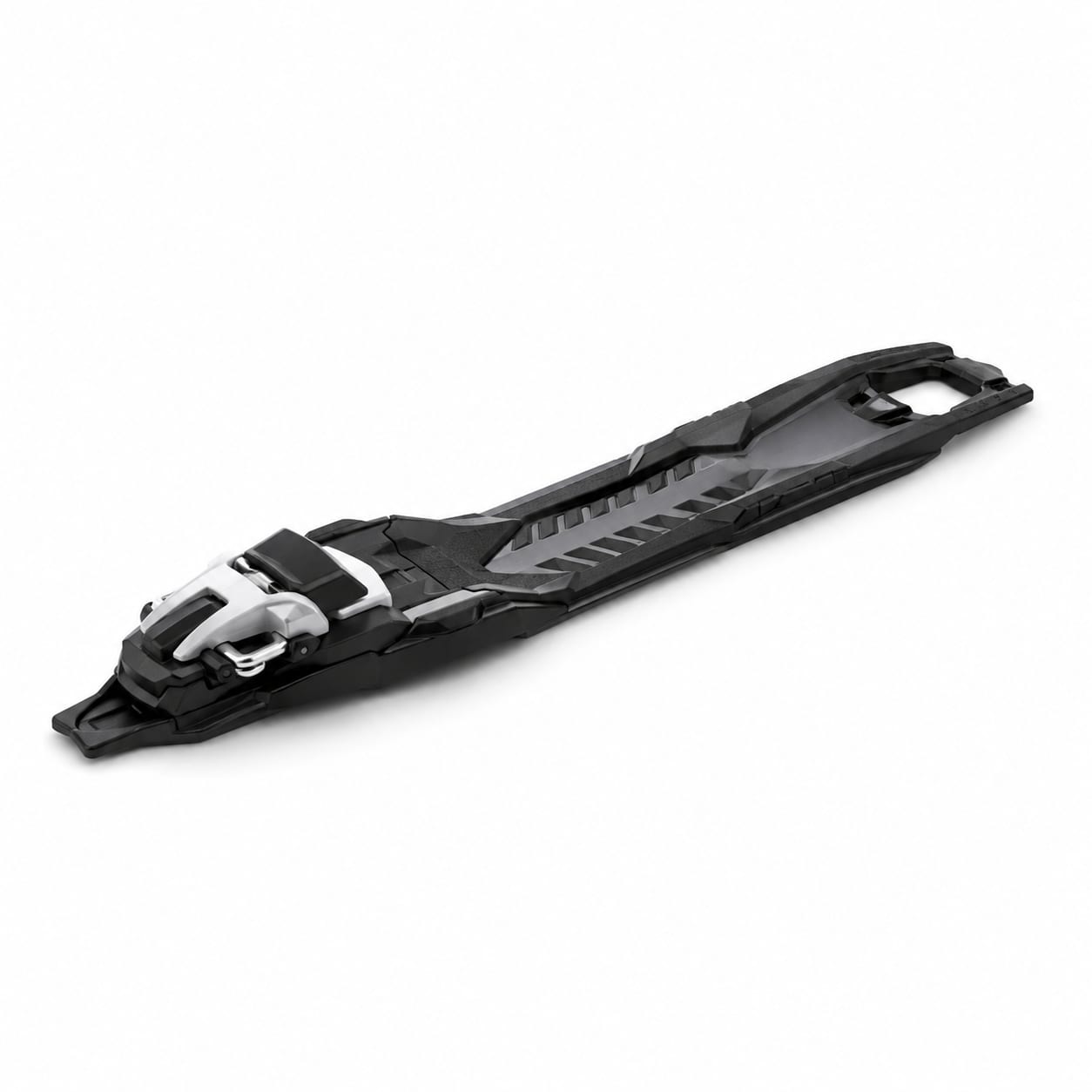
Touring pivot modeRide lock-down modeClimbing wire heel lifts
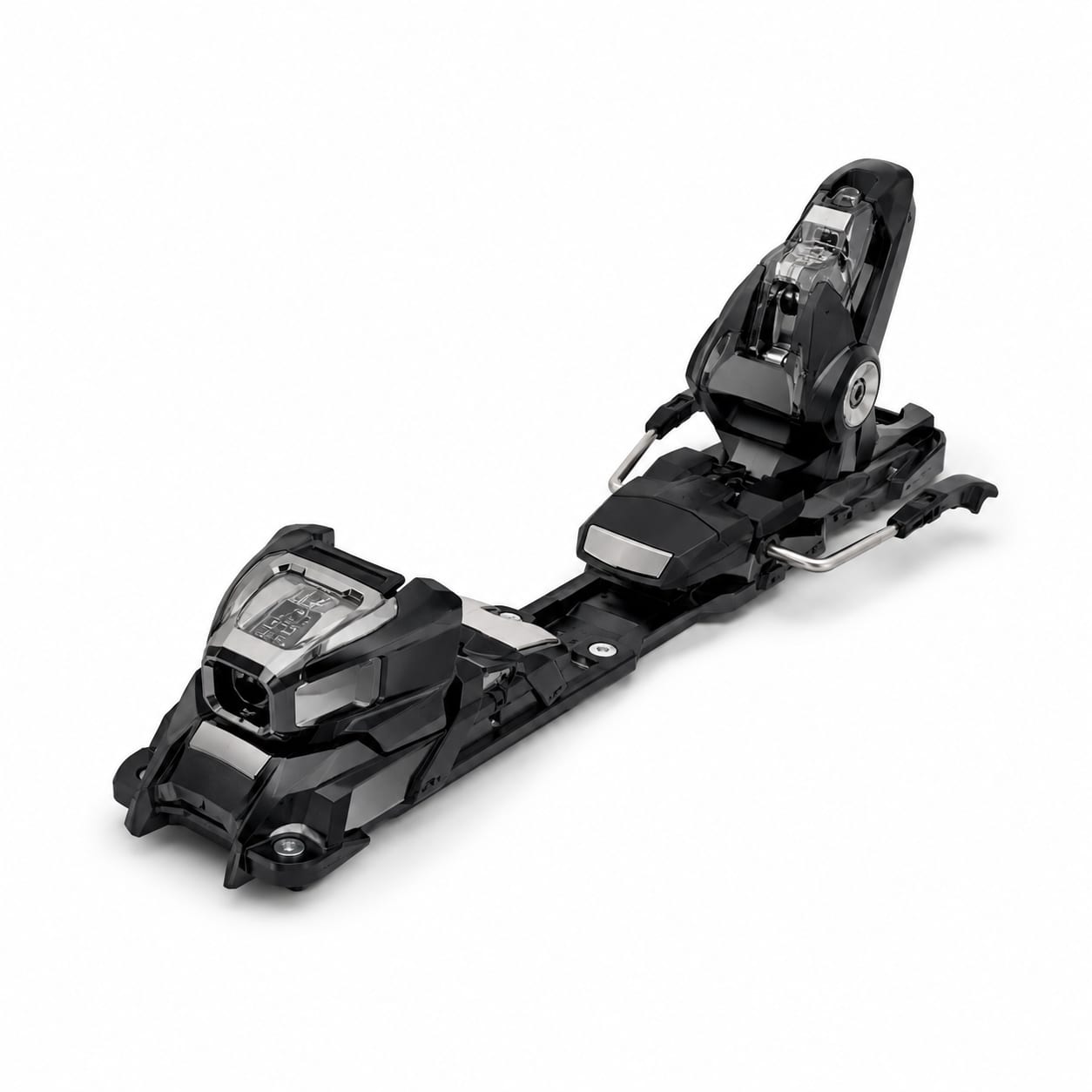
Alpine Ski Bindings

Alpine Ski Bindings

$80 – $500

dominant

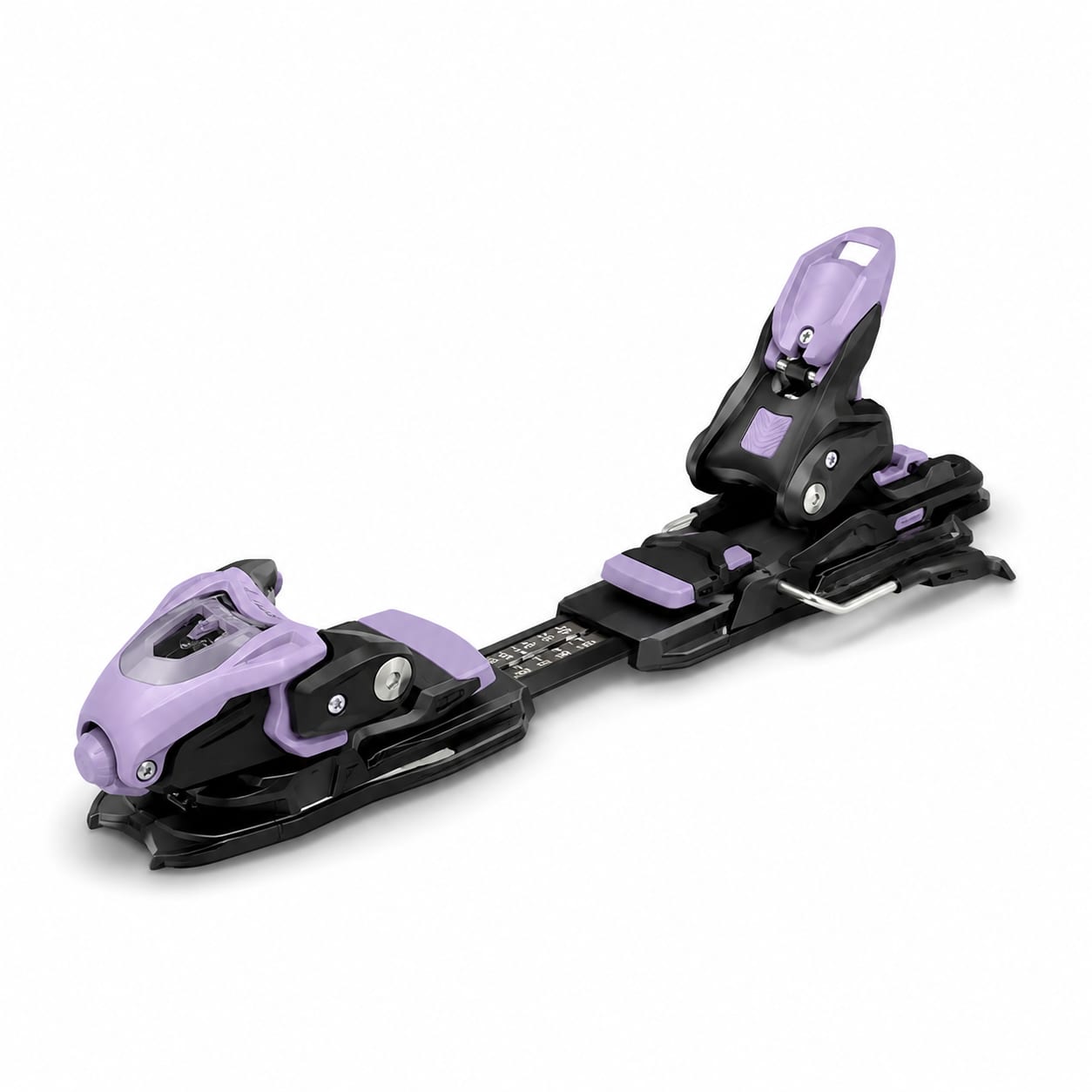
Standard downhill ski bindings with DIN-certified release for resort skiing.

DIN-certified release mechanismToe and heel piece designAdjustable release values
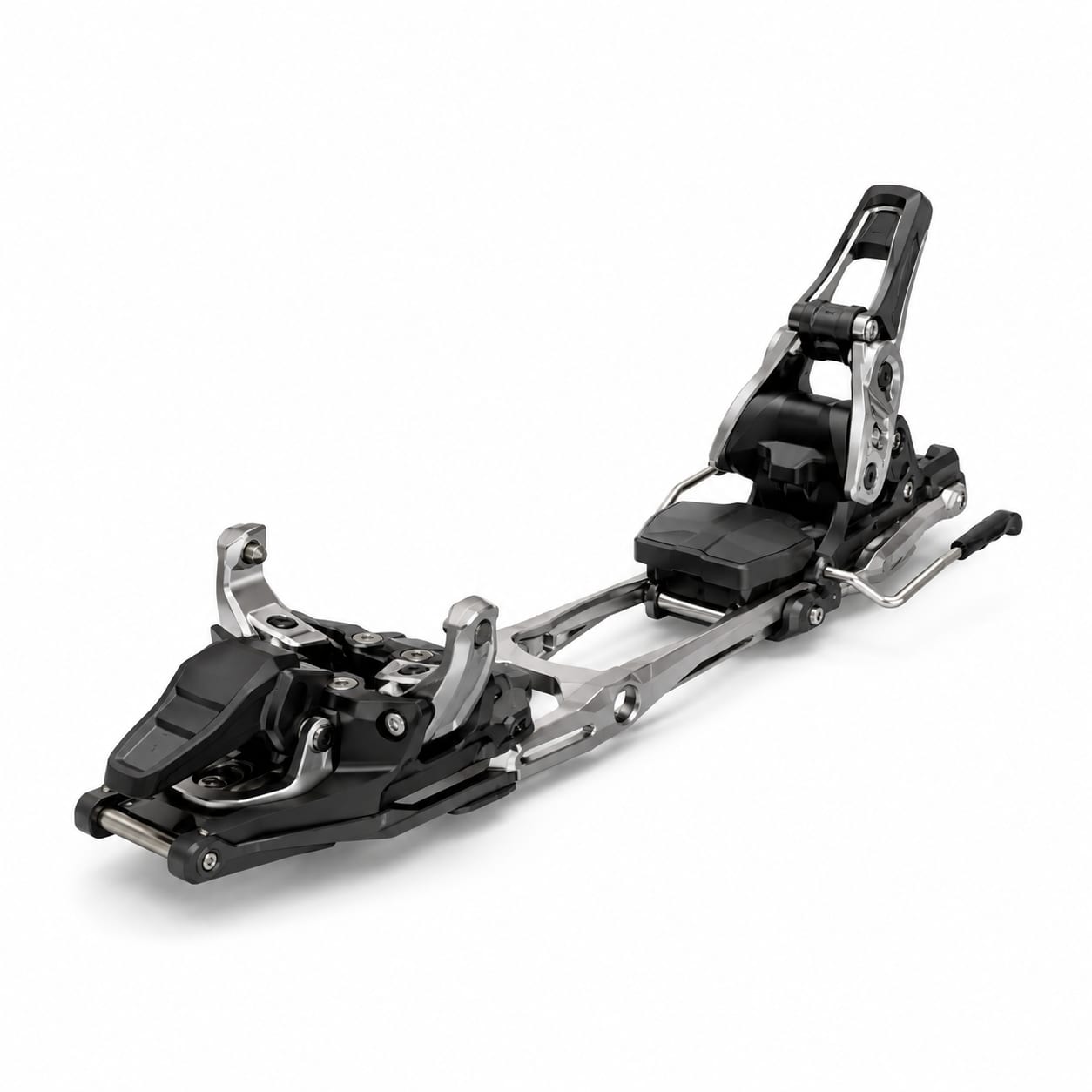
Alpine Touring Frame Bindings

Alpine Touring Frame Bindings

$200 – $550

common

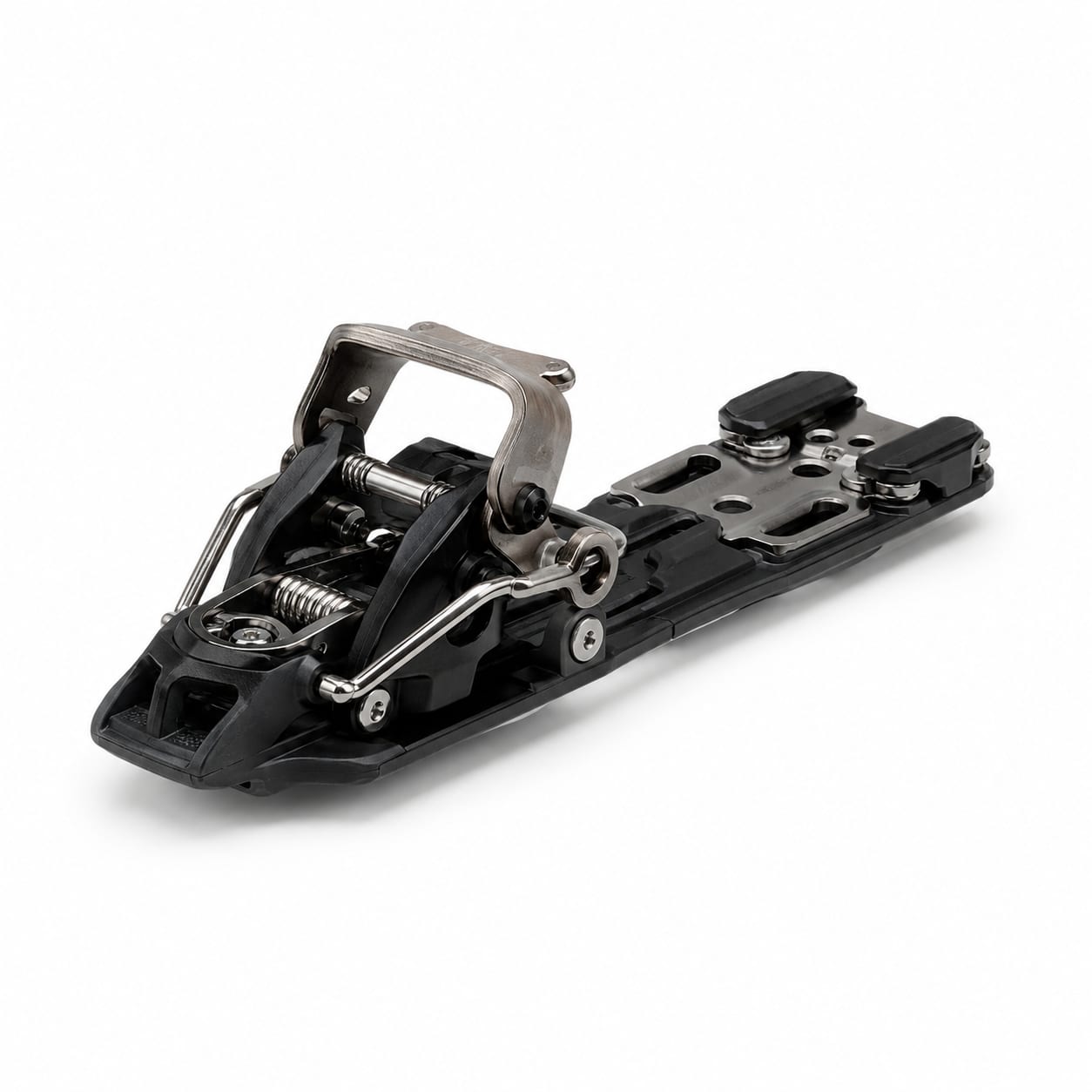
Hybrid ski bindings with a hinged frame that allows heel-free touring and locked-down downhill skiing.

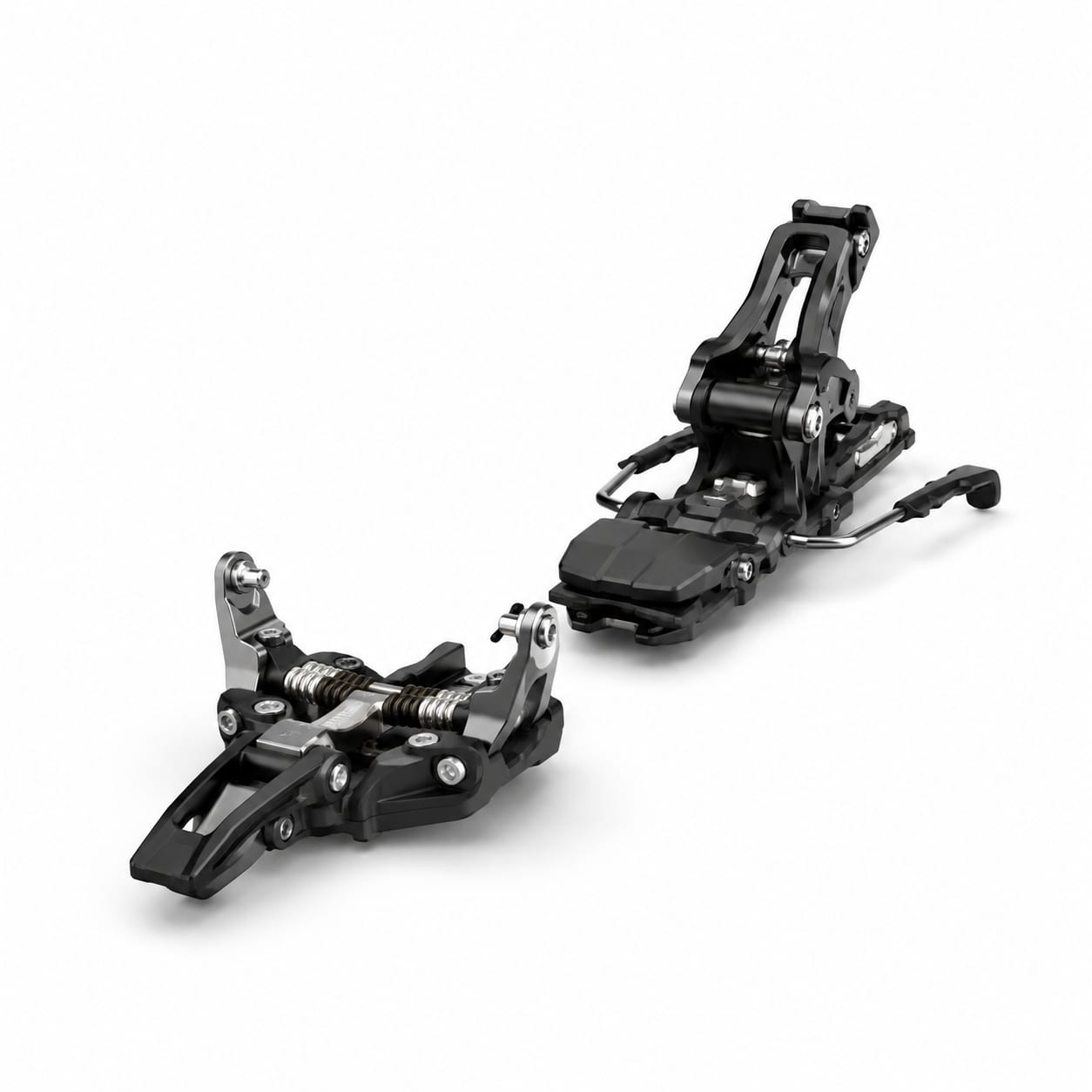
Hinged frame mechanismHeel lift for touringLocks down for alpine skiing
Tech/Pin Bindings

Tech/Pin Bindings

$300 – $900

common

Lightweight touring bindings using pin-clamping toe pieces for efficient uphill travel and backcountry skiing.

Pin-clamping toe pieceTech-compatible boot requiredRotating heel piece
Telemark Bindings

Telemark Bindings

$150 – $500

specialty

Free-heel ski bindings allowing telemark turns with a pivoting toe connection and no heel attachment.

Free-heel designToe-only attachmentPivoting toe mechanism
Cross-Country Ski Bindings

Cross-Country Ski Bindings

$25 – $150

common

Lightweight bindings for Nordic skiing with free-heel design optimized for striding and skate skiing.

Toe-only attachmentUltra-lightweightFree-heel design
Junior/Kids Ski Bindings

Junior/Kids Ski Bindings

$50 – $200

common

Lower-DIN alpine ski bindings designed for children with appropriate release values for lighter skiers.

Low DIN rangeChild-appropriate release valuesLightweight construction