
Snowboard Bindings · FAQ
Questions about Snowboard Step-On Bindings
Straight answers on fit, specs, and when this type makes sense — each topic has its own page with links back to the buying guide.
Open Snowboard Step-On Bindings guide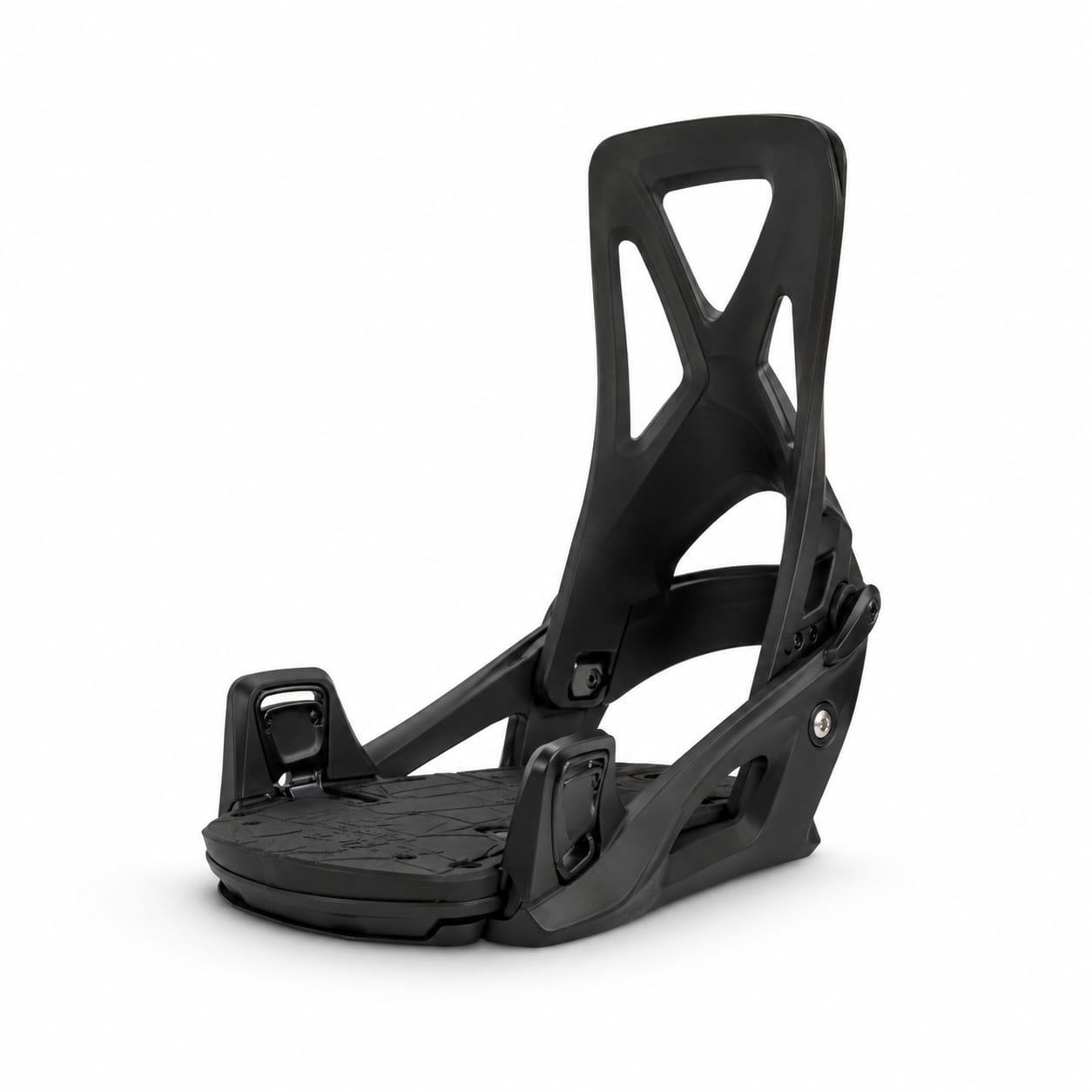
6 topics
Pick a question
Every answer links to the full subcategory guide and related gear types when it helps you decide.
Do step-on bindings ever accidentally release while riding?
No. When properly engaged (you hear and feel the click), step-on bindings are extremely secure. The cleat-and-receptor system locks the boot in place with a retention force that exceeds what most riders achieve with straps. Accidental release in normal riding conditions is essentially unheard of. The system is designed to release only when you deliberately pull the heel lever.
Read answer →02Can I use my current boots with step-on bindings?
It depends on the system. Burton Step On requires Burton Step On boots with integrated toe and heel cleats—standard boots will not work. Nidecker Supermatic works with any standard snowboard boot because it uses a different step-in mechanism. If you currently ride non-Burton boots and don't want to replace them, Supermatic is your step-on option. If you're open to Burton boots, the Step On system is more established and widely available.
Read answer →03Are step-on bindings good for beginners?
They can work for beginners, but they're not typically recommended as a first binding. Beginners are still determining their stance, riding style, and boot preferences, and the boot commitment required by step-on systems limits flexibility during this learning phase. The higher cost is also hard to justify when you may change setup preferences quickly. However, for beginners with mobility issues who find sitting to strap in painful, step-on bindings can be an excellent choice that keeps them riding longer and more comfortably.
Read answer →04What happens if snow packs into the binding and I can't click in?
This is the most common frustration with step-on bindings, particularly in deep powder or heavy snow. The solution is simple: before stepping in, tap the binding baseplate against your board or brush it with your glove to clear snow from the receptors. This takes 2-3 seconds and becomes an automatic habit. In extreme cases, you can use a small brush or your pole to clear packed snow. Most riders find this minor inconvenience is far outweighed by the convenience of instant entry for the rest of the day.
Read answer →05How long do step-on bindings and boot cleats last?
The bindings themselves are comparable in lifespan to strap bindings—typically 3-5 seasons of regular riding (50+ days/year) before significant wear. The boot cleats are the primary wear item and typically last 1-2 seasons depending on how much you walk in the boots. Walking on hard surfaces (parking lots, lodge floors) accelerates cleat wear significantly. Replacement cleats are inexpensive (around $15-20) and easy to install with the included tool. Inspect cleats monthly during the season and replace when teeth show visible rounding.
Read answer →06Can I use step-on bindings on any snowboard?
Yes, as long as you have the correct mounting version. Burton Step On comes in Re:Flex (compatible with 4x4, 2x4, and 3D insert patterns) and EST (compatible only with Burton Channel boards). Choose the version that matches your board's insert pattern. Nidecker Supermatic uses a universal disc system. There are no other compatibility concerns—step-on bindings work with any snowboard that can accept standard bindings.
Read answer →