
Snowboard Boots · FAQ
Questions about BOA Snowboard Boots
Straight answers on fit, specs, and when this type makes sense — each topic has its own page with links back to the buying guide.
Open BOA Snowboard Boots guide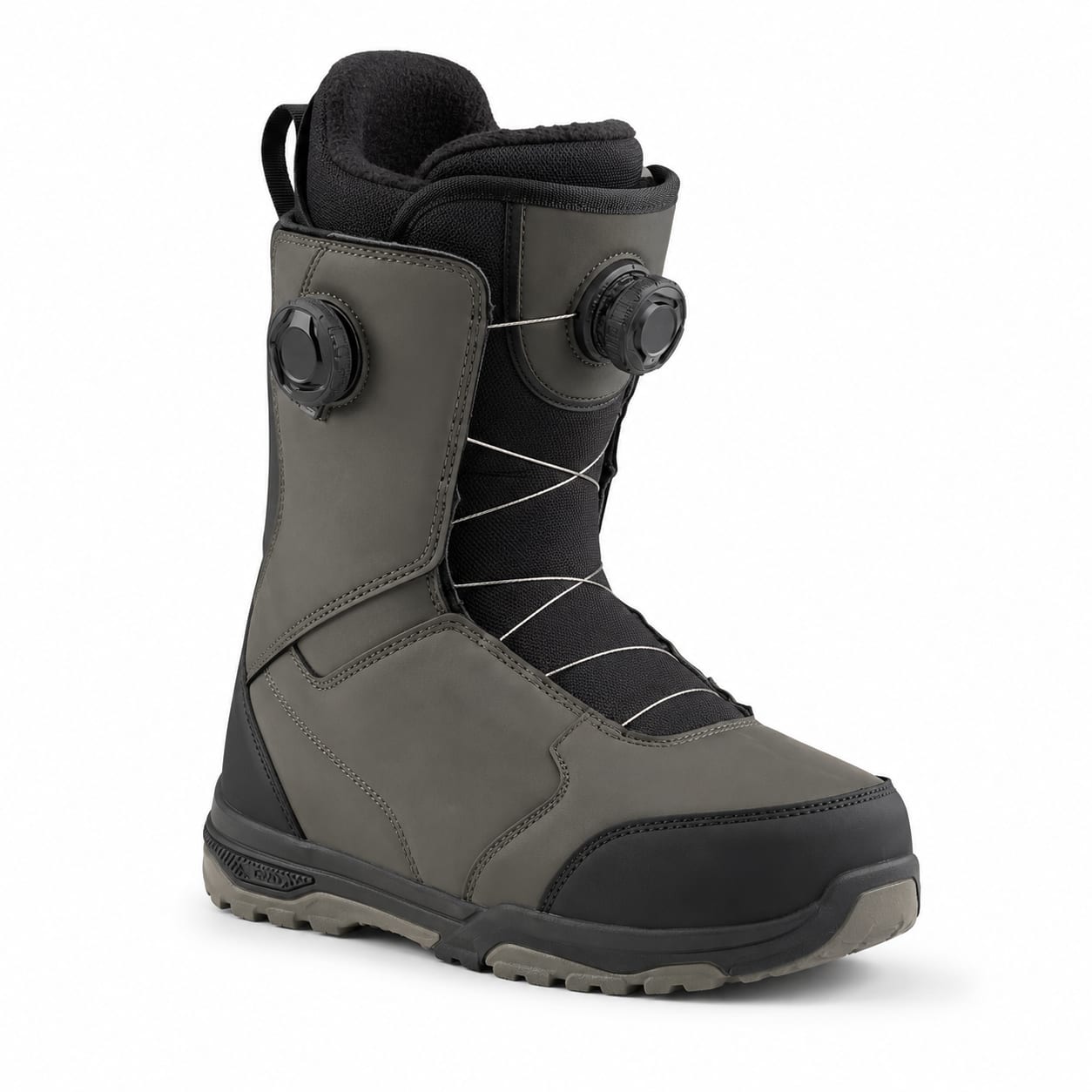
6 topics
Pick a question
Every answer links to the full subcategory guide and related gear types when it helps you decide.
What happens if my BOA dial breaks on the mountain?
Carry a spare dial (most brands include one, or buy one for $5–$10). To replace: pull out the broken dial, insert the spare, and thread the cable—most replacements take under 2 minutes. If you don't have a spare, you can ride with the boot loose by leaving the dial released, though this significantly reduces control. BOA offers free dial and cable replacements under their lifetime warranty—contact them or visit any shop for installation.
Read answer →02Is Double BOA worth the extra cost over Single BOA?
For most riders, yes. Double BOA's independent upper and lower zone control lets you set different tensions for heel hold versus forefoot comfort—this is the system's biggest practical fit advantage. Single BOA applies uniform pressure across the entire foot, which works for some riders but cannot address the common need for tighter ankle compression with looser toe area. The $20–$40 premium for Double BOA is one of the best value upgrades in snowboard equipment.
Read answer →03Can I adjust BOA boots while strapped into my bindings?
Yes—this is one of BOA's strongest advantages. You can reach the dials (especially upper zone dials positioned on the tongue) while strapped in and make quarter-turn adjustments without removing gloves or unbuckling. Lower zone dials on the lateral side are also accessible in most binding configurations. This mid-run micro-adjustability is impossible with traditional laces.
Read answer →04Do BOA boots fit differently than traditional lace boots?
BOA boots use the same lasts and liners as equivalent traditional lace models from the same brand—the shell shape is identical. The difference is in pressure distribution: BOA cables create more uniform tension across the lacing zone, while traditional laces create slightly varied tension at each eyelet crossing. Some riders find BOA's even pressure more comfortable; others prefer the ability to selectively tighten specific areas with laces. The fit difference is subtle and personal.
Read answer →05Are BOA boots good for beginners?
Yes—BOA is arguably the best lacing system for beginners. Easy dial operation eliminates the frustration of tying laces in cold weather with gloved hands, reducing one of the biggest hassle factors in early riding days. Beginners also benefit from consistent, even pressure that reduces pressure-point discomfort. The main caution: beginners often over-tighten BOA dials seeking a 'secure' feel, causing numbness and cramping. Tighten until snug, not maximum.
Read answer →06How long do BOA cables and dials last?
BOA dials and cables are designed for the lifetime of the boot under normal use. Most riders never need replacement. Cable failure occasionally occurs from impact damage (landing on the dial) or extreme wear on the cable guide channels. Dial failure is even rarer. BOA covers all dial and cable issues under their lifetime warranty, providing free replacements. Typical boot lifespan (2–4 seasons of regular riding) sees no BOA issues for the vast majority of users.
Read answer →