
Snowboard · FAQ
Questions about Directional Twin Snowboard
Straight answers on fit, specs, and when this type makes sense — each topic has its own page with links back to the buying guide.
Open Directional Twin Snowboard guide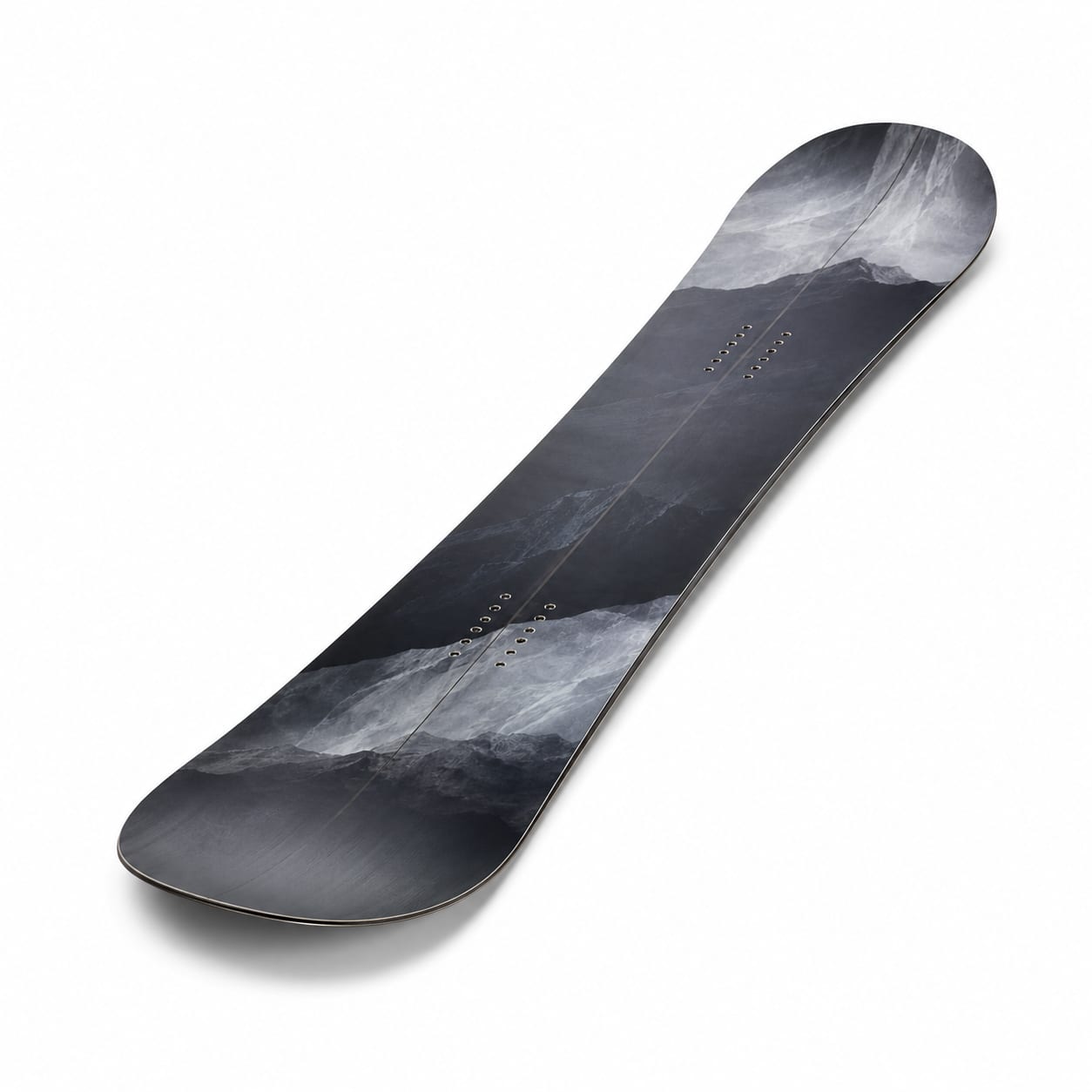
6 topics
Pick a question
Every answer links to the full subcategory guide and related gear types when it helps you decide.
Can I ride a directional twin switch?
Yes, absolutely. The symmetrical outline means the board rides well in both directions. The setback stance (typically 10-20mm) creates a slightly different feel switch—your weight will be a bit forward on the board—but it's very manageable and most riders adapt quickly. If you ride switch less than 20% of the time, you may not even notice the difference.
Read answer →02How much powder can a directional twin handle?
Directional twins handle moderate powder (up to about 30cm of fresh) very well thanks to the setback stance and slight taper. In deeper snow, they'll float but require more active weight management than a dedicated powder board. If you regularly ride bottomless powder, consider a directional twin with more setback (20mm+) and a rockered nose, or add a dedicated powder board to your quiver.
Read answer →03Is a directional twin good for the park?
Directional twins work well for park jumps, side hits, and medium features. The twin outline provides balanced swing weight for spins and the flex is typically responsive enough for ollies and landings. For dedicated rail and jib riding, a true twin with a centered stance and softer flex offers a more consistent feel. For most riders who split time between the park and the rest of the mountain, a directional twin is a great choice.
Read answer →04What's the difference between a directional twin and a true twin?
The key difference is stance position. Both have symmetrical outlines, but a directional twin has the insert pack set back 10-20mm from center, while a true twin has a centered stance. This setback gives the directional twin better float in soft snow and a more natural forward-riding feel, while the true twin offers perfectly symmetrical switch performance. The board shapes look identical from above—it's the stance position that differs.
Read answer →05Should I mount my bindings at the reference stance or adjust them?
Start at the manufacturer's reference stance—it's positioned where the board performs as designed. After a few days of riding, experiment with small adjustments. Moving your stance forward (less setback) improves switch feel and park performance. Moving it back (more setback) improves powder float. Most riders end up within 10mm of the reference stance. Mark your preferred position once you find it so you can replicate it if you remove your bindings.
Read answer →06Can a beginner ride a directional twin?
It depends on the specific model. Softer-flexing directional twins with hybrid camber or hybrid rocker profiles (flex 3-5) can work well for confident beginners who plan to progress quickly. However, many directional twins are designed for intermediate-to-advanced riders with medium-to-stiff flex that can be unforgiving for true beginners. If you're in your first season, consider a softer true twin or rocker board first, then transition to a directional twin in your second or third season.
Read answer →