
The key difference is stance position. Both have symmetrical outlines, but a directional twin has the insert pack set back 10-20mm from center, while a true twin has a centered stance. This setback gives the directional twin better float in soft snow and a more natural forward-riding feel, while the true twin offers perfectly symmetrical switch performance. The board shapes look identical from above—it's the stance position that differs.
Snowboard · Directional Twin Snowboard
What's the difference between a directional twin and a true twin?
Related gear types
If this answer nudged you toward a different style, these guides compare specs and trade-offs.
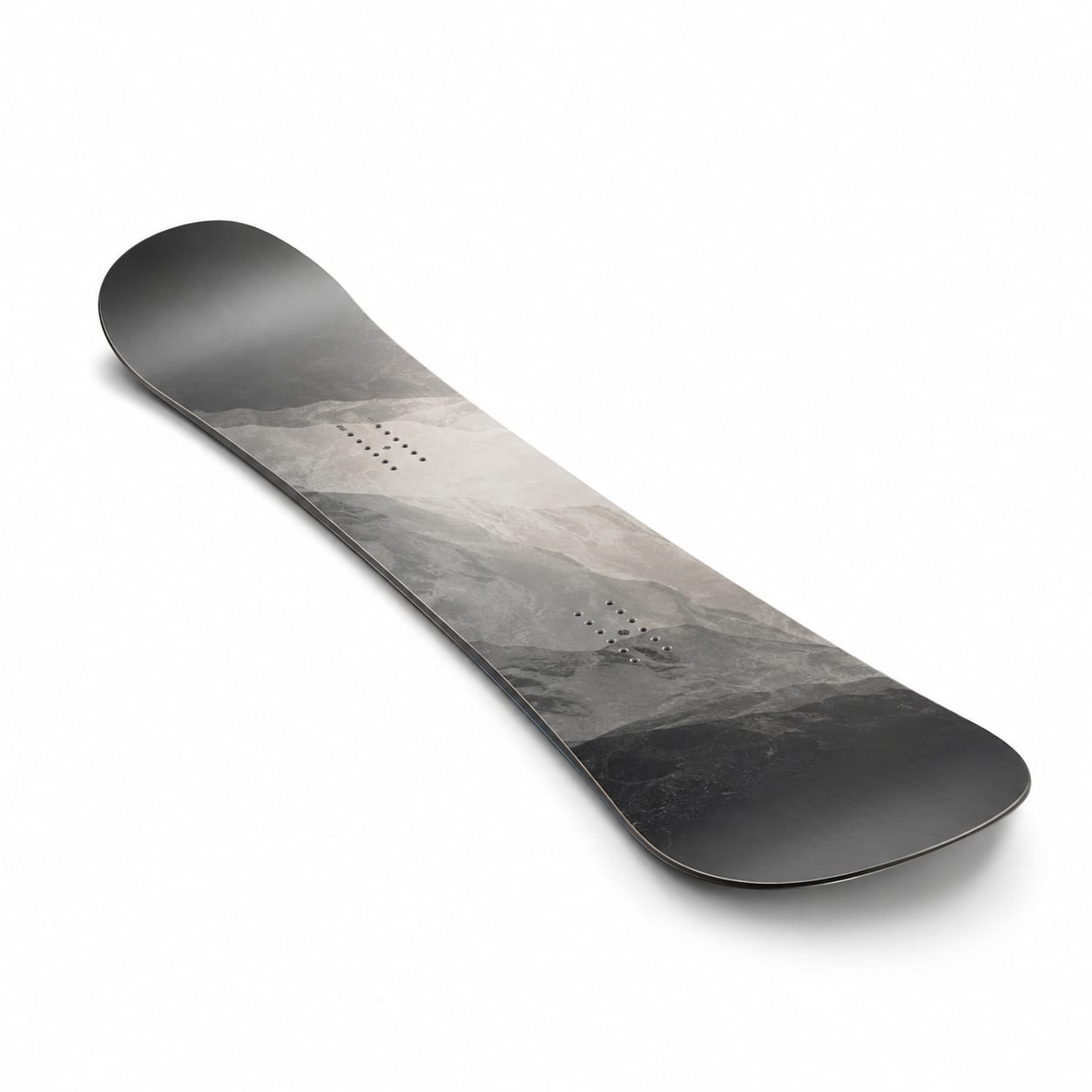
All-Mountain Snowboard
$300 – $800
Versatile snowboard designed to perform across varied terrain and conditions.
Medium flexDirectional twin or twin shapeHybrid or camber profiles
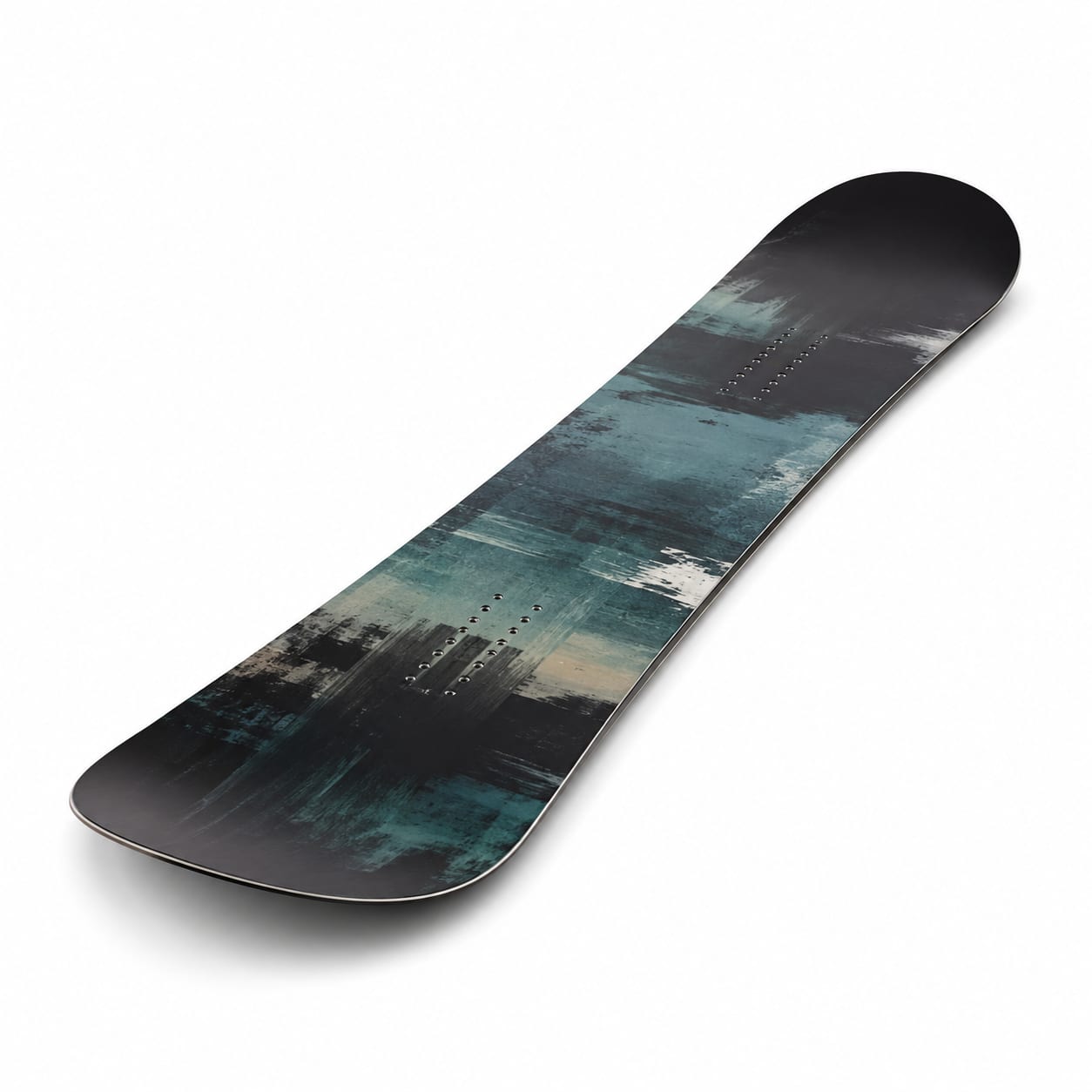
Freestyle Snowboard
$300 – $700
Playful, twin-tip snowboard optimized for tricks, jumps, and terrain park riding.
True twin shapeSoft to medium flexRockered or flat profile
More questions
- Can I ride a directional twin switch?
- How much powder can a directional twin handle?
- Is a directional twin good for the park?
- Should I mount my bindings at the reference stance or adjust them?